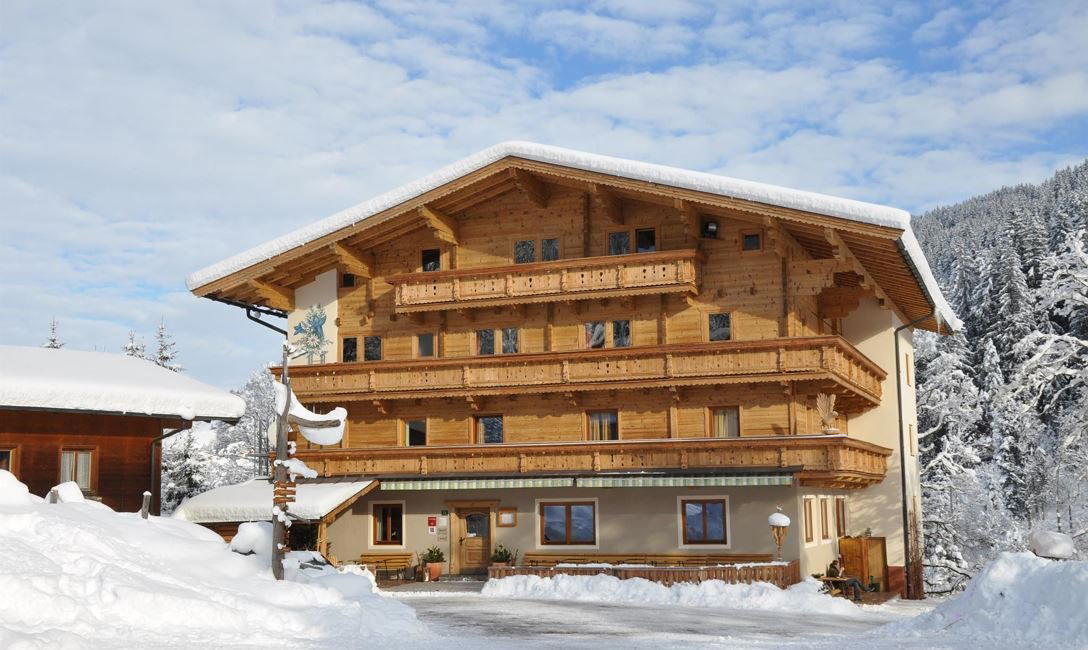
A traditional Austrian alm in Jochberg, Bruggeralm sits along the Gauxweg at an elevation where the sourcing logic writes itself: what grows or grazes nearby ends up on the plate. The kitchen reflects a broader Tyrolean tradition of mountain cooking rooted in proximity and season, placing it firmly in the same conversation as Jochberg's other table-driven stops worth planning around.
Pearl is the En Primeur Club membership app — saves, bookings, and concierge access live there. Same editors, same standards.
- Address
- Gauxweg 4, 6373 Jochberg, Austria
- Phone
- +434353555088
- Website
- bruggeralm.at
- Directions
- Get directions
 Saves & bookings on Pearl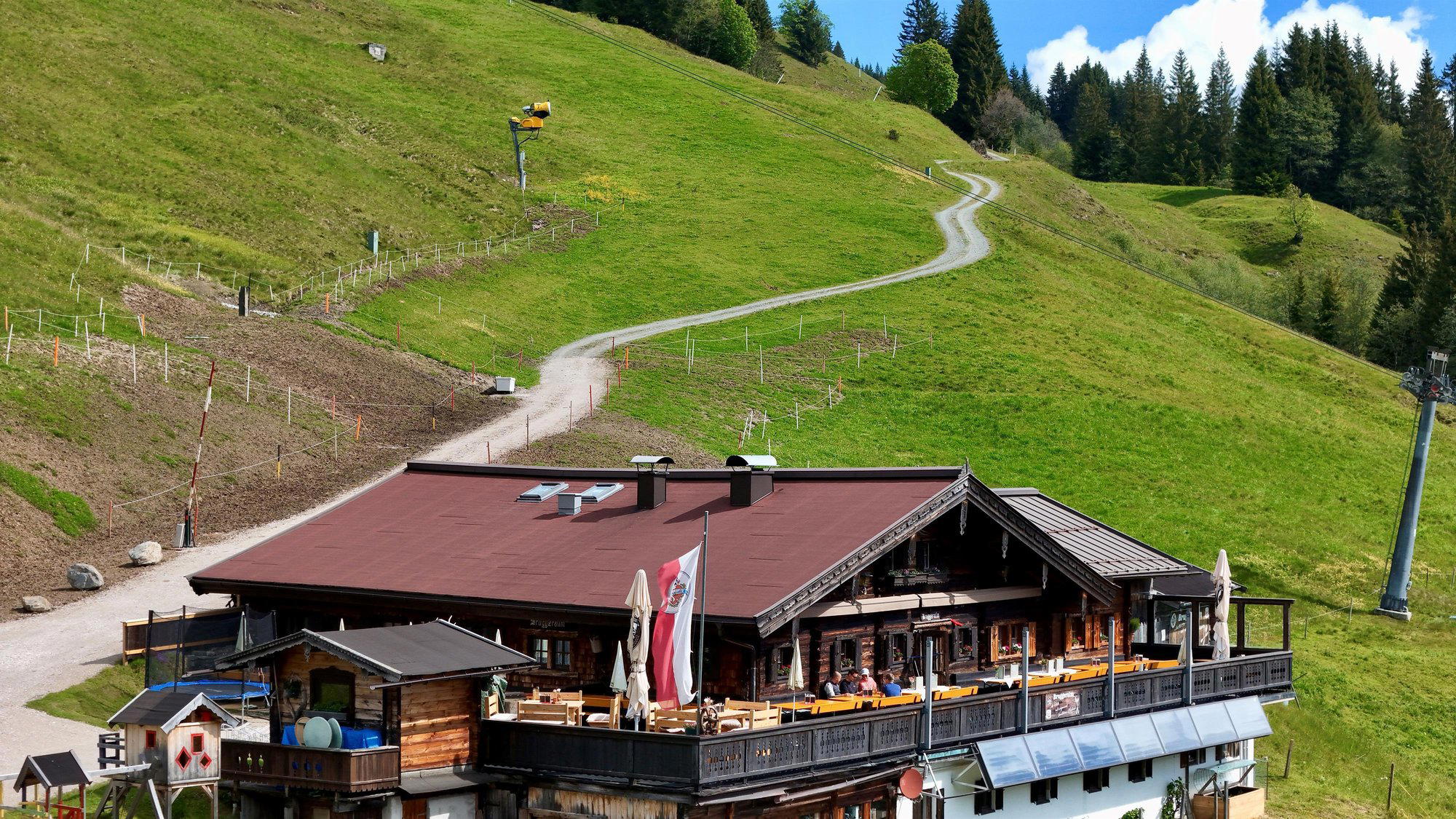
Where the Mountain Does the Sourcing Work
There is a particular category of Austrian mountain restaurant that earns its place not through formal credentials or chef celebrity, but through the logic of its location. At high elevation, the supply chain is short by necessity. What the surrounding alm pastures produce in summer, what the forest yields in autumn, and what the cellar preserves through winter shapes the menu more decisively than any culinary philosophy drafted in a lowland kitchen. Bruggeralm, sitting on the Gauxweg above Jochberg in the Tyrolean Alps, operates within that tradition. The address at Gauxweg 4 puts it well outside the village centre, reached by a road that climbs past working pasture rather than through a resort strip, which already tells you something about what to expect inside.
Jochberg occupies a quiet position in the Kitzbühel Alps, close enough to the Kitzbühel ski area to draw winter visitors but distinct enough in character to function on its own terms. The village sits in a valley between Kitzbühel and the Pass Thurn, and the restaurants that hold local allegiance here tend to reflect that in-between quality: serious about food and drink without performing for an international resort crowd.
The Tyrolean Alm Tradition and Why Sourcing Defines It
The Austrian alm restaurant sits at an interesting intersection of agricultural function and hospitality tradition. These were originally seasonal working structures, and the food culture that grew up around them was shaped by what could be raised, grown, or foraged at altitude. In the Tyrolean context, that means dairy from cattle grazed on alpine pasture, cured meats from pigs kept through the summer months, and a repertoire of preservation techniques that reflect the hard logic of mountain winters. Dishes that appear rustic are often technically precise: the curing, fermenting, and fat-rendering that underpin a good alm kitchen represent accumulated knowledge rather than simplicity.
This sourcing structure distinguishes the alpine tradition from lowland Austrian cooking in a way that matters when choosing where to eat. A restaurant like Steirereck im Stadtpark in Vienna or Landhaus Bacher in Mautern an der Donau draws from a much wider geography of producers and applies a formal kitchen logic to its sourcing. An alm kitchen draws from a much tighter radius, and the seasonality is more compressed. Summer and autumn are the productive months; winter menus lean on what has been put away. That compression creates a different kind of specificity, one that is harder to replicate outside the altitude and the grazing season that produce it.
Across Austria's alpine tier, some operations have formalised this tradition into something more structured. Obauer in Werfen and Döllerer in Golling an der Salzach both use regional sourcing as a starting point but apply considerable kitchen intervention. The alm format at places like Bruggeralm sits further toward the unmediated end of that spectrum, where the sourcing is the statement rather than the raw material for a larger technical project.
Jochberg's Table in Context
Within Jochberg itself, the dining options divide roughly between places drawing a resort clientele from the Kitzbühel corridor and those functioning on a more locally grounded basis. Bruggeralm's position on the Gauxweg suggests the latter orientation. The other addresses worth knowing in the village each occupy a distinct position: Gasthaus Bärenbichl and Gasthof Alte Wacht represent the traditional Gasthaus format, Jodlbühel sits in a more seasonal outdoor category, and Restaurant Steinberg occupies a more formal bracket. Bruggeralm holds a position that is specific to the alm format: accessible in the warmer months when the road and the pasture above it are working, and shaped by that working relationship.
For visitors whose frame of reference is the more formalised alpine dining found elsewhere in the Tyrol, it is worth calibrating expectations. Gourmetrestaurant Tannenhof in Sankt Anton am Arlberg and Stüva in Ischgl both carry formal recognition and a polish appropriate to their resort contexts. Bruggeralm is not in competition with that tier. It belongs to a category where the measure of quality is fidelity to its setting rather than alignment with formal fine dining criteria. Internationally, the comparison that holds in terms of ethos, if not cuisine, is something like Lazy Bear in San Francisco, which uses a defined sourcing logic and communal format to deliver a specific, place-rooted experience. The execution and price point are entirely different, but the underlying argument for why a place matters is structurally similar.
Planning a Visit
Bruggeralm sits at Gauxweg 4 in Jochberg, reached by road from the village centre. As with most alm properties in the Tyrolean Alps, accessibility and operating hours are tied to season: the summer and early autumn months are the primary window. Visitors arriving from Kitzbühel, roughly 10 kilometres to the north, will find the approach direct by car; the road conditions above the village in winter make out-of-season visits impractical at this type of property. Schwarzer Adler in Hall in Tirol, Restaurant 141 by Joachim Jaud in Mieming, Kräuterreich by Vitus Winkler in Sankt Veit im Pongau, Ois in Neufelden, and Taubenkobel in Schützen am Gebirge.
Comparison Snapshot
Comparable venues nearby, for context on price, style, and recognition.
| Venue | Cuisine | Price | Notes |
|---|---|---|---|
| BruggeralmThis venue — the venue you are viewing | Tyrolean Alpine Hut | $$ | Not listed |
| Gasthof Alte Wacht | Traditional Tyrolean Cuisine | $$ | Jochberg |
| Restaurant Steinberg | Modern Tyrolean | $$$ | Jochberg |
| Jodlbühel | Traditional Tyrolean Inn Cuisine | $$ | Jochberg |
| Gasthaus Bärenbichl | Traditional Tyrolean Regional Cuisine | $$$ | Jochberg |
| Bärstattalm | Traditional Tyrolean | $$ | Gaisberg |


At a Glance
- Rustic
- Cozy
- Scenic
- Family
- Celebration
- Casual Hangout
- Terrace
- Panoramic View
- Local Sourcing
- Mountain
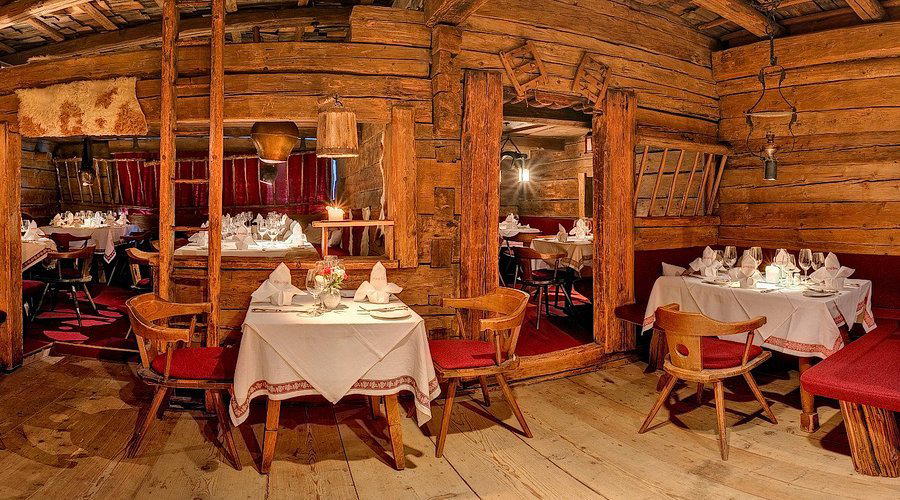
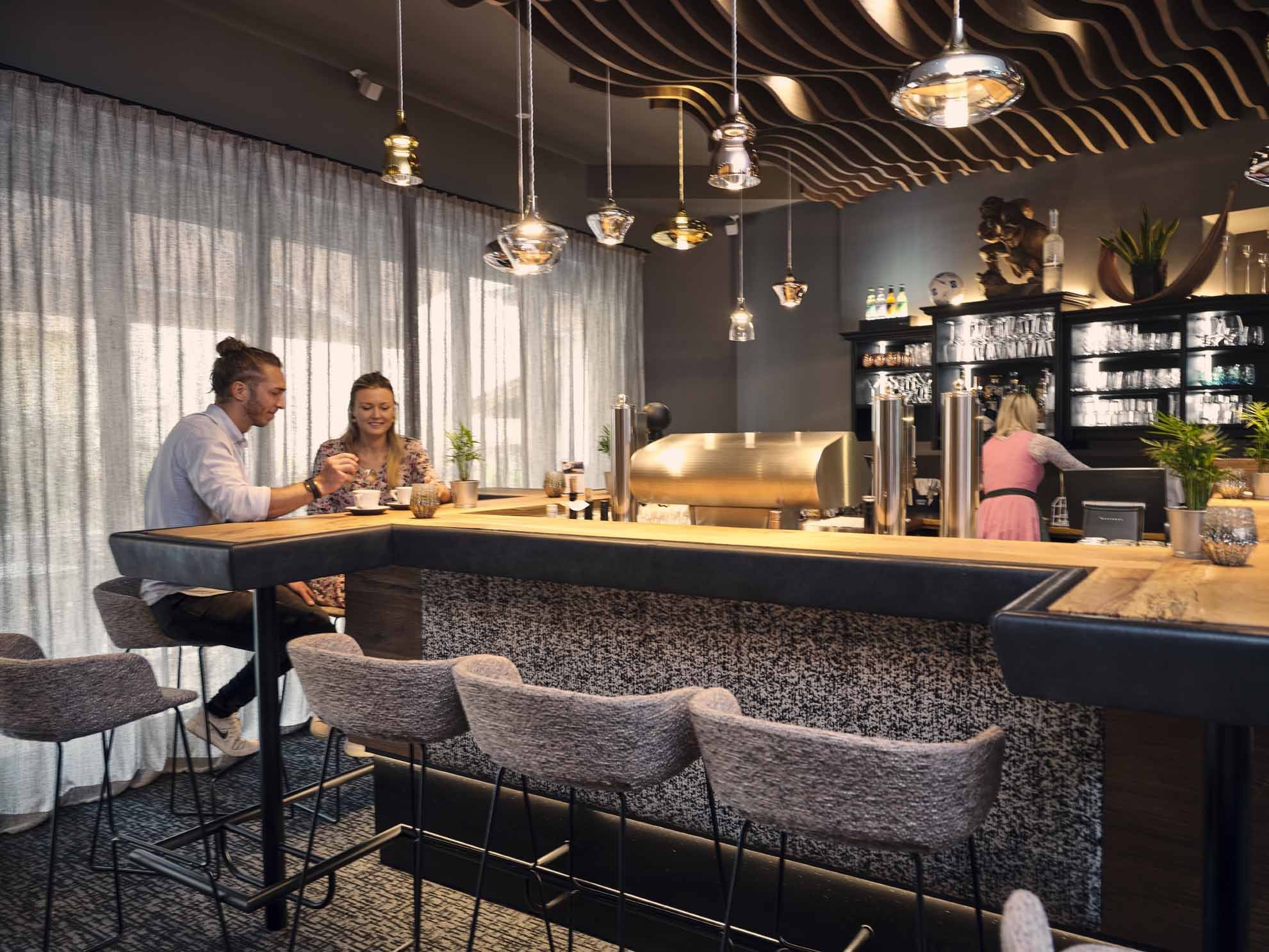
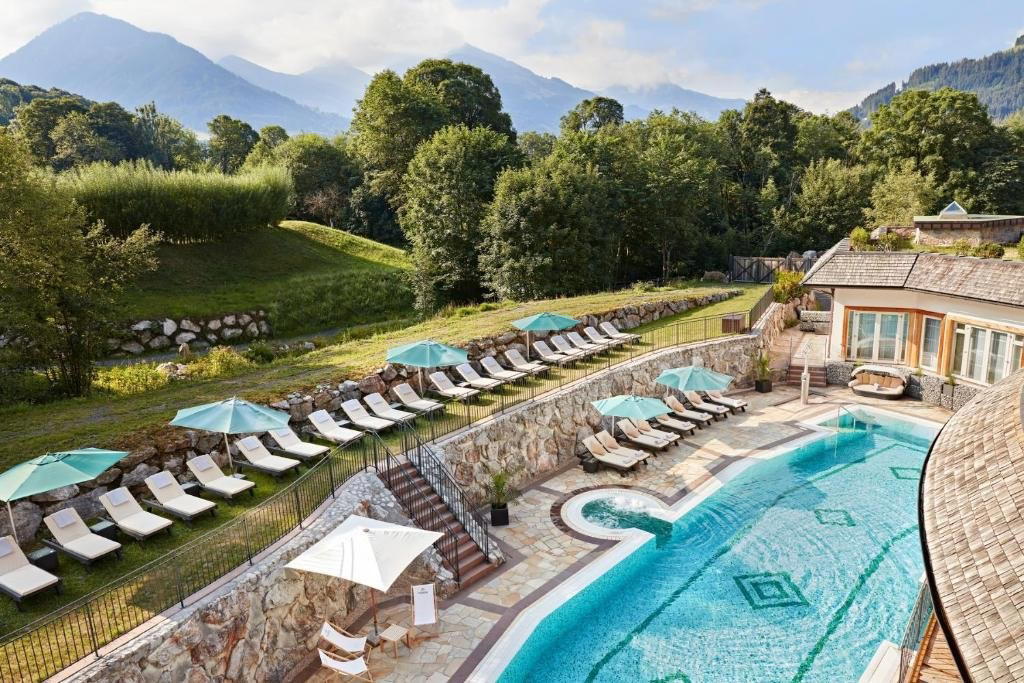
Cozy rustic atmosphere with warm tiled stove, hearty family-friendly alpine hut setting, and far-reaching mountain panorama.