Meštiansky pivovar
Meštiansky pivovar sits on Drevená Street in Bratislava's Old Town, occupying the kind of brewery-restaurant format that Central Europe does better than almost anywhere else. The address places it within walking distance of the city's main dining corridor, where Slovak and international kitchens compete for the same lunch and dinner crowd. For visitors tracing Bratislava's food and drink scene, it represents the brewery-anchored tradition that predates the city's recent fine-dining expansion.
Pearl is the En Primeur Club membership app — saves, bookings, and concierge access live there. Same editors, same standards.
- Address
- Drevená 575/8, 811 06 Bratislava, Slovakia
- Phone
- +421944512265
- Website
- mestianskypivovar.sk
- Directions
- Get directions
 Saves & bookings on Pearl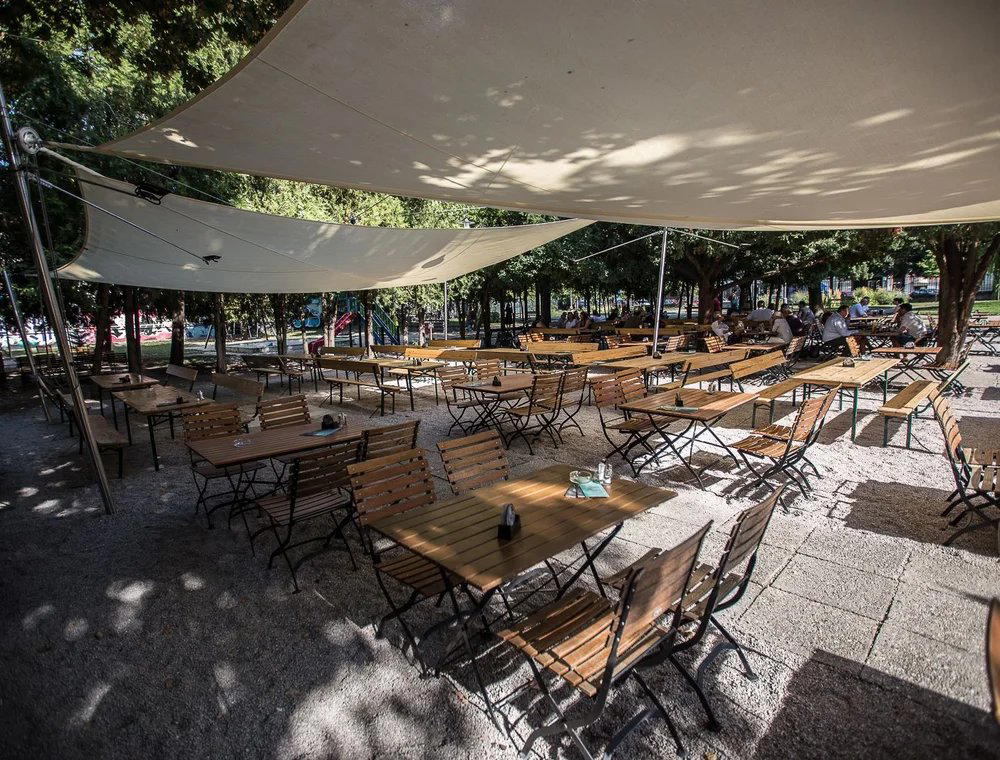
Where Brewery Culture Meets the Old Town Table
Bratislava's relationship with beer is older than its restaurant scene, and the two have never been entirely separate. The city's central districts carry a Central European brewing tradition that runs through Habsburg-era civic life, and the brewery-restaurant format, where fermentation and the kitchen share the same premises or at least the same identity, remains among the more coherent expressions of Slovak hospitality. Meštiansky pivovar, on Drevená Street in the 811 06 postal district, operates inside that tradition. The address places it at the edge of the Old Town's denser dining concentration, at Drevená 575/8 in Bratislava.
The name itself signals the venue's positioning. "Meštiansky" translates roughly as "burgher" or "civic," a reference to the bourgeois brewing culture of Central European towns in the 18th and 19th centuries, when beer production was a civic institution rather than an industrial one. That framing matters in the current context, because Bratislava's drinking and dining culture is splitting along lines that are visible across the region: large-format bars and restaurants aimed at volume tourism on one side, and smaller, identity-led operations on the other. A brewery-restaurant that anchors itself in civic brewing history is making a deliberate choice about which side of that divide it occupies.
The Sustainability Case for Small-Scale Brewing
Across Central Europe, the revival of craft and microbrewery culture carries an environmental logic that the industry has not always made explicit. Small-batch brewing uses shorter supply chains, reduces the energy costs of large-scale industrial fermentation, and creates conditions where spent grain, a significant brewing byproduct, can be redirected into kitchen use rather than waste disposal. Brewery-restaurants in the Czech and Slovak tradition have practised a version of this integration for generations, using the same grain sourcing for both the kettle and the bread basket, and treating the kitchen and the fermentation room as parts of the same production cycle rather than separate operations.
That model aligns more closely with contemporary sustainability thinking than its age might suggest. While newer fine-dining establishments in Bratislava and elsewhere have made ethical sourcing a marketing centrepiece, the brewery-kitchen format built circularity in by structural necessity long before it became a talking point. The beer informs the food, the food uses what the beer produces, and the sourcing decisions for one affect the other. At addresses like Meštiansky pivovar, that integration is part of the inherited format rather than a retrofitted commitment.
For comparison, venues operating in more internationally oriented segments of Bratislava's scene, including Slovak Modern formats like UFO or Italian-accented kitchens like Antica Toscana, have to construct farm-to-table credentials from scratch. A brewery-restaurant inherits them from the format itself, provided it maintains short sourcing chains and resists the pressure to import ingredients that local supply can cover.
Bratislava's Dining Tiers and Where Brewery Dining Sits
The city's restaurant scene has developed unevenly. The Old Town concentration, running through Hviezdoslavovo námestie and the streets feeding off it, carries most of the internationally recognised addresses and the higher price points. Venues like Albrecht Restaurant and APOLKA Restaurant represent the end of the scale where tasting menus and refined Slovak produce sit alongside European fine-dining references. Further along the accessibility spectrum, addresses like Ako doma operate in a register closer to the Czech and Slovak tradition of hearty, ingredient-led cooking without the formality.
Brewery-restaurants occupy their own tier: they are rarely the cheapest option on a given street, because small-batch beer production carries cost, but they are not competing with tasting-menu formats either. The value proposition is different: you are paying for the integration of fresh beer and kitchen cooking, for a format that has internal coherence, and for a sense of place that international hotel dining cannot replicate. In a city that has seen significant growth in both ends of the dining market, the mid-tier brewery-restaurant holds a position that is harder to commodify than either extreme.
Across Slovakia more broadly, food culture varies significantly by region. Establishments like Koliba Patria in Štrbské Pleso and Fatrabeef in Ľubochňa represent the mountain-country koliba tradition, which has its own sustainability logic around pasture-raised meat and regional sourcing. Urban brewery dining in Bratislava draws from a different tradition but shares the same underlying commitment to place-specific ingredients and formats that make sense within their geography. For a wider view of what Slovakia's food scene looks like beyond the capital, Focus Restaurant in Žilina and Holotéch víška in Kosariská show how regional identity plays out in different settings.
Getting There and Planning Your Visit
Drevená 575/8 sits in the 811 06 district of Bratislava, a short walk from the Old Town's pedestrianised core. The address is accessible on foot from most central accommodation, and the street's relative quiet compared to the main tourist arteries makes the approach direct. As with most brewery-restaurants in Central European cities, the busiest periods tend to be weekday lunch and weekend evenings, when the combination of fresh beer and kitchen cooking draws both local regulars and visitors. Arriving outside peak hours generally means better service attention and more flexibility on seating.
For those building a broader Bratislava itinerary, the EP Club full Bratislava restaurants guide covers the city's dining tiers in detail, from the Slovak-accented addresses at Al Faro to the international reference points that Bratislava increasingly attracts. Those with an interest in how Central European dining fits into a global premium context might also find useful comparisons at Le Bernardin in New York City or Atomix in New York City, where the integration of sourcing philosophy and kitchen execution operates at a different scale but shares some of the same underlying principles.
Slovakia's restaurant scene rewards visitors who look beyond the capital. Bulli Kebab in Košice, Hotel and Restaurant Gino Park Palace in Považská Bystrica, Klára v GOYA vitality hotel in Voderady, KOLIBA na Vršku in Bytča, Kaštieľ Čičmany in Čičmany, and Afrodita in Čereňany each represent a different register of Slovak hospitality, all worth considering alongside any Bratislava visit.
Compact Comparison
Comparable venues nearby, for context on price, style, and recognition.
| Venue | Cuisine | Price |
|---|---|---|
| Meštiansky pivovarThis venue — the venue you are viewing | Not listed | $$ |
| Dolnozemská | Staré Mesto, Modern Dolnozemski Slovak | $$ |
| Otto | Staré Mesto, Central European Bistro | $$ |
| MenJu | Ružinov, Slovak comfort food | $$ |
| Remeselná reštaurácia Vyhňa | Rača, Slovak Craft Grill | $$ |
| Zichy Restaurant | Staré Mesto, Traditional Slovak | $$ |
Continue exploring
More in Bratislava
Restaurants in Bratislava
Browse all →
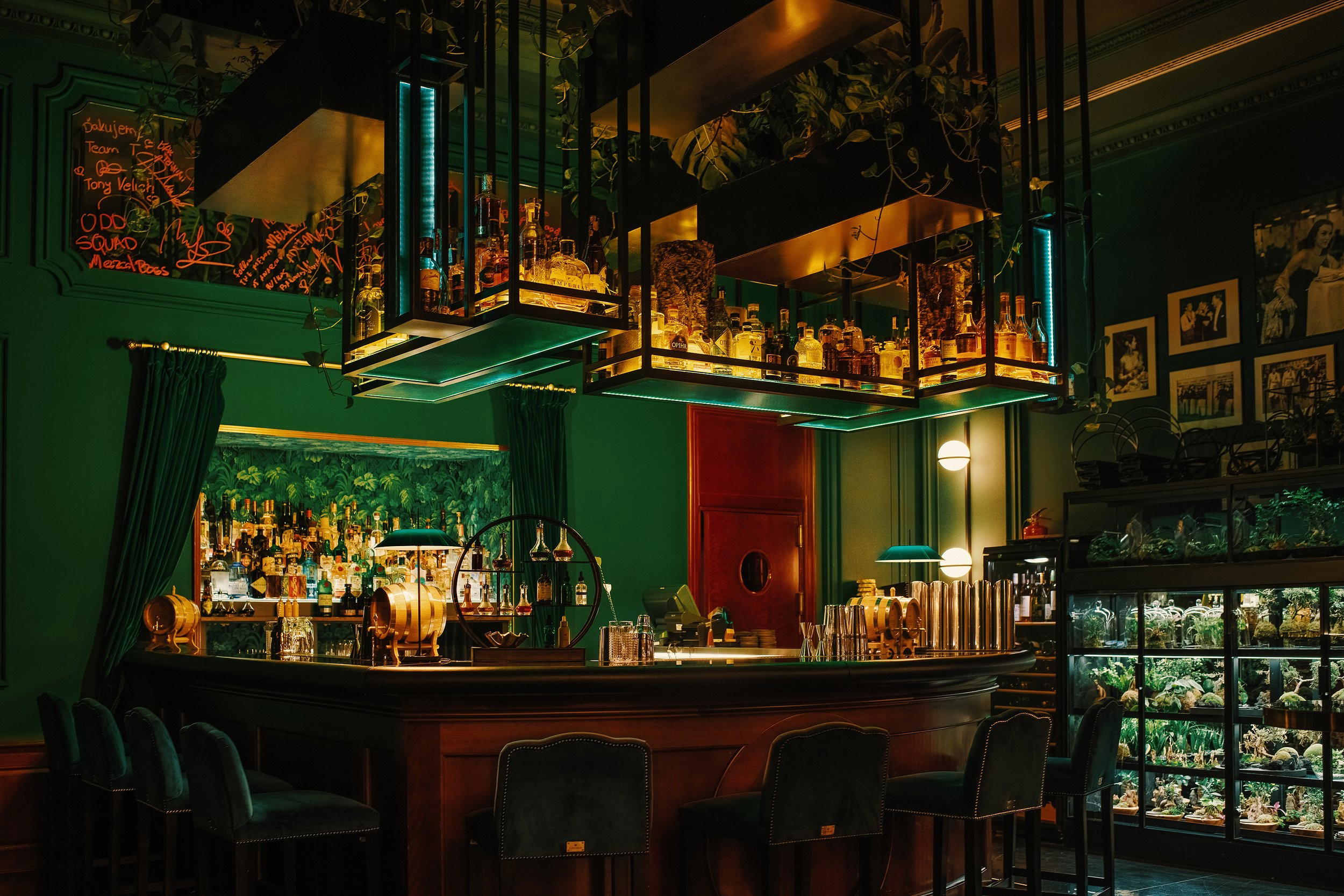
Bars in Bratislava
Browse all →
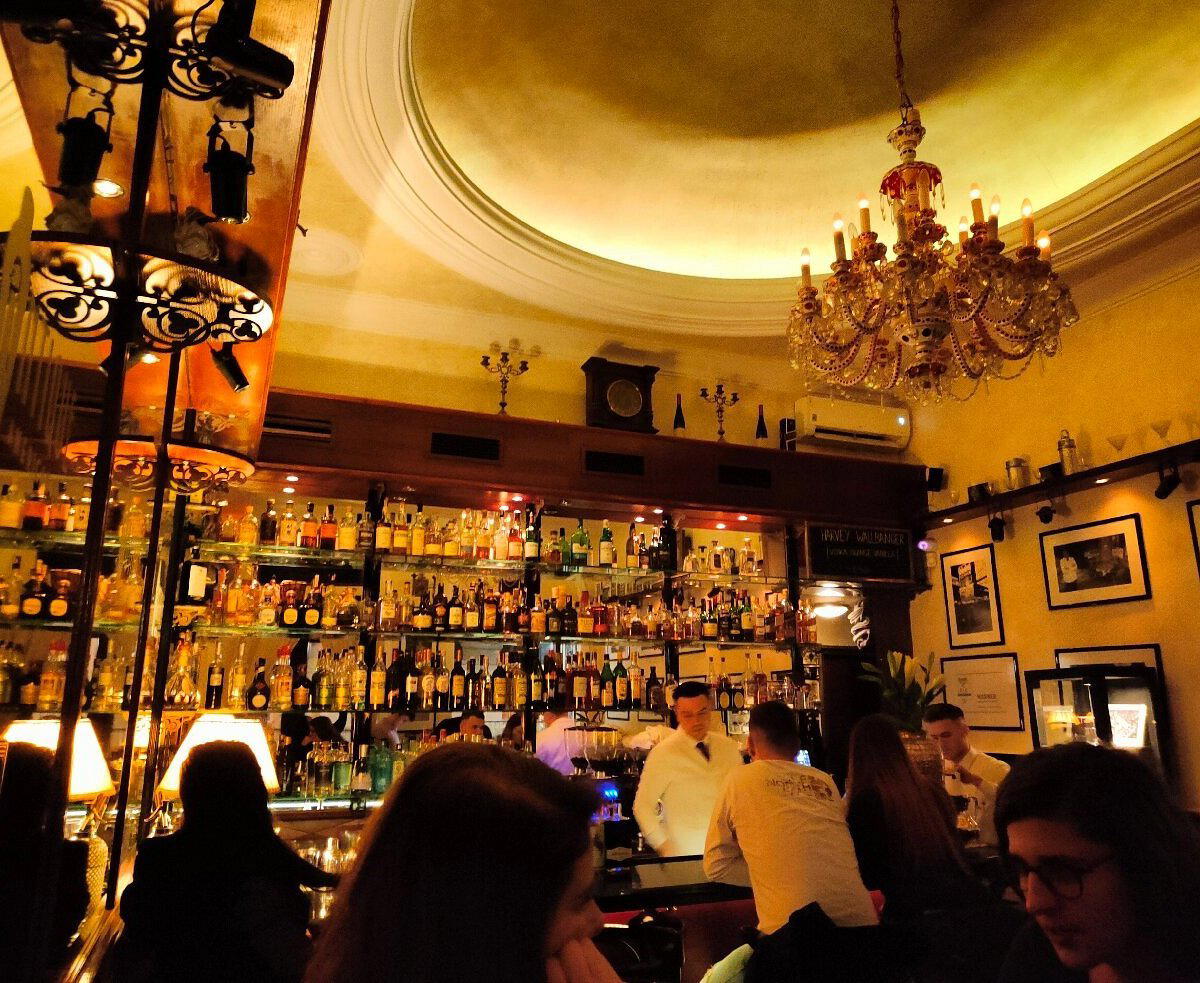
Hotels in Bratislava
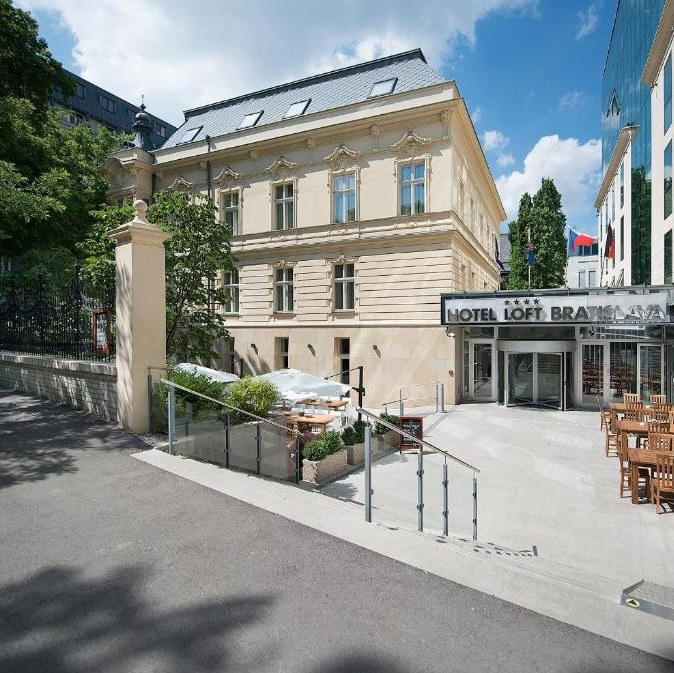
Browse all →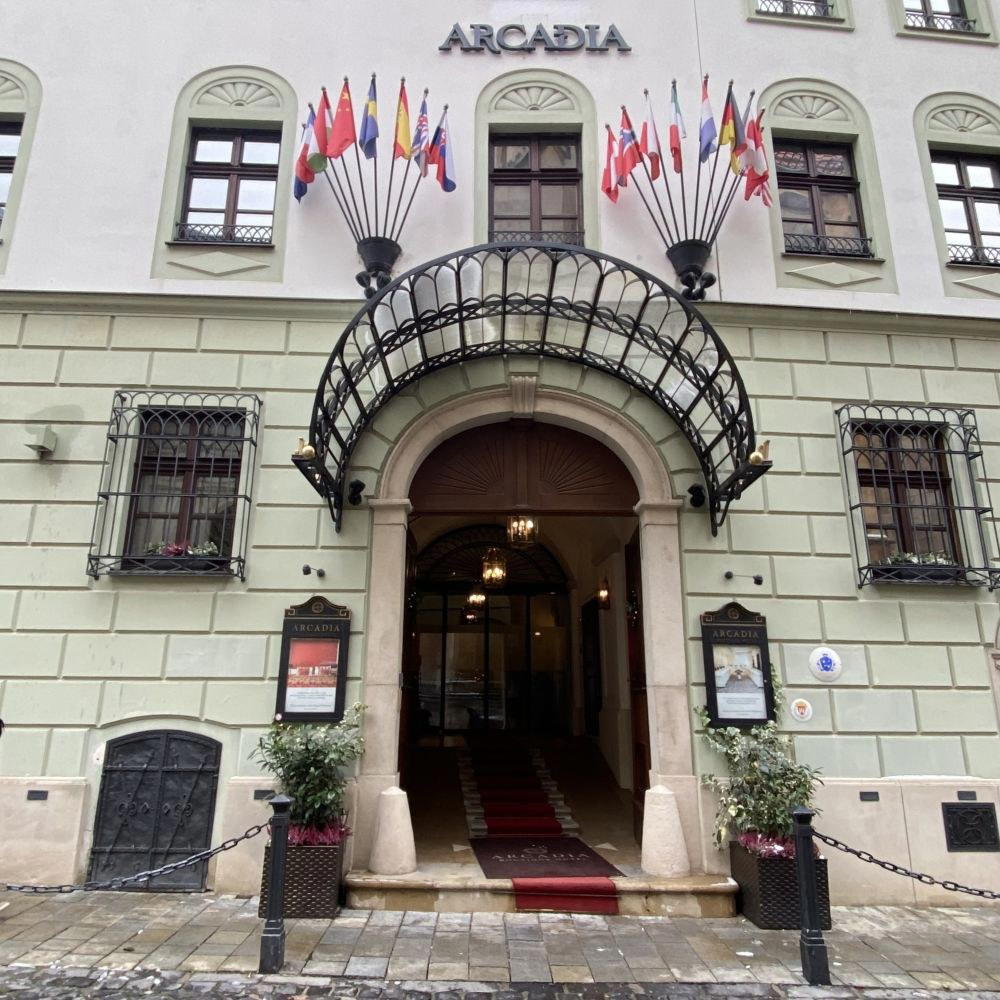
At a Glance
- Rustic
- Cozy
- Classic
- Group Dining
- Casual Hangout
- Celebration
- Historic Building
- Open Kitchen
- Beer Program
- Local Sourcing
Current opening hours
- Monday
- 11 AM–10 PM
- Tuesday
- 11 AM–11 PM
- Wednesday
- 11 AM–11 PM
- Thursday
- 11 AM–11 PM
- Friday
- 11 AM–11 PM
- Saturday
- 11 AM–11 PM
- Sunday
- 11 AM–10 PM
Hours can change for holidays and private events. Last verified .
Inviting with rustic decor, warm lighting, and a lively brewery atmosphere that enhances the memorable dining experience.