
A counter-led tonkatsu address near Nagoya Station, tonkatsu joni sits in the city’s practical dining corridor rather than its ceremonial fine-dining lane. Its 2026 selection for Tabelog 100 - Tonkatsu places it among Japan’s nationally noticed pork-cutlet specialists, with a compact format that suits diners who care about fry technique, pacing, and a focused room.
Pearl is the En Primeur Club membership app — saves, bookings, and concierge access live there. Same editors, same standards.
- Address
- 愛知県名古屋市中村区名駅3-25-9 堀内ビル B1F
- Phone
- +81524465329
- Website
- tabelog.com
 Saves & bookings on Pearl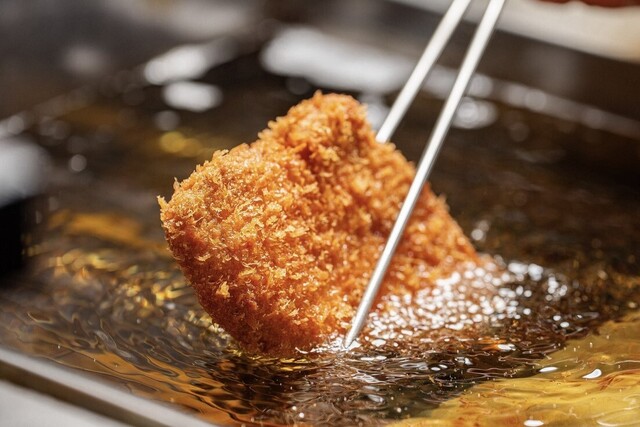
The approach is pure Meieki: station traffic above, basement dining below, the city’s appetite compressed into counters, narrow corridors, and the smell of hot oil. In Nagoya, this kind of room matters. The area around Nagoya Station is built for decisiveness, not ceremony, and tonkatsu fits that rhythm when handled with discipline: pork, coating, heat, rice, cabbage, sauce, and little distraction.
That frames tonkatsu joni. It belongs to a category where small technical choices matter more than theatrical service. Visitors often treat tonkatsu casually, but stronger specialists work closer to tempura logic than diner logic: oil management, cut thickness, resting time, and service tempo decide whether the cutlet reads as craft or comfort food. A 2026 selection for Tabelog 100 - Tonkatsu puts this Nagoya counter into a national conversation narrower, and more demanding, than general restaurant popularity.
A basement counter built around the sound of the fryer
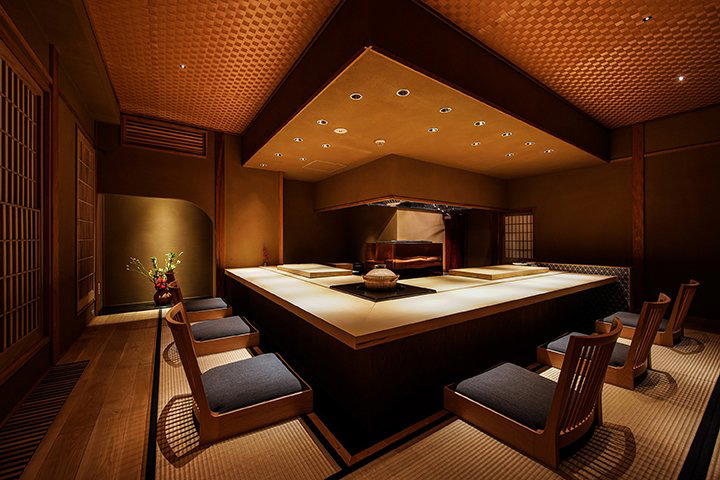
Counter seating changes how tonkatsu is read. Instead of a dish appearing from a hidden kitchen, timing becomes part of the meal: orders move in batches, plates follow the frying rhythm, and diners register the sequence before the first cutlet lands. This is not the hushed performance language of high sushi, but it has its own grammar. The room’s value is proximity to process.
Nagoya’s station district sharpens that format. Meieki restaurants serve office workers, shoppers, rail passengers, and destination diners in the same blocks, so competition is not only other pork-cutlet counters. It is yakiniku, ramen, Korean drinking food, hotel dining, and quick specialist formats that understand the pressure of a station-side meal. In that mix, a tonkatsu counter must be more precise than nostalgic. Nearby comparison points show the spread: Wagyu Yakiniku Jirouya Kai wagyu&sake Nagoya ekimae honten sits in a higher beef-led spend bracket, New Old Style Niku Soba Keisuke Dainagoya birudingu ten occupies the lower noodle lane, and Taishu Korean Korean Chudoku Nagoya Eki Ten points to the casual-drinking side of the same station economy. Tonkatsu joni sits between those poles: specialist, compact, and built around a single Japanese comfort form sharpened for scrutiny.
The sensory experience is not novelty. Tonkatsu’s appeal comes from controlled repetition: the fryer’s low percussion, the contrast between pale crumb and cut pork, the clean geometry of a counter plate, and diners eating quietly while the next batch is prepared. In a city associated with miso katsu and hearty local seasoning, a serious pork-cutlet specialist also raises a question of restraint. The better the frying, the less the diner needs the dish to shout.
Why Nagoya's tonkatsu lane deserves attention
Nagoya is often discussed through regional signatures: miso-based sauces, kishimen, hitsumabushi, tebasaki, and café morning sets. Tonkatsu can look less locally branded, which is why specialist recognition matters. It separates restaurants judged on technique from those carried by regional fame. A Tabelog 100 - Tonkatsu listing in 2026 signals a conversation beyond Nagoya tourism checklists and inside Japan’s national cutlet culture.
The opening date also matters. A restaurant that entered the field in late 2024 and reached a 2026 national tonkatsu selection moved quickly into view. That does not make it a museum piece or old guard address; it makes it part of a newer generation of tightly formatted Japanese specialists where focus, seat count, and category discipline can create attention faster than broad menus. The listed 21-seat counter format reinforces that reading. Capacity is part of the experience: a small room forces the kitchen’s pace and the diner’s pace to align.
For travelers building a Nagoya itinerary, the question is not whether tonkatsu belongs beside the city’s more famous dishes. It does. The better question is where it fits. Lunch places it in the station-day rhythm, especially for travelers moving through Meieki. Dinner shifts the register, turning a familiar fried cutlet into a more deliberate stop before bars, hotels, or late trains. For broader planning, Our full Nagoya restaurants guide gives the citywide dining context, while Our full Nagoya hotels guide, Our full Nagoya bars guide, Our full Nagoya wineries guide, and Our full Nagoya experiences guide help place the meal inside a full day rather than treating it as an isolated address.
How to read the counter, and when to choose it
Choose this restaurant when the point is a focused Japanese meal rather than a long-form tasting menu. The format favors diners who notice texture, heat, and pacing. It also suits visitors who want a serious Nagoya meal without entering the city’s higher-priced beef or hotel-dining lanes. The practical character is part of the attraction: close to the station flow, counter-based, non-smoking, with take-out noted as part of the service model and school-age children welcome.
Reservations are not offered, so treat the meal as a station-area target with timing flexibility rather than a fixed appointment. The room is small enough that peak demand can matter, and award recognition gives more diners a reason to look for it. That combination rewards patience and punishes tight transfer schedules.
EP Club readers comparing Nagoya options should keep the wider Japanese specialist map in mind. A focused counter like this has more in common with category-led addresses than with broad all-day dining rooms. For contrast across Japan and beyond, see 1022, 451, Aaron, Alan., and All Day Dining Montmartre. Wider regional reference points include -Grilled beef Sukiyaki- KAMAKURA TANUKIAN 鎌倉 たぬき庵 in Kamakura. 鮪と炭火焼き うお炭 秋葉原店 in Tokyo.cafe in Osaka.know in Kumamoto, (Shoku) Vietnam in Kawasaki, [Curry Senmon Ten] Maruyama Kyoju. in Sapporo, Jōdo Saké Bar in Los Angeles, and Onigiri Time in Pasadena.
The critical reason to go is category clarity. Nagoya has many ways to eat richly; this one asks the diner to focus on a single form and judge it by execution. For a city meal near the rails, that is stronger than another sprawling menu.
Price and Recognition
Comparable venues at a similar level for quick context.
| Venue | Cuisine | Price | Notes |
|---|---|---|---|
| tonkatsu joniThis venue — the venue you are viewing | Not listed | $$ | Not listed |
| takumi | Not listed | $$ | Naka, Charcoal-grilled Yakiniku & Izakaya |
| Menya Kitara | Naka, Nagoya ramen shop | $$ | Not listed |
| Tebiki Soba Isshin | Minato, Traditional Soba & Tempura | $$ | Not listed |
| Obanzai Anko | Not listed | $$ | Nakamura, Traditional Japanese Obanzai Izakaya |
| Don Hyara | Not listed | $$ | Nishi, Traditional Japanese Izakaya & Tempura |
Recognition history
Dated appearances from independent guides and award organizations, with the underlying list record or original source where available.
Tabelog 100 #73 · No. 73
Tabelog · Tabelog 100 - Tonkatsu - 2026
Continue exploring
More in Nagoya
Restaurants in Nagoya
Browse all →
At a Glance
- Modern
- Cozy
- Elegant
- Solo
- Family
- After Work
- Casual Hangout
- Chefs Counter
- Standalone
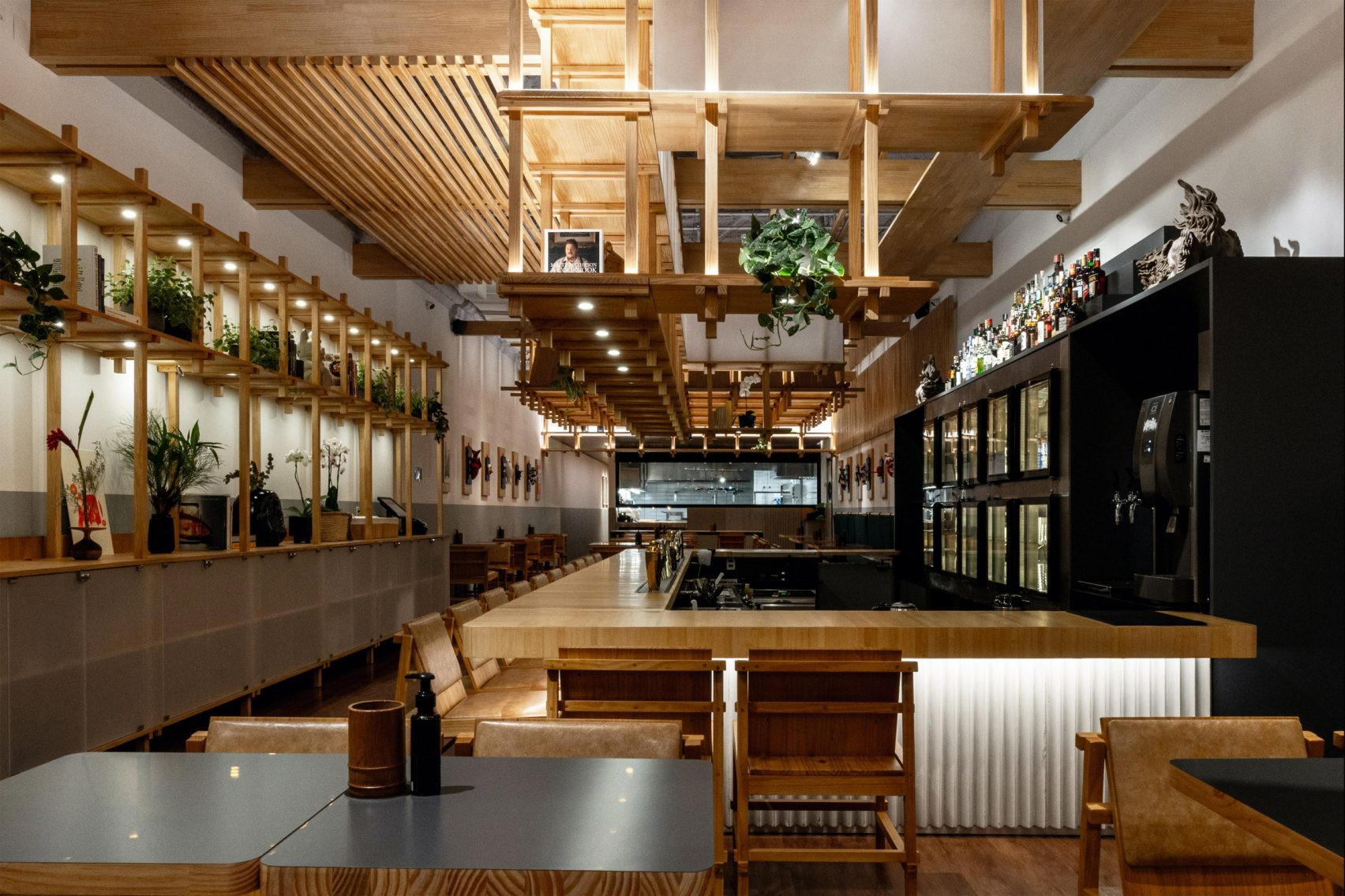
A stylish, compact basement counter with an elegant yet warm and relaxed atmosphere, focused on watching freshly fried tonkatsu prepared right in front of guests.