
Murasakiya places Nagoya’s wagashi cafe tradition in a compact Fushimi setting: 15 table seats, take-out service, and a JPY 1,000–1,999 average spend. Its selection for Tabelog’s 2023 Japanese traditional sweets and Japanese sweets cafe EAST 100 gives the address a clear reputation signal without pushing it into formal dining territory.
Pearl is the En Primeur Club membership app — saves, bookings, and concierge access live there. Same editors, same standards.
- Address
- 2 Chome-16-13 Nishiki, Naka Ward, Nagoya, Aichi 460-0003, Japan
- Phone
- +81 52-201-3645
- Website
- tabelog.com
 Saves & bookings on Pearl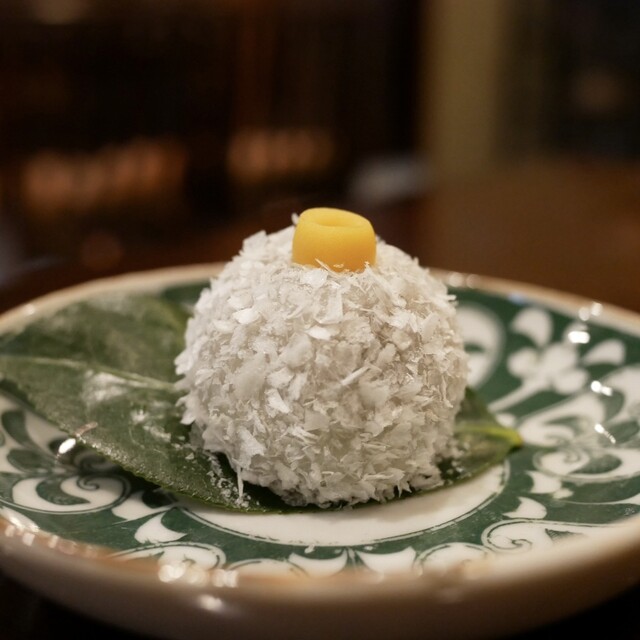
Fushimi’s side streets shift quickly from office rhythm to small-format eating: coffee counters, lunch rooms, noodle shops, and specialist sweet shops operating on a daytime clock. Murasakiya belongs to that Nagoya pattern, where a serious wagashi stop does not need the choreography of a kaiseki room. The room is modest in scale, the category is precise, and the visit sits closer to a refined pause than a long lunch.
That matters because Japanese traditional sweets occupy a different critical lane from restaurants built around courses, wine lists, or chef-driven authorship. Reputation is earned through consistency, seasonality, texture, and restraint, but the public signals are often quieter. Here, the useful marker is selection for Tabelog’s 2023 Japanese traditional sweets and Japanese sweets cafe EAST 100, a recognition that places the shop inside a specialist national conversation rather than merely a neighborhood snack circuit.
Wagashi in Nagoya works on discipline, not spectacle
Nagoya’s dining identity is often reduced to miso katsu, hitsumabushi, kishimen, and coffee-shop morning sets, but the city’s sweet culture is just as revealing. Wagashi cafes serve an older grammar: tea-room pacing, compact portions, and sweets designed around balance rather than excess. In that context, Murasakiya’s category listing as Japanese traditional sweets, cafe, and cafe featuring Japanese sweets is not a vague label. It tells the reader to expect a focused sweet-shop format rather than a dessert annex attached to a broader restaurant menu.
The price band also says something about the format. At JPY 1,000–1,999, this is not positioned against Nagoya’s special-occasion counters or hotel lounges; it sits in the accessible specialist tier, where the premium comes from craft and recognition rather than ceremony. Compared with nearby casual formats such as Ramen Dai Nagoya ten at under JPY 999, or Gyoza to Sparkling Bubbles at JPY 2,000–2,999, the spend lands in a middle lane: more deliberate than a quick bowl, less financially loaded than an evening restaurant plan.
The 15-seat count keeps the experience small by design. Table seating and take-out service make it usable in two ways: a seated stop when the day allows, or a carry-away sweet when Nagoya’s schedule is built around stations, meetings, and trains. That duality is common in Japan’s better sweet shops, where the craft may be serious but the visit remains practical.
The award signal is useful because the format is easy to underestimate
Wagashi recognition can be harder for visitors to read than Michelin stars or bar rankings. Tabelog’s Hyakumeiten lists, including the 2023 EAST selection for Japanese traditional sweets and Japanese sweets cafe, are category-specific signals; they do not turn a cafe into a luxury restaurant, but they do separate it from the general field. For a traveler deciding where to spend one daytime slot in Nagoya, that distinction is valuable.
Murasakiya’s Tabelog score of 3.65 reinforces the same point without overstating it. In Japan, numerical restaurant scores tend to move within a narrower band than many overseas diners expect, especially for long-running local formats and small shops. A mid-three score attached to a category award is a stronger sign than it may look to readers used to inflated star averages elsewhere.
The Fushimi location sharpens the appeal. This part of Naka Ward is not a destination district built only for visitors; it is a working commercial area between Nagoya’s larger station-and-Sakae flows. That gives the sweet-shop stop a useful place in an itinerary: a pause between museums, offices, shopping streets, and transport rather than a detour that consumes the day. For broader city planning, Our full Nagoya restaurants guide, Our full Nagoya hotels guide, Our full Nagoya bars guide, Our full Nagoya wineries guide, and Our full Nagoya experiences guide give the surrounding trip more structure.
How to place it in a Nagoya day
The operating rhythm is daytime-led, with weekday service running from morning to late afternoon, a shorter Saturday, and closure on Sunday and public holidays. That schedule makes it a stronger choice for a weekday Fushimi plan than for a late-night dining crawl. Reservations are listed as available, but the format is compact, so timing matters more than bravado. The payment setup is also old-school: cash planning is sensible because cards, electronic money, and QR code payments are not accepted.
Room is non-smoking, private rooms are unavailable, and children are welcome, which places it in a family-usable category without turning it into a children’s venue. Parking is listed as available, though Fushimi is also one of the easier central Nagoya areas to fold into a subway-led day. From Fushimi Station, the listed approach is short enough to make the stop practical even between fixed reservations elsewhere.
Readers building a Japan eating map beyond Nagoya can compare formats across EP Club’s wider restaurant coverage, from 1022, 451, Aaron, Alan., and All Day Dining Montmartre to regional listings such as -Grilled beef Sukiyaki- KAMAKURA TANUKIAN 鎌倉 たぬき庵 in Kamakura. 鮪と炭火焼き うお炭 秋葉原店 in Tokyo.cafe in Osaka.know in Kumamoto, (Shoku) Vietnam in Kawasaki, [Curry Senmon Ten] Maruyama Kyoju. in Sapporo, Jōdo Saké Bar in Los Angeles, and Onigiri Time in Pasadena. The useful distinction is category: Murasakiya is not trying to solve dinner. It is a compact, award-recognized expression of Nagoya’s daytime sweet-shop culture, and that is exactly how to use it.
Budget Reality Check
Comparable venues at the same tier.
| Venue | Cuisine | Price | Notes |
|---|---|---|---|
| MurasakiyaThis venue — the venue you are viewing | Naka, Traditional Japanese Wagashi Cafe | $$ | Not listed |
| Ichibiki | Nakamura, Traditional Unagi | $$ | Not listed |
| Tokugawa Cho Buta Fuku | Not listed | $$ | Higashi, Traditional Tonkatsu (Pork Cutlet) |
| kitchen NOMU | Not listed | $$ | Meitō, Yoshoku (Japanese-style Western) & Hamburger Steak |
| Nagano Meijitei | Nagano Station, Nagano Sauce Katsudon | $$ | Not listed |
| Atsuta Horaiken (あつた蓬莱軒 本店) | Not listed | $$ | Atsuta-ku, Traditional Nagoya Hitsumabushi (Grilled Eel) |
Recognition history
Dated appearances from independent guides and award organizations, with the underlying list record or original source where available.
Tabelog 100 #56 · No. 56
Tabelog · Tabelog 100 - Japanese traditional sweets / Japanese sweets cafe - EAST - 2023
Continue exploring
More in Nagoya
Restaurants in Nagoya
Browse all →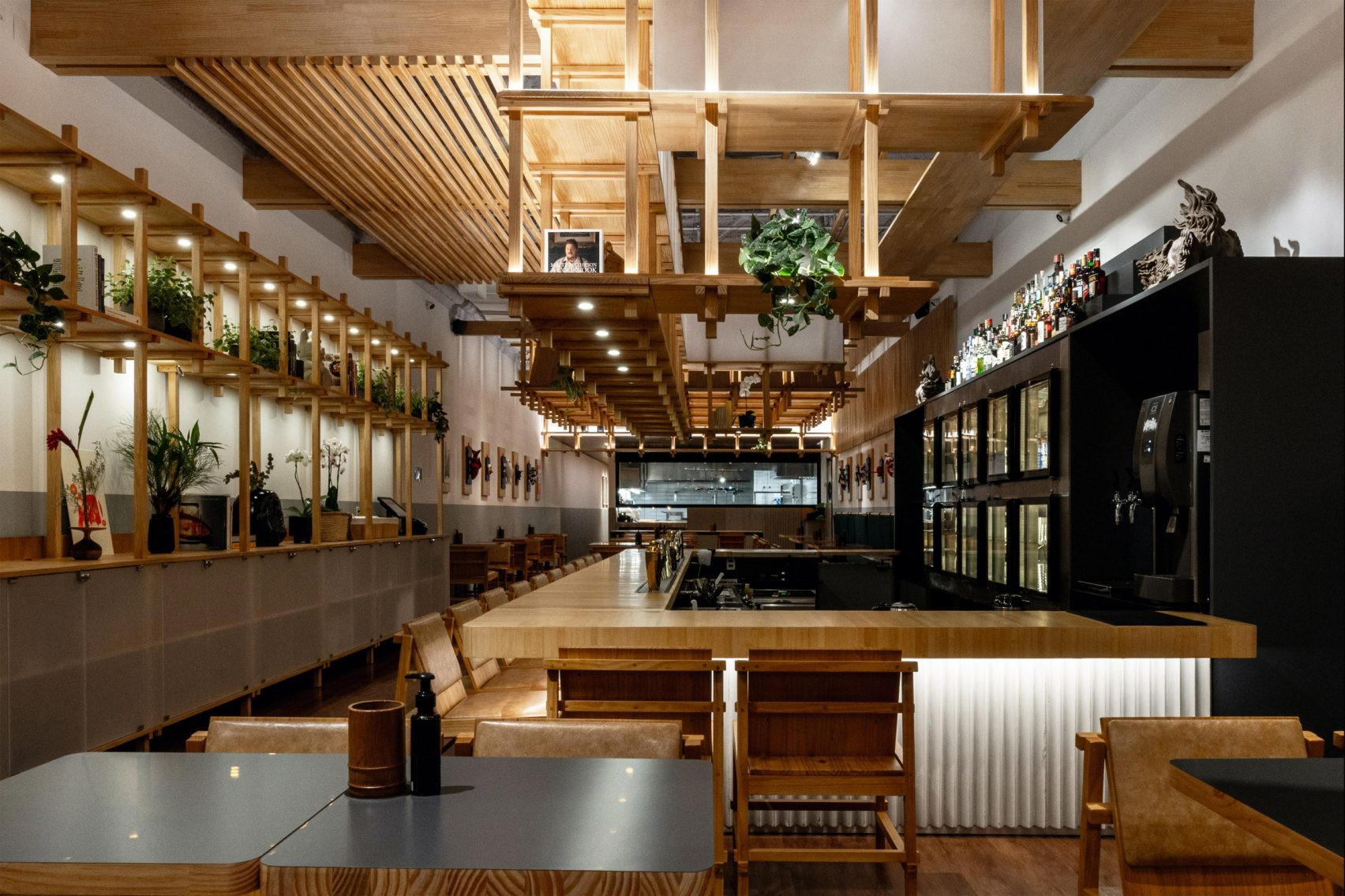
At a Glance
- Classic
- Cozy
- Quiet
- Solo
- Family
- After Work
- Casual Hangout
- Standalone
- Historic Building
Current opening hours
- Monday
- 9 AM–5 PM
- Tuesday
- 9 AM–5 PM
- Wednesday
- 9 AM–5 PM
- Thursday
- 9 AM–5 PM
- Friday
- 9 AM–5 PM
- Saturday
- 9 AM–3 PM
- Sunday
- Closed
Hours can change for holidays and private events. Last verified .
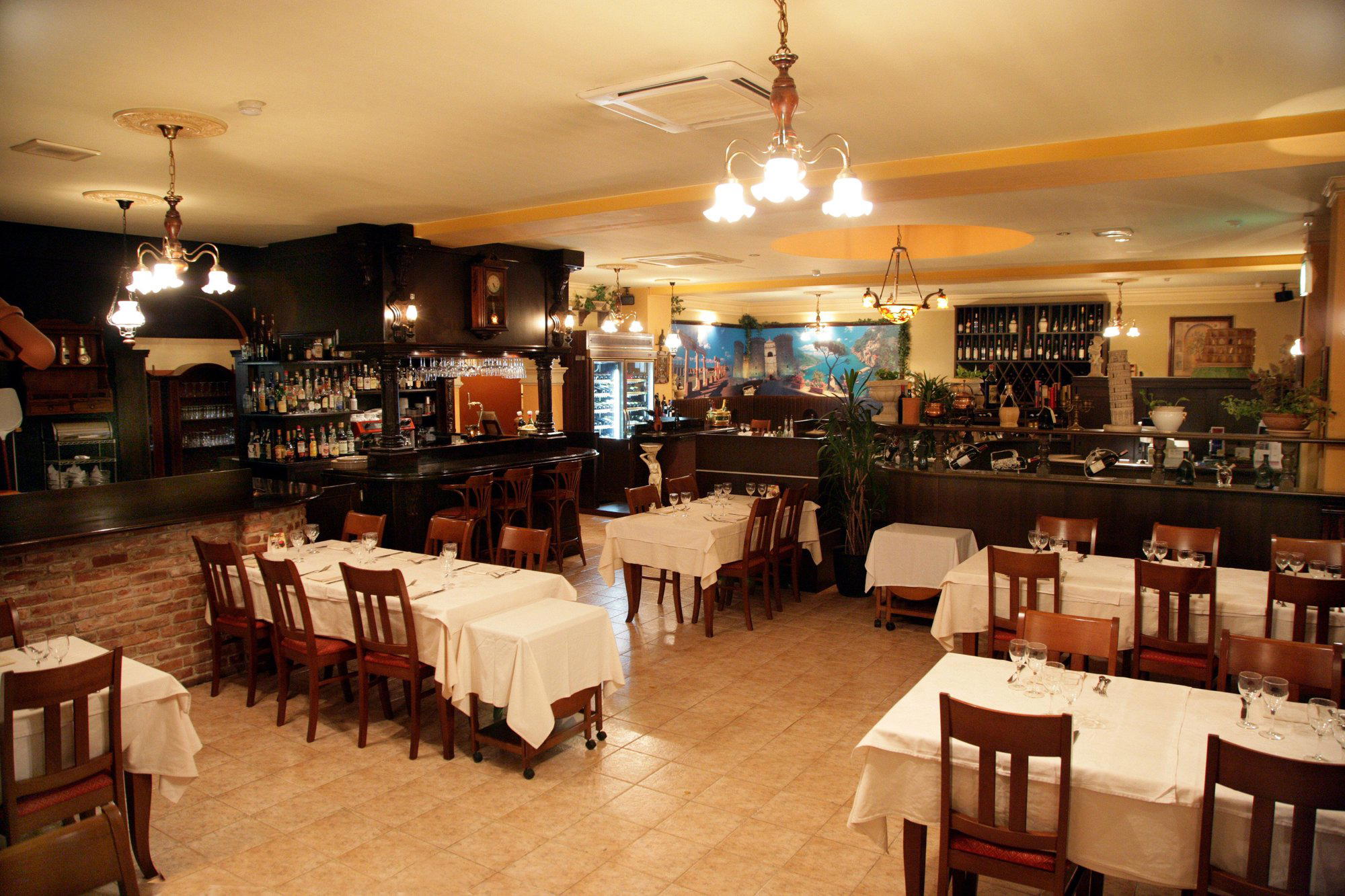
A small, non-smoking wagashi cafe with around 15 seats, offering a calm, classic Japanese sweets shop feel and a relaxing hideout-like atmosphere despite being in a busy business district near Fushimi Station.