Tabelog 100 #38
Our verdict
Ranked among the top 20 casual ramen shops in Japan by Opinionated About Dining three years running, Menya Shichisai operates out of Hatchobori in central Tokyo with split lunch and dinner service. The kitchen works within a demanding format, two sittings daily, closed breaks between them, that filters out casual walk-ins and rewards those who plan.

Pearl is the En Primeur Club membership app, where members save venues, book tables and use the concierge.
Hatchobori and the Case for Office-District Ramen
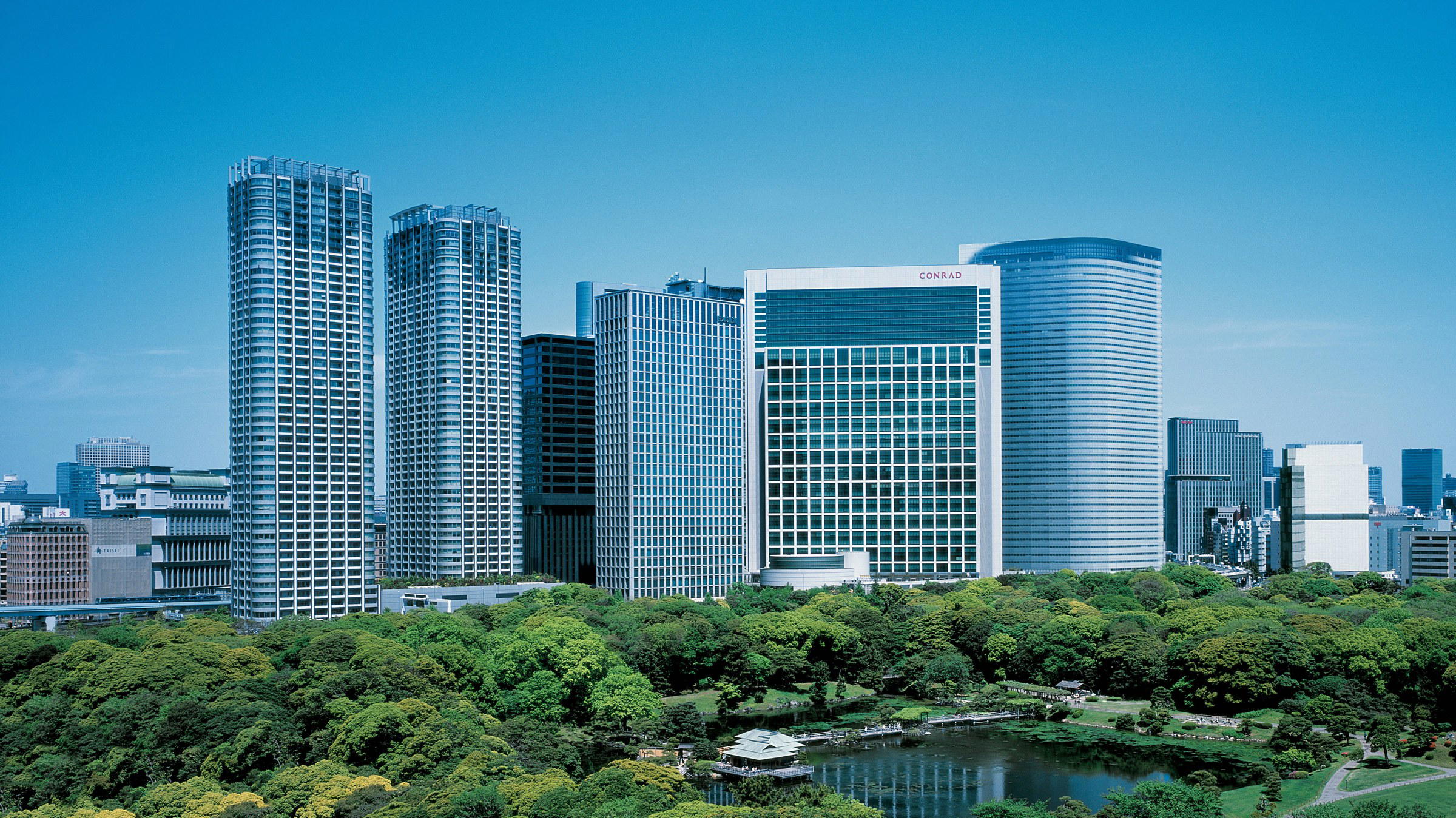
Tokyo's ramen geography tends to favour certain archetypes: the late-night counter in a dense residential ward, the pilgrimage-worthy shop tucked beside a train terminus, the tourist-facing bowl near Shinjuku or Shibuya. Hatchobori fits none of those frames. The neighbourhood sits in Chuo City, east of the Imperial Palace, and it runs on office rhythms: suits at lunch, relative quiet in the evenings. Ramen shops that survive here do so on repeat custom from a professional clientele rather than foot traffic or guidebook hype. Menya Shichisai has operated within that context long enough to accumulate a consistent standing in external rankings, which tells you something about the depth of its local following.
The split-service format tells a parallel story. Doors open at 11 am and close at 3 pm; they reopen at 5 pm and close between 9 and 10 pm depending on the day. That gap is a deliberate structural choice in serious ramen operations, not just a logistical convenience. It allows the kitchen to reset broth, manage stock quality, and serve each session from a base that hasn't been diluted or sitting too long. Regulars in Hatchobori know to time their arrival accordingly.
Opinionated About Dining's Casual Japan list functions as one of the more demanding rankings for this category in the country. It covers the full spread of serious casual eating, from soba and tempura counters to ramen shops, and its methodology rewards places that draw informed repeat visitors rather than spectacle-seekers. Menya Shichisai ranked 13th in 2023, 19th in 2024, and 20th in 2025 on that list. The slight downward movement over three years is less significant than the sustained presence: the shop has held a top-20 position across all three editions, which in a field this competitive represents durable credibility rather than a one-year spike.
To understand what that ranking means in practice, it helps to consider the company it keeps. OAD's Japan casual list includes ramen shops from across the country, and a Tokyo entrant ranked in the top 20 is competing against specialists who have often spent decades refining a single broth philosophy. The fact that Menya Shichisai has held its position while sitting in a secondary business district rather than a high-visibility neighbourhood reinforces the idea that its audience finds it through word of mouth and personal recommendation, not proximity to a tourist circuit.
Among Tokyo ramen operations with comparable recognition, the city's competitive field includes shops like Afuri, known for its citrus-inflected shio broths, and Fuunji, which has built a reputation around tsukemen. Chukasoba Ginza Hachigou and Chukasoba KOTETSU represent the chukasoba register, a lighter, more classically influenced style. Menya Shichisai's presence on a list alongside these operations signals a kitchen that competes on craft, not convenience.
The Regulars and the Rhythm They Keep
It doesn't suggest a shop chasing five-star uniformity; it suggests one that has served enough people consistently enough that even the reviewers who came expecting something different couldn't argue with the execution. For a lunch-and-dinner counter serving a predominantly local office population, volume at that rating reflects a pattern of return visits rather than first-impression enthusiasm.
The regulars at a place like this don't arrive for ceremony. They arrive because the broth is reliable, the queue is predictable if you time it correctly, and the shop functions as part of a weekly routine rather than an occasional event. In Hatchobori, where the surrounding options run toward workday convenience, a ramen shop with this kind of ranking draws people who are making an active choice rather than defaulting to proximity. That distinction matters when assessing why the OAD position has held.
For visitors rather than residents, that dynamic sets certain expectations. You are entering a shop calibrated for its regulars, not configured for a first-timer's orientation. The service pace, the seating arrangement, and the assumed familiarity with the format all reflect that. Arriving at the opening of a session, particularly lunch, is the practical response to that reality.
Hatchobori in the Broader Tokyo Context
The Hatchobori area is accessible via the Tokyo Metro Hibiya Line and the JR Keiyo Line, both of which run through central Tokyo and connect easily to Ginza, Nihonbashi, and the broader Chuo City dining corridor. Chuogo Hanten Mita represents the kind of Chinese-influenced Tokyo dining that shares a neighbourhood register, and the area's general character as a working professional district means that its better restaurants earn their audiences without the benefit of high-footfall locations.
For those structuring a broader Tokyo trip around serious eating, the city's range extends well beyond ramen. Our full Tokyo hotels guide covers accommodation across the city's distinct neighbourhoods, and our full Tokyo restaurants guide maps the dining scene from omakase counters to casual category specialists. For drinking, our full Tokyo bars guide covers the cocktail and whisky landscape, while our full Tokyo experiences guide and our full Tokyo wineries guide complete the picture for those spending more than a few days in the city.
Japan's serious casual eating extends beyond Tokyo. HAJIME in Osaka, Gion Sasaki in Kyoto, akordu in Nara, Goh in Fukuoka, 1000 in Yokohama, and 6 in Okinawa each reflect how Japan's dining intensity operates at a regional level. For ramen beyond Japan, Afuri Ramen in Portland and Akahoshi Ramen in Chicago represent how the format travels when it's carried by practitioners with serious credentials.
Planning the Visit
Menya Shichisai operates at 2 Chome-13-2 Hatchobori, Chuo City, Tokyo. Service runs Monday through Friday from 11 am to 3 pm and 5 to 10 pm, with Saturday and Sunday hours following the same split but with dinner closing at 9 pm. No phone number or booking method is confirmed in available data, which suggests walk-in service at both sessions. Arriving at or shortly before the lunch opening on weekdays gives the most reliable entry point; later arrivals during peak office lunch hours in Hatchobori may encounter a queue.
Frequently asked questions
What should I eat at Menya Shichisai?
For first-time visitors, the standard approach at serious Tokyo ramen counters is to order the house recommendation, typically displayed at the top of the menu or indicated by the kitchen's most consistent offering. The chef listing in available data reads as a collective rather than a single named individual, which in the ramen context often signals a team-run operation where consistency comes from process rather than a single cook's hand.
The Quick Read
| Venue | Cuisine | Price | Awards | Notes |
|---|---|---|---|---|
| Menya ShichisaiThis venue (the venue you are viewing) | Kitakata-Style Ramen | $10–20 | Tabelog 100 #38 | Not listed |
| Harutaka | Edo-Style Omakase Sushi | $200–300 | 3 Michelin Stars · World's 50 Best #76 | Sushi |
| RyuGin | Modern Kaiseki | $500+ | 3 Michelin Stars · World's 50 Best #41 | Kaiseki, Japanese |
| L'Effervescence | Modern French with Japanese Influences | $200–300 | 3 Michelin Stars · World's 50 Best #69 | French |
| HOMMAGE | Modern French with Japanese Influences | $150–200 | 2 Michelin Stars · World's 50 Best #78 | Innovtive French, French |
| MAZ | Innovative Peruvian-Japanese Fusion | $150–200 | 2 Michelin Stars · World's 50 Best #28 | Innovative |
Recognition history
Dated appearances from independent guides and award organizations, with the underlying list record or original source where available.
Opinionated About Dining Casual in Japan Ranked #108
Opinionated About Dining
Tabelog 100 #38 · No. 38
Tabelog · Tabelog 100 - Ramen - TOKYO - 2025
Full recognition history (5 entries)
Opinionated About Dining Casual in Japan Ranked #20
Opinionated About Dining
Opinionated About Dining Casual in Japan Ranked #19
Opinionated About Dining
Opinionated About Dining Casual in Japan Ranked #13
Opinionated About Dining