
Susurimase nka belongs to Yokohama’s serious everyday ramen tier: compact, counter-led, and recognized by Tabelog 100 Ramen Kanagawa 2025. The appeal is value rather than ceremony, with ramen and tsukemen in a small-format setting that rewards diners who care more about broth, noodles, and pace than long-form restaurant theatre.
Pearl is the En Primeur Club membership app — saves, bookings, and concierge access live there. Same editors, same standards.
- Address
- 神奈川県横浜市港南区上大岡西2-14-15
- Phone
- +81453709417
- Website
- tabelog.com
 Saves & bookings on Pearl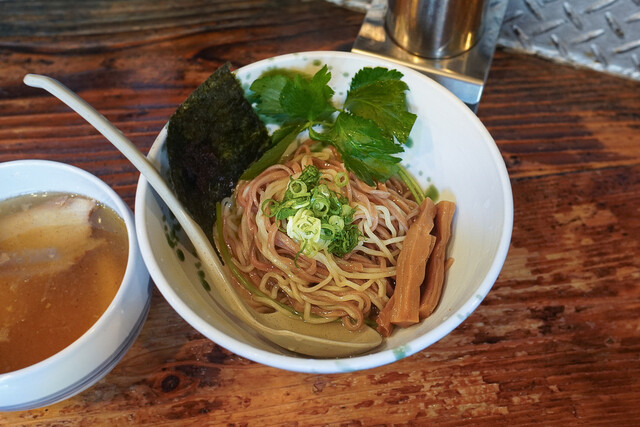
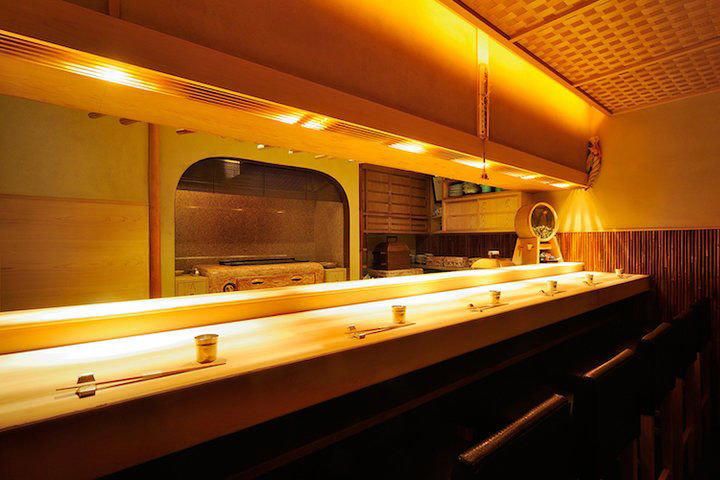
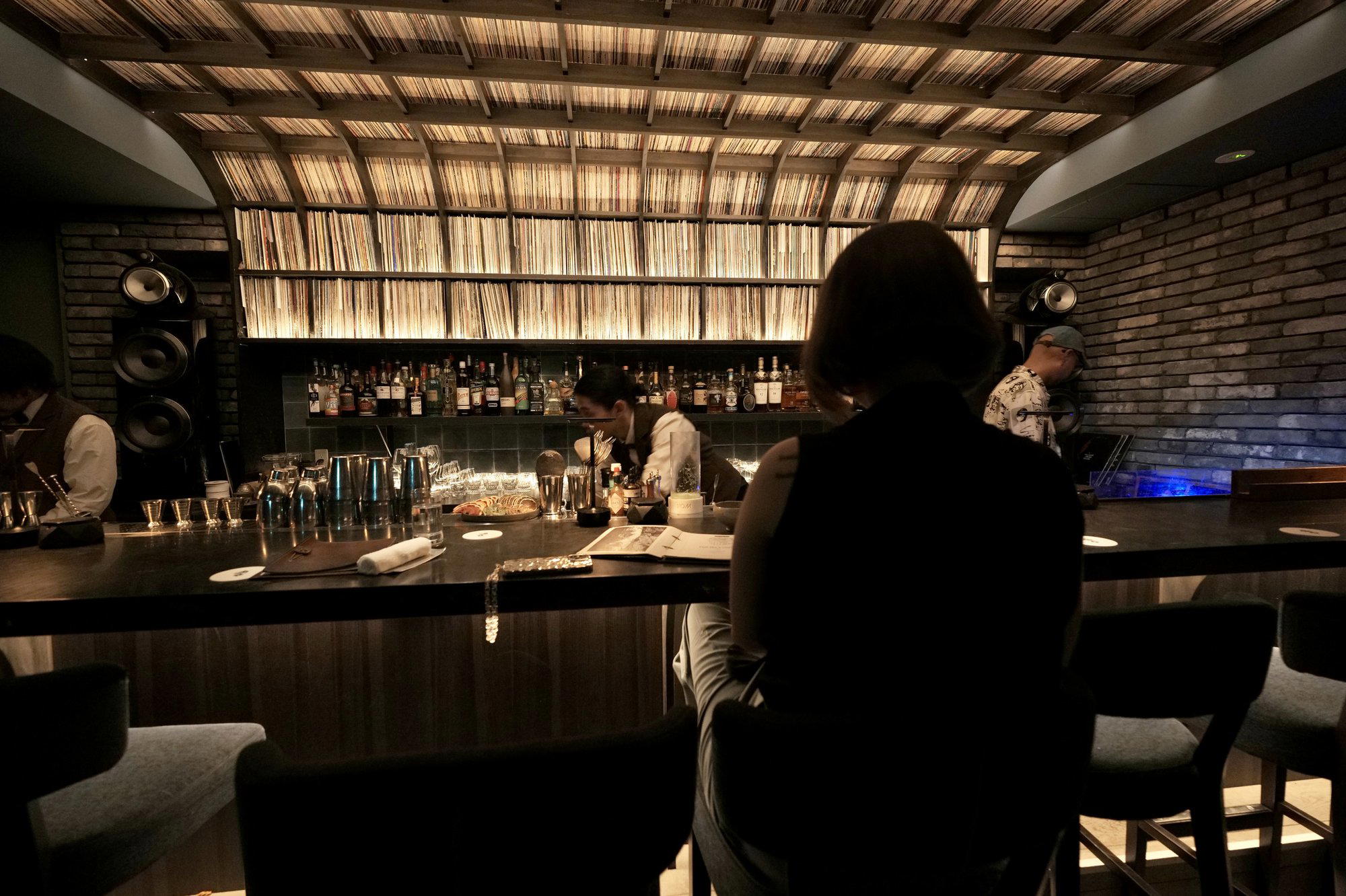
The room tells the story before the bowl does: counter seats, close quarters, and the quick rhythm of a ramen shop built for concentration, not lingering. In Yokohama, where dining runs from Chinatown banquets to polished hotel restaurants, this is the other end of the pleasure scale: a focused, low-cost noodle counter with enough recognition to rise beyond the purely local category.
Susurimase nka sits in the ramen and tsukemen lane, where value is judged differently from tasting-menu dining. The question is how much craft fits into one bowl, how precisely the noodles are handled, and whether the format holds up under repeat visits. Its selection for Tabelog 100 Ramen Kanagawa 2025, alongside earlier Tabelog 100 ramen selections across the East and Kanagawa lists, places it among shops Japanese diners track with unusual seriousness.
Yokohama ramen value without the hotel-dining tax
Yokohama’s premium restaurant conversation often tilts toward sushi, wagyu, kappo counters, and destination dining rooms, but ramen remains one of the city’s most reliable value propositions. A small counter can deliver specialization hard to match in broader-format restaurants. That is the case here: ramen and tsukemen in a tight format, with public recognition signaling consistency rather than novelty.
The useful comparison is not luxury dining but Yokohama’s casual specialist circuit. G Men 7 operates in the same low-price ramen bracket, while Kawa no Saki no Ue sits slightly higher in the everyday dining range. Move to Tonkatsu Souki or Izutsu and the economics change quickly. Susurimase nka belongs where a diner can chase a respected shop without turning lunch into an expense-account exercise.
That matters in Japan because ramen’s serious culture is intensely meritocratic. Awards and user scores do not make a bowl better by themselves, but they separate places with sustained attention from shops surviving on neighborhood convenience. A Tabelog score of 3.74 is meaningful in this category, where high numbers are earned slowly and diners compare minute differences in noodle texture, dipping broth concentration, and shop discipline.
For a broader read on the city’s dining range, Our full Yokohama restaurants guide gives the necessary context. Nearby category contrasts help: 1000 (Yakitori (Grilled chicken skewers)) maps Yokohama’s skewer-counter tradition, Aichun points toward the city’s casual Chinese register, and Alpenjiro Honten shows how long-running comfort formats sit beside noodle specialists.
A small counter format built for solo diners and quick decisions
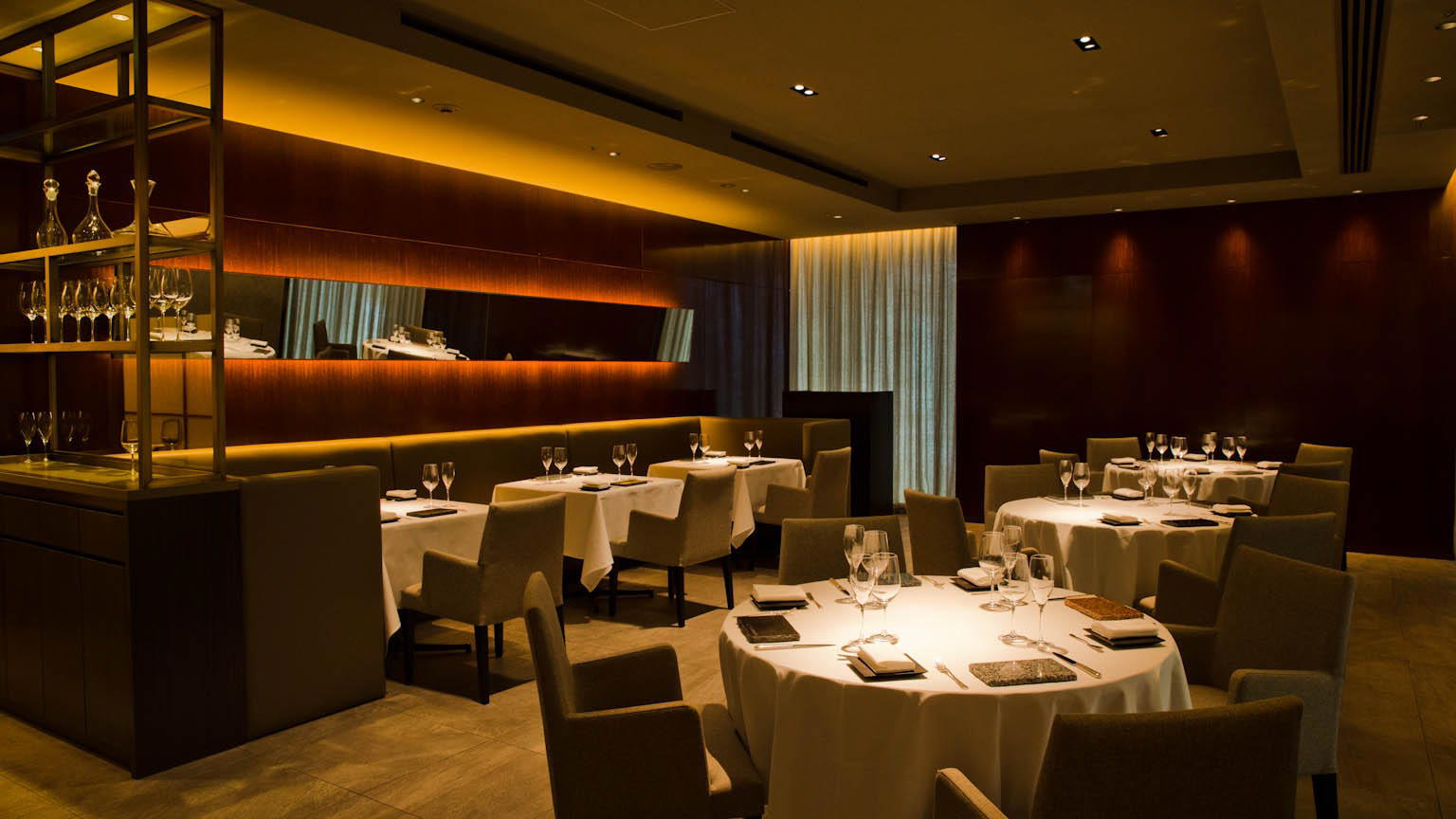
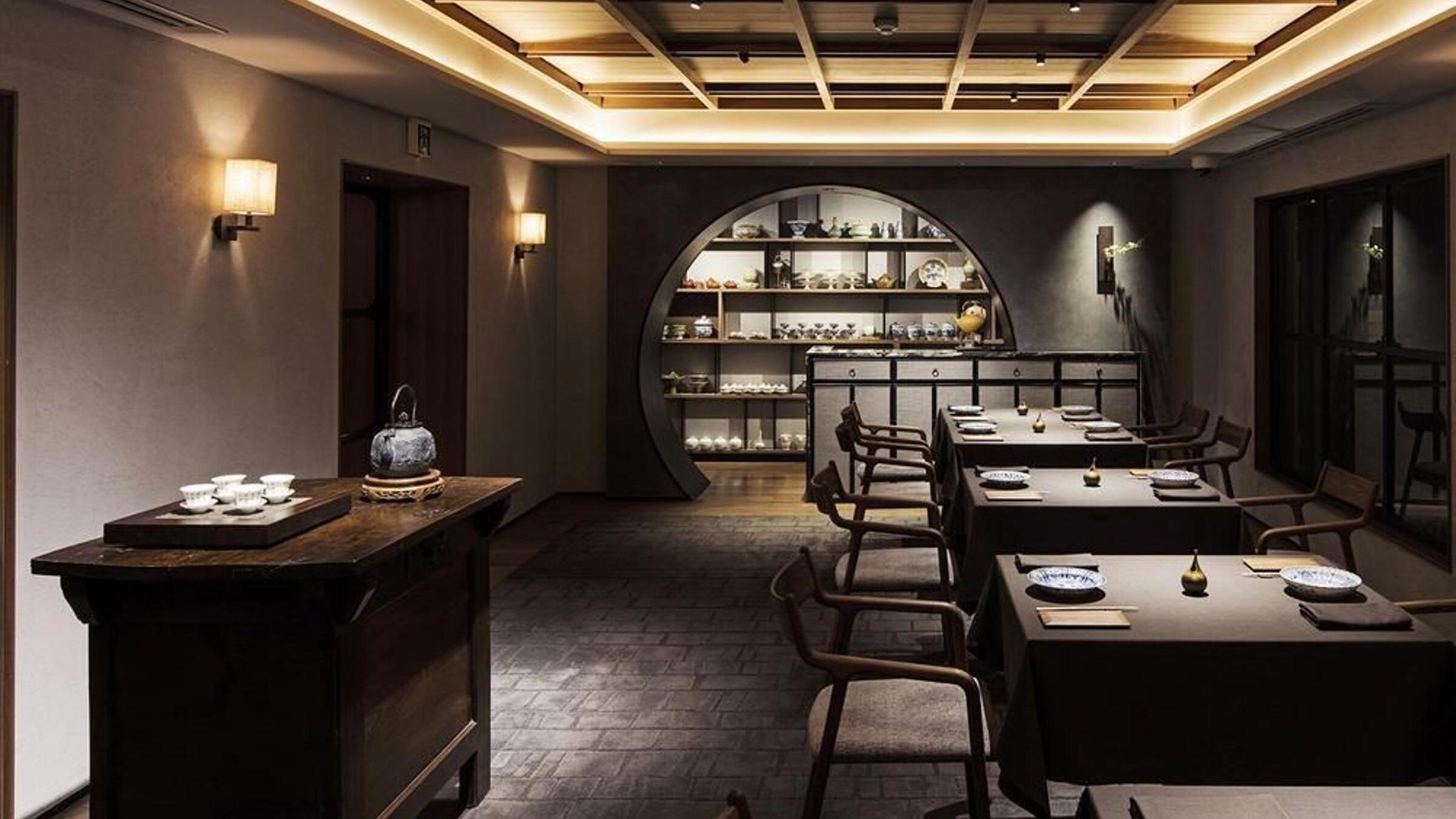
The eight-seat, counter-only setup defines the experience. Small ramen counters move with a different social code from Western restaurant dining: fewer seats, faster turnover, less conversational drift, and sharper focus on the bowl. That makes the shop naturally suited to solo meals and pairs comfortable with a compact, functional setting.
Tsukemen adds to the value calculation. Dipping noodles reward shops that balance noodle structure against broth intensity, and the format can feel more substantial than a standard bowl when executed with care. Without naming unlisted dishes or inventing house specialties, the category explains why serious ramen diners treat tsukemen shops as more than quick refuelling stops. The pleasure sits in proportion, temperature, and pacing, not luxury cues.
The shop’s long operating history, dating to 2011, also matters. Ramen trends in greater Tokyo and Kanagawa move quickly: heavy styles surge, lighter styles return, dipping noodles fall in and out of fashion, and social media attention shifts to newer openings. A counter that continues to appear in Tabelog 100 ramen selections over multiple years has survived several taste cycles, a stronger signal than a single burst of attention.
Yokohama visitors building a food day around neighborhoods rather than trophy reservations should treat this address as a useful anchor. It pairs more naturally with everyday city exploration than a formal evening itinerary. For travelers extending beyond restaurants, the surrounding planning grid is better handled separately through Our full Yokohama hotels guide, Our full Yokohama bars guide, Our full Yokohama wineries guide, and Our full Yokohama experiences guide.
Where it fits in a serious Japan eating itinerary
The strongest reason to include Susurimase nka is not scarcity theatre. It is the chance to see how much Japan’s casual dining culture can deliver inside a narrow format and modest spend. High-end travelers often over-index on omakase counters and kaiseki rooms, then miss the everyday disciplines shaping how Japanese diners actually eat. Ramen is one of those disciplines, and Yokohama has enough depth to merit planning around.
For travelers comparing across Japan, the relevant lens is category precision. Anzen Shokudo in Fukuoka points to a different regional noodle culture, while [Curry Senmon Ten] Maruyama Kyoju. in Sapporo shows how specialist comfort food changes by city. In Kansai and Kyushu, references such as.cafe in Osaka and.know in Kumamoto sit in different casual registers, useful for understanding how local dining identities are built from small, focused places rather than only formal restaurants.
There is also useful contrast with destination dining outside Yokohama. -Grilled beef Sukiyaki- KAMAKURA TANUKIAN 鎌倉 たぬき庵 in Kamakura speaks to a more occasion-led format, while. 鮪と炭火焼き うお炭 秋葉原店 in Tokyo and (Shoku) Vietnam in Kawasaki show how metropolitan dining spreads across genre and price. For readers in California, Jōdo Saké Bar in Los Angeles and Onigiri Time in Pasadena provide a separate comparison point: Japanese food culture abroad often isolates individual formats, while in Japan those formats sit inside a dense everyday ecosystem.
Within Yokohama, the editorial case is clear. This is a compact ramen and tsukemen counter with Tabelog 100 recognition, long-running local relevance, and a price position that keeps risk low. It belongs on an itinerary when the goal is not a grand meal, but a precise one: a short, focused stop that says more about Kanagawa noodle culture than another generic restaurant reservation.
Awards and Standing
Nearby venues at a similar price tier for orientation.
| Venue | Cuisine | Price | Notes |
|---|---|---|---|
| Susurimase nka | Ramen & Tsukemen Shop | $ | Kōnan |
| Ramen Jiro Yokohama kannai ten | Jiro-style Ramen | $ | Naka |
| Hoppy Sennin | Traditional Japanese Hoppy bar | $ | Naka |
| Mendokoro Niboshi Kaoru Asobiru ten | Niboshi Ramen | $ | Nishi |
| Torakichi Ya Hikaru | Yokohama-style ramen shop | $ | Kanagawa |
| Chuka Soba Takano | Classic Japanese ramen (chuka soba) | $ | Kanagawa |
Recognition history
Dated appearances from independent guides and award organizations, with the underlying list record or original source where available.
Tabelog 100 #62 · No. 62
Tabelog · Tabelog 100 - Ramen - KANAGAWA - 2025









At a Glance
- Cozy
- Modern
- Intimate
- Solo
- Casual Hangout
- After Work
- Chefs Counter
- Standalone
A small, stylish but relaxed ramen shop with only counter seating, a hideout feel, and a casual atmosphere suited to solo diners and friends grabbing a focused noodle lunch.