
Baron Noodle belongs to Yokohama’s compact, ritual-driven ramen culture, where the meal is brief, the room is small, and the standard is set by repeat precision rather than ceremony. Its Tabelog Ramen KANAGAWA 100 selection for 2024 and 2025 places it inside Kanagawa’s serious noodle conversation, with ramen and tsukemen as the frame.
Pearl is the En Primeur Club membership app — saves, bookings, and concierge access live there. Same editors, same standards.
- Address
- Japan, 〒220-0073 Kanagawa, Yokohama, Nishi Ward, Okano, 1 Chome−9−12 横浜西口加藤ビル 2F
- Phone
- +81 45-620-3676
- Website
- instagram.com
- Directions
- Get directions
 Saves & bookings on Pearl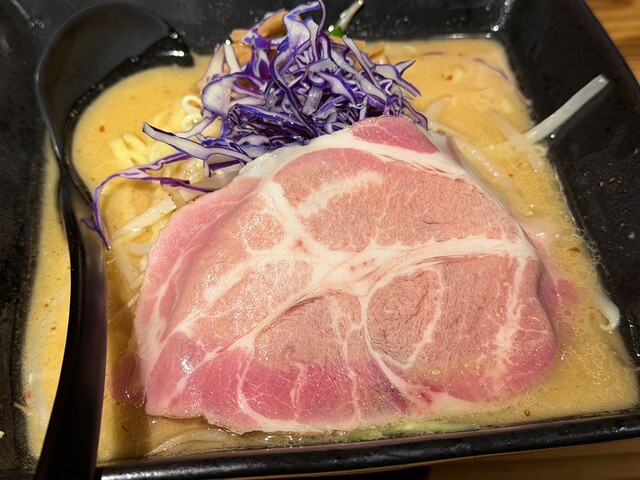
Approaching a second-floor ramen shop in Yokohama changes the meal’s tempo before a bowl appears. The street gives way to a tighter room, conversation lowers, and the usual ramen rhythm takes over: decide quickly, eat while the noodles hold their intended texture, clear the seat for the next guest. Baron Noodle belongs to that compact grammar of Japanese counter dining, where the ritual is efficient but not careless. The format rewards attention.
Yokohama’s noodle culture has more range than visitors often credit. Iekei ramen gives the city a powerful local identity, but the wider Kanagawa ramen field also includes chuka soba, tsukemen, curry-adjacent comfort food, and small shops competing on consistency rather than spectacle. Baron Noodle’s recognition in Tabelog Ramen KANAGAWA 100 in both 2024 and 2025 matters because that list sits inside a crowded prefectural category, not a thin field. The restaurant is measured not against luxury dining, but against places that live or die by broth, noodle handling, and repeat traffic.
A Yokohama ramen ritual built around speed, concentration, and small-room discipline
The ramen meal in Japan is often misunderstood by travelers expecting restaurant time to expand. At serious noodle shops, the structure compresses: arrive with a decision in mind, do not occupy a seat after finishing, and understand that the kitchen’s pacing is part of the experience. That compression is not unfriendly; it is the point. The food is calibrated for a narrow window, especially with noodles and dipping formats.
Baron Noodle works within the ramen and tsukemen category, a pairing that tells experienced diners how to read the room. Ramen centers on the integrated bowl, with broth and noodles arriving as one composition. Tsukemen separates noodles from dipping broth, making texture and temperature more explicit. In Yokohama, where Iekei shapes many outsiders’ expectations of local ramen, that distinction is useful. The city’s serious noodle scene is not one style, but a set of rituals with different tempos.
For local comparison, Iekei Sohonzan Yoshimura Ya occupies a heavier Yokohama lineage, while Yokohama Chuka Soba Ishin Shoten Honten points toward the chuka soba lane. The restaurant sits in the compact specialist tier: small room, limited tolerance for lingering, and reputation tied to execution rather than décor. It reads differently from broader Yokohama dining rooms such as TRATTORIA FRANCO or Napule Yokohama takashimaya ten, where the meal has a longer social arc. Ramen here is closer to a timed craft encounter than an evening out.
The small-seat format also changes etiquette. Solo dining is normal, groups need to think practically, and the room’s scale makes cash, timing, and decisiveness part of the meal’s choreography. Japanese ramen culture can feel rigorous to first-timers because hospitality is embedded in the system, not necessarily in extended tableside explanation. Diners who accept that logic understand the appeal faster.
Kanagawa recognition gives the shop context, not a luxury gloss
Tabelog’s Hyakumeiten selections are not Michelin-style fine-dining signals; they are category-specific markers within Japanese eating culture. A ramen selection in Kanagawa says something narrower and more useful: the shop has earned attention in a prefecture with deep noodle competition. The restaurant’s 2024 and 2025 selections place it in that conversation, and its Tabelog score of 3.71 suggests sustained diner approval in Japan’s review ecosystem.
That distinction matters for travelers using rankings across categories. A ramen award does not mean linen, wine service, or a long menu. It means the opposite: a focused format where the margin for error is visible. Broth temperature, noodle pull, portion pacing, and the balance between richness and drinkability are judged immediately. In a small shop, there is little room for distraction.
Yokohama’s dining map makes this contrast clear. A visitor can move from yakitori at 1000 (Yakitori (Grilled chicken skewers)) to local Chinese-rooted eating at Aichun, curry at Ajowan, or soup curry at Alpenjiro Honten. Those meals ask for different attention. The restaurant asks for the ramen kind: brief, concentrated, and judged bowl by bowl.
The same lens separates local specialists from destination sprawl. Anzen Shokudo belongs to a different Japanese comfort-food register, while nearby-city options such as -Grilled beef Sukiyaki- KAMAKURA TANUKIAN 鎌倉 たぬき庵 in Kamakura or (Shoku) Vietnam in Kawasaki show how quickly the region’s dining logic changes by train line. Ramen remains one of the clearest ways to read local standards without committing to a long reservation-led meal.
How to place it within a Yokohama food day
The smarter way to schedule ramen in Yokohama is as a focused stop, not the anchor for an elaborate day. The category works before or after heavier sightseeing, but it does not reward a leisurely table plan. The restaurant’s appeal lies in that economy: a small room, a narrow category, and a meal whose success depends on timing more than ceremony.
Travelers building a broader Yokohama itinerary should think in clusters rather than isolated names. The city’s restaurants, bars, hotels, wineries, and experiences each tell a different version of the port-city story. For broader planning, use Our full Yokohama restaurants guide, Our full Yokohama hotels guide, Our full Yokohama bars guide, Our full Yokohama wineries guide, and Our full Yokohama experiences guide to decide whether ramen is the central meal or the sharp, efficient counterpoint to something slower.
It also helps to compare across Japan without flattening the category. Tokyo, Osaka, Kumamoto, Sapporo, and the Japanese-food diaspora all frame casual dining differently, from. 鮪と炭火焼き うお炭 秋葉原店 in Tokyo and.cafe in Osaka to.know in Kumamoto, [Curry Senmon Ten] Maruyama Kyoju. in Sapporo, Jōdo Saké Bar in Los Angeles, and Onigiri Time in Pasadena. The restaurant belongs to the Japanese specialist model at its leanest: limited space, defined category, and a dining ritual that expects the guest to meet the shop halfway.
Cuisine and Awards Snapshot
Nearby venues at a similar price tier for orientation.
| Venue | Cuisine | Price | Notes |
|---|---|---|---|
| Baron NoodleThis venue — the venue you are viewing | Ramen & Tsukemen | $ | Not listed |
| Chuka Soba Efu | Japanese Ramen | $ | Kōhoku |
| Ramen Free Birds | Specialty Ramen Shop | $ | Sakae |
| Gumyoji Hekan | Ramen & Soba Izakaya | $ | Minami |
| Kikuya Curry | Japanese & Sri Lankan-style Curry House | $ | Naka |
| Ramen & Curry Senmonten Taigen | Ramen & Curry | $ | Naka |
Recognition history
Dated appearances from independent guides and award organizations, with the underlying list record or original source where available.
Tabelog 100 #28 · No. 28
Tabelog · Tabelog 100 - Ramen - KANAGAWA - 2025









At a Glance
- Solo
- Casual Hangout
- Late Night
- After Work
- Standalone
Current opening hours
- Monday
- 11 AM–2 PM
- Tuesday
- 11 AM–2 PM
- Wednesday
- 11 AM–2 PM
- Thursday
- 11 AM–2 PM
- Friday
- 11 AM–2 PM, 5–8 PM
- Saturday
- 11 AM–2 PM, 5–8:30 PM
- Sunday
- 11 AM–3 PM
Hours can change for holidays and private events. Last verified .
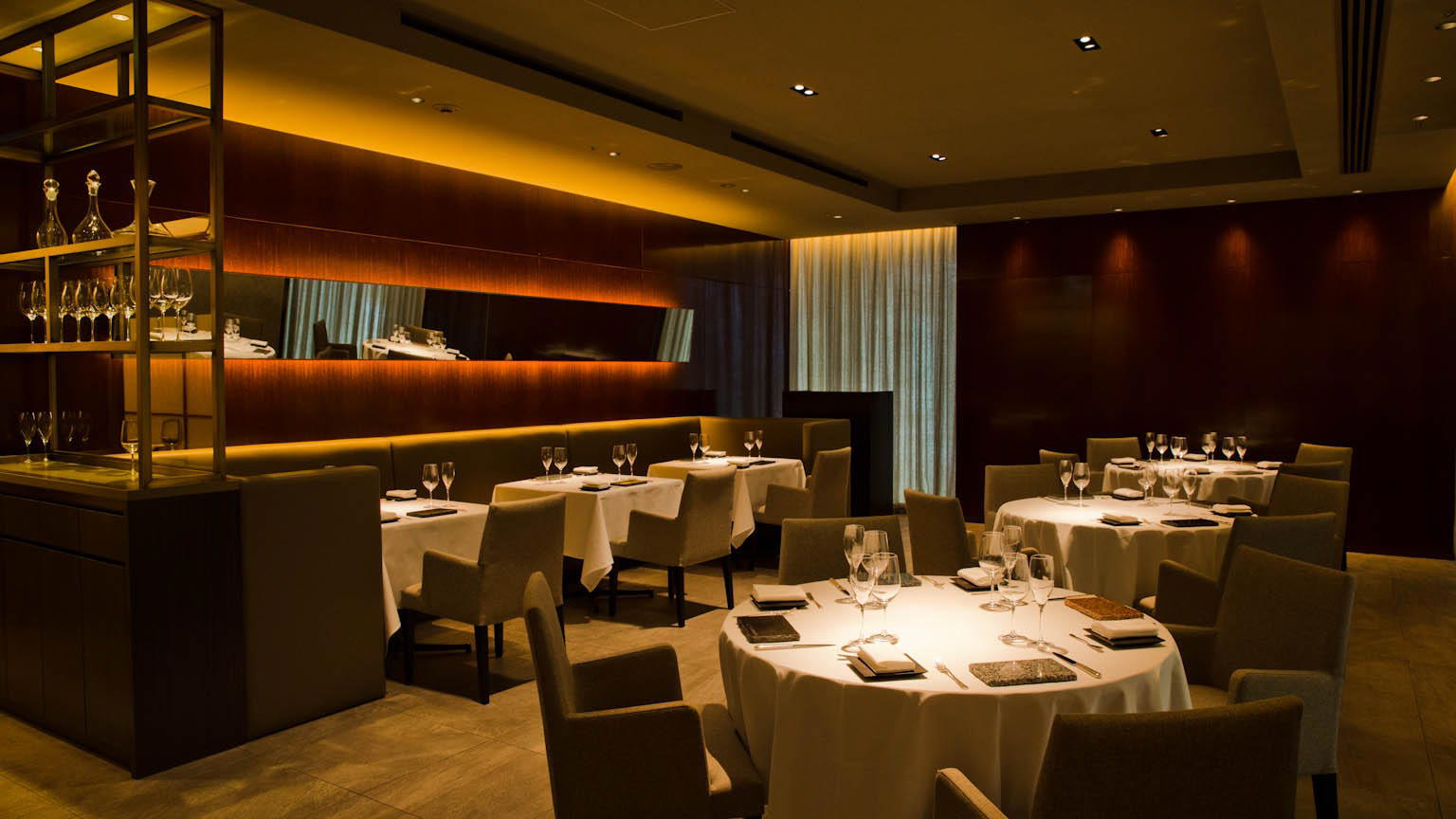
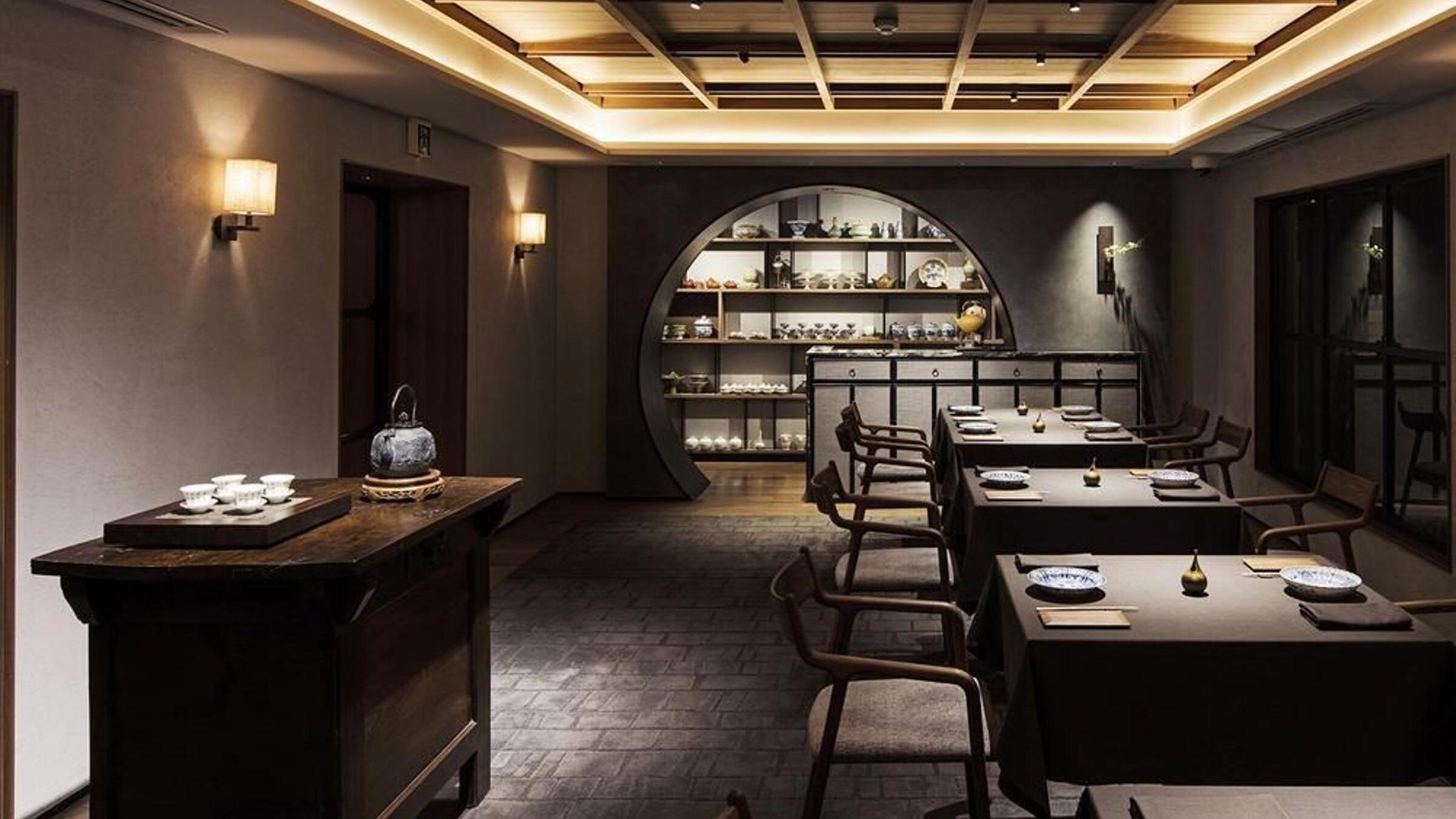
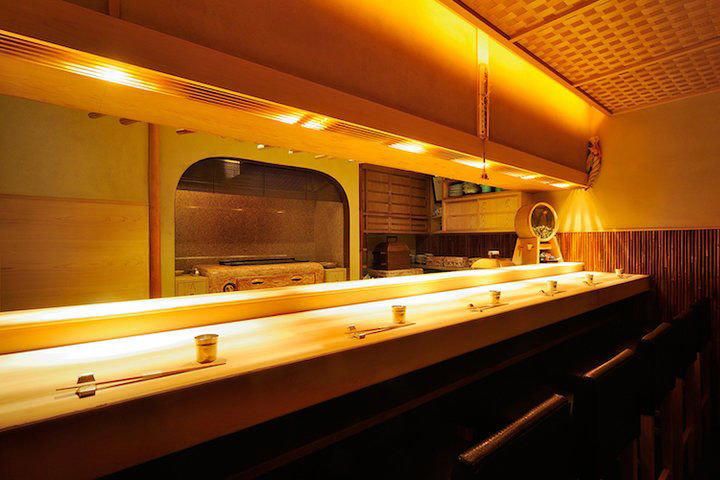
Typical local ramen-ya with counter seating and a functional, casual atmosphere focused on quick meals rather than lingering.