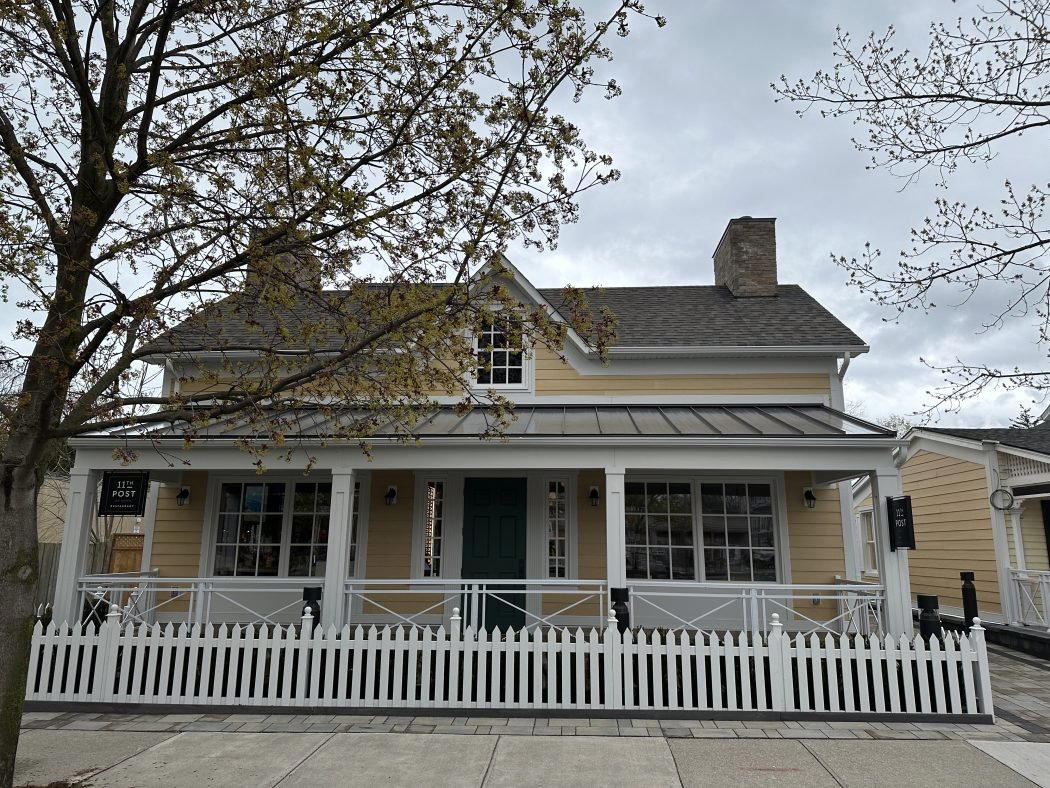
Mayrik occupies a modest address on Bayview Avenue in Toronto's Leaside neighbourhood, drawing a regular local following to one of the city's quieter Armenian-inflected dining rooms. The kitchen works through a repertoire rooted in Eastern Mediterranean tradition, where slow-cooked meats, house-made flatbreads, and layered spice profiles carry most of the weight. For a neighbourhood restaurant operating outside Toronto's downtown premium tier, it punches with consistent purpose.
Pearl is the En Primeur Club membership app — saves, bookings, and concierge access live there. Same editors, same standards.
- Address
- 1580 Bayview Ave, Toronto, ON M4G 3B7, Canada
- Phone
- +14164830922
- Website
- mayrik.ca
- Directions
- Get directions
 Saves & bookings on Pearl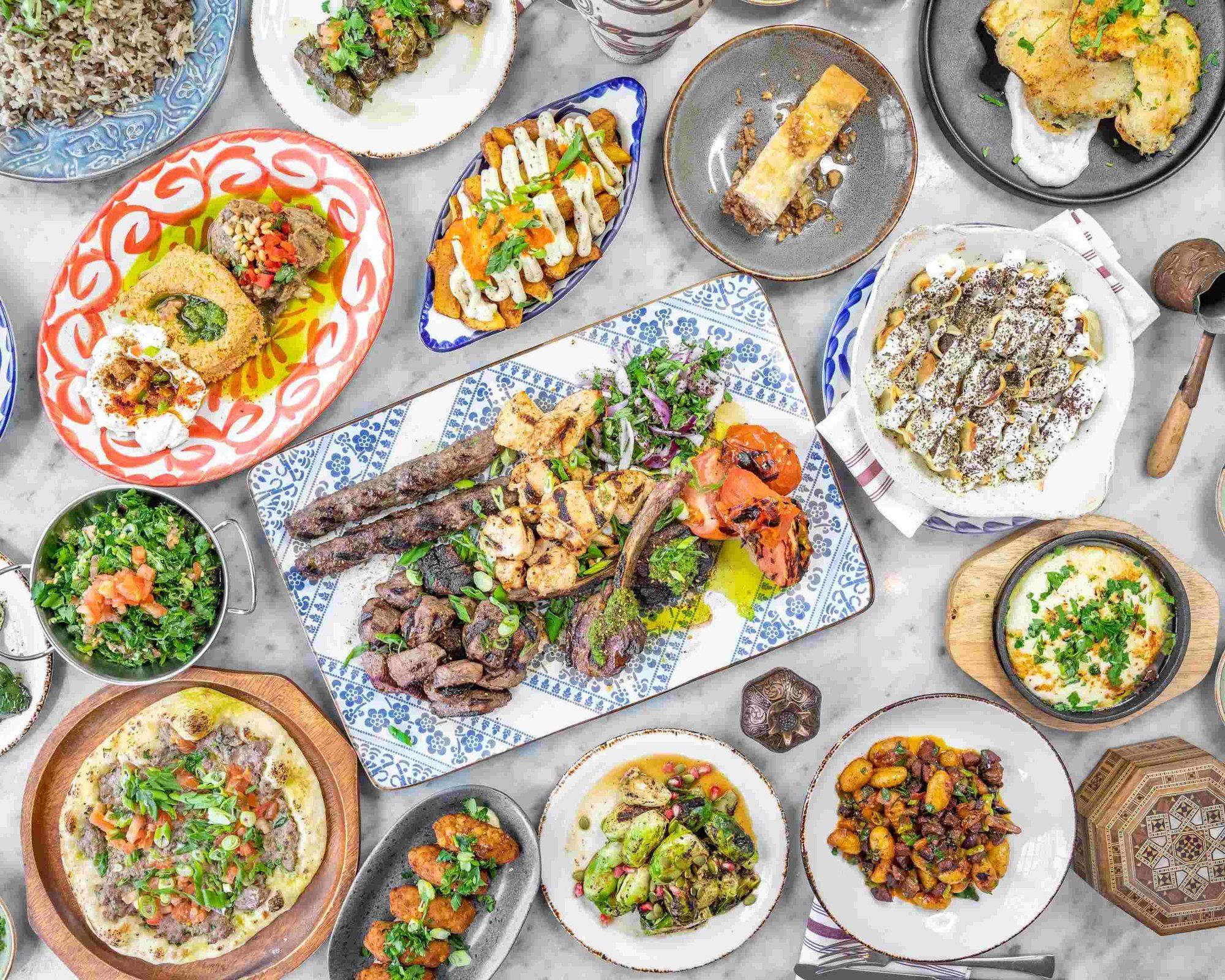
Bayview Avenue and the Neighbourhood Dining Format
Toronto's mid-city dining corridor along Bayview Avenue operates at a different register than the downtown restaurant complex. Where Yorkville and the Entertainment District pull in expense-account traffic and destination diners, the Leaside stretch of Bayview is built on repeat custom: residents who walk in on weeknights, families who have been coming for years, and a slower rhythm of hospitality that doesn't depend on reservation queues or tasting-menu theatre. Mayrik, at 1580 Bayview Ave in Toronto, fits squarely in this format. The room is not designed to compete with the $$$$ tasting-menu tier represented by Alo (Contemporary) or the omakase precision of Sushi Masaki Saito downtown. It sits in a different comparable set entirely: neighbourhood anchors where the food is the point and the atmosphere follows from that.
The Armenian dining tradition that gives Mayrik its reference point is not widely represented at this level of consistency in Toronto. While the city has a large and long-established Armenian community, the cuisine rarely surfaces in restaurants operating with genuine kitchen commitment rather than as a secondary feature of broader Middle Eastern menus. That relative scarcity in the local dining scene gives Mayrik a clear place in the city's restaurant landscape.
What the Kitchen Is Working Through
Armenian cooking draws from a geography that connects the Caucasus to the Eastern Mediterranean, and the flavour logic reflects that range: dried fruits paired with slow-cooked lamb, herb-forward salads built on parsley and mint, flatbreads that serve as both vessel and staple, and spice combinations that lean toward warmth rather than heat. The tradition is one of the older continuous culinary lineages in the region, predating many of the national cuisines that now have higher international profiles. In Canadian cities, it has historically arrived through diaspora home cooking rather than through formal restaurant culture, which means the benchmark for authenticity tends to be domestic rather than institutional.
This context matters for how you read a restaurant like Mayrik. The kitchen is not translating a well-documented restaurant tradition the way a Japanese kaiseki room such as Aburi Hana or an Italian format like DaNico might. It is working from a domestic culinary inheritance and presenting it in a sit-down format. The standard being applied is closer to a familiar home style, scaled up with professional consistency.
The Meal as It Tends to Unfold
Meals at neighbourhood Armenian restaurants typically follow a progression shaped by the tradition itself rather than by contemporary tasting-menu conventions. There is no rigid course structure imposed by a chef's personal vision; instead, the meal unfolds through a logic of sharing and sequence that is older than the modern restaurant format. Cold mezze arrive first: yogurt preparations, olive-dressed vegetables, herb salads, and spreads that establish the flavour register for everything that follows. These are not amuse-bouche-scale gestures but substantive dishes that require attention and pace.
The middle of the meal is where slow-cooked proteins tend to dominate. Lamb, prepared with extended cooking times and layered with dried fruit or grain, carries the structural weight of the menu. Flatbreads, made in-house or sourced with care, are present throughout rather than presented as a discrete bread course. The meal closes not with constructed desserts but with sweets rooted in the pastry tradition: honey, nuts, and layered dough preparations that are dense and calibrated for small portions.
This progression is the opposite of the escalating complexity arc that defines contemporary tasting menus at restaurants like Don Alfonso 1890 or destination-format operations such as Tanière³ in Quebec City. The Armenian meal moves from abundance to warmth to sweetness, with the heaviest flavours arriving in the middle rather than at the end. For diners accustomed to the contemporary fine dining arc, this requires a recalibration, but it is a more ancient and more coherent hospitality logic.
Where Mayrik Sits in the Toronto Context
Toronto's premium dining tier is well-mapped: a cluster of Michelin-recognised restaurants downtown, a set of serious neighbourhood operations across mid-city, and a wider field of ethnic-tradition restaurants that carry the city's real culinary diversity. Mayrik belongs to the middle and latter categories simultaneously. It is not a destination restaurant in the way that draws international visitors, and it is not a press-circuit address. It is the kind of place that sustains a neighbourhood's culinary credibility over years rather than seasons.
For context on how this tier compares to other serious Canadian restaurant operations outside the major downtown clusters, it is worth noting that much of Canada's most committed cooking happens away from the metropolitan spotlight: Eigensinn Farm in Singhampton, Restaurant Pearl Morissette in Lincoln, or The Pine in Creemore all demonstrate that the restaurant-as-community-anchor model can carry genuine culinary ambition. Mayrik operates in that spirit, if in a different register and neighbourhood format.
Among Toronto's broader dining options, those looking for other serious ethnic-tradition kitchens and premium formats can look to the city's range from kaiseki to contemporary Italian. For international comparison points in the tasting-menu format, Le Bernardin in New York City and Atomix in New York City represent the progression-driven, high-investment end of the spectrum. Mayrik is not competing there, nor does it need to. Its comparable set is local, its logic is communal, and its durability is measured in neighbourhood loyalty rather than award cycles.
Other Canadian dining reference points worth holding in mind: AnnaLena in Vancouver, Jérôme Ferrer - Europea in Montréal, Narval in Rimouski, Aux Anciens Canadiens in Quebec, and Barra Fion in Burlington together map the width of serious Canadian dining outside the obvious metropolitan nodes. Bearspaw Golf Club in Calgary represents another format entirely. Mayrik sits apart from all of them: a community-rooted Armenian kitchen on a mid-city avenue, working a tradition that most Toronto diners have not encountered in this form.
Booking and Cost Snapshot
Comparable venues nearby, for context on price, style, and recognition.
| Venue | Cuisine | Price | Notes |
|---|---|---|---|
| MayrikThis venue — the venue you are viewing | Leaside, Modern Armenian-Mediterranean | $$$ | Not listed |
| Tabule | Not listed | $$$ | South Riverdale, Traditional Lebanese Middle Eastern |
| Zezafoun Syrian Cuisine | Not listed | $$ | Davisville Village, Authentic Syrian Cuisine |
| Tabule on Yonge | Davisville Village, Modern Lebanese | $$ | Not listed |
| Osmow's | Uptown Yonge, Mediterranean Shawarma | $$ | Not listed |
| Romi's | Humewood, Israeli Bakery Café | $$ | Not listed |
Continue exploring
More in Toronto
Restaurants in Toronto
Browse all →
Bars in Toronto
Browse all →
Hotels in Toronto
Browse all →

At a Glance
- Cozy
- Modern
- Trendy
- Date Night
- Family
- Group Dining
- Casual Hangout
- Open Kitchen
- Local Sourcing
Current opening hours
- Monday
- 3:30–10 PM
- Tuesday
- 11:30 AM–10:30 PM
- Wednesday
- 11:30 AM–10:30 PM
- Thursday
- 11:30 AM–10:30 PM
- Friday
- 11:30 AM–11 PM
- Saturday
- 11:30 AM–11 PM
- Sunday
- 11:30 AM–10 PM
Hours can change for holidays and private events. Last verified .
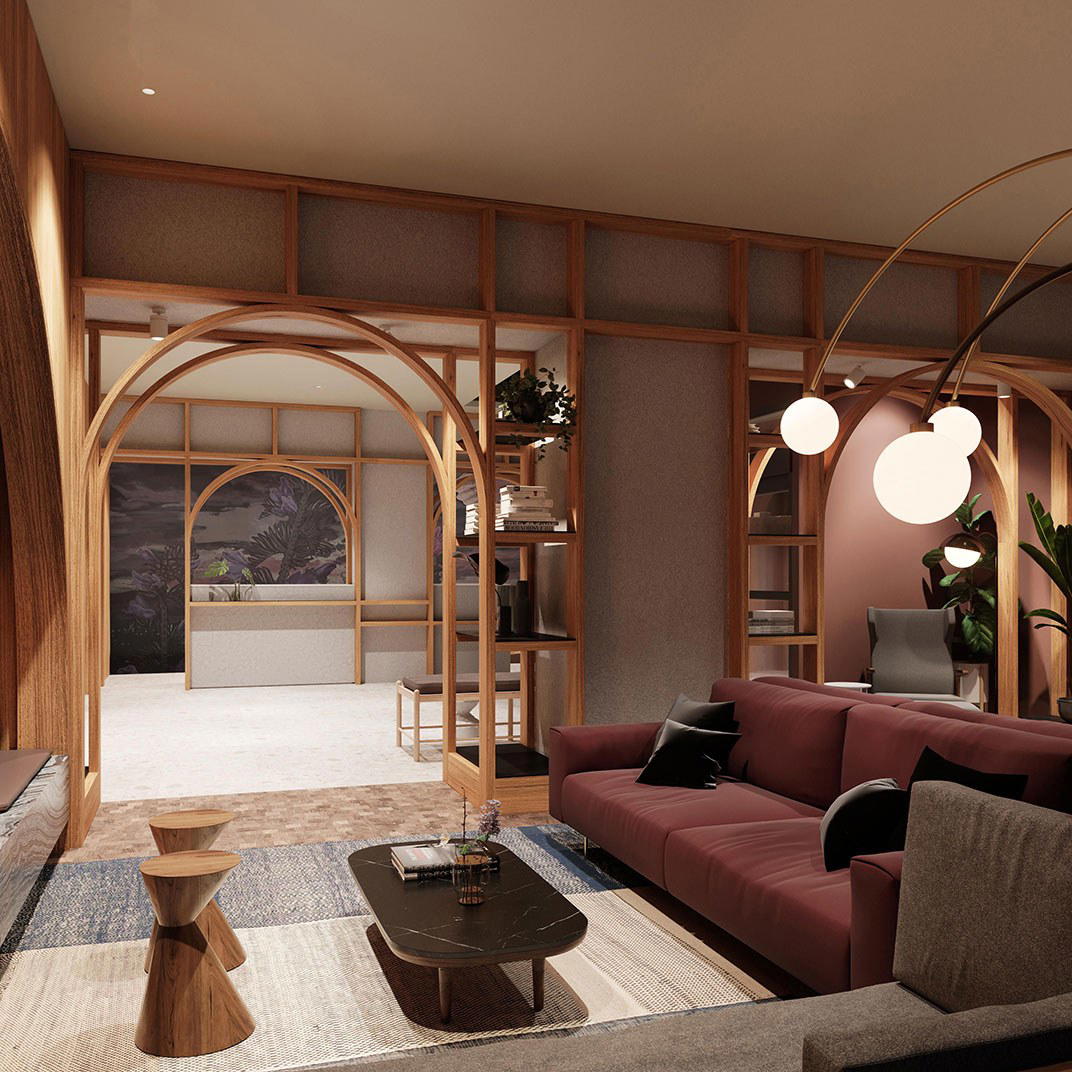
Bright, stylish space with moderate noise, warm service, and an open kitchen atmosphere.