

Kaiseki Yu-zen Hashimoto occupies a private-room dining compound within the Japanese Canadian Cultural Centre in North York, offering Chef Masaki Hashimoto's eight-course traditional kaiseki menu built around seasonal Japanese ingredients. The format, no shared dining room, no ambient noise from other tables, places it firmly outside Toronto's conventional restaurant circuit and closer to the private dining traditions of Kyoto's machiya restaurants.
Pearl is the En Primeur Club membership app — saves, bookings, and concierge access live there. Same editors, same standards.
- Address
- 6 Sakura Way, North York, ON M3C 1Z5, Canada
- Phone
- +1 416-444-7100
- Website
- kaiseki.ca
- Directions
- Get directions
 Saves & bookings on Pearl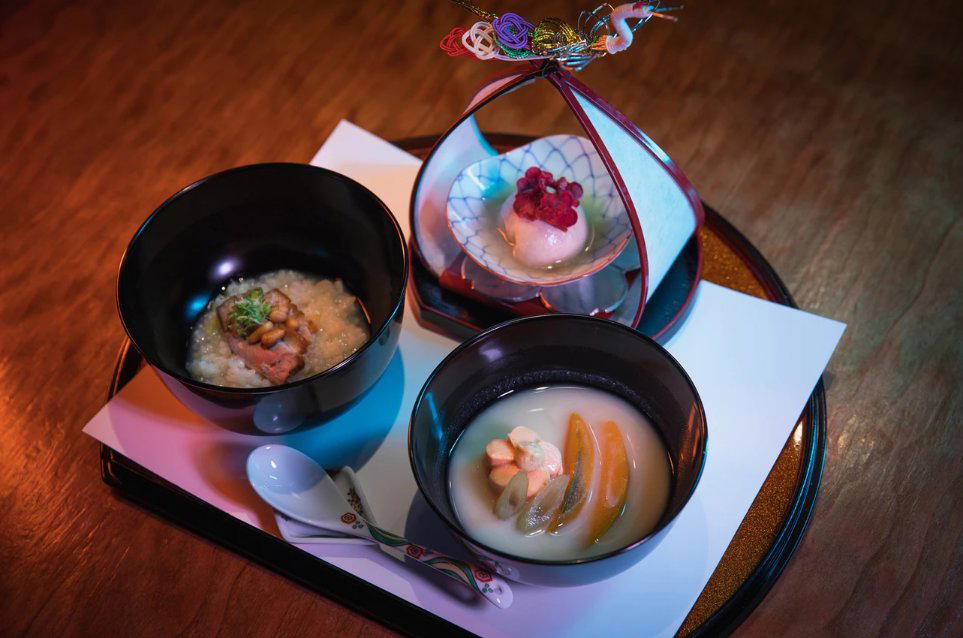
A Different Kind of Private Dining
Toronto's high-end restaurant scene has, over the past decade, concentrated itself downtown: tasting-menu counters in the Entertainment District, Italian and contemporary rooms in Yorkville, and a growing cluster of serious Japanese cooking, from Sushi Masaki Saito's two-Michelin-star omakase to Aburi Hana's Michelin-recognised kaiseki, in the city's core. Kaiseki Yu-zen Hashimoto is a one-Michelin-star restaurant serving traditional Japanese kaiseki in North York, at 6 Sakura Way. Kaiseki Yu-zen Hashimoto operates on a different premise entirely, sitting at 6 Sakura Way in North York, within the grounds of the Japanese Canadian Cultural Centre. The address alone signals that this is not positioning itself against the city's see-and-be-seen dining rooms.
The physical approach matters here. Walking through the Cultural Centre's passages before reaching the restaurant produces something that few Toronto dining experiences replicate: a sustained transition between two sensory environments. The architecture, the materials, and the spatial sequencing do preparatory work before a single dish is placed on the table. In kaiseki tradition, this is not incidental, the approach to the meal is considered part of the meal itself.
The Architecture of a Kaiseki Evening
Kaiseki is structurally deliberate of Japanese dining formats. Originally linked to the tea ceremony, it evolved into a multi-course sequence designed to reflect the season, balance flavour and texture progressively, and demonstrate technical control without drawing attention to itself. The pacing is fixed, not negotiable, and each course occupies a defined position in the arc, from lighter, more restrained early courses through to richer, more satisfying ones before a clean, seasonal close.
The eight-course menu at Yu-zen follows this structure while drawing specifically on seasonal Japanese ingredients. The menu moves from sashimi, with line-caught sea bream cited as a reference point, through grilled cutlass fish and steamed jackfish, soup, and grilled Miyazaki wagyu, closing with Shizuoka musk melon. What this sequence demonstrates is adherence to the classical kaiseki logic of progression: raw and delicate at the start, cooked and more pronounced through the middle, sweet and fruit-led at the end. The Miyazaki wagyu reference places the protein course in a known premium tier; Its presence in a Canadian kaiseki kitchen speaks to the sourcing ambition of the format.
The Shizuoka musk melon deserves its own note. Shizuoka prefecture is among Japan's most celebrated melon-growing regions, producing fruit that reaches extraordinary sweetness through controlled greenhouse cultivation, individual melons are sometimes sold for hundreds of dollars in Japan's gift economy. Using it as a closing course is a deliberate statement about seasonal produce as the centre of the meal, not protein or technique.
Private Rooms and the Logic of Enclosure
Every guest at Kaiseki Yu-zen Hashimoto dines in their own private room. This is the format. In Japan, this style of dining is associated with particularly formal and considered expressions of hospitality: political dinners, corporate negotiations, family milestones, occasions where the meal is not background to conversation but the shared focus of it.
Toronto has few restaurants operating on this model. The private room as standard, rather than optional, removes the ambient social energy of a shared dining room, the cross-table awareness, the noise level calibration, the sense of being in a crowd. What replaces it is a different kind of attention: to the food in front of you, to the people across the table, and to the pace of the evening as it unfolds course by course. For the occasion-driven dinner, a business meal where discretion is needed, a celebration that warrants its own contained space, this format solves problems that a conventional restaurant booking cannot.
Among Toronto's $$$$ Japanese restaurants, this positions Kaiseki Yu-zen Hashimoto in a distinct tier. Sushi Masaki Saito operates at the highest award level in the city's Japanese category; Aburi Hana offers Michelin-recognised kaiseki in a more conventional dining room setting. The restaurant's differentiator is spatial and experiential rather than primarily credential-based: the private room format and Cultural Centre setting put it in a category that has no direct Toronto equivalent. Canadian cities with comparable Japanese programming, Masayoshi and Okeya Kyujiro in Vancouver being the closest reference points, also operate kaiseki and Japanese omakase at the $$$$ tier, but neither replicates this private-room-as-standard approach.
Placing It in the Toronto Context
Toronto's Michelin-starred tier now includes contemporary rooms like Alo and Italian formats like Don Alfonso 1890 and DaNico. What the Michelin presence in Toronto has confirmed is that the city supports serious, structurally disciplined multi-course dining at the highest price tier. The restaurant fits that pricing tier and that structural discipline, even if it operates outside the downtown concentration and without the formal award markers that the newer Michelin entrants carry.
The Cultural Centre location in North York also shifts the frame. This is not a neighbourhood dining destination in the way that, say, a restaurant in Kensington Market or on King West might be. It is a destination specific to this experience, you come for the kaiseki and the setting, not as part of a broader evening itinerary in a walkable neighbourhood. That specificity is a feature of the format, not a limitation: the kaiseki evening, properly paced, does not need an after-dinner bar crawl appended to it.
For those building a broader Toronto dining programme, the city's full range is covered in our Toronto restaurants guide, with further resources across hotels, bars, wineries, and experiences. Elsewhere in Canada, serious tasting-menu programming appears at Tanière³ in Québec City, Jérôme Ferrer - Europea in Montreal, AnnaLena in Vancouver, and at destination-level rooms like Restaurant Pearl Morissette in Lincoln, The Pine in Creemore, and Narval in Rimouski.
Planning Your Visit
The restaurant operates Thursday through Monday, with service from 5 PM to 11 PM each of those evenings; Tuesday and Wednesday are closed. The eight-course kaiseki format means the kitchen runs a fixed sequence rather than an à la carte selection, so the evening's length is structured rather than variable, plan accordingly. Given the private room format and the occasion-led clientele, booking ahead is the practical baseline: this is not a walk-in room. The Cultural Centre address at 6 Sakura Way, North York, is most easily reached by car or taxi rather than as part of a downtown evening on foot.
What Do Regulars Order at Kaiseki Yu-zen Hashimoto?
The format answers this question by design: there is no à la carte selection, so regulars and first-timers alike follow the same eight-course kaiseki sequence. What returning guests often note is the seasonality of the sourcing, the menu shifts with what is at its leading, meaning the Miyazaki wagyu course and the Shizuoka musk melon closer remain consistent reference points in the structure, while the fish courses and vegetable preparations reflect the time of year. The sashimi course, with line-caught sea bream as a representative example, and the grilled fish course have drawn particular attention as expressions of the kitchen's sourcing standards. For those with dietary restrictions or allergies, the fixed-menu format makes early communication with the restaurant the sensible approach.
Comparable Spots, Quickly
Comparable venues nearby, for context on price, style, and recognition.
| Venue | Cuisine | Price | Awards | Notes |
|---|---|---|---|---|
| Kaiseki Yu-zen HashimotoThis venue — the venue you are viewing | Traditional Japanese Kaiseki | $$$$ | Michelin 1 Star | Not listed |
| Kappo Sato | Kappo Japanese Omakase | $$$$ | Michelin 1 Star | Davisville Village |
| aKin | Modern Asian Fine Dining | $$$$ | Michelin 1 Star | Church-Yonge Corridor |
| DaNico | Modern Italian Fine Dining | $$$$ | Michelin 1 Star | Harbord Village |
| Enigma Yorkville | Modern Contemporary Fusion | $$$$ | Michelin 1 Star | Bay Street Corridor |
| Sushi Kaji | Premium Japanese Omakase | $$$$ | Not listed | The Queensway |
Recognition history
Dated appearances from independent guides and award organizations, with the underlying list record or original source where available.
Opinionated About Dining Top Restaurants in North America Ranked #134
Opinionated About Dining
Michelin 1 Star
Michelin
Continue exploring
More in Toronto
Restaurants in Toronto
Browse all →
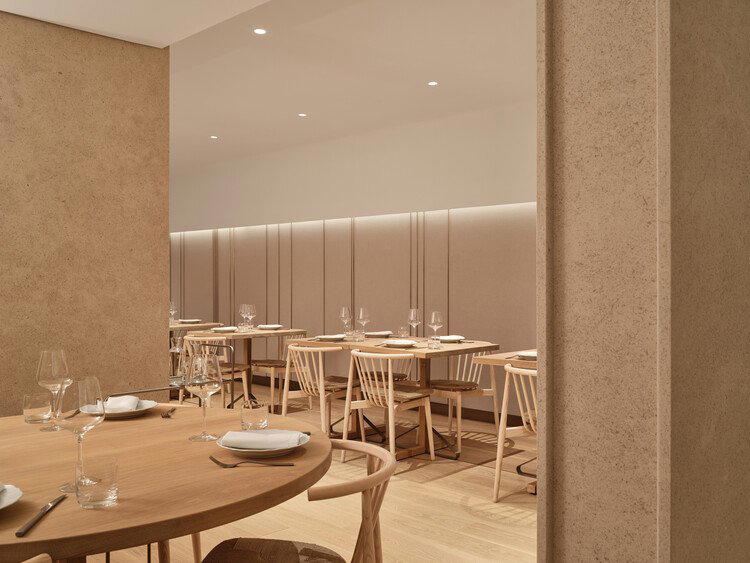
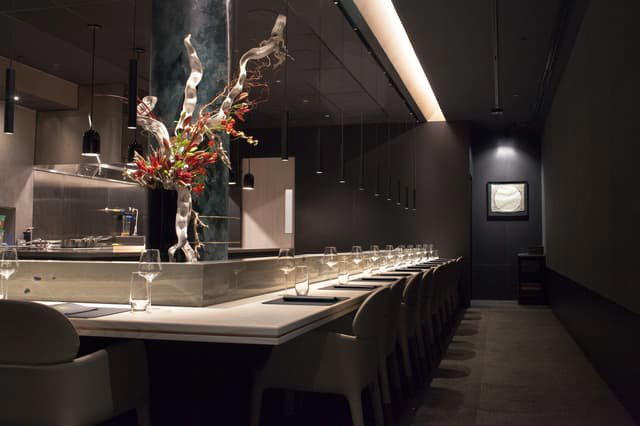
Bars in Toronto
Browse all →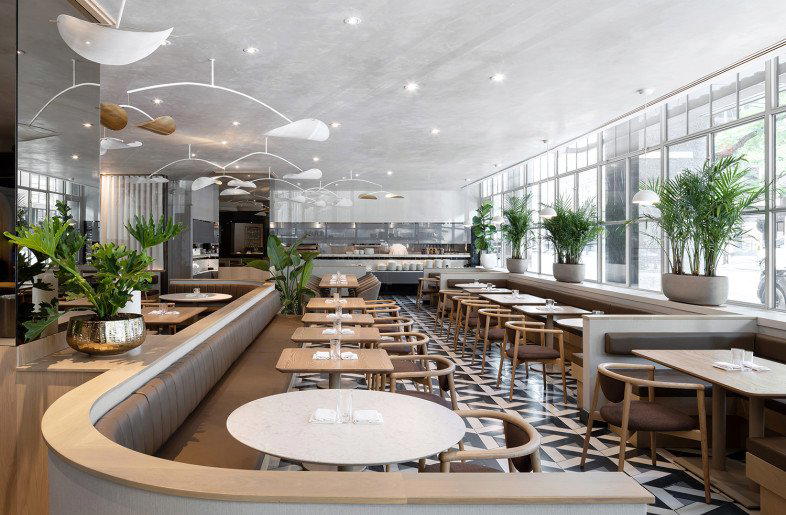
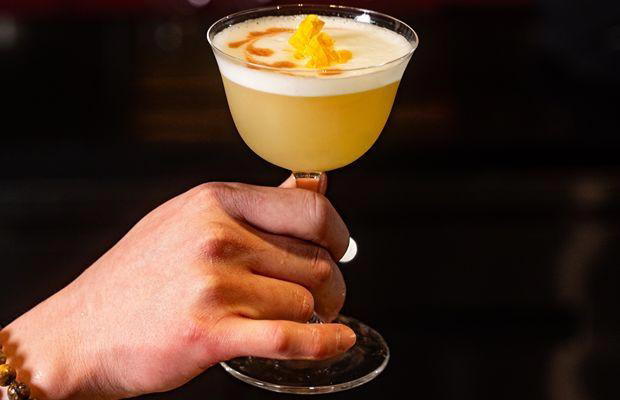
Hotels in Toronto
Browse all →

At a Glance
- Intimate
- Elegant
- Quiet
- Sophisticated
- Special Occasion
- Celebration
- Date Night
- Business Dinner
- Private Dining
- Historic Building
- Design Destination
- Sake Program
- Local Sourcing
Current opening hours
- Monday
- 5–11 PM
- Tuesday
- Closed
- Wednesday
- Closed
- Thursday
- 5–11 PM
- Friday
- 5–11 PM
- Saturday
- 5–11 PM
- Sunday
- 5–11 PM
Hours can change for holidays and private events. Last verified .
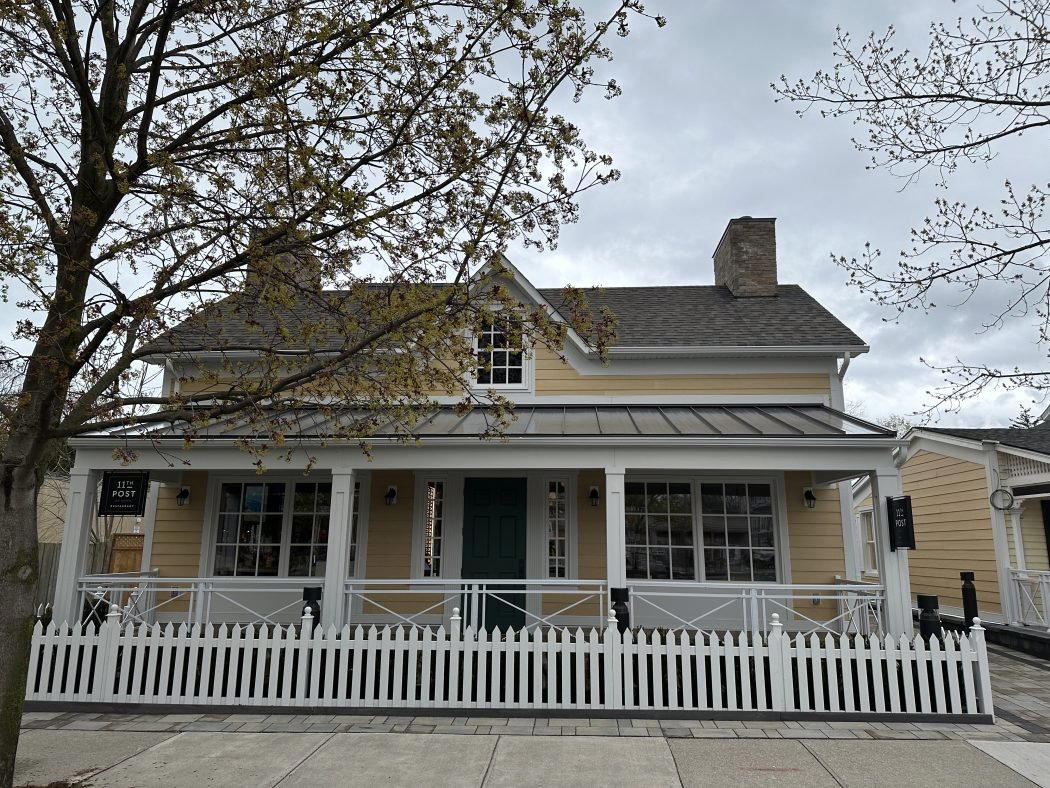
Serene Japanese-inspired setting with traditional architectural elements like shoji screens, tatami mats, and meticulous attention to detail; guests dine in private rooms after removing shoes, creating an intimate and tranquil atmosphere.