
1 Michelin Star
Our verdict
Kappo Sato on Mount Pleasant holds a Michelin star for a format that sits apart from Toronto's more formal Japanese counters: a high-motion, ingredient-driven tasting led by Chef Takeshi Sato, where Japan-sourced produce and house-made dashi define the pace.

Pearl is the En Primeur Club membership app — saves, bookings, and concierge access live there. Same editors, same standards.
- Address
- 575 Mt Pleasant Rd, Toronto, ON M4S 2M5, Canada
- Phone
- (416) 488-6868
- Hours
- Mon–Tue ClosedWed–Sat 5:30–11:30 PMSun Closed
- Website
- kapposato.com
- Directions
- Get directions
- Booking
- Book on Tock
The menu
What to order
- Seafood pot-cooked rice
- Tempura
- Sashimi platter
The Counter at Mount Pleasant: Motion, Ingredients, and the Kappo Tradition
Toronto's Japanese dining scene has developed distinct tiers in recent years. At the formal end, kaiseki services like Yukashi and Aburi Hana run structured multicourse progressions with measured pacing and architectural plating. Sushi-forward counters like Shoushin and the two-Michelin-starred Sushi Masaki Saito anchor the premium nigiri end of the spectrum. Kappo Sato on Mount Pleasant occupies a different register altogether. The kappo format — a Japanese tradition in which a chef cooks freely in front of guests without the structural constraints of either kaiseki or omakase — allows for a more reactive, ingredient-led approach. The kitchen responds to what arrived that morning rather than to a fixed seasonal menu, and the counter becomes a working surface rather than a ceremonial one.
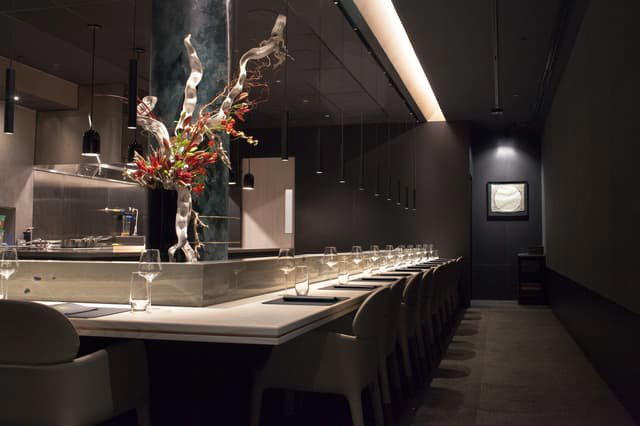
That distinction matters for how you read a meal here. The room operates at pace. A young team moves across multiple courses simultaneously, and the open kitchen that runs the length of the counter makes every element of that process visible. What anchors the motion is Chef Takeshi Sato himself, whose knife work and ingredient command give the room its coherence. For anyone calibrated to the quieter rhythms of a sushi or kaiseki room, the energy differential is immediate.
Ingredient Provenance as the Operating Principle
In kappo cooking, the quality and origin of ingredients carry more argumentative weight than in formats with fixed menus, because the menu itself is provisional. Dashi, the foundational broth of Japanese cuisine, moves through the meal in various forms, appearing in broths, stocks, and preparations that signal the kitchen's technical center of gravity. A well-made dashi is among the more diagnostic things a Japanese kitchen can produce; it requires both quality kombu and katsuobushi and the patience to coax flavor without force. The versions at Kappo Sato are described as soulful, which in this context means they carry depth without heaviness.
The broader ingredient philosophy connects Kappo Sato to a tradition of Japanese cooking in which the chef's role is editorial: selecting, preparing, and sequencing what is available, rather than executing a static blueprint. Comparable approaches in Tokyo contexts, such as those at Myojaku and Azabu Kadowaki, demonstrate how the kappo model scales at the highest levels of Japanese dining. Toronto's version works within different supply constraints but pursues the same sourcing logic: get the leading materials available, then decide what to do with them.
What a Meal Here Actually Looks Like
The tasting at Kappo Sato does not follow the quiet, segmented rhythm of a kaiseki. Courses arrive with the energy of a kitchen that is producing multiple preparations in parallel. The counter placement means guests observe not just finished dishes but the full arc of their production, including the knife work, the timing of broths, and the sequencing of proteins. For a diner interested in watching Japanese technique at close range, this visibility is part of the experience.
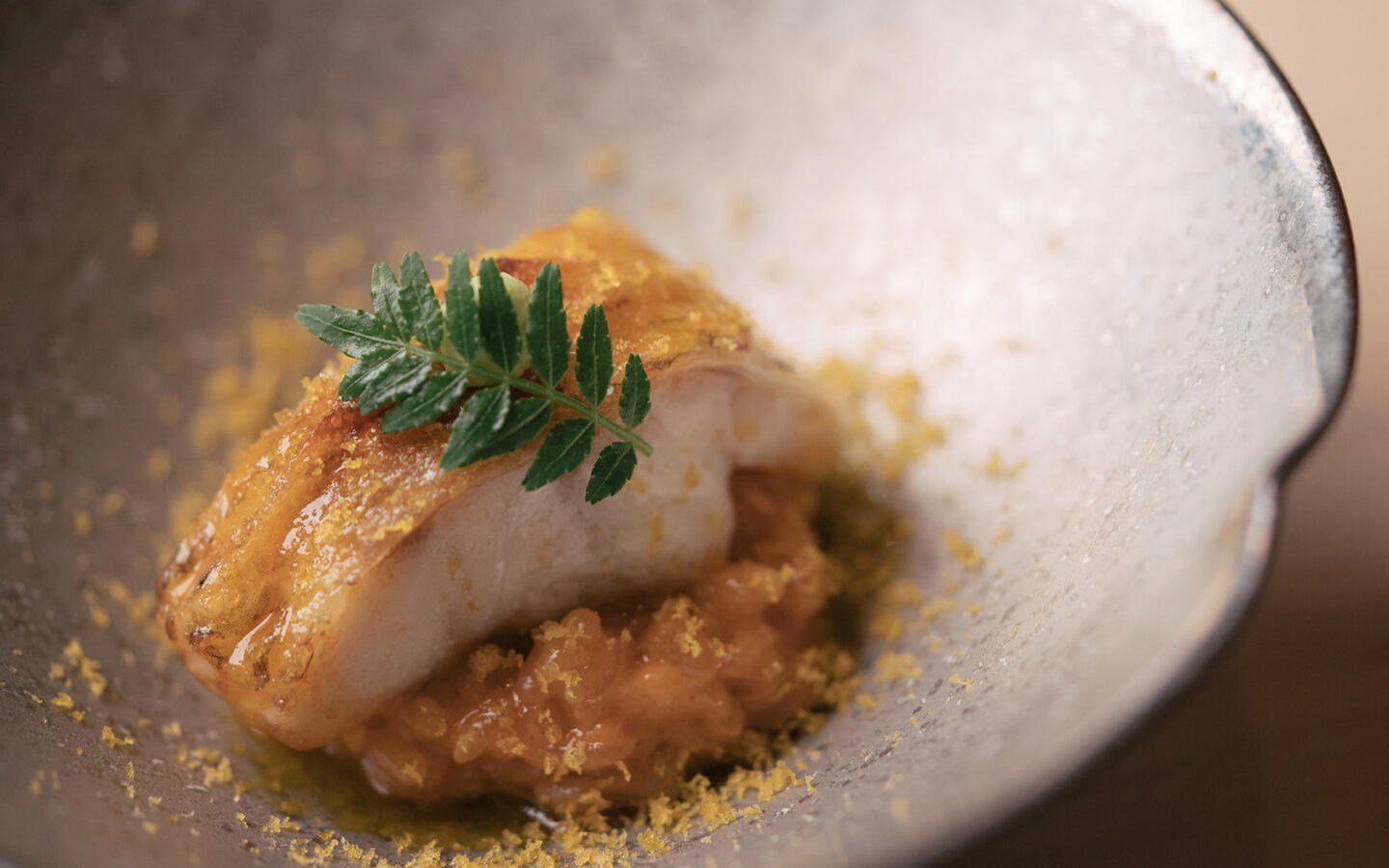
Documented preparations include tempura-fried mackerel with shiso, which places a traditionally strong fish inside a light batter alongside an herb that cuts its oiliness, and seared toro nigiri with Japanese green onions, a preparation that applies heat to a cut more commonly served raw in sushi contexts. Both dishes reflect the editorial freedom the kappo format creates: familiar ingredients treated with lateral thinking rather than convention. The shiso-mackerel pairing, in particular, echoes the kind of course you might encounter at an inventive kappo in Osaka, where the format originated as a more democratic alternative to formal kaiseki.
At the $$$$ price point and with a 2024 Michelin star, Kappo Sato sits in a peer group that in Toronto includes Alo (Contemporary), Edulis, and Don Alfonso 1890 among the city's Michelin-recognized tables. Within the Japanese category specifically, the format is more exposed than a sushi counter to the variability of daily sourcing, which makes the consistency signal in its reviews significant.
How Kappo Sato Fits Toronto's Japanese Dining Picture
Toronto's Japanese restaurant scene has deepened considerably. Affordable ramen operations like Musoshin Ramen and mid-range sushi bars like JaBistro anchor the accessible end of the market. Kappo Sato answers that question with a format that remains uncommon outside Japan: it is not a performance, not a ceremony, and not a tasting menu in the Western sense. It is a chef cooking what arrived, in front of you, with a team that has learned to work at his tempo.
For context on how this format compares nationally, the Michelin-starred kitchens at Tanière³ in Québec City and Jérôme Ferrer - Europea in Montreal pursue ingredient-led cooking in very different idioms: foraged and hyper-regional in the Québec context, classically French in Montreal. AnnaLena in Vancouver sits in a more contemporary Canadian lane. Kappo Sato's Japan-sourced ingredient base separates it from all of these; it is not building a Canadian terroir argument but importing the raw materials of a Japanese one.
Other Ontario references worth contextualizing: Restaurant Pearl Morissette in Lincoln and The Pine in Creemore both take ingredient provenance seriously in the regional Canadian mode. Narval in Rimouski operates in a coastal terroir context. These are different arguments about sourcing, but all share the conviction that where ingredients come from determines what a kitchen can say.
Planning a Visit
Kappo Sato is located at 575 Mt Pleasant Road in midtown Toronto, a stretch that also carries a concentration of neighbourhood dining. The $$$$ pricing places it at the ceiling of Toronto's Japanese market, consistent with the import logistics behind its sourcing program. Given the Michelin recognition and the counter format, advance booking is advisable; counters of this type in comparable cities typically fill two to four weeks out, though current availability should be confirmed directly. The full range of what Toronto offers at this and adjacent price points is covered in our full Toronto restaurants guide. For accommodation context, see our full Toronto hotels guide. Bar programming, winery visits, and experiences are mapped in our Toronto bars guide, our Toronto wineries guide, and our Toronto experiences guide respectively.
Frequently asked questions
What's the signature dish at Kappo Sato?
Kappo Sato does not operate around a fixed signature dish in the way a static-menu restaurant would. The kitchen's defining preparations vary with what has been sourced from Japan that week. Documented courses include tempura-fried mackerel with shiso and seared toro nigiri with Japanese green onions, both of which reflect the kitchen's tendency to apply unexpected technique to high-quality raw materials. The dashi broths that run through the meal are perhaps the most consistent expression of the kitchen's technical identity, and the most direct indicator of the sourcing program underpinning the whole operation.
What's the ideal way to book Kappo Sato?
If you are planning around the Michelin star and the $$$$ price point, treat this like any other recognized counter-format restaurant in a major Canadian city: build lead time into your planning. Counter seats at Toronto's leading Japanese tables are not always available on short notice, particularly for weekend sittings. Booking direct is the standard approach for counter-format restaurants at this level; third-party reservation platforms vary in their coverage of kappo-style venues. Confirm current booking channels and availability windows before committing travel dates around the reservation.
What's the standout thing about Kappo Sato?
Start with the format. A kappo counter in Toronto operating at Michelin-star level, sourcing the majority of its ingredients from Japan, and running the meal as an open-kitchen tasting rather than a scripted sequence is a specific and deliberate position. Chef Takeshi Sato's knife work and ingredient command give the kitchen its technical credibility, but the format itself is the argument: cooking as a live, material-driven act rather than a reproducible composition. For diners already familiar with Toronto's Japanese counter scene, including the sushi-focused rooms and kaiseki services, the kappo model offers a structurally different experience of what Japanese precision cooking can look like when it is unscripted.
Price Lens
A quick peer reference to anchor this venue in its category.
| Venue | Cuisine | Price | Awards | Notes |
|---|---|---|---|---|
| Kappo SatoThis venue — the venue you are viewing | Kappo Japanese Omakase | $300–500 | 1 Michelin Star | Not listed |
| Alo | Modern French Fine Dining with Asian Influences | $200–300 | 1 Michelin Star · La Liste Top Restaurants | Contemporary |
| Sushi Masaki Saito | Edomae-Style Omakase | $500+ | 1 Michelin Star · La Liste Top Restaurants | Sushi, Japanese |
| Aburi Hana | Modern Japanese Kyō-Kaiseki | $300–500 | 1 Michelin Star · The Best Chef One Knife | Kaiseki, Japanese |
| Don Alfonso 1890 | Modern Italian Fine Dining | $200–300 | 1 Michelin Star · La Liste Top Restaurants | Contemporary Italian, Italian |
| Edulis | Mediterranean Seafood Tasting Menu | $150–200 | 1 Michelin Star · World's 50 Best #25 | Canadian, Mediterranean Cuisine |
Recognition history
Dated appearances from independent guides and award organizations, with the underlying list record or original source where available.
Michelin 1 Star
Michelin
Full recognition history (2 entries)
Michelin 1 Star
Michelin
Continue exploring
More in Toronto
Restaurants in Toronto
Browse all →
Bars in Toronto
Browse all →
Hotels in Toronto
Browse all →


Details
- Intimate
- Elegant
- Sophisticated
- Minimalist
- Special Occasion
- Date Night
- Chefs Counter
- Open Kitchen
- Sake Program
- Omakase
- Counter Dining
- Tasting Menu
- Sake
Current opening hours
- Monday
- Closed
- Tuesday
- Closed
- Wednesday
- 5:30–11:30 PM
- Thursday
- 5:30–11:30 PM
- Friday
- 5:30–11:30 PM
- Saturday
- 5:30–11:30 PM
- Sunday
- Closed
Hours can change for holidays and private events. Last verified .
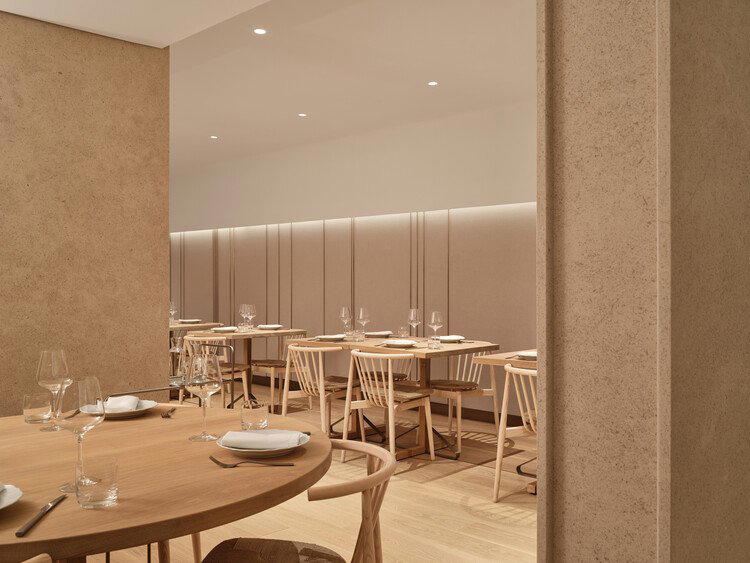
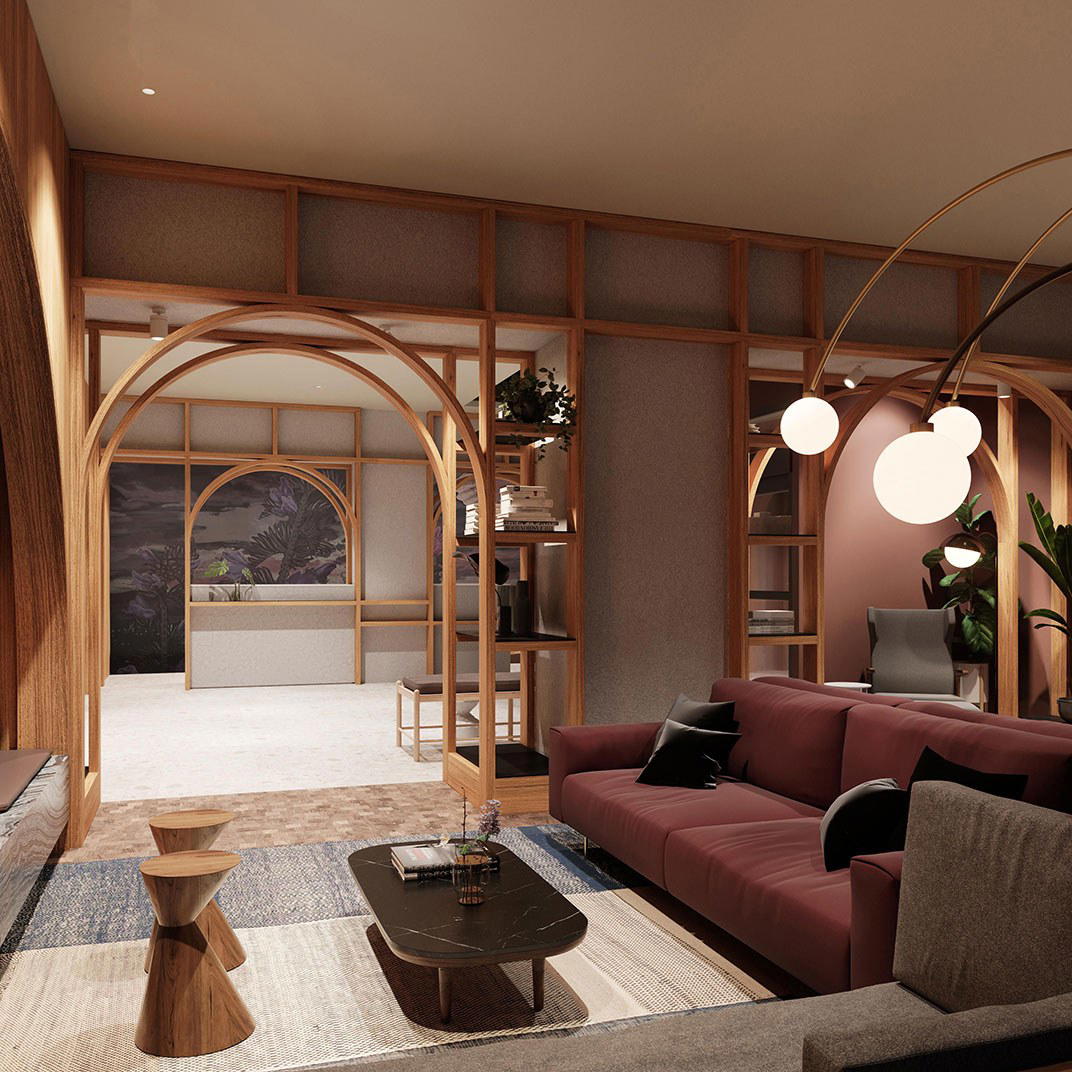
Serene and cozy open kitchen counter atmosphere with meticulous preparation visible to guests, creating an intimate dining experience.