"Mau Shi, Innere Stadt. A rare Thai food delight. This family run spot makes you feel like you are over at someone's house for dinner, rather than being out at a restaurant. A cozy place."
- Address
- Am Eisernen Tor 7, 8010 Graz, Austria
- Phone
- +43 316 325777
- Website
- facebook.com
- Directions
- Get directions
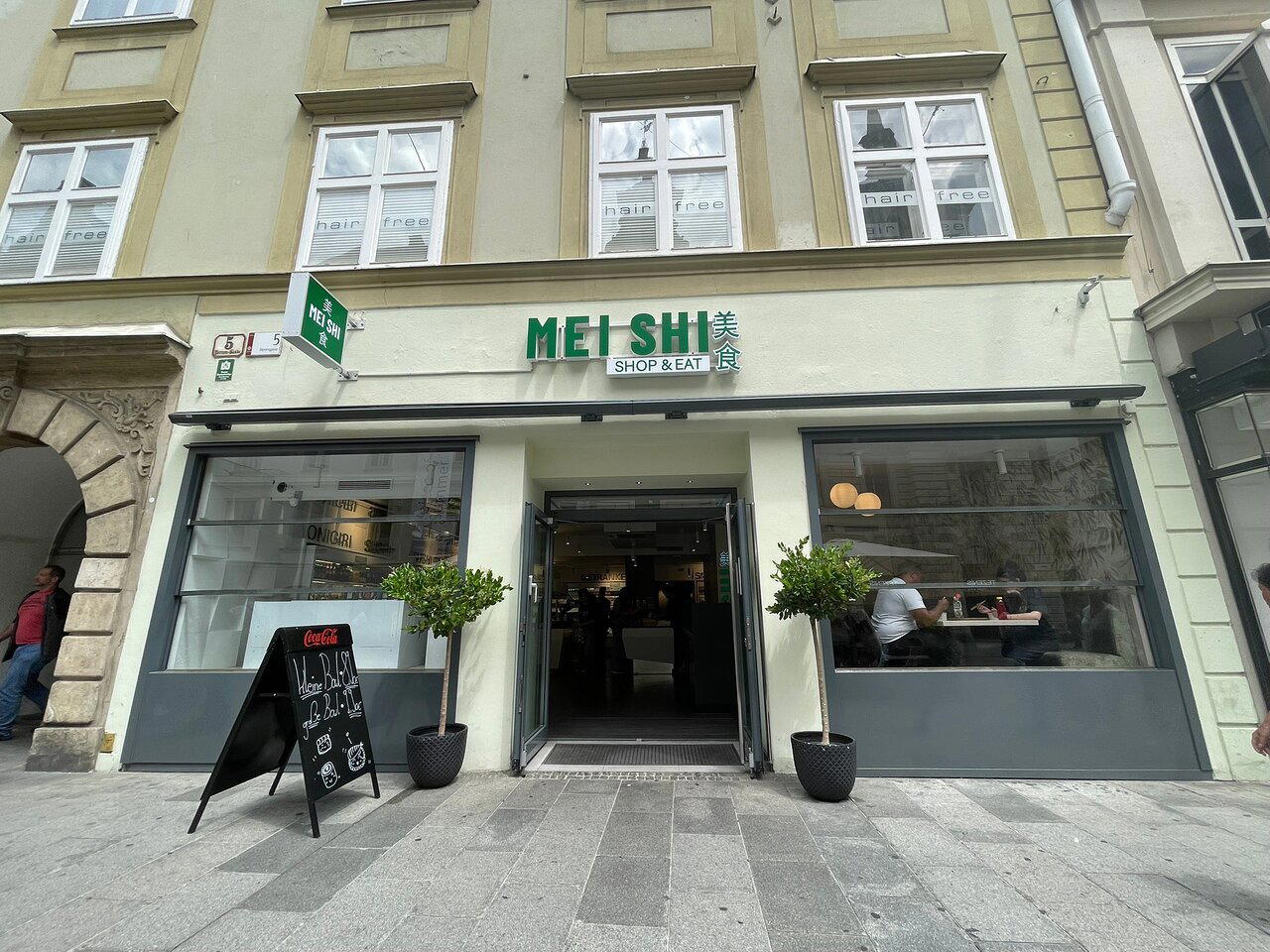
Am Eisernen Tor: Reading the Room Before the First Course
The square at Am Eisernen Tor sits at one of Graz's oldest intersections, where the medieval street grid opens into something more breathable. The address carries the compressed social energy typical of central Graz: a city that dresses well, eats deliberately, and has grown comfortable with the idea that a dining room can serve as a kind of civic institution. Arriving at number seven, you are already inside a particular argument about what dining in this city means, and how seriously it takes its own rituals.
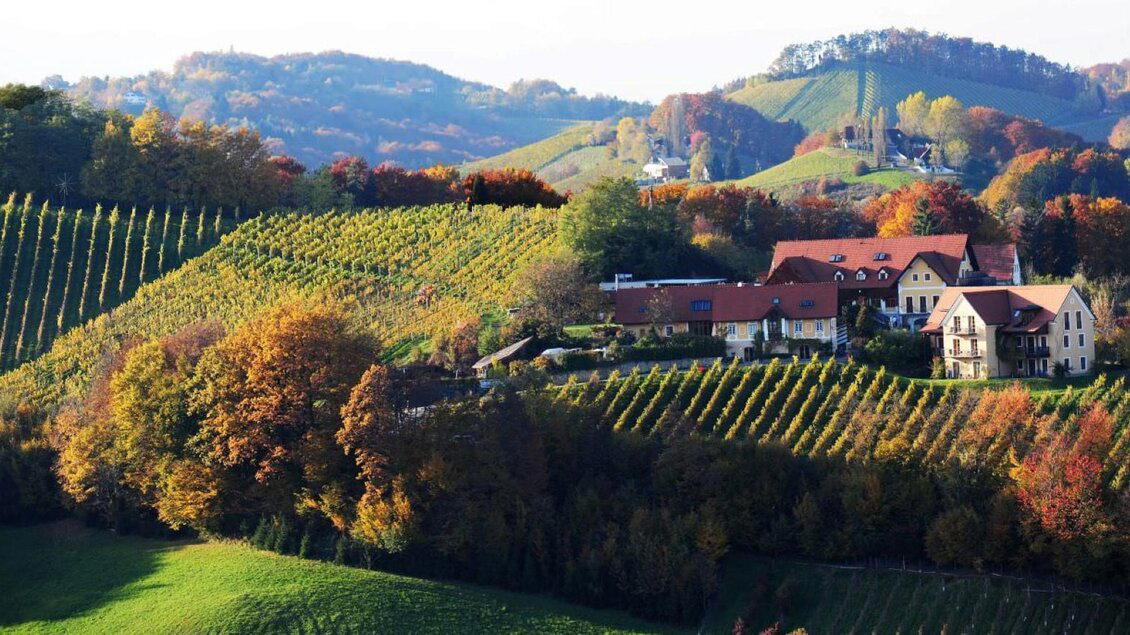
Graz occupies a distinct position in Austria's restaurant hierarchy. It sits below Vienna in population and media attention, but it draws on Styria, one of the country's most ingredient-serious regions: pumpkin-seed oil pressed from green-gold Kürbiskerne, Lammfleisch from the surrounding hills, white wines from the Südsteiermark that have attracted serious collector interest across Europe. The city's better restaurants operate within that regional logic, either leaning into Styrian specificity or using it as a foundation for wider culinary references. Comparison venues across Graz demonstrate that range: Artis (Creative) operates at the creative end of the price spectrum, while addresses like Adelphia and Arravané stake out different positions within the mid-to-upper tier. Mau Shi is a casual Asian-Austrian Fusion restaurant at Am Eisernen Tor 7, 8010 Graz, Austria, priced at about $12 per person, and it is permanently closed.
The Structure of the Meal: Pacing as Hospitality
Austrian dining at the serious end of the market tends to observe a particular rhythm. There is rarely the relentless turn-and-burn pace of busier metropolitan cities. Tables are held. Courses arrive with deliberate spacing. The ritual of the meal, amuse-bouche, bread service, the progression from lighter to richer plates, functions not as ceremony for its own sake but as a way of organizing attention. In that tradition, eating is not an event to be rushed through but a structure that gives the evening shape.
That orientation toward pacing reflects something broader about how Graz's central dining addresses position themselves. The city's hospitality culture has absorbed enough international influence, through tourism, through chefs who trained elsewhere, through wine lists that reach into France and Italy, to feel cosmopolitan, while retaining the slower register that the Styrian table has practiced for generations. Restaurants like Aiola im Schloss and aiola upstairs have built their reputations partly on this synthesis: serious enough to hold a course through the meal, relaxed enough to feel like the city rather than a transplant from somewhere else.
Mau Shi at Am Eisernen Tor 7 sits within that structural expectation. A central Graz address of this kind carries an implied contract with the guest: the setting will be cared for, the service will observe the beats of a considered progression, and the meal will not feel incidental. Whether the kitchen honors that contract in full is a question the room itself raises the moment you cross the threshold.
Austria's Wider Restaurant Register: The comparable set
Understanding where a Graz restaurant sits requires some triangulation with the wider Austrian scene. The country's most documented addresses operate at considerable altitude: Steirereck im Stadtpark in Vienna has held its position at the apex of Austrian fine dining for decades, while regional addresses like Obauer in Werfen and Landhaus Bacher in Mautern an der Donau have built national reputations on deep regional rootedness. Elsewhere across the country, Döllerer in Golling an der Salzach, Schwarzer Adler in Hall in Tirol, and alpine addresses such as Gourmetrestaurant Tannenhof in Sankt Anton am Arlberg and Stüva in Ischgl demonstrate how seriously the country's non-Viennese dining scene takes its own standards.
Styria contributes to that register distinctly. The region's ingredient culture, the oils, the game, the wine, creates a natural vocabulary for kitchens willing to use it. Graz, as the regional capital, is the city where that vocabulary gets its most urban, most considered expression. A restaurant at Am Eisernen Tor is, by virtue of its address, making a statement about where it sits in that conversation. Further afield, mountain and countryside addresses like Restaurant 141 by Joachim Jaud in Mieming, Ois in Neufelden, and Kräuterreich by Vitus Winkler in Sankt Veit im Pongau illustrate how Austrian regional cooking continues to develop on its own terms, outside the gravitational pull of any single city.
Internationally, the pattern that Graz's serious restaurants most closely echo is the mid-sized European city that punches above its weight in dining: cities where the absence of massive tourist infrastructure forces restaurants to serve a informed local clientele first and build outward from there. In that respect, Graz functions more like Lyon than like Paris, a city where reputation is earned over years of consistent service, not through media cycles. Destinations like Le Bernardin in New York City or Lazy Bear in San Francisco demonstrate, from a distance, what sustained editorial conviction and format discipline can produce when a restaurant commits fully to its own logic.
Planning a Visit: What the Address Tells You
Am Eisernen Tor 7 is within comfortable walking distance of Graz's historic centre and the Hauptplatz, making it accessible without planning around transport. The central location is a practical asset: you can arrive on foot from the major hotels in the old town, and the surrounding area offers many options for extending an evening before or after the meal. For context on the broader dining options across the city, the full Graz restaurants guide maps the scene across price tiers and cuisine types.
As with most centrally located restaurants in Austrian cities at this price positioning, reservations in advance are advisable, particularly for weekend evenings when demand from both local and visiting guests tends to concentrate.
Cuisine and Awards Snapshot
Comparable venues nearby, for context on price, style, and recognition.
| Venue | Cuisine | Price | Notes |
|---|---|---|---|
| Mau ShiThis venue — the venue you are viewing | Asian-Austrian Fusion | $$ | Not listed |
| Kalte Ente | Modern International Bar Kitchen | $$ | St. Leonhard |
| Miss Cho | Pan-Asian Fusion | $$$ | Innere Stadt |
| Pad Thai | Authentic Thai | $$ | Geidorf |
| Burger Factory | American Burgers | $$ | Gries |
| Café Fotter • Graz | Traditional Austrian Café | $$ | Geidorf |
At a Glance
- Cozy
- Modern
- Trendy
- Casual Hangout
- Group Dining
- After Work
- Standalone
- Design Destination
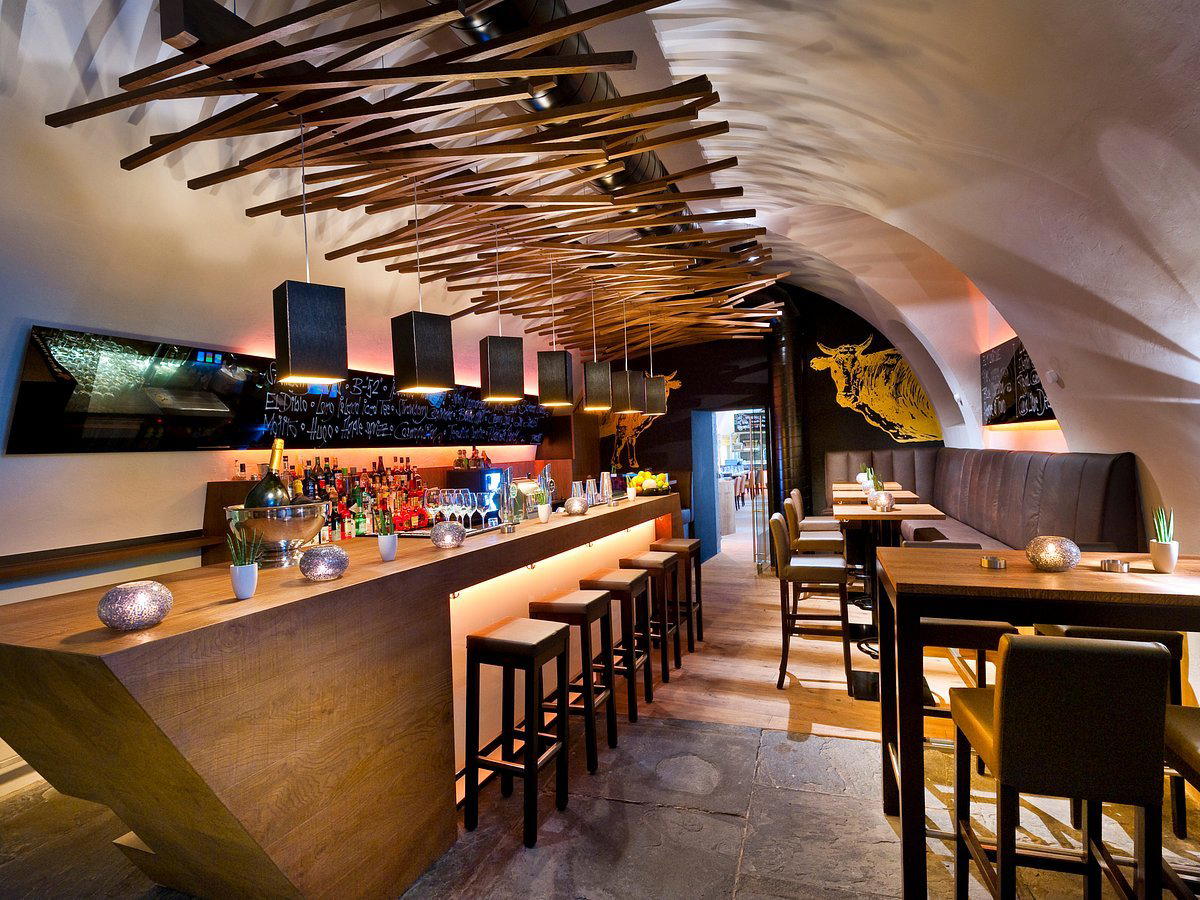
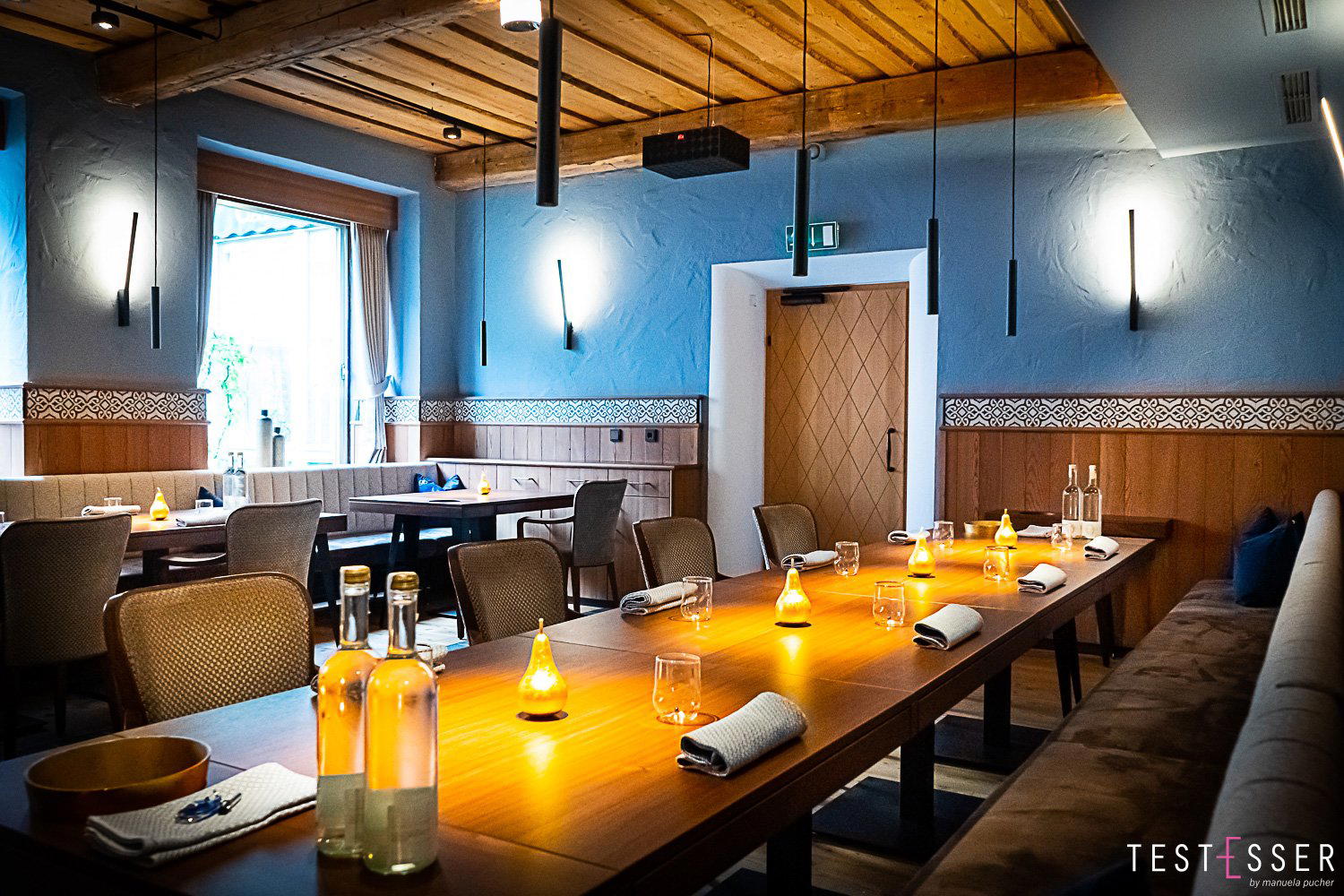
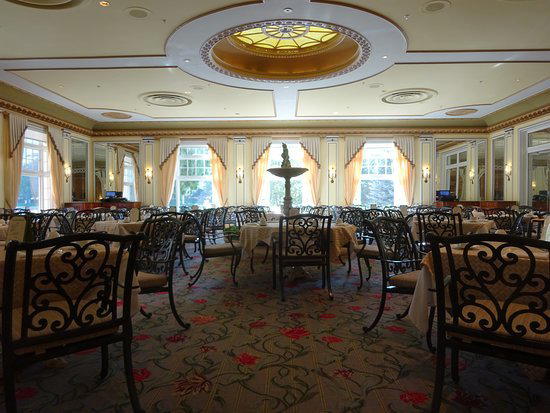
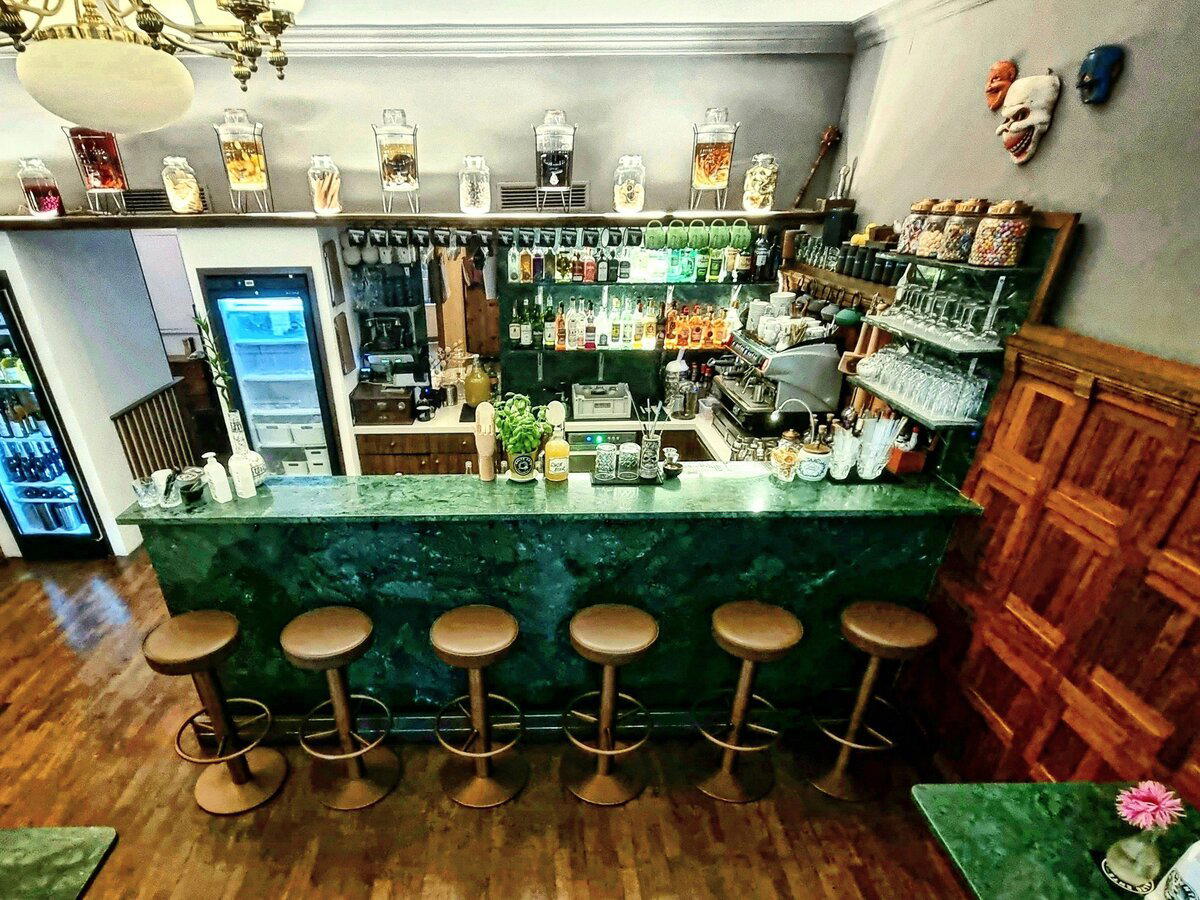
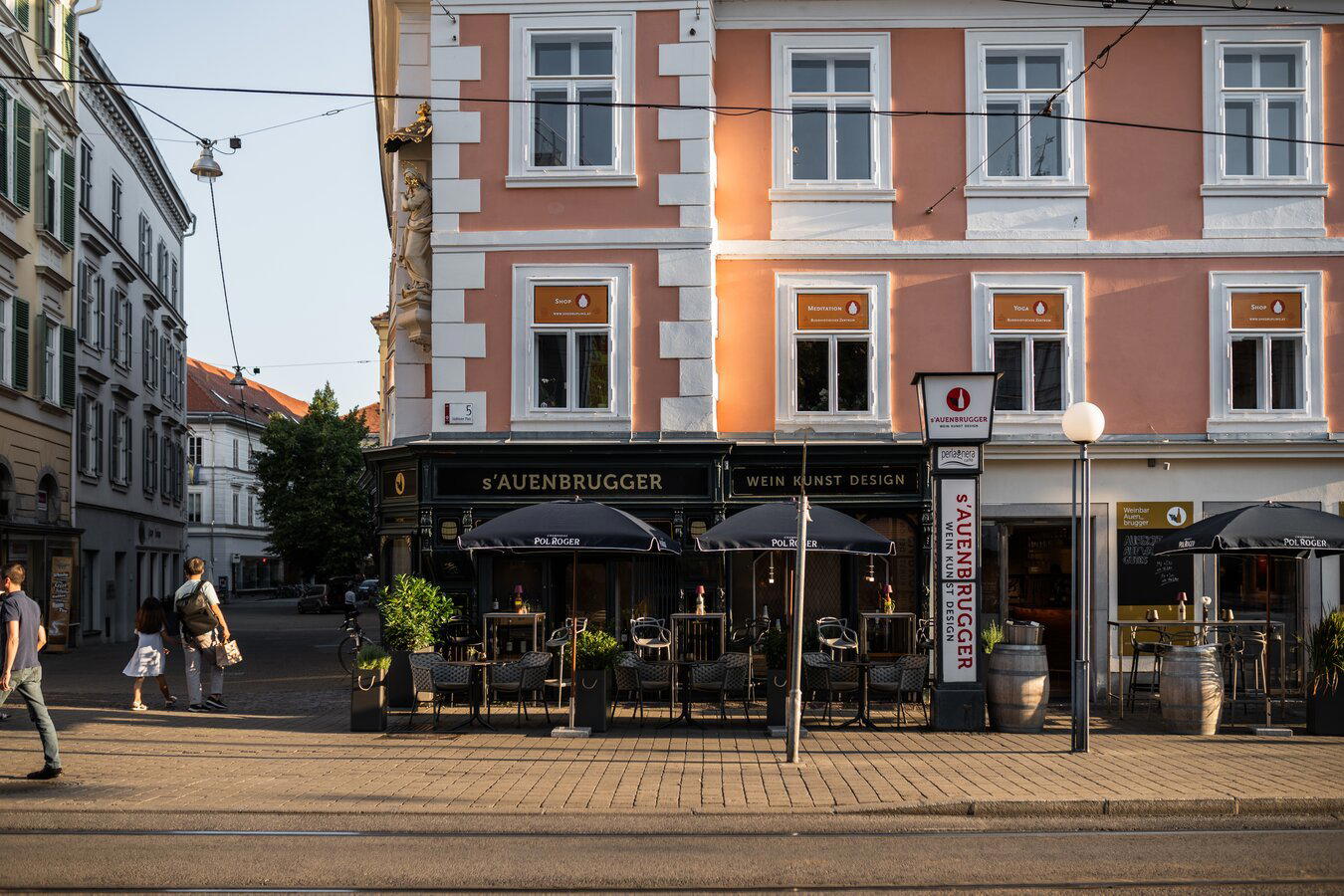
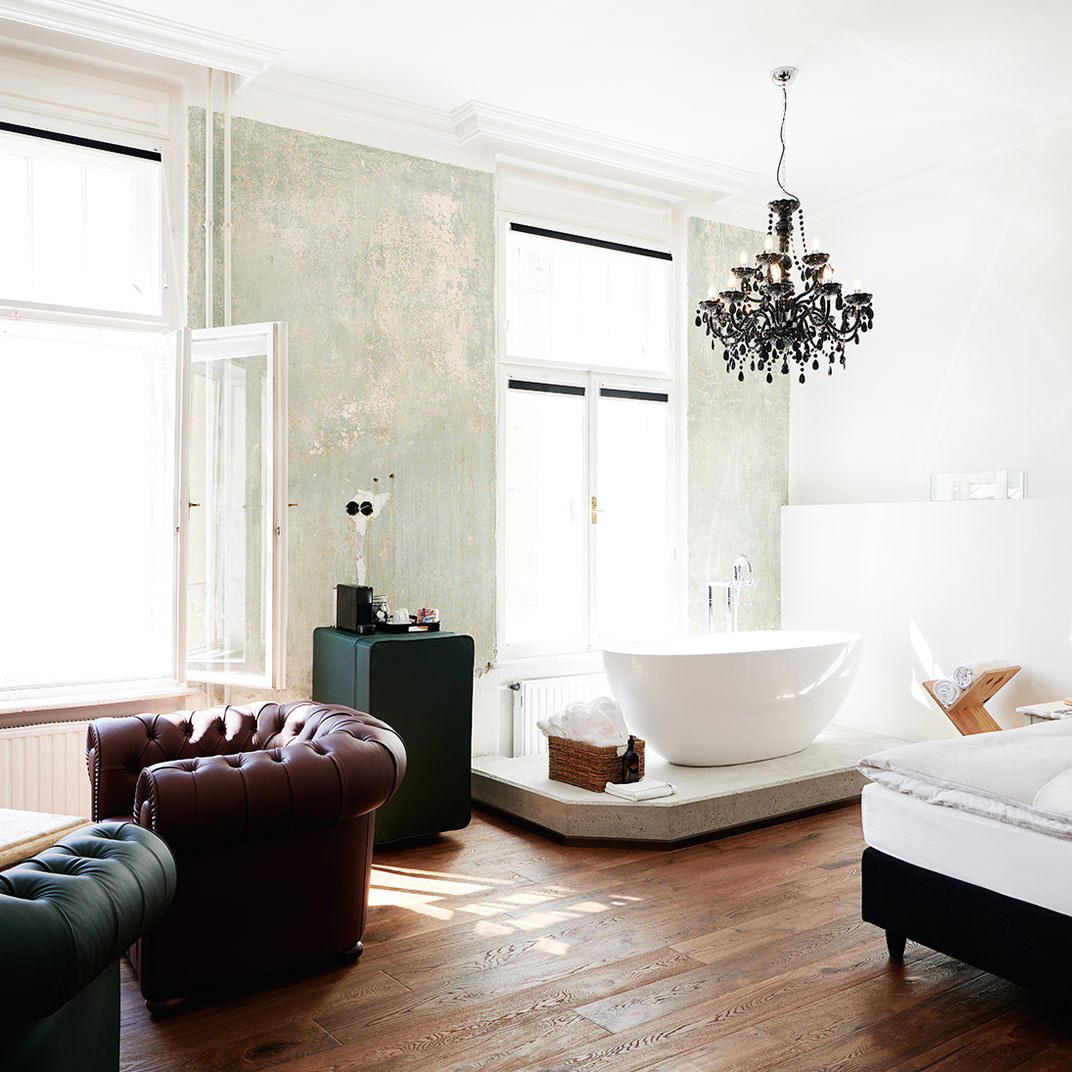
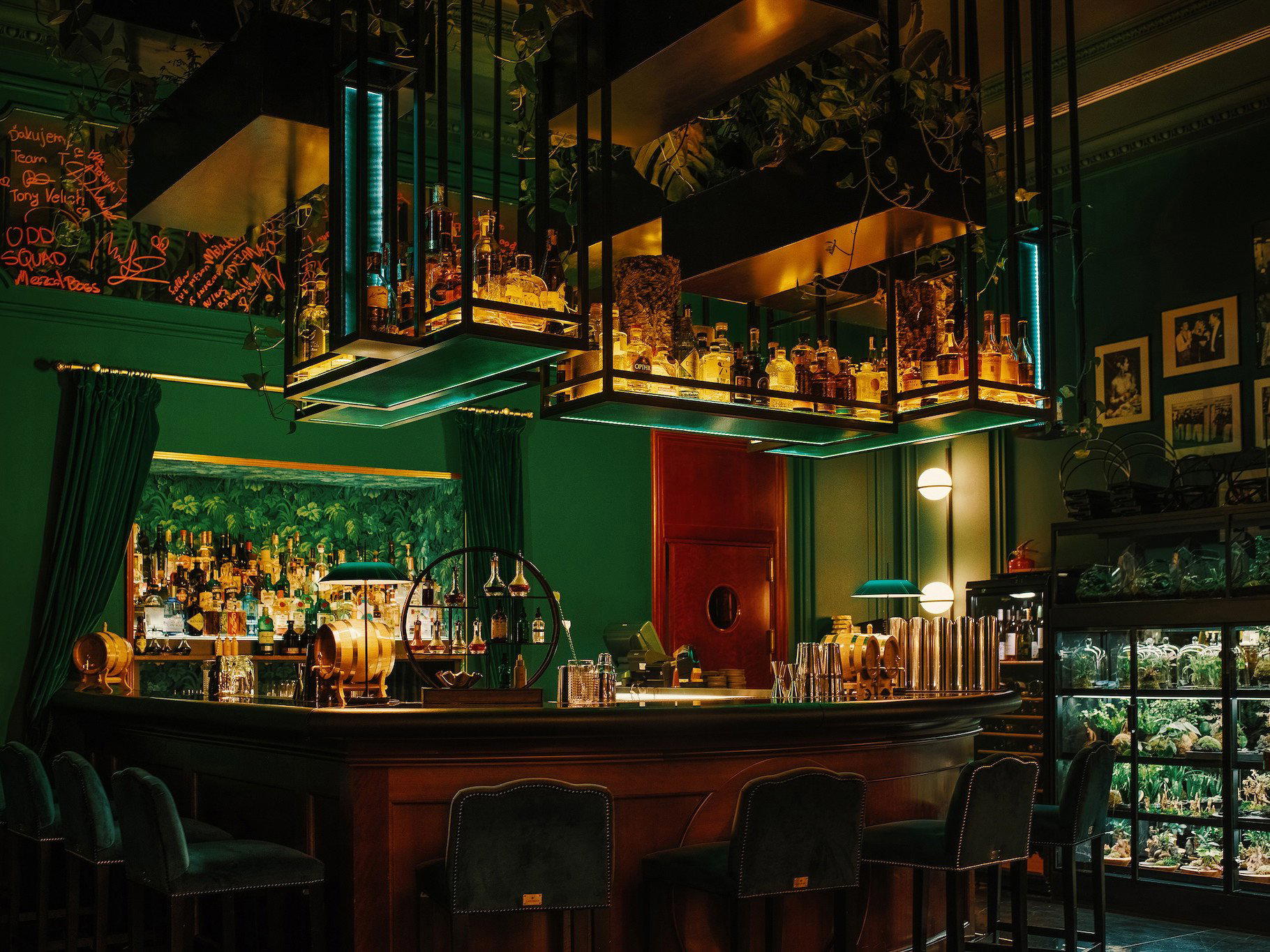
Berlin-style retro interior with a cozy, relaxed atmosphere that encourages guests to unwind away from the bustle of the surrounding Herrengasse area.