A casual burger operation on Feuerbachgasse in Graz's 8020 district, Burger Factory occupies a direct niche in a city whose dining scene skews toward Styrian regional cooking and formal Austrian cuisine. For visitors working through Graz's broader restaurant landscape, it sits at the informal, accessible end of a spectrum that elsewhere includes creative tasting menus and farm-to-table Styrian kitchens.
Pearl is the En Primeur Club membership app — saves, bookings, and concierge access live there. Same editors, same standards.
- Address
- Feuerbachgasse 24, 8020 Graz, Austria
- Phone
- +436609325911
- Website
- burger-factory.at
- Directions
- Get directions
 Saves & bookings on Pearl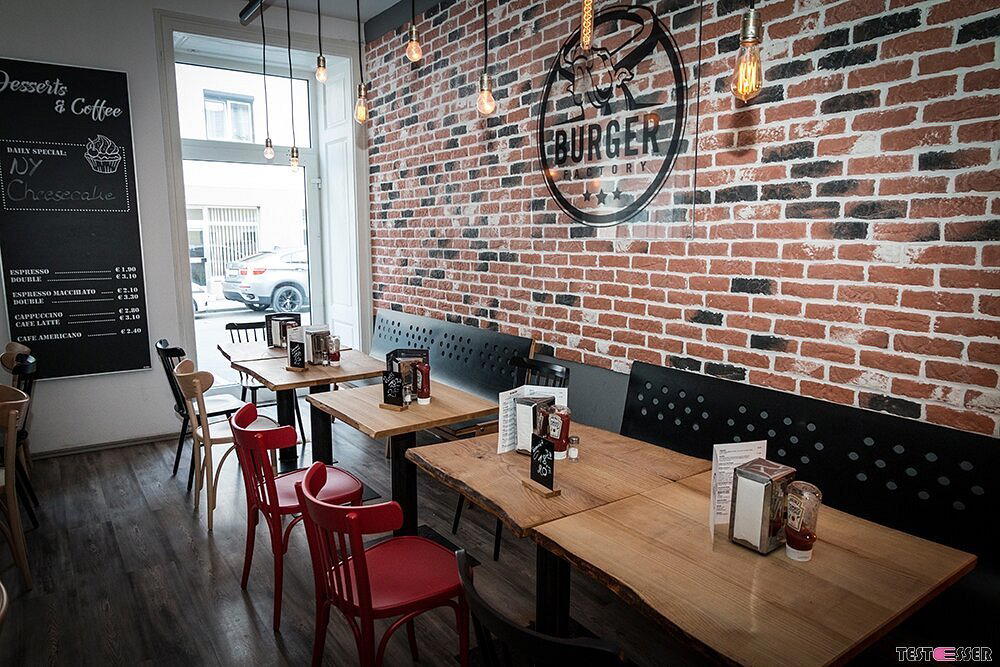
Where Burger Factory Fits in Graz's Dining Order
Graz has spent the last decade consolidating a reputation as Austria's most food-serious second city. Burger Factory is an American Burgers restaurant in Graz, Austria, rated 4.7 on Google and priced at about $15 per person. The argument is credible: Styria's agricultural base, from pumpkin-seed oil and Vulcano ham to Schilcher rosé and Steirisches Kürbiskernöl, gives local kitchens raw material that restaurants in Vienna occasionally envy. That terroir-led seriousness shapes much of what gets written about dining here, which means the city's informal sector, burger counters, kebab windows, and casual grill formats, tends to be covered in shorthand rather than with any real editorial attention. Burger Factory, at Feuerbachgasse 24 in the 8020 district west of the Mur, operates in that informal register. Understanding where it sits requires understanding the tiers above and below it.
The formal end of Graz dining runs through places like Aiola im Schloss, positioned inside Schlossberg's historic fortifications, and aiola upstairs, which takes the same address-prestige and applies it to a more contemporary format. Creative tasting-menu territory is covered by venues like Artis (Creative) at the €€€€ tier, while mid-range Styrian cooking appears at places like Arravané. The restaurant occupies a different conversation entirely: it is a casual address for a quick, filling meal rather than a destination within Austria's broader fine-dining circuit. That is not a criticism; it is a placement.
The 8020 District and What the Address Signals
Feuerbachgasse sits in Graz's 8020 postcode, a mixed residential and light-commercial zone west of the Hauptbahnhof. It is not a dining-pilgrimage street. The neighbourhood draws local residents rather than tourists navigating from the Hauptplatz, and that local-resident orientation tends to define the kinds of operations that survive there: price-conscious, reliable, repeat-customer businesses rather than destination formats. Burger joints in this kind of urban residential pocket across European cities generally succeed or fail on consistency and value rather than on chef pedigree or concept novelty. There is nothing in the address itself that suggests theatrical presentation or a curated sourcing program; the street context points toward everyday utility.
For comparison, Austria's formal dining circuit, venues like Steirereck im Stadtpark in Vienna or Obauer in Werfen, occupies an entirely different register, where the address itself carries programmatic weight and bookings require planning weeks or months ahead. At the informal end, venues in residential postcodes like Feuerbachgasse operate without that advance-booking pressure, which is part of their function in a city's food ecosystem.
The Informal Sector's Role in a Restaurant City
Cities with serious fine-dining reputations, Graz among them, tend to develop strong informal sectors precisely because the upper-tier venues create appetite for eating out without always providing accessible price points. The burger format has spread across European cities not as a trend but as a durable category: high-satiation, familiar flavour logic, fast service, and a price point that does not require a reservation mindset. Austrian cities have absorbed the format alongside their traditional Würstelstand culture, and the two coexist without much friction because they serve different moments in the day and different decision states in the diner.
The restaurant's position in Graz sits within that broader European casual-dining normalisation. The format asks no particular credential of the kitchen, and the competitive pressure in the category comes from other casual operations rather than from the Styrian farm-to-table addresses or international-leaning mid-range restaurants like Adelphia. Graz's dining map is large enough that these categories do not compete directly; they serve different occasions.
Elsewhere in Austria, the contrast in ambition and format is stark. Döllerer in Golling an der Salzach has built a destination profile around Alpine ingredient sourcing and a multi-course format that draws visitors from across the country. Landhaus Bacher in Mautern an der Donau operates as a family-led institution with decades of editorial recognition. Kräuterreich by Vitus Winkler in Sankt Veit im Pongau applies a herb-garden philosophy to a tasting format. None of these bear any meaningful comparison to a neighbourhood burger operation, but the contrast clarifies what the restaurant is not, which is useful for a reader calibrating expectations.
What a Casual Format Demands of Its Team
The editorial angle around team dynamics, the interplay between kitchen, floor, and front-of-house coordination, applies differently at this tier than it does in tasting-menu restaurants. At a venue like Gourmetrestaurant Tannenhof in Sankt Anton am Arlberg or Stüva in Ischgl, the team dynamic involves a sommelier program, paced service choreography, and front-of-house fluency with a complex tasting menu. At a casual burger operation, team cohesion expresses itself differently: speed of service, order accuracy, queue management, and consistency across high-volume service periods. These are unglamorous disciplines, but they determine whether an informal venue actually works. A disorganised kitchen in a high-throughput burger format creates friction faster than almost any other service style because the format's value proposition is built on efficiency.
These are the practical disciplines that determine whether an informal venue works. What the category itself demands is clear, and whether this particular address delivers on those category requirements is something a visitor to Feuerbachgasse 24 will determine quickly upon arrival.
Planning a Visit: What to Know
The restaurant is located at Feuerbachgasse 24, 8020 Graz. The 8020 postcode places it west of central Graz, accessible from the Hauptbahnhof on foot or by tram. The restaurant is recommended for reservations and is open daily from 11:30 AM to 10 PM.
Readers planning a wider Austrian dining itinerary might also consider the formal end of the regional spectrum: Restaurant 141 by Joachim Jaud in Mieming, Schwarzer Adler in Hall in Tirol, or Ois in Neufelden for a sense of how Austria's regional cooking traditions translate across different formats and price tiers. For international reference points, Le Bernardin in New York City and Lazy Bear in San Francisco represent how differently the concept of a considered dining experience can be packaged at the upper end of the global market.
Price Lens
Comparable venues nearby, for context on price, style, and recognition.
| Venue | Cuisine | Price |
|---|---|---|
| Burger FactoryThis venue — the venue you are viewing | Gries, American Burgers | $$ |
| Hungry Heart | Lend, American Street Food & Burgers | $ |
| Mau Shi | Innere Stadt, Asian-Austrian Fusion | $$ |
| Noonbar | Geidorf, Modern Japanese Tapas & Ramen | $$ |
| Freigeist Burger - Brauquartier | Puntigam, Gourmet American Burgers | $$ |
| Humuhumu | Innere Stadt, Hawaiian Poke Bowls | $$ |
Continue exploring
More in Graz
Restaurants in Graz
Browse all →
Bars in Graz
Browse all →
Hotels in Graz
Browse all →

At a Glance
- Cozy
- Modern
- Trendy
- Casual Hangout
- Family
- Open Kitchen
- Beer Program
- Local Sourcing
Current opening hours
- Monday
- 11:30 AM–10 PM
- Tuesday
- 11:30 AM–10 PM
- Wednesday
- 11:30 AM–10 PM
- Thursday
- 11:30 AM–10 PM
- Friday
- 11:30 AM–10 PM
- Saturday
- 11:30 AM–10 PM
- Sunday
- 11:30 AM–10 PM
Hours can change for holidays and private events. Last verified .
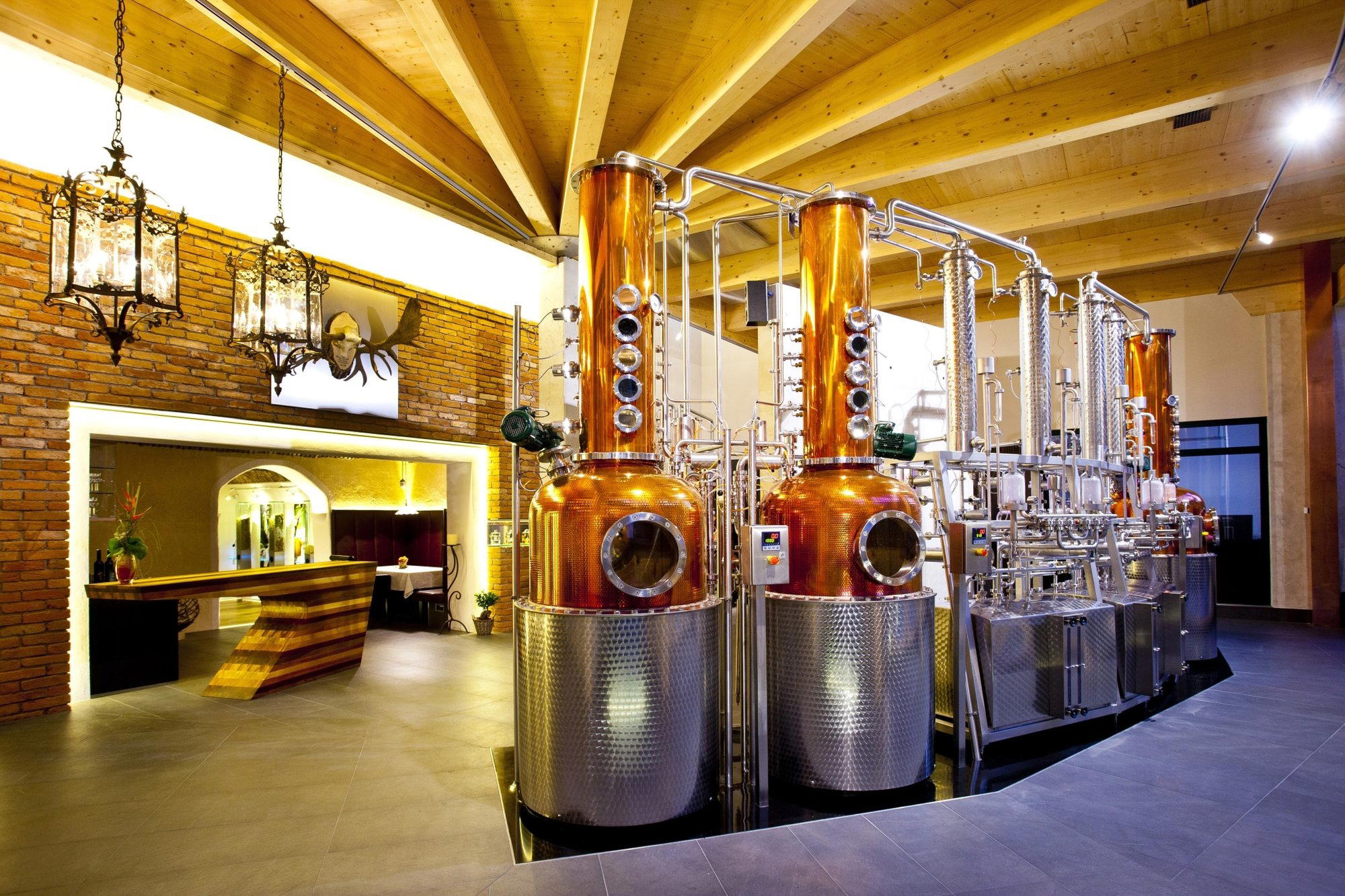
Cozy interior with exposed-brick walls and modern decor, described as nice, comfortable, and pleasant even in the garden area.