Miss Cho occupies a compact address on Schmiedgasse, one of Graz's busiest pedestrian arteries, and operates within a city that has quietly built one of Austria's more interesting mid-tier dining scenes. The restaurant draws attention in a corridor where Asian-inflected concepts are rare, positioning it as a point of contrast against the Styrian-focused rooms that dominate the surrounding blocks.
Pearl is the En Primeur Club membership app — saves, bookings, and concierge access live there. Same editors, same standards.
- Address
- Schmiedgasse 9, 8010 Graz, Austria
- Phone
- +43316830276
- Website
- misscho.at
- Directions
- Get directions
 Saves & bookings on Pearl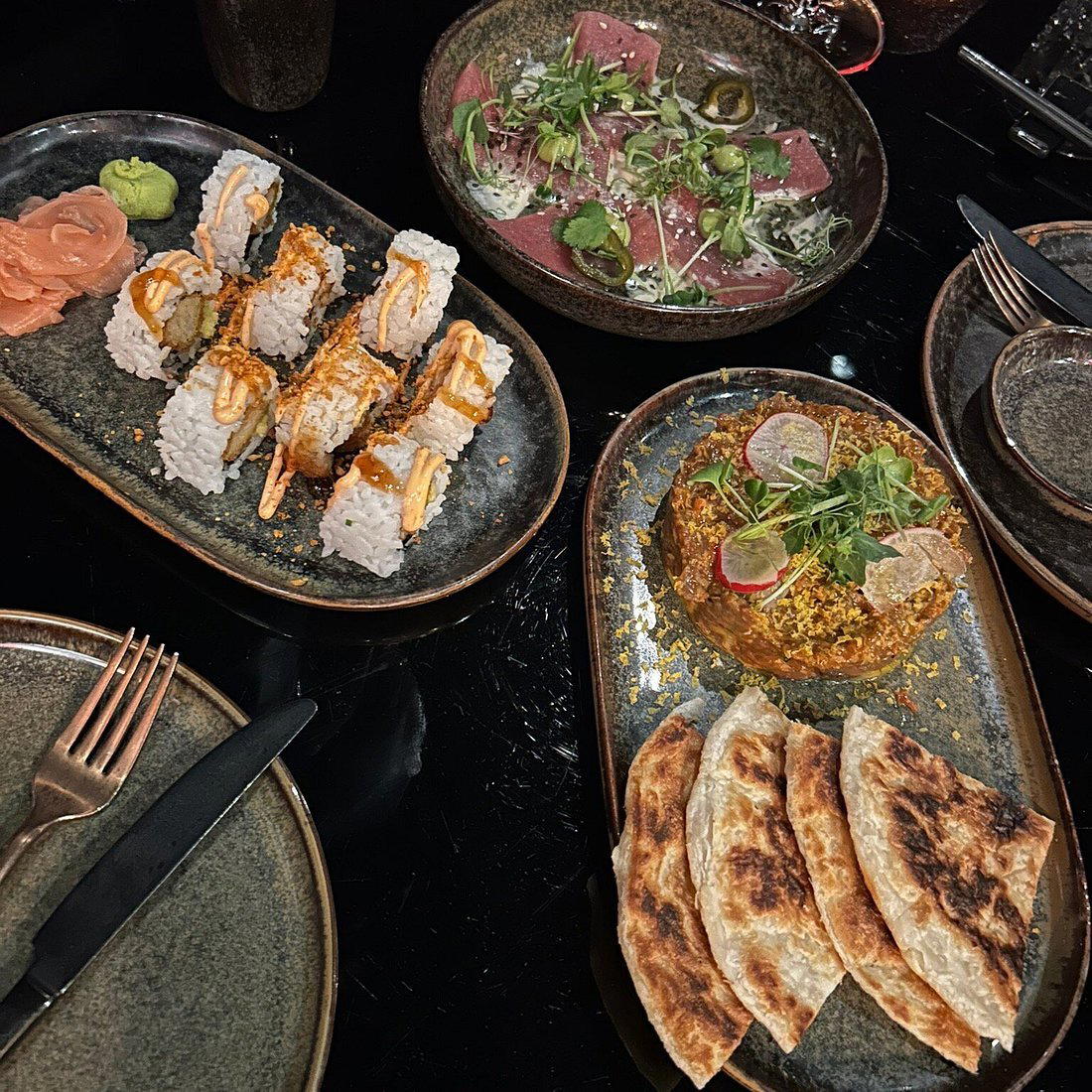
Asian Concepts in a Styrian City
Graz has spent the last decade assembling a dining identity rooted in Styrian regionalism: pumpkin seed oil, Vulcano charcuterie, and the produce networks that feed kitchens like Aiola im Schloss and Arravané. Against that backdrop, a restaurant operating under an Asian-influenced identity occupies an unusual position. It is not competing with the Styrian rooms on their own terms; it is addressing a different appetite in the same city, one that the local scene has historically underserved. Miss Cho, a Pan-Asian Fusion restaurant at Schmiedgasse 9 in Graz, sits in that gap.
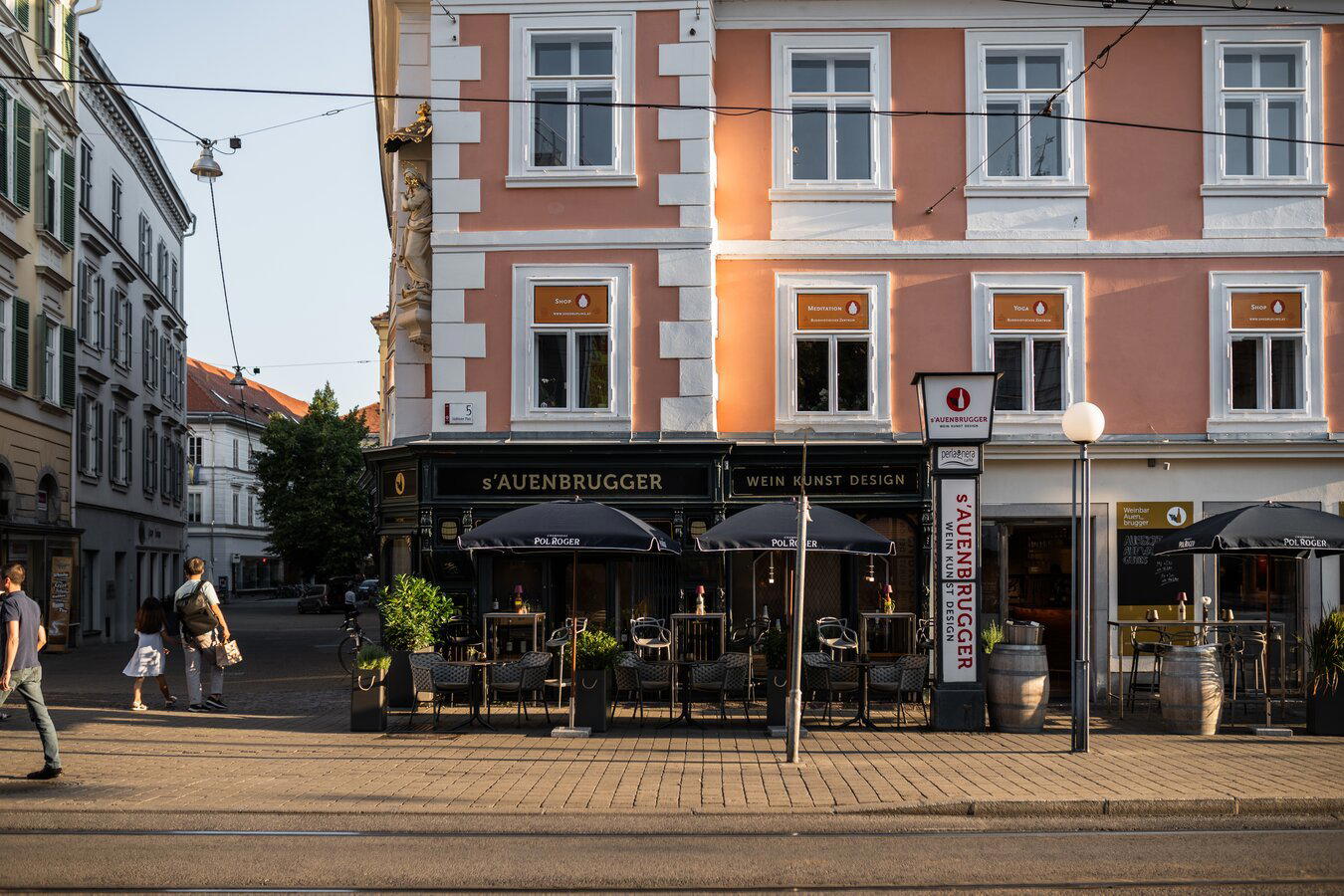
Schmiedgasse itself is one of the old city's most trafficked pedestrian streets, running parallel to the Hauptplatz and feeding into the tighter lanes of the Altstadt. The address places Miss Cho in a zone where foot traffic is high and competition for attention is substantial. Neighbouring blocks contain some of the city's more established mid-market rooms, including Adelphia and aiola upstairs, both of which operate with stronger institutional profiles. For a concept defined by its contrast to the regional mainstream, the location is both an asset and a pressure test.
Where the Format Sits in Graz's Scene
Graz's dining spread runs from farm-to-table mid-market rooms priced at the €€ level through to creative tasting-menu operations like Artis (Creative), which operates at the €€€€ tier. The international mid-range, represented by venues like Schmidhofer im Palais, occupies the €€€ bracket. An Asian-concept address on Schmiedgasse fits most naturally into the mid-range international tier, where the expectation is a defined cuisine identity, consistent execution, and a room that functions well for both walk-in diners and planned evenings. That tier rewards operations where front-of-house fluency and kitchen discipline reinforce each other, a dynamic that matters more in a relatively compact city like Graz, where word-of-mouth travels quickly and repeat custom drives survival.
For context on where Graz sits within Austria's broader dining ambitions, the country's most discussed rooms are operating well beyond the city: Steirereck im Stadtpark in Vienna, Ikarus in Salzburg, and Obauer in Werfen represent the tier that attracts international critical attention. Graz operates below that register but above a purely local circuit, making concepts that differentiate on cuisine type, rather than competing directly on fine-dining technical ambition, a rational strategic position.
The Collaboration Dynamic
In rooms where the cuisine identity is specifically Asian-influenced, the collaboration between kitchen, floor, and drinks program carries particular weight. The challenge in Austrian cities is that wine lists default to domestic Styrian and Wachau producers, which pair with some Asian cooking traditions and actively resist others. The rooms that manage this well tend to resolve it through a deliberate drinks strategy: either a compact, curated list that acknowledges the tension honestly, or a broader selection that includes sake, East Asian spirits, or lower-intervention wines that carry less tannin and more textural flexibility. How a front-of-house team communicates that choice to guests determines whether the experience coheres.
The same principle applies to floor knowledge. Asian cuisines that are unfamiliar to many Central European diners require a service team able to describe dishes without either oversimplifying or defaulting to vague reassurance. The better rooms in this category treat the floor team as an extension of the kitchen's intent, not a buffer between the guest and an unfamiliar menu. Internationally, operations like Atomix in New York City have made service integration their primary differentiator, and at a different scale, the same principle holds for smaller city concepts. Closer in scope and geography, the calibre of floor-kitchen alignment at rooms like Landhaus Bacher in Mautern an der Donau demonstrates how formative that coordination is to a restaurant's sustained reputation.
Schmiedgasse as a Dining Address
The street's character shifts across the day. At lunch, it functions as a transit corridor, drawing office workers and tourists moving between the Hauptplatz and the Jakominiplatz. By early evening, the pace slows and the blocks around Schmiedgasse become more deliberately chosen destinations. A restaurant operating at that address benefits from the midday foot traffic while competing, in the evening, with rooms that have invested heavily in atmosphere and setting. The old city's stone facades and covered arcades give even modest addresses a physical dignity that newer European cities have to manufacture. Miss Cho, at number 9, inherits that context without effort.
For anyone building an itinerary around Graz's dining, the Schmiedgasse position makes Miss Cho a practical early-evening option before or after visits to the Schlossberg, which is a short uphill walk from the street's northern end. The broader Altstadt concentration means that Adelphia and Arravané are within walking distance for guests who want to compare the city's range in a single evening's circuit.
Austrian Context Beyond Graz
Austria's regional dining scenes each carry a distinct character. Salzburg's leading rooms, including Ikarus, operate on a rotating guest-chef model that gives them international programming without permanent tasting-menu commitments. The Alpine resort tier, represented by Griggeler Stuba in Lech and Gourmetrestaurant Tannenhof in Sankt Anton am Arlberg, serves a seasonally concentrated, high-spending clientele and prices accordingly. Smaller towns like Neufelden and Golling have produced rooms, Ois and Döllerer, that operate at a technical level disproportionate to their population. Graz's dining scene is more urban and more varied than those country-road destinations, which gives it a different energy: less destination pilgrimage, more recurring local patronage mixed with conference and cultural tourism.
Within that Graz context, concepts that aren't anchored to Styrian produce orthodoxy fill a structural gap. The city's most ambitious kitchens, including Artis at the summit of the price range, are few enough that mid-market variety carries significant value for residents eating out regularly. Asian-influenced concepts sit alongside international rooms as an alternative register, and the ones that survive do so because the team's coordination, kitchen output, floor literacy, drinks program coherence, holds up under the pressure of a small, opinion-forming local audience.
The restaurant is located at Schmiedgasse 9, 8010 Graz, in the heart of the Altstadt, within easy walking distance of the Hauptplatz tram hub. Given the street's popularity and the scarcity of Asian-concept rooms in this part of the city, arriving without a reservation on weekend evenings carries meaningful risk. Those planning a wider Austrian circuit should also note rooms like Kräuterreich by Vitus Winkler in Sankt Veit im Pongau and Restaurant 141 by Joachim Jaud in Mieming, which represent the country's mid-tier creative range outside the major cities.
- sushi rolls
- beef tartare
- gyoza
- edamame
- tuna carpaccio
- risotto
Price and Recognition
Comparable venues nearby, for context on price, style, and recognition.
| Venue | Cuisine | Price | Notes |
|---|---|---|---|
| Miss ChoThis venue — the venue you are viewing | Innere Stadt, Pan-Asian Fusion | $$$ | Not listed |
| Caylend | Not listed | $$$ | Lend, Modern Styrian Fusion with Seafood Focus |
| Mau Shi | Innere Stadt, Asian-Austrian Fusion | $$ | Not listed |
| Florian | Not listed | $$$ | St. Leonhard, Traditional Austrian & Styrian Fine Dining |
| Casino Restaurant Graz | Not listed | $$$ | Innere Stadt, Modern Mediterranean with Styrian influences |
| Vina | Not listed | $$$ | Innere Stadt, Authentic Vietnamese with Fine Dining |
At a Glance
- Elegant
- Modern
- Romantic
- Sophisticated
- Date Night
- Special Occasion
- Group Dining
- Open Kitchen
- Historic Building
- Design Destination
- Live Music
- Terrace
- Sake Program
- Craft Cocktails
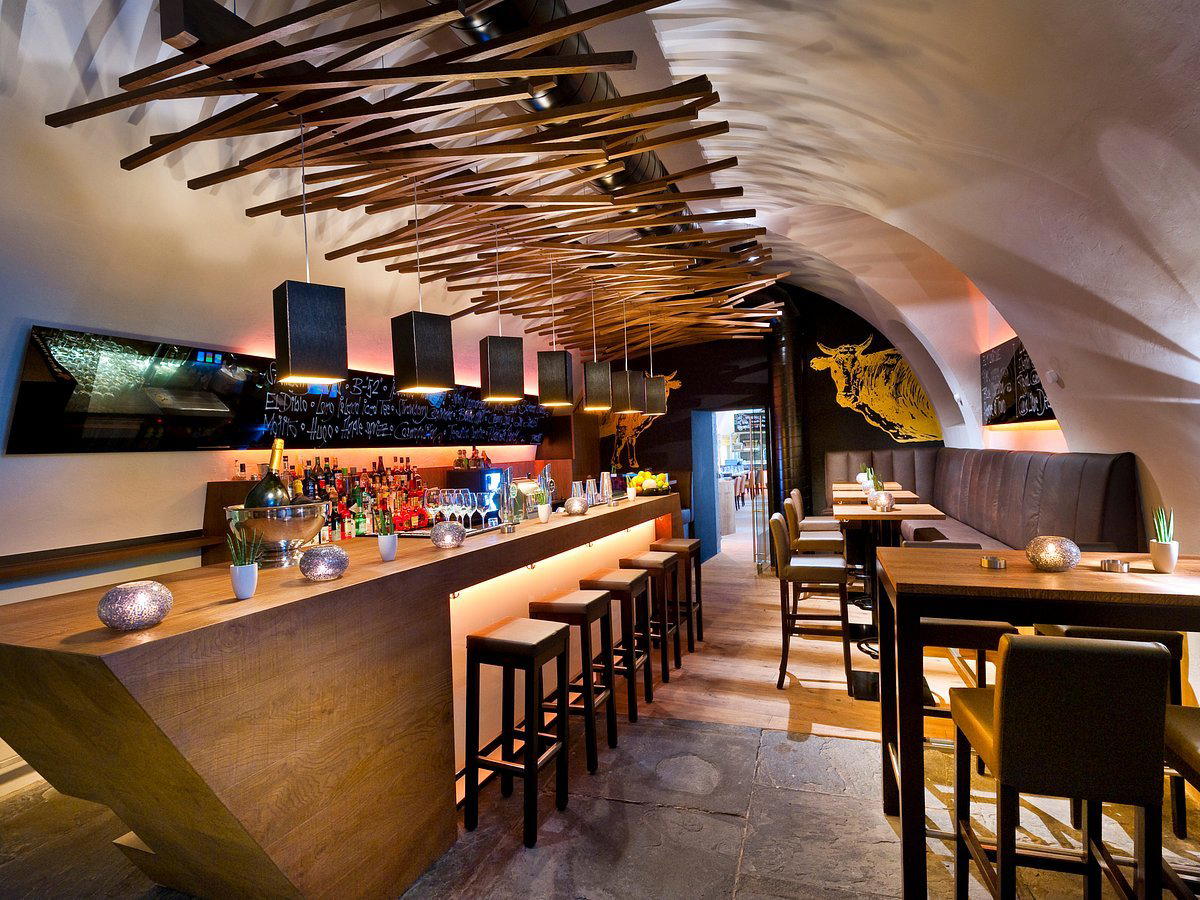
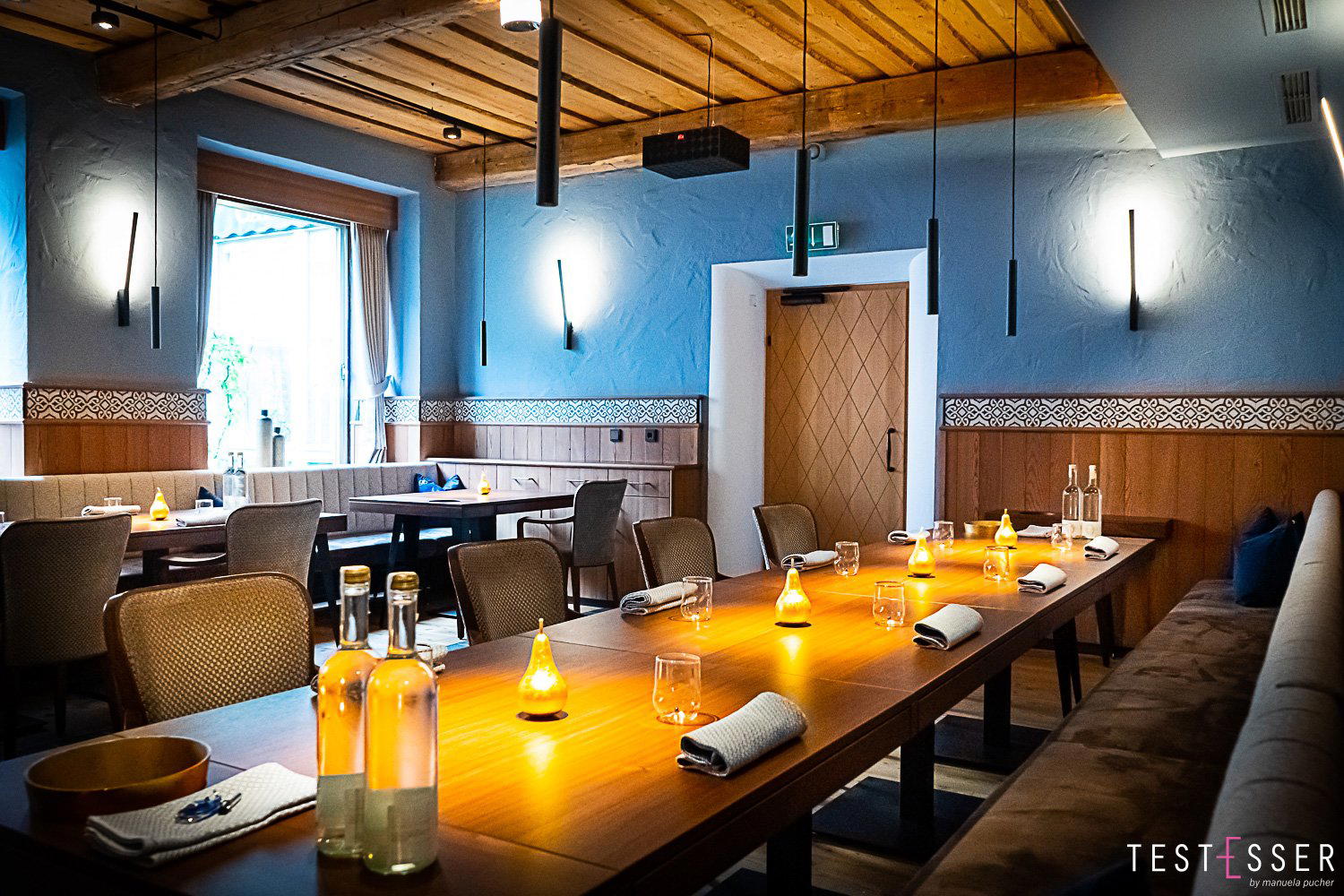
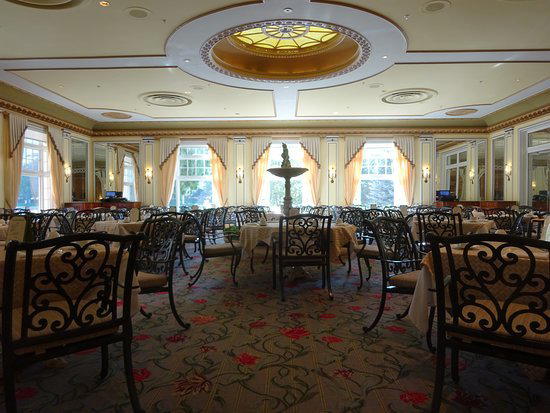
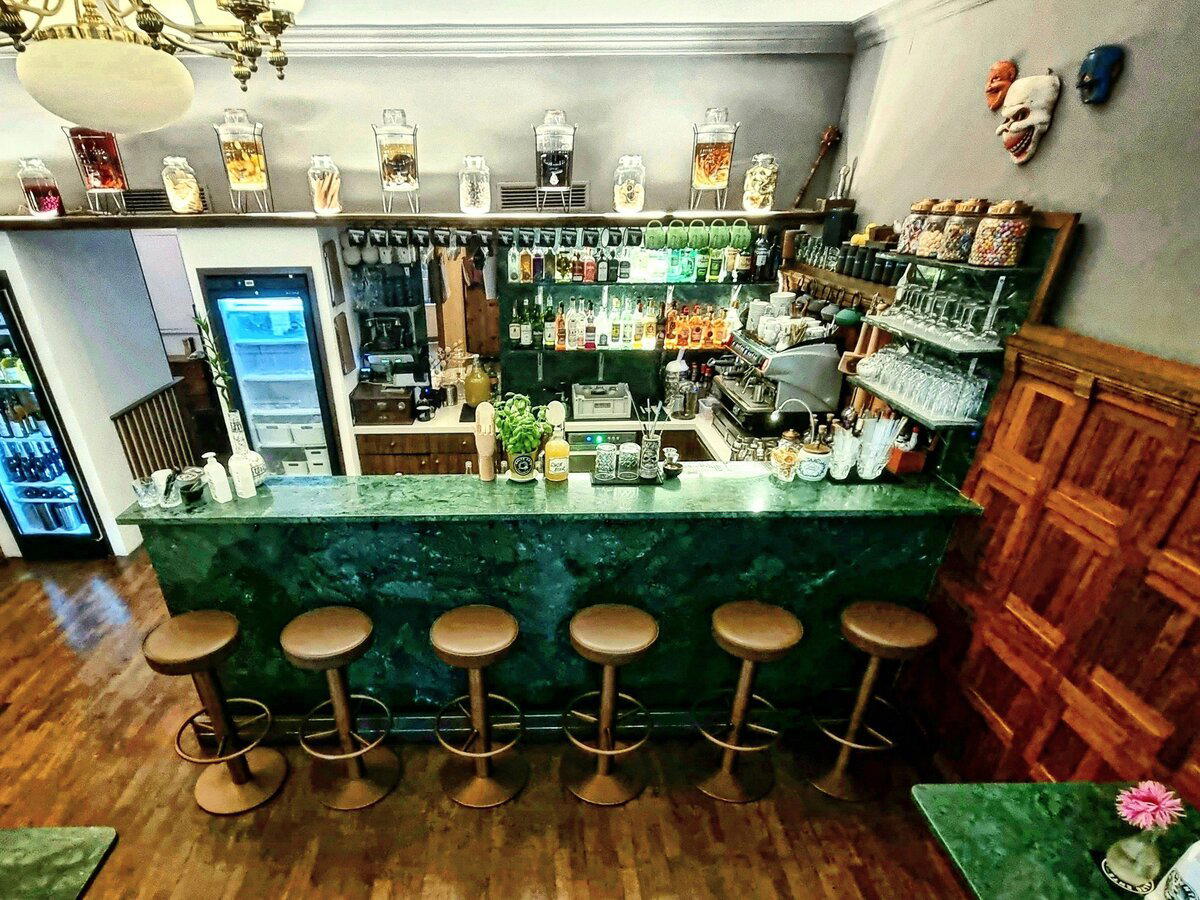
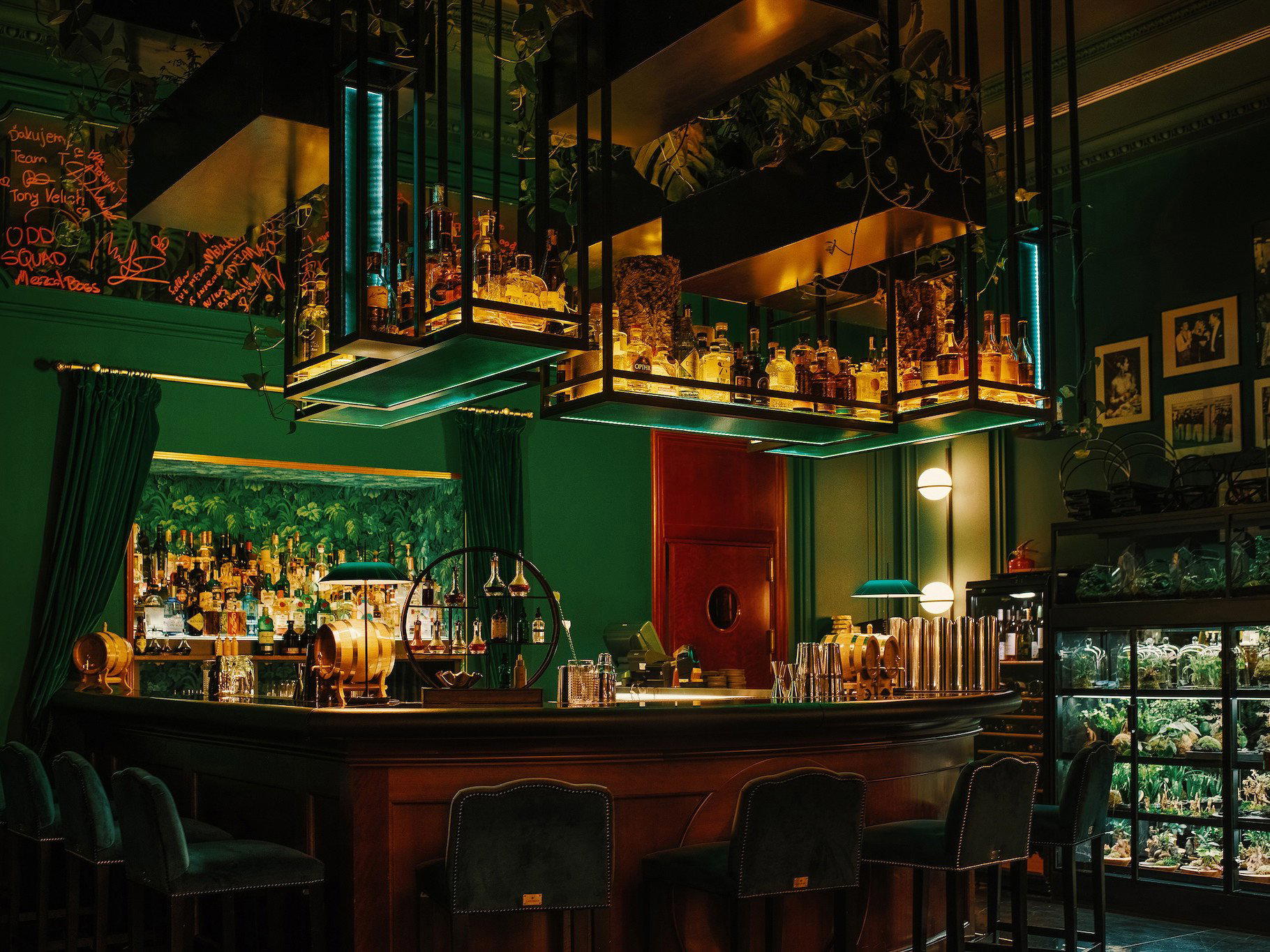
Sophisticated basement dining with clean modern lines, Asian-inspired design details, a centrally placed bar, and carefully curated background music that complements the culinary experience.