Café Fotter sits on Attemsgasse in central Graz, operating within a city whose café culture occupies a distinct register between Viennese formality and Styrian informality. The address places it among a compact set of neighbourhood institutions that reward local knowledge over guidebook navigation. Visitors planning ahead will find Graz's café circuit a more considered proposition than first appearances suggest.
Pearl is the En Primeur Club membership app — saves, bookings, and concierge access live there. Same editors, same standards.
- Address
- Attemsgasse 6, 8010 Graz, Austria
- Website
- cafe-fotter.at
- Directions
- Get directions
 Saves & bookings on Pearl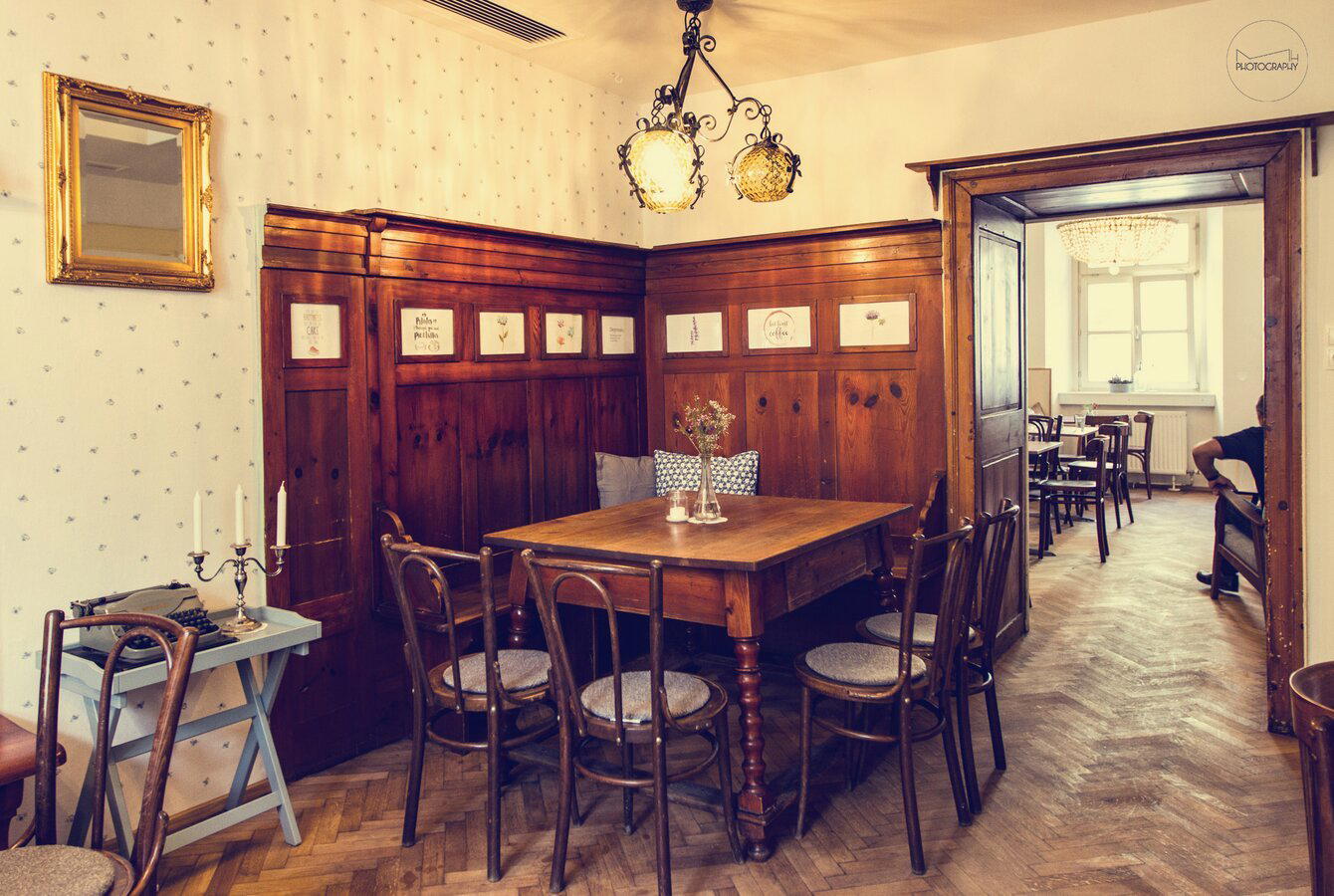
Graz and the Café as Civic Institution
Austria's café tradition operates on a different axis than its restaurant scene. Where fine dining rewards the one-off reservation, the café rewards repetition: regulars who know the rhythm of the room, the hour when tables turn, the seasonal shift in what arrives from the kitchen or the counter. Graz has developed this tradition with particular consistency, producing a circuit of establishments that sit somewhere between the rigour of Vienna's grand coffee houses and the looser, regional character of Styrian hospitality. Café Fotter, a Traditional Austrian Café at Attemsgasse 6 in Graz, occupies that middle ground with the composure of a venue that does not need to announce itself.
The address is not a destination street in the way that Herrengasse or the Hauptplatz direct tourist traffic. Attemsgasse asks something of the visitor: a willingness to arrive without a crowd already waiting, to find a table in a room shaped by return rather than discovery. That quality, rarer than it sounds in a city increasingly visible on the European short-break circuit, defines a particular kind of Graz experience that particularly attentive travellers come to prefer over the obvious choices.
Where Café Fotter Sits in Graz's Dining Circuit
Graz has produced a range of dining formats that map onto different registers of occasion and appetite. At the formal end, venues like Aiola im Schloss and aiola upstairs trade on dramatic positioning above the city. Creative tasting formats are represented by Artis (Creative), priced at the upper bracket of the local market. More accessible propositions, including Adelphia and Arravané, anchor the mid-range. Café Fotter's positioning within this set is defined less by price tier or format ambition than by the logic of the café itself: a category that runs parallel to the restaurant circuit rather than competing directly with it.
This distinction matters for planning purposes. A visit to Graz structured around its restaurant scene, with reference points like Steirereck im Stadtpark in Vienna or the regional discipline of Obauer in Werfen setting the comparative frame, will use cafés differently than restaurants: for morning anchoring, afternoon pauses, or the kind of extended single-dish lunch that a kitchen running a shorter format can deliver with more consistency than a full service brigade. Café Fotter fits the itinerary at those points in the day where the restaurant question is the wrong question to ask.
Planning a Visit: What the Booking Logic Looks Like
Graz operates without the acute reservation pressure of Vienna or Salzburg at peak season, but that does not mean arrival without preparation is uniformly reliable. Café Fotter's address on Attemsgasse puts it in a neighbourhood where foot traffic is local rather than tourist-driven, which tends to mean a room that fills from regulars outward rather than from online recommendation inward. The practical implication: midweek mornings and early afternoons carry less competition for tables than weekend service, when the Styrian habit of the long Saturday or Sunday café sit makes space harder to find in any well-regarded address.
The sensible approach is to arrive with flexibility built into the schedule rather than treating a café visit as a timed commitment. This is, in any case, consistent with how Graz's café culture functions at its most natural: the city rewards the traveller who leaves the afternoon open rather than the one who has back-to-back reservations at half-hour intervals. Visitors flying into Graz Airport will find the city's café rhythm most accessible once accommodation is in the Innenstadt or Jakomini district, within walking distance of Attemsgasse.
For those building a broader Austrian itinerary around high-end restaurant bookings, the contrast with venues requiring months of advance planning is sharp. A reservation at Ikarus in Salzburg or Griggeler Stuba in Lech typically demands six to twelve weeks of lead time; Landhaus Bacher in Mautern an der Donau rewards early contact for weekend tables. Café Fotter sits at the opposite end of this planning spectrum, which makes it a useful counterweight in any itinerary that already carries the weight of complex reservations elsewhere.
The Styrian Context
Styria as a culinary region operates with stronger raw-material confidence than many of its Austrian peers. Pumpkin oil, local beef, wine from the Südsteiermark, and a broader vegetable tradition anchored in market-garden production give the region's food a particular character that its café culture inherits, at least partially. The Styrian café is not simply a Viennese format transplanted south: it carries local inflection in what it serves alongside coffee, in the pastry tradition, and in the informality of pace that distinguishes a Graz afternoon from its Vienna equivalent.
This regional texture is part of what makes the Graz café circuit coherent as a travel proposition, rather than a consolation prize for visitors who could not secure restaurant reservations. Places like Döllerer in Golling an der Salzach, Kräuterreich by Vitus Winkler in Sankt Veit im Pongau, and Restaurant 141 by Joachim Jaud in Mieming demonstrate how Austria's regional dining operates outside the capital at a high level of seriousness. The café tradition in Graz sits within the same regional confidence, expressed through a different format and a different kind of commitment from the guest.
For those whose reference frame for rigorous dining extends to venues like Le Bernardin in New York City or Atomix in New York City, the Graz café circuit represents a shift in register, not a drop in quality of experience. The metrics are simply different: the quality of a morning coffee alongside a Styrian pastry, the ease of a long table in a room that knows how to leave guests alone, the particular pleasure of a city-centre address that belongs to the neighbourhood first.
Comparison Snapshot
Comparable venues nearby, for context on price, style, and recognition.
| Venue | Cuisine | Price | Notes |
|---|---|---|---|
| Café Fotter • GrazThis venue — the venue you are viewing | Traditional Austrian Café | $$ | Not listed |
| Fürstenstand | Traditional Styrian Mountain Restaurant | $$ | Gösting |
| Humuhumu | Hawaiian Poke Bowls | $$ | Innere Stadt |
| Das Eggenberg | Modern Italian Pizza and All-Day Dining | $$ | Eggenberg |
| Freigeist Burger - Brauquartier | Gourmet American Burgers | $$ | Puntigam |
| Salon Marie | Modern Austrian-International Fusion | $$ | Lend |
Continue exploring
More in Graz
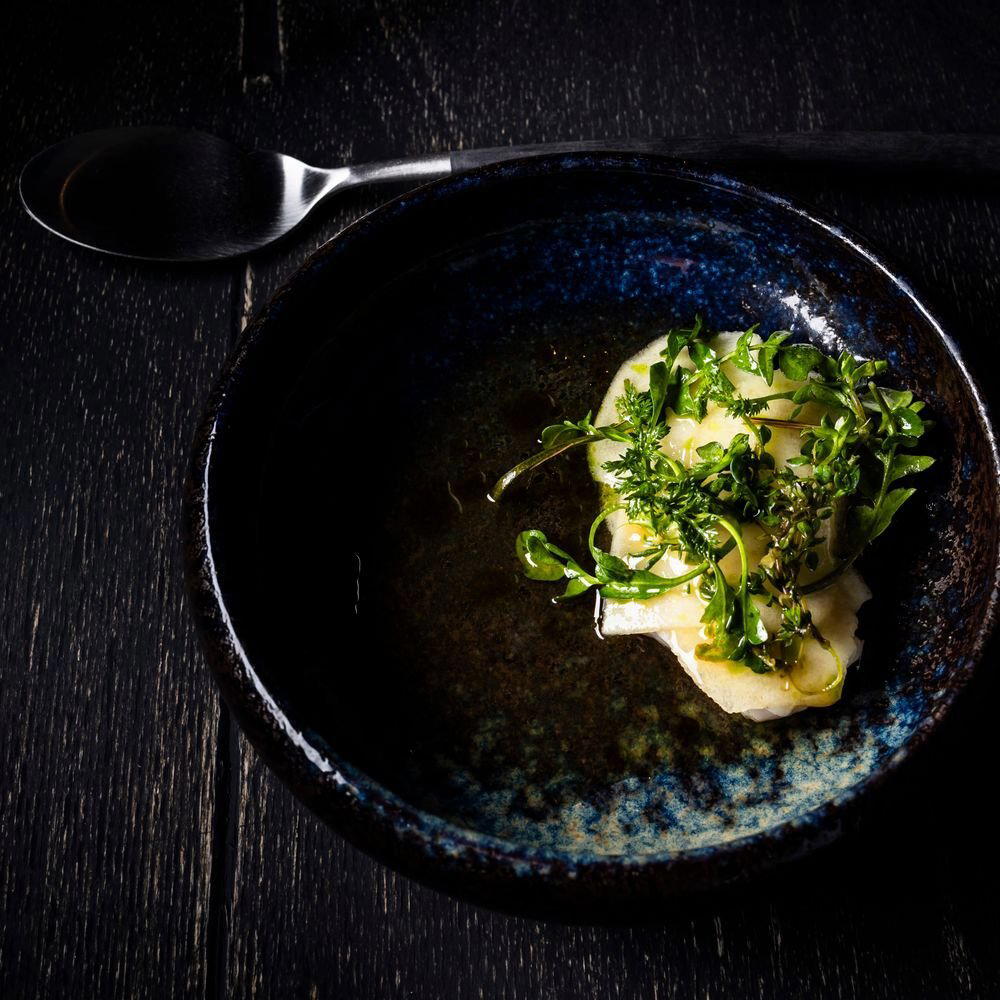
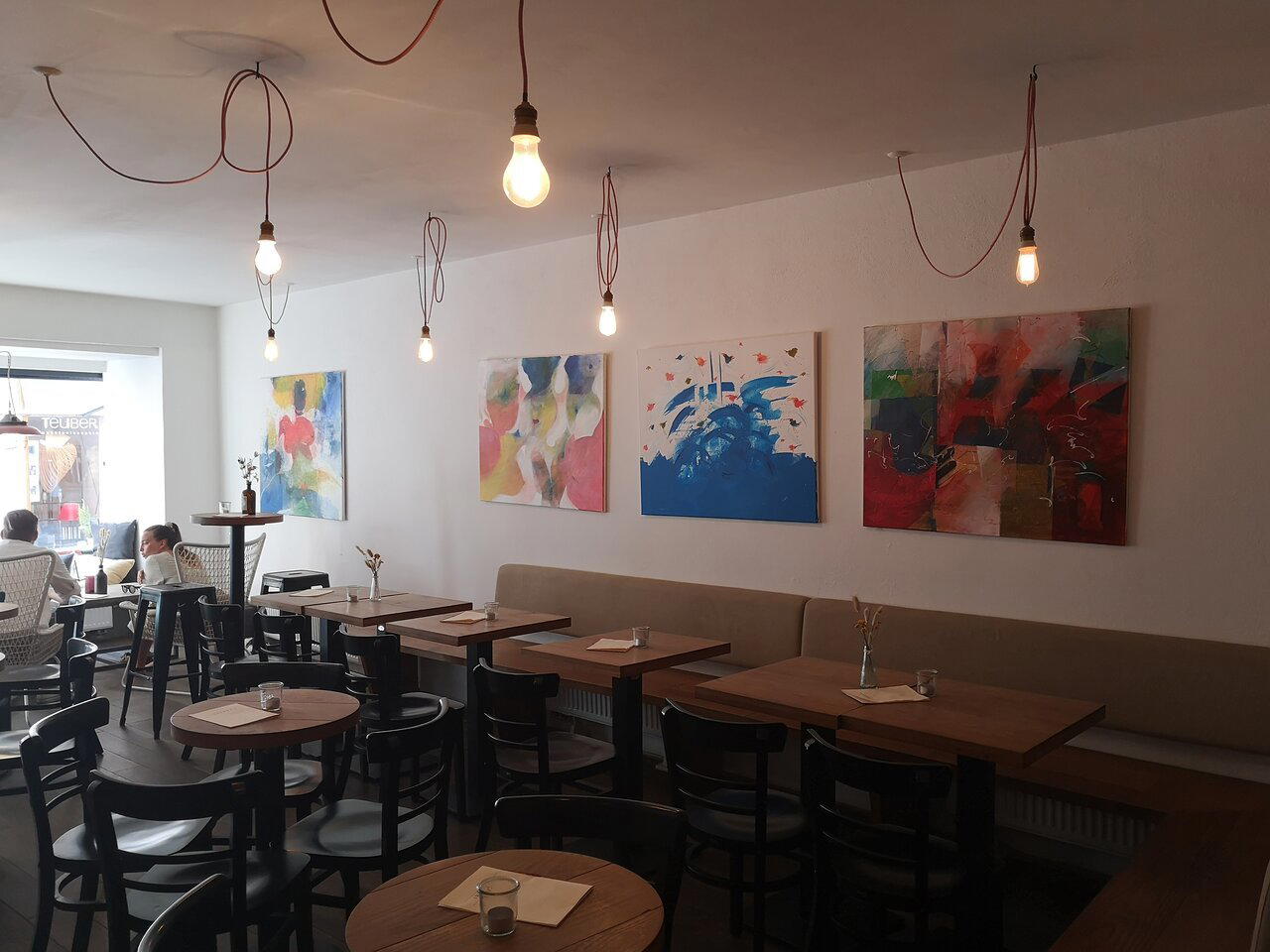
Restaurants in Graz
Browse all →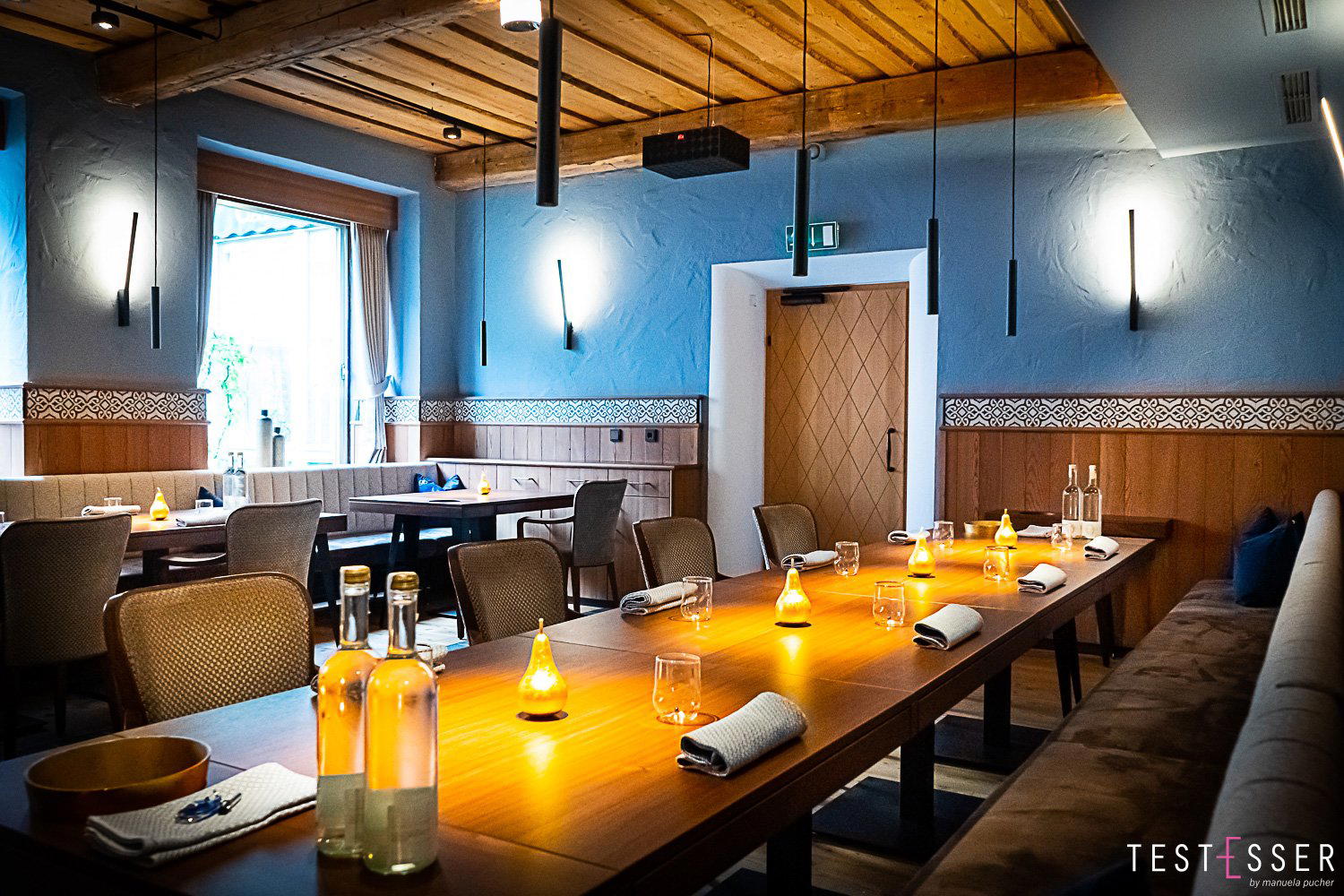
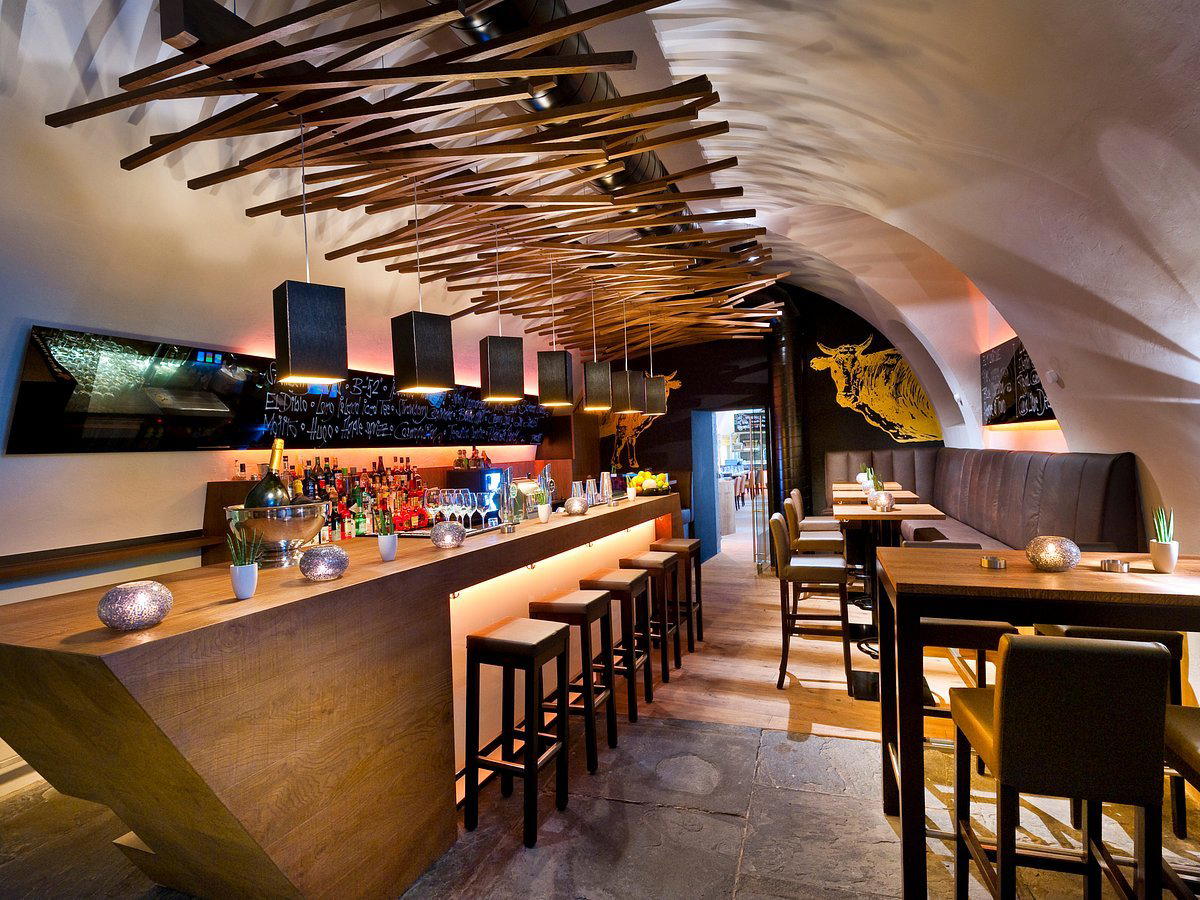
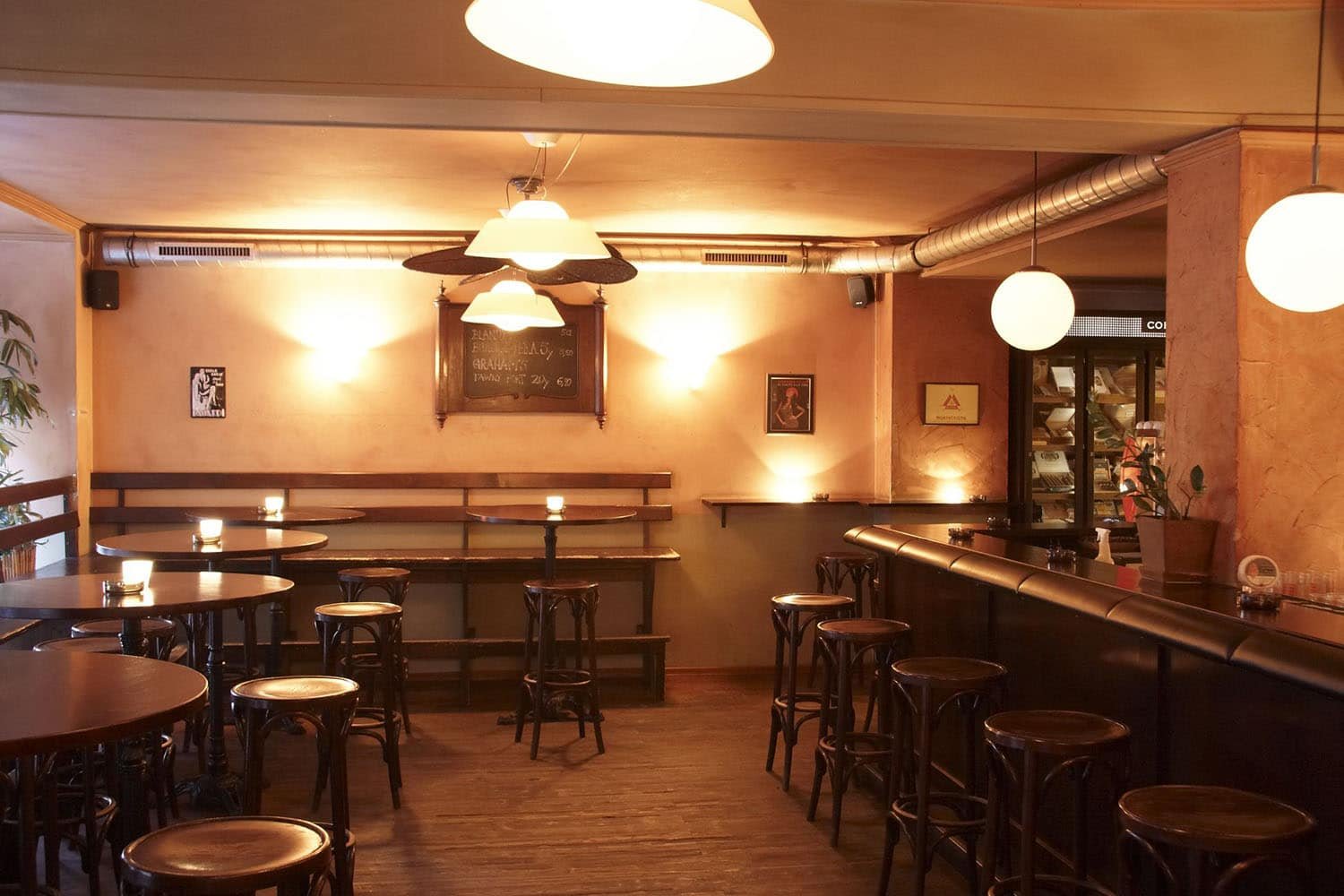
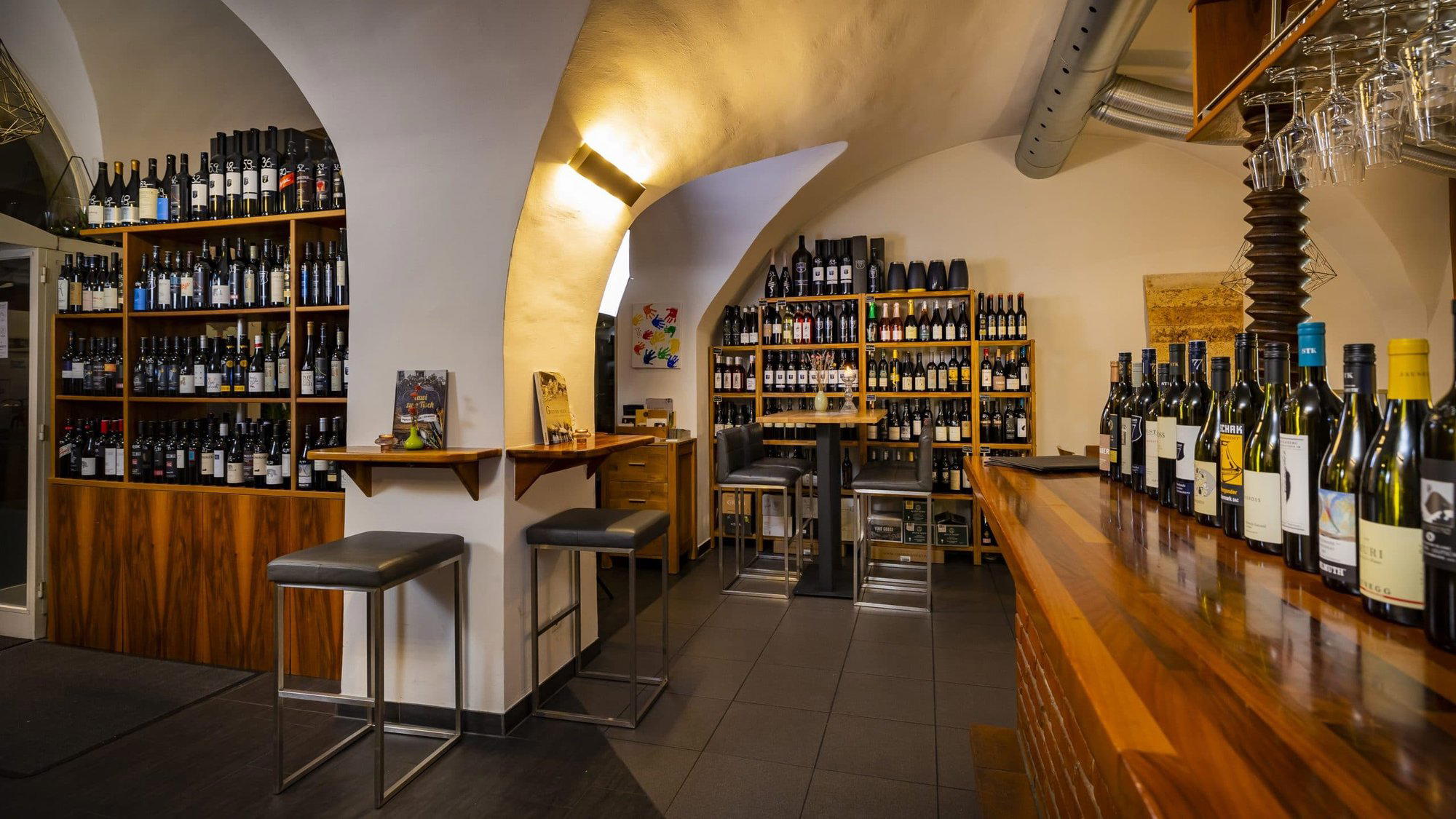
Bars in Graz
Browse all →
Hotels in Graz
Browse all →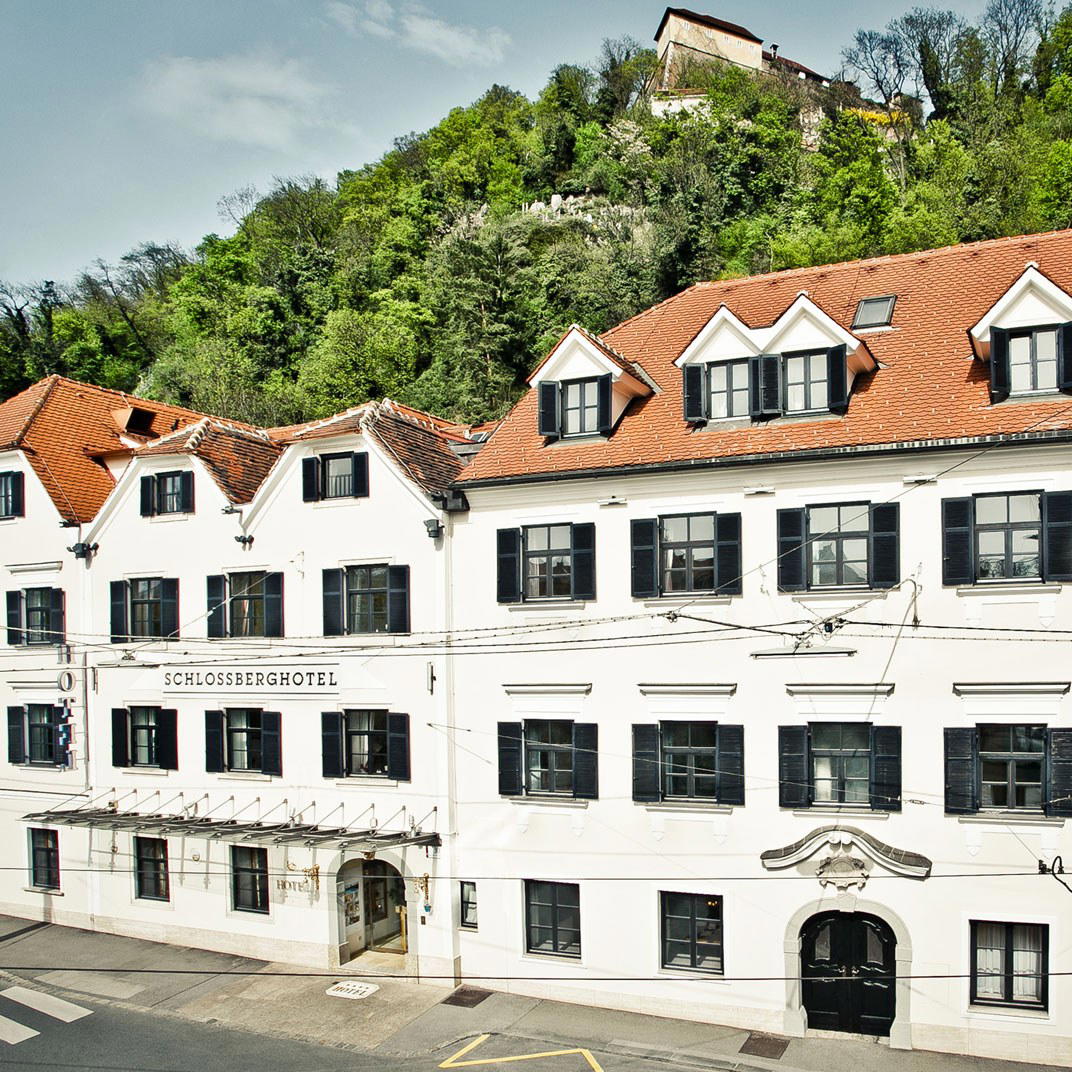

At a Glance
- Cozy
- Romantic
- Classic
- Brunch
- Casual Hangout
- Garden
- Historic Building
- Organic
- Local Sourcing
- Garden
Current opening hours
- Monday
- 8 AM–3 PM
- Tuesday
- 8 AM–3 PM
- Wednesday
- 8 AM–3 PM
- Thursday
- 8 AM–3 PM
- Friday
- 8 AM–3 PM
- Saturday
- 8 AM–2 PM
- Sunday
- 8 AM–2 PM
Hours can change for holidays and private events. Last verified .
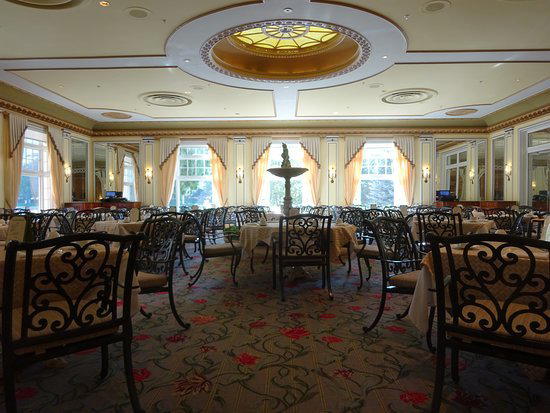
Nostalgic and cozy atmosphere with vintage furniture, mirrors, and warm lighting, enhanced by the charming rose garden.