On Glacisstraße, one of Graz's quieter residential stretches, Pad Thai brings Southeast Asian cooking to a city better known for Styrian pumpkin oil and schnitzel. The name signals a dish rather than a chef, and that directness carries through: this is a neighbourhood spot defined by the cuisine it represents rather than the reputation it projects. For Graz residents seeking something outside the regional Austrian register, the address functions as a consistent reference point.
Pearl is the En Primeur Club membership app — saves, bookings, and concierge access live there. Same editors, same standards.
- Address
- Glacisstraße 17, 8010 Graz, Austria
- Phone
- +436802481999
- Website
- padthai.at
- Directions
- Get directions
 Saves & bookings on Pearl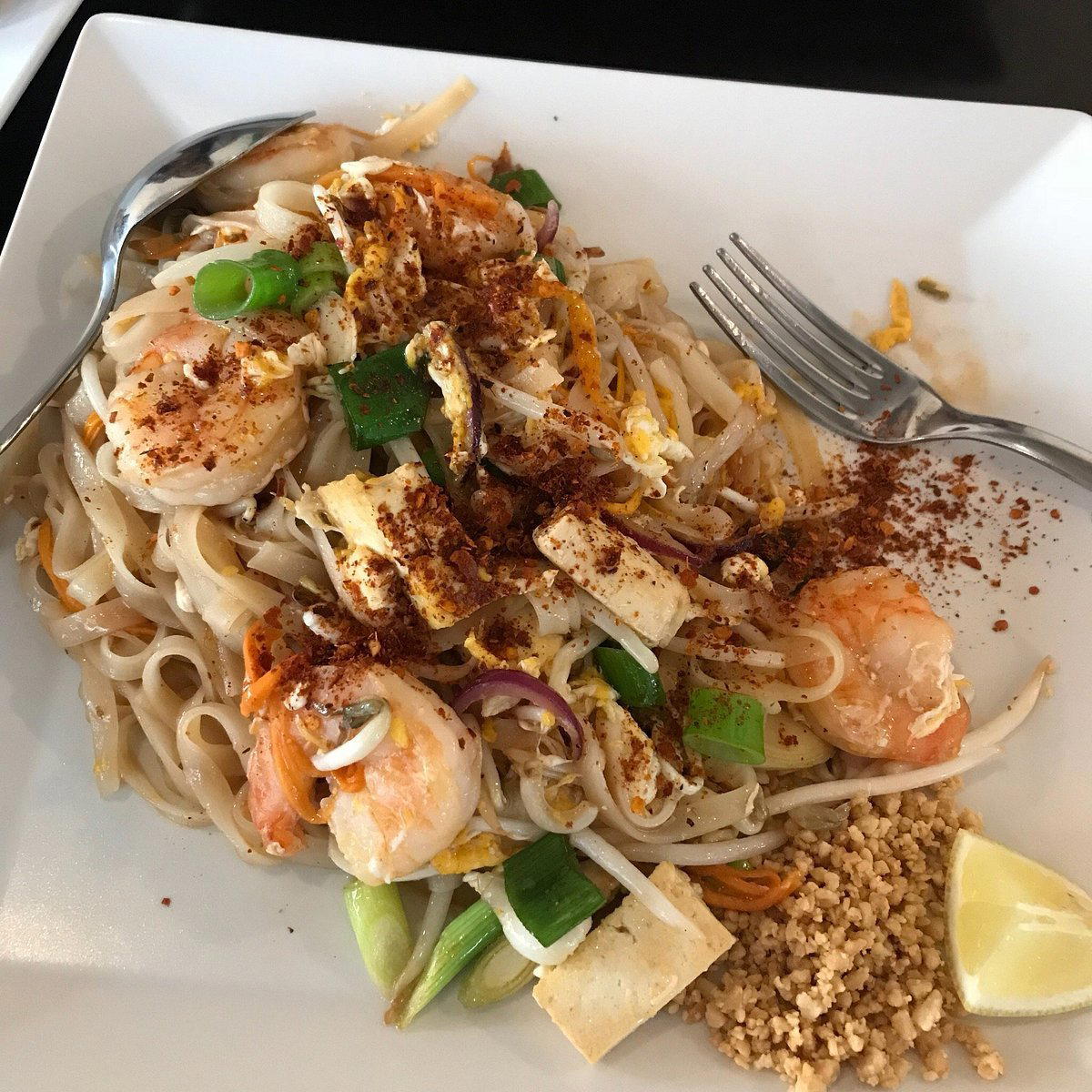
Southeast Asian Cooking in a Central European City
Graz has spent the better part of two decades consolidating its reputation as Austria's most serious food city outside Vienna. The Styrian capital's dining culture leans hard on regional produce, pumpkin seed oil from the Weststeiermark, Vulkanland beef, wines from the Südsteiermark, and the restaurants that draw greater attention, from Aiola im Schloss to Arravané, tend to stay close to that Styrian axis. Pad Thai, on Glacisstraße 17, is an Authentic Thai restaurant in Graz.
Glacisstraße is not a restaurant row. It runs through a largely residential part of central Graz, and a venue at this address is serving a local clientele rather than foot traffic from the Hauptplatz. That matters for understanding what Pad Thai is and is not. It is not positioning itself alongside Graz's fine-dining tier, which includes technically demanding operations like Artis (Creative) or the seasonal-produce focus of Adelphia. It operates in a different register, closer to the neighbourhood trattoria model: a place that earns its regulars through consistency and familiarity rather than through tasting menus or wine programmes.
The Sourcing Question: Thai Ingredients in Austria
For any Southeast Asian restaurant operating in Central Europe, the ingredient question is the defining one. Thai cooking depends on a precise palette of aromatics, galangal, lemongrass, kaffir lime leaf, Thai basil, bird's eye chillies, that do not grow in Styria and cannot be sourced from the same regional farms that supply the Kehlberghof or Restaurant Scheucher's farm-to-table programmes. This places Thai restaurants in Austria in a structurally different sourcing position from their Austrian-cuisine peers, and it is worth being clear-eyed about what that means.
The leading Thai restaurants operating in European cities, whether in Vienna, Berlin, or London, resolve this through a combination of specialist importers and selective substitution. Dried and preserved aromatics travel reliably; fresh galangal and kaffir lime leaf require either specialist Asian wholesalers or, in some cases, greenhouse cultivation. The quality gap between a kitchen that sources these ingredients carefully and one that substitutes liberally shows up immediately in dishes like tom kha or larb, where the aromatic base is the dish. For pad thai itself, the critical sourcing question is tamarind: genuine tamarind paste behaves differently from concentrate, and the textural and flavour result in the noodle dish reflects which version the kitchen uses.
What can be said is that the city of Graz has a small but established network of Asian grocery suppliers, and restaurants operating in this cuisine category have access to those channels. The aiola upstairs end of the market operates with a different supply logic than neighbourhood Asian restaurants, and the comparison is instructive: each tier sources for its own format.
Graz's Non-Austrian Dining Tier
Austrian dining criticism tends to focus on the Michelin-starred and award-adjacent tier, which in Graz sits at the Artis and Arravané level, with national comparisons reaching to Steirereck im Stadtpark in Vienna or destination restaurants like Obauer in Werfen and Ikarus in Salzburg. The non-Austrian dining tier, Asian, Middle Eastern, South American, receives comparatively little editorial attention in Austrian food media, which creates a blind spot.
In practice, Graz's international restaurant category is doing real work for a city with a large university population and a meaningful proportion of residents with roots outside Austria. Thai food in particular has established a consistent presence across Austrian cities, partly because the cuisine's flavour range, sour, sweet, salty, spicy in varying balance, translates well to Central European palates that are already comfortable with the interplay of sweet and sour in local cooking. That cross-cultural legibility has made Thai restaurants relatively durable in the Austrian market, compared to, say, the higher-casualty rate among more unfamiliar Southeast Asian cuisines.
Among Graz's Thai options, the restaurant at Glacisstraße 17 holds a specific geographic and conceptual position: central enough to serve a broad catchment, residential enough to function as a local habit rather than a destination. That is a viable and valuable niche in any city's dining ecosystem. For editorial comparison, consider how neighbourhood Thai restaurants function in other food-serious European cities: they rarely generate the kind of press that Atomix in New York City or Le Bernardin in New York City attract, but they serve a different social function and are often more embedded in their communities than destination restaurants.
Planning a Visit
Glacisstraße 17 sits in central Graz, accessible on foot from the Stadtpark and within easy reach of public transport from the city centre. As with most neighbourhood restaurants in this category, phone and web contact details are not publicly indexed in the sources available to us at the time of writing, so one reliable approach is to visit in person or use local search platforms to confirm current hours before travelling. The restaurant is open Monday through Friday from 11:30 AM to 8:30 PM and closed on Saturday and Sunday. For broader context on what Graz's dining scene offers across formats and price tiers, see Graz restaurants across the city, from Adelphia to destination addresses worth travelling to from further afield, including Landhaus Bacher in Mautern an der Donau, Döllerer in Golling an der Salzach, Gourmetrestaurant Tannenhof in Sankt Anton am Arlberg, Griggeler Stuba in Lech, Kräuterreich by Vitus Winkler in Sankt Veit im Pongau, Ois in Neufelden, and Restaurant 141 by Joachim Jaud in Mieming.
Comparable Venues
Comparable venues nearby, for context on price, style, and recognition.
| Venue | Cuisine | Price | Notes |
|---|---|---|---|
| Pad ThaiThis venue — the venue you are viewing | Authentic Thai | $$ | Not listed |
| Himalaya Masala | Nepalese & Indian Himalayan | $$ | Jakomini |
| Sudhaus | Styrian Brewery Restaurant | $$ | Straßgang |
| Frankowitsch | Austrian Deli Brötchen | $$ | Innere Stadt |
| Casa Costiera | Authentic Southern Italian | $$ | Innere Stadt |
| Yamamoto | Authentic Japanese Sushi & Ramen | $$ | Innere Stadt |
Continue exploring
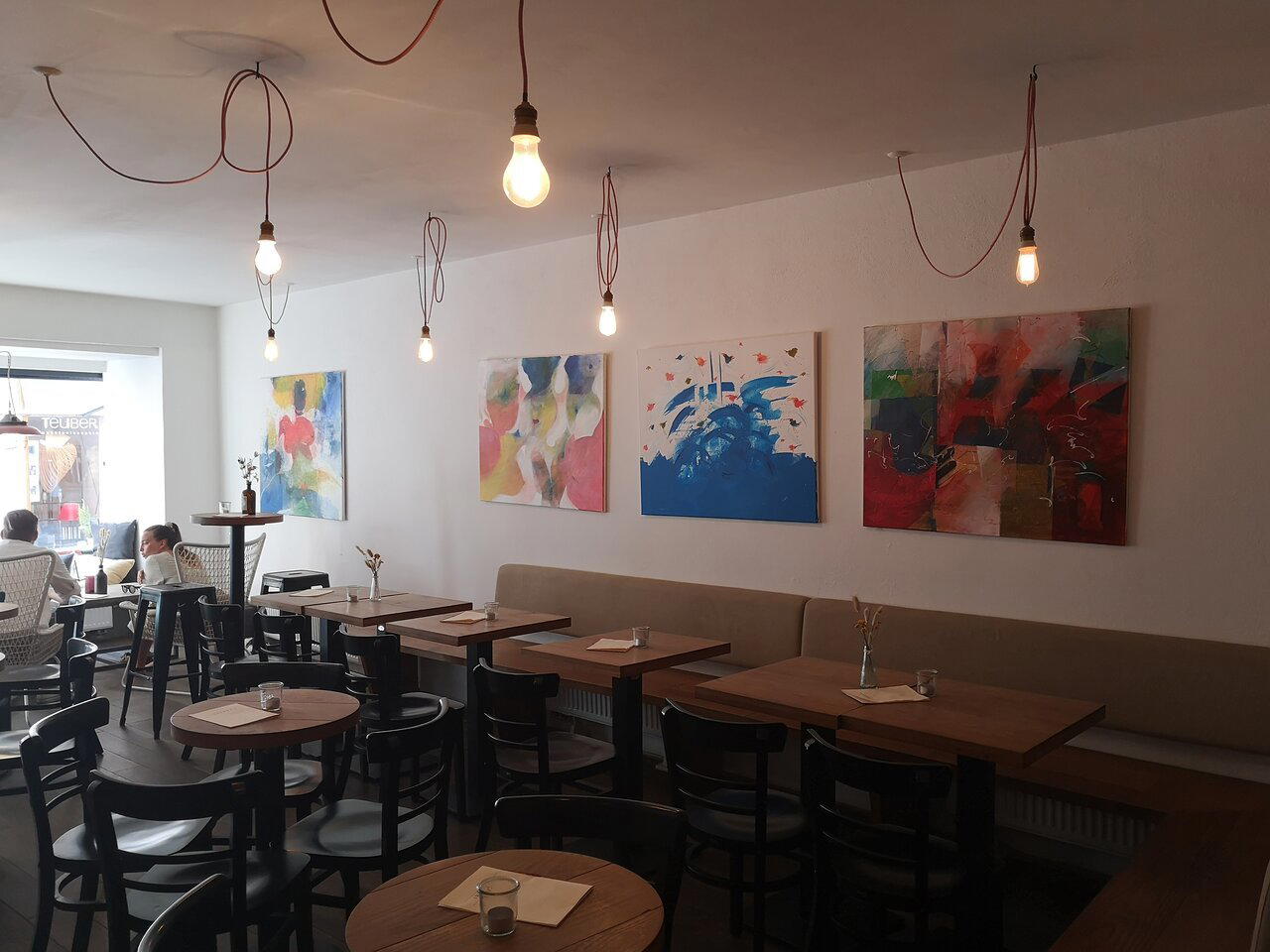
More in Graz
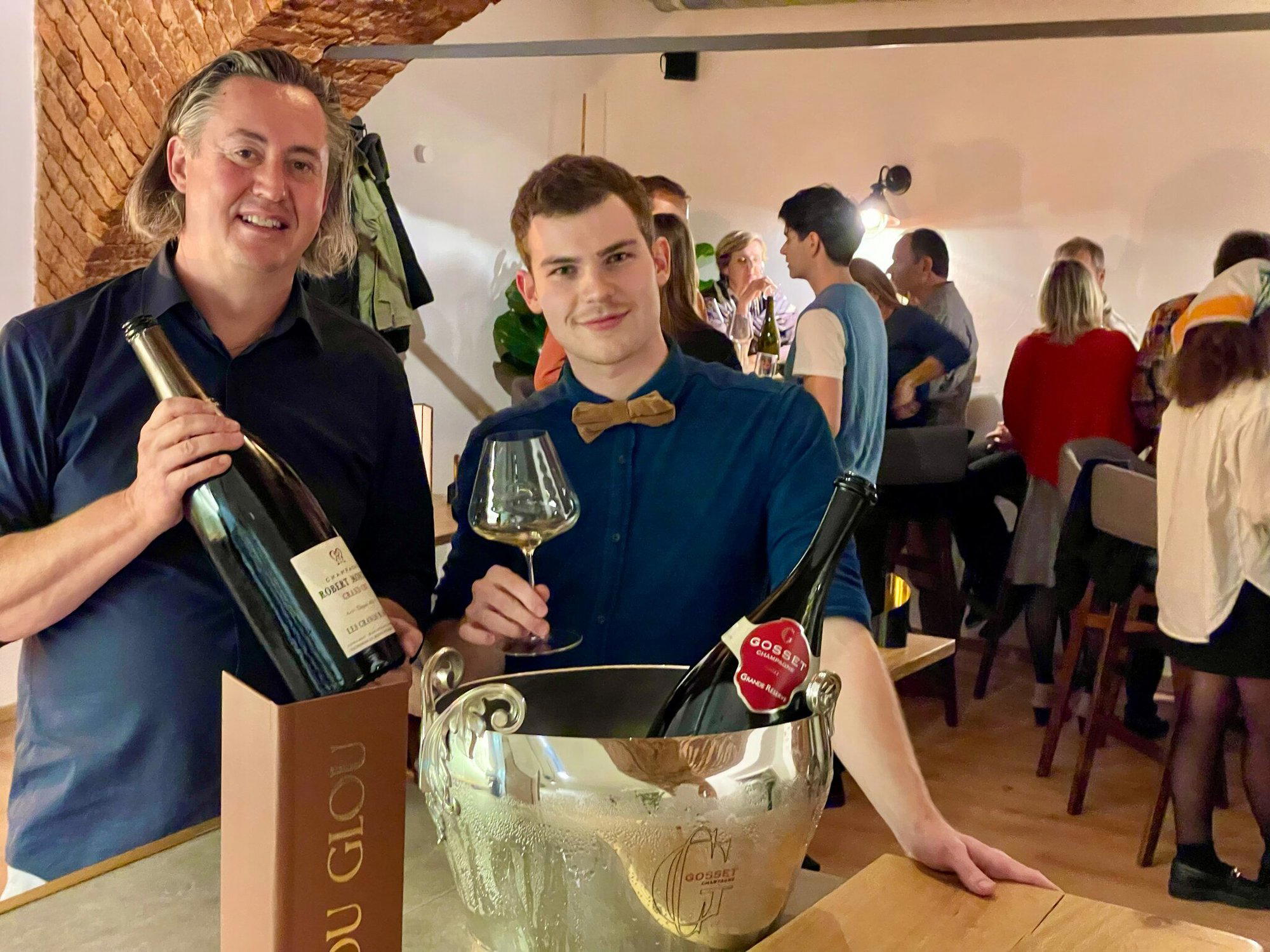
Restaurants in Graz
Browse all →
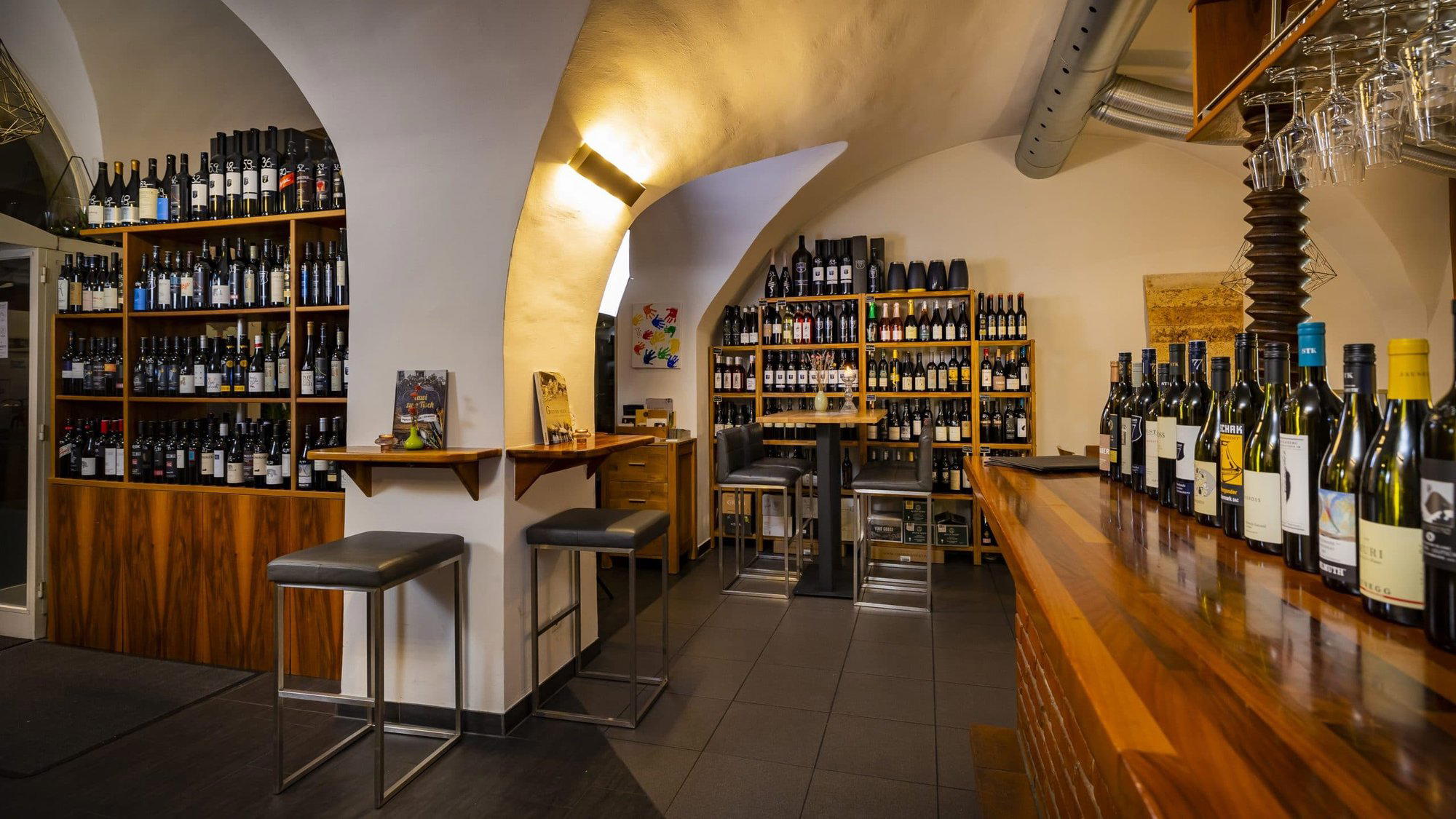
Bars in Graz
Browse all →
Hotels in Graz
Browse all →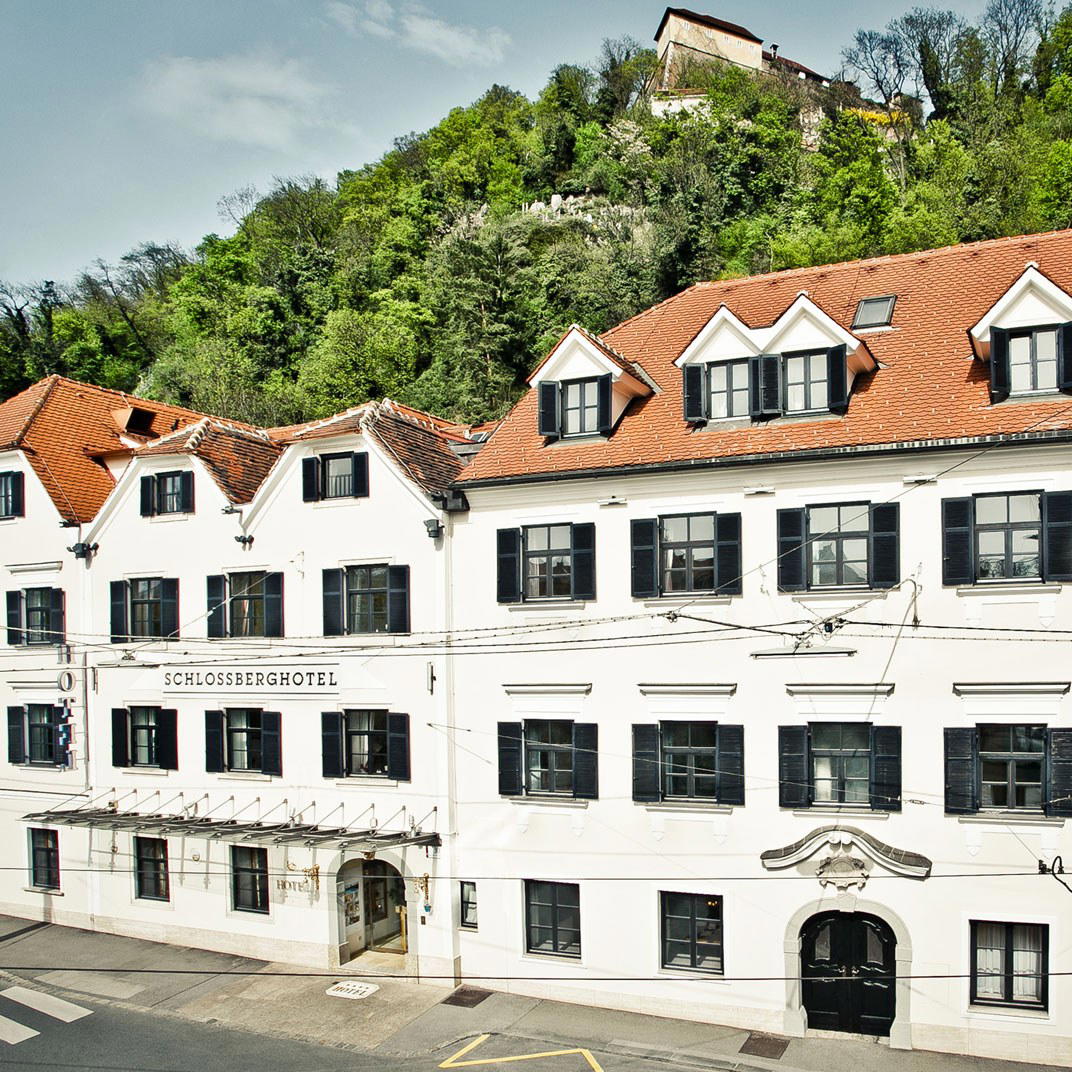




At a Glance
- Modern
- Trendy
- Casual Hangout
Current opening hours
- Monday
- 11:30 AM–8:30 PM
- Tuesday
- 11:30 AM–8:30 PM
- Wednesday
- 11:30 AM–8:30 PM
- Thursday
- 11:30 AM–8:30 PM
- Friday
- 11:30 AM–8:30 PM
- Saturday
- Closed
- Sunday
- Closed
Hours can change for holidays and private events. Last verified .
Modern feel with friendly service, described as a cool place to hang out.