Marque


Michelin Plate · Star Wine List
Our verdict
A Michelin Plate-recognised Mediterranean table on Hoorn's historic Bierkade canal, Marque operates at the €€€ tier where sharing plates and communal table culture shape the experience.

Pearl is the En Primeur Club membership app, where members save venues, book tables and use the concierge.
The menu
What to order
- Signature risotto with truffle
- Risotto with octopus
A Canal-Side Table Where Mediterranean Tradition Meets a Dutch Harbour Town
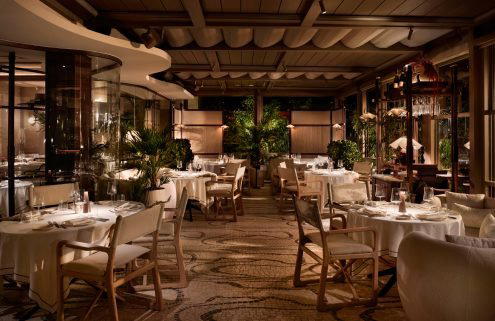
Hoorn's Bierkade sits along one of the best-preserved stretches of seventeenth-century canal architecture in the Netherlands, the kind of waterfront where the buildings do most of the talking. Against that backdrop, Marque occupies a position that would feel incongruous almost anywhere else: a €€€ Mediterranean kitchen in a city whose culinary reputation has historically trailed its heritage. The address alone, Bierkade 2, places the restaurant at the canal's edge, where the light off the water and the weight of the surrounding architecture set a particular register before a dish has arrived.
That register matters more than it might seem. Mediterranean cooking, particularly when it leans into the sharing-plate tradition, carries its own spatial logic: tables should feel generous, the pace unhurried, the table gradually filling rather than clearing. On the Bierkade, where the surrounding streets quiet considerably after the day-trippers have gone, that unhurried quality is simply the default.
The Communal Plate Tradition and What It Demands of a Kitchen
The Mediterranean small-plates format is one of the more demanding frameworks a kitchen can commit to, precisely because it removes the structural cover of a conventional three-course sequence. When dishes arrive in succession or simultaneously, the coherence of the table depends entirely on how individual plates interact: acidity against fat, texture against texture, the warm against the room-temperature. A kitchen that handles the format well is demonstrating range and timing simultaneously; one that handles it poorly produces a table of unrelated components that happen to share a price point.
Marque's Michelin Plate recognition in both 2024 and 2025 signals that the kitchen is operating with sufficient consistency and craft to earn Michelin's attention, even if the full star has not followed. The Michelin Plate, introduced as a category to acknowledge restaurants serving food of good quality without reaching star level, places Marque in a distinct tier within the Dutch provincial dining scene. For context, Michelin-starred Dutch tables at the €€€€ tier, De Librije in Zwolle, Aan de Poel in Amstelveen, De Bokkedoorns in Overveen, and Fred in Rotterdam, operate at a price point and formality above Marque's positioning. Marque sits below that ceiling but above the neighbourhood bistro tier, which is a commercially specific and editorially interesting place to be.
The White Star recognition from Star Wine List, published in June 2023, adds a further layer of credibility. Star Wine List's White Star designation acknowledges wine programs that demonstrate genuine depth and curation rather than perfunctory list-building. For a Mediterranean kitchen, where the wine and food relationship is structurally embedded, think of the way a Sicilian white or a Greek amphora-aged red can reframe a plate of cured fish, that recognition carries weight beyond a simple hospitality award.
Mediterranean Cooking in the Netherlands: A Specific Niche
The Netherlands has a small but genuine cohort of Mediterranean-focused kitchens operating at the upper end of the market. In Amsterdam, Domenica represents the genre at the €€€ tier, drawing on southern European tradition with the kind of produce sourcing and technique that a capital city's supply chain enables. Hoorn operates without that supply-chain advantage, which makes Marque's sustained Michelin recognition across two consecutive years more notable as an indicator of kitchen commitment.
Broader Mediterranean small-plates tradition has deep roots, the Lebanese mezze table, the Spanish tapas bar, the Greek meze spread, but its Dutch interpretation tends to filter those traditions through a Northern European lens: cleaner plating, more restrained portion sizes, wine programs that reach beyond the obvious Rioja-and-Prosecco defaults. Whether Marque leans toward any particular Mediterranean sub-region is not something the available record specifies, but the Michelin Plate and wine recognition together suggest a kitchen and front-of-house operating with a coherent point of view rather than a generic southern-European-for-all-seasons approach.
For comparison outside the Netherlands, the Mediterranean sharing format at high execution levels, think the technical precision of Le Bernardin in New York City applied to a communal rather than a plated format, rewards tables that surrender the evening rather than clock it. That quality of surrender is easier to achieve in a smaller city with fewer competing demands on a guest's attention.
Hoorn's Dining Scene and Where Marque Sits Within It
Hoorn is not a restaurant city in the way that Amsterdam, Rotterdam, or even Maastricht are. Its population and visitor base support a relatively narrow band of serious dining, which means the restaurants that do operate at the €€€ level occupy a more consequential position in the local ecosystem than they would in a larger market. QuiDine, at the €€€ Modern French tier, represents the other serious fine-dining option in the city centre. HAVN operates at the €€ tier with a Modern Cuisine format, providing a lower price-point alternative with its own identity.
Together, these three constitute the upper tier of Hoorn's restaurant offer. For visitors arriving for the harbour, the Westfries Museum, or simply the unusual experience of a well-preserved Dutch town without Amsterdam's tourist density, Marque provides a dinner that doesn't require driving to De Groene Lantaarn in Staphorst, De Lindehof in Nuenen, De Lindenhof in Giethoorn, Inter Scaldes in Kruiningen, or Brut172 in Reijmerstok to eat at a level above the ordinary.
That metric doesn't replace critical assessment, but it does confirm that the kitchen delivers against expectations with regularity.
Planning a Visit
Marque is located at Bierkade 2 in central Hoorn, within walking distance of the main train station and the historic harbour. Hoorn is approximately 35 minutes north of Amsterdam by direct train on the NS intercity network, which makes it a viable evening out from the capital without requiring accommodation, though the hotel options in Hoorn are worth considering for a longer stay. The €€€ price tier places Marque above casual dining but below the €€€€ tasting-menu tier; expect an evening in the register of a carefully considered dinner rather than a quick meal. Specific hours, booking methods, and current menu format are best confirmed directly with the restaurant, as those details are not fixed in the public record. For those building a longer Hoorn itinerary, the full Hoorn restaurants guide, the bars guide, the wineries guide, and the experiences guide provide a broader picture of what the city offers beyond the table.
Frequently asked questions
Where is Marque located?
Marque is located at Bierkade 2, 1621 BE Hoorn, Netherlands, Hoorn.
What's the pricing like at Marque?
Pricing at Marque is listed as €€€.
What awards or recognition does Marque have?
Marque has received recognition including: Marque restaurant is a restaurant in Hoorn, Netherlands. It was published on Star Wine List on June 28, 2023 and is a White Star.; Michelin Plate (2025); Michelin Plate (2024).
What's the signature dish at Marque?
No single dish has been singled out in published records, but the kitchen's consecutive Michelin Plate recognition in 2024 and 2025 points to consistent form across the Mediterranean small-plates format it operates within. That format places emphasis on the table as a whole rather than any one plate, so arriving with two or more people and ordering broadly is the more useful strategy than seeking a single standout item.
Price Lens
| Venue | Cuisine | Price | Awards | Notes |
|---|---|---|---|---|
| MarqueThis venue (the venue you are viewing) | Modern French-Mediterranean | $50–100 | Michelin Plate · Star Wine List | Not listed |
| De Librije | Modern Dutch Fine Dining | $200–300 | 3 Michelin Stars · World's 50 Best #46 | Modern Cuisine |
| Aan de Poel | Modern French Fine Dining | $150–200 | 2 Michelin Stars · La Liste Top Restaurants | Creative |
| De Lindehof | Contemporary Dutch, Creative | Not listed | Michelin 2 Star | Not listed |
| Fred | Modern French Fine Dining | $200–300 | 2 Michelin Stars · La Liste Top Restaurants | Creative French |
| De Nieuwe Winkel | Botanical Fine Dining | $300–500 | 2 Michelin Stars · La Liste Top Restaurants | Organic |
Recognition history
Dated appearances from independent guides and award organizations, with the underlying list record or original source where available.
Michelin Plate
Michelin
Star Wine List
Star Wine List
Full recognition history (3 entries)
Michelin Plate
Michelin
Continue exploring
More in Hoorn
Restaurants in Hoorn
All restaurants in Hoorn →
Bars in Hoorn
Browse all →
Hotels in Hoorn
Browse all →
Wineries in Hoorn
Browse all →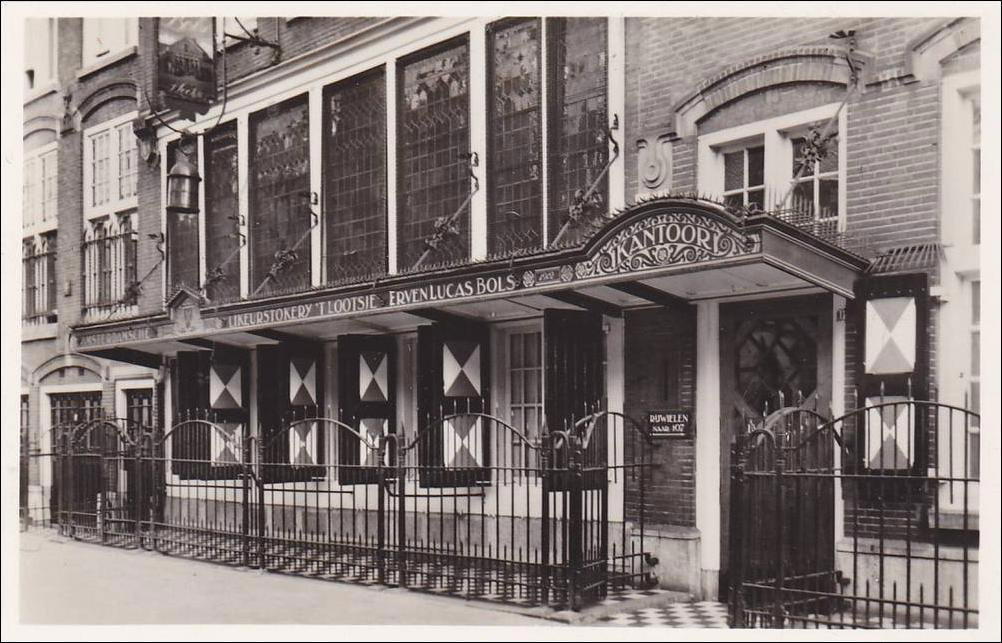
Details
- Elegant
- Romantic
- Cozy
- Sophisticated
- Historic
- Date Night
- Special Occasion
- Business Dinner
- Open Kitchen
- Historic Building
- Extensive Wine List
- Local Sourcing
- Waterfront
- Street Scene
- A La Carte
- Tasting Menu
- Wine
- Vegan Options
- Allergy Accommodating
Current opening hours
- Monday
- Closed
- Tuesday
- Closed
- Wednesday
- 12:30–4 PM, 6–9:30 PM
- Thursday
- 12:30–4 PM, 6–9:30 PM
- Friday
- 12:30–4 PM, 6–9:30 PM
- Saturday
- 12:30–4 PM, 6–9:30 PM
- Sunday
- Closed
Hours can change for holidays and private events. Hours as of .
Elegant decor in a historic building with warm, welcoming atmosphere, open kitchen, and spacious bar area.