Roof Terrace Restaurant
The Roof Terrace Restaurant at the John F. Kennedy Center for the Performing Arts occupies a genuinely unusual position in Washington dining: a full-service restaurant attached to one of the country's most prominent cultural institutions, with panoramic views across the Potomac. It draws a pre-show crowd that treats the meal as the opening act, making sequencing and timing central to the experience.
Pearl is the En Primeur Club membership app — saves, bookings, and concierge access live there. Same editors, same standards.
- Address
- 2700 F St NW, Washington, DC 20566
- Phone
- +12024168555
- Website
- roofterracedc.com
- Directions
- Get directions
 Saves & bookings on Pearl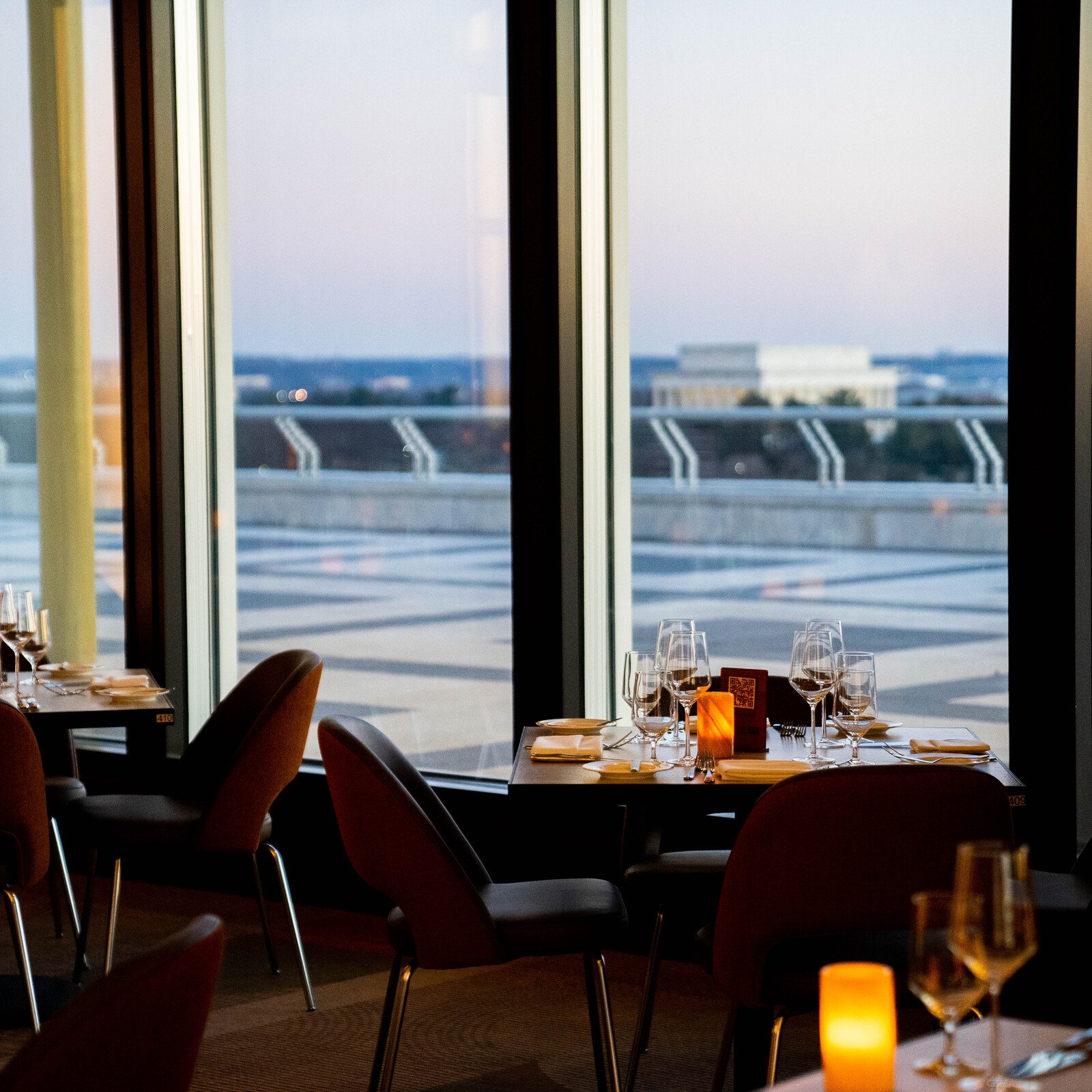
Dining Above the Potomac: Where Washington's Arts and Restaurant Scenes Converge
Roof Terrace Restaurant is a $80-per-person restaurant at the Kennedy Center in Washington, D.C. There are few restaurant settings in Washington, D.C. that arrive with a guaranteed backdrop before the first course lands. The Roof Terrace Restaurant, positioned atop the Kennedy Center at 2700 F St NW, sits at the edge of the Potomac with a sightline that takes in Georgetown, Roosevelt Island, and the Virginia shore. The view is architectural fact, not a curated amenity, the building was designed by Edward Durell Stone and completed in 1971, and the terrace level has served as a dining destination for pre-performance audiences since the Center's earliest seasons. That institutional framing shapes everything about how the meal unfolds here.
Washington's premier dining addresses have multiplied considerably over the past decade. The city now fields serious tasting-menu formats, Jônt operates a Japanese-influenced progression in Georgetown, minibar by José Andrés has long anchored the molecular end of the D.C. fine-dining spectrum, and Causa brings a Peruvian tasting format into the upper price tier. The Roof Terrace operates in a different register. Its draw is the pre-performance window, where the meal must accomplish something within a fixed window and hand the guest off, satisfied, to an evening of theatre, opera, or orchestral music.
The Tasting Progression: How the Meal Sequences Around the Performance
The multi-course structure at a pre-performance restaurant has its own internal logic, distinct from the deliberate pacing of a standalone tasting menu. At the Roof Terrace, the architecture of the meal is governed by curtain times. This compression is not a limitation so much as a constraint that disciplines the kitchen, each course must arrive with minimal delay, carry enough weight to feel considered, and close in time for the guest to reach the auditorium without anxiety. The leading pre-theatre formats across the country, from Le Bernardin in New York City to performance-adjacent rooms in Chicago near Alinea, understand that the meal is a first movement, not the full score.
That framing changes how you read the progression. A starter here is not a warm-up in the casual sense, it sets a register for the evening. The transition from first course to main should feel purposeful rather than hurried, and the dessert course serves as a bridge rather than a destination. Diners accustomed to the extended pacing of The French Laundry in Napa or the agricultural arc of Blue Hill at Stone Barns in Tarrytown will find the tempo here calibrated to a different end point. That is appropriate, not a deficiency.
The Roof Terrace draws on an occasion-driven audience rather than a destination-seeking one, which has historically allowed it to anchor its menu around reliable formats rather than exploratory tasting progressions. That positions it closer to the institutional dining category than to the chef-driven independent tier represented locally by Albi or Oyster Oyster. Neither is better by default, the question is which model serves the evening you are planning.
The Kennedy Center Context: What the Venue's Position Means in Practice
Institution-attached restaurants carry a specific set of operational pressures that shape the guest experience in ways that aren't always visible. The Kennedy Center hosts multiple performance spaces simultaneously, the Opera House, the Concert Hall, the Eisenhower Theater, and smaller stages, which means the Roof Terrace can be managing several waves of diners across different curtain times on any given evening. This is a logistical reality that distinguishes it from, say, the controlled intimacy of a single-seating format like Lazy Bear in San Francisco or the agricultural precision of Single Thread Farm in Healdsburg.
Washington's performing arts dining scene is thinner than its peer cities. New York has entire neighbourhoods built around Lincoln Center; Chicago's Lyric Opera sits in a dense restaurant district. The Kennedy Center, by contrast, occupies a comparatively isolated stretch of the Foggy Bottom waterfront, which reinforces the Roof Terrace's position as the default pre-performance option for Kennedy Center evenings rather than one choice among many walkable alternatives. That near-monopoly on the captive pre-show audience is a structural advantage, though it also reduces competitive pressure to refine the format continuously.
Virginia-side visitors and those arriving from further afield might also consider The Inn at Little Washington, one of the region's long-standing destination restaurants, though that pairing requires treating the meal as the evening's main event rather than its prelude.
Where It Sits Relative to D.C.'s Broader Dining Tier
Across Washington's upper-middle tier, restaurants pricing around $$$ to $$$$, the competitive set includes venues like Causa at the $$$$ level and Oyster Oyster at $$$, both of which demand independent planning and carry distinct editorial identities. The Roof Terrace does not position itself against those restaurants in any meaningful way, its draw is occasion and setting, not culinary identity. That is an honest distinction, and guests who arrive understanding it tend to leave satisfied.
For a broader read on how Washington's dining map has developed across neighbourhoods and formats, our full Washington, D.C. restaurants guide covers the range from sustainable New American formats to the city's growing international dining tier. Comparable institution-adjacent dining experiences at the refined end of the American restaurant spectrum, Providence in Los Angeles, Addison in San Diego, Atomix in New York City, all operate with distinct identities that extend well beyond their physical settings. The Roof Terrace's identity, by contrast, is weighted more toward its address than its menu, which is neither criticism nor praise but simply the frame through which it should be evaluated.
Planning Your Evening at the Roof Terrace
| Detail | Roof Terrace Restaurant | Causa (D.C.) | Oyster Oyster (D.C.) | Albi (D.C.) |
|---|---|---|---|---|
| Price Tier | Not confirmed | $$$$ | $$$ | $$$$ |
| Format | Pre-performance / à la carte | Tasting menu | Seasonal tasting | À la carte / sharing |
| Setting | Rooftop / river views | Interior, focused | Neighbourhood room | Open kitchen counter |
| Leading for | Kennedy Center evenings | Destination dining | Weeknight occasion | Group / cultural dining |
Credentials Lens
Comparable venues nearby, for context on price, style, and recognition.
| Venue | Cuisine | Price | Notes |
|---|---|---|---|
| Roof Terrace RestaurantThis venue — the venue you are viewing | Modern American with French Techniques | $$$$ | Not listed |
| Elizabeth's | Vegan Fine Dining | $$$$ | East End |
| Robert's Restaurant | American Steakhouse & Seafood | $$$ | Woodley Park |
| Fireclay | Contemporary American Open-Fire | $$$ | East End |
| Morrison-Clark Restaurant | Contemporary American Fine Dining | $$$ | Shaw |
| Marcus DC | Modern American with Black Culinary Traditions | $$$$ | NoMa |
Continue exploring
More in Washington DC
Restaurants in Washington DC
Browse all →
Bars in Washington DC
Browse all →
Hotels in Washington DC
Browse all →
At a Glance
- Elegant
- Sophisticated
- Scenic
- Special Occasion
- Date Night
- Business Dinner
- Rooftop
- Terrace
- Panoramic View
- Hotel Restaurant
- Extensive Wine List
- Craft Cocktails
- Skyline
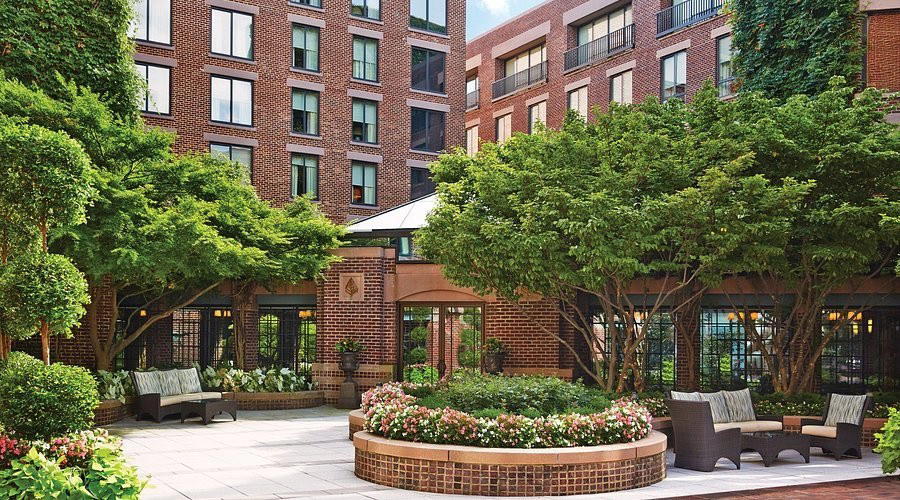
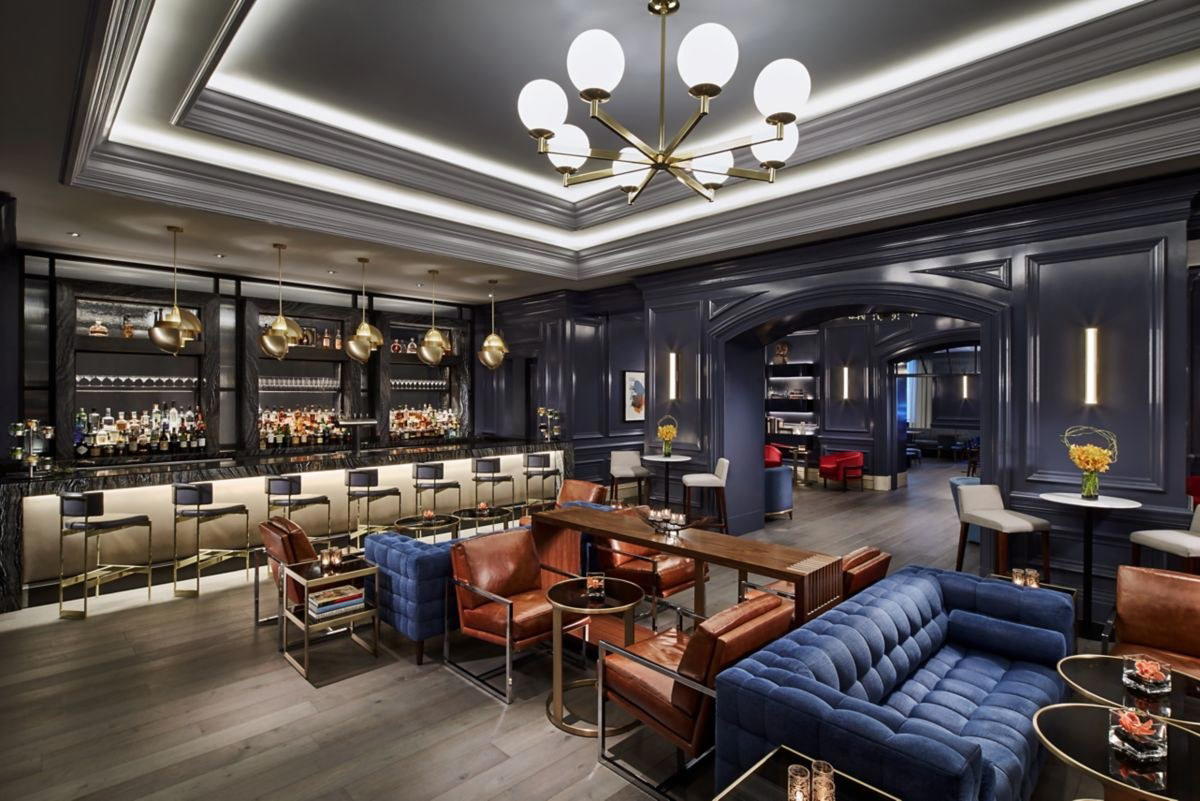
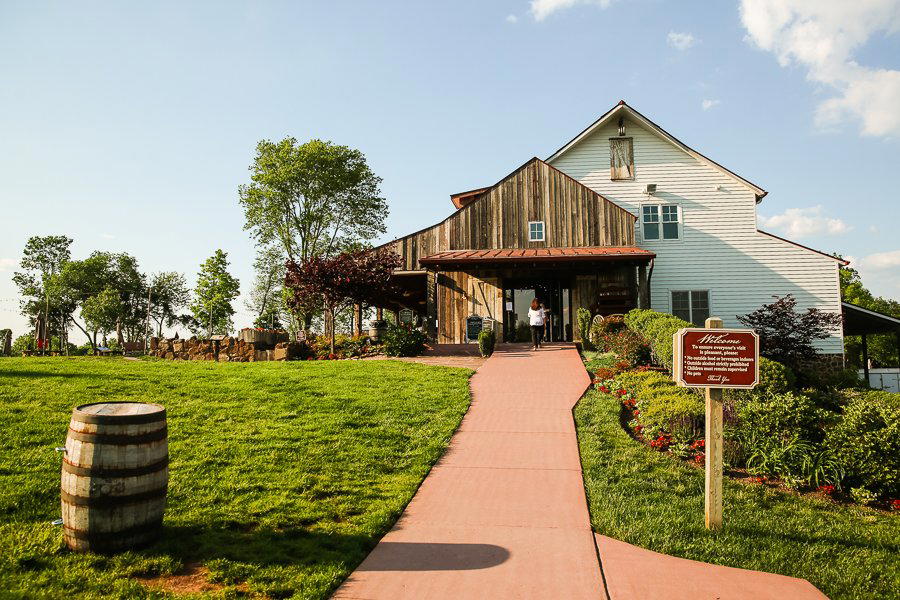
Sophisticated atmosphere with refined lighting and dramatic two-story windows offering panoramic city views, ideal before performances.