Manners
On Twijnstraat in Utrecht's canal-side quarter, Manners occupies a position within the city's mid-to-upper dining tier where sourcing transparency and seasonal discipline tend to define a kitchen's reputation. Utrecht's restaurant scene has tightened considerably around producers who supply local and regional ingredients, and Manners sits within that current. Worth visiting alongside the broader Twijnstraat dining corridor.
Pearl is the En Primeur Club membership app — saves, bookings, and concierge access live there. Same editors, same standards.
- Address
- Twijnstraat 15, 3511 ZG Utrecht, Netherlands
- Phone
- +31302102014
- Website
- papiscomfortkitchen.com
- Directions
- Get directions
 Saves & bookings on Pearl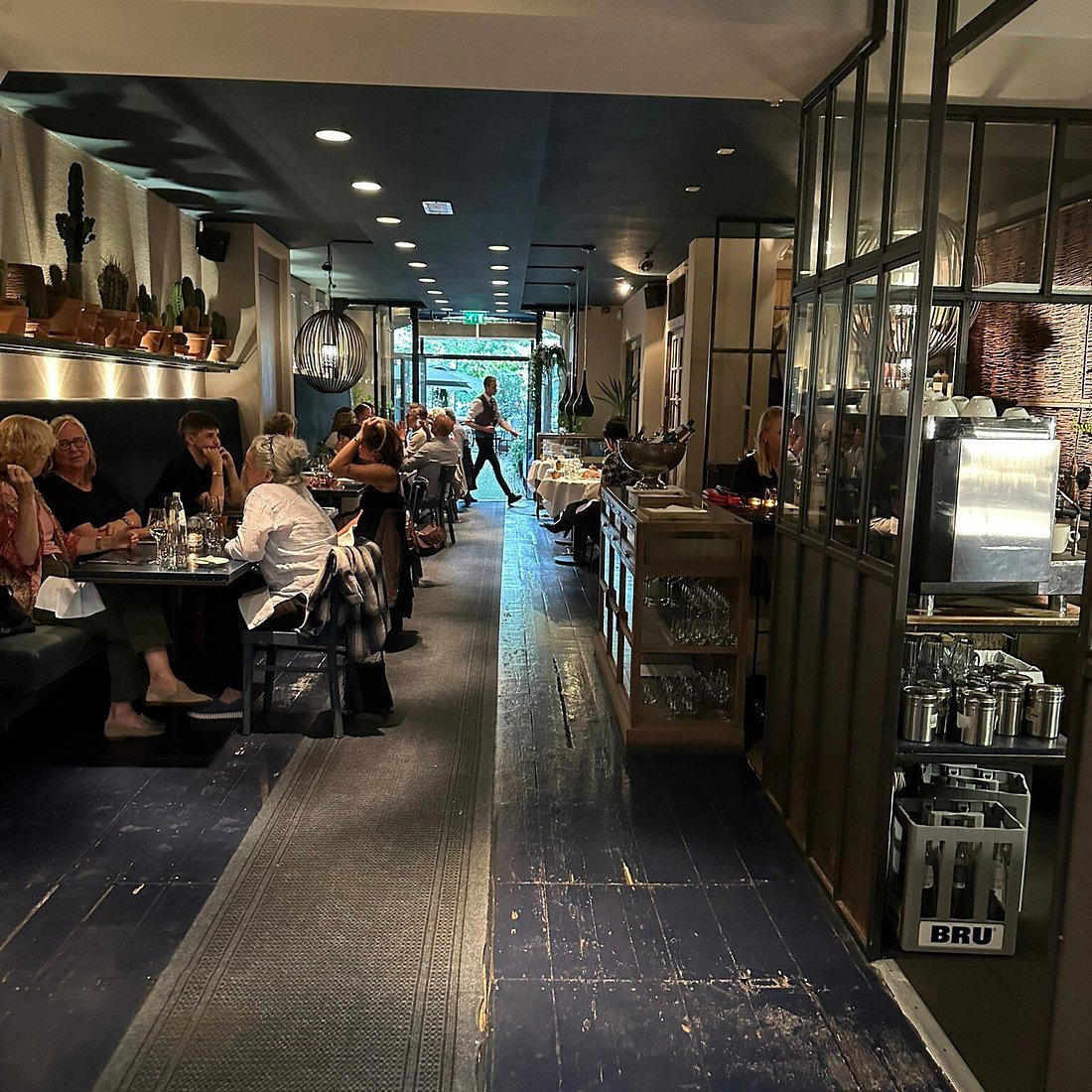
Twijnstraat and the Sourcing Shift in Utrecht Dining
Manners is a restaurant at Twijnstraat 15, 3511 ZG Utrecht, Netherlands. The city's canal-side streets, particularly Twijnstraat and the surrounding Wijk C neighbourhood, have become a corridor where restaurants compete less on spectacle and more on the quality of what arrives through the back door each morning. This is the context in which Manners, at Twijnstraat 15, sits. The address itself carries weight: Twijnstraat runs through one of Utrecht's most characterful quarters, where the architecture is pre-industrial and the commercial pace still slow enough for independent operators to build something deliberate rather than reactive.
The broader shift in Dutch mid-to-upper dining toward ingredient provenance is not Utrecht-specific. Across the Netherlands, kitchens that once justified their pricing through technique and presentation have increasingly found that sourcing transparency has become the more durable signal of seriousness. Restaurants like De Nieuwe Winkel in Nijmegen have made ingredient origin the organizing principle of entire menus, while at the starred tier, places like De Librije in Zwolle and Aan de Poel in Amstelveen have long used regional producers as anchors for their kitchen identity. Manners operates in a city where this pressure is real and where diners on Twijnstraat are increasingly in a position to compare sourcing claims between neighbours on the same street.
Where Manners Sits in Utrecht's Competitive Tier
Utrecht's restaurant market divides reasonably clearly. At the high end, Karel 5 operates at a creative €€€€ level with the infrastructure of a hotel kitchen behind it. One tier below, Maeve has positioned itself as the city's most considered creative French offer at €€€, drawing comparisons to the kind of focused, produce-led cooking that defines similarly priced operations in Amsterdam. Manners sits within this broader mid-to-upper tier, in a neighbourhood where the audience already expects a certain level of sourcing discipline and where proximity to competitors on the same street sharpens that expectation considerably.
The Twijnstraat corridor functions almost as a self-contained dining district. Badhuis contributes to the area's density of interesting options, and the character of the street as a whole attracts a diner who has made a considered choice to be in this part of Utrecht rather than the more tourist-facing areas near the Domtoren. That audience tends to reward kitchens that take sourcing seriously, and to notice quickly when they do not.
The Ingredient Argument in Dutch Seasonal Cooking
Spring and early summer mark the period when sourcing decisions become most visible in Dutch kitchens. White asparagus from Limburg, the first strawberries from North Brabant growers, coastal herbs from the Zeeland delta: these ingredients have short windows, and a kitchen's relationship with its suppliers determines whether it accesses them at peak or receives what the wholesaler has left over. Autumn brings a different set of pressures, with game, root vegetables, and the mushroom harvest from Dutch and Belgian woodland producers creating a seasonal moment that separates kitchens with genuine supplier relationships from those working from a standard distribution list.
This seasonal rhythm is well understood at the higher end of the Dutch dining tier. Kitchens like Brut172 in Reijmerstok and De Groene Lantaarn in Staphorst have built reputations partly on the directness of their producer connections. At the international reference level, the sourcing discipline at a place like Le Bernardin in New York City demonstrates how ingredient provenance, when communicated clearly to diners, becomes a credibility signal that no amount of technique can substitute for. In Utrecht's mid-tier, the same logic applies at a different price point: a kitchen on Twijnstraat that can speak specifically about where its produce comes from occupies a different position from one that cannot.
The Neighbourhood on Foot
Arriving at Twijnstraat 15 on foot is the right approach. The street runs parallel to one of Utrecht's narrower canals, and the walk from Utrecht Centraal takes around fifteen minutes through the older western quarters of the city. The neighbourhood rewards time spent before and after a meal: Bakkerswinkel Utrecht is the kind of address that makes a morning in this part of the city feel purposeful, and Bar Bet contributes to the area's offer for those looking to extend an evening. The density of independent operators in Wijk C is not accidental: rents and street character have historically supported a different kind of hospitality business than the city centre's more commercial strips.
Utrecht punches above its size in the Dutch dining conversation, and Twijnstraat is one of the streets that explains why.
Dutch Fine Dining Beyond Utrecht
For context on what the broader Dutch fine dining tier looks like, the range of ambition on display at places like Ciel Bleu in Amsterdam, De Bokkedoorns in Overveen, 't Nonnetje in Harderwijk, and De Lindehof in Nuenen or De Lindenhof in Giethoorn illustrates how ingredient sourcing has become the through-line of serious Dutch cooking regardless of geography. The international reference point shifts when you move to a place like Atomix in New York City, where Korean ingredient philosophy meets a different sourcing infrastructure, but the underlying discipline is recognisable: what a kitchen buys, and from whom, tells you more about its intentions than any marketing framing does.
Planning a Visit
Manners is at Twijnstraat 15, 3511 ZG Utrecht. Twijnstraat is best reached on foot or by bicycle from Utrecht Centraal, consistent with how most locals approach this part of the city. The street's character is most alive during evening service hours, when the canal-side lighting and the density of independent venues on the block create a setting that rewards an unhurried approach to the evening.
Peers You’d Cross-Shop
Comparable venues nearby, for context on price, style, and recognition.
| Venue | Cuisine | Price | Notes |
|---|---|---|---|
| MannersThis venue — the venue you are viewing | :null | Not listed | Not listed |
| Restaurant Gys Utrecht | Organic Vegan-Friendly Bistro | $$ | city center |
| Momofogu Hot Pot | Chinese Hot Pot | $$ | Leidsche Rijn |
| Don Dining Kounosuke | Japanese Donburi | $$ | Westerkade |
| De Zwarte Vosch | Authentic Spanish Tapas & Pintxos | $$ | Oudegracht |
| Goesting | French-Belgian Brasserie | $$ | Noordoost |
Continue exploring
More in Utrecht
Restaurants in Utrecht
Browse all →
Bars in Utrecht
Browse all →
Hotels in Utrecht
Browse all →
Wineries in Utrecht
Browse all →
At a Glance
Current opening hours
- Monday
- Closed
- Tuesday
- Closed
- Wednesday
- 6:30 PM–1 AM
- Thursday
- 6:30 PM–1 AM
- Friday
- 6:30 PM–1 AM
- Saturday
- 6:30 PM–1 AM
- Sunday
- Closed
Hours can change for holidays and private events. Last verified .