
Mangia e Ridi occupies a quiet address on Kurrentgasse in Vienna's First District, a neighbourhood where Italian restaurants have long competed on the credibility of their sourcing rather than their square footage. The name, Italian for 'eat and laugh', signals an approach that sits closer to trattoria warmth than white-tablecloth formality, placing it in a distinct tier within Vienna's Italian dining scene.
Pearl is the En Primeur Club membership app — saves, bookings, and concierge access live there. Same editors, same standards.
- Address
- Kurrentgasse 12, 1010 Wien, Austria
- Phone
- +434315122703
- Website
- osteria-mangiaeridi.at
- Directions
- Get directions
 Saves & bookings on Pearl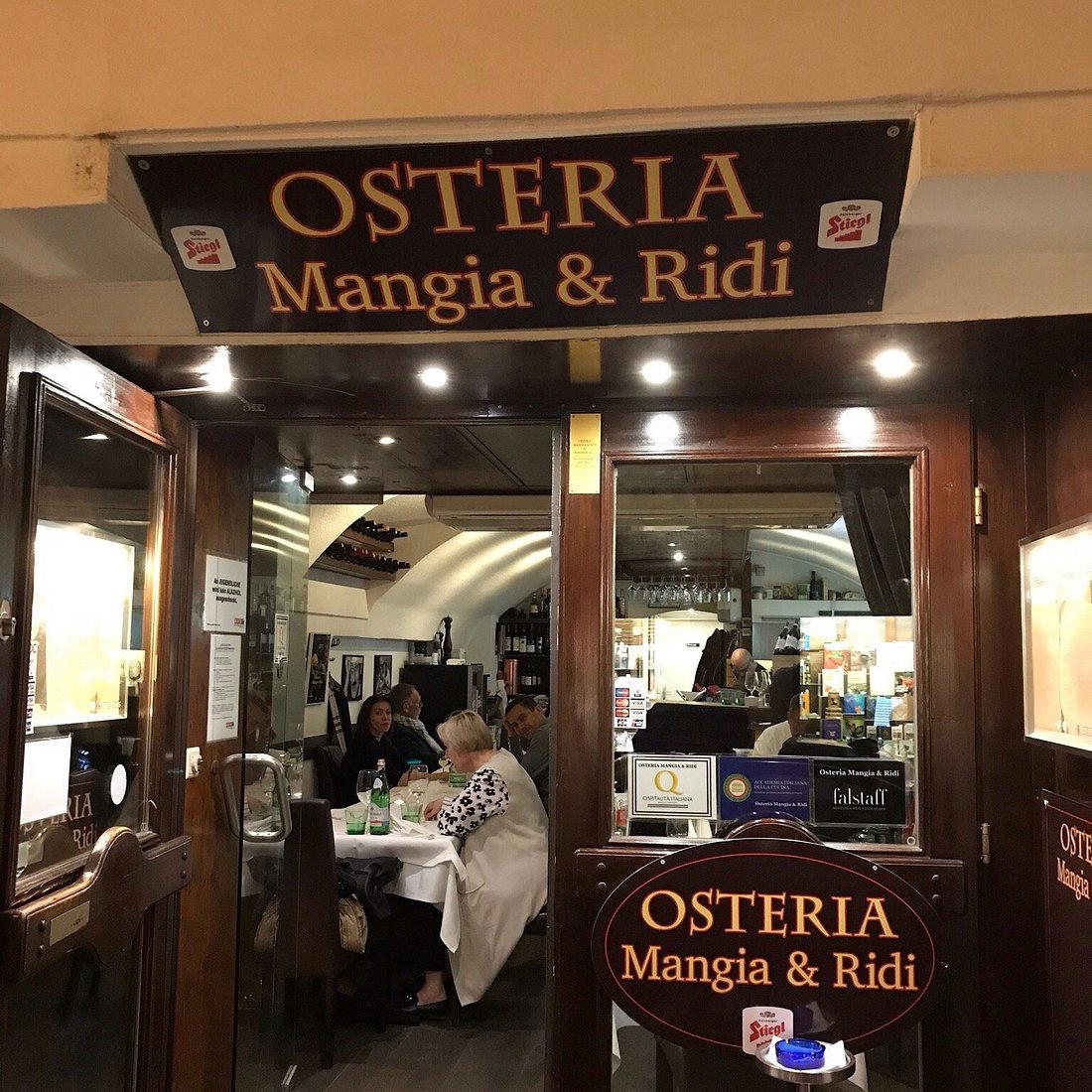
Italian Dining in Vienna's First District: Where the Tradition Sits
Vienna has maintained a serious relationship with Italian cuisine since the Habsburg Empire made northern Italy a political neighbour and cultural supplier. That proximity left a residue in Viennese cooking and in the city's appetite for Italian restaurants that goes well beyond the tourist-facing pasta houses clustered near the Stephansdom. In the First District specifically, the Italian table has historically meant something more precise: a commitment to regional sourcing, a shorter menu built around what's available, and a room atmosphere that values conversation over theatre. Mangia e Ridi is an Italian Seafood Osteria at Kurrentgasse 12, 1010 Wien, Austria.
Kurrentgasse is one of the quieter streets threading through the Innere Stadt, removed from the pedestrian traffic of the Graben and Kohlmarkt but within easy walking distance of both. In a district where dining options range from Steirereck im Stadtpark's creative Austrian tasting menus at the €€€€ tier to neighbourhood addresses serving the local professional lunch crowd, a mid-register Italian room with a name that translates loosely as 'eat and laugh' positions itself clearly: this is not a destination for ceremony.
The Cultural Logic of the Name
Italian restaurant names that invoke pleasure directly, eating, drinking, laughing, carry a specific cultural signal. They align the room with the southern Italian and central Italian trattoria tradition, where the measure of a meal is not technical precision alone but the quality of the table as a social space. That positioning has real meaning in a city like Vienna, where the dominant fine-dining culture, as represented by addresses like Amador or Konstantin Filippou, leans toward structured tasting formats and ingredient-led modernism. Mangia e Ridi's name alone suggests a different compact with the diner.
This matters because Vienna's Italian dining scene has, over the past decade, split more clearly between two formats. The first is the contemporary Italian restaurant operating at fine-dining price points, with sourcing narratives and technique on display. The second is the neighbourhood Italian that succeeds or fails on consistency, value, and hospitality warmth. The name, the address, and the scale of Kurrentgasse all suggest the latter category, though the First District's rent structure means that no restaurant there survives on low margins alone.
The First District Context
For visitors arriving in Vienna for the first time, the First District can read as a single homogeneous zone of museums, palaces, and tourist-facing restaurants. Locals and regular visitors know it as a more layered neighbourhood, where streets like Kurrentgasse, running between Wipplingerstrasse and Tuchlauben, retain a human scale and a mixed-use character that the grander avenues have largely lost. It is the kind of street where a restaurant can rely on repeat custom from nearby offices and apartments rather than foot traffic from sightseers.
That repeat-custom model suits Italian cooking particularly well. A menu that rotates with the season and a room that rewards familiarity will hold a neighbourhood audience in a way that a set-piece destination meal rarely does. Vienna's most durable Italian addresses have tended to operate exactly this way. For context on how the broader Austrian fine-dining circuit sits alongside this neighbourhood register, the full Vienna restaurants guide maps the city's tiers in detail.
How Mangia e Ridi Fits the comparable set
Within Vienna's Italian restaurant category, the competitive set is not primarily the city's modernist flagships. Those addresses, Mraz & Sohn at the creative Austrian end, or Doubek for a different register of European cooking, are doing something structurally different. The restaurant's real comparable set is the cluster of First District Italian rooms that compete on kitchen discipline, room atmosphere, and the kind of sourcing credibility that keeps a wine-educated Viennese clientele returning.
Italian restaurants in this tier in Vienna tend to share certain characteristics: a wine list that reaches into northern Italian appellations (Alto Adige, Friuli, Barolo) rather than defaulting to Chianti and Prosecco, a pasta program that signals hand-made production, and a kitchen that treats simplicity as a technical standard rather than an excuse. The restaurant sits in that tier where those expectations apply.
For a wider sense of how Austrian regional cooking is evolving beyond Vienna, a useful counterpoint to the city's Italian dining scene, addresses like Döllerer in Golling an der Salzach, Ikarus in Salzburg, and Landhaus Bacher in Mautern an der Donau represent a different geographic and stylistic axis. Equally, for travellers moving between Austria's dining regions, Griggeler Stuba in Lech, Obauer in Werfen, Gourmetrestaurant Tannenhof in Sankt Anton am Arlberg, Kräuterreich by Vitus Winkler in Sankt Veit im Pongau, Schwarzer Adler in Hall in Tirol, Restaurant 141 by Joachim Jaud in Mieming, and Ois in Neufelden each represent distinct regional positions. And for international reference points in the category of technically grounded cooking at high price tiers, Le Bernardin in New York City and Atomix in New York City show how different cities have resolved the tension between technique and tradition.
Planning Your Visit
Kurrentgasse 12 sits in the heart of the First District, reachable on foot from the U1 and U3 interchange at Stephansplatz in under five minutes. For a room of this type and location, booking ahead is advisable, particularly for Thursday through Saturday evenings when First District restaurants draw both residents and hotel guests. Arriving without a reservation mid-week at lunch carries lower risk. Current hours are Mon to Fri 12 to 3 PM and 6:30 to 11 PM, Saturday 6:30 to 11 PM, and Sunday closed. Reservations are recommended.
Accolades, Compared
Comparable venues nearby, for context on price, style, and recognition.
| Venue | Cuisine | Price | Notes |
|---|---|---|---|
| Mangia e RidiThis venue — the venue you are viewing | Italian Seafood Osteria | $$$ | Not listed |
| Terrae | Tuscan Kitchen | $$$ | Innere Stadt |
| Cucina Alchimia | Italian-Austrian Fusion | $$$ | Ober-St.-Veit |
| L'Osteria del Collio | Italian Osteria | $$$ | Innere Stadt |
| Restaurant Sole | Classic Italian Tuscan | $$$ | Staatsoper |
| Bistrot Bertarelli 1894 at Hotel Das Triest | Modern Northern Italian & Viennese Bistro | $$$ | Wieden (4th district) |
Recognition history
Dated appearances from independent guides and award organizations, with the underlying list record or original source where available.
Falstaff Restaurant - 95 Falstaff Points
Falstaff
Continue exploring
More in Vienna
Restaurants in Vienna
Browse all →
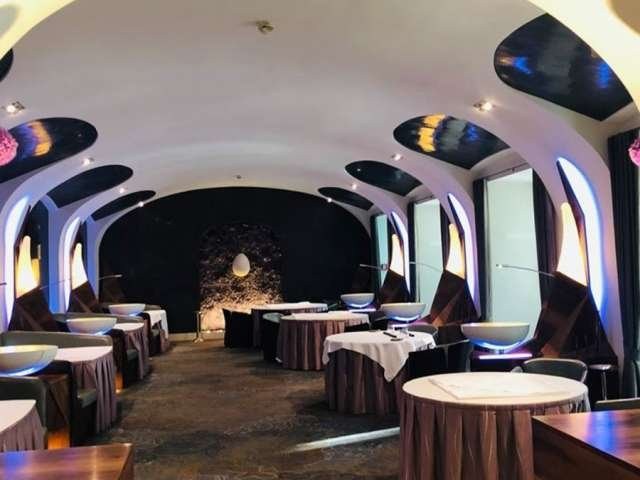
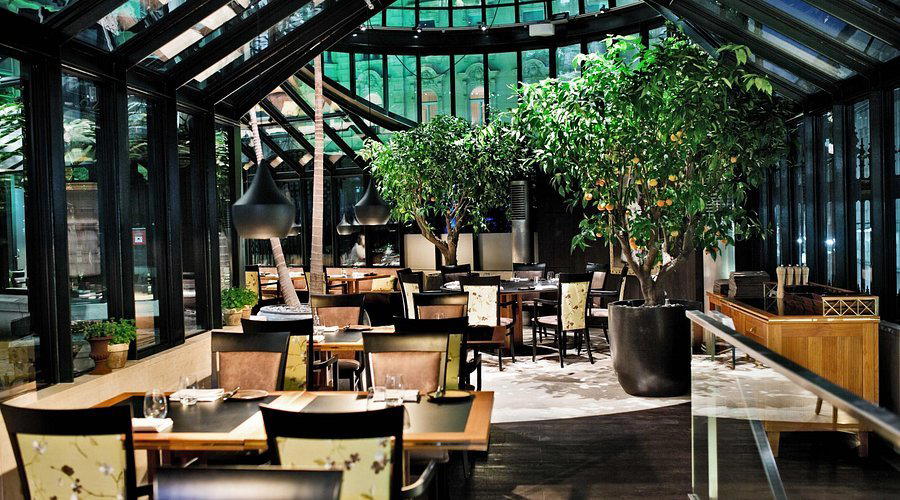
Bars in Vienna
Browse all →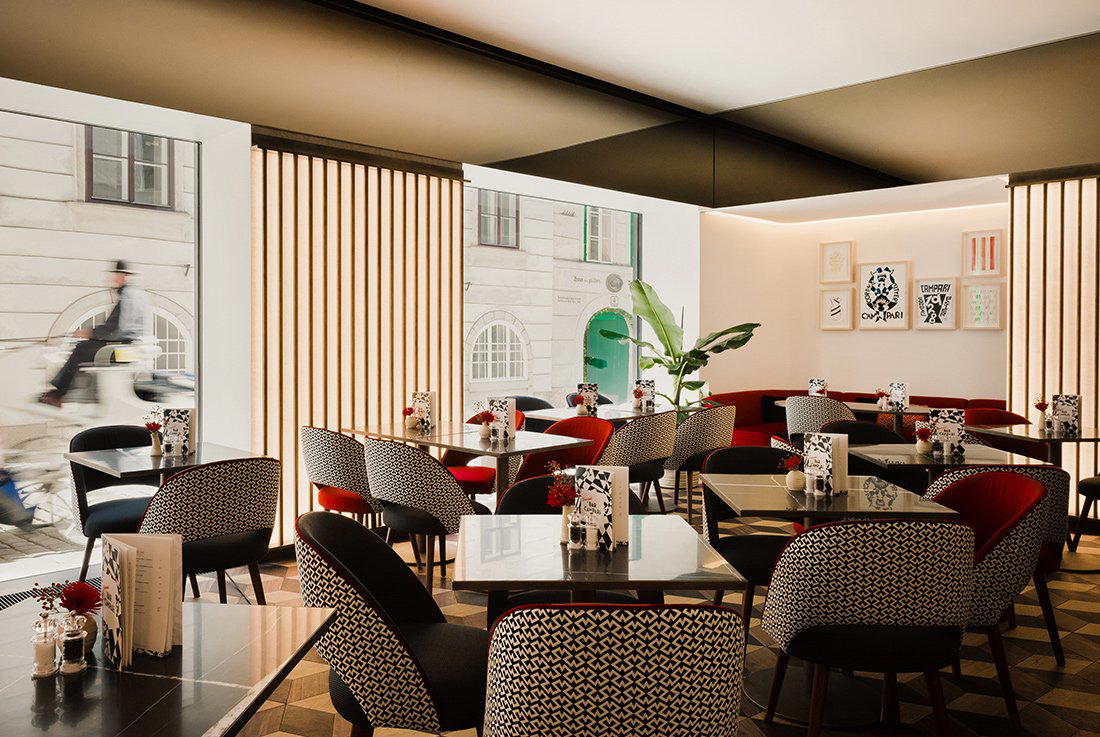
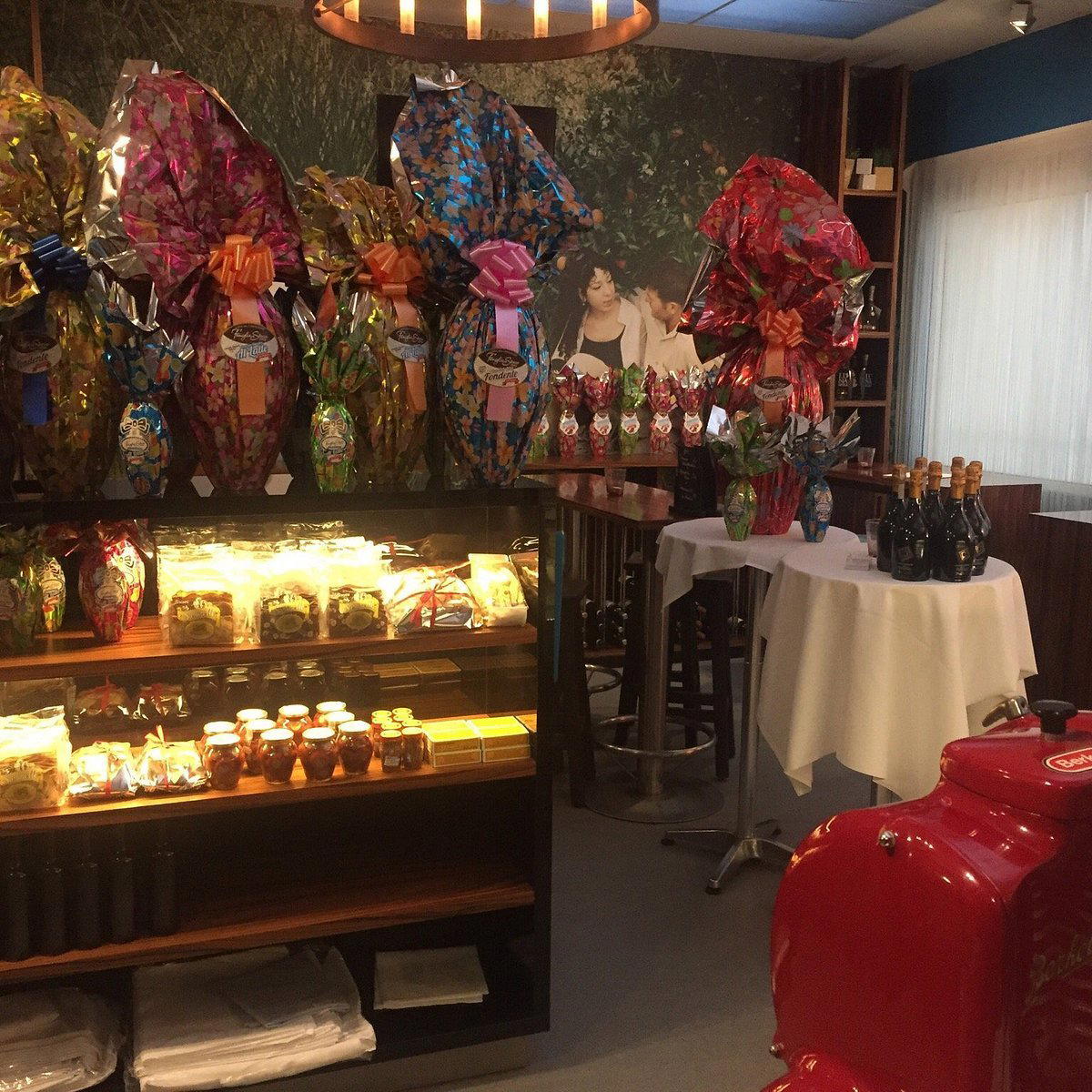
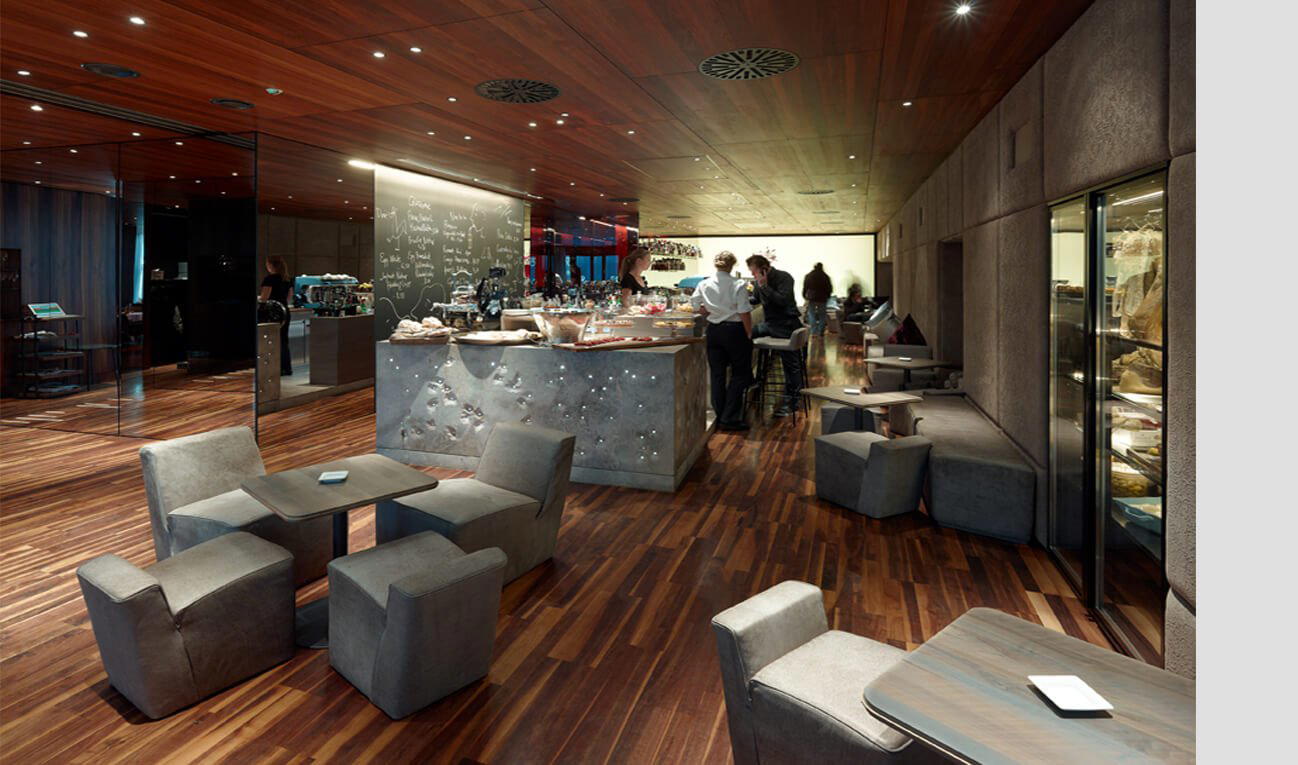
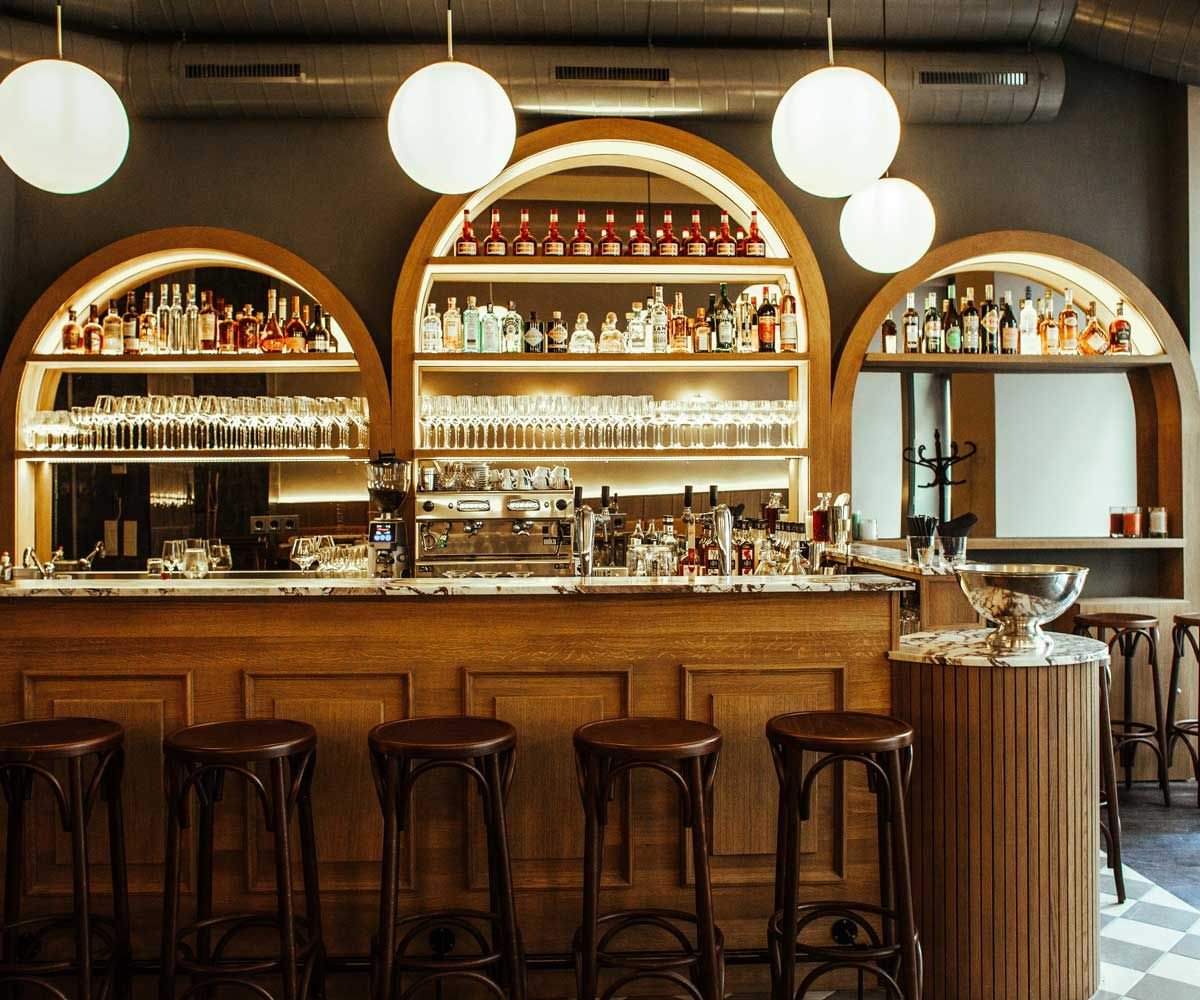
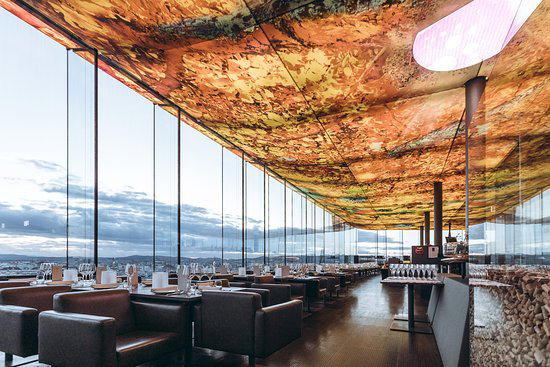
Hotels in Vienna
Browse all →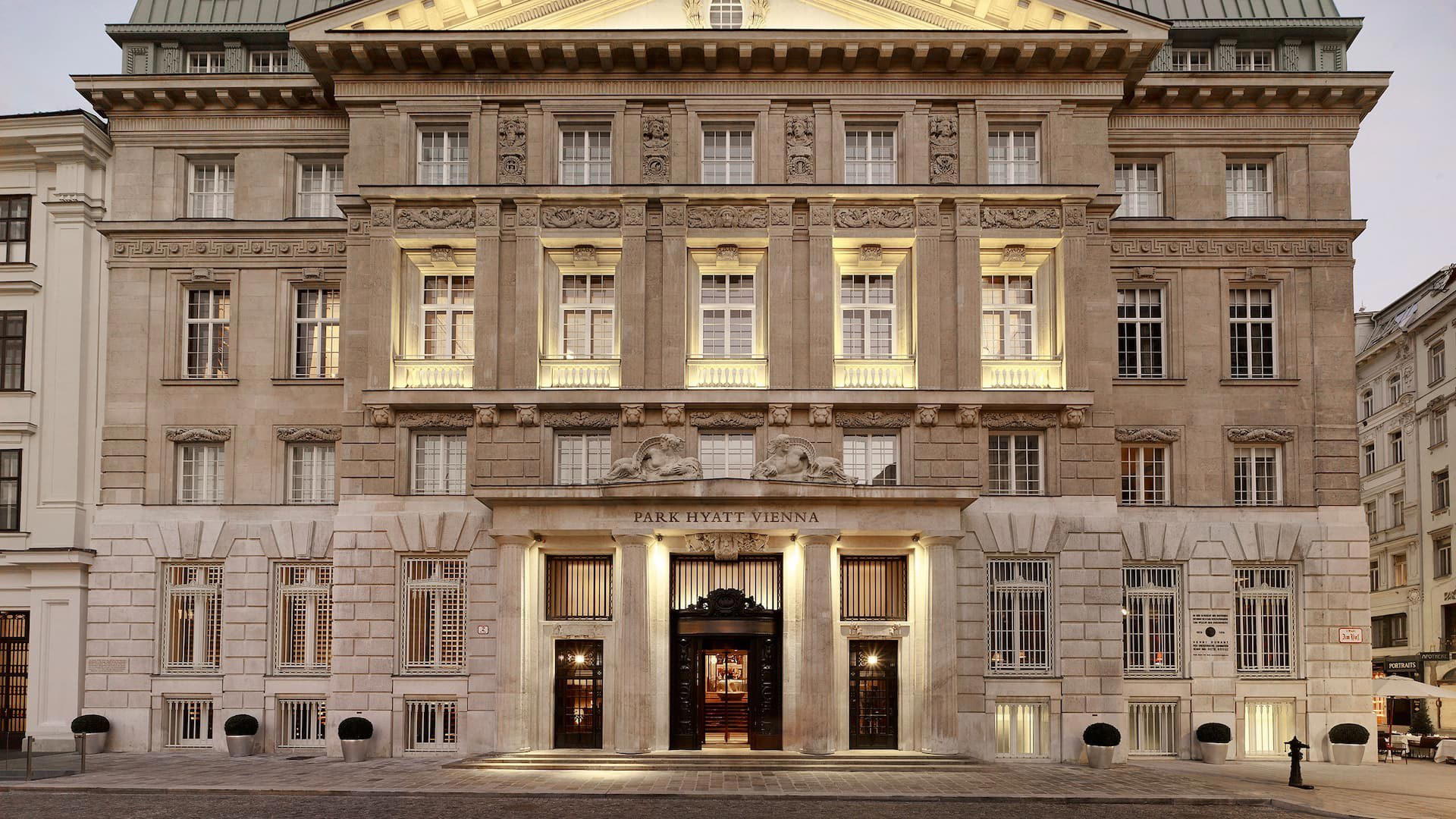
At a Glance
- Cozy
- Intimate
- Classic
- Date Night
- Terrace
- Extensive Wine List
- Street Scene
Current opening hours
- Monday
- 12–3 PM, 6:30–11 PM
- Tuesday
- 12–3 PM, 6:30–11 PM
- Wednesday
- 12–3 PM, 6:30–11 PM
- Thursday
- 12–3 PM, 6:30–11 PM
- Friday
- 12–3 PM, 6:30–11 PM
- Saturday
- 6:30–11 PM
- Sunday
- Closed
Hours can change for holidays and private events. Last verified .
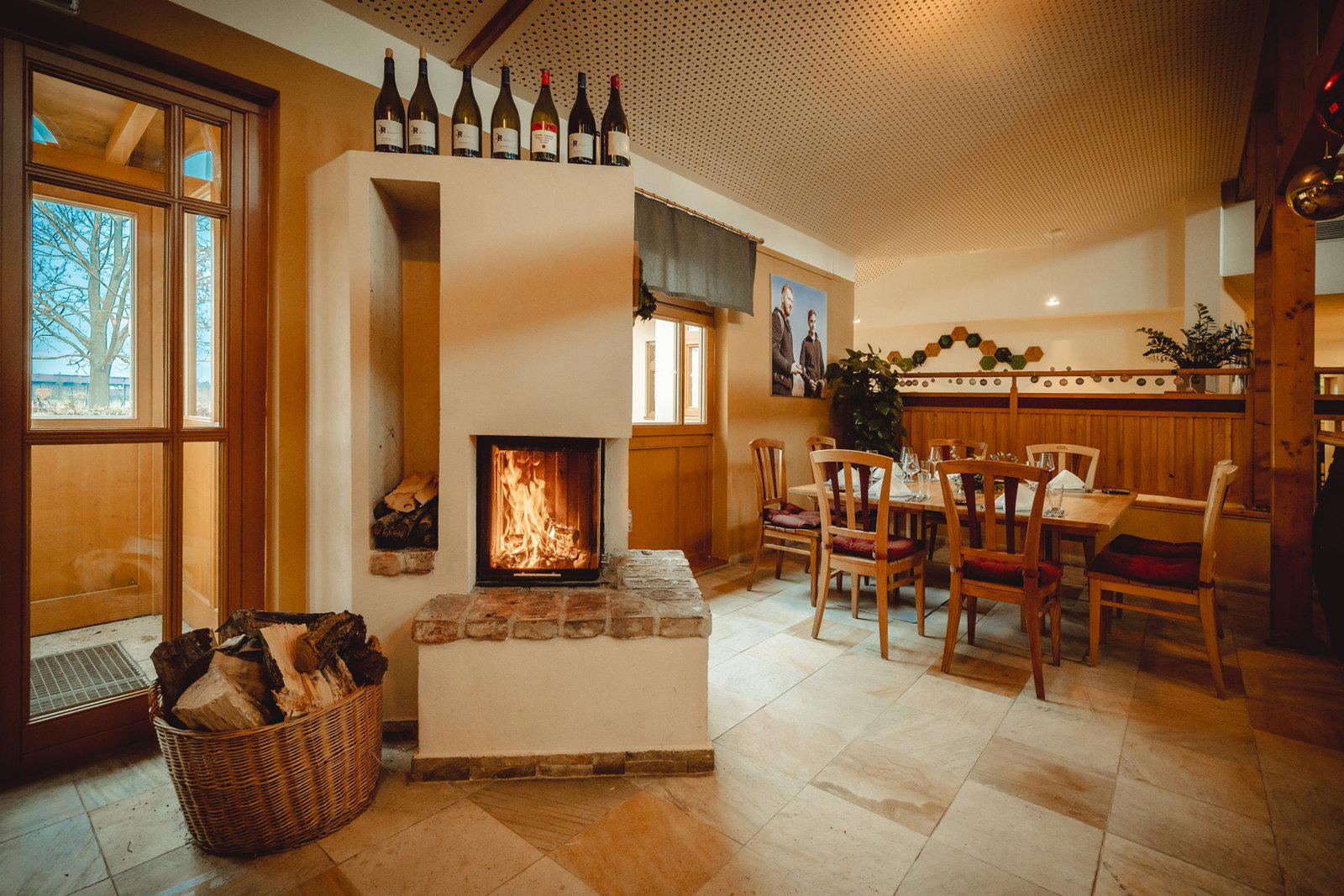
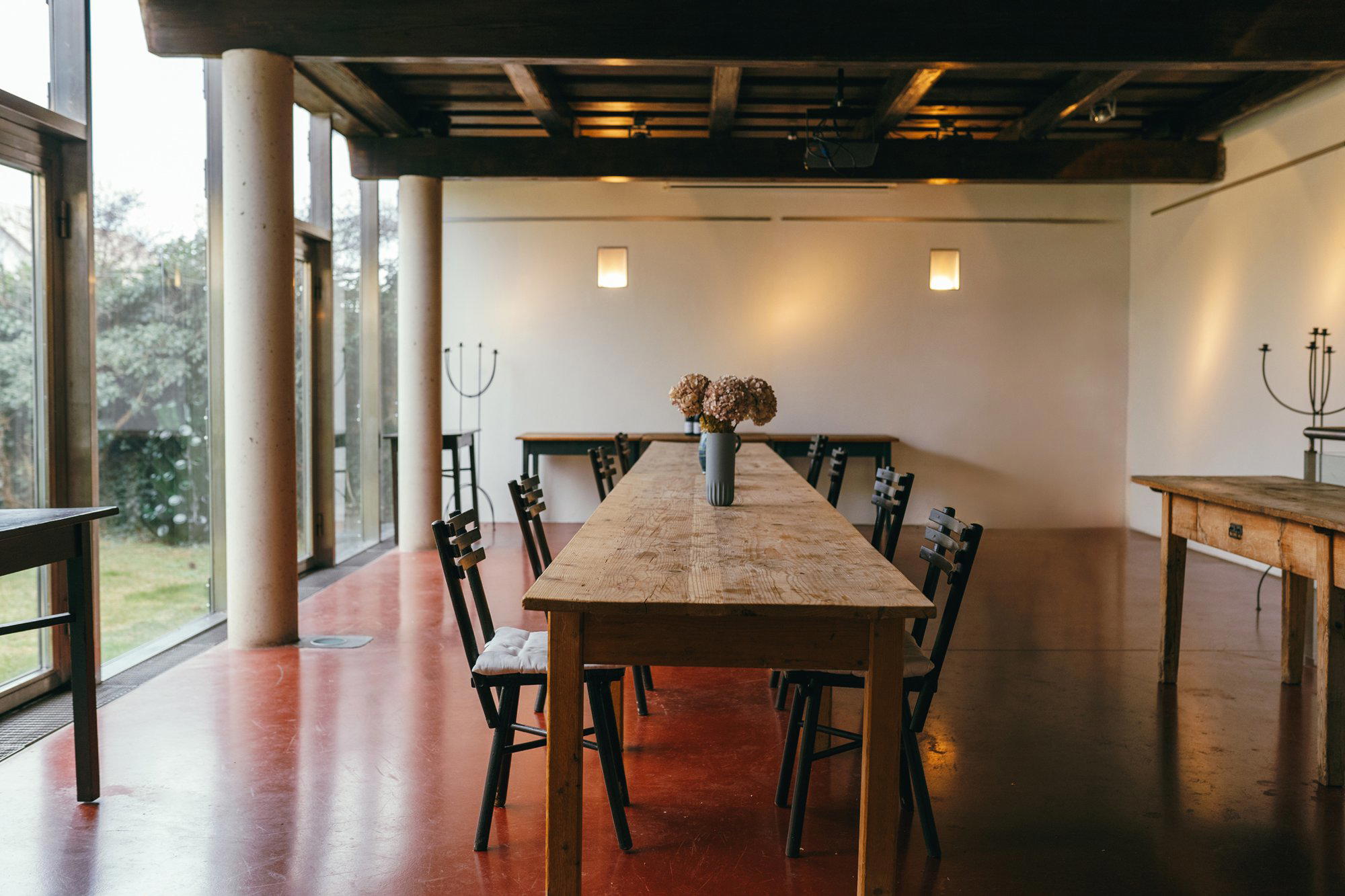
Cozy and charming with a nice Italian touch, featuring a lovely terrace on a pedestrian street; attentive, courteous service with a fun pun.