On Weidengasse in Cologne's Eigelstein quarter, Mangal Restaurant occupies a spot in a neighbourhood where Turkish and Levantine dining traditions run deep. The address places it within walking distance of the city's more formal dining tier, offering a counterpoint to the €€€€ modern cuisine rooms that dominate Cologne's critical conversation. For visitors mapping a broader stay, it reads as a neighbourhood anchor rather than a destination in isolation.
Pearl is the En Primeur Club membership app — saves, bookings, and concierge access live there. Same editors, same standards.
- Address
- Weidengasse 62, 50668 Köln, Germany
- Phone
- +4922129883420
- Website
- mangal-restaurant.de
- Directions
- Get directions
 Saves & bookings on Pearl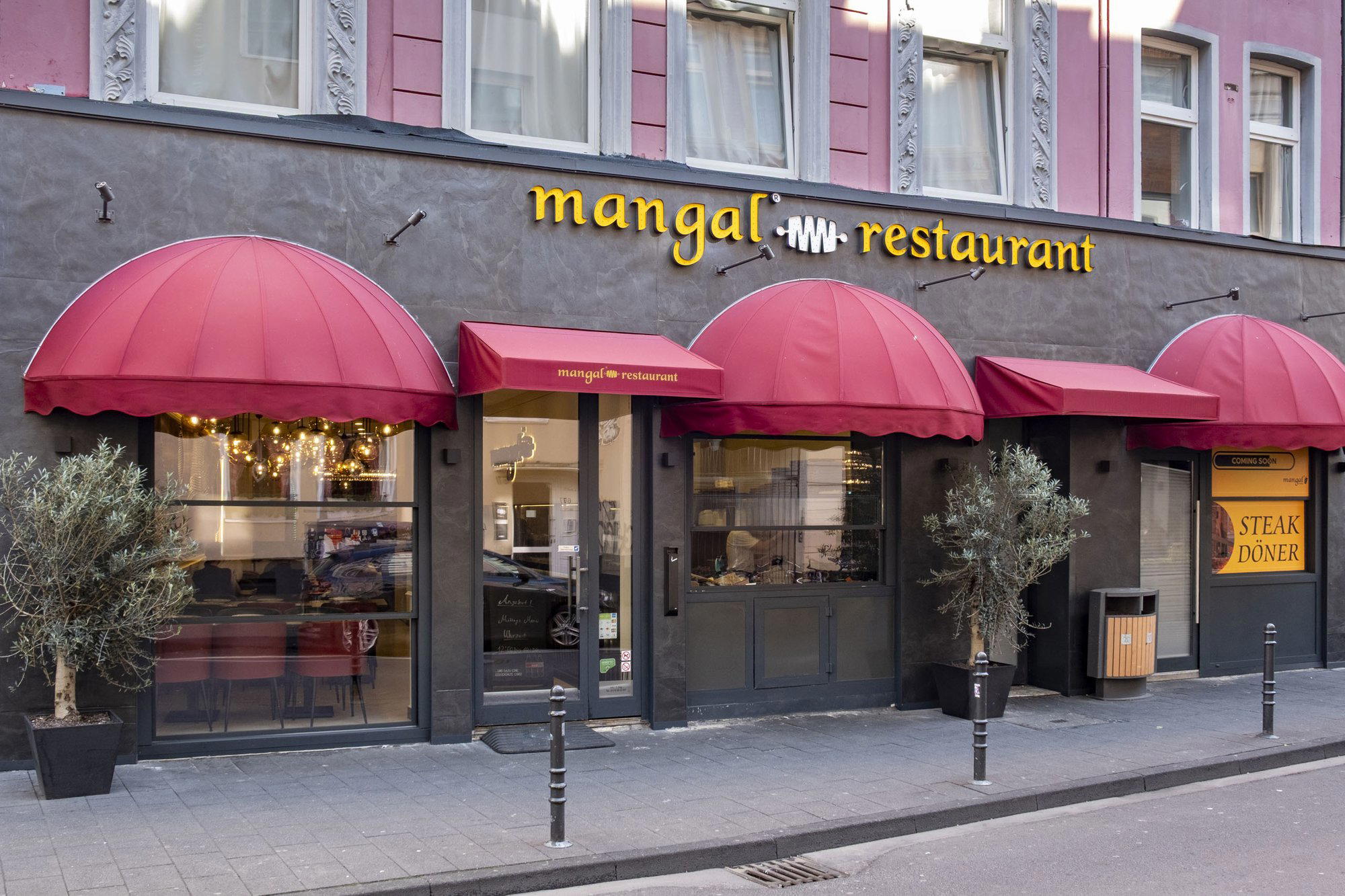
Weidengasse and the Neighbourhood It Belongs To
Cologne's Eigelstein quarter, which stretches north from the cathedral district toward the old city ring, has long carried a different culinary character from the formal dining rooms that attract most critical attention. Weidengasse in particular concentrates a density of Turkish and Middle Eastern addresses that reflects decades of community presence in the area, not a curated food hall moment, but the organic result of a neighbourhood that built its identity through migration and commerce. Mangal Restaurant, at number 62, sits inside that tradition. The street-level approach gives you the texture of the quarter before you reach the door: produce shops, the smell of charcoal, the kind of foot traffic that suggests a local clientele rather than a tourist sweep.
In German cities, this tier of neighbourhood dining occupies an important structural role. It absorbs demand that the formal €€€€ bracket, places like Ox & Klee or La Cuisine Rademacher, cannot serve at volume or at accessible price points. The result is that addresses like this one function less as stepping stones toward the Michelin tier and more as parallel institutions with their own loyal base and their own standards of consistency.
The Role of the Grill in Levantine and Turkish Dining Culture
The word mangal itself carries meaning before you consider any specific address. In Turkish and across the broader Levantine world, a mangal is a charcoal grill, an instrument that defines a category of cooking rather than simply a technique within it. Restaurants that take the name are signalling something about their method and their lineage: the commitment to open-fire cooking, to timing that cannot be rushed, and to a set of preparations where the quality of the meat and the discipline of the cook are the primary variables.
This is a category of dining that has found increasingly serious audiences in major European cities over the past decade. What was once read as casual or ethnic-adjacent by mainstream critics has attracted more careful attention as food culture has broadened its reference points. In that context, a neighbourhood grill address on Weidengasse belongs to a longer conversation about how European diners have reoriented toward fire-led cooking, smoke, and the kind of simplicity that actually requires significant skill to execute well.
Comparable trajectories have played out across Germany. The rise of serious regional cooking at addresses like JAN in Munich or the enduring precision of Schwarzwaldstube in Baiersbronn reflects a broader national confidence in specific culinary traditions, a confidence that neighbourhood-level addresses like Mangal participate in from a different angle.
Service and the Logic of the Room
In the kind of address that takes its name from a piece of cooking equipment, the editorial angle on team dynamic shifts away from sommelier programs and tasting menu choreography. The collaboration that matters here operates between the grill station and the front of the room: how quickly plates move from fire to table, whether the person taking your order understands the menu well enough to guide a first-timer through the format, and whether the pacing reflects a kitchen operating with intention rather than just volume.
These are the signals that separate a neighbourhood grill with genuine commitment from one running on habit. Cologne's more formal dining rooms, La Société or Le Moissonnier Bistro, for example, operate with highly structured front-of-house programs built around long menus and extended seatings. The logic at a mangal-format restaurant is different: the front of house needs to move efficiently, communicate clearly about preparation times, and maintain the informal warmth that makes this category of dining feel accessible rather than institutional. When that balance works, the experience carries its own authority.
The form is different at a neighbourhood grill, but the underlying logic, that the service team is an active part of the product, holds across price tiers and format types.
Where Mangal Sits in Cologne's Wider Dining Picture
Cologne's critical dining conversation tends to concentrate on its modern cuisine rooms and its French-influenced addresses. The city has a cluster of recognised fine dining destinations and a restaurant scene that punches reasonably hard relative to its size. But a complete picture of how the city actually eats requires acknowledging the neighbourhood tier, which runs on different economics and different expectations.
Addresses like Mangal on Weidengasse represent the part of Cologne's food culture that doesn't appear in the same award cycles as maiBeck or the fine dining rooms that draw visitors from across the region. They are not in competition with those rooms. They serve a different function: consistent, specific, and rooted in a culinary tradition that predates the contemporary German restaurant boom. Nationally, Germany's serious dining tier spans everything from Aqua in Wolfsburg and Vendôme in Bergisch Gladbach to Waldhotel Sonnora in Dreis and Victor's Fine Dining by Christian Bau in Perl. Mangal sits outside that bracket by design.
Planning a Visit
Weidengasse 62 is in the northern part of Cologne's city centre, reachable on foot from the main train station in under fifteen minutes or via the U-Bahn lines that run through the Eigelstein district. The neighbourhood is most active in the evenings, when the street fills and the grill operations run at full pace. The restaurant is open daily, with later hours on Friday and Saturday evenings. Reservations are recommended.
Quick Comparison
Comparable venues nearby, for context on price, style, and recognition.
| Venue | Cuisine | Price | Notes |
|---|---|---|---|
| Mangal RestaurantThis venue — the venue you are viewing | Authentic Turkish Grill | $$ | Not listed |
| Öz Harran Doy Doy | Traditional Turkish Grill | $$ | Altstadt/Nord |
| Kudret Kebap House | Authentic Turkish Kebab | $ | Ehrenfeld |
| Lezizel Manti | Turkish Manti Dumplings | $$ | Ehrenfeld |
| Suderman | Cocktail Bar with Snacks | $$ | Neustadt/Nord |
| Mandala Brunch | Vegan Asian Fusion Brunch | $$ | Neustadt/Nord |
Continue exploring
More in Cologne
Restaurants in Cologne
Browse all →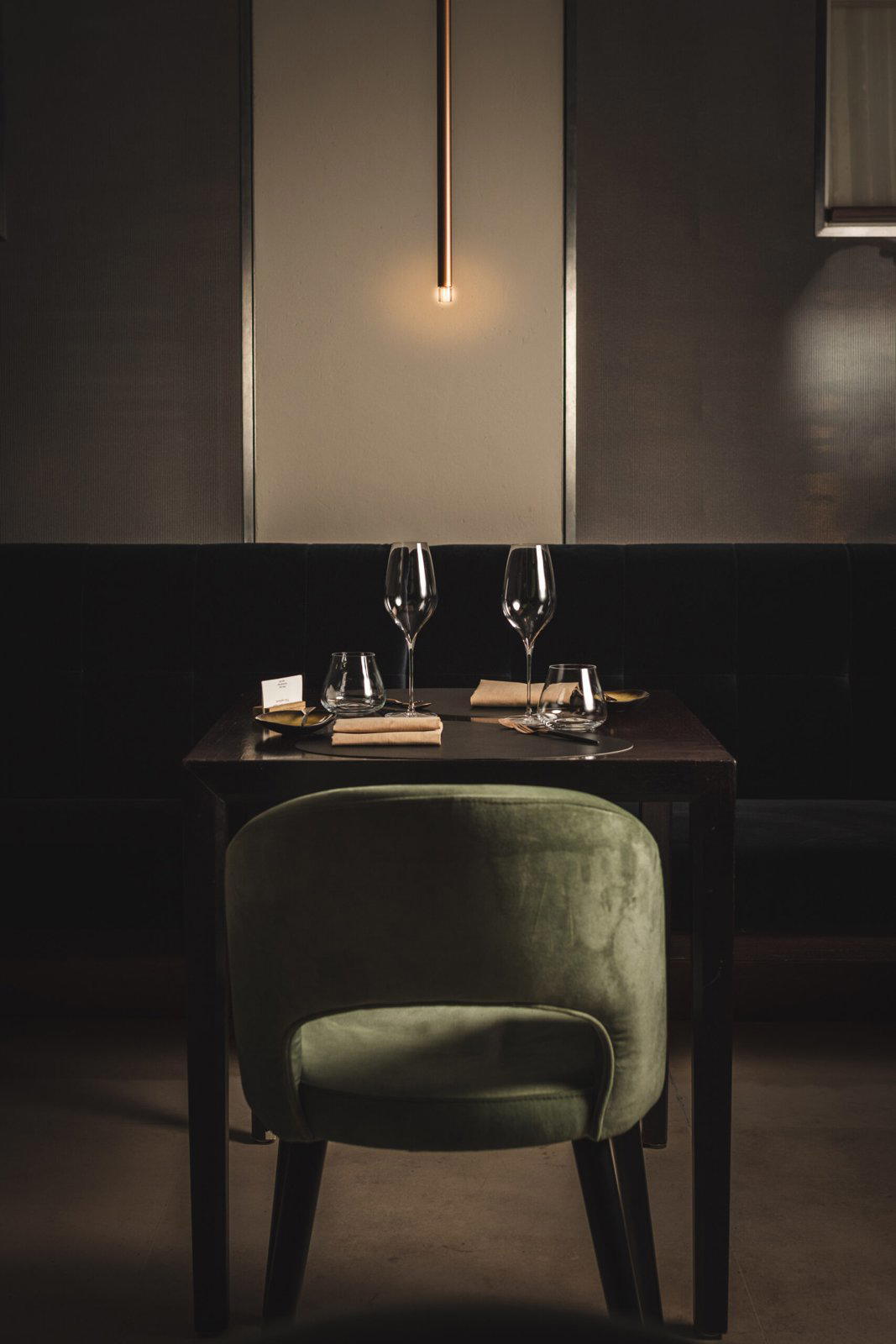
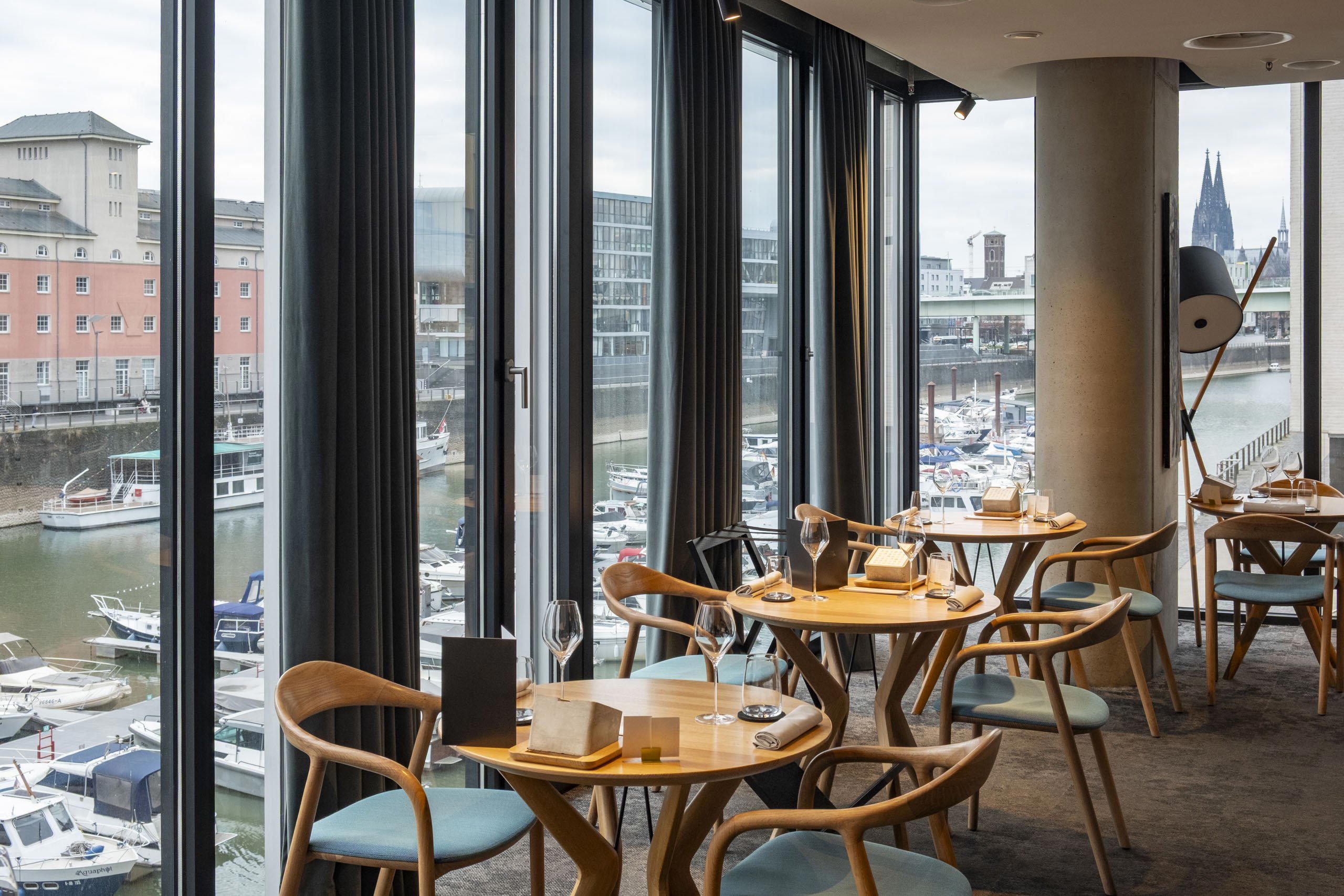
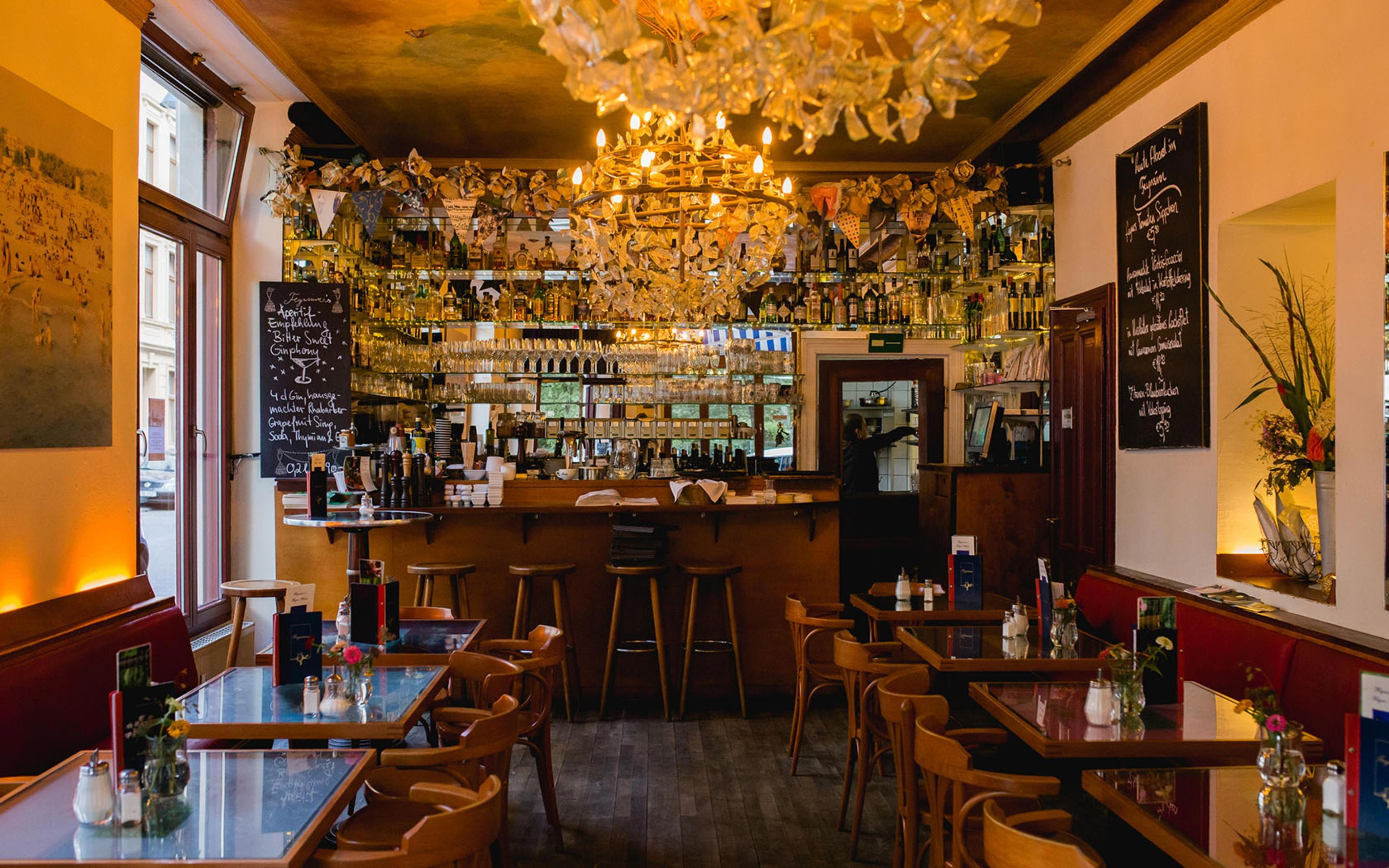
Bars in Cologne
Browse all →

Hotels in Cologne
Browse all →

At a Glance
- Cozy
- Modern
- Relaxed
- Family
- Casual Hangout
- Group Dining
- Open Kitchen
Current opening hours
- Monday
- 11 AM–1 AM
- Tuesday
- 11 AM–1 AM
- Wednesday
- 11 AM–1 AM
- Thursday
- 11 AM–1 AM
- Friday
- 11 AM–3 AM
- Saturday
- 11 AM–3 AM
- Sunday
- 11 AM–1 AM
Hours can change for holidays and private events. Last verified .
Modern, cozy, and authentic atmosphere with warm Turkish hospitality and attentive service.