Mana Sticky Rice
Sticky rice in northern Thailand is not a side dish, it is the meal's architecture. Mana Sticky Rice in Chiang Mai works within the Lanna tradition where khao niao arrives in a small woven bamboo container and sets the pace and structure of everything that follows. For travellers serious about northern Thai food culture, this is where that ritual plays out in its most focused form.
Pearl is the En Primeur Club membership app — saves, bookings, and concierge access live there. Same editors, same standards.
- Address
- Chiang Mai, Thailand
- Directions
- Get directions
 Saves & bookings on Pearl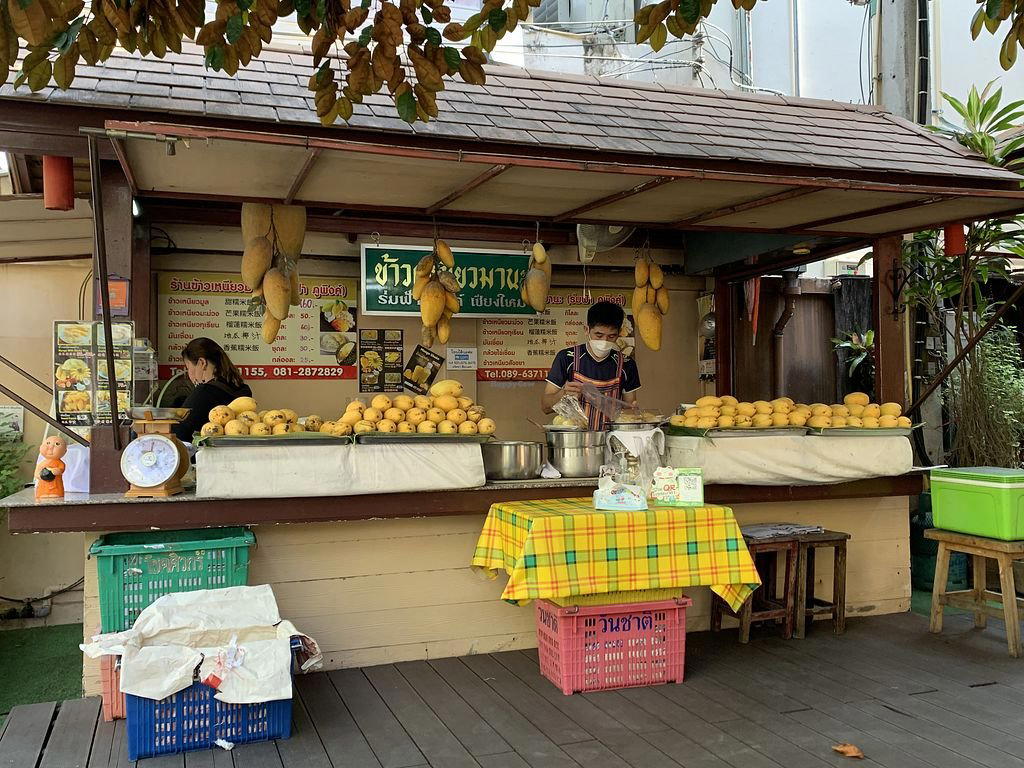
The Ritual Before the First Bite
Walk into almost any serious northern Thai meal and you will notice the bamboo container before you notice the plate. The kratip khao, a tightly woven cylindrical basket, arrives at the table before anything else, its lid lifted to release steam from freshly cooked glutinous rice. This is not decoration. In the Lanna tradition that defines Chiang Mai's food culture, sticky rice structures the meal: you tear a small ball with your fingers, press it slightly flat, and use it to scoop, push, or absorb everything else on the table. The rice determines the pace of eating, the size of each mouthful, and in many cases the sequence in which dishes are approached. Mana Sticky Rice operates within this framework, placing khao niao at the centre of the dining experience rather than treating it as a filler carbohydrate beside a main event.
That distinction matters more than it might seem to a visitor arriving from a culinary tradition where bread or rice plays a supporting role. In northern Thailand, glutinous rice is the primary ingredient, everything else is, technically, the accompaniment. Restaurants that understand this sequence serve noticeably differently from those that treat it as a cultural footnote. The sticky rice arrives hot, the condiments and dishes are sized and seasoned to complement it, and the meal's rhythm follows accordingly.
Northern Thai Food Culture and Where This Fits
Chiang Mai's dining scene has deepened considerably over the past decade. The city now holds enough serious northern Thai restaurants to allow genuine comparison across price points and format types. At the upper end of that register, places like Baan Landai and its second location on Phra Pok Klao Road position northern Thai cooking inside a refined, table-service format. At the other end, spots like Loet Rot occupy the everyday neighbourhood tier. Mana Sticky Rice sits in the middle ground where the food is the focus and the format is informal enough that the ritual of eating, hands involved, dishes shared, rice central, remains intact rather than being softened for visitors.
This middle tier is where Lanna food traditions are leading preserved. The more a restaurant formalises the experience for a tourist audience, the more likely it is to present sticky rice as a novelty or a portion-controlled side. The more informal the setting, the more likely the rice arrives in quantity and the meal unfolds around it as northern Thai diners have always expected. Aunt Aoy Kitchen operates in a similar register, intensely local, deeply specific to its tradition, and the two represent complementary entry points into the same food culture.
For context across Thailand's broader northern food scene, the appetite for glutinous rice diminishes as you travel south. In Bangkok, jasmine rice dominates, and restaurants like Sorn, which holds two Michelin stars and focuses on southern Thai cuisine, demonstrate how differently the country's regional traditions diverge at the fine-dining level. Chiang Mai's version of serious Thai food looks nothing like Bangkok's, and Mana Sticky Rice is part of what makes that argument legible to a visitor.
How the Meal Actually Works
The etiquette of eating with sticky rice is learned quickly but easy to misread on first encounter. The correct approach is to pull a modest amount from the basket, roll it briefly between your fingers until it holds together, then use that compressed ball to interact with whatever dish is in front of you. It should not be so large that it overwhelms the flavour of the accompaniment, and it should not sit in the basket until it cools, khao niao stiffens as it drops below serving temperature and loses its adhesive quality. The meal works well when the rice and the dishes arrive in close sequence and are consumed together rather than in courses.
The dishes designed to accompany sticky rice in the Lanna tradition tend to be bold in flavour, sour, fermented, herbaceous, or fatty enough to stand up to the mild sweetness and chew of the glutinous grain. Nam prik ong, a slow-cooked tomato and pork relish, is among the more common companions. Sai ua, the grilled northern sausage seasoned with lemongrass and kaffir lime leaf, is another. These are not subtle dishes, and they are not meant to be, they are calibrated to work against a large volume of neutral, sticky rice.
Visitors coming from the central Thai tradition, where jasmine rice is eaten with a spoon, sometimes find the pace of a sticky rice meal slower than expected. The physical act of shaping each portion by hand introduces a natural interval between bites that the spoon does not. This is part of the meal's character rather than an inefficiency, the pauses are when you notice the dish more carefully, refill the basket, or add a condiment. It is a different relationship with the table than most international visitors are used to, and at Mana Sticky Rice, that relationship is the point.
Chiang Mai's Food Scene Around It
The city's restaurant range now accommodates serious eating at almost every format. Aeeen handles the vegetarian end of the spectrum with the same seriousness that Mana applies to traditional Lanna staples. Aquila represents Chiang Mai's growing Italian contingent, which speaks to a city with enough long-term expatriate and visitor population to sustain non-Thai dining at a high level. The diversity of the scene makes Chiang Mai a genuinely interesting place to eat across multiple days, but for anyone tracking Thailand's regional food traditions, the northern side of the menu remains the primary reason to be here.
Elsewhere in Thailand, the ambition of regional cuisine has been documented at restaurants like PRU in Phuket, which holds a Michelin star and works within a farm-to-table framework specific to the south. AKKEE in Pak Kret represents the kind of specialist local kitchen that earns loyalty through consistency rather than ceremony. Both are useful comparators for understanding how Thailand's food culture operates at the serious end of the spectrum, and how different Chiang Mai's northern tradition is from either.
Planning Your Visit
As with many Chiang Mai restaurants at this tier, arriving early in the lunch or dinner window gives you a stronger chance of the full range of accompaniments still being available, kitchens at this level often run through their daily preparation rather than restocking mid-service.
What It’s Closest To
Comparable venues nearby, for context on price, style, and recognition.
| Venue | Cuisine | Price | Notes |
|---|---|---|---|
| Mana Sticky RiceThis venue — the venue you are viewing | Thai Mango Sticky Rice | $ | Not listed |
| Cherng Doi Roast Chicken (ไก่ย่างเชิงดอย) | Northern Thai Roast Chicken | $ | Su Thep |
| Laap Kao Cham Chaa | Northern Thai Street Laap | $ | Mueang Chiang Mai |
| Guay Jab Nam Khon | Thai Guay Jab Noodle Soup | $ | Si Phum |
| ก๋วยจั๊บช้างม่อยตัดใหม่ | Thai Guay Jub Noodles | $ | Chang Moi |
| Sirichai Khao Man Gai | Northern Thai Khao Soi & Khao Man Gai | $ | Chiang Mai Old Town |
Continue exploring
More in Chiang Mai
Restaurants in Chiang Mai
Browse all →
Bars in Chiang Mai
Browse all →

At a Glance
- Rustic
- Cozy
- Casual Hangout
- Standalone
- Local Sourcing
- Street Scene
Casual street-side atmosphere with comfortable shaded seating for enjoying traditional Thai desserts.