Guay Jab Nam Khon
The Bowl That Defines a Northern Thai Morning In Chiang Mai, the line between breakfast and street culture is thin. The city's morning food scene operates on its own logic: stalls open before dawn, regulars arrive in a sequence as predictable as...
Pearl is the En Primeur Club membership app — saves, bookings, and concierge access live there. Same editors, same standards.
- Address
- Rajvithi Rd., เมืองเชียงใหม่, เชียงใหม่ 50200
- Directions
- Get directions
 Saves & bookings on Pearl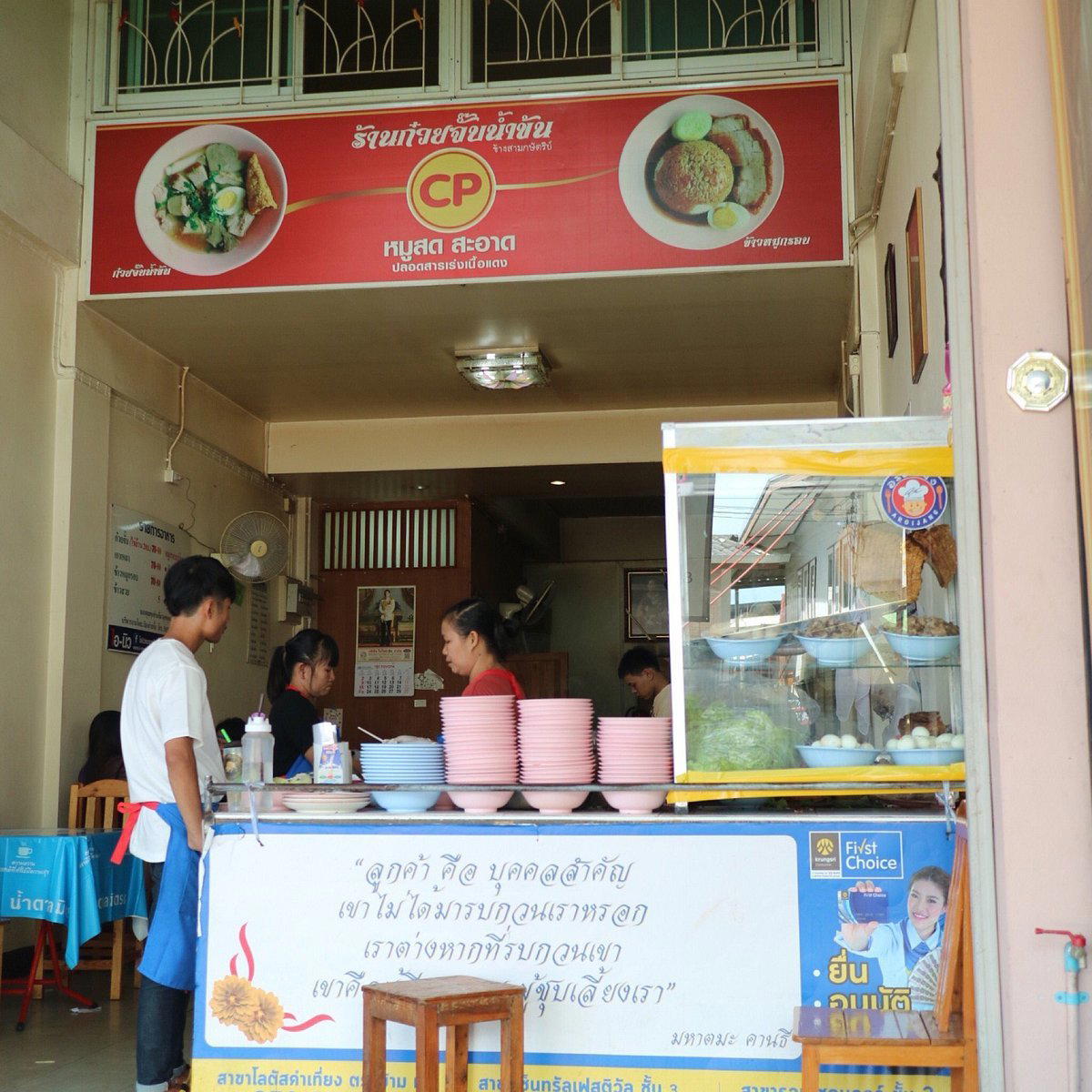
The Bowl That Defines a Northern Thai Morning
In Chiang Mai, the line between breakfast and street culture is thin. The city's morning food scene operates on its own logic: stalls open before dawn, regulars arrive in a sequence as predictable as a commuter train, and the menu rarely changes across decades. Guay Jab Nam Khon belongs to this tradition. Guay jab, the peppery, rolled rice-noodle soup that traces its roots to Chinese-Thai communities across the country, is one of Thailand's more disciplined street dishes. The broth has to carry its weight without shortcuts. The offal must be prepared with care or it overwhelms. At its leading, the format rewards cooks who have made the same bowl thousands of times.
That culinary logic, repeated execution over novelty, is what shapes Chiang Mai's most durable street food addresses. The northern Thai dining tradition has always balanced Chinese-influence dishes like guay jab alongside indigenous Lanna preparations. Markets, shophouses, and pavement stalls have acted as the primary delivery mechanism for this food for generations, with no particular interest in formal dining rooms or tasting menus. Understanding Guay Jab Nam Khon means understanding that context first.
Guay Jab in Context: A Dish With a Clear Lineage
Across Thailand, guay jab splits into two versions: nam sai, a clear broth, and nam khon, the thick, peppery variant that gives this Chiang Mai spot its name. Nam khon leans on a darker, more mineral-forward stock, typically built from pork bones and seasoned with black pepper and coriander root. The noodles are the rolled, tube-shaped rice variety that unfurl in the bowl. Standard accompaniments include braised pork offal, boiled egg, crispy pork crackling, and sometimes firm tofu.
The dish arrived in Thailand through generations of Teochew Chinese immigration, becoming particularly embedded in communities around Bangkok's Chinatown before spreading north. In Chiang Mai, it sits alongside other adopted noodle formats like khao soi and sen lek as part of the city's broader noodle culture, but it occupies a narrower specialist niche. Fewer stalls commit to the nam khon version with the consistency the dish demands.
Guay Jab Nam Khon works within a specialist sub-category that prioritises a single dish executed well over breadth of menu.
Where This Fits in Chiang Mai's Street Food Scene
Chiang Mai's street food operates across a spectrum from floating market spectacle to workaday local canteen. The more interesting addresses sit firmly in the latter category: no English menus, no Instagram-oriented plating, pricing calibrated for the neighbourhood rather than for tourism. The guay jab format, by its nature, sits at the affordable, high-frequency end of that range.
This positioning matters for how you should approach the visit. The atmosphere is functional and communal: shared tables, fast turnover, ambient noise from nearby traffic or market activity. Chiang Mai's food culture has resisted the formality that has overtaken some Thai dining destinations. Sorn in Bangkok represents one end of the Thai fine-dining arc; PRU in Phuket represents another. The restaurant represents the opposite pole: culturally significant, stripped of ceremony.
Within Chiang Mai's broader restaurant picture, the city also offers more formal Thai and international options. Baan Landai and its Phra Pok Klao Road location address northern Thai food with a slightly more structured approach. Aunt Aoy Kitchen and Aquila operate in different registers entirely. For vegetable-forward eating, Aeeen provides an alternative to the pork-heavy guay jab format. The point is that Chiang Mai's food scene is layered enough to support all of these simultaneously, and guay jab occupies a non-negotiable place in that layering.
Planning Your Visit
Stalls specialising in guay jab in Chiang Mai typically operate on morning-to-midday hours, with many selling out before early afternoon. This is worth internalising before planning arrival. The dish is not well-suited to evening dining, and the leading versions are served fresh from an early start. Pricing for guay jab across the city sits at the lower end of the street food range, consistent with its positioning as an everyday working breakfast rather than an occasion meal. No booking infrastructure applies to this format; seating is first-come. For visitors arriving from outside the immediate neighbourhood, the practical advice is to come early, expect to share space, and come prepared to order quickly.
Price and Recognition
Comparable venues nearby, for context on price, style, and recognition.
| Venue | Cuisine | Price | Awards | Notes |
|---|---|---|---|---|
| Guay Jab Nam KhonThis venue — the venue you are viewing | Si Phum, Thai Guay Jab Noodle Soup | $ | Not listed | Not listed |
| ก๋วยจั๊บช้างม่อยตัดใหม่ | Chang Moi, Thai Guay Jub Noodles | $ | Not listed | Not listed |
| ศิริชัย ข้าวมันไก่ตอน | Not listed | $ | Not listed | near Suan Dok Gate Monument, Hainanese Chicken Rice & Khao Soi |
| Khao Soi Mae Manee | Not listed | $ | Not listed | Mueang Chiang Mai, Northern Thai Khao Soi |
| Nam Ngiao Yong | Not listed | $ | Michelin Plate | Mueang Chiang Mai, Northern Thai Khanom Chin Nam Ngiao |
| Khao Soi Lamduan Fa Ham | Not listed | $ | Not listed | Mueang Chiang Mai, Northern Thai Khao Soi |
Continue exploring
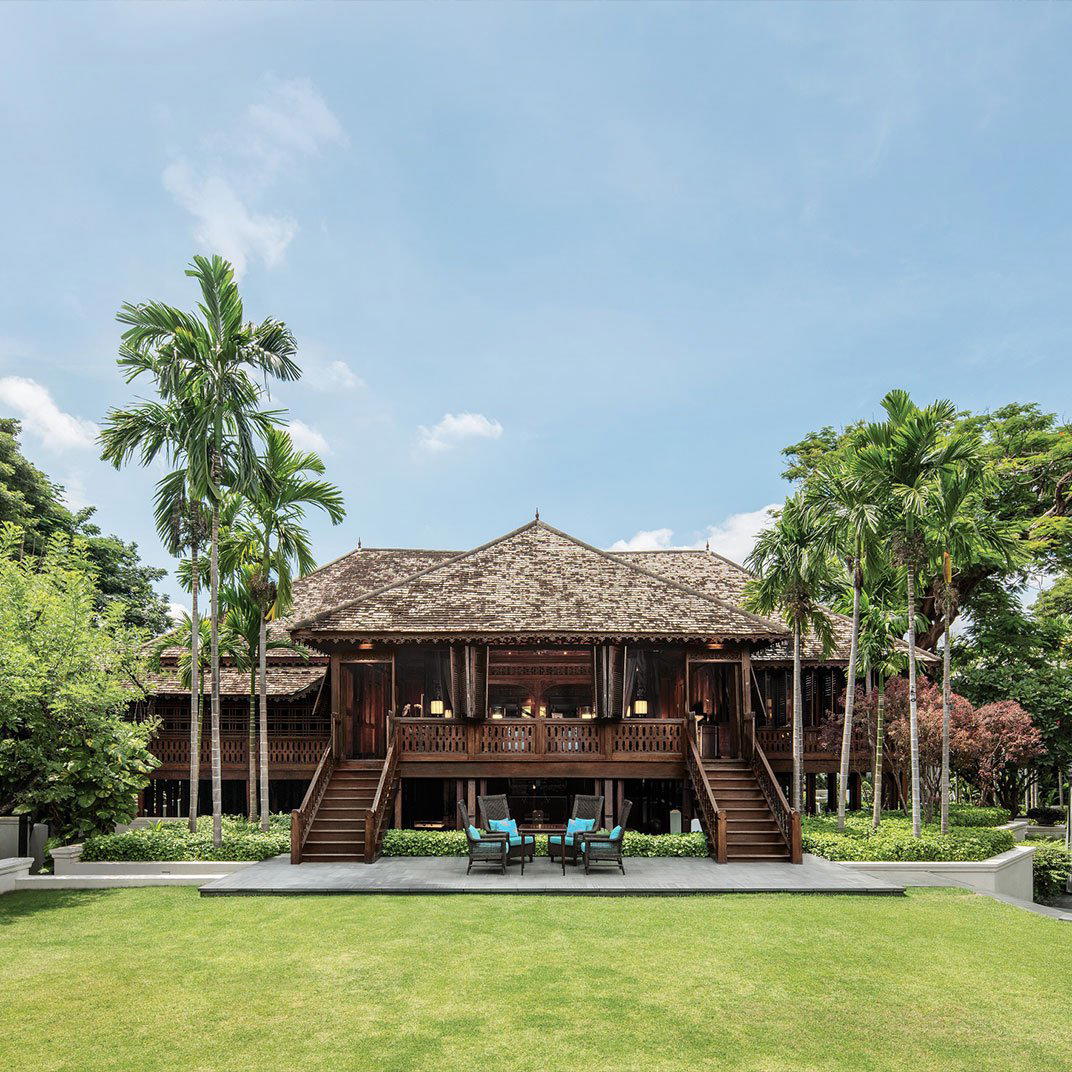
More in Chiang Mai
Restaurants in Chiang Mai
Browse all →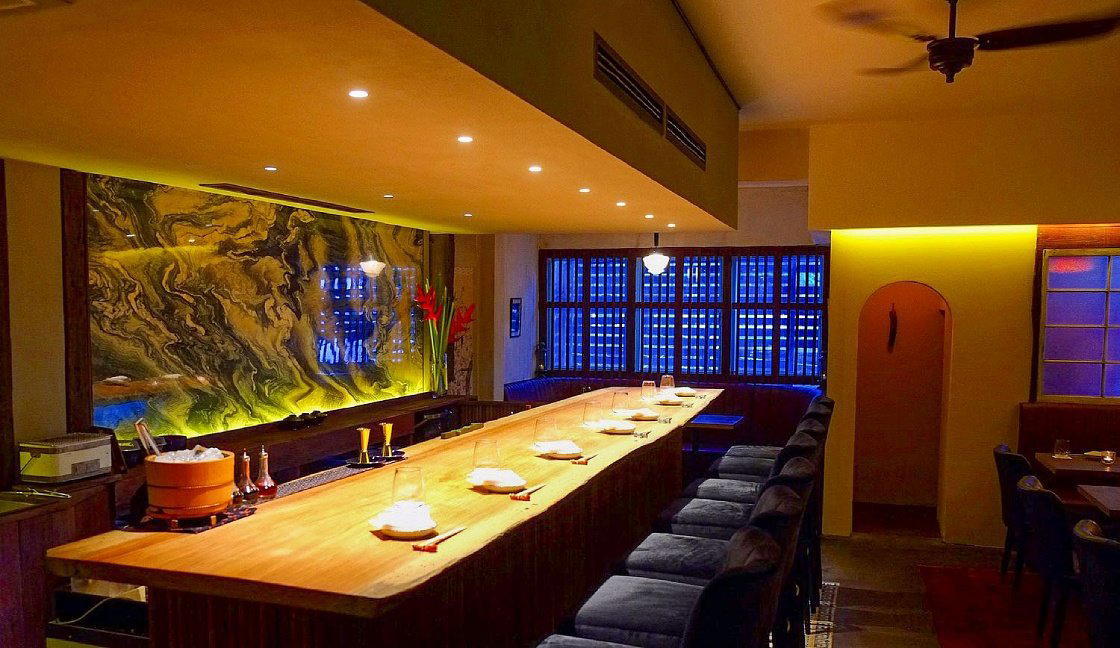
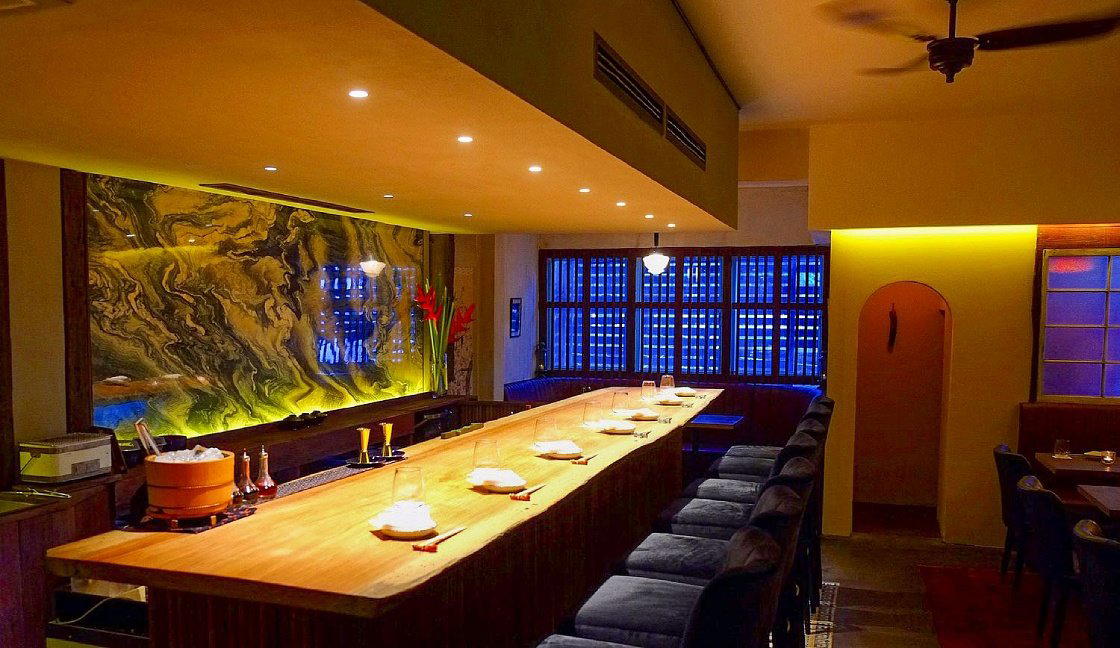
Bars in Chiang Mai
Browse all →

At a Glance
- Rustic
- Casual Hangout
Casual streetside noodle shop atmosphere with a friendly local vibe.