A bistro on a quiet Prenzlauer Berg side street, Caravaggi sits in a Berlin neighbourhood where independent restaurants have long resisted the pressures of the city's more performative dining scene. The address places it in the middle of one of the capital's most food-literate residential pockets, where the emphasis tends toward considered cooking over spectacle.
Pearl is the En Primeur Club membership app — saves, bookings, and concierge access live there. Same editors, same standards.
- Address
- Lettestraße 3, 10437 Berlin, Germany
- Phone
- +493028704411
- Website
- caravagginaturwein.de
- Directions
- Get directions
 Saves & bookings on Pearl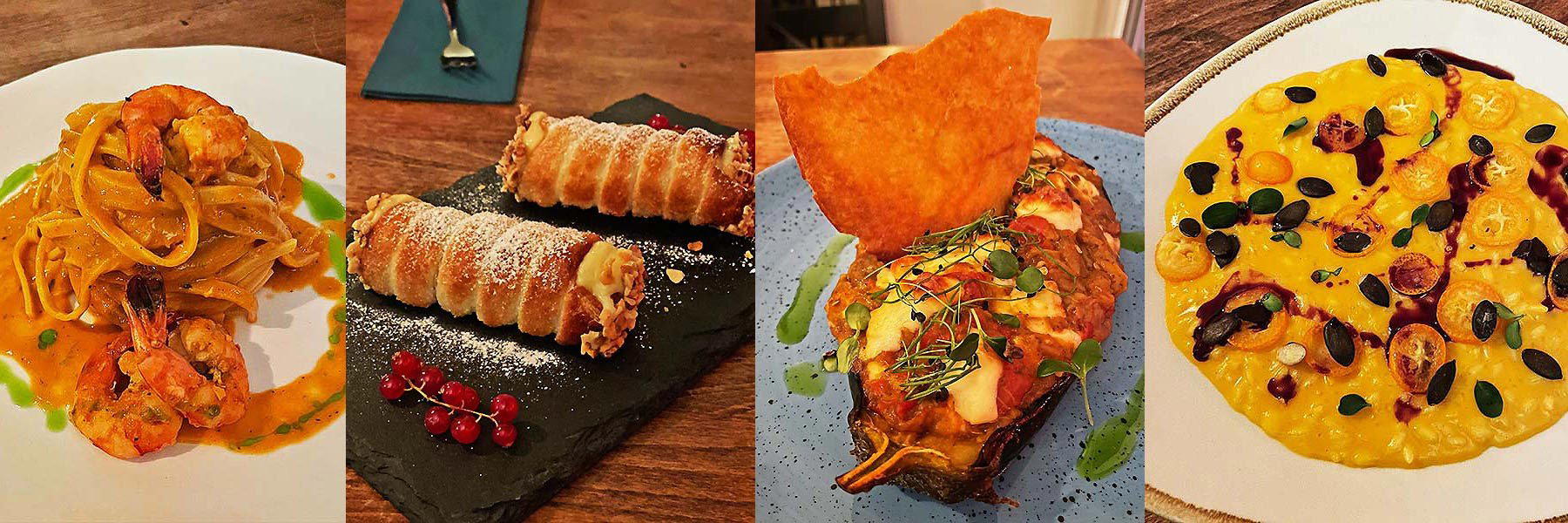
Prenzlauer Berg and the Case for the Neighbourhood Bistro
Berlin's serious dining conversation has long been dominated by the addresses that appear on award shortlists: the counter-format kitchens, the tasting-menu rooms, the restaurants where a reservation is its own kind of credential. Places like Rutz, Nobelhart & Schmutzig, and FACIL operate in that upper register, and they define what the city can do at its most deliberate. But Berlin has always had a parallel track: the neighbourhood bistro, where the appeal is less about ceremony and more about proximity, familiarity, and the kind of cooking that doesn't need a press release to justify itself.
Caravaggi Bistro is a restaurant in Berlin's Prenzlauer Berg, serving contemporary Italian bistro cooking with natural wines and an average price of about $40 per person. It belongs to that second category. The street sits in a part of the city that developed a distinct food identity after reunification, when affordable rents and a concentration of young professionals helped independent operators build a local following. That context matters when reading any restaurant in this neighbourhood: the benchmark here is not the tasting menu but the quality of the daily proposition.
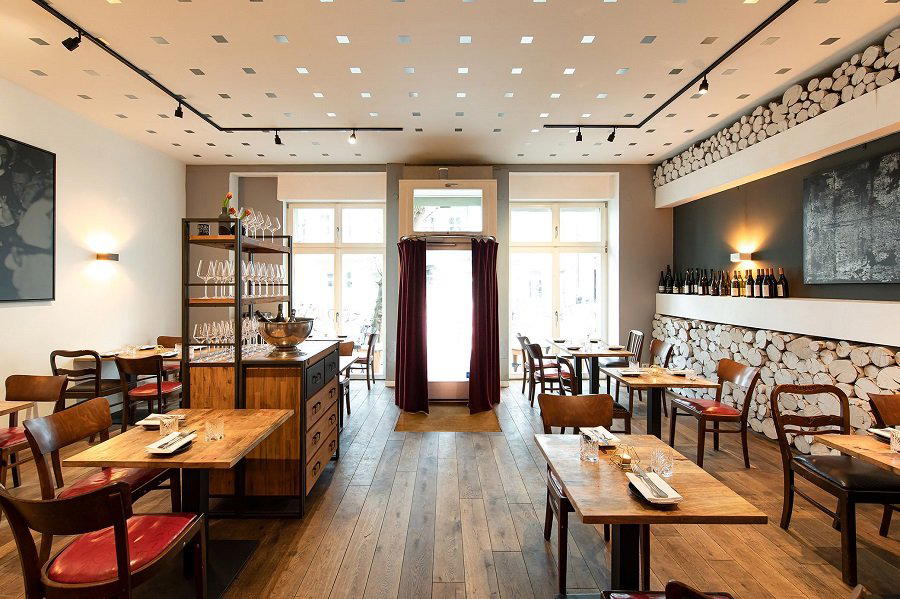
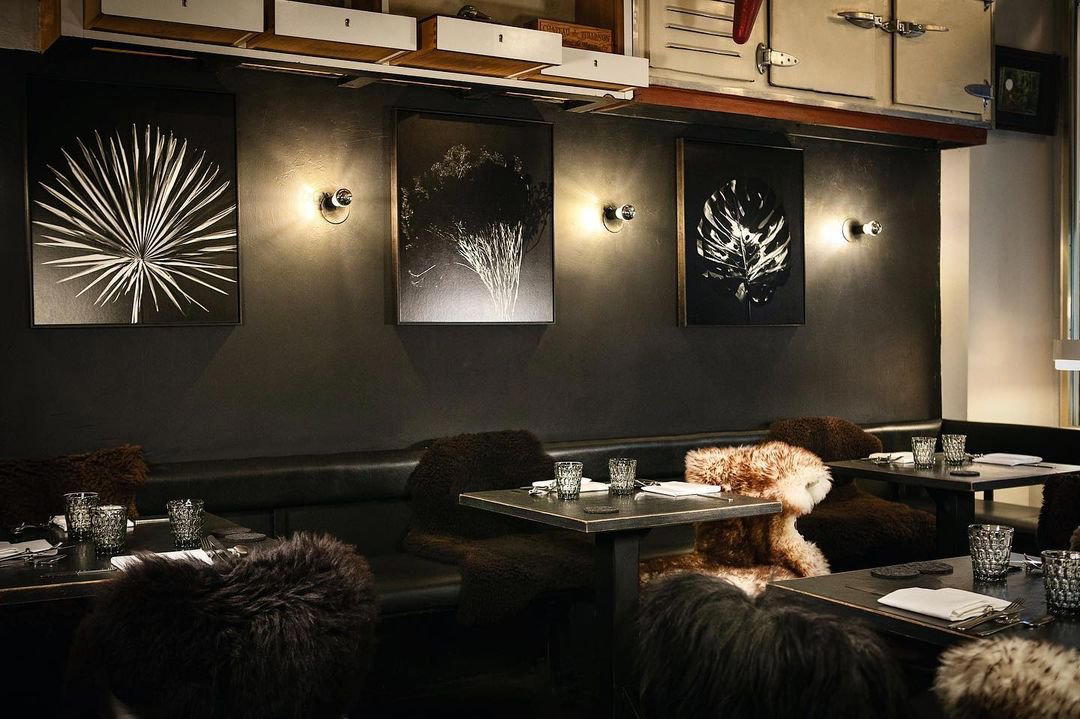
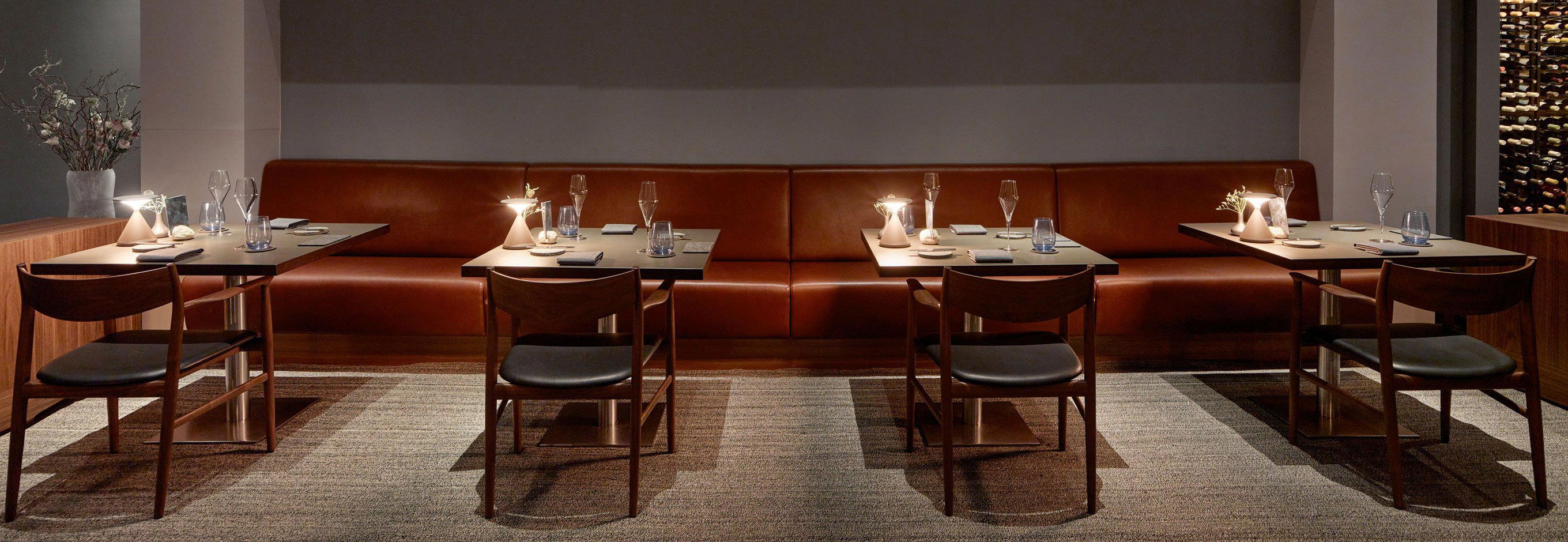
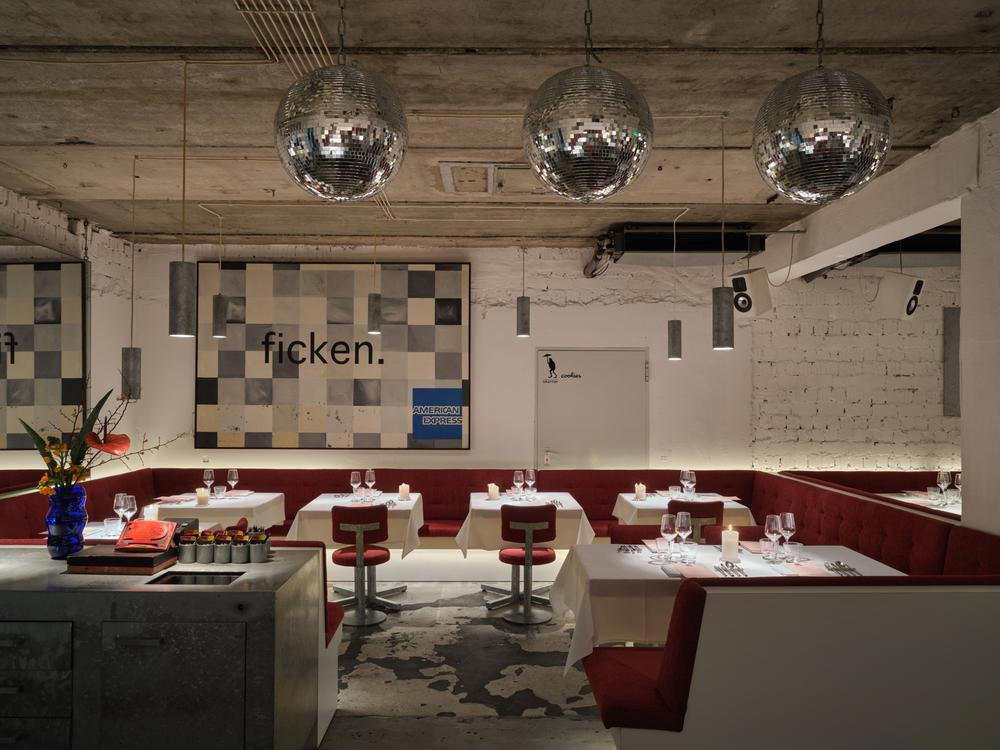
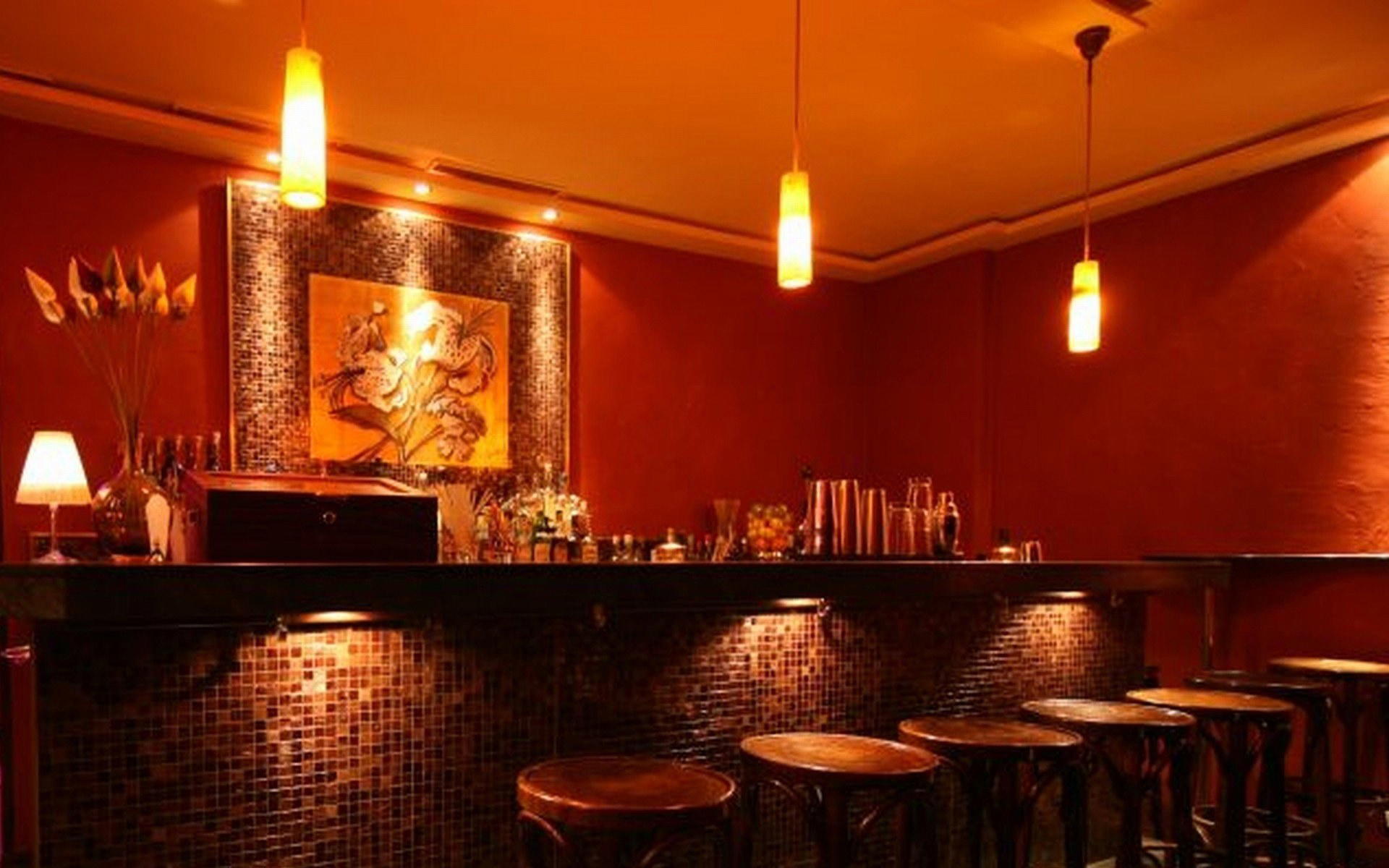
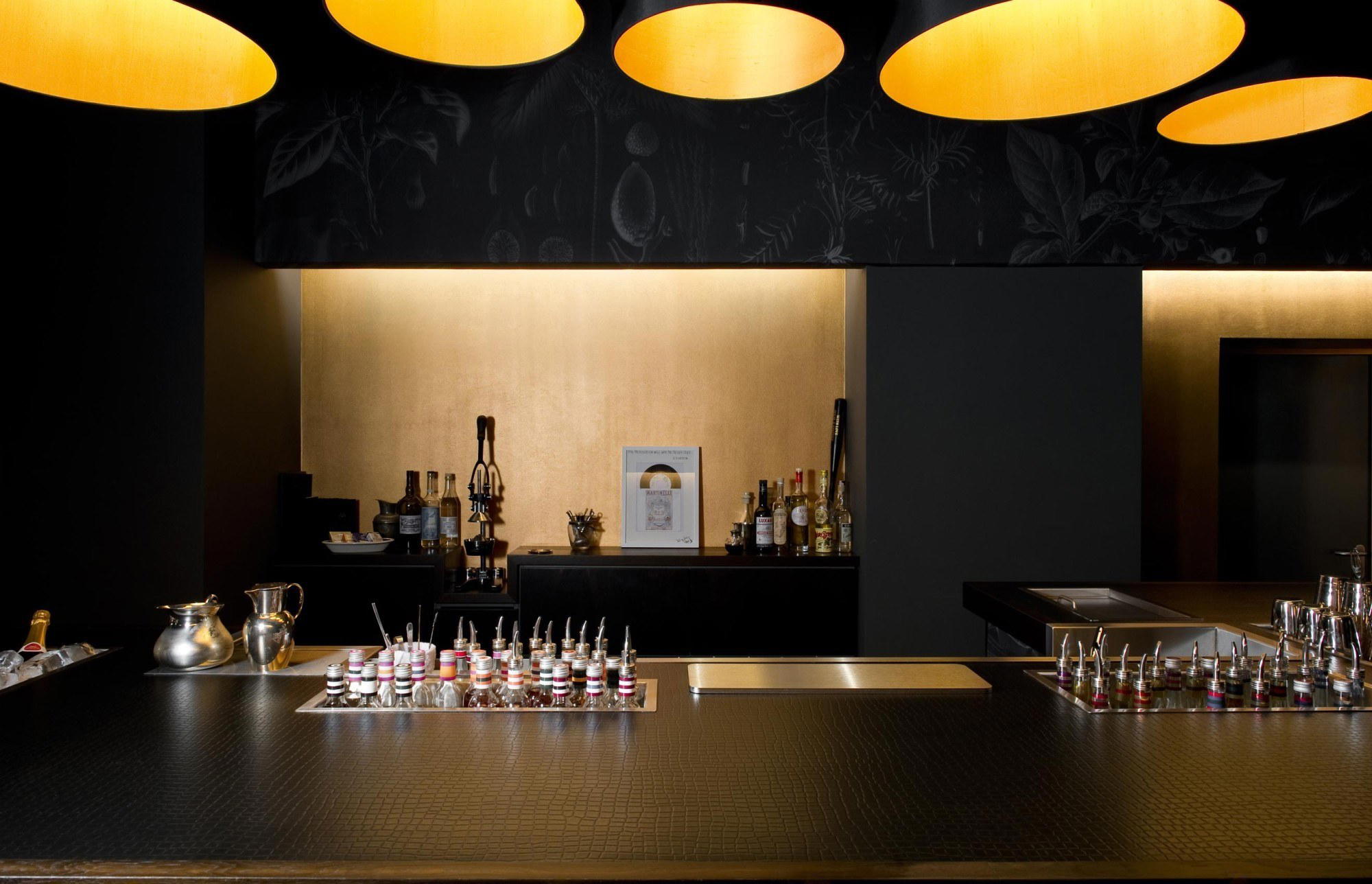
The Room and What It Signals
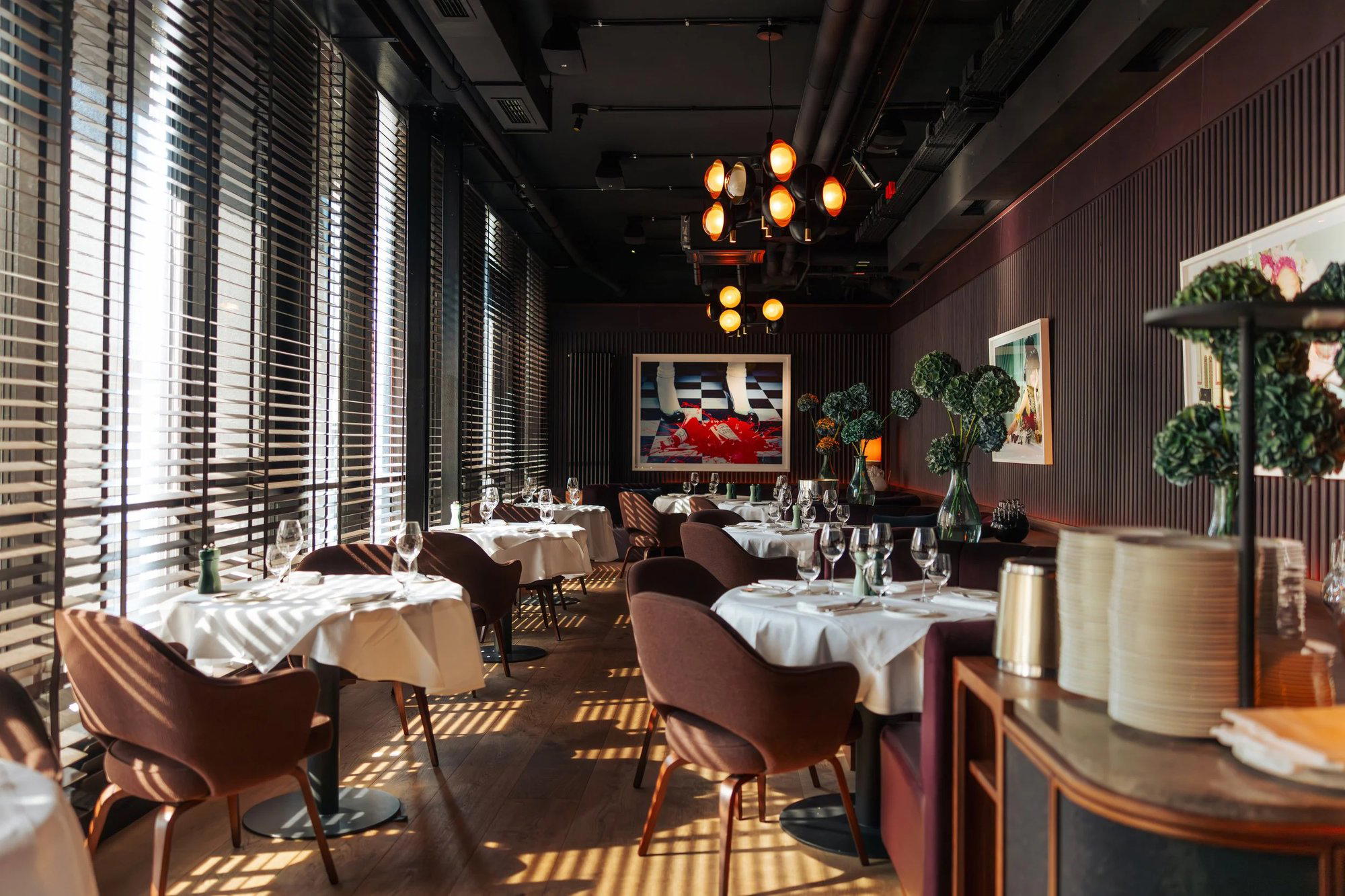
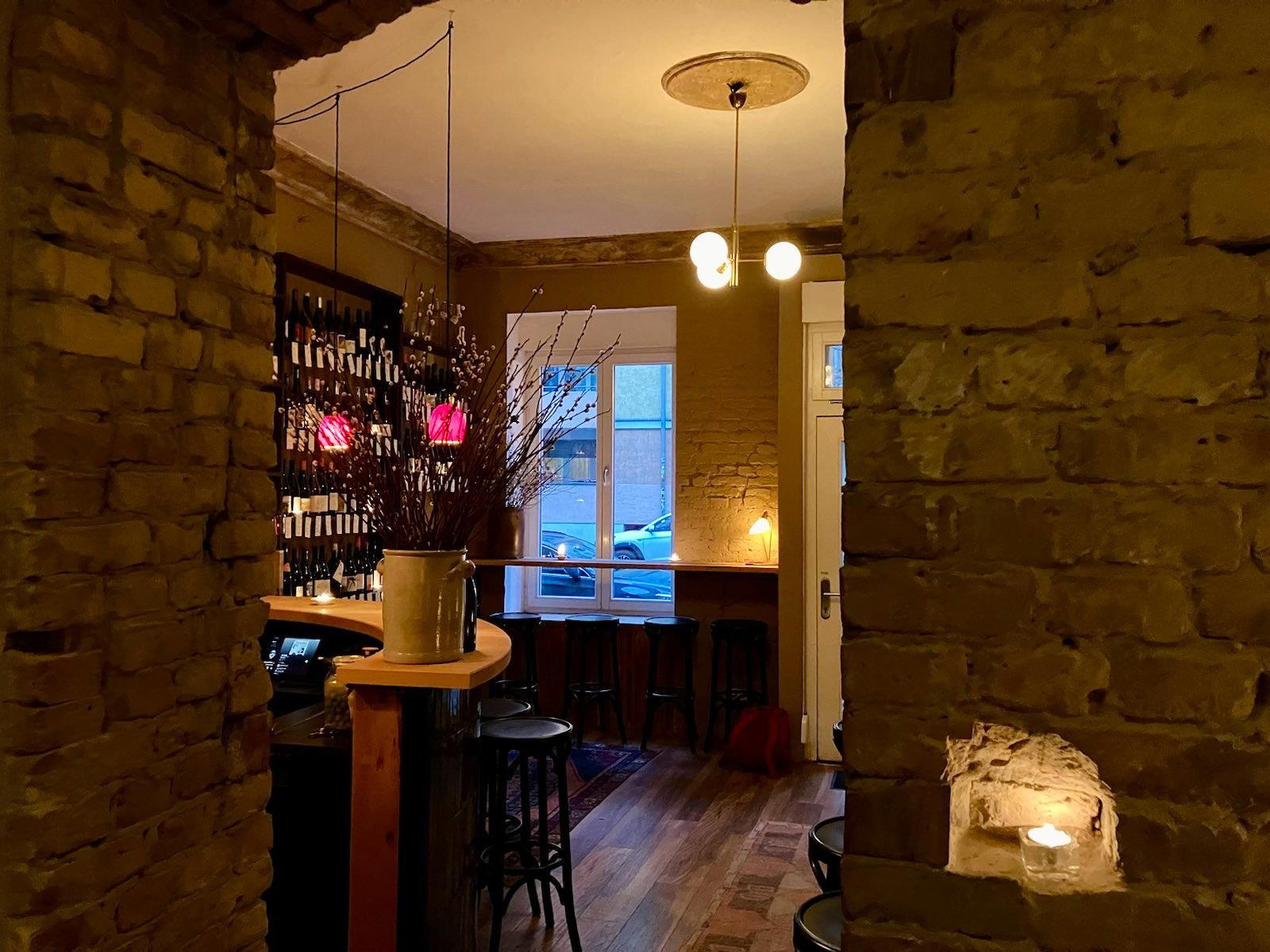
Lettestraße 3 is the kind of address that requires local knowledge or deliberate navigation. The bistro format, as it has evolved across European cities, carries specific spatial expectations: close tables, a room that functions at different tempos across service, and a relationship between the space and the street outside that changes with the light and the season. In Prenzlauer Berg, where the Wilhelmine-era building stock gives most ground-floor spaces high ceilings and generous window lines, bistros tend to feel less compressed than their Parisian counterparts.
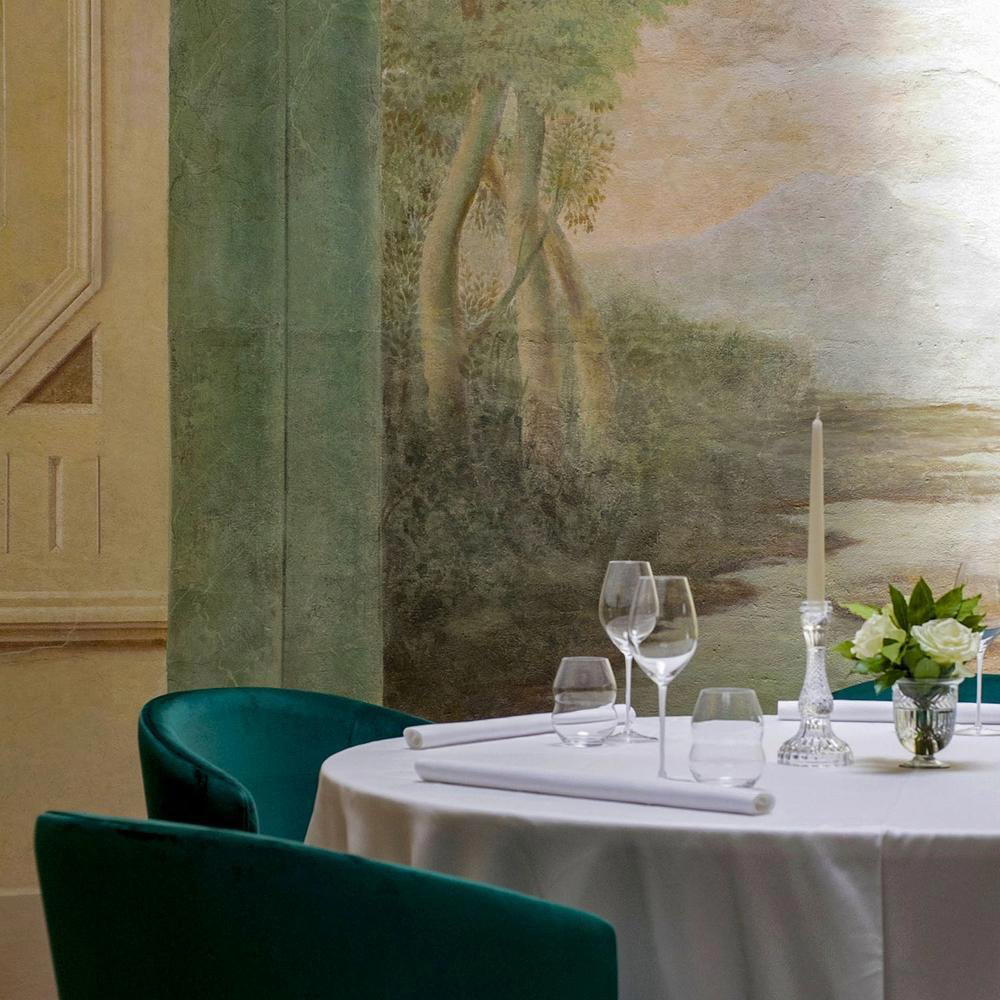
The name Caravaggi itself introduces an art-historical register that is worth noting. It places the venue in a European bistro tradition that often draws on visual culture as a framing device. That is a common enough approach in Berlin's independent restaurant sector, where design and cultural signalling have become increasingly important differentiators.
Wine in the Bistro Register
The wine list is a central part of Caravaggi's appeal. In Berlin's independent restaurant sector, the wine program is a strong indicator of a restaurant's point of view. Many of the city's serious independent bistros and restaurants now build lists around natural wine, small producers, and a mix of Austrian, German, French, and Italian bottles.
Prenzlauer Berg specifically has a track record of supporting this kind of list. The neighbourhood's demographic, skewing toward educated professionals with some disposable income and a stated interest in provenance, has created a market for wine programs that reward curiosity. Bistros in this part of the city tend to succeed when their lists feel assembled rather than purchased, when the selection reflects a specific point of view rather than a distributor's standard package.
Berlin's more acclaimed kitchens approach wine differently depending on their format. CODA Dessert Dining pairs its creative dessert menu with non-standard beverage pairings, while Restaurant Tim Raue leans toward Asian-influenced wine and sake selections. The bistro register, by contrast, calls for a list that serves the table across a full meal without demanding the attention of a tasting-menu pairing.
Across Germany more broadly, the wine list has become a serious differentiating factor at the mid-to-upper tier of independent restaurants. Properties like Schwarzwaldstube in Baiersbronn, Waldhotel Sonnora in Dreis, and Vendôme in Bergisch Gladbach maintain cellars that function as genuine editorial statements. The bistro equivalent of that commitment looks different in scale but not necessarily in conviction.
Placing Caravaggi in the Berlin Dining Map
Berlin's restaurant geography has become more differentiated over the past decade. Mitte and Kreuzberg carry the majority of the city's recognised fine dining, while Charlottenburg retains a more conservative, old-West-Berlin dining culture. Prenzlauer Berg occupies a middle position: more residential and settled than Neukölln, more independent-minded than the tourist-facing corridors of the centre.
For visitors building a Berlin dining itinerary, the neighbourhood offers a useful counterpoint to the more structured experiences available elsewhere in the city. An evening at a Prenzlauer Berg bistro, read alongside a lunch at somewhere like FACIL or a dinner at Nobelhart & Schmutzig, gives a more complete picture of what Berlin's food culture actually encompasses. The city's full restaurant guide maps these different registers in more detail.
For international comparison, the neighbourhood bistro model has close analogues in cities like New York and San Francisco. The distinction matters: a bistro in Prenzlauer Berg is not trying to compete with Le Bernardin in New York or with the Michelin-decorated rooms in German cities like Hamburg's Restaurant Haerlin or Munich's JAN. It is operating within a different set of expectations, and the measure of success is whether it meets those expectations consistently.
That consistency is what the neighbourhood bistro format promises. For Caravaggi, the Prenzlauer Berg address is both an advantage and a standard: the neighbourhood has enough restaurant literacy to recognise when something is working and enough alternatives to move on when it isn't.
Know Before You Go
- Address: Lettestraße 3, 10437 Berlin, Germany
- Neighbourhood: Prenzlauer Berg, Berlin
- Phone: not listed
- Website: not listed
- Price range: About $40 per person before wine
- Getting there: U-Bahn to Schönhauser Allee (U2) or Eberswalder Straße (U2), both within walking distance of Lettestraße
Cuisine-First Comparison
Comparable venues nearby, for context on price, style, and recognition.
| Venue | Cuisine | Price | Notes |
|---|---|---|---|
| Caravaggi BistroThis venue — the venue you are viewing | Contemporary Italian Bistro with Natural Wines | $$$ | Not listed |
| Como Berlin | Contemporary Italian inspired by Japanese cuisine | $$$ | Charlottenburg |
| Pascarella | Modern Sicilian-Italian with Dry-Aged Steaks | $$$ | Charlottenburg |
| Ponte | Modern Italian Trattoria | $$$ | Schoneberg |
| Lavanderia Vecchia | Rustic Italian Trattoria | $$$ | Neukolln |
| Osteria Culaccino | Italian Fine Dining | $$$ | Charlottenburg |
At a Glance
- Cozy
- Elegant
- Intimate
- Date Night
- Special Occasion
- Wine Cellar
- Natural Wine
- Extensive Wine List
- Organic
- Local Sourcing
Current opening hours
- Monday
- Closed
- Tuesday
- 6:30–11 PM
- Wednesday
- 6:30–11 PM
- Thursday
- 6:30–11 PM
- Friday
- 6:30–11 PM
- Saturday
- 6:30–11 PM
- Sunday
- Closed
Hours can change for holidays and private events. Last verified .
Cozy bistro atmosphere with focus on authentic Italian natural wine experience.