Mama San occupies a converted colonial shophouse on Jalan Raya Kerobokan, the strip that anchors Bali's most concentrated run of destination dining. Operating in a neighbourhood where international creative kitchens and Indonesian-rooted menus share the same street, it represents a format that has become central to Kerobokan's identity: grown-up, mid-week-capable, and serious enough to draw visitors from Seminyak and Canggu without being a tourist-trap production.
Pearl is the En Primeur Club membership app — saves, bookings, and concierge access live there. Same editors, same standards.
- Address
- Jl. Raya Kerobokan No.135, Kerobokan Kelod, Kec. Kuta Utara, Kabupaten Badung, Bali 80361, Indonesia
- Phone
- +6281806126700
- Website
- mamasanbali.com
- Directions
- Get directions
 Saves & bookings on Pearl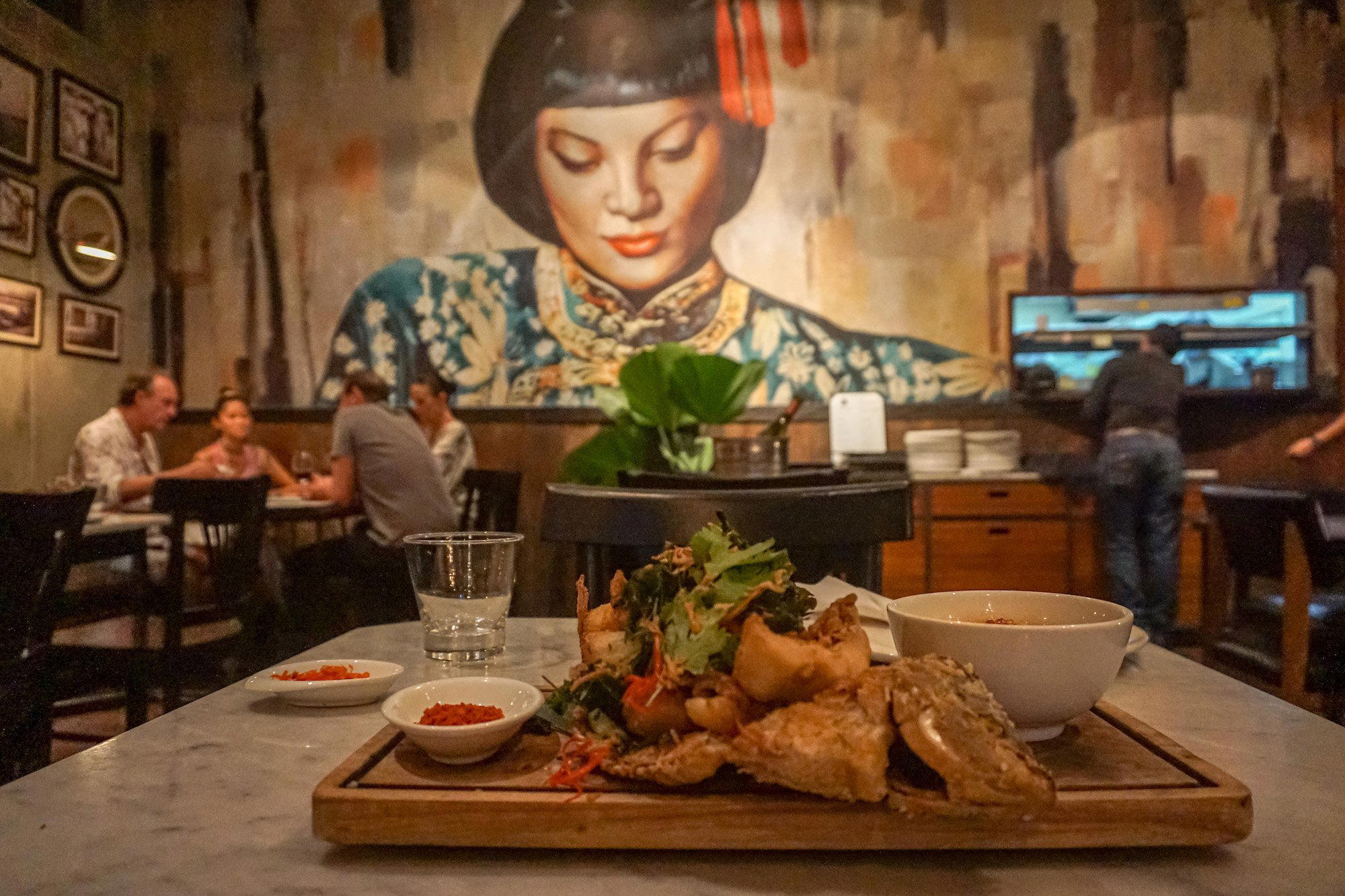
Kerobokan's Dining Corridor and Where Mama San Sits Within It
Jalan Raya Kerobokan is not the loudest street in Badung, but it may be especially consequential for anyone tracking how Bali's restaurant scene has evolved over the past fifteen years. The road connects the commercial density of Seminyak to the quieter residential stretch approaching Canggu, and along the way it has accumulated a corridor of restaurants that operate at a register distinct from the beach-club circuit to the south. These are kitchens built for repeat customers, for long tables on warm evenings, for food that asks for some attention. Mama San, at No. 135, is a restaurant serving modern Southeast Asian street food at roughly $40 per person.
The address puts it inside Kerobokan Kelod, the southern sub-district of Kerobokan, where the neighbourhood's character is most readable: half-renovated shophouses, art spaces tucked behind walls, and restaurants that draw a genuinely mixed crowd of long-term expats, Jakartans on a villa week, and international visitors who have done enough research to leave the tourist menus behind.
The Format That Made the Address
Southeast Asian dining in Bali has historically split between two modes: the warungs and mid-market Indonesian spots that serve the island's actual population, and the international-facing restaurants that cater to visitors at refined price points. The more interesting category, which expanded significantly through the 2010s, sits between those poles: restaurants drawing on pan-Asian culinary traditions with enough technique and sourcing discipline to hold their own against comparable kitchens in Singapore, Bangkok, or Jakarta. Mama San belongs to that category. Its format, a multi-level converted space with Asian-inflected cooking, positions it alongside the kind of venue you would compare to Akademi or Bikini Restaurant Bali in terms of setting and ambition, even if the culinary register differs.
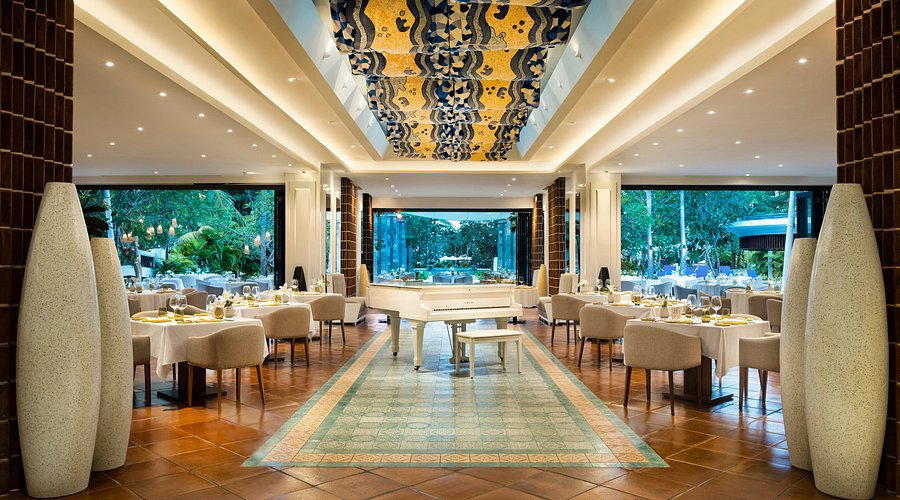
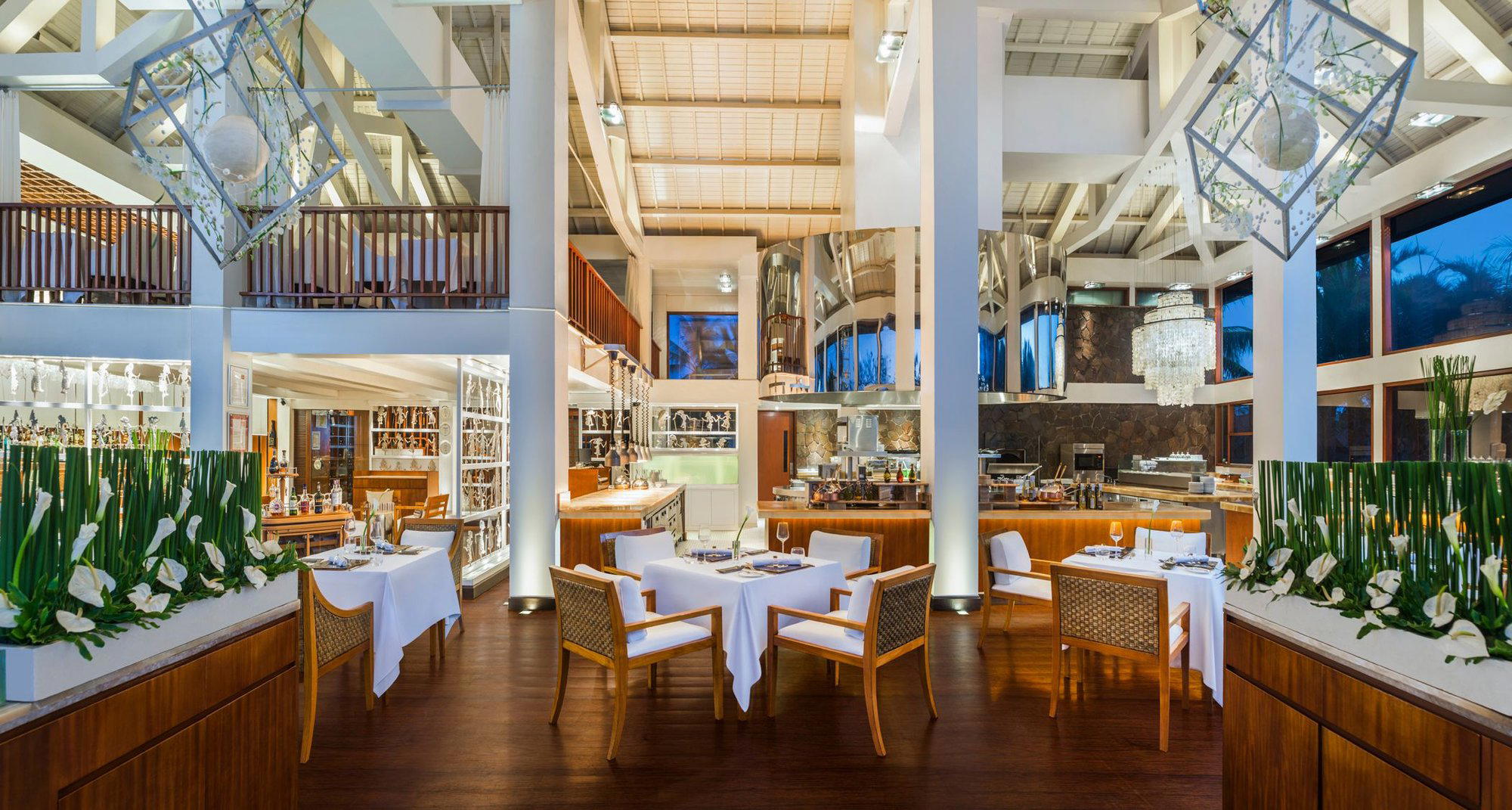
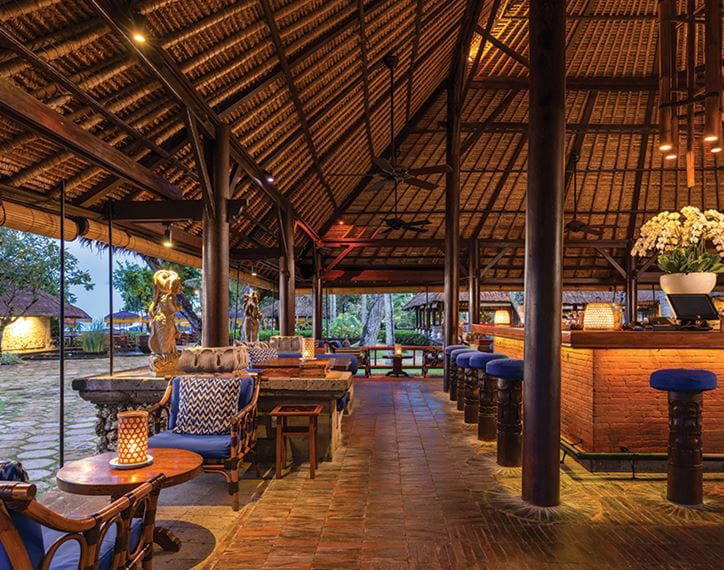
The colonial shophouse format has been good to Kerobokan's better restaurants. High ceilings, tiled floors, and layered indoor-outdoor thresholds create a physical environment that Mediterranean and purpose-built beach-front venues struggle to replicate. The restaurant's building fits this pattern: the architecture does meaningful work before the kitchen has to. That said, a converted space is only as good as the operation inside it, and the restaurant's longevity on this stretch suggests the format has been sustained rather than coasting on the building's bones.
Place in the Regional Dining Conversation
Bali's more ambitious kitchens tend to cluster in one of two areas: the Kerobokan-Seminyak-Canggu band in Badung, or the Ubud corridor in Gianyar regency. The Ubud end of that axis has attracted venues with explicitly local sourcing programs, among them Locavore NXT, which has positioned Ubud as a serious destination for ingredient-driven Indonesian cooking. The Badung end tends toward a more internationally oriented register, with cuisines from across Southeast and East Asia appearing alongside European-influenced menus. The restaurant occupies that zone: it is less focused on hyper-local Balinese produce as subject matter and more interested in pan-Asian cooking as a creative frame.
That places it in a different conversation from Ayam Betutu Khas Gilimanuk, which is explicitly rooted in Balinese culinary tradition, or Coco Bistro Tanjung Benoa further south, and places it closer to the international creative kitchens that have come to define Kerobokan's particular niche. At the broader Indonesian level, venues like August in Jakarta and Kita in Kecamatan Menteng represent the direction Jakarta's premium dining scene has moved, while Bali's version of that ambition continues to develop along Kerobokan's main road.
Neighbourhood Timing and Practical Orientation
Kerobokan restaurants generally run busiest from Thursday through Saturday, when the weekly rhythm of villa rentals brings a fresh wave of visitors from Seminyak and Canggu who are looking for something more considered than poolside grills. The restaurant's position on Jalan Raya Kerobokan makes it reachable by scooter or a short ojek ride from most Seminyak accommodation, and the address is well-indexed by most local drivers. The surrounding block includes a mix of retail and residential use, so arrival by car requires attention to the narrow gang access points typical of this stretch.
For dining comparison at restaurants with more explicit culinary documentation across the Indonesian archipelago, it is worth considering what the broader scene offers: Barbacoa brings a European grill format to the same general neighbourhood, while venues further afield like Jungle Fish Bali in Gianyar prioritise setting as much as kitchen. Across the wider Indonesian dining landscape, Hwang Fu Dimsum in Tangerang, Chongqing Liuyishou Hotpot in South Jakarta, and Hai Di Lao in Central Jakarta mark the range of Asian culinary formats drawing serious audiences.
What Kerobokan's Longevity Test Means for Mama San
Restaurants on Jalan Raya Kerobokan face a specific durability challenge. The street attracts enough passing trade to keep a mediocre operation alive for a season, but retaining a local and expat repeat base over multiple years requires something more: consistent kitchen output, a room that functions on a Tuesday as well as a Saturday, and a format that does not depend entirely on novelty. The venues that have lasted on this strip tend to have resolved those questions in their second or third year.
Compact Comparison
Comparable venues nearby, for context on price, style, and recognition.
| Venue | Cuisine | Price | Notes |
|---|---|---|---|
| Mama SanThis venue — the venue you are viewing | Not listed | $$$ | Not listed |
| KU DE TA | Seminyak, Modern Asian Fusion Beach Club | $$$$ | Not listed |
| SKOOL Kitchen | Canggu, Modern Open-Fire Coastal Cuisine | $$$ | Not listed |
| Cuca Restaurant | Not listed | $$$ | Jimbaran, Indonesian-Western Fusion Tapas |
| Lulu Bistrot | Canggu, French Bistro | $$$ | Not listed |
| Ground Zero Kitchen | Kuta, Fusion Italian-American-Indonesian | $$ | Not listed |
Continue exploring
More in Badung
Restaurants in Badung
Browse all →
At a Glance
- Trendy
- Lively
- Modern
- Energetic
- Sophisticated
- Well Known
- Casual Hangout
- Group Dining
- After Work
- Date Night
- Live Music
- Open Kitchen
- Design Destination
- Craft Cocktails
- Extensive Wine List
Current opening hours
- Monday
- 12–2:30 PM, 5:30–10:30 PM
- Tuesday
- 12–2:30 PM, 5:30–10:30 PM
- Wednesday
- 12–2:30 PM, 5:30–10:30 PM
- Thursday
- 12–2:30 PM, 5:30–10:30 PM
- Friday
- 12–2:30 PM, 5:30–10:30 PM
- Saturday
- 12–2:30 PM, 5:30–10:30 PM
- Sunday
- 12–2:30 PM, 5:30–10:30 PM
Hours can change for holidays and private events. Last verified .
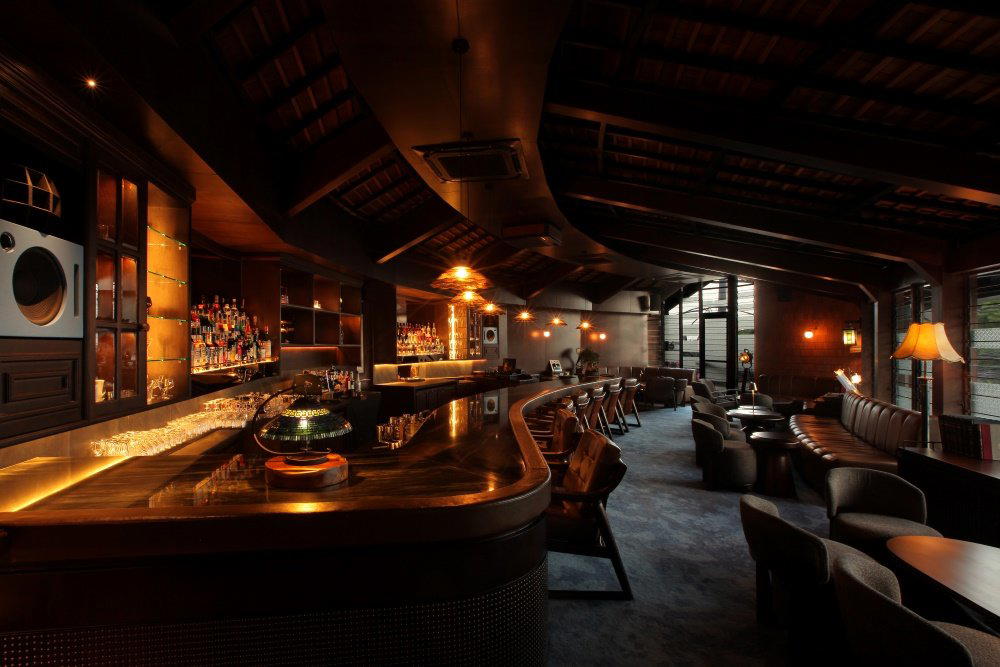
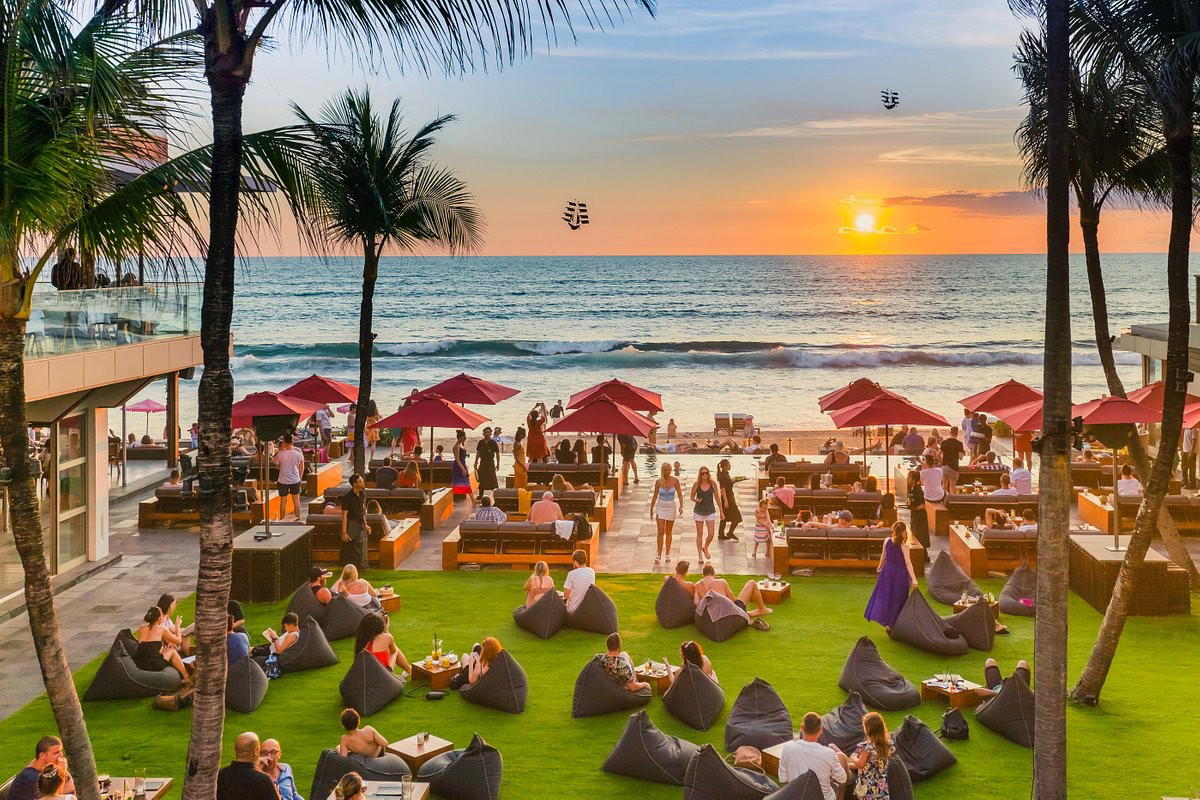
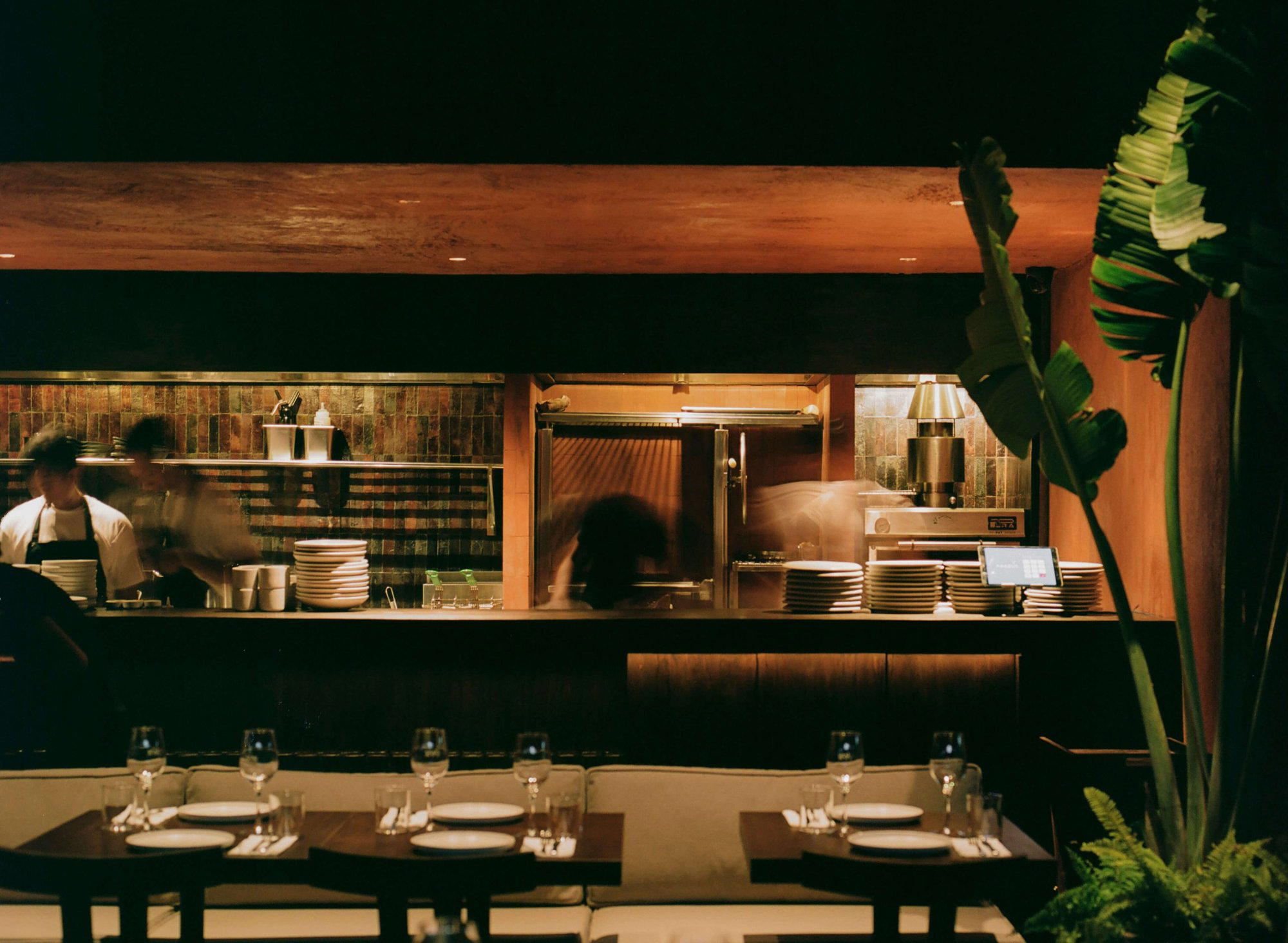
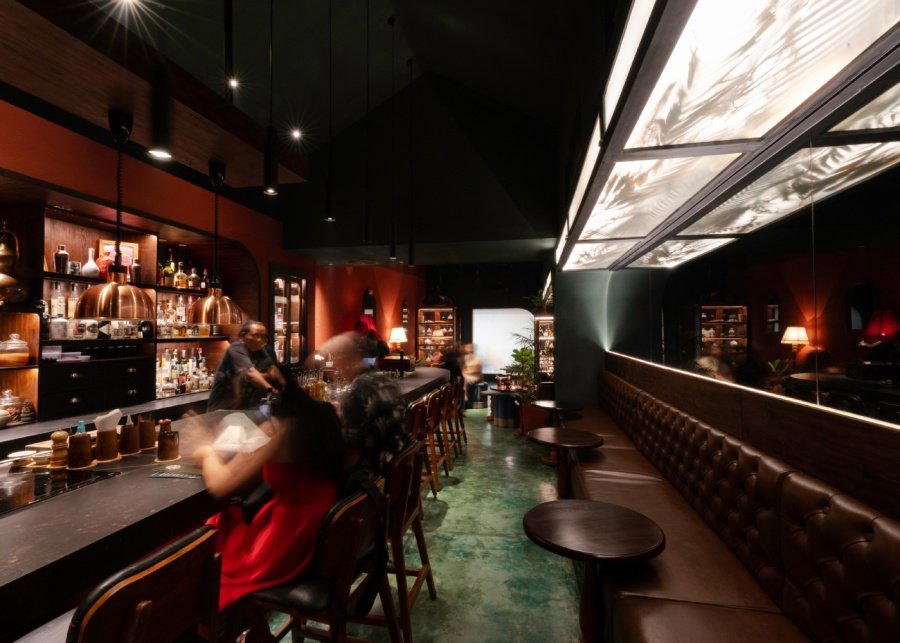
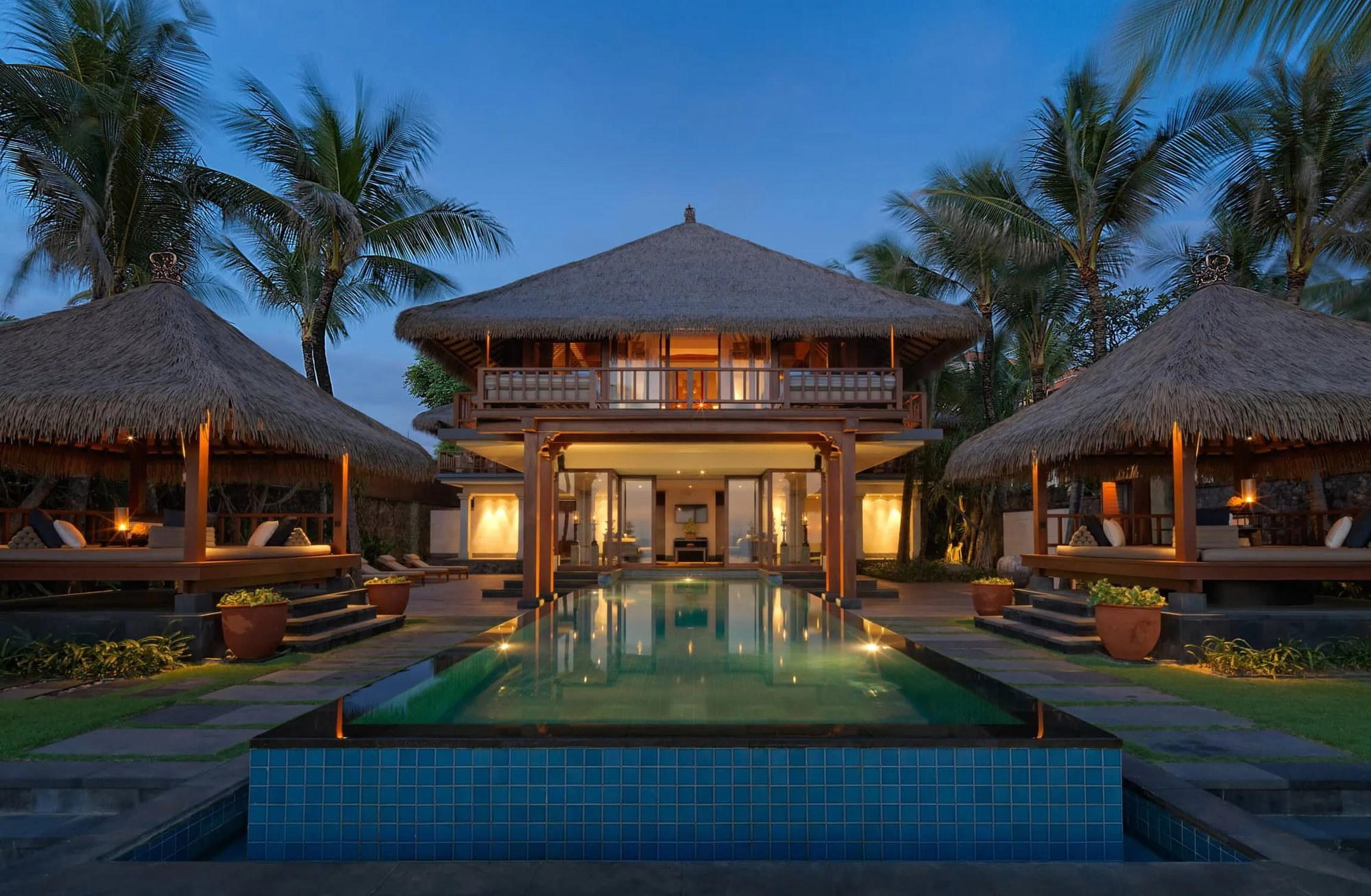
Retro-cool warehouse space with vintage mirrors, exposed brick, dark wood, and Shanghai speakeasy styling; buzzy, energetic atmosphere with hand-painted murals and pulsating big-room energy.