KU DE TA occupies a position on Seminyak's beachfront that has defined how Bali's premium leisure scene presents itself to the world. The venue sits at the intersection of open-air dining, beach club culture, and the kind of sourcing-aware cooking that southern Bali's better operators have moved toward over the past decade. It remains a reference point in the Badung conversation about where atmosphere and food quality actually meet.
Pearl is the En Primeur Club membership app — saves, bookings, and concierge access live there. Same editors, same standards.
- Address
- Jl. Kayu Aya No.9, Seminyak, Kec. Kuta, Kabupaten Badung, Bali, Indonesia
- Phone
- +6262361736969
- Website
- kudeta.com
- Directions
- Get directions
 Saves & bookings on Pearl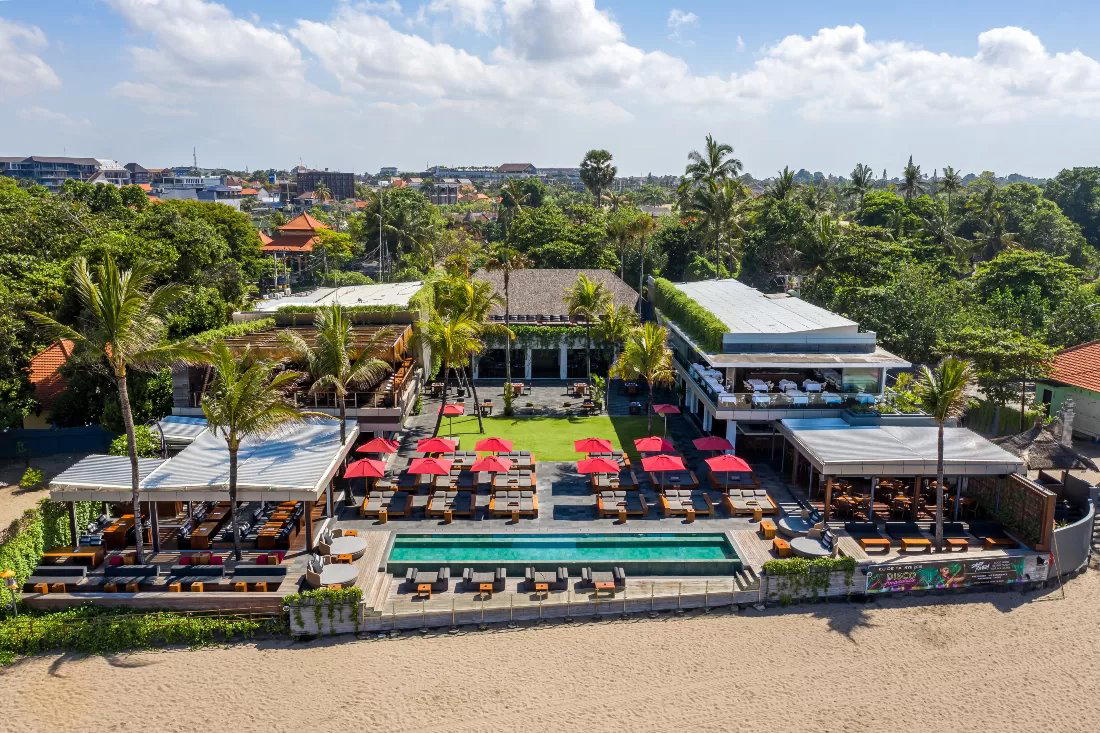
Where Seminyak's Beach Club Format Matured
The stretch of Seminyak beachfront along Jalan Kayu Aya tells a specific story about how Bali's hospitality scene evolved from backpacker-era warungs into something more considered. Over roughly two decades, a handful of operators redefined what a beach-adjacent venue could be in this part of Indonesia, moving the format away from plastic furniture and buckets of Bintang toward open architecture, curated playlists, and menus that at least gesture toward ingredient provenance. KU DE TA, at number 9 on that same street, is a modern Asian fusion beach club in Seminyak, Bali.
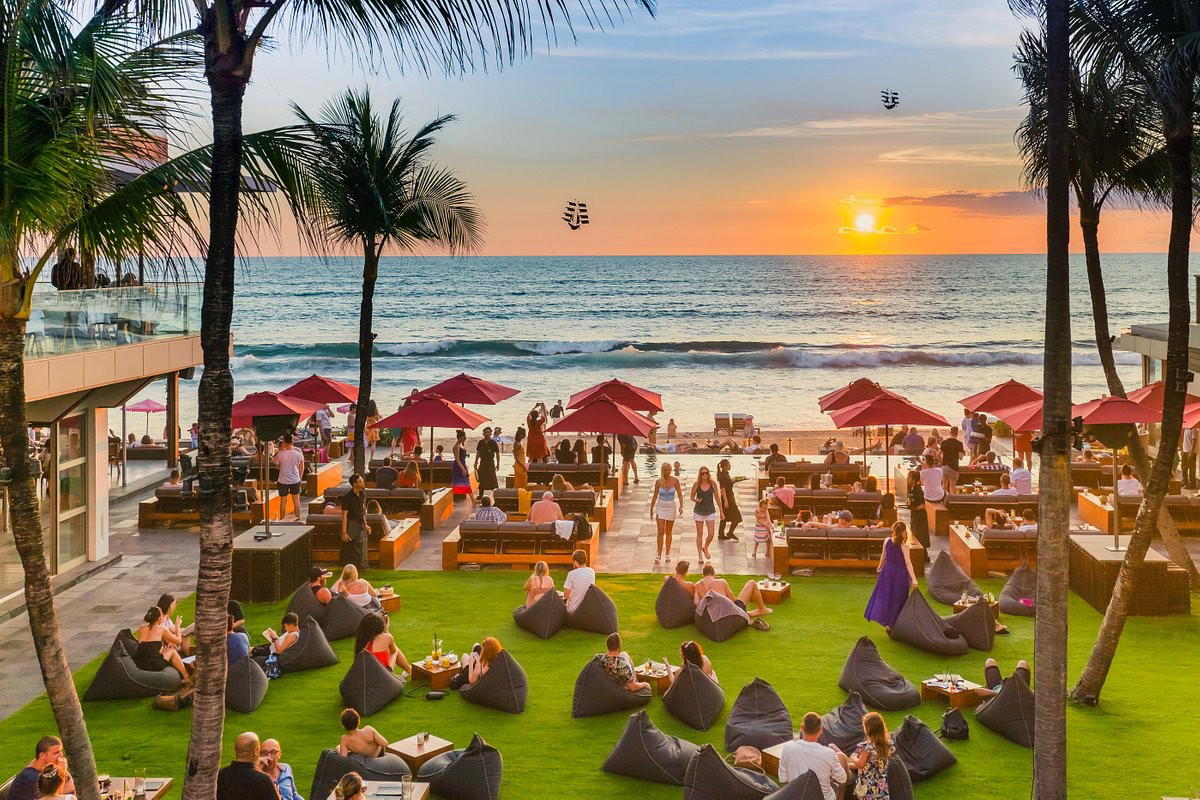
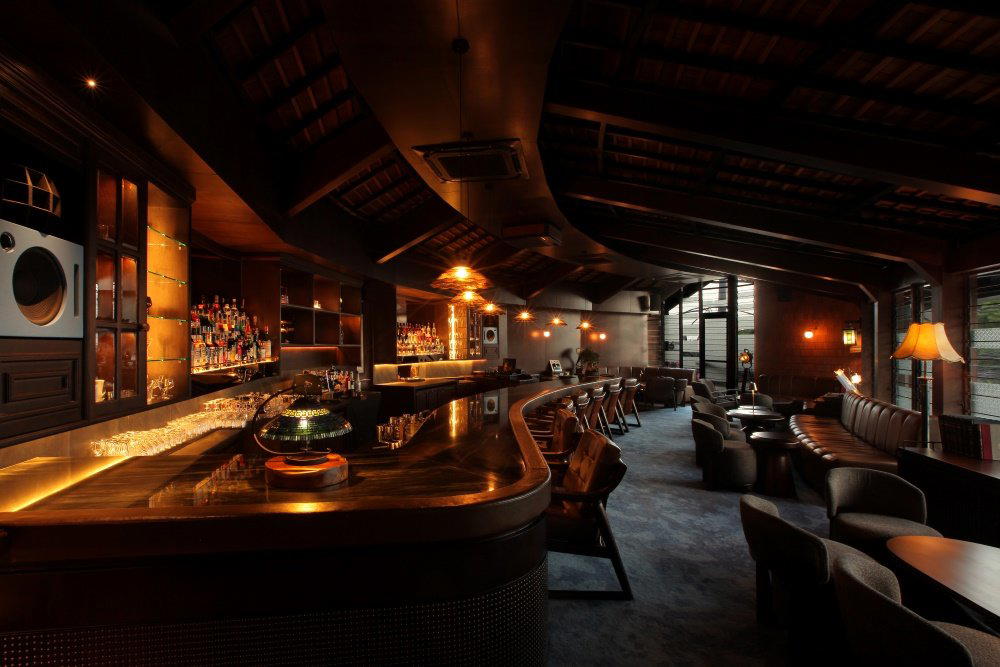
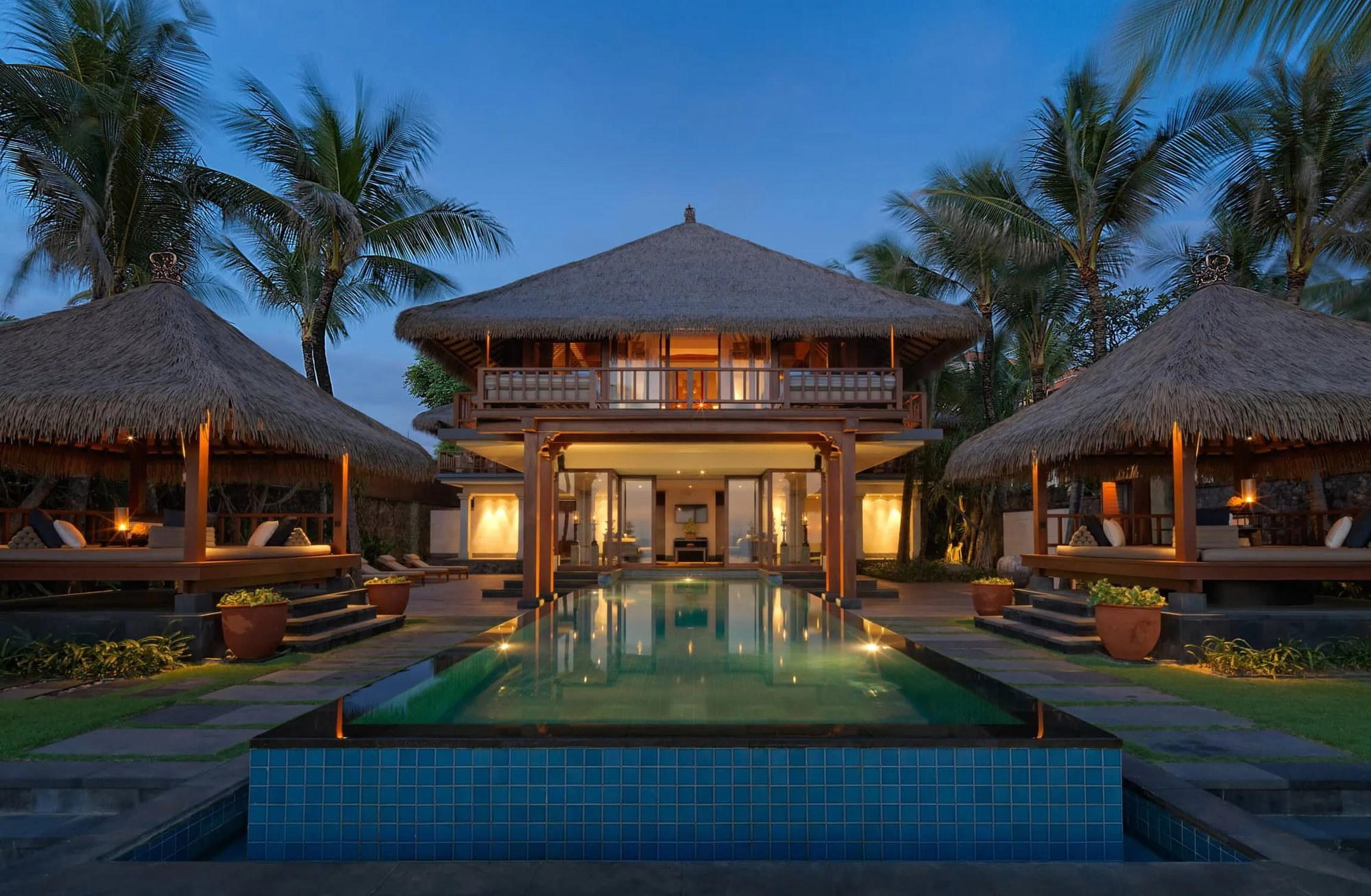
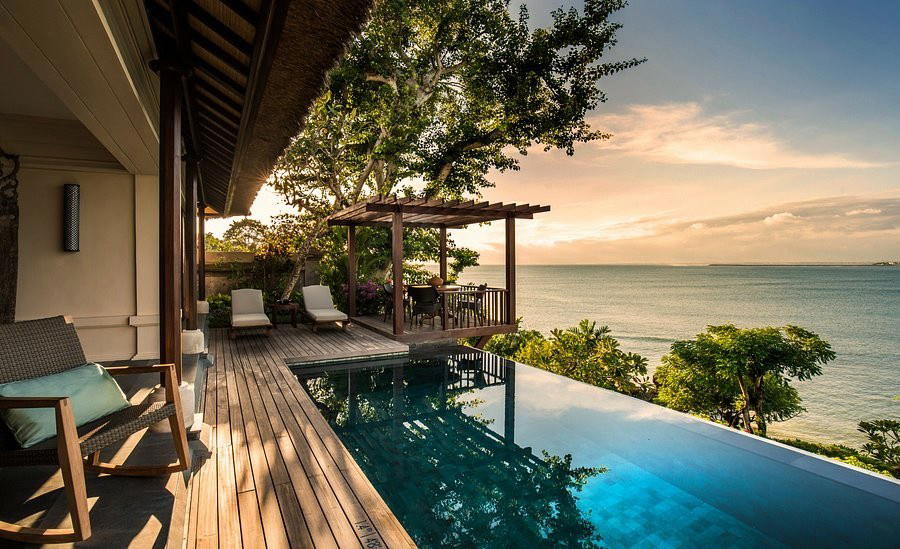
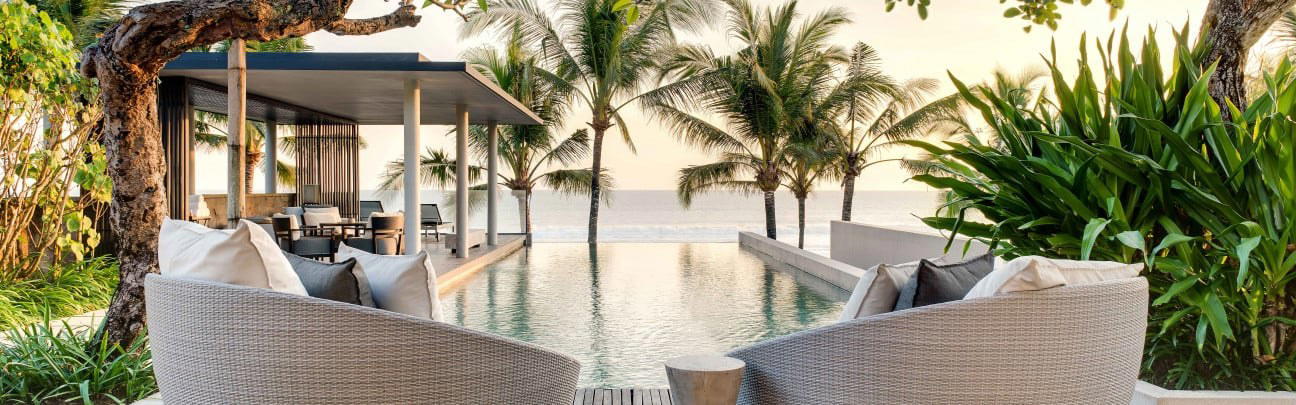
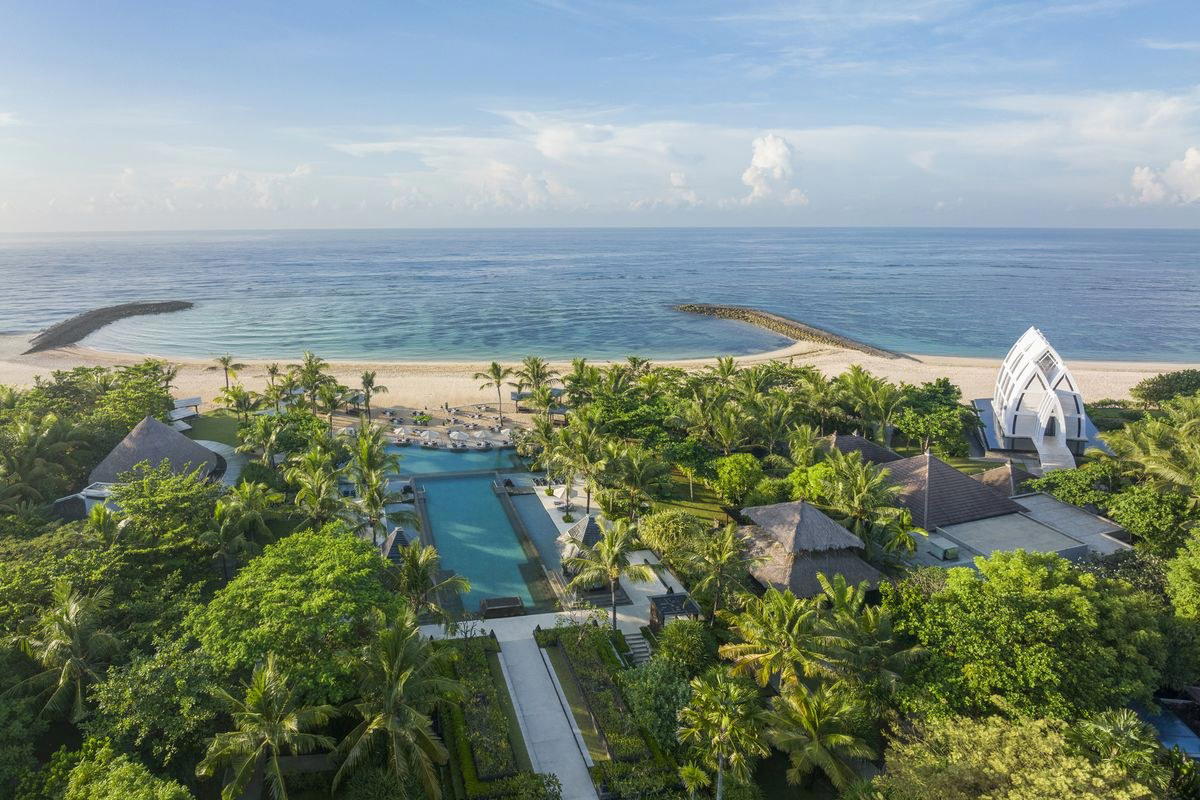
The physical setting does most of the orientation work. The Indian Ocean comes into view almost immediately, and the structure is built to take advantage of it, with open-sided sections that catch the afternoon breeze off the water. This is not incidental design. Seminyak's high-end beach clubs compete partly on the quality of their sunset vantage, and the west-facing orientation of this stretch of coast turns the hour before dusk into something the venue's model is explicitly built around. For visitors arriving from elsewhere in Indonesia, the setting represents a register shift, a move from interior fine dining into something more ambient and light-dependent.
Seminyak's Sourcing Conversation and Where KU DE TA Fits
Across Bali's more serious restaurant operations, a conversation about ingredient sourcing has been running for at least a decade. Locavore NXT in Ubud sits at the ideological extreme of that conversation, building menus almost entirely from within the island's agricultural and foraging systems. The beach club tier, where KU DE TA operates, has a different relationship to that conversation. The format demands volume and consistency at a scale that makes strict localism difficult, but the better venues in this category have moved toward selective sourcing where it matters most: seafood landed from nearby waters, tropical fruit pulled from Balinese growing regions, proteins from suppliers with traceable provenance.
That selective approach reflects a broader pattern visible across the Indonesian archipelago's premium dining sector. The operators who have held ground over time, rather than cycling through concept refreshes every three years, tend to be those who established credible ingredient relationships rather than chasing menu novelty. The logic is partly culinary and partly practical: sourcing relationships with Balinese farmers and fishers create a supply chain that is genuinely difficult for a new entrant to replicate quickly. In that sense, longevity in the Seminyak market implies sourcing depth, even when the menu doesn't announce it explicitly.
Visitors looking for the further end of Bali's ingredient-led dining should also consider another Bali venue in a different setting, which shares the same underlying interest in what the island's landscape actually produces.
The Badung Beach Club Tier: Peer Context
Within Kabupaten Badung specifically, the premium beach and waterfront dining category has a defined comparable set. Bikini Restaurant Bali occupies a similar latitude in the market, with a format that emphasises design and atmosphere alongside food. Coco Bistro Tanjung Benoa sits further south, serving a different tourist corridor in the Tanjung Benoa peninsula, and draws a guest profile that skews toward resort-based rather than villa-based visitors.
What separates the upper tier of this comparable set from the middle tier is usually the consistency of execution across multiple hours of operation. A beach club that functions well at lunch often degrades by late evening when volume peaks and kitchen pressure increases. The venues that hold their position over years are those that have resolved the operational tension between daytime leisure and evening dining service. The restaurant's address on Kayu Aya also places it within walking or short-ride range of Seminyak's broader restaurant strip, where standalone dining venues like Akademi and Barbacoa operate in a slightly different register, less focused on the beach view and more on the plate itself.
For visitors oriented toward Indonesian cooking specifically, Ayam Betutu Khas Gilimanuk offers a counterpoint: a venue built entirely around a single Balinese preparation rather than an international menu with local accents.
Planning a Visit: Timing, Access, and Expectations
Seminyak operates on peak and shoulder rhythms that differ from Bali's other tourist corridors. The high season, broadly July through August and the December-January holiday window, compresses demand significantly across the better-known venues on Kayu Aya. Visitors who arrive without a reservation during those windows typically find the prime sunset-facing positions already committed. Outside those peaks, particularly in the April-to-June window before the European summer influx, the same venues offer more flexibility and, often, more attentive service.
Access from central Seminyak is direct along Jalan Kayu Aya, though the street narrows toward the beach end and private vehicle access during peak hours requires patience. Most villa-based guests in the area arrive by hired driver, which is the standard logistics model for this part of Badung. The venue sits at number 9 on Kayu Aya.
For context on how Badung's wider dining scene is structured, the category runs from casual warungs to the premium beach club tier. Those building a longer Indonesian itinerary might also draw comparisons with the urban fine dining scene in other cities as a benchmark for what multi-course precision looks like at the other end of the formality spectrum.
In Context: Similar Options
Comparable venues nearby, for context on price, style, and recognition.
| Venue | Cuisine | Price | Notes |
|---|---|---|---|
| KU DE TAThis venue — the venue you are viewing | Modern Asian Fusion Beach Club | $$$$ | Not listed |
| Mama San | Modern Southeast Asian Street Food | $$$ | Kerobokan |
| Monsoon Restaurant | Global Fusion with Asian, Italian & Mexican | $$ | Canggu |
| El Kabron | Spanish Mediterranean Seafood | $$$$ | Pecatu |
| Lulu Bistrot | French Bistro | $$$ | Canggu |
| Akademi | Innovative Indonesian Cocktails | $$$ | Kerobokan Kelod |
Continue exploring
More in Badung
Restaurants in Badung
Browse all →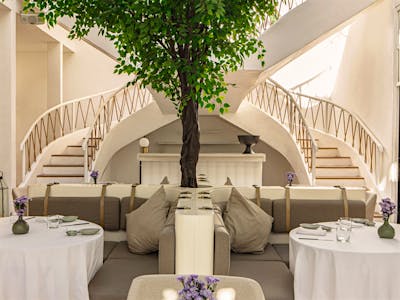
At a Glance
- Trendy
- Well Known
- Sophisticated
- Elegant
- Lively
- Date Night
- Celebration
- Special Occasion
- Brunch
- Beachfront
- Rooftop
- Terrace
- Open Kitchen
- Craft Cocktails
- Extensive Wine List
- Organic
- Local Sourcing
- Waterfront
Current opening hours
- Monday
- 8 AM–12 AM
- Tuesday
- 8 AM–12 AM
- Wednesday
- 8 AM–12 AM
- Thursday
- 8 AM–12 AM
- Friday
- 8 AM–12 AM
- Saturday
- 8 AM–12 AM
- Sunday
- 8 AM–12 AM
Hours can change for holidays and private events. Last verified .
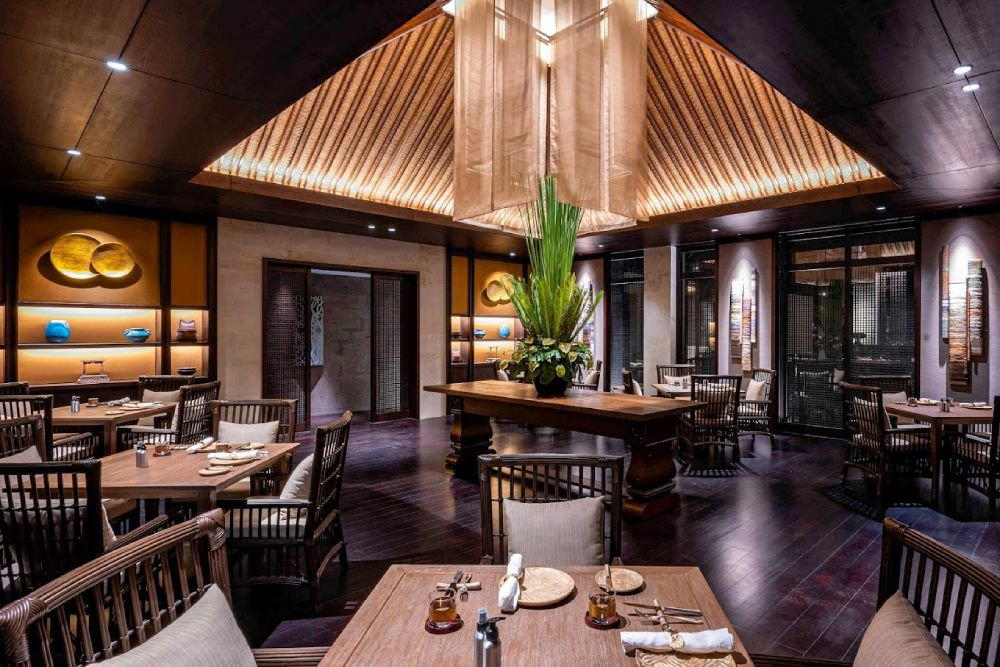
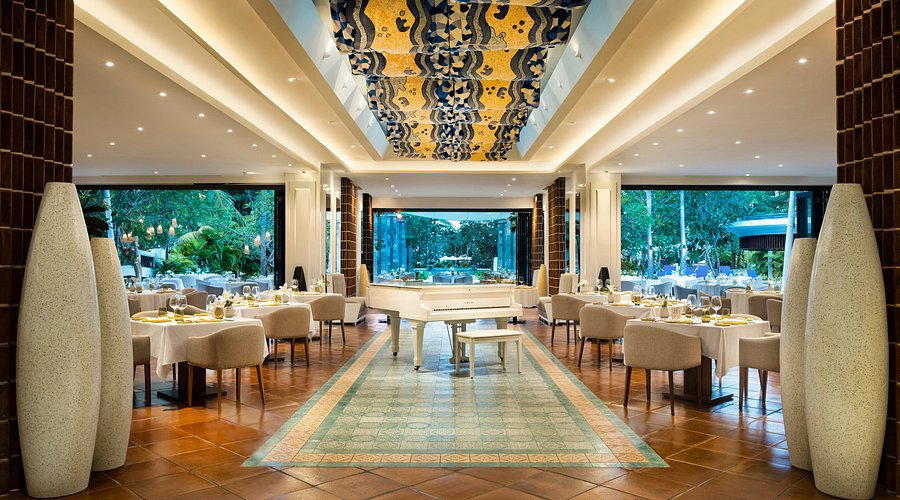
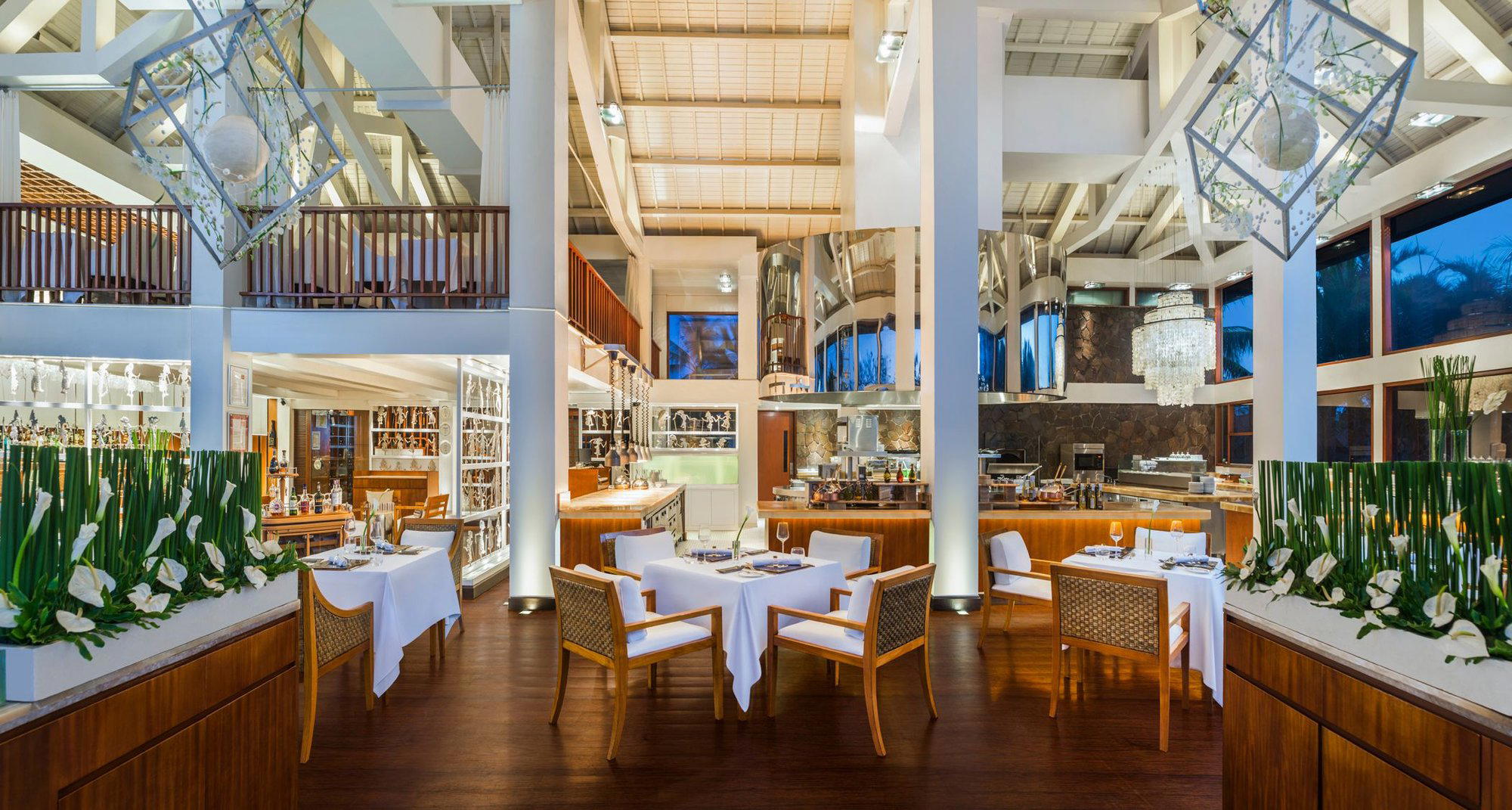
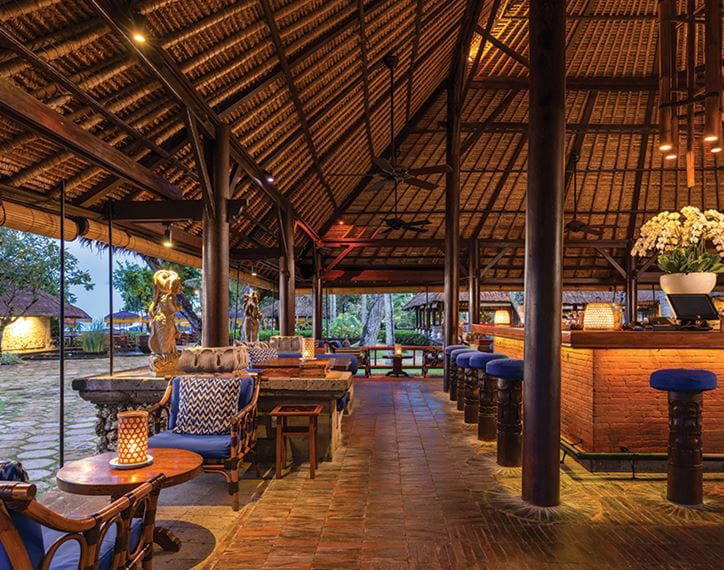
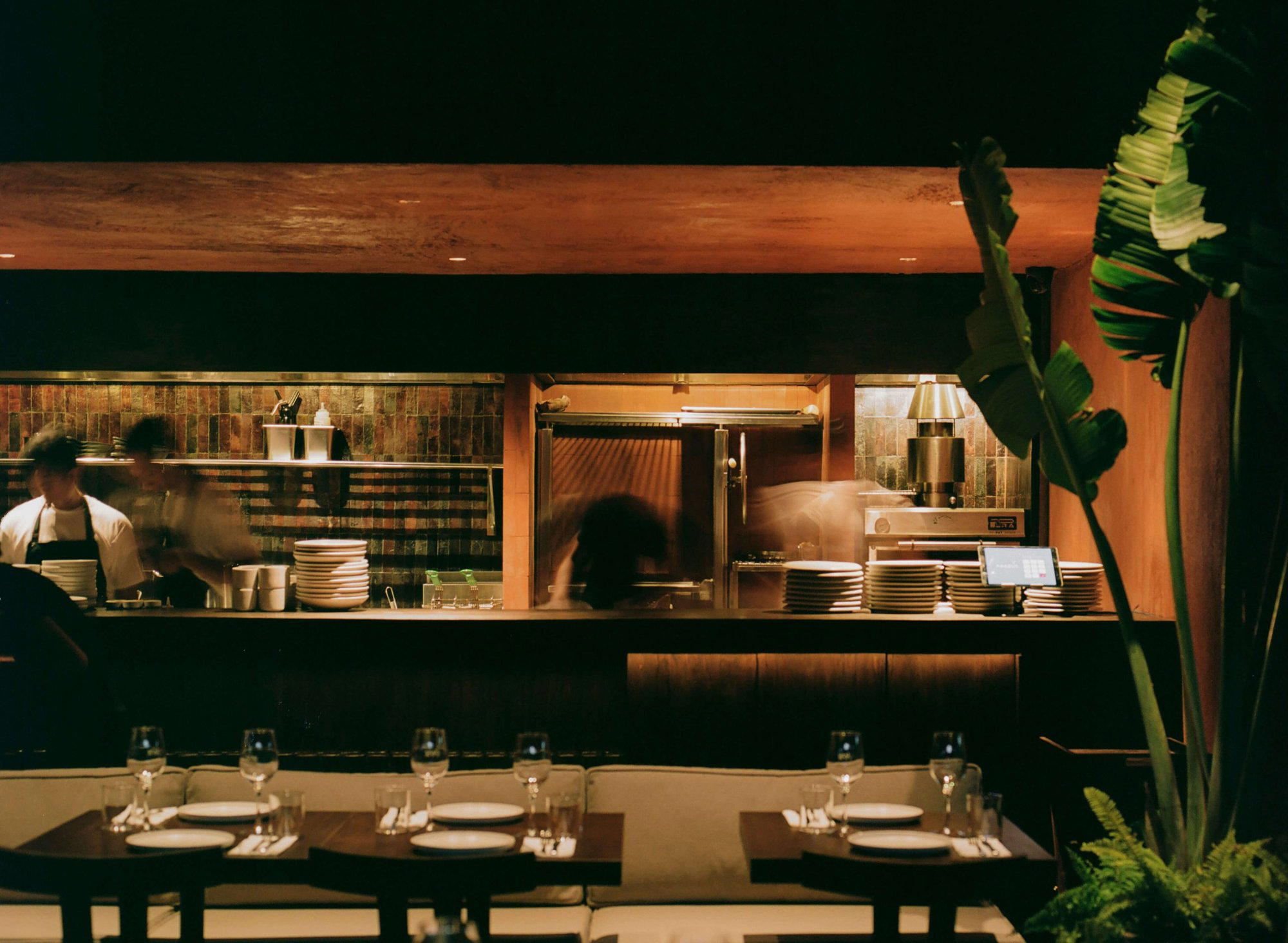
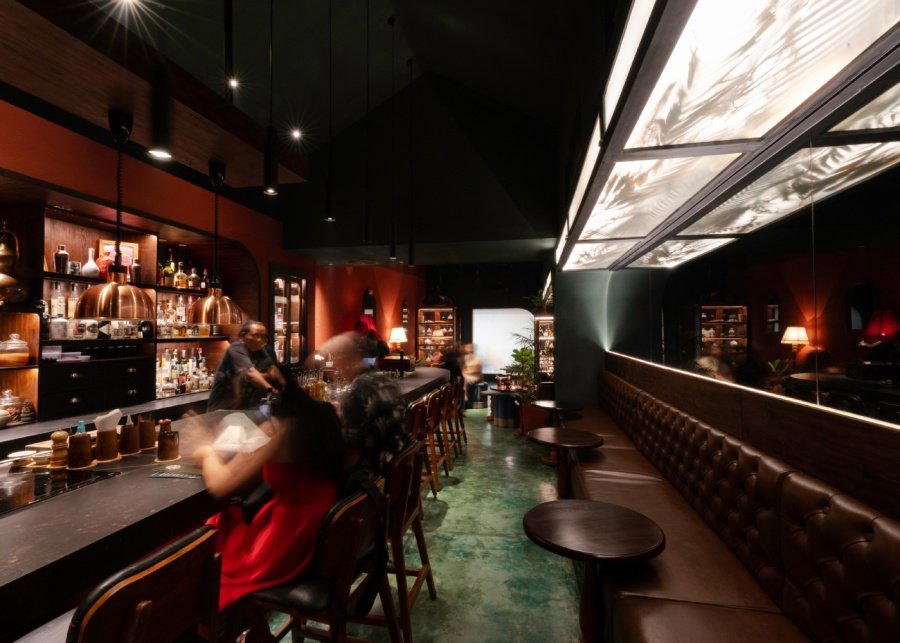
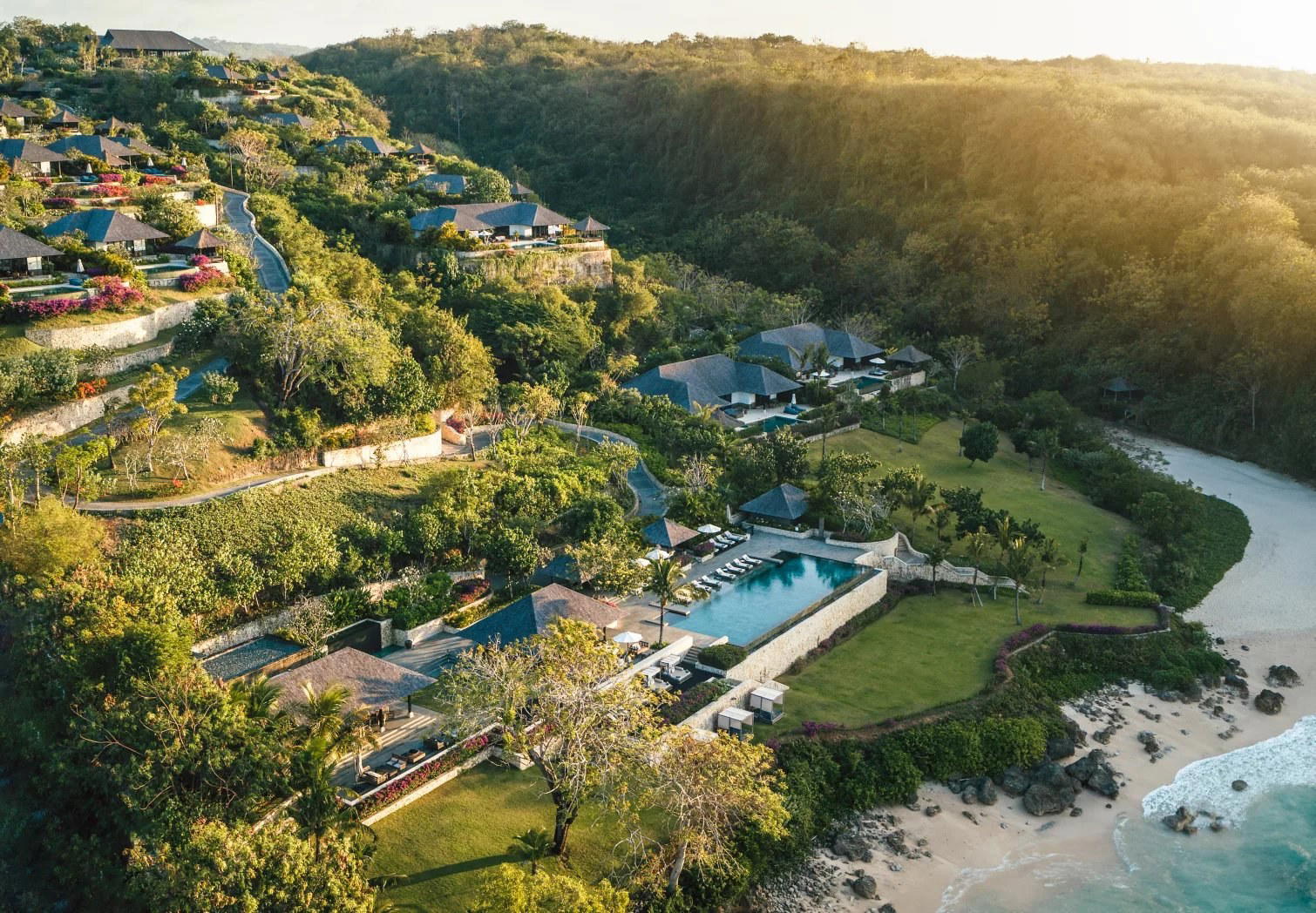
Sophisticated beachside atmosphere with modern minimalist architecture, high-ceilinged pavilions, tropical forest-inspired bar, intimate pergola, and lively lawn area bordering the beach, enhanced by soulful music and ocean breezes.