Sha Guo sits on Wiedner Hauptstraße in Vienna's 4th district, representing the kind of specialist Chinese cooking that has slowly displaced the city's older, more generalised Asian restaurant tier. The name itself, sha guo means 'sand pot' or clay pot in Mandarin, signals a focus on technique and tradition rather than adaptation for European palates.
Pearl is the En Primeur Club membership app — saves, bookings, and concierge access live there. Same editors, same standards.
- Address
- Wiedner Hauptstraße 37, 1040 Wien, Austria
- Phone
- +436601911803
- Website
- shaguo.at
- Directions
- Get directions
 Saves & bookings on Pearl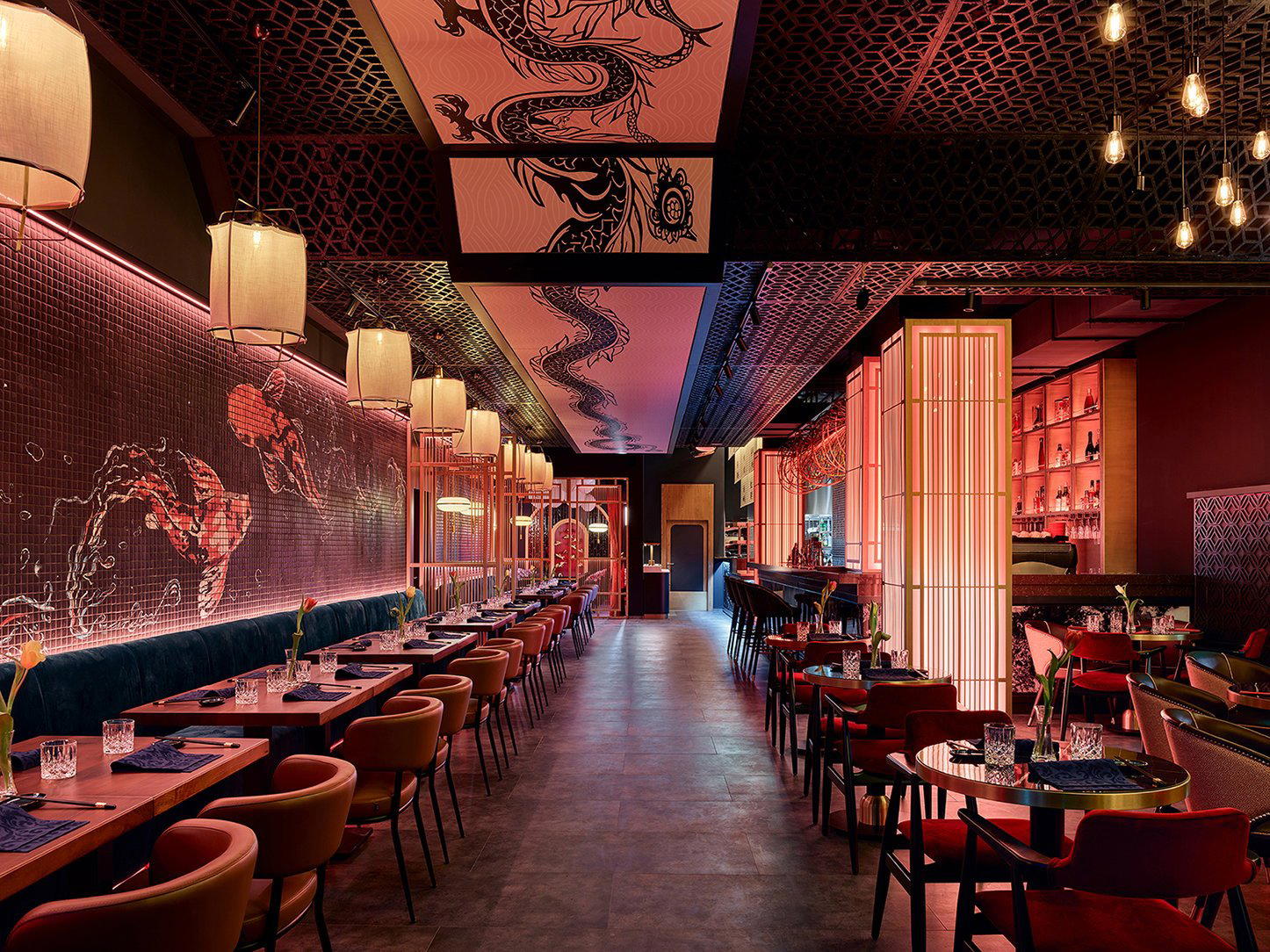
Clay Pot Cooking in a City of Schnitzel
Vienna's relationship with Chinese cuisine has followed a pattern common to most Central European capitals: a long first wave of Cantonese-adjacent restaurants built for local tastes, followed by a slower, quieter second wave of more regionally specific cooking aimed at a different audience. Sha Guo, at Wiedner Hauptstraße 37 in the 4th district, belongs to that second category. The name translates directly from Mandarin as 'sand pot' or 'clay pot', a reference to one of Chinese cooking's oldest and most disciplined techniques, in which ingredients are slow-cooked in unglazed earthenware that retains and distributes heat differently from metal. That the restaurant chose this as its identity marker rather than a generic name says something about its intentions.
Clay pot cooking has roots across multiple Chinese regional traditions, Cantonese claypot rice, Sichuan and Hunan braised preparations, Shanghainese red-braised pork, but the technique shares a philosophy wherever it appears: low intervention, long time, concentrated flavour. It is the opposite of the quick-wok, high-flame approach that most Western diners associate with Chinese restaurant kitchens. A restaurant that anchors itself to this method is making an editorial statement about pace and depth before a single dish arrives.
The 4th District and Its Dining Character
Wiedner Hauptstraße runs through the Wieden district, one of Vienna's more mixed and unpretentious inner neighbourhoods. It lacks the tourist density of the 1st district and the self-conscious design credentials of some outer areas, which tends to produce a dining environment where restaurants survive on repeat local custom rather than passing foot traffic. That dynamic generally rewards places with a clear, consistent identity over those chasing trend cycles. In this context, a specialist restaurant built around a specific Chinese culinary tradition is positioned to hold its ground with a loyal audience rather than to compete with the broader Asian restaurant market on volume.
Sha Guo does not compete in that tier. Its comparison set is the city's mid-market specialist restaurant scene, where cuisine specificity and technical consistency matter more than tasting menus and cellar depth. That is a smaller, quieter competitive space in Vienna than in London or Berlin, which makes it easier to occupy with authority.
What Clay Pot Tradition Brings to the Table
The cultural weight behind clay pot cooking is worth unpacking for readers unfamiliar with it. In China, the sand pot, sha guo in Mandarin, sa bou in Cantonese, functions as both cooking vessel and serving vessel, arriving at the table still sealed and releasing steam when opened. This is not theatre for its own sake. The sealed cook retains volatile aromatics that would otherwise escape: ginger, star anise, fermented bean pastes, rice wine. What the diner receives is a dish that smells as it was intended to smell from the first moment of exposure, not after minutes of heat loss on a plate.
This technique places the restaurant in a tradition that predates European restaurant culture by centuries. Clay pot cooking appears in Chinese culinary records from the Han dynasty onward, and the technique spread through the Chinese diaspora in ways that adapted to local ingredients without abandoning the fundamental method. In cities with established Chinese communities, specialist clay pot restaurants occupy a clearly understood niche. Vienna's Chinese community is smaller than those in London, Paris, or Amsterdam, which means a restaurant of this type serves both a diaspora audience and a curious local one, often simultaneously.
For comparison, the kind of regional specificity that restaurant represents in Vienna is more common in cities with larger Chinese restaurant ecosystems. Atomix in New York City demonstrates how a single national cuisine can be represented at multiple registers simultaneously in the right city context. Vienna is not that city for Chinese food yet, which means the restaurant occupies a less crowded position but also a less supported one in terms of ingredient supply chains, specialist staff, and informed critical attention.
Placing Sha Guo in Austria's Broader Restaurant Picture
Austria's restaurant scene outside Vienna tends toward Alpine and regional Austrian cooking, with strong representation from venues like Döllerer in Golling an der Salzach, Obauer in Werfen, and Ikarus in Salzburg. The country's fine dining identity is strongly tied to local produce and Central European culinary tradition, represented further by Griggeler Stuba in Lech, Kräuterreich by Vitus Winkler, Landhaus Bacher in Mautern an der Donau, Ois in Neufelden, Restaurant 141 by Joachim Jaud in Mieming, and Schwarzer Adler in Hall in Tirol. Against that backdrop, a Chinese clay pot specialist in Vienna's 4th district represents a genuinely different type of proposition, one that draws on a food culture with no overlap with the Austrian tradition it sits inside.
Within Vienna itself, restaurants like Doubek demonstrate that the city supports specialist formats with clear identities. The question for any specialist in a mid-sized European city is whether the audience for that specialism is large enough and loyal enough to sustain consistent quality. For a clay pot restaurant, consistency requires reliable access to specific fermented pastes, dried aromatics, and earthenware vessels that are not standard in Austrian supply chains.
Readers interested in how Chinese cooking at the highest level is represented internationally can also reference Le Bernardin in New York City as a point of comparison for how a single culinary tradition can anchor a restaurant's identity across decades.
Know Before You Go
- Address: Wiedner Hauptstraße 37, 1040 Wien, Austria
- District: Wieden (4th district)
- Cuisine focus: Chinese clay pot cooking (the restaurant / sand pot tradition)
- Price range: not confirmed
- Reservations: Contact details not confirmed; walk-in availability unknown
- Hours: not confirmed
A Quick Peer Check
Comparable venues nearby, for context on price, style, and recognition.
| Venue | Cuisine | Price | Notes |
|---|---|---|---|
| Sha GuoThis venue — the venue you are viewing | Asian Fusion | $$ | Not listed |
| Kaoo | Asian Fusion | $$ | Neubau |
| ra'mien go | Asian Fusion Noodle Bar | $$ | Stephansdom |
| Ra'mien | Asian Noodle Bar | $$ | Landstrasse |
| Reiskorn | Pan-Asian Fusion | $$ | Staatsoper |
| Kojiro Sushi | Authentic Japanese Sushi | $$ | Wieden |
Continue exploring
More in Vienna
Restaurants in Vienna
Browse all →
Bars in Vienna
Browse all →
Hotels in Vienna
Browse all →

At a Glance
- Cozy
- Modern
- Casual Hangout
- Date Night
- Open Kitchen
Current opening hours
- Monday
- 11:30 AM–12 AM
- Tuesday
- 11:30 AM–12 AM
- Wednesday
- 11:30 AM–12 AM
- Thursday
- 11:30 AM–12 AM
- Friday
- 11:30 AM–12 AM
- Saturday
- 11:30 AM–12 AM
- Sunday
- 12 PM–12 AM
Hours can change for holidays and private events. Last verified .
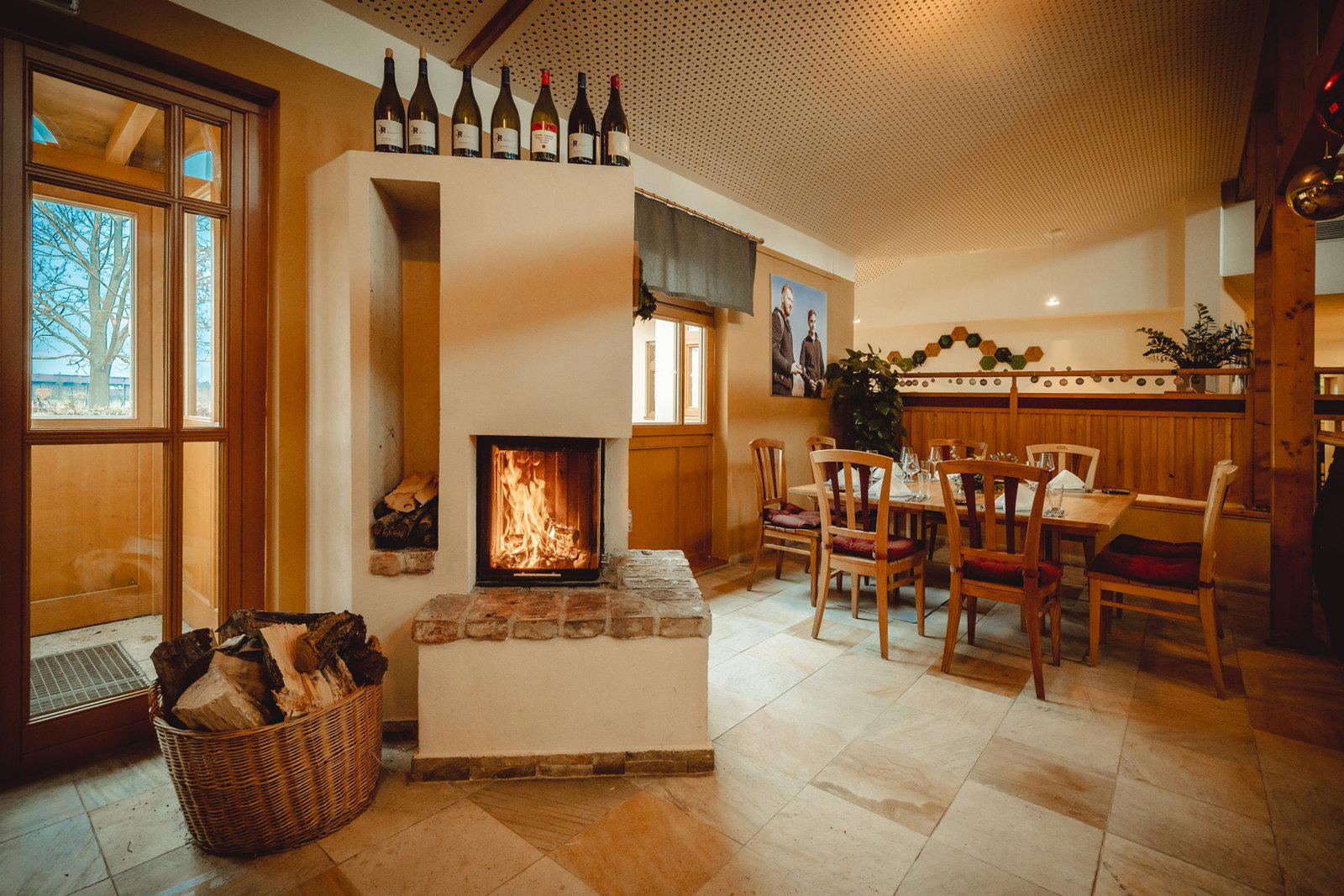
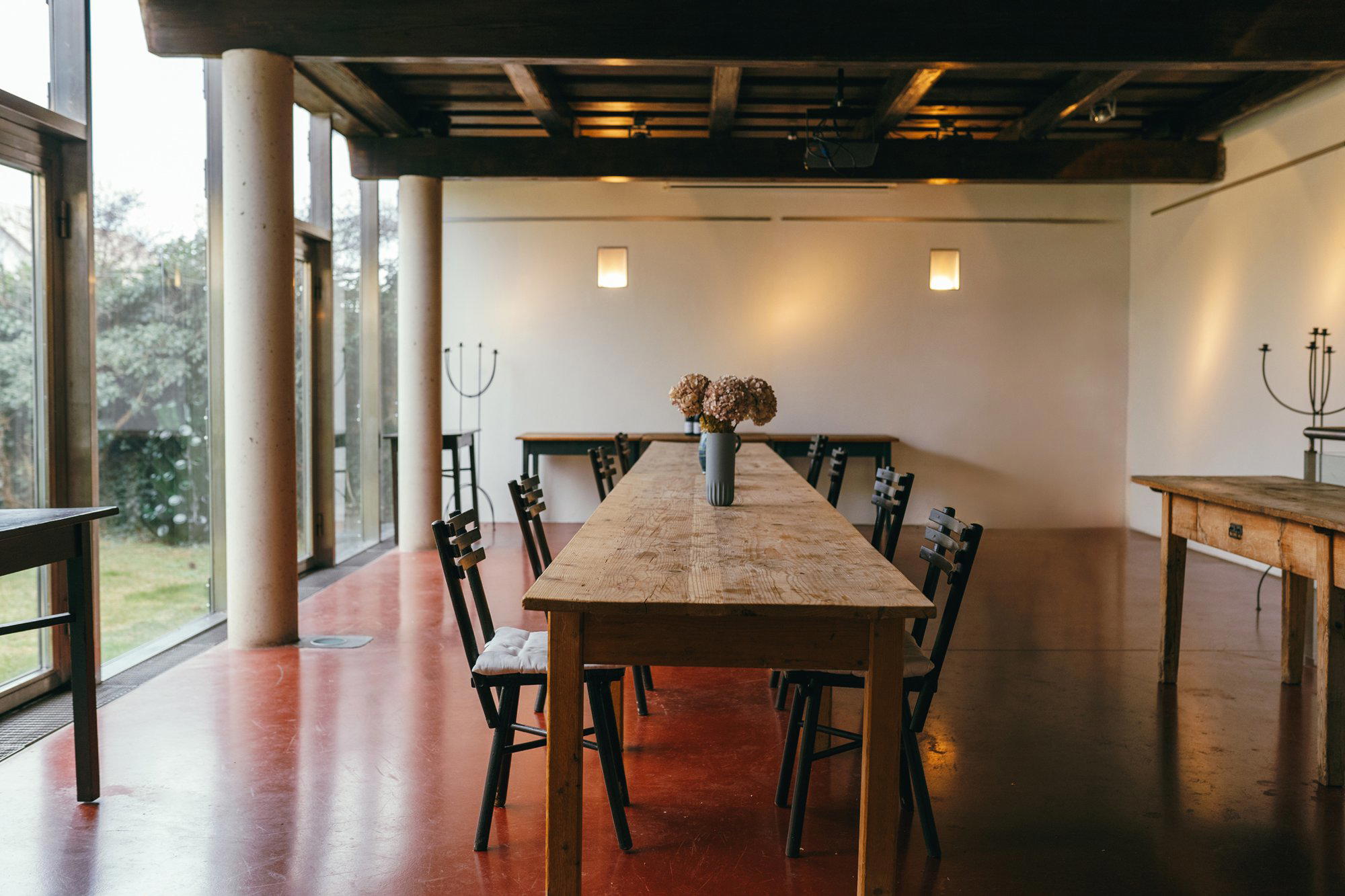
Cozy atmosphere with ambient lighting, lively red and gold tones, and Asian-inspired elements like koi fish and cherry blossoms.