Market sits on Linke Wienzeile at the edge of the Naschmarkt, placing it inside one of Vienna's most food-saturated corridors. The address alone frames expectations: this is a neighbourhood where the gap between market stall and restaurant table is measured in metres, not kilometres. For visitors mapping Vienna's mid-tier dining scene, the location sets up a particular kind of meal.
Pearl is the En Primeur Club membership app — saves, bookings, and concierge access live there. Same editors, same standards.
- Address
- Linke Wienzeile 36, 1060 Wien, Austria
- Phone
- +434315811250
- Website
- market-restaurant.at
- Directions
- Get directions
 Saves & bookings on Pearl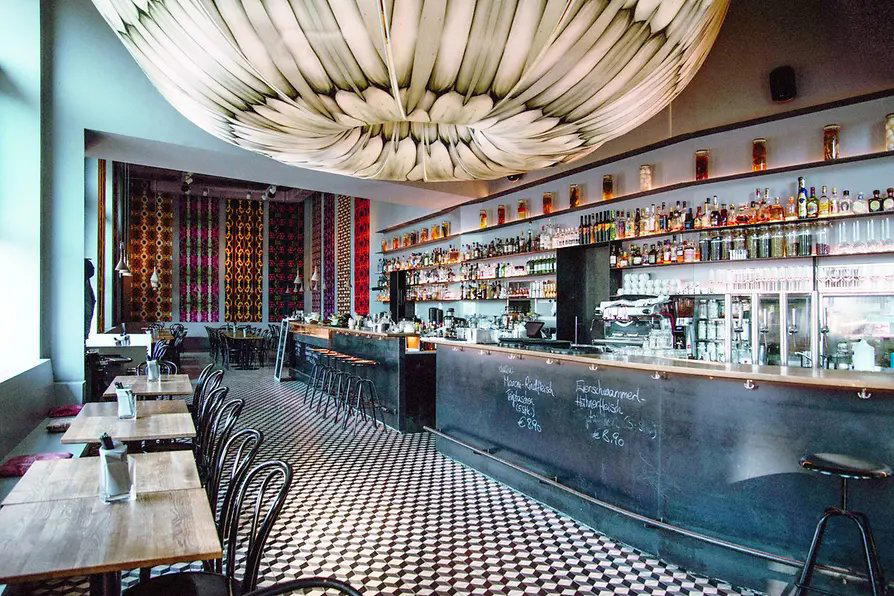
Where the Naschmarkt Ends and the Dining Room Begins
Vienna's Sixth District carries a specific culinary logic. Linke Wienzeile runs alongside the Naschmarkt, the city's longest open-air market, and the restaurants that cluster along this stretch operate in deliberate proximity to that supply chain. The ingredient conversation that happens at market stalls in the morning has a way of reappearing on plates by noon. Market, at number 36, sits squarely inside that geography.
This part of Vienna occupies a middle register in the city's dining scene. The €€€€ creative tasting-menu houses, places like Steirereck im Stadtpark, Amador, and Mraz & Sohn, operate in a different register, both geographically and in terms of commitment required. The Naschmarkt corridor offers something more immediate: restaurants that draw from the market's rhythm rather than from tasting-menu architecture. That distinction matters when you are deciding what kind of meal the afternoon or evening calls for.
The Lunch and Dinner Divide
Few dining addresses in Vienna are as shaped by the time of day as those along Linke Wienzeile. At midday, the Naschmarkt is at full volume: produce vendors, spice traders, fish counters, and the particular noise of a central European food market doing its core business. A restaurant at this address at lunchtime is operating inside that energy. Foot traffic is high, the light is different, and the surrounding context pulls the meal toward something more casual and spontaneous.
By evening, the market empties, the street quiets, and the same address takes on a different character. Dinner service along this stretch tends to draw a more deliberate crowd, people who have chosen the neighbourhood rather than stumbled into it. The shift is less about what is on the plate and more about the pace and intention surrounding it. Restaurants that handle both services well in this part of Vienna are ones that have internalized the difference rather than simply running the same format twice.
This lunch-versus-dinner logic plays out across Vienna's dining scene more broadly. The city's food culture has long supported the longer, more structured midday meal, a tradition inherited from Central European habits that treated lunch as the anchor of the day. Evening service, by contrast, has absorbed more of the international fine-dining grammar, with later sittings and a slower build through courses. A venue on Linke Wienzeile sits at the intersection of both impulses.
Vienna's Broader Creative Dining Context
To place Market accurately, it helps to map the competitive field. Vienna's upper tier of creative restaurants runs through a fairly defined set of addresses. Konstantin Filippou works in modern European idiom with significant critical recognition. Doubek represents a newer generation of Viennese cooking. The €€€€ tier, where multi-course menus and Michelin-level ambition converge, is relatively compact for a city of Vienna's size and cultural weight.
Below that tier, the Naschmarkt corridor and the surrounding Sixth and Fifth districts support a cluster of venues that function on market-driven, more flexible terms. These are not lesser restaurants; they occupy a different brief. The sourcing proximity argument is genuine in this part of the city: the distance between the Naschmarkt's fish and vegetable stalls and the nearest restaurant kitchen is, in some cases, a matter of a short walk. That proximity shapes menus in ways that longer supply chains do not.
For context on what ambitious Austrian cooking looks like outside Vienna, the country's regional scene produces its own high points. Döllerer in Golling an der Salzach, Ikarus in Salzburg, and Obauer in Werfen anchor a regional fine-dining circuit that competes in the same national conversation. Alpine venues like Griggeler Stuba in Lech and Gourmetrestaurant Tannenhof in Sankt Anton am Arlberg show how far Austrian cooking has moved from its Wiener Schnitzel defaults. Back in Vienna, a Naschmarkt-adjacent restaurant operates in a different mode from all of these, but the national food culture that produced those kitchens is the same one feeding into the city's more neighbourhood-scaled venues.
Planning Your Visit
| Venue | Tier | Booking Lead Time | Leading For |
|---|---|---|---|
| Market (Linke Wienzeile 36) | Mid-tier, market-adjacent | Confirm directly | Flexible lunch or dinner in the Naschmarkt corridor |
| Steirereck im Stadtpark | €€€€ Creative | Several weeks minimum | Full tasting-menu commitment, leading creative tier |
| Konstantin Filippou | €€€€ Modern European | Several weeks | Modern European tasting format, recognised awards |
| Mraz & Sohn | €€€€ Modern Austrian | Several weeks | Contemporary Austrian cooking, creative format |
The Naschmarkt corridor is one node in a larger network that also takes in the First District's more formal addresses and the outer districts' emerging spots.
Le Bernardin in New York City and Atomix in New York City represent the kind of benchmark precision that frames discussions about what any ambitious restaurant is measuring itself against. Vienna's top tier, with venues like Amador, participates in that international conversation. The Naschmarkt corridor operates adjacent to it, on more local terms. That is not a concession; it is a different kind of offer, and for many meals, the right one.
Landhaus Bacher in Mautern an der Donau, Kräuterreich by Vitus Winkler, Ois in Neufelden, Restaurant 141 by Joachim Jaud in Mieming, and Schwarzer Adler in Hall in Tirol round out a national scene where regional produce-driven cooking has real depth. The throughline from those kitchens back to a market-adjacent Vienna address is the same ingredient culture, expressed at different scales and price points.
Cuisine Context
Comparable venues nearby, for context on price, style, and recognition.
| Venue | Cuisine | Price | Notes |
|---|---|---|---|
| MarketThis venue — the venue you are viewing | Modern Asian Fusion | $$ | Not listed |
| ra'mien Restaurant | Asian Fusion Noodle Bar | $$ | Hofburg |
| Mea Shearim | Asian Fusion Kosher | $$ | Praterstern Wien Nord |
| Reiskorn | Pan-Asian Fusion | $$ | Staatsoper |
| Finn | Asian Fusion Street Food | $$ | Riesenrad |
| Kaoo | Asian Fusion | $$ | Neubau |
Continue exploring
More in Vienna
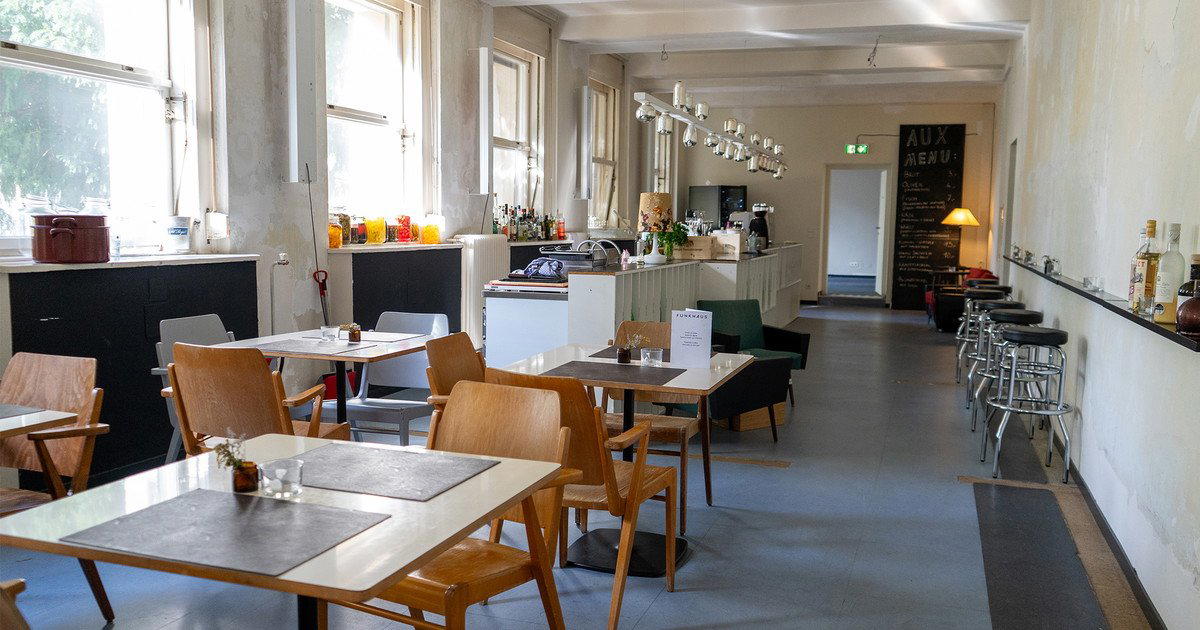
Restaurants in Vienna
Browse all →
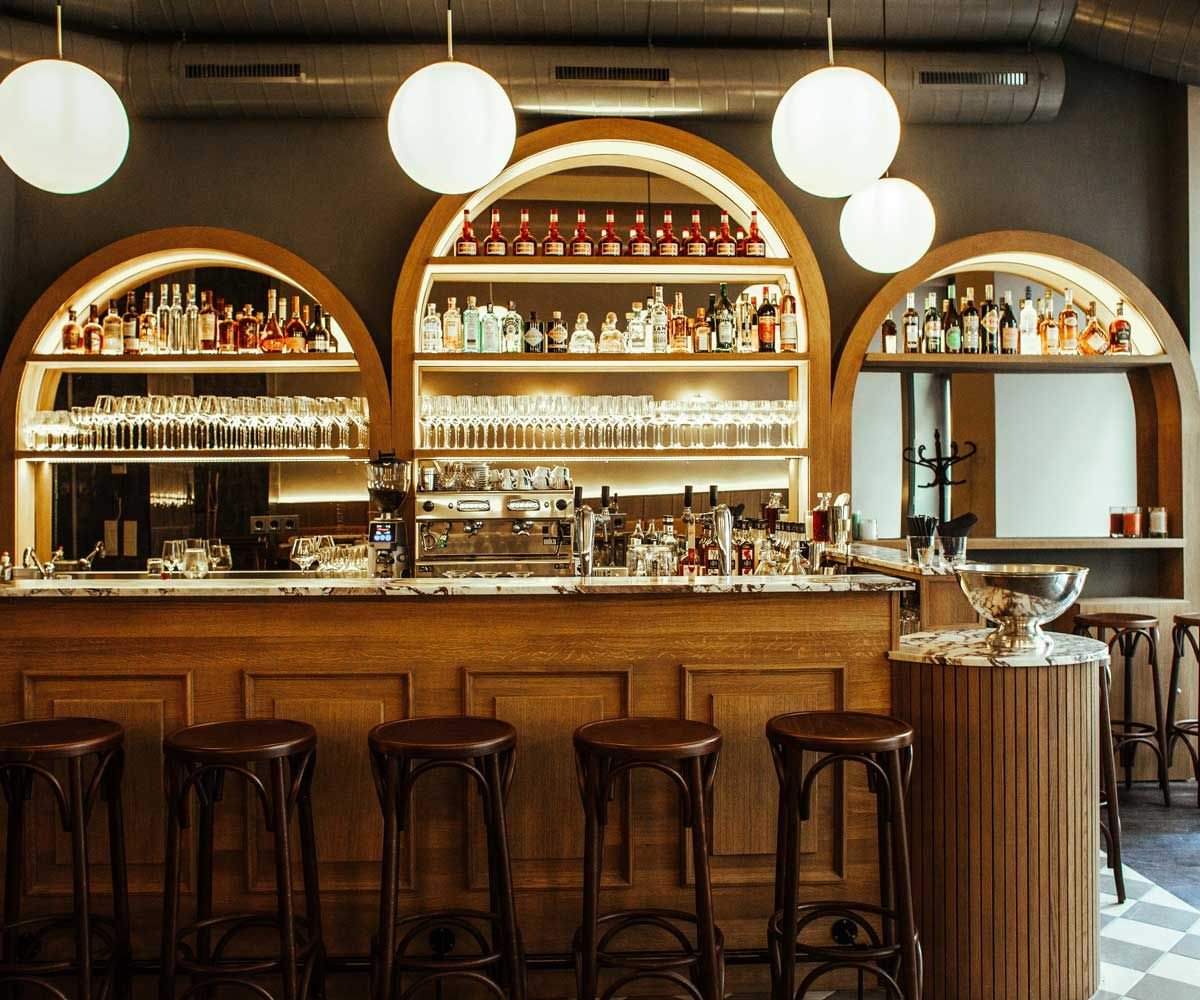
Bars in Vienna
Browse all →

Hotels in Vienna
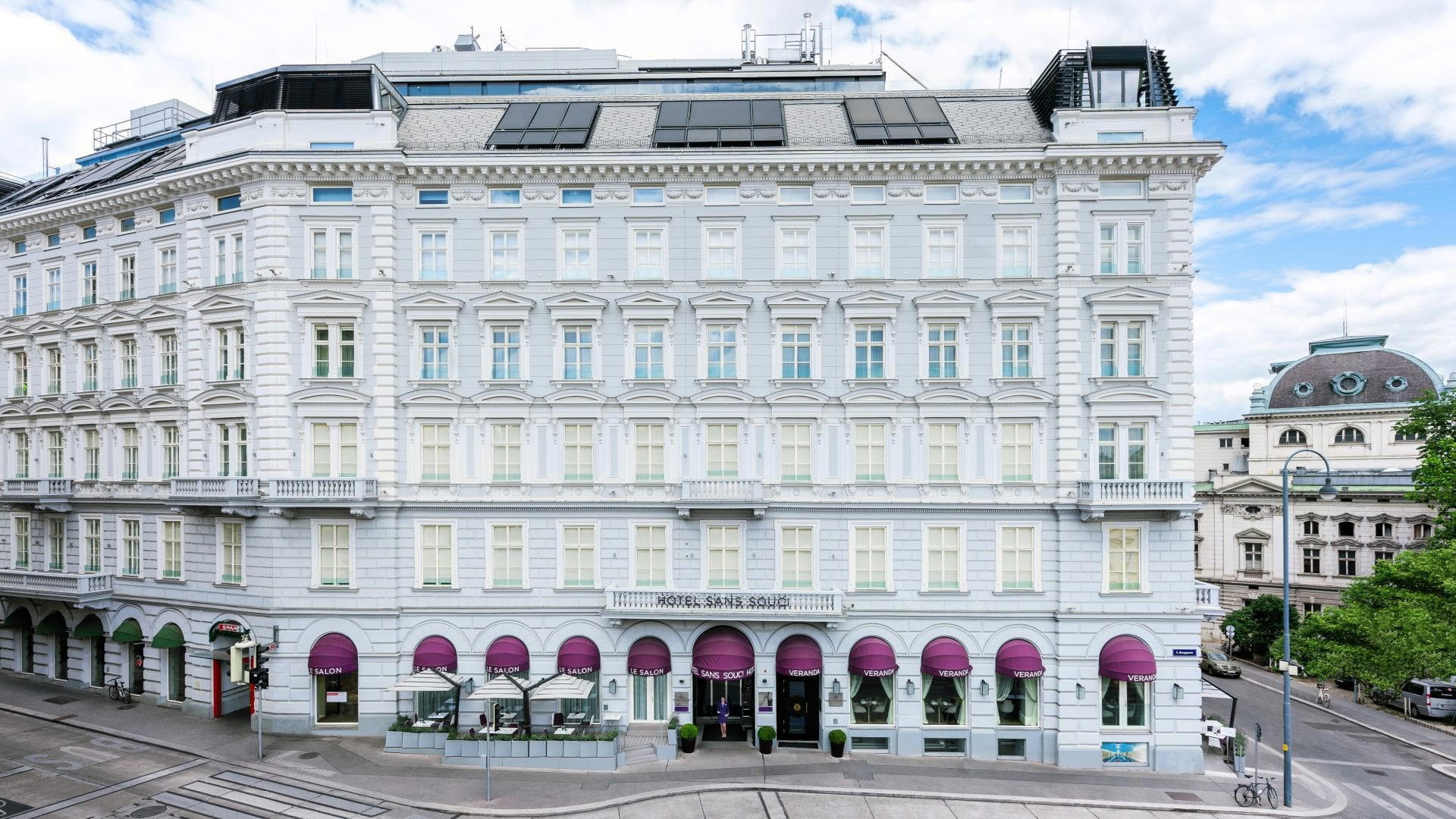
Browse all →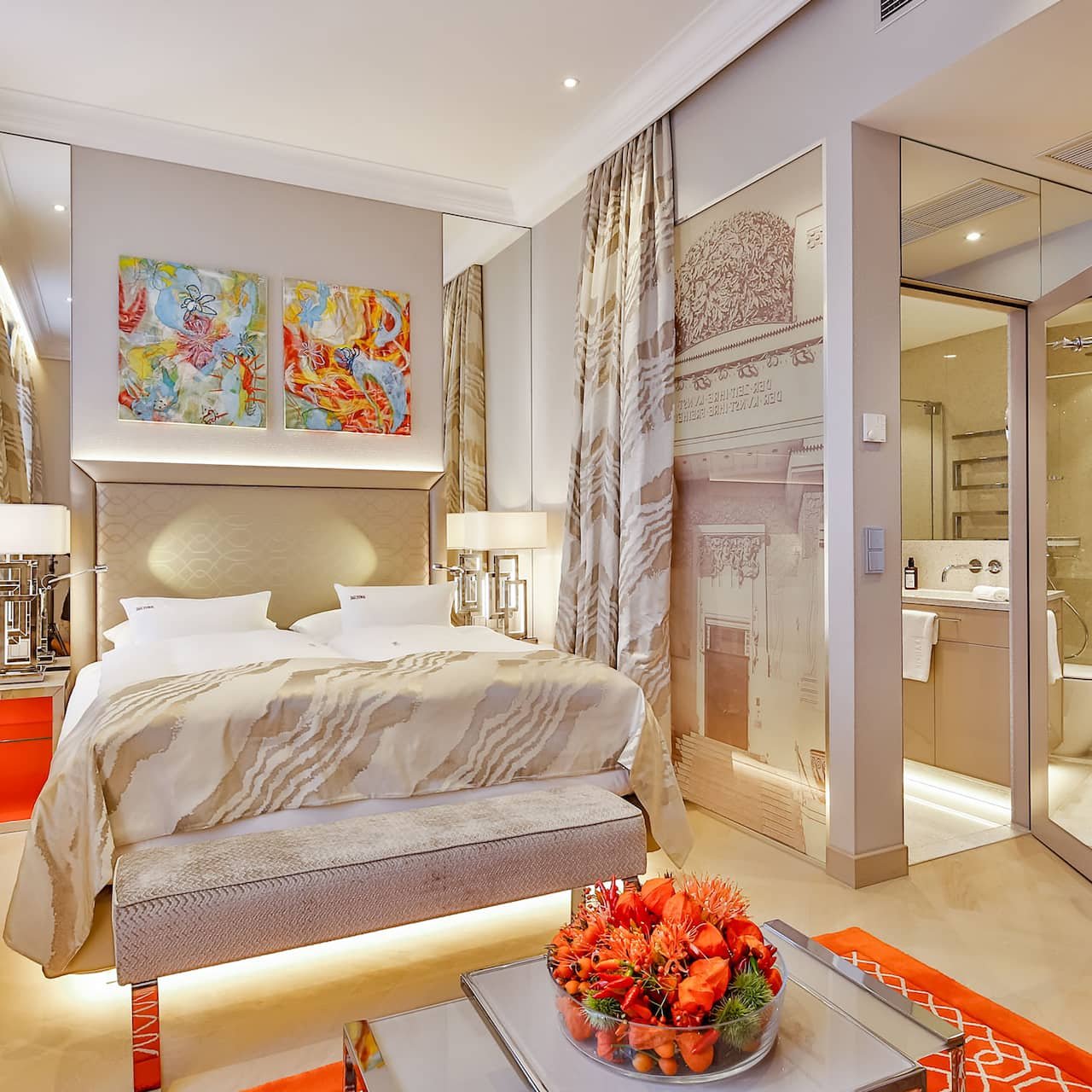
At a Glance
- Modern
- Trendy
- Lively
- Brunch
- Late Night
- Casual Hangout
- Open Kitchen
- Craft Cocktails
- Local Sourcing
- Street Scene
Current opening hours
- Monday
- 11 AM–12 AM
- Tuesday
- 11 AM–12 AM
- Wednesday
- 11 AM–12 AM
- Thursday
- 11 AM–12 AM
- Friday
- 11 AM–1 AM
- Saturday
- 9 AM–1 AM
- Sunday
- 9 AM–11 PM
Hours can change for holidays and private events. Last verified .
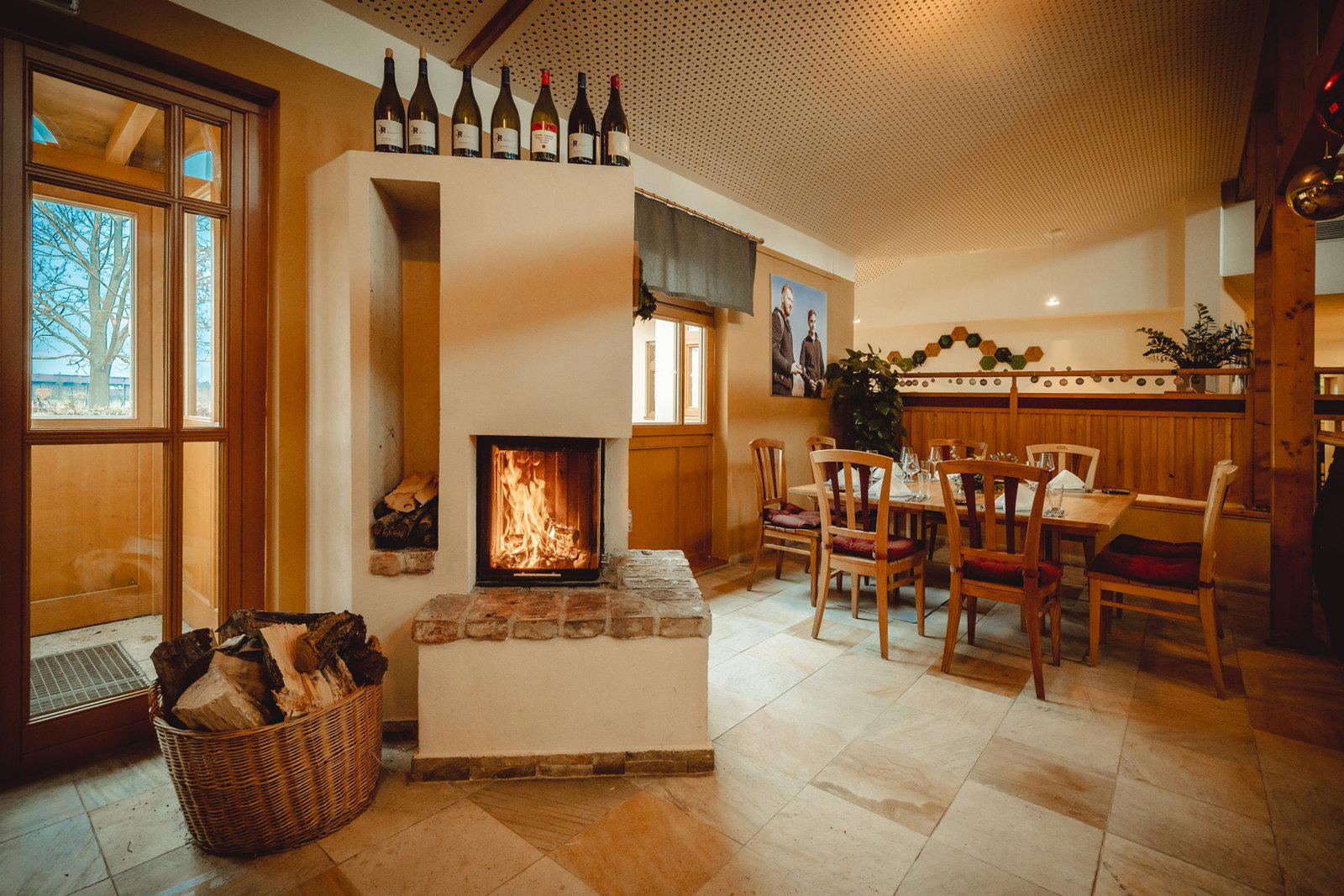
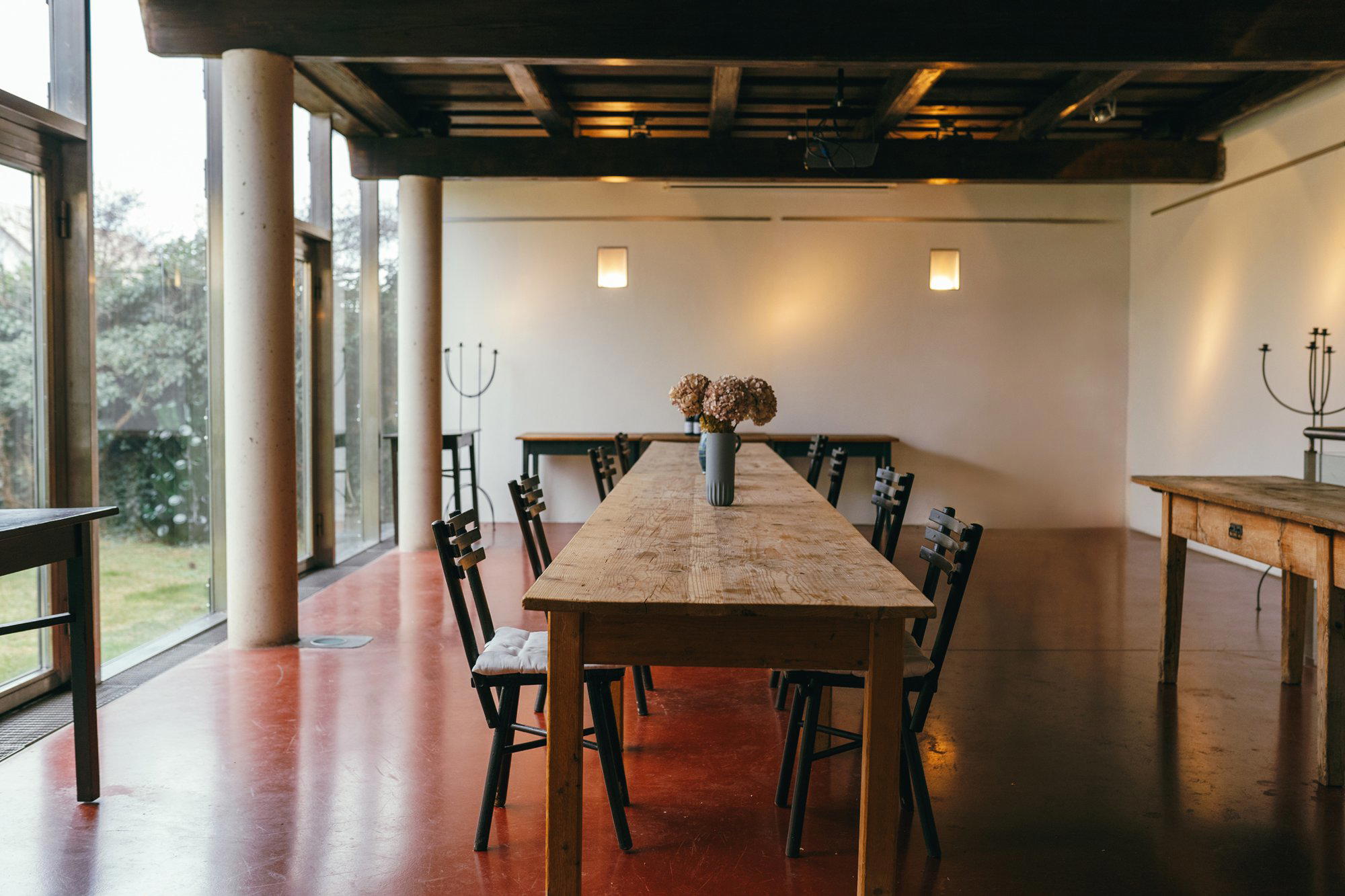
Lively and cosmopolitan with colorful textile artworks on the walls.