


La Liste Top Restaurants · Tabelog Silver #72
Our verdict
Makimura places Tokyo kaiseki in a quieter Shinagawa register, away from Ginza theatre and hotel dining rooms. The draw is its compact 14-seat format, long-running Tabelog recognition, La Liste 97-point score, and a Kanto reading of Japanese cuisine where fish, sake, and seasonal structure matter more than spectacle.

Pearl is the En Primeur Club membership app — saves, bookings, and concierge access live there. Same editors, same standards.
- Address
- 3 Chome-11-5 Minamioi, Shinagawa City, Tokyo 140-0013, Japan
- Phone
- +81 3-3768-6388
- Hours
- Mon–Tue 6–10 PMWed ClosedThu–Sat 6–10 PMSun Closed
- Website
- laliste.com
- Directions
- Get directions
- Booking
- Book on Omakase
The menu
What to order
- Tai Chazuke
- Corn tempura
- Abalone with sea urchin
Minamioi changes the register before dinner. This part of Shinagawa is not Tokyo’s marble-lobby, restaurant-elevator version; it is lower-slung, practical, residential, and makes a formal Japanese meal feel less like performance than a private appointment. That matters for kaiseki. In Tokyo, the genre often splits between Kyoto-influenced ceremony, Ginza polish, and smaller Kanto rooms applying seasonal discipline without theatre. Makimura Tokyo sits in the last camp: compact, serious, and best read through regional Japanese cuisine rather than luxury shorthand.
Kaiseki in the capital carries productive tension. Kyoto supplies the older template: progression, seasonality, restraint, careful broth, vegetables, and ceremonial pacing. Tokyo adds Edo-mae habits, fish markets, tighter counters, and diners who read precision quickly. The result is not copied Kansai form, but a Kanto adaptation. At Makimura, that distinction is the useful lens. The restaurant is listed as Japanese cuisine, not a theatrical tasting-menu concept, and its public detail points to fish, sake, shochu, wine, private rooms, and counter seating rather than branded set pieces.
Tokyo kaiseki viewed through a Kanto fish counter
Tokyo’s serious Japanese restaurants increasingly ask diners to choose between two intimacies: the high-visibility counter, where every gesture becomes show, or the small dining room, where authority comes from sequence, sourcing, and trust. Makimura belongs to the second model. Its 14 seats, split between a six-seat counter and table seating, keep the experience controlled and place it closer to specialist kappo and kaiseki rooms than volume-driven destinations.
The regional point matters. Kansai kaiseki often prizes architectural lightness, quiet contrasts, and references to tea cuisine. Kanto cooking accepts a firmer line: fish carries more weight, seasoning can be more direct, and the counter tradition sits nearer the action. Makimura’s public positioning around fish and sake fits that context. It reads as a Tokyo interpretation of Japanese cuisine, not a Kyoto facsimile transplanted east.
Recognition keeps the restaurant in a narrow competitive tier. Makimura holds a 2026 Tabelog Award Silver distinction with a 4.47 score, after repeated Tabelog Award recognition, including Gold in 2024 and Silver listings in multiple years. It also appears on the 2025 Tabelog 100 list for Japanese cuisine in Tokyo, carries a 97-point La Liste Top Restaurants score for 2026, and is included in Opinionated About Dining’s 2026 Japan Recommended list. These signals do not describe the meal, but place it among serious Japanese address-book entries rather than English-language hype cycles.
The chef name, Makimura Akio, is less celebrity hook than authorship marker. Tokyo has enough chef-led counters for personality to overwhelm cuisine; in kaiseki, that is usually the wrong reading. The better question is how consistently a room handles season, progression, and tone. Its long award history, from Tabelog recognition in the late 2010s through 2026, suggests judgment on continuity rather than novelty.
Why Shinagawa changes the expectation
Location is part of the argument. Visitors often treat Shinagawa as transit infrastructure: stations, offices, airport routes. Minamioi, closer to Omorikaigan than the polished hotel cluster around Shinagawa Station, shifts the mood again. Dining here lacks the neighbourhood signalling of Ginza, Kagurazaka, or Aoyama. For travellers who know Tokyo’s hierarchy, a serious Japanese meal outside the obvious luxury corridors can feel less coded for visitors and more tied to local regularity.
Comparison within Tokyo’s kaiseki field should stay disciplined. Yakumo Saryo, Suetomi, Kurogi, Goryukubu, and Dal-Matto occupy the broader conversation, but each sits in a different lane of atmosphere, access, and audience. Makimura’s advantage is not abstract ranking superiority; it is the distinct use case created by compact Shinagawa format, fish-led Japanese cuisine, and repeated Japanese-platform recognition. It suits diners seeking a grounded Tokyo kaiseki room rather than a grand-room occasion.
The price band reinforces that position. Public listings put dinner at JPY 30,000 to JPY 39,999, with service charge and consumption tax noted separately. That is serious money, but in Tokyo’s high-end Japanese dining economy it sits below the extreme auction of ultra-small sushi counters and above casual kappo. The point is value alignment, not bargain hunting: a small-format Japanese meal with domestic recognition and a room scaled for concentration.
For a broader read on the city’s Japanese dining spectrum, Our full Tokyo restaurants guide is the natural companion. Travellers building a wider itinerary can use Our full Tokyo hotels guide, Our full Tokyo bars guide, Our full Tokyo wineries guide, and Our full Tokyo experiences guide to frame the meal within the city rather than as an isolated booking.
Where it fits among serious Japanese dining
Tokyo rewards specialization, and kaiseki is only one axis. Nearby in the broader editorial map, restaurants such as Ajihiro, Akasaka Asada, Akasaka Ogino, and Aoyama Jin show how varied the city’s Japanese rooms become once the conversation moves beyond sushi and tempura. Even an outlier such as Bulgari Cafe II is useful contrast, showing how different hotel-adjacent polish feels from a compact Japanese room built around season and service rhythm.
The wider Japan map sharpens the regional lens. Kyoto kaiseki at Ankyu, Kaiseki in Kyoto and [ki:] in Kyoto sits closer to Kansai’s cultural home ground, while Araya Totoan, Kaiseki in Kaga brings a Hokuriku perspective. Compare those with -Grilled beef Sukiyaki- KAMAKURA TANUKIAN 鎌倉 たぬき庵 in Kamakura.cafe in Osaka.know in Kumamoto, (Shoku) Vietnam in Kawasaki, and [Curry Senmon Ten] Maruyama Kyoju. in Sapporo, and Makimura’s lane becomes clearer: not a survey of Japan, but a Tokyo Japanese room where Kanto sensibility, fish, and compact service define the decision.
The practical reading is simple. Choose Makimura for a serious Japanese dinner with domestic credibility, a small room, and a Shinagawa address outside the usual visitor circuit. Skip it if the evening requires English-language spectacle, architectural drama, or a famous-dish checklist. Tokyo has plenty of those. This is the more adult proposition: kaiseki as regional discipline, measured by repetition, scale, and the confidence to remain quiet.
Frequently asked questions
What type of food is Makimura known for?
Makimura serves Kaiseki cuisine.
How do I find Makimura?
Makimura is located in Tokyo.
What are the operating hours at Makimura?
Hours at Makimura: Hours: Monday 6–10 pm Tuesday 6–10 pm Wednesday Closed Thursday 6–10 pm Friday 6–10 pm Saturday 6–10 pm Sunday Closed.
What is Makimura known for?
Makimura is primarily known for Kaiseki in Tokyo.
Where It Fits
Side-by-side context: comparable cuisine and price.
| Venue | Cuisine | Price | Awards | Notes |
|---|---|---|---|---|
| MakimuraThis venue — the venue you are viewing | Kappo Kaiseki | $300–500 | La Liste Top Restaurants · Tabelog Silver #72 | Not listed |
| Takiya | Premium Seasonal Tempura | $200–300 | La Liste Top Restaurants · Tabelog Gold #34 | Minato |
| Soan Mitate | Modern Japanese Soba Omakase | $150–200 | Michelin Plate · Tabelog 100 #73 | Minato |
| Hijirizaka Wakei | Traditional Japanese Omakase | Not listed | Michelin Plate | Minato |
| SUKIYAKI ASAI | Traditional Omi Beef Sukiyaki | $200–300 | Michelin Plate | Minato |
| Sushi Miyuki | Edomae Sushi Omakase | $200–300 | Michelin Plate · Tabelog 100 #77 | Chūō |
Recognition history
Dated appearances from independent guides and award organizations, with the underlying list record or original source where available.
La Liste Top Restaurants
La Liste
Opinionated About Dining Top Restaurants in Japan Recommended
Opinionated About Dining
Tabelog Silver #72
Tabelog
Full recognition history (9 entries)
La Liste Top Restaurants
La Liste
Opinionated About Dining Top Restaurants in Japan Ranked #242
Opinionated About Dining
Tabelog 100 #10 · No. 10
Tabelog · Tabelog 100 - Japanese cuisine - TOKYO - 2025
Tabelog Silver
Tabelog
Opinionated About Dining Top Restaurants in Japan Ranked #268
Opinionated About Dining
Opinionated About Dining Top Restaurants in Japan Ranked #94
Opinionated About Dining











Details
- Intimate
- Cozy
- Elegant
- Sophisticated
- Special Occasion
- Date Night
- Chefs Counter
- Open Kitchen
- Sake Program
- Local Sourcing
- Sustainable Seafood
- Farm To Table
- Tasting Menu
- Counter Dining
- Sake
- Wine
- Pescatarian Friendly
Current opening hours
- Monday
- 6–10 PM
- Tuesday
- 6–10 PM
- Wednesday
- Closed
- Thursday
- 6–10 PM
- Friday
- 6–10 PM
- Saturday
- 6–10 PM
- Sunday
- Closed
Hours can change for holidays and private events. Last verified .
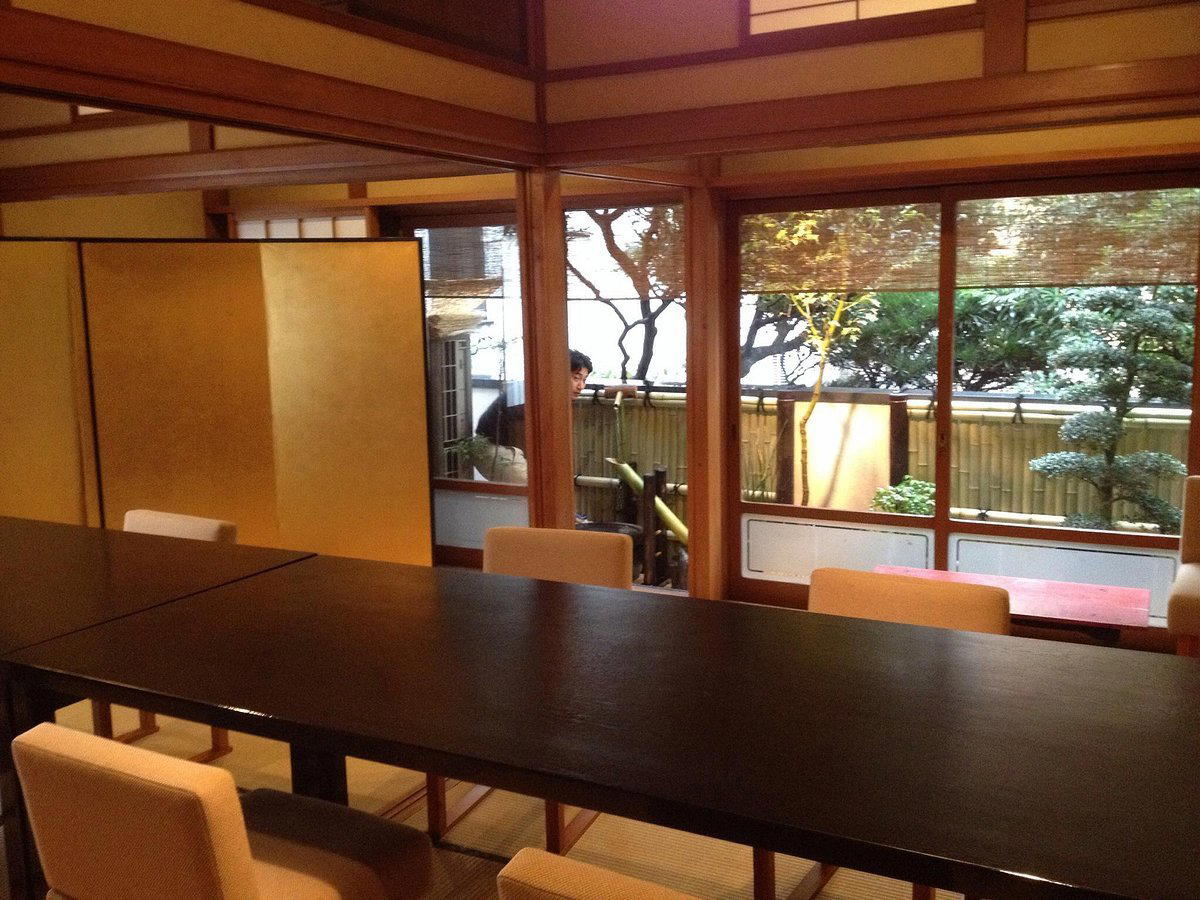
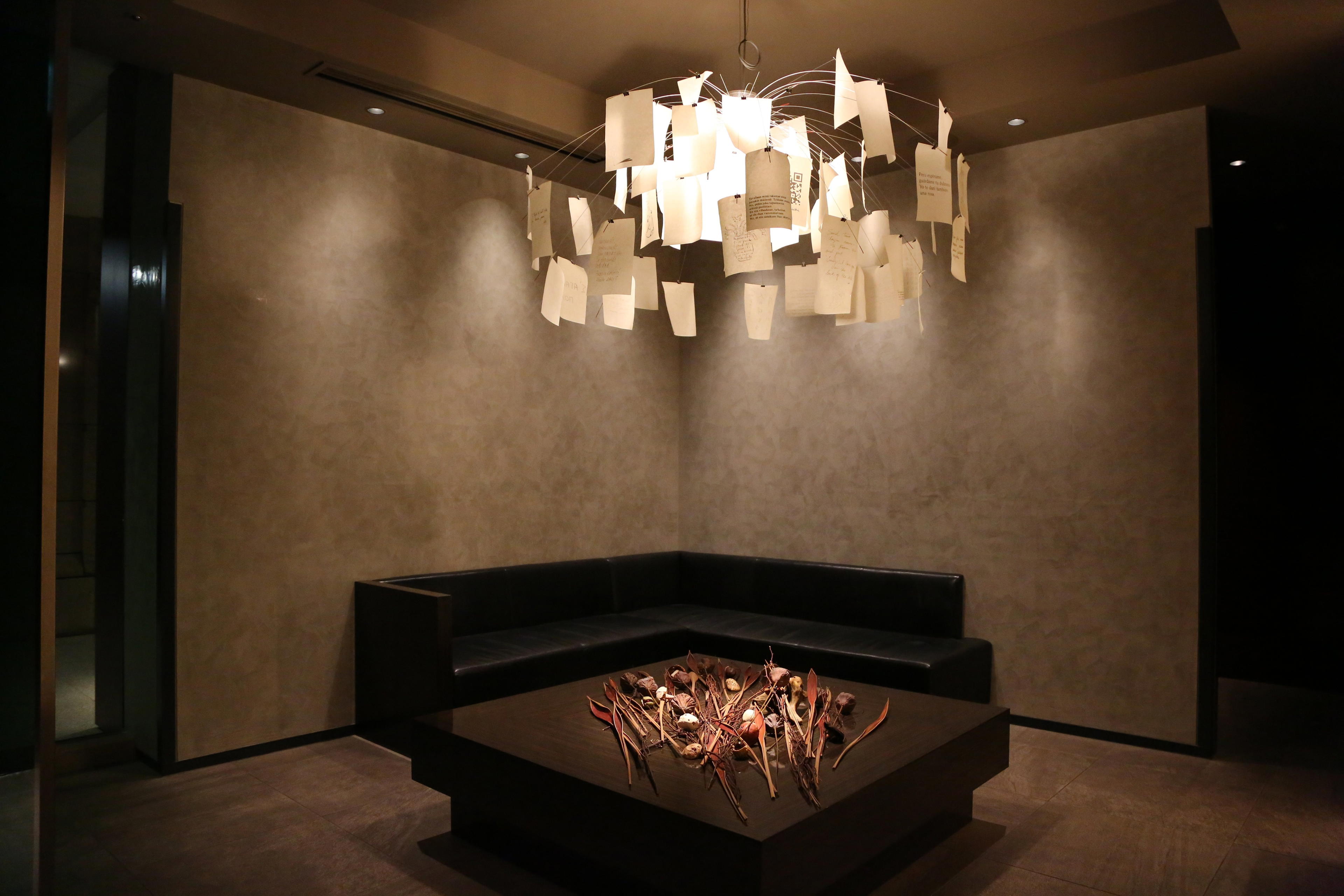
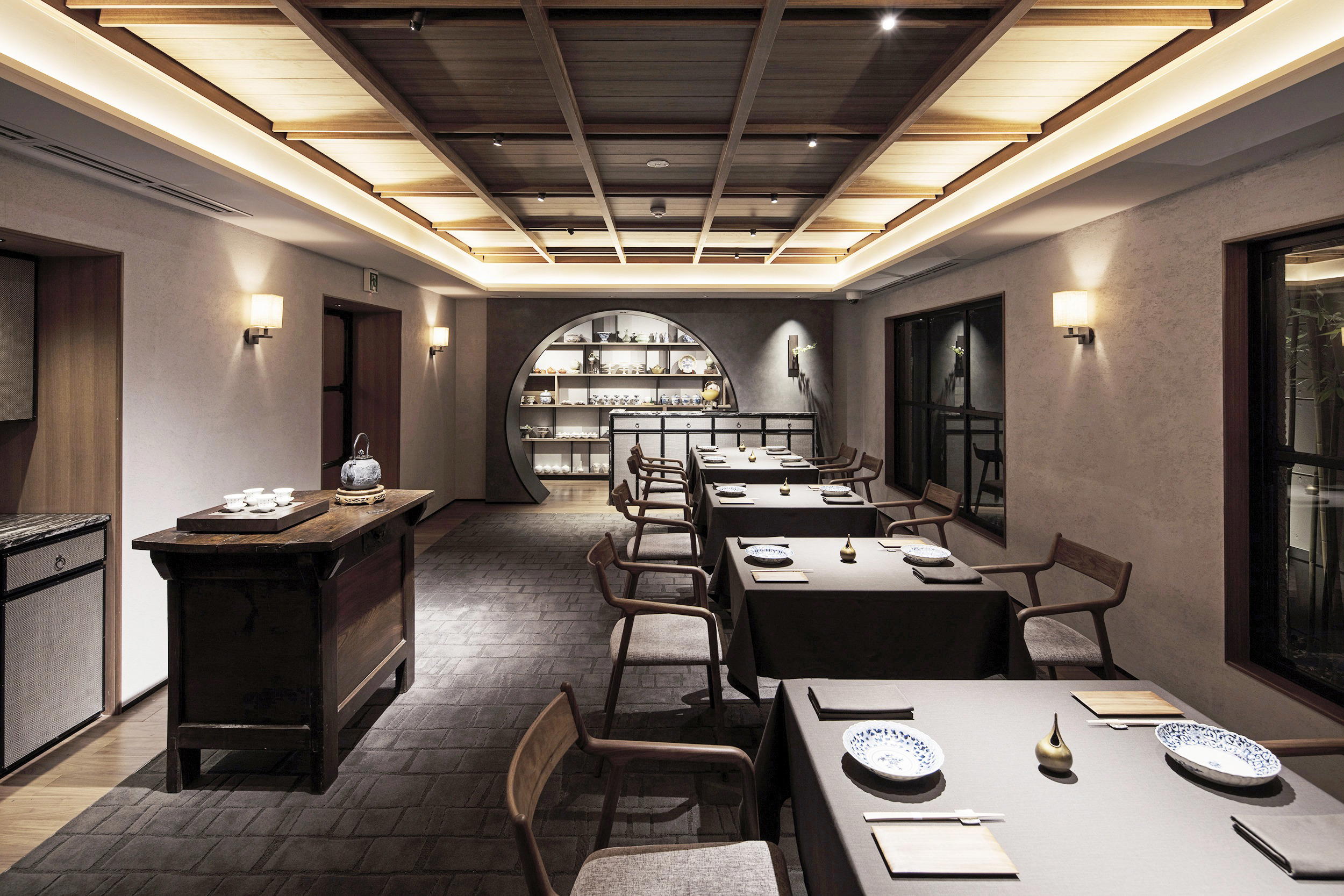
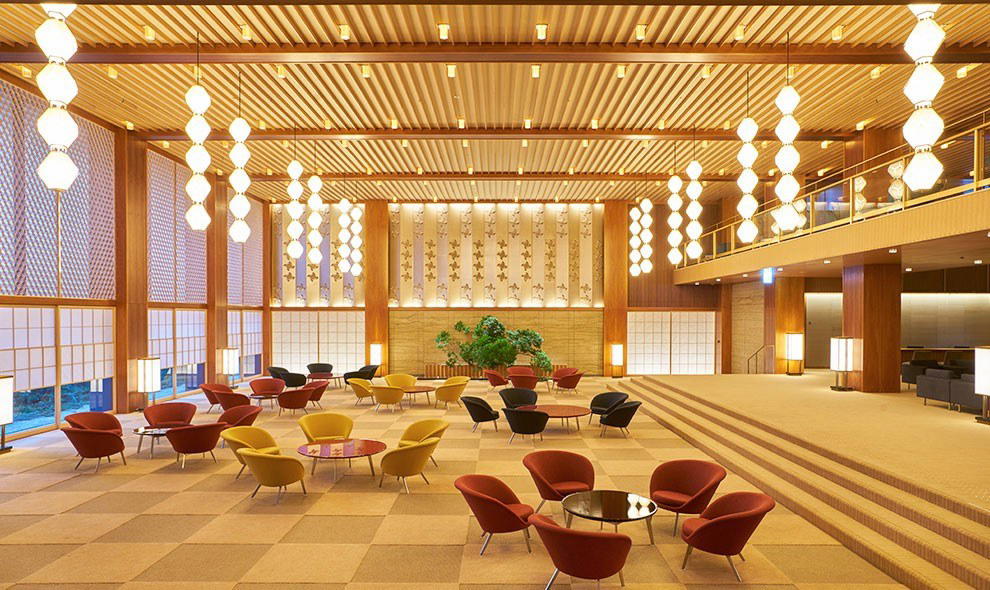
Warm and welcoming with a simple, understated aesthetic; white plaster walls and intimate counter seating create a relaxed yet refined atmosphere that feels more like a local neighborhood restaurant than a formal fine-dining establishment.