Chrugerno10 occupies a first-district address on Krugerstraße, placing it inside Vienna's most competitive dining corridor. The restaurant sits in the tier where Austrian ingredient sourcing meets continental technical discipline, a positioning that defines much of the city's current creative restaurant conversation. Confirm details directly before visiting, as operational specifics are subject to change.
Pearl is the En Primeur Club membership app — saves, bookings, and concierge access live there. Same editors, same standards.
- Address
- Krugerstraße 10/8, 1010 Wien, Austria
- Phone
- +436641144550
- Website
- chrugerno10.com
- Directions
- Get directions
 Saves & bookings on Pearl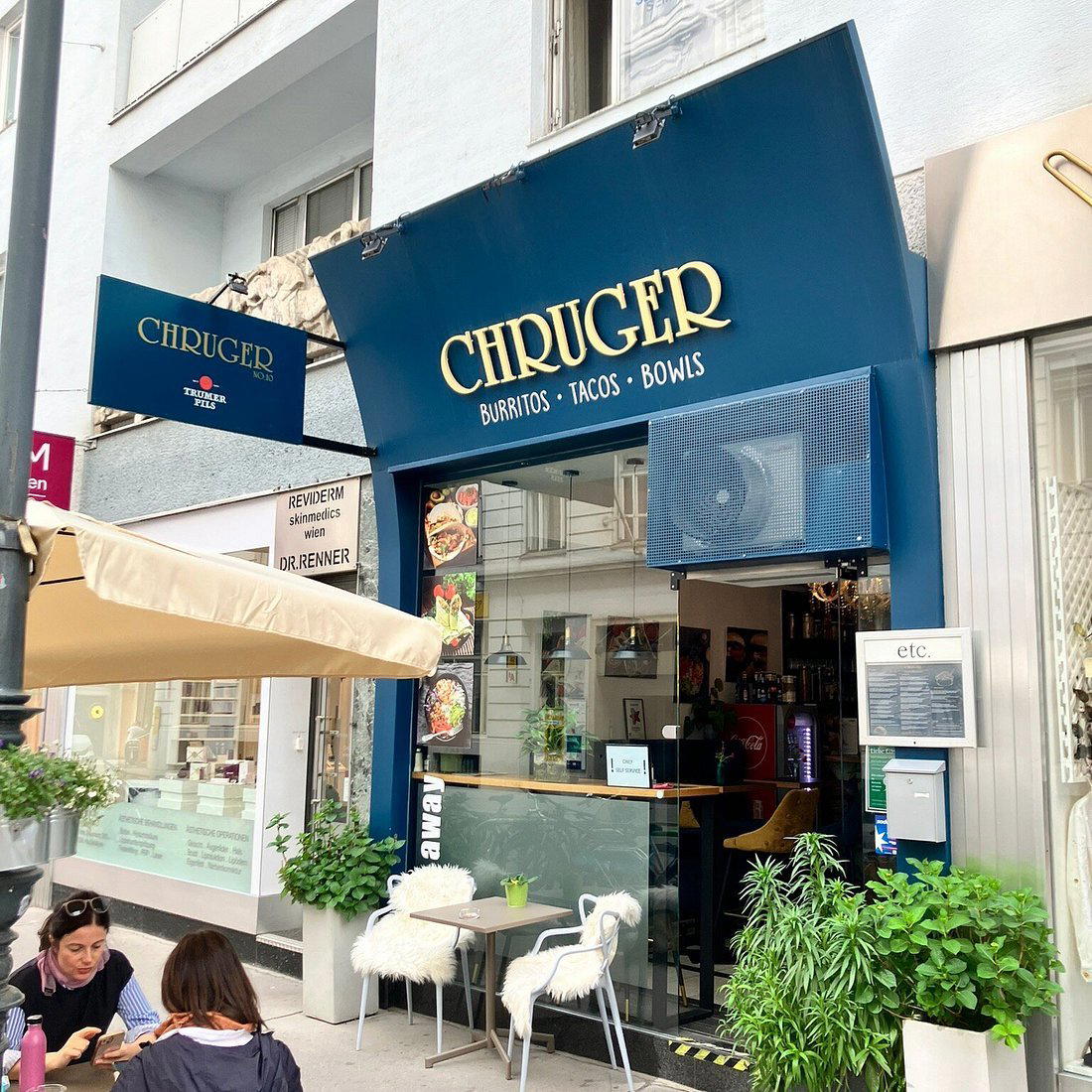
Vienna's First District and the Pressure of a Premium Address
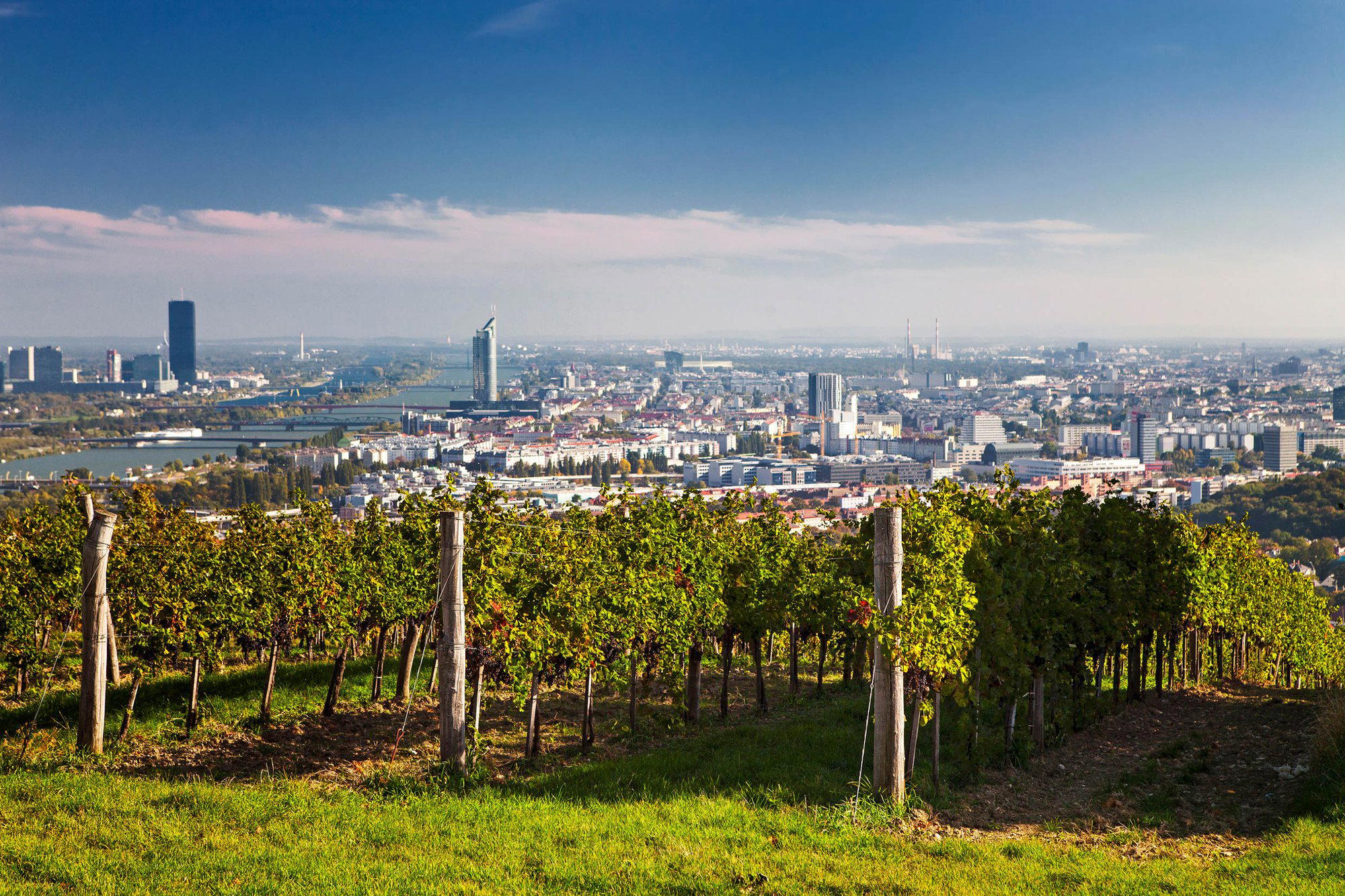
Krugerstraße 10 is not a forgiving location. The first district of Vienna carries a weight of expectation that few European city centres replicate: the Staatsoper two blocks west, the Ringstraße grandeur at every turn, and a dining public that has spent decades calibrating what a serious restaurant should look like. Operating here places any kitchen in immediate conversation with the city's most discussed addresses, including Konstantin Filippou and Amador. Chrugerno10 takes that context on directly by occupying a residential-scale space on an inner-city side street, the kind of address that signals deliberate restraint rather than conspicuous ambition.
Vienna's top tier of creative dining has consolidated around a recognisable set of values over the past decade: Austrian produce handled with techniques absorbed from French, Nordic, and Japanese traditions, presented in formats that prioritise the cooking over the ceremony. That convergence is visible across the city's most discussed kitchens. Steirereck im Stadtpark represents the established summit of that model. Mraz & Sohn operates a parallel version with a more informal register. Chrugerno10 occupies a position within this broader pattern, a first-district room in a city where the creative restaurant conversation is more active than its international profile might suggest.
Local Ingredients, Global Technique: The Frame That Defines Vienna's Creative Tier
The intersection of indigenous Austrian product and imported culinary method is not a recent development in this city, it runs through the tradition of Viennese cuisine from its Austro-Hungarian borrowings forward. What has changed is the degree of technical precision applied to that intersection. Alpine herbs, Styrian pumpkin, Wachau stone fruit, Burgenland game: these are ingredients with strong regional identity, and the city's leading kitchens now treat them with the same methodological seriousness that defines restaurants like Le Bernardin in New York City or Lazy Bear in San Francisco, precision-led programs where the provenance of the raw material is as considered as the technique applied to it.
Austria's restaurant scene beyond Vienna reinforces this picture. Döllerer in Golling an der Salzach has spent years building a reputation around Alpine product treated with technical ambition. Landhaus Bacher in Mautern an der Donau works the Wachau corridor's produce with a similar seriousness. Obauer in Werfen and Kräuterreich by Vitus Winkler in Sankt Veit im Pongau push the herb and forage dimension of that tradition. What these kitchens share is a conviction that Austria's ingredient geography is specific enough to anchor a serious tasting program, that the terroir of the country's larder is as worth articulating as the terroir of its wine regions. Vienna's first-district restaurants inherit that conviction and apply it in an urban format, with a dining public that arrives with higher expectations of both the produce and the technique.
The Room and What It Signals
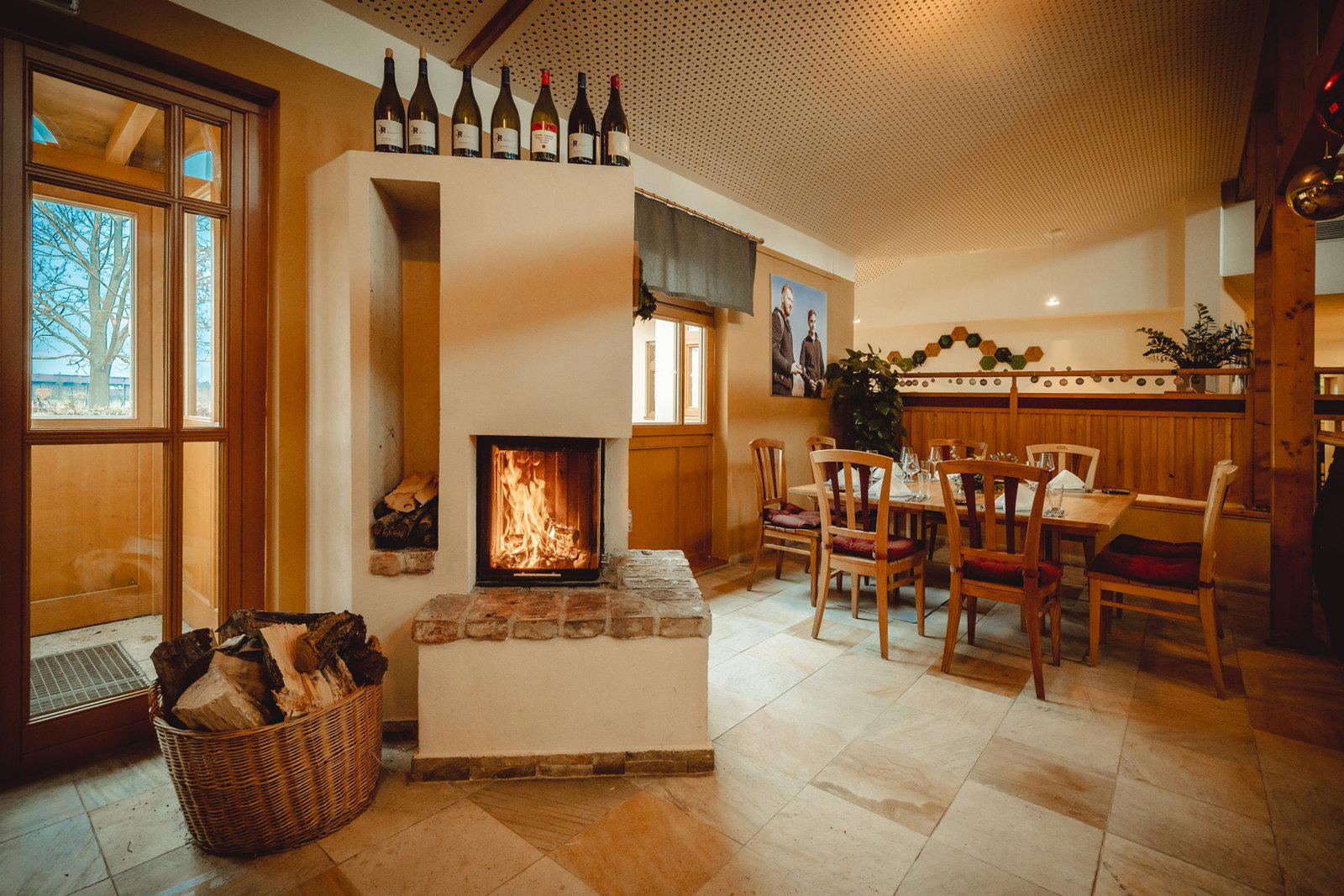
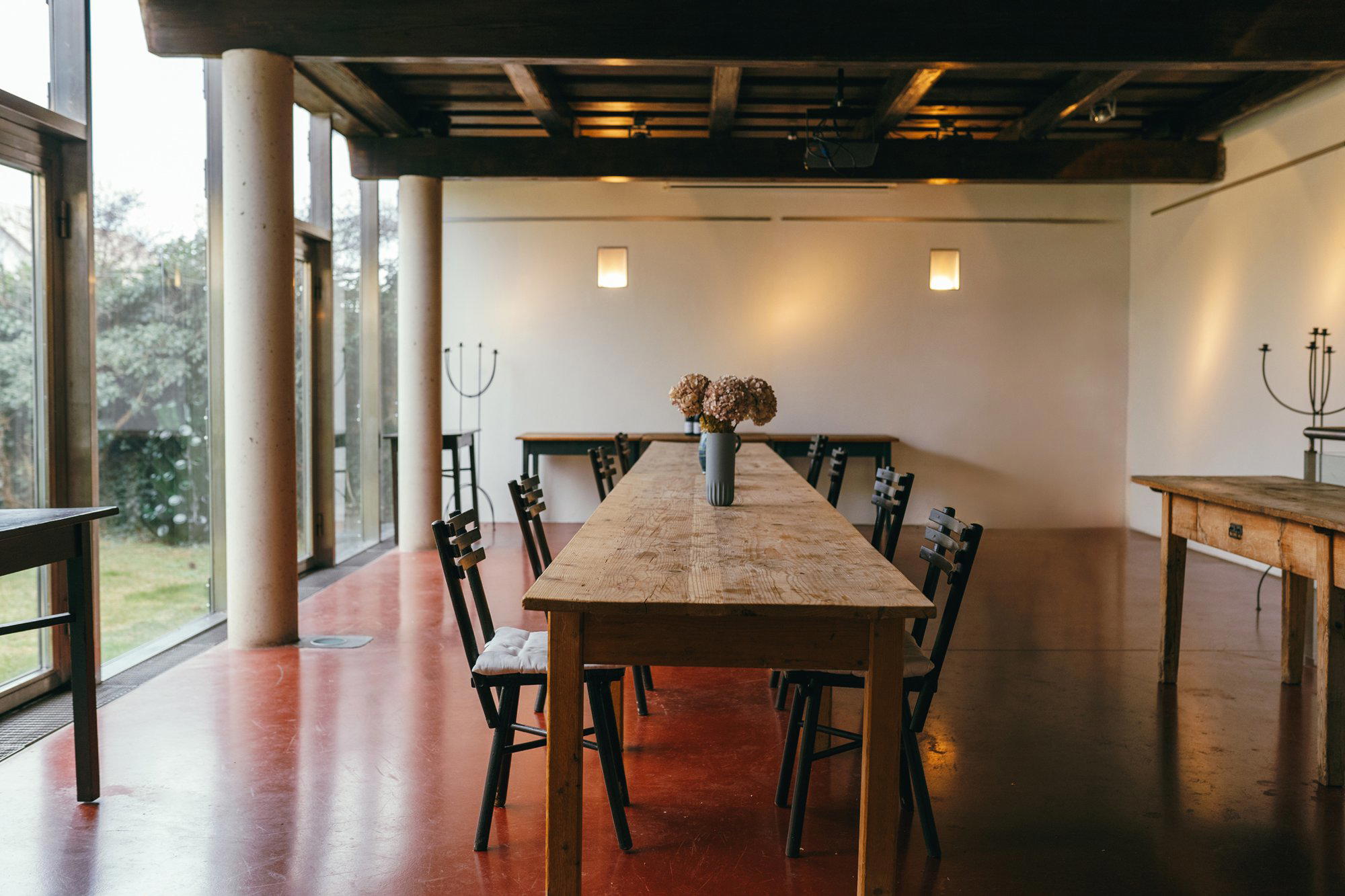
A residential address in a Viennese Altbau building, the category that describes most of inner Vienna's pre-war apartment stock, carries a particular aesthetic grammar. High ceilings, thick walls, a certain quality of light filtered through tall windows: these are conditions that either work with a restaurant's atmosphere or against it. The smaller, more intimate format that such spaces impose has become a competitive advantage in Vienna's creative tier, where the counter-programming to the city's grand coffee-house scale is a deliberately contained dining room where the focus falls on the plate. Doubek operates in a version of this register. Chrugerno10's Krugerstraße address belongs to the same spatial logic.
In markets where the grand dining room remains a default expectation, the decision to operate at smaller scale is a positioning statement. It orients the experience toward a guest who is choosing the cooking over the spectacle, and it compresses the service model in ways that can either sharpen attentiveness or expose its limits. The leading rooms in this format manage both, Ois in Neufelden is a regional example of how a tight-format Austrian kitchen can turn spatial constraint into a programme asset.
Situating Chrugerno10 in the Vienna comparable set
Vienna's creative restaurant tier clusters at the €€€€ price point, which in this city means a tasting menu or à la carte format where the per-head spend tracks against Michelin-recognised peers in Paris, Copenhagen, or London. The comparison set is tighter than it appears: Steirereck im Stadtpark, Konstantin Filippou, and Mraz & Sohn all operate at this level and have accumulated the kind of award recognition that sets market expectations. Dining at Chrugerno10 places you in that tier by address and by the first-district pricing logic that governs it.
Austria's wider fine-dining circuit provides useful comparison: Gourmetrestaurant Tannenhof in Sankt Anton am Arlberg, Stüva in Ischgl, and Schwarzer Adler in Hall in Tirol demonstrate how seriously the country's mountain-region restaurants have invested in the same local-ingredient, global-technique framework. Restaurant 141 by Joachim Jaud in Mieming and Taubenkobel in Schützen am Gebirge extend the pattern into Burgenland wine country. Vienna, in this context, is the national market's most competitive test: a city where the same quality standard is expected from an intimate side-street room as from an internationally profiled flagship.
Planning Your Visit
Spring and autumn are the periods when Vienna's creative kitchens tend to shift menus most significantly, tracking the seasonal availability of Austrian produce. If you are planning around a specific dish type or dietary requirement, contact the restaurant in advance.
| Venue | Location | Price Tier | Style | Booking Lead Time |
|---|---|---|---|---|
| Chrugerno10 | 1st District, Vienna | Unconfirmed | Unconfirmed | Confirm directly |
| Steirereck im Stadtpark | 3rd District, Vienna | €€€€ | Creative | Several weeks minimum |
| Konstantin Filippou | 1st District, Vienna | €€€€ | Modern European | 2-4 weeks |
| Mraz & Sohn | 20th District, Vienna | €€€€ | Modern Austrian, Creative | 2-3 weeks |
City Peers
Comparable venues nearby, for context on price, style, and recognition.
| Venue | Cuisine | Price | Notes |
|---|---|---|---|
| Chrugerno10This venue — the venue you are viewing | Mexican Street Food - Tacos, Burritos & Bowls | $$ | Not listed |
| Gorilla Kitchen | Mexican Street Food Burritos | $$ | Staatsoper |
| Burrito BeachCafé | Mexican Street Food | $$ | Inner City |
| Maiz No. 2 | Authentic Mexican Tacos | $$ | Josefstadt |
| Don Taco | Mexican Taqueria | $$ | Josefstadt |
| La Taquería Chiquitita | Authentic Mexican Taqueria | $$ | Margareten |
Continue exploring
More in Vienna
Restaurants in Vienna
Browse all →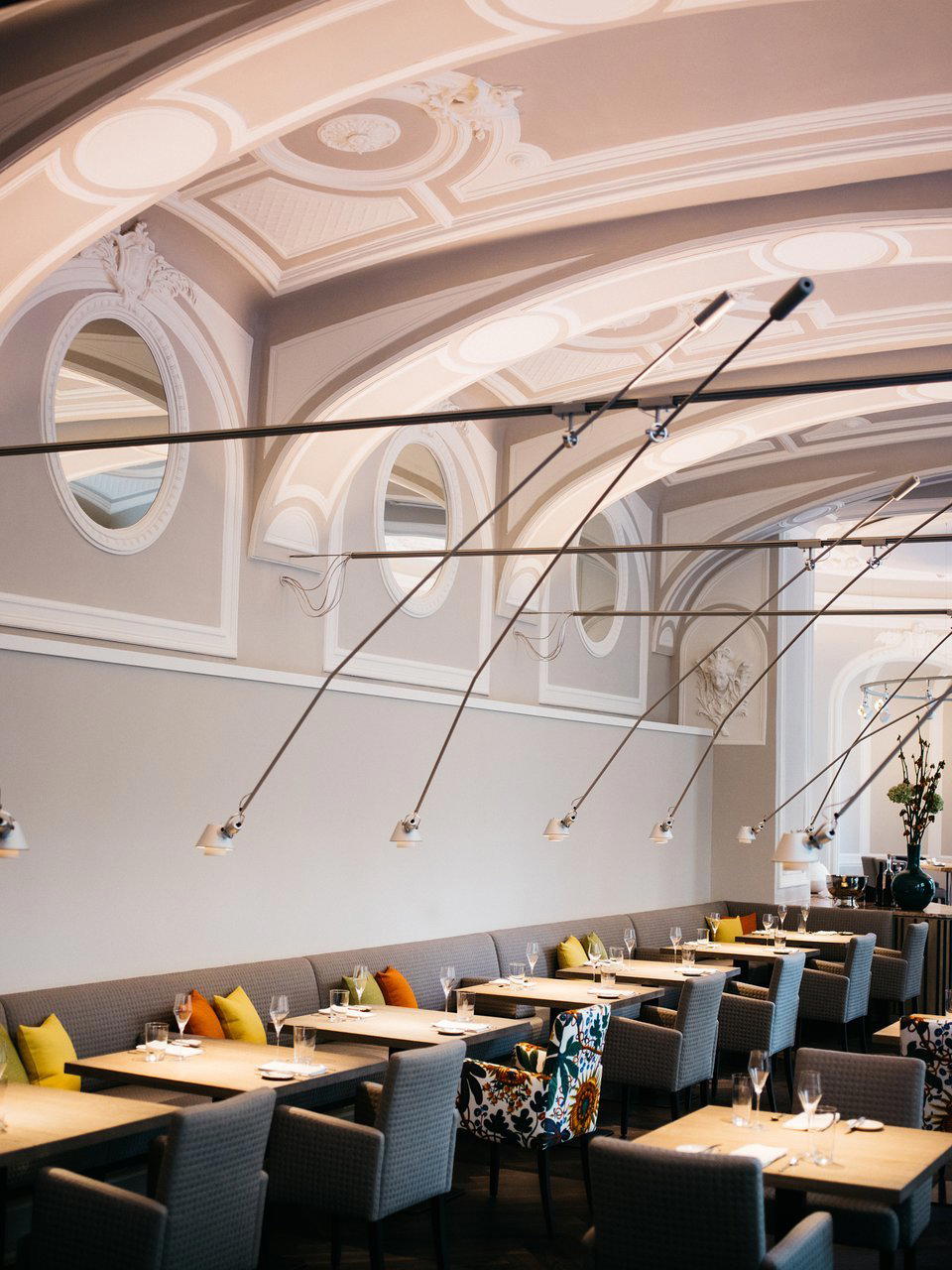
Bars in Vienna
Browse all →
Hotels in Vienna
Browse all →
At a Glance
- Cozy
- Lively
- Casual Hangout
- Standalone
- Local Sourcing
Current opening hours
- Monday
- 10 AM–10 PM
- Tuesday
- 10 AM–10 PM
- Wednesday
- 10 AM–10 PM
- Thursday
- 10 AM–10 PM
- Friday
- 10 AM–10 PM
- Saturday
- 1–10 PM
- Sunday
- Closed
Hours can change for holidays and private events. Last verified .
Cozy and pleasant atmosphere with a few outdoor seats in a lively central location, ideal for casual comfort food.