On Rue Saint-Sébastien in Marseille's 6th arrondissement, Maison Bohème occupies a stretch of the city where neighbourhood dining has shifted considerably over the past decade. Positioned between the accessible bistro tier and the city's Michelin-level circuit, it represents a category of Marseille address where evolution in format and identity is as much the story as the food itself.
Pearl is the En Primeur Club membership app — saves, bookings, and concierge access live there. Same editors, same standards.
- Address
- 40 Rue Saint-Sébastien, 13006 Marseille, France
- Phone
- +33649105180
- Website
- restaurantmaisonboheme.fr
- Directions
- Get directions
 Saves & bookings on Pearl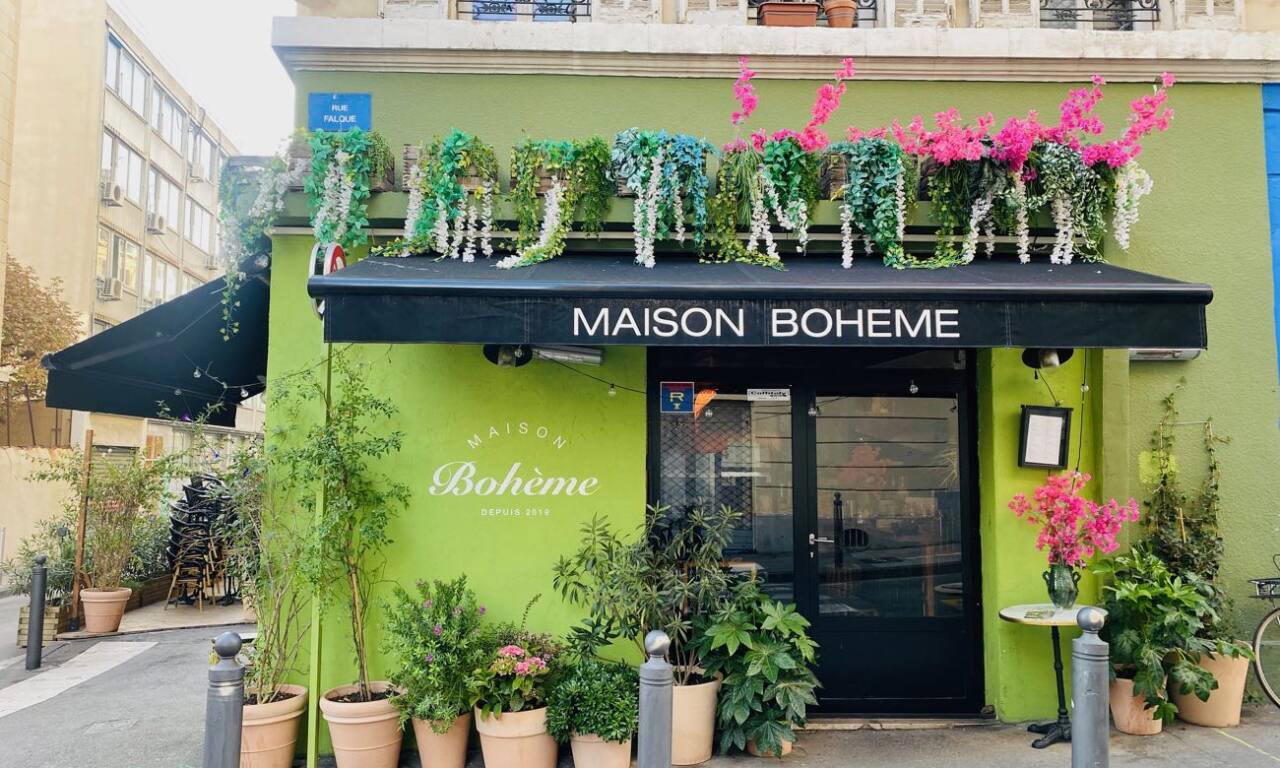
A Street, a Shift, and What Maison Bohème Tells You About Marseille Now
Maison Bohème is a restaurant at 40 Rue Saint-Sébastien, 13006 Marseille, France, serving Provençal Bistro with Mediterranean Influences and priced at about $25 per person. Over the past ten to fifteen years, this part of the city has quietly reoriented itself: what was once a stretch of neighbourhood staples has attracted a generation of addresses that sit between the unfussy Provençal canteen and the destination-level dining of the Vieux-Port waterfront. Maison Bohème, at number 40, sits inside that shift, a venue whose identity is understood through its place in Marseille's neighbourhood dining scene.
Marseille has always resisted easy categorisation as a food city. It is not Lyon, where the bouchon is a civic institution and culinary identity is codified by generations of Mères. Nor is it the Côte d'Azur, where spectacle and setting tend to do the heavy lifting. Marseille's dining culture is rougher at the edges, more port-inflected, and historically more interested in feeding people well than in performing gastronomy. The bouillabaisse tradition alone, a dish that began as a fisherman's way of using unsellable catch, tells you something about the city's foundational relationship with food: practical, abundant, and rooted in what the sea provides.
Where the 6th Arrondissement Fits
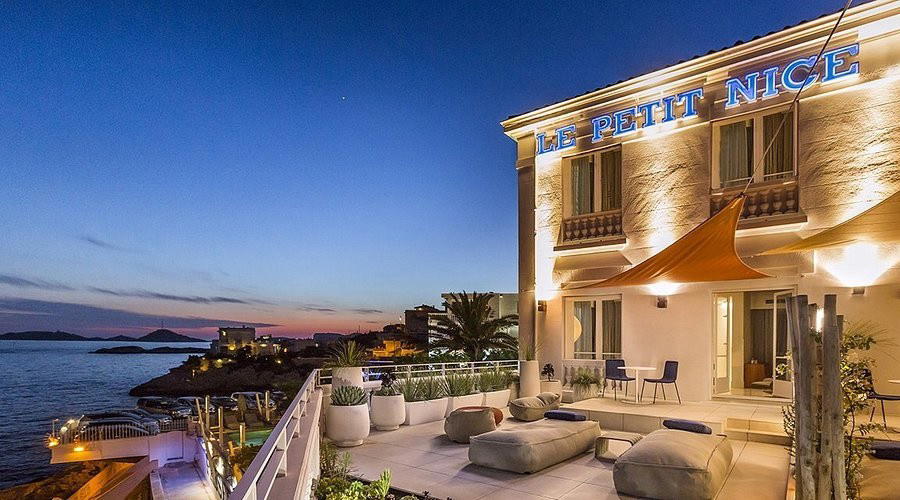
The 6th is one of Marseille's more residential and commercially active districts, bookended by the Cours Julien to the east and the Préfecture quarter to the west. It has attracted a range of independent dining addresses over the past decade, partly because rents remain more accessible than in some of the city's more tourist-heavy pockets, and partly because its resident population skews toward the kind of regular, engaged diner that sustains a neighbourhood restaurant through repeat custom rather than tourist footfall. This matters for understanding what an address like Maison Bohème is likely optimising for: it is almost certainly not a venue built around destination dining in the way that AM par Alexandre Mazzia or Le Petit Nice are. Those addresses, both operating at the €€€€ tier with Michelin recognition, draw visitors from outside Marseille specifically to eat. The mid-market 6th arrondissement addresses tend to earn their keep differently, through neighbourhood trust built over time.
That trust, when it exists, tends to be durable. Marseille's dining culture punishes inauthenticity quickly; the city has enough local pride and enough competition at the affordable end that a venue positioned between the bistro tier and the fine-dining circuit must genuinely earn its place. Venues like Une Table, au Sud and Alivetu have navigated this by anchoring themselves clearly in a culinary identity, modern cuisine with Mediterranean grounding, in most cases, rather than trying to occupy too broad a register.
The Evolution Question
French restaurants in the mid-market tier have been under consistent pressure since the mid-2010s. The combination of shifting diner expectations, increased competition from casual-format addresses, and the post-2020 recalibration of hospitality economics has pushed many venues in this category to make clear decisions: tighten the format, narrow the menu, sharpen the identity, or risk becoming generic. In Paris, this pressure produced a wave of bistronomy; in Lyon, it accelerated the decline of certain traditional bouchon formulas; in Marseille, it has generally pushed capable operators toward a cleaner Mediterranean register rather than trying to maintain broad classical French coverage.
For a venue like Maison Bohème, the evolution framing is particularly apt. Addresses in this category, neighbourhood-scaled, independent, without the institutional weight of a Michelin star or a famous chef's name attached, tend to go through visible phases. An opening format, often ambitious, gives way to a more calibrated version shaped by what the local audience actually returns for. The menu narrows. The service tone settles. The room, if it has been refreshed, starts to feel intentional rather than provisional. Whether the restaurant has moved through this arc productively is a question that current visitors are better placed to answer than any fixed editorial record, but the broader pattern it belongs to is clear enough. France's regional mid-market has been in active evolution, and the addresses that have come through it most coherently are those that found a specific identity and held it.
Across France's broader dining circuit, this kind of identity-sharpening has defined the stronger independent operators of the past decade. Institutions like Bras in Laguiole or Auberge de l'Ill in Illhaeusern have maintained distinct identities across generations. At the other end of the ambition register, addresses like Flocons de Sel in Megève and Mirazur in Menton have built reputations through rigorous specificity about what they do and where they do it. The lesson for mid-market independents in cities like Marseille is not that they need to compete at that level, but that clarity of identity is what converts a good neighbourhood room into something with lasting relevance.
Marseille's Broader Dining Context
For visitors approaching Marseille as a dining destination rather than a transit point, the city rewards some mapping before arrival. The high-end circuit, anchored by the addresses mentioned above, plus 1860 Le Palais, operates on a different booking logic from the neighbourhood tier. For the Michelin-level addresses, reservations several weeks in advance are standard. The mid-market addresses in districts like the 6th tend to be more accessible, particularly on weekday evenings, though the better-regarded ones fill quickly on weekends. The full Marseille restaurants guide covers both tiers in more detail.
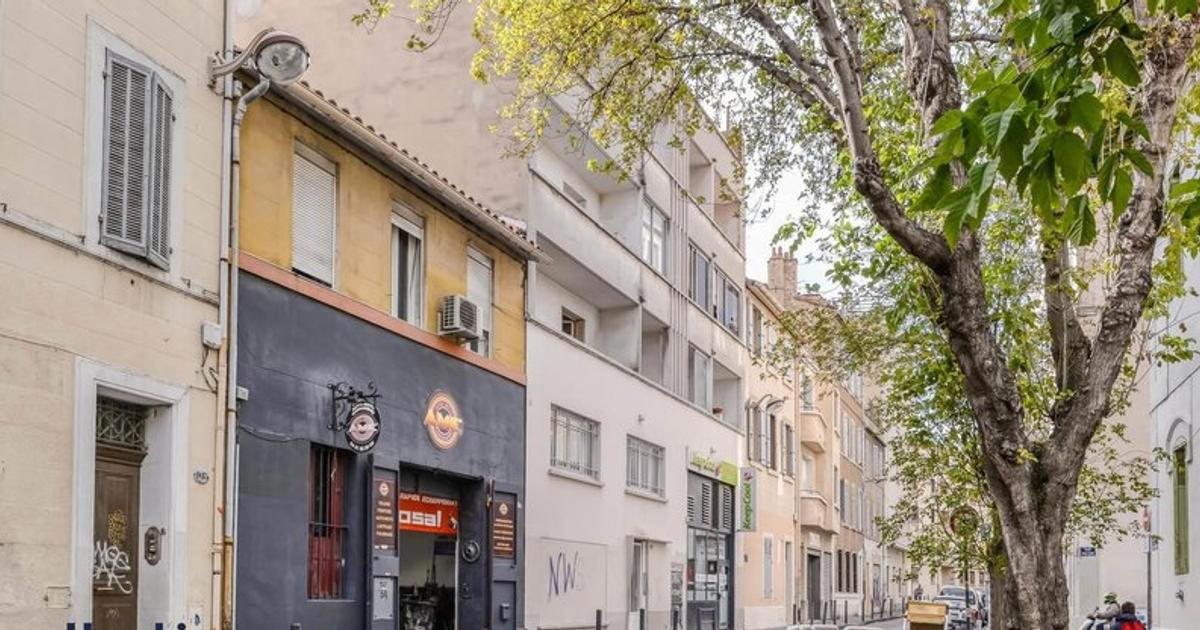
The restaurant's address on Rue Saint-Sébastien places it within walking distance of the Cours Julien, which remains one of the more characterful parts of the city for an evening spent across multiple addresses. The quarter is leading approached on foot; parking in this part of the 6th is genuinely awkward, and the neighbourhood's density rewards slow movement rather than a targeted dash to a single table.
Planning a Visit
Phone ahead or arrive early, particularly on Thursday through Saturday evenings.
Compact Comparison
Comparable venues nearby, for context on price, style, and recognition.
| Venue | Cuisine | Price | Notes |
|---|---|---|---|
| Maison BohèmeThis venue — the venue you are viewing | Not listed | $$ | Not listed |
| Chicoulon | Opera, French Bistronomic | $$ | Not listed |
| Emile 1933 | Le Rouet, Classic French Brasserie | $$ | Not listed |
| Caterine | Not listed | $$ | Notre Dame Du Mont, Modern Mediterranean French Bistro |
| Toma | Not listed | $$$ | Opera, Modern French-Mediterranean Bistronomic |
| Chez Jeannot | Not listed | $$ | Endoume, Traditional French Pizza & Seafood |
Continue exploring
More in Marseille
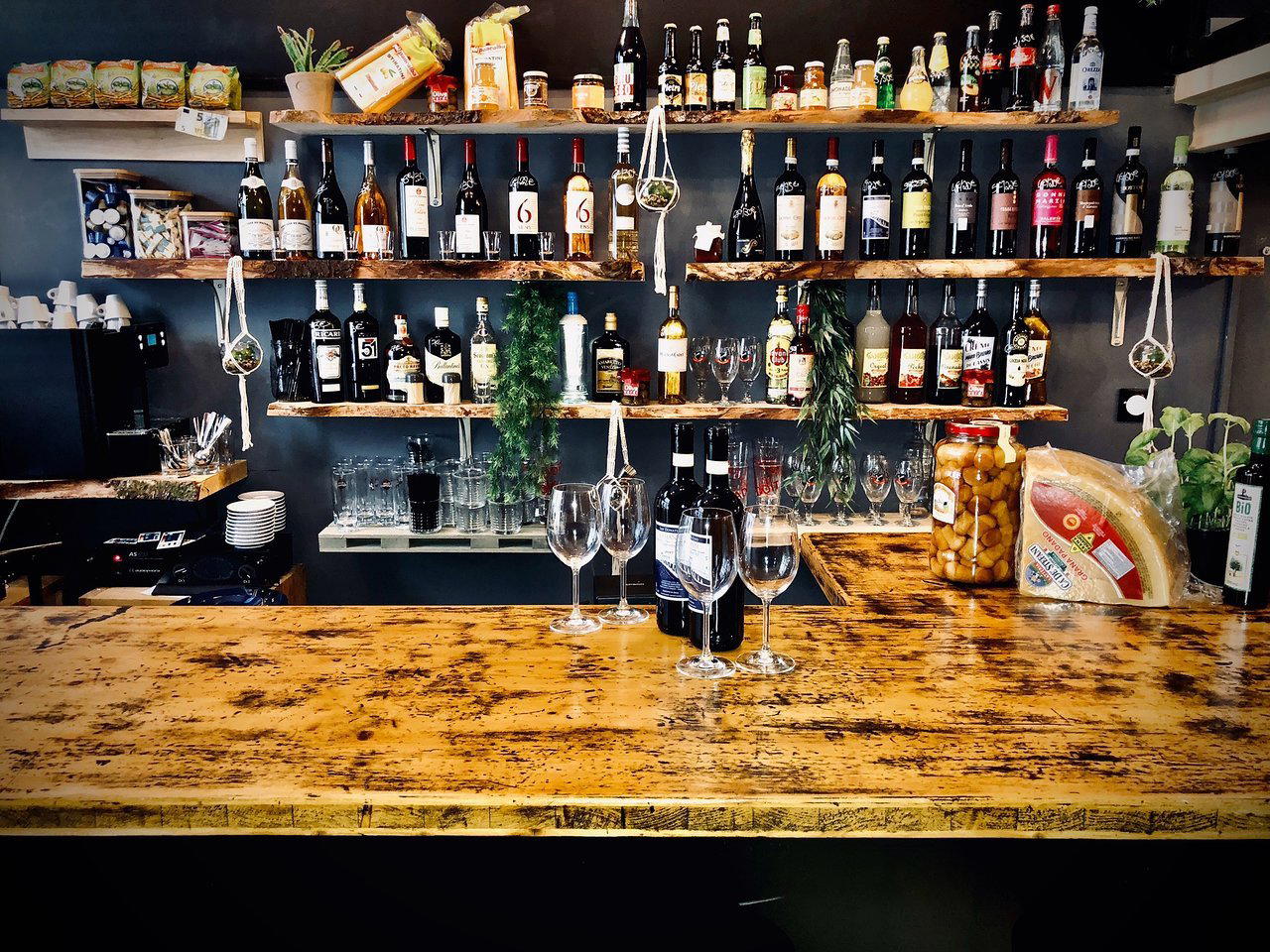
Restaurants in Marseille
Browse all →
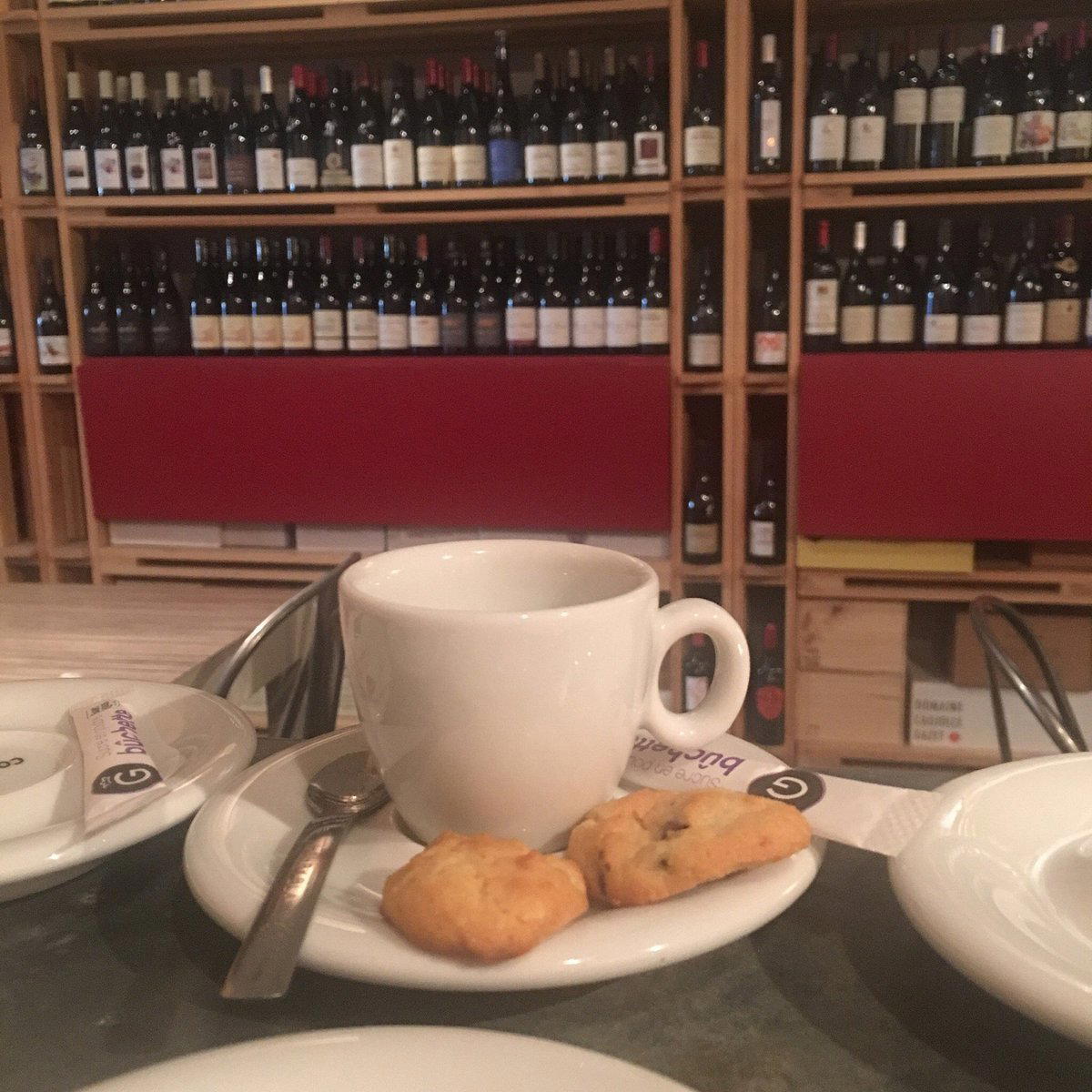
Bars in Marseille
Browse all →
Hotels in Marseille
Browse all →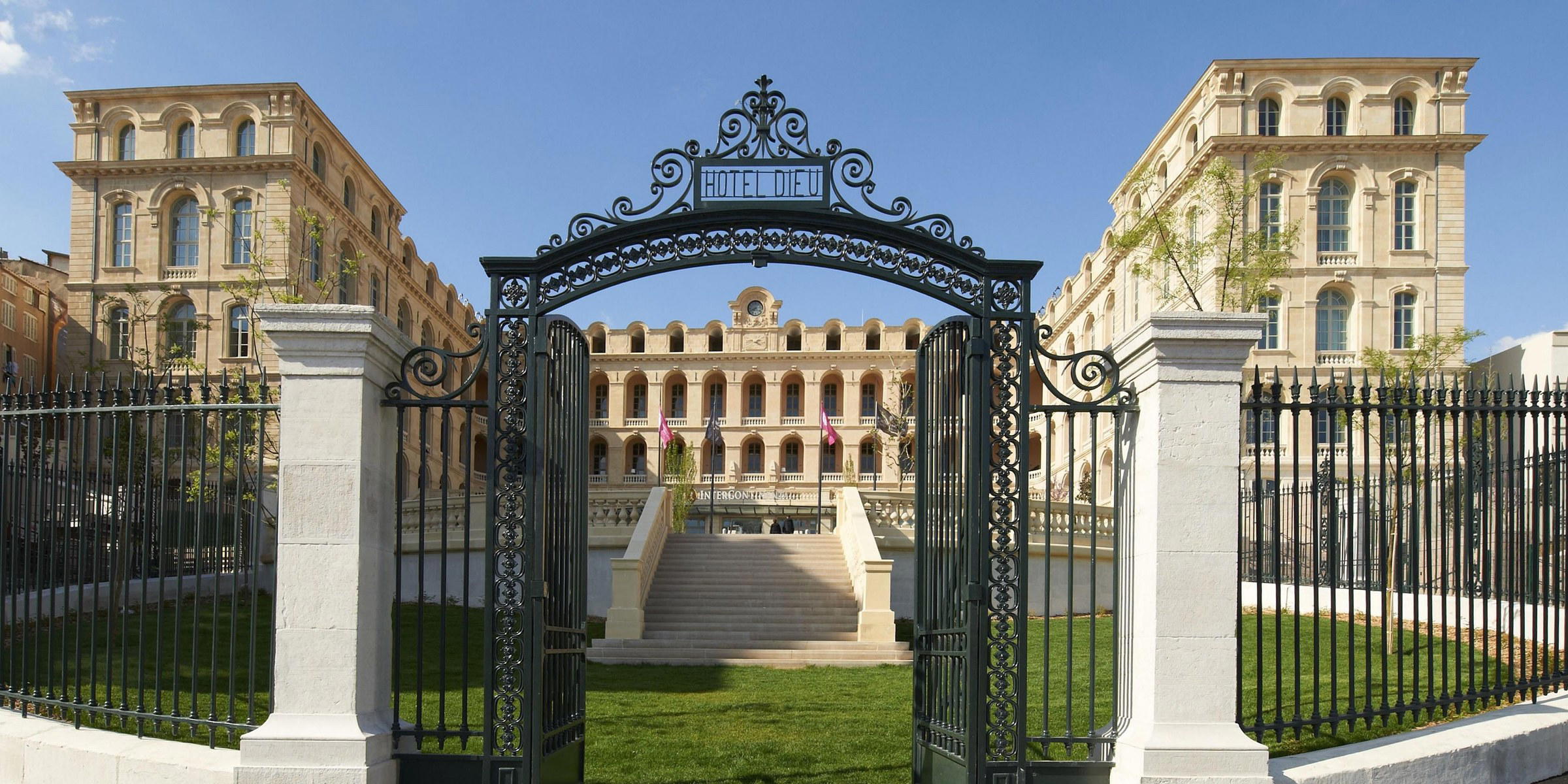
At a Glance
- Cozy
- Bohemian
- Lively
- Elegant
- Brunch
- Casual Hangout
- Date Night
- Group Dining
- Terrace
- Craft Cocktails
- Local Sourcing
- Organic
Current opening hours
- Monday
- Closed
- Tuesday
- 11:30 AM–2:30 PM, 6:30–10:30 PM
- Wednesday
- 11:30 AM–2:30 PM, 6:30–10:30 PM
- Thursday
- 11:30 AM–2:30 PM, 6:30–10:30 PM
- Friday
- 11:30 AM–2:30 PM, 6:30–10:30 PM
- Saturday
- 10 AM–2:30 PM, 6:30–10:30 PM
- Sunday
- 10 AM–3 PM
Hours can change for holidays and private events. Last verified .
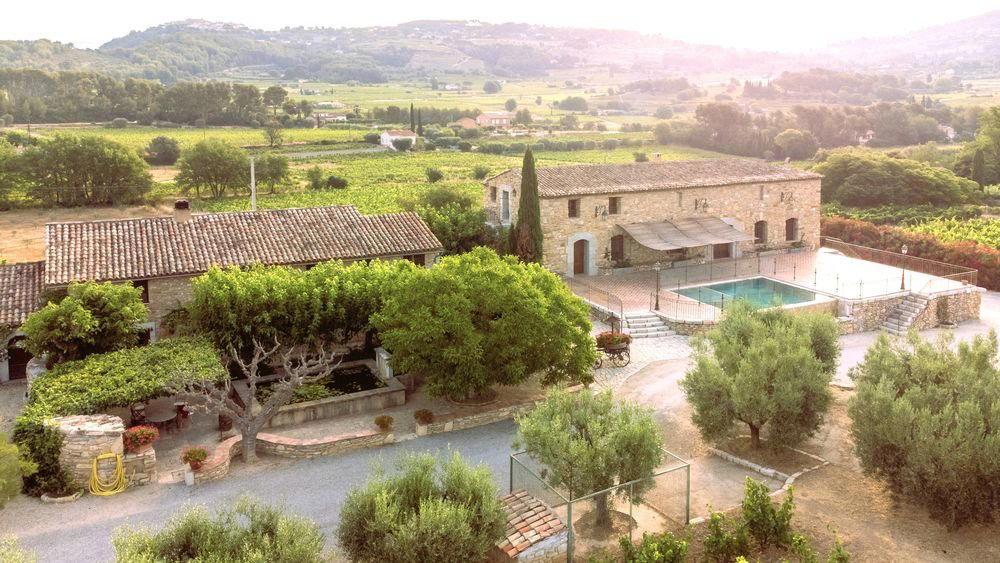
Chaleureux and convivial with colorful floral elements, shaded terrace, and relaxed lighting fostering a welcoming vibe.