Magari by Geisha sits on Friedenstraße in Munich's eastern quarters, where a growing concentration of chef-driven independents has been quietly reshaping the city's dining map. The name pairs an Italian word for desire with a reference to the Japanese tradition of refined craft, a pairing that signals something more considered than its neighbourhood address might initially suggest. For Munich diners tracking the scene beyond the established Michelin corridor, it warrants attention.
Pearl is the En Primeur Club membership app — saves, bookings, and concierge access live there. Same editors, same standards.
- Address
- Friedenstraße 20A, 81671 München, Germany
- Phone
- +498914330323
- Website
- magari-werksviertel.de
- Directions
- Get directions
 Saves & bookings on Pearl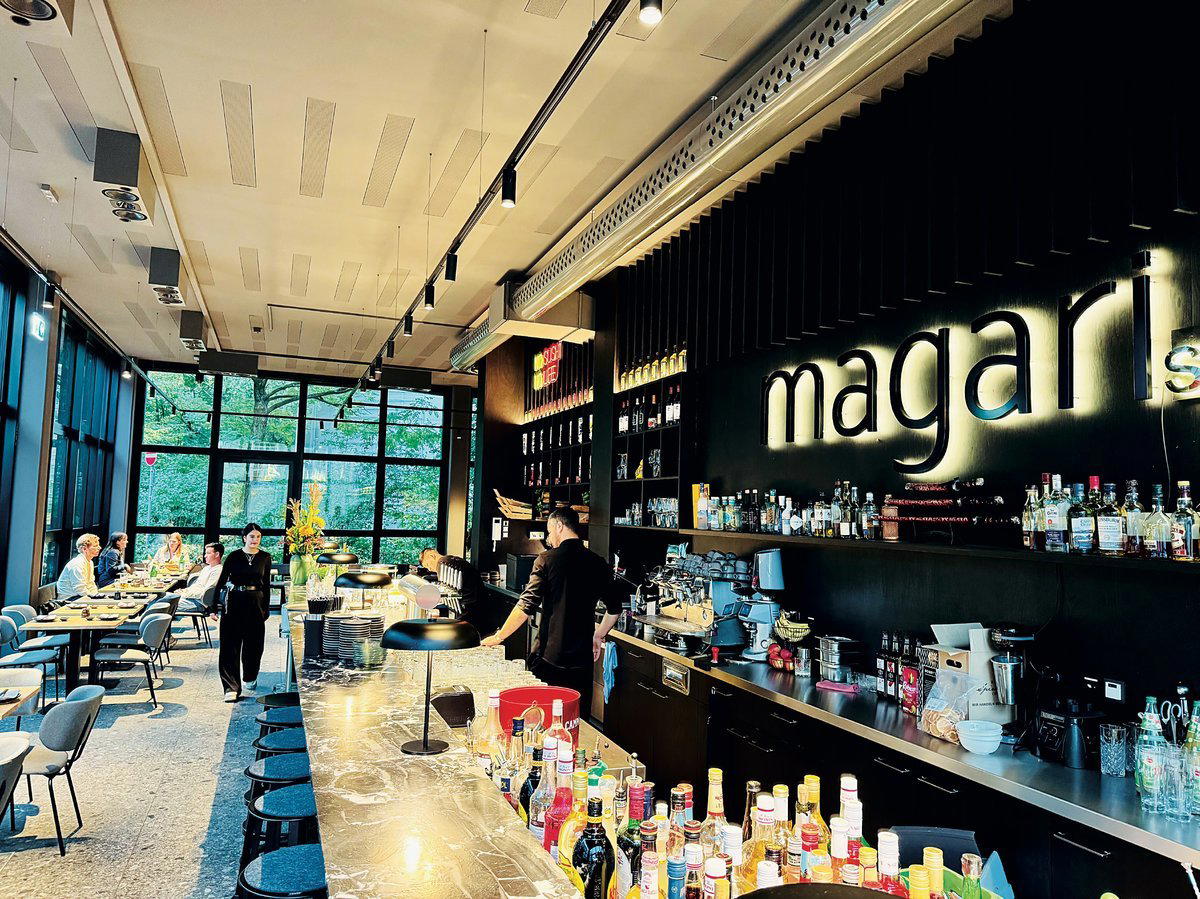
Where the Address Tells Only Part of the Story
Munich's fine dining conversation tends to cluster around a familiar set of postcodes: the hotel dining rooms of Maxvorstadt, the grand addresses near the Englischer Garten, the historic houses of Schwabing. Friedenstraße 20A, in the city's eastern Au-Haidhausen district, sits well outside that corridor. It is the kind of address that rewards the reader who maps a city by kitchen rather than by postcode. Magari by Geisha sits in this eastern position as Munich's independent restaurant scene moves beyond its traditional gravity points.
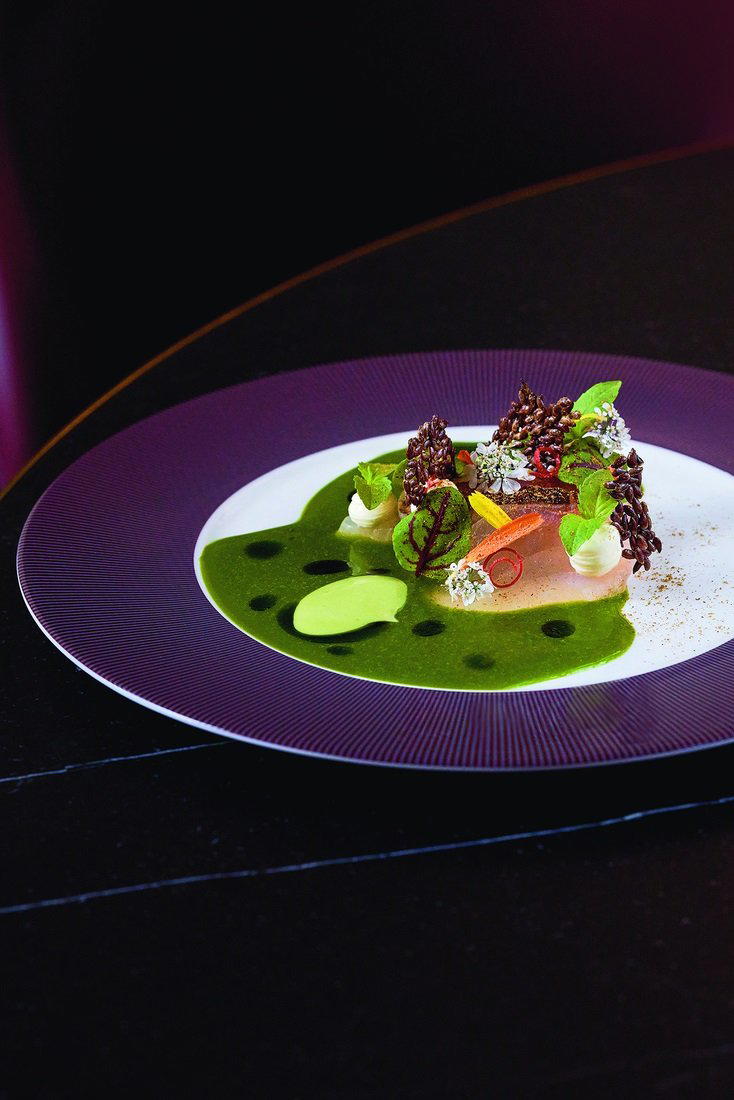
The name itself encodes a dining philosophy without spelling it out. Magari is Italian for longing or desire, the kind of word that implies incompleteness, anticipation, the space before satisfaction. Geisha, in the context of Japanese craft tradition rather than cultural cliché, carries associations of disciplined artistry, ritual precision, and studied restraint. Together they frame a dining register that is neither purely European nor straightforwardly Japanese, which places Magari in an interesting comparable set within the German fine dining scene: a growing category of restaurants that resist simple cuisine classification while drawing on multiple culinary traditions with structural seriousness.
The Ritual Logic of the Meal
German fine dining has a specific relationship with pacing and sequence. At the highest tier, the rooms collected in guides alongside Tantris and Atelier, the meal is understood as a form of ceremony. Courses arrive at intervals calibrated to conversation, not efficiency. Amuse-bouches carry as much kitchen intention as the main plates. The progression from light to rich, from raw to cooked, from acidic to fatty and back again, is treated as composition rather than catering. Magari by Geisha, with its fused naming logic, positions itself inside this tradition of the meal as structured experience rather than mere sequence of dishes.
The cross-cultural reference in the name also suggests an approach to ritual that draws on Japanese precision as much as European formality. In high-end Japanese dining, the omakase counter format that has influenced kitchens globally, from Atomix in New York City to Le Bernardin's fish-forward precision, the pacing of a meal is inseparable from the craft of it. Each element arrives when the kitchen judges it ready, not when the diner requests it. That logic, when it intersects with European tasting-menu formats, produces something that German cities have been absorbing with increasing sophistication. In Munich specifically, Tohru in der Schreiberei has charted one visible version of this German-Japanese synthesis at the Michelin level, and Magari's conceptual framing places it in adjacent territory, though with its own distinct identity.
The Munich Context for Independent Fine Dining
Munich's restaurant scene has long been dominated by institutional players: the hotel dining rooms, the legacy houses with decades of Michelin recognition, and the handful of creative independents like JAN and Alois - Dallmayr Fine Dining that have accumulated awards over years of operation. Against that backdrop, a newer independent in a less-trafficked district occupies a specific position: it draws a clientele that actively seeks it rather than stumbling in from a hotel concierge recommendation. That self-selecting dynamic tends to produce a different room atmosphere, more curious, more knowledgeable, often more willing to engage with an unconventional format.
The broader German fine dining scene that Magari operates within includes some of the country's most technically demanding kitchens: Aqua in Wolfsburg, Schwarzwaldstube in Baiersbronn, Vendôme in Bergisch Gladbach, and Victor's Fine Dining by Christian Bau in Perl. These are rooms where the meal as ritual has been refined over decades. Newer entrants to this tier, whether in Munich or elsewhere, ES:SENZ in Grassau, CODA Dessert Dining in Berlin, tend to distinguish themselves through format innovation rather than simply replicating the established playbook. Magari's dual-register naming logic suggests it is reaching for something structurally distinct rather than iterating on convention.
Within the city, the comparison set is instructive. Tantris operates as a legacy institution with decades of French-rooted formality. Atelier represents the creative-French direction at the hotel level. Magari, in contrast, operates outside the hotel structure and with a name that signals cross-cultural intent, which places it in a niche that Munich's dining scene has room to develop further. For readers tracking what comes after the established Michelin tier in this city, Friedenstraße is worth the detour.
Planning a Visit
Magari by Geisha is located at Friedenstraße 20A, 81671 München, in the Au-Haidhausen district, accessible from the city centre by U-Bahn or tram. Current hours are Monday to Friday 8 AM to 3 PM and 5 PM to 11 PM, Saturday and Sunday 8 AM to 11 PM. Reservations are recommended.
Additional reference points across Germany for readers building a broader itinerary: Restaurant Haerlin in Hamburg, Schanz in Piesport, Bagatelle in Trier, and Waldhotel Sonnora in Dreis each represent different expressions of German fine dining that contextualise what Munich's scene, including rooms like Magari, is working alongside and in response to.
Category Peers
Comparable venues nearby, for context on price, style, and recognition.
| Venue | Cuisine | Price | Awards | Notes |
|---|---|---|---|---|
| Magari by GeishaThis venue — the venue you are viewing | Modern Asian Fusion | $$$ | Not listed | Not listed |
| AIVI Eatery | Modern Vietnamese-Japanese Fusion Sushi | $$$ | Not listed | Altstadt |
| Mokum | Modern Creative International Bistro | $$ | Not listed | Theresienwiese |
| BAR TATAR in der Schreiberei | Modern French-Japanese Tartare Bar | $$$ | Michelin Plate | Altstadt |
| Chez Fritz | Classic French Brasserie | $$$ | Not listed | Haidhausen |
| ChuChin | Modern Vietnamese | $$$ | Not listed | Haidhausen |
At a Glance
- Modern
- Trendy
- Sophisticated
- Lively
- Date Night
- After Work
- Business Dinner
- Open Kitchen
- Craft Cocktails
- Sake Program
Current opening hours
- Monday
- 8 AM–3 PM, 5–11 PM
- Tuesday
- 8 AM–3 PM, 5–11 PM
- Wednesday
- 8 AM–3 PM, 5–11 PM
- Thursday
- 8 AM–3 PM, 5–11 PM
- Friday
- 8 AM–3 PM, 5–11 PM
- Saturday
- 8 AM–11 PM
- Sunday
- 8 AM–11 PM
Hours can change for holidays and private events. Last verified .
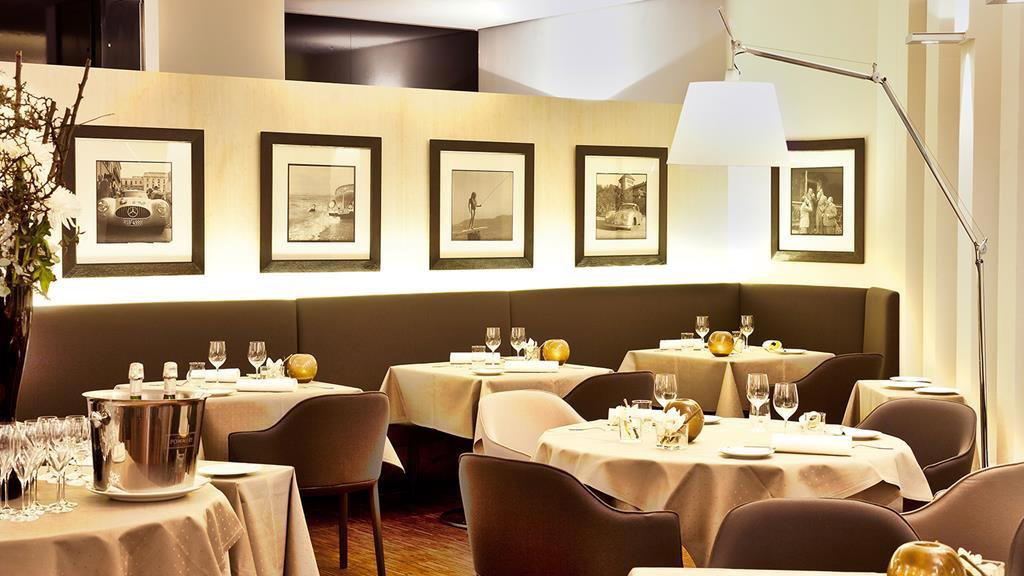
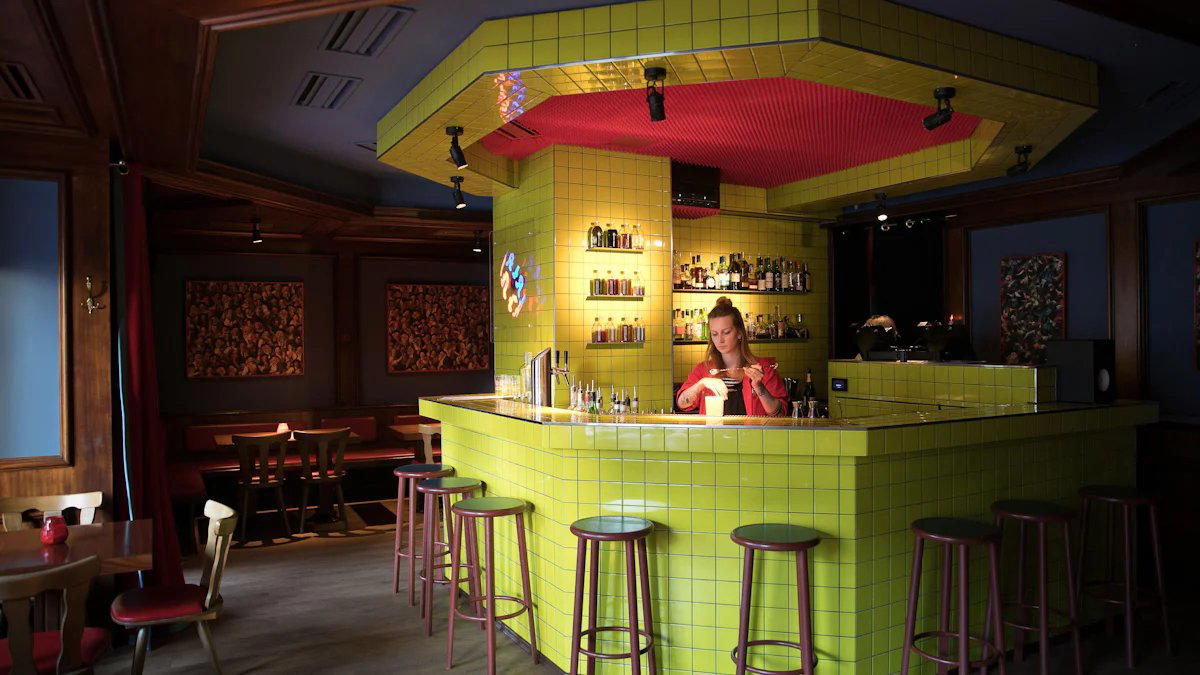
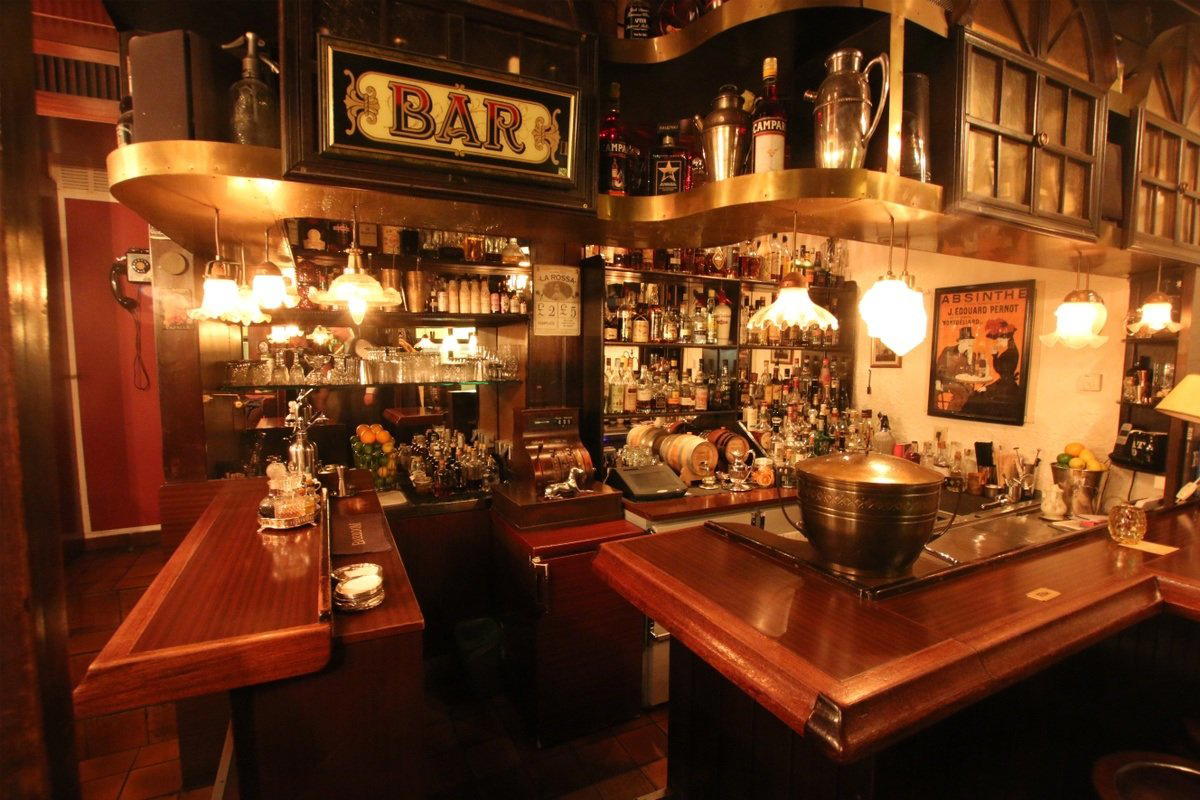
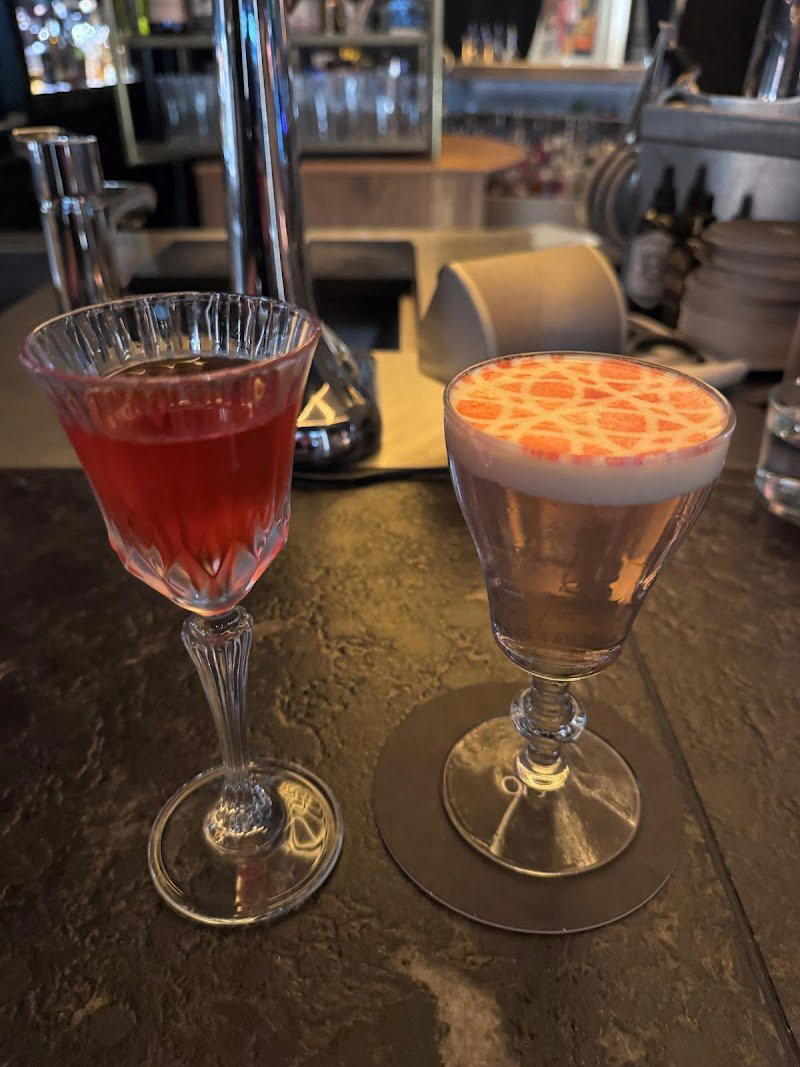
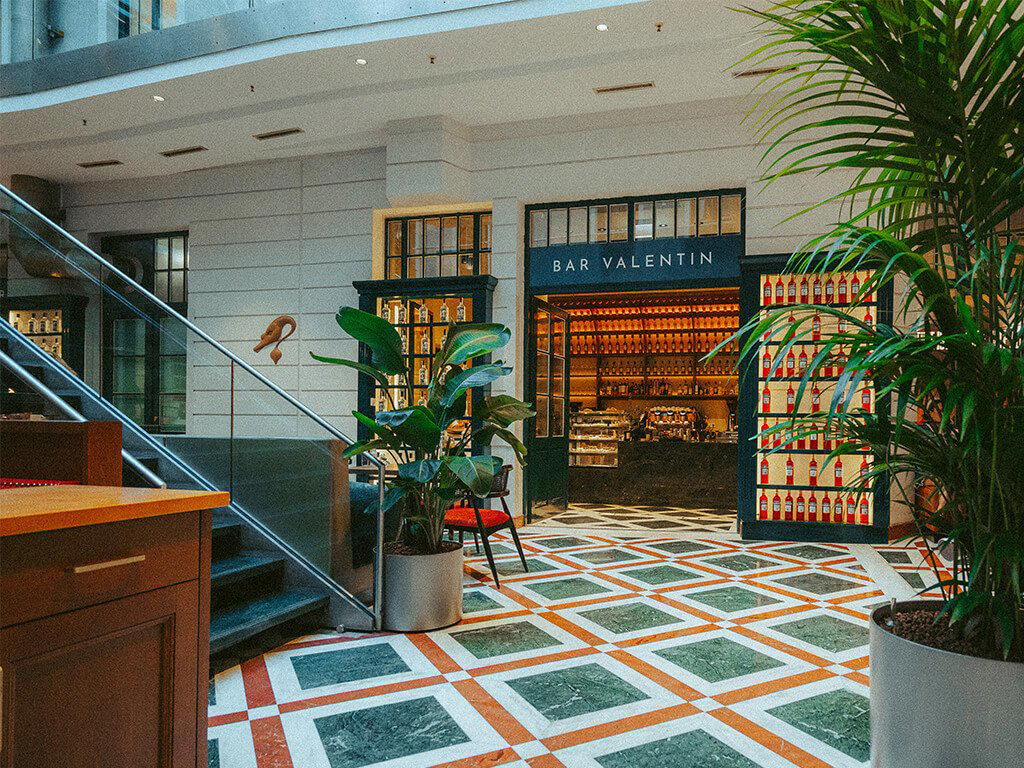
High-quality design with urban rhythm, lively social spot featuring a large bar for cocktails and afterwork vibes.