Chez Fritz occupies a residential stretch of Munich's Haidhausen district at Preysingstraße 20, operating as a neighbourhood fixture in a city increasingly defined by tasting-menu formality. Where Munich's Michelin-starred tier pulls toward long, composed evenings, Chez Fritz positions itself at the casual end of the spectrum, making it a practical counter-reference when assessing the full range of the city's dining options.
Pearl is the En Primeur Club membership app — saves, bookings, and concierge access live there. Same editors, same standards.
- Address
- Preysingstraße 20, 81667 München, Germany
- Phone
- +4949894487676
- Website
- chezfritz.de
- Directions
- Get directions
 Saves & bookings on Pearl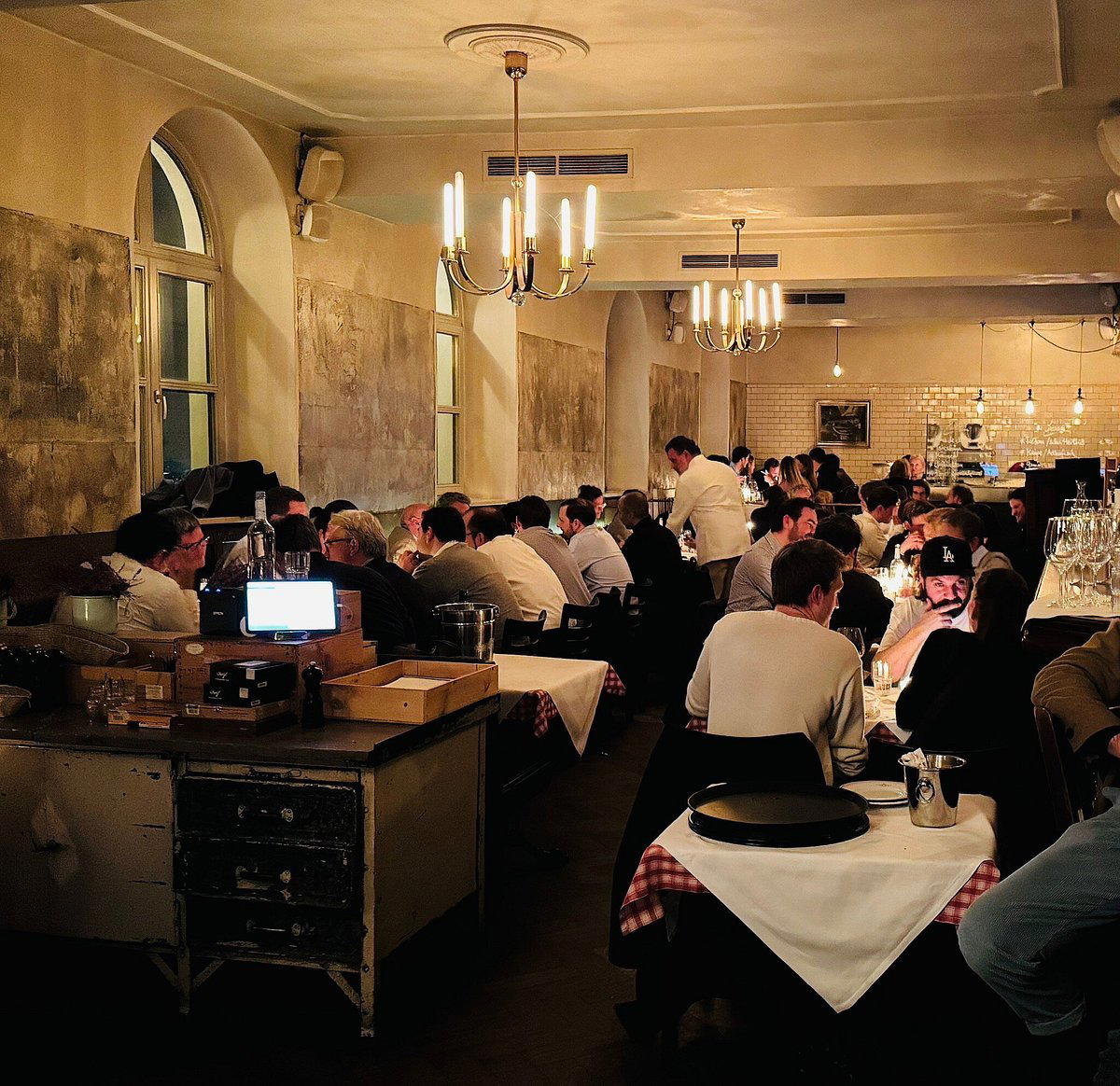
Where Haidhausen Eats Without a Ceremony
Munich's east bank dining scene has a dual personality. The streets around Preysingstraße and the broader Haidhausen quarter carry the relaxed, residential cadence of a neighbourhood that predates the city's recent fine-dining expansion, even as that expansion has crept closer. Chez Fritz sits inside that older register: a street-level address at Preysingstraße 20 that reads as a local's option rather than a destination engineered for out-of-towners. In a city where the upper bracket of restaurants, Tantris, Atelier, and Alois - Dallmayr Fine Dining, demand advance planning and a dress code, the appeal of a neighbourhood room operating on a more human scale is not difficult to understand.
Haidhausen itself occupies a particular position in Munich's geography of taste. The area was, for much of the twentieth century, a working-class quarter on the eastern bank of the Isar, and while it has gentrified steadily, it retains enough architectural texture and residential density to feel distinct from the city's more polished central zones. Restaurants here tend to earn loyalty through repetition rather than spectacle, the returning regulars at lunch, the early-evening tables that fill without a reservation push. That rhythm shapes how a place like Chez Fritz functions across the day.
The Lunch-to-Dinner Divide
The distinction between daytime and evening service in Munich's mid-market restaurants is more pronounced than in comparable European cities. At lunch, German urban dining culture still tilts toward efficiency: a fixed-price menu or a short printed card, tables that turn once or twice, and a clientele that includes office workers, neighbourhood shoppers, and the kind of regulars who have eaten the same dish every Tuesday for a decade. The evening shifts the mood, often lengthening the menu, slowing the pace, and drawing a slightly different crowd, one that has planned rather than wandered in.
For venues in the Haidhausen bracket, this divide matters commercially and experientially. Lunch represents accessible entry: lower price points, lighter commitment, less formality. Dinner asks more of the guest and, in return, offers more of the room's character. The practical implication for visitors is that the two services at a place like Chez Fritz may feel meaningfully different, and choosing between them is a genuine editorial decision rather than a scheduling convenience. If the goal is to read the room at its most relaxed and local, lunch is the better test. If the goal is to see how the kitchen performs when it has time to perform, the evening is the appropriate frame.
This lunch-dinner dynamic plays out differently across Munich's tiers. At Tohru in der Schreiberei or JAN, the evening tasting menu is effectively the only meaningful service; lunch, where it exists at all, is a compressed version of the same proposition. At the neighbourhood level, the hierarchy inverts: lunch often reveals more about a restaurant's actual identity than the dinner performance does.
Munich's Neighbourhood Restaurant Tier in Context
Germany's serious restaurant culture has historically concentrated in a small number of recognised addresses. The country's Michelin-starred circuit includes houses like Schwarzwaldstube in Baiersbronn, Aqua in Wolfsburg, and Victor's Fine Dining by Christian Bau in Perl, addresses that operate at a remove from daily urban life. Munich's own starred tier, which includes ES:SENZ in nearby Grassau as a regional reference point, sits above the bracket that restaurant occupies.
What exists between those poles is a mid-market layer that German food culture has historically managed well: the Gasthaus, the neighbourhood bistro, the family-run room that serves honest food at a price point that allows weekly attendance. This tier is under genuine pressure in Munich, where property costs have risen faster than menu prices and where the city's growing international profile has pulled investment toward the upper end. The neighbourhood restaurant that can sustain a loyal local clientele while remaining accessible to visitors operates in an increasingly narrow commercial band.
For comparison across the German scene, the contrast with something like CODA Dessert Dining in Berlin or Bagatelle in Trier is instructive: those addresses have built recognisable identities around a specific format or concept. The neighbourhood restaurant plays a different game, one where consistency and familiarity carry more weight than novelty.
Internationally, the model has analogues in cities from New York to San Francisco. Le Bernardin in New York City and Lazy Bear in San Francisco represent the format-driven, destination end of the spectrum; the neighbourhood room answers a different question entirely, one about daily life rather than occasion dining. Closer to Munich, venues like Waldhotel Sonnora in Dreis, Schanz in Piesport, Vendôme in Bergisch Gladbach, and Restaurant Haerlin in Hamburg all operate in the formal register that restaurant explicitly does not.
How to Place Chez Fritz in a Munich Visit
A coherent Munich dining itinerary now requires navigating a wide range of formats and price points. The city's high-end addresses demand early booking and a financial commitment that makes them unsuitable for every meal. The neighbourhood tier, of which the restaurant is a representative example, fills the gaps: the casual lunch before an afternoon at the Deutsches Museum, the early dinner before an evening concert at the Gasteig HP8 (the quarter's main cultural venue, a short walk from Preysingstraße). Haidhausen's position on the eastern Isar bank also makes it a natural base for exploring the neighbourhood on foot, with the river and the Maximilianeum within easy reach.
Know Before You Go
- Address: Preysingstraße 20, 81667 München, Germany
- Neighbourhood: Haidhausen, Munich's east bank residential quarter
- Phone / Website: Contact the restaurant directly for current details
- Price range: About $100 per person
- Reservations: Recommended
- Getting there: Preysingstraße 20, 81667 München, Germany
Comparable Spots
Comparable venues nearby, for context on price, style, and recognition.
| Venue | Cuisine | Price | Notes |
|---|---|---|---|
| Chez FritzThis venue — the venue you are viewing | Classic French Brasserie | $$$ | Not listed |
| Brasserie OskarMaria | French Brasserie with Regional Influences | $$$ | Lehel |
| le Plaisant | Modern French Fine Dining | $$$$ | Au |
| RELAX | French Gastropub | $$ | Isarvorstadt |
| Mr. Tonkey | Wine & Streetfood | $$$ | Theresienwiese |
| Tabacco | European Bar & Grill | $$$ | Isarvorstadt |
At a Glance
- Classic
- Elegant
- Cozy
- Date Night
- Special Occasion
- Late Night
- Terrace
- Extensive Wine List
- Street Scene
Current opening hours
- Monday
- Closed
- Tuesday
- 5:30 PM–1 AM
- Wednesday
- 5:30 PM–1 AM
- Thursday
- 5:30 PM–1 AM
- Friday
- 5:30 PM–1 AM
- Saturday
- 5:30 PM–1 AM
- Sunday
- Closed
Hours can change for holidays and private events. Last verified .
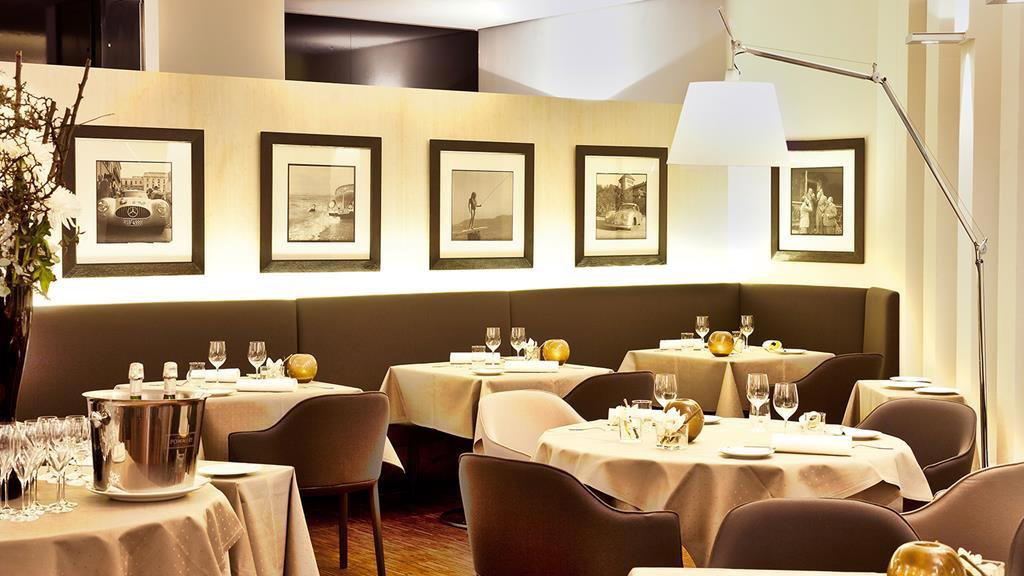
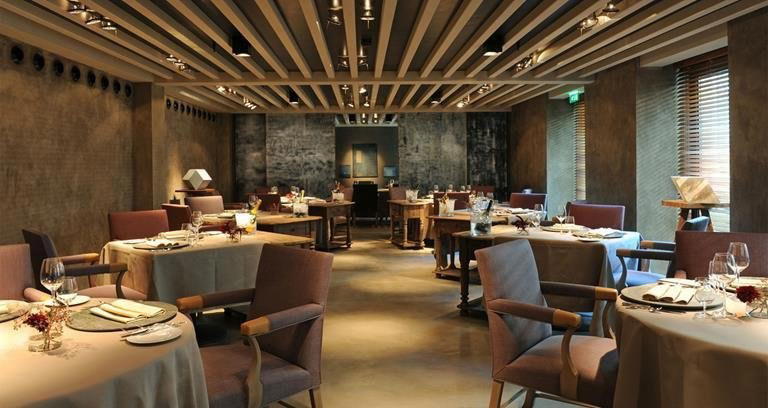
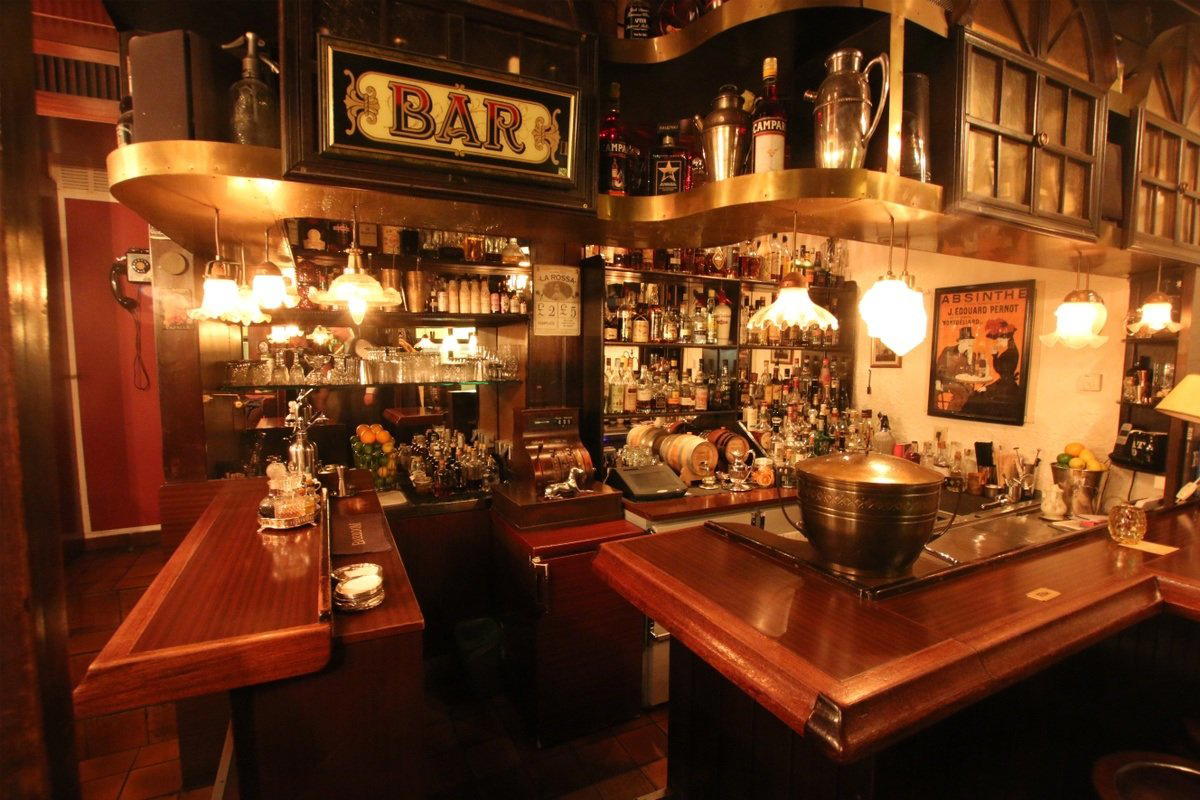
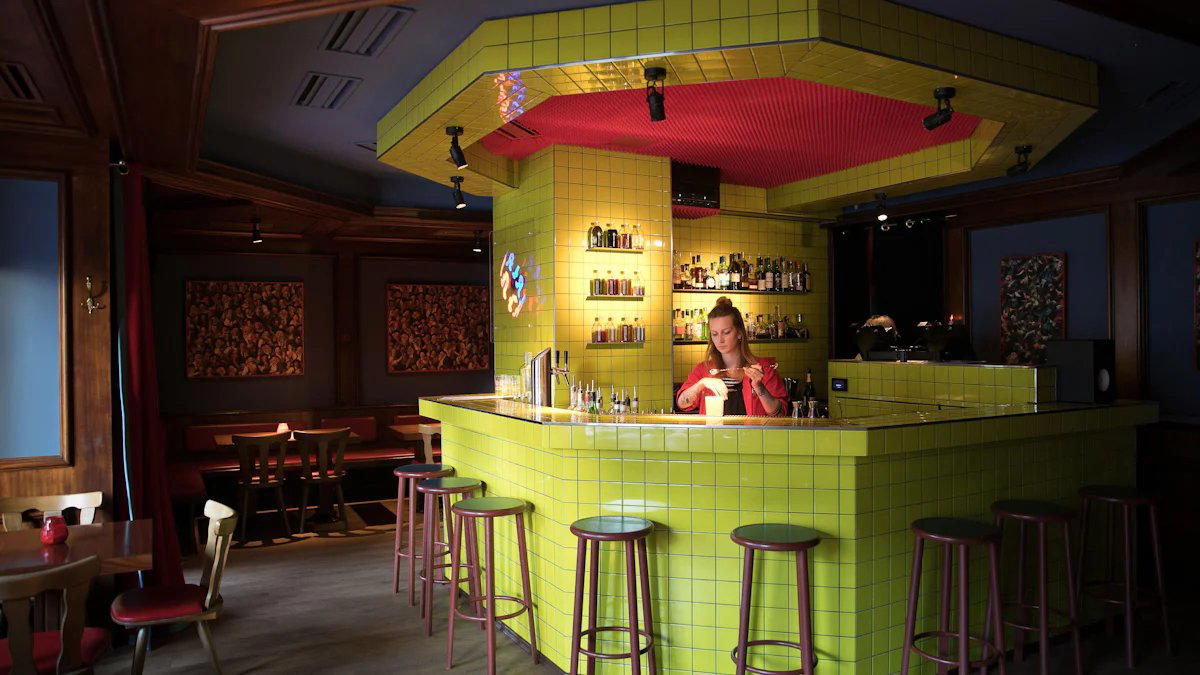
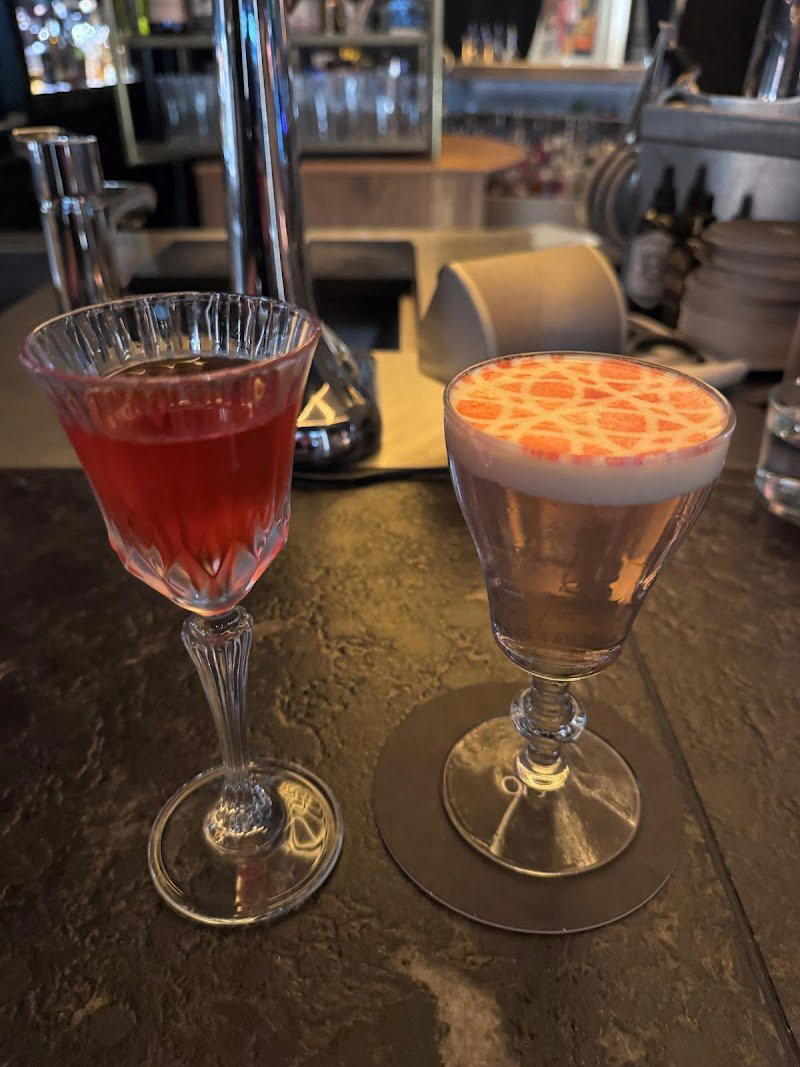
Lively brasserie atmosphere with warm lighting, checkered tablecloths, white tiled walls, wooden bar, and closely set tables evoking classic French bistros.