On Ismaninger Strasse in Munich's Bogenhausen district, ChuChin occupies a quieter stretch of the city's restaurant scene, away from the Michelin-heavy cluster of the centre. The address places it among a neighbourhood that has long supported restaurants operating outside the obvious tourist circuit, making it a reference point for locals tracking where Munich's dining habits are genuinely shifting.
Pearl is the En Primeur Club membership app — saves, bookings, and concierge access live there. Same editors, same standards.
- Address
- Ismaninger Str. 61, 81675 München, Germany
- Phone
- +498947027428
- Website
- chuchin.de
- Directions
- Get directions
 Saves & bookings on Pearl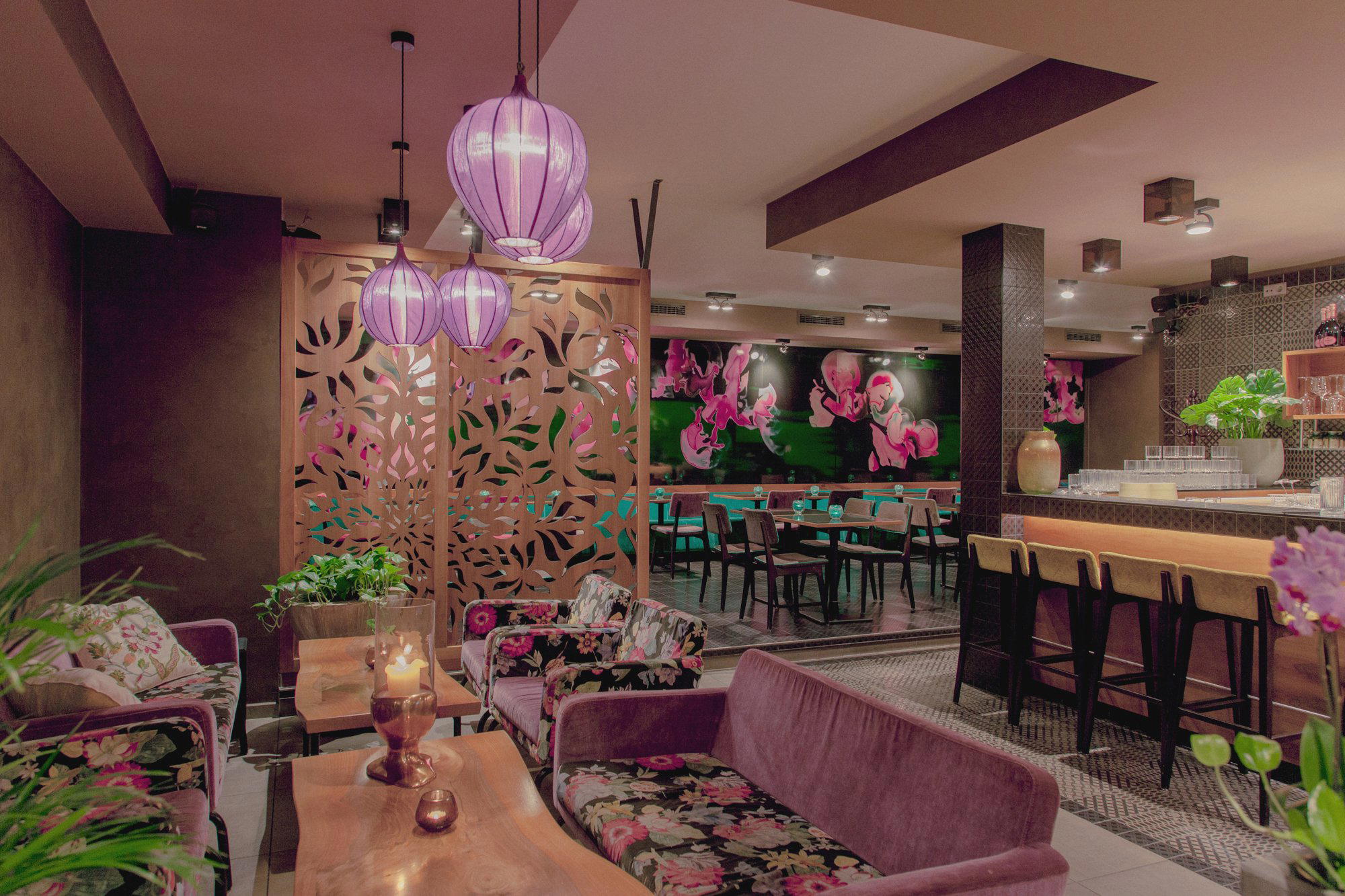
A Street, a Neighbourhood, a Shift in Where Munich Eats
ChuChin is a modern Vietnamese restaurant in Munich's Bogenhausen district, at Ismaninger Str. 61, with a price point around $45 per person and a smart casual dress code. The Michelin-starred concentration runs through Maxvorstadt, the Altstadt, and the hotel dining rooms of the city's central belt. Yet the stretch of Ismaninger Strasse where ChuChin sits at number 61 has, over time, become a reliable indicator of something different: the kind of neighbourhood restaurant that earns repeat business from residents rather than from tourists following a list. That is a specific and increasingly valued position in any major European city, and Munich is no exception.
The broader pattern across Germany's fine-dining and serious-casual scenes has been a slow but measurable decentralisation. Destination restaurants have always anchored the centre, and Munich's equivalent tier, counters like JAN, Tantris, and Atelier, still operate as the city's reference points for ambitious cooking. But a secondary layer of restaurants, often without awards and without the marketing infrastructure of their starred peers, has been quietly building the local eating culture in districts like Bogenhausen, Haidhausen, and Schwabing. ChuChin sits within that secondary layer, and understanding what it represents requires looking at that layer first.
How the Address Has Changed Around It
Ismaninger Strasse's restaurant character has evolved with the neighbourhood itself. Bogenhausen carries a residential weight: embassies, older money, and a quieter civic pace than the centre. The restaurants that have persisted here have generally done so by calibrating to that demographic, offering cooking that does not require a special occasion to justify, priced and formatted for regulars rather than for one-time visitors making a pilgrimage. That dynamic is different from the pressure a restaurant faces in, say, Munich's Glockenbachviertel, where novelty and Instagram visibility play a larger role in survival.
The evolution of any restaurant in this kind of neighbourhood tends to follow a recognisable arc. Early years are spent finding the right register: too formal and the locals feel uncomfortable, too casual and the kitchen lacks ambition. The ones that survive long enough to become neighbourhood fixtures usually land on a format that feels deliberate without being stiff. Whether ChuChin has reached that stage, and how its current direction compares to its earlier iterations, is the more interesting question for anyone arriving from outside the district.
ChuChin in Munich's Wider Dining Context
Munich's serious restaurant scene is broader than its Michelin count suggests. The city has consistently supported restaurants working across European, Asian, and fusion registers without requiring them to fit neatly into the starred system. Tohru in der Schreiberei demonstrates how far a German-Japanese synthesis can go when pushed toward the top tier. Alois - Dallmayr Fine Dining shows that a historic retail institution can anchor a genuinely ambitious kitchen. These are the restaurants that define what the city's ceiling looks like.
ChuChin is not competing in that tier, and that is not a criticism. The majority of restaurants that matter to how a city actually eats operate below the starred bracket, and they do so in ways that the awards system does not capture. The neighbourhood restaurant that a Bogenhausen family returns to monthly contributes more to Munich's dining culture, in aggregate, than a single spectacular meal at a destination address. That is the position ChuChin occupies, and it is a position with its own requirements and its own standards.
Across Germany, the restaurants that have managed to hold that position over time share certain characteristics: a kitchen that improves incrementally without chasing trend cycles, a front-of-house that builds actual relationships with returning guests, and a format that can absorb the economic pressure of a neighbourhood rather than relying on high-spend tourists. For comparison points at the other end of Germany's quality spectrum, Schwarzwaldstube in Baiersbronn, Aqua in Wolfsburg, and Vendôme in Bergisch Gladbach all demonstrate what sustained kitchen ambition looks like when combined with long-term institutional support. The neighbourhood restaurant survives on a different set of terms.
The Question of Reinvention
Any restaurant that has operated on a single address for long enough will have cycled through at least one reinvention, whether formal or informal. A change in kitchen leadership, a shift in the menu's reference cuisine, a reformat of the dining room, or simply a recalibration of price point in response to the neighbourhood's changing demographics: these are the evolutions that don't appear in press releases but define how a restaurant ages. In Munich's Bogenhausen, those shifts tend to be quiet. The neighbourhood does not reward dramatic pivots. It rewards restaurants that find their footing and hold it.
Germany's broader restaurant evolution over the past decade has moved toward greater specificity. Kitchens that once worked in a generic European mode have increasingly committed to a more defined identity, whether that is a regional German focus, a specific Asian cuisine handled with technical seriousness, or a hybrid format with a clear culinary logic. That trend is visible at the starred level, in restaurants like CODA Dessert Dining in Berlin or ES:SENZ in Grassau, but it filters down to the neighbourhood level too. Restaurants without awards are not insulated from the pressure to define what they are.
For international context, the same pattern plays out in cities like New York, where Le Bernardin has maintained a singular identity across decades, and San Francisco, where Lazy Bear committed to a format discipline that was specific enough to build a loyal audience. Identity clarity is not a luxury reserved for destination restaurants. It is what allows any restaurant, at any price point, to survive past the first few years.
Planning a Visit
ChuChin is on Ismaninger Strasse 61 in Munich's Bogenhausen district, accessible via the Böhmerwaldplatz area. For readers building a broader Munich itinerary, the full Munich restaurants guide maps the city's dining across price tiers and neighbourhoods, from the starred tier that includes Schanz in Piesport-level ambition to the neighbourhood addresses that define how Bavarians actually eat week to week. Other German references worth tracking for context include Waldhotel Sonnora in Dreis, Restaurant Haerlin in Hamburg, Victor's Fine Dining by Christian Bau in Perl, and Bagatelle in Trier.
Know Before You Go
- Address: Ismaninger Str. 61, 81675 München, Germany
- District: Bogenhausen
- Phone: not listed at time of publication
- Website: not listed at time of publication
- Price range: About $45 per person
- Hours: Mon to Sun, 11:30 AM to 3 PM and 5:30 PM to 11 PM
Price and Recognition
Comparable venues nearby, for context on price, style, and recognition.
| Venue | Cuisine | Price | Notes |
|---|---|---|---|
| ChuChinThis venue — the venue you are viewing | Haidhausen, Modern Vietnamese | $$$ | Not listed |
| Ho Tay | Not listed | $$$ | Oberföhring, Traditional North Vietnamese |
| Jaadin | Freimann, Modern Vietnamese Grillhouse | $$$ | Not listed |
| Annam Grill | Theresienwiese, Authentic Vietnamese | $$ | Not listed |
| Saigon Deli | Not listed | $$ | Haidhausen, Authentic Vietnamese Street Food |
| DuDu | Isarvorstadt, Authentic Vietnamese | $$ | Not listed |
At a Glance
- Elegant
- Modern
- Cozy
- Trendy
- Date Night
- Business Dinner
- Casual Hangout
- Open Kitchen
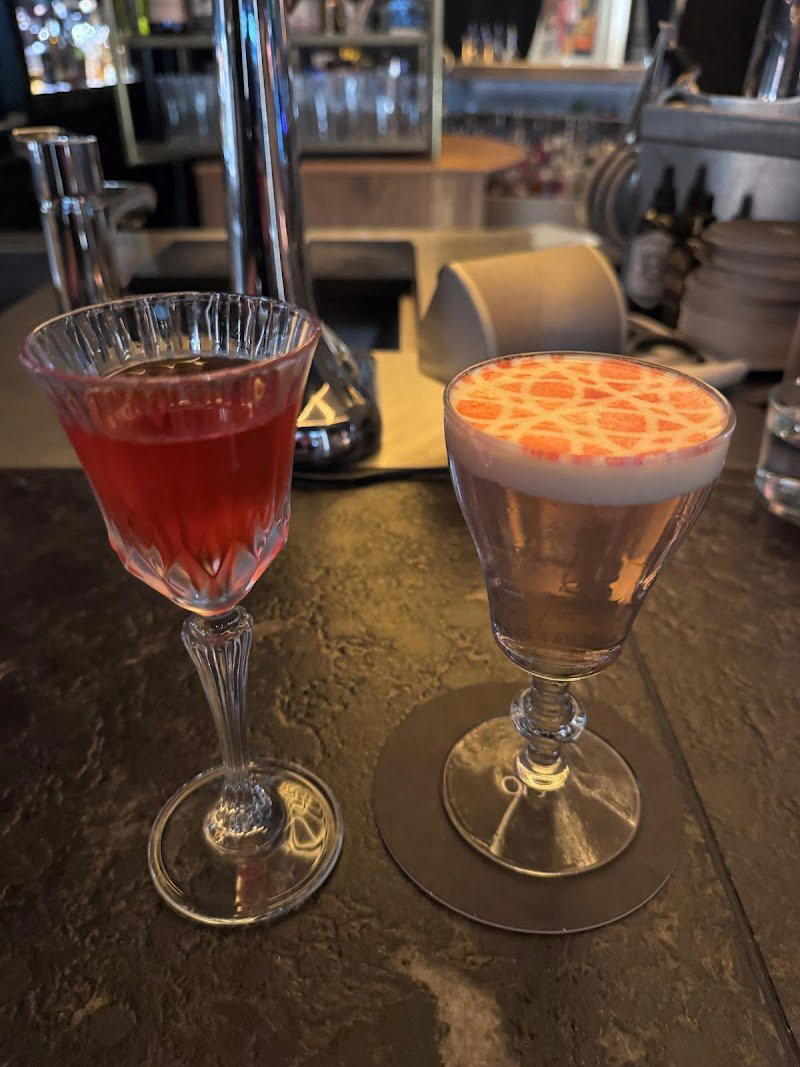
- Craft Cocktails
Current opening hours
- Monday
- 11:30 AM–3 PM, 5:30–11 PM
- Tuesday
- 11:30 AM–3 PM, 5:30–11 PM
- Wednesday
- 11:30 AM–3 PM, 5:30–11 PM
- Thursday
- 11:30 AM–3 PM, 5:30–11 PM
- Friday
- 11:30 AM–3 PM, 5:30–11 PM
- Saturday
- 11:30 AM–3 PM, 5:30–11 PM
- Sunday
- 11:30 AM–3 PM, 5:30–11 PM
Hours can change for holidays and private events. Last verified .
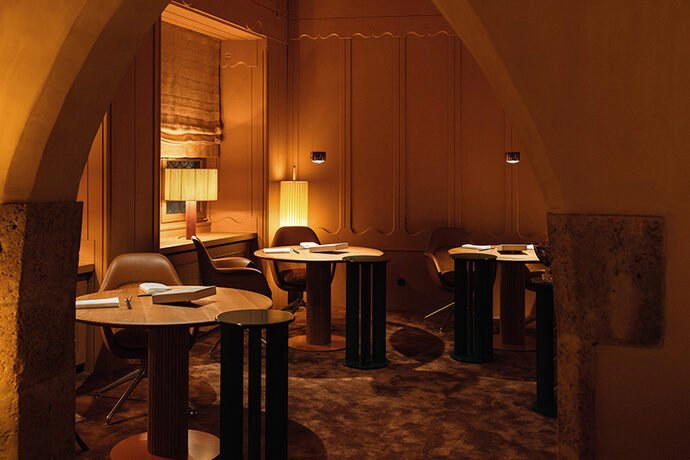
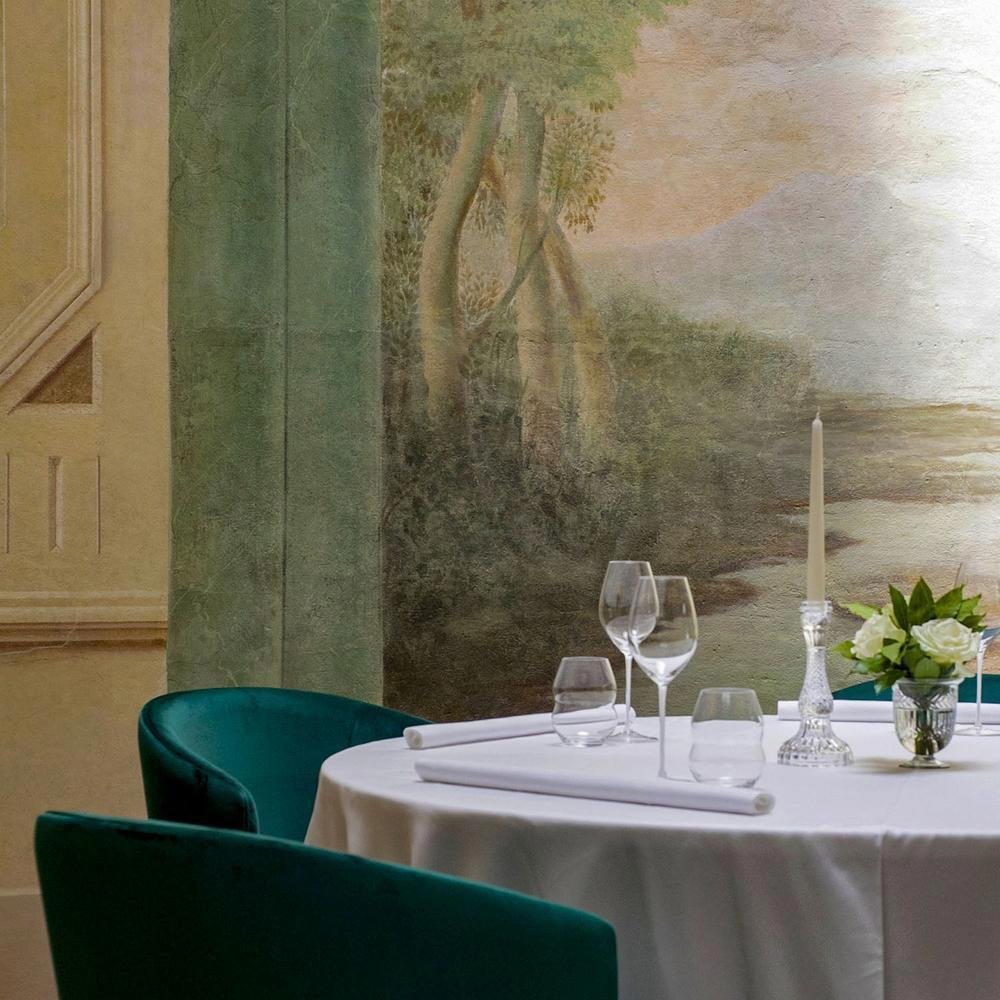
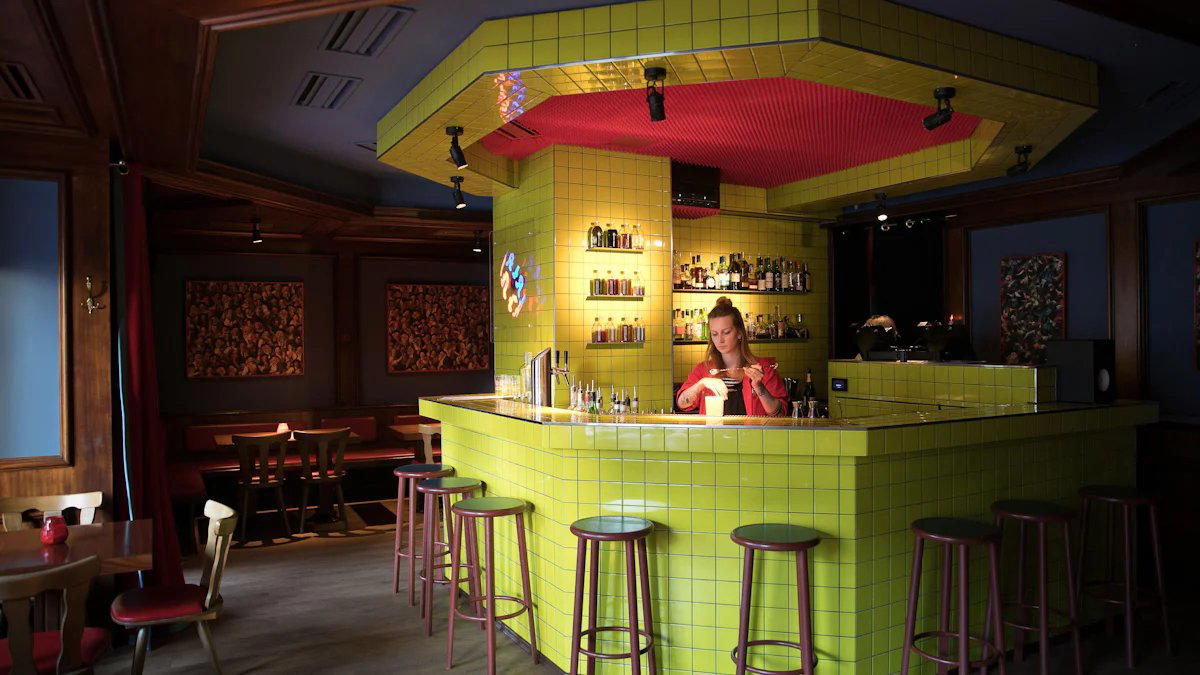
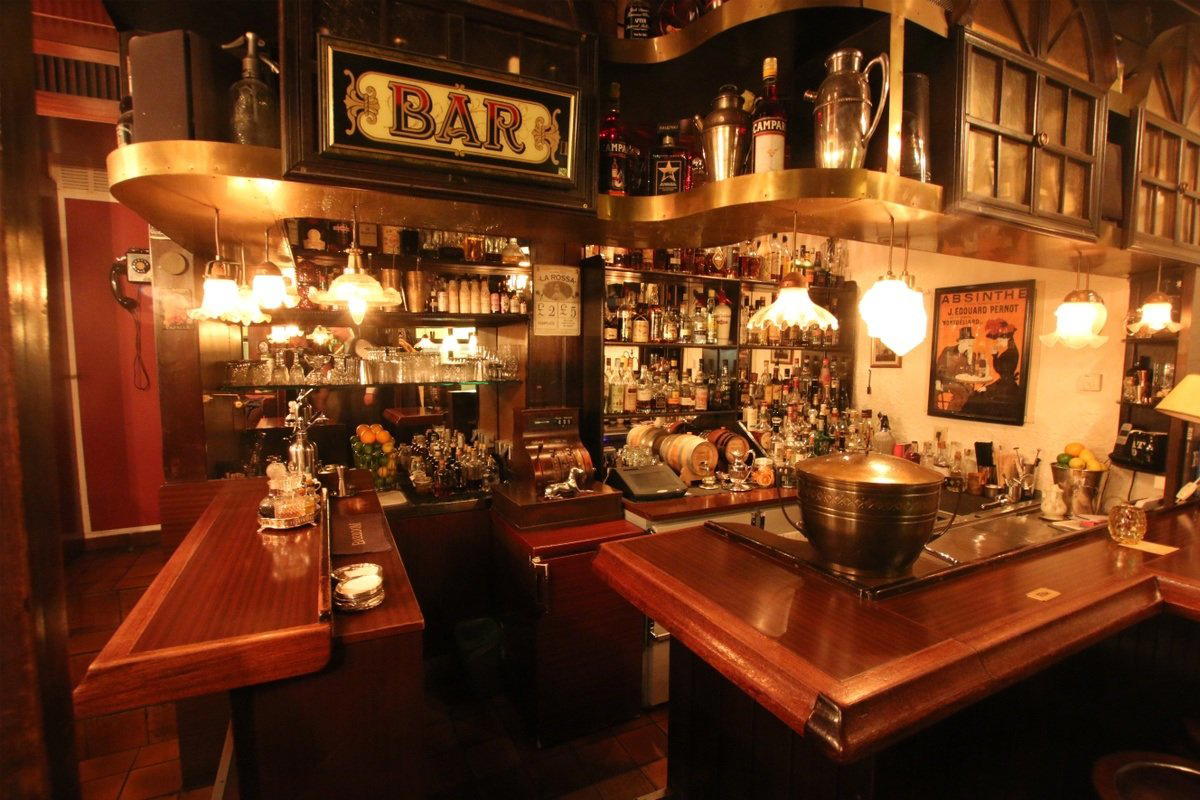
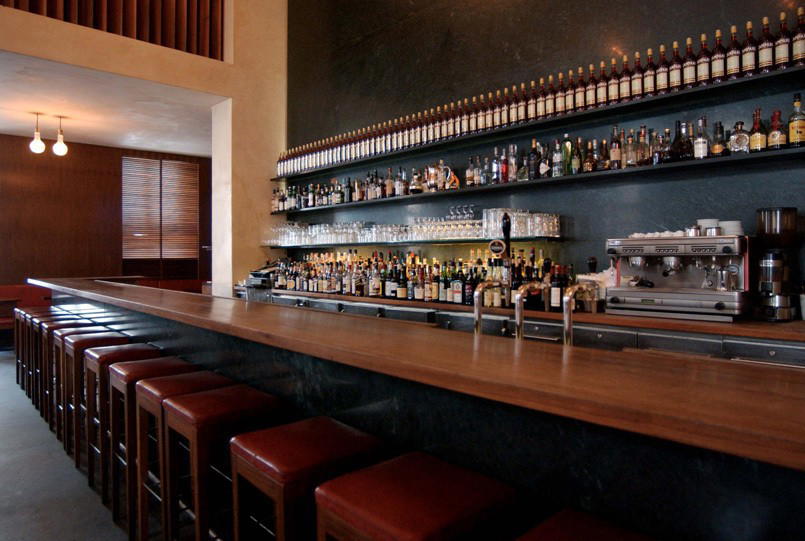
Tastefully designed interior with warm colors, floral patterns, stylish modern Asian decor, and a pleasant busy atmosphere.