
Mokum occupies a address on Alter Messeplatz in Munich's Westend, a neighbourhood that has drawn a new wave of independent restaurants as the city's fine dining energy shifts west from its traditional centre. The venue sits within Munich's broader conversation about how ambitious cooking evolves beyond established formats, making it a reference point for readers tracking the city's current direction.
Pearl is the En Primeur Club membership app — saves, bookings, and concierge access live there. Same editors, same standards.
- Address
- Alter Messepl. 6, 80339 München, Germany
- Website
- mokum-munich.de
- Directions
- Get directions
 Saves & bookings on Pearl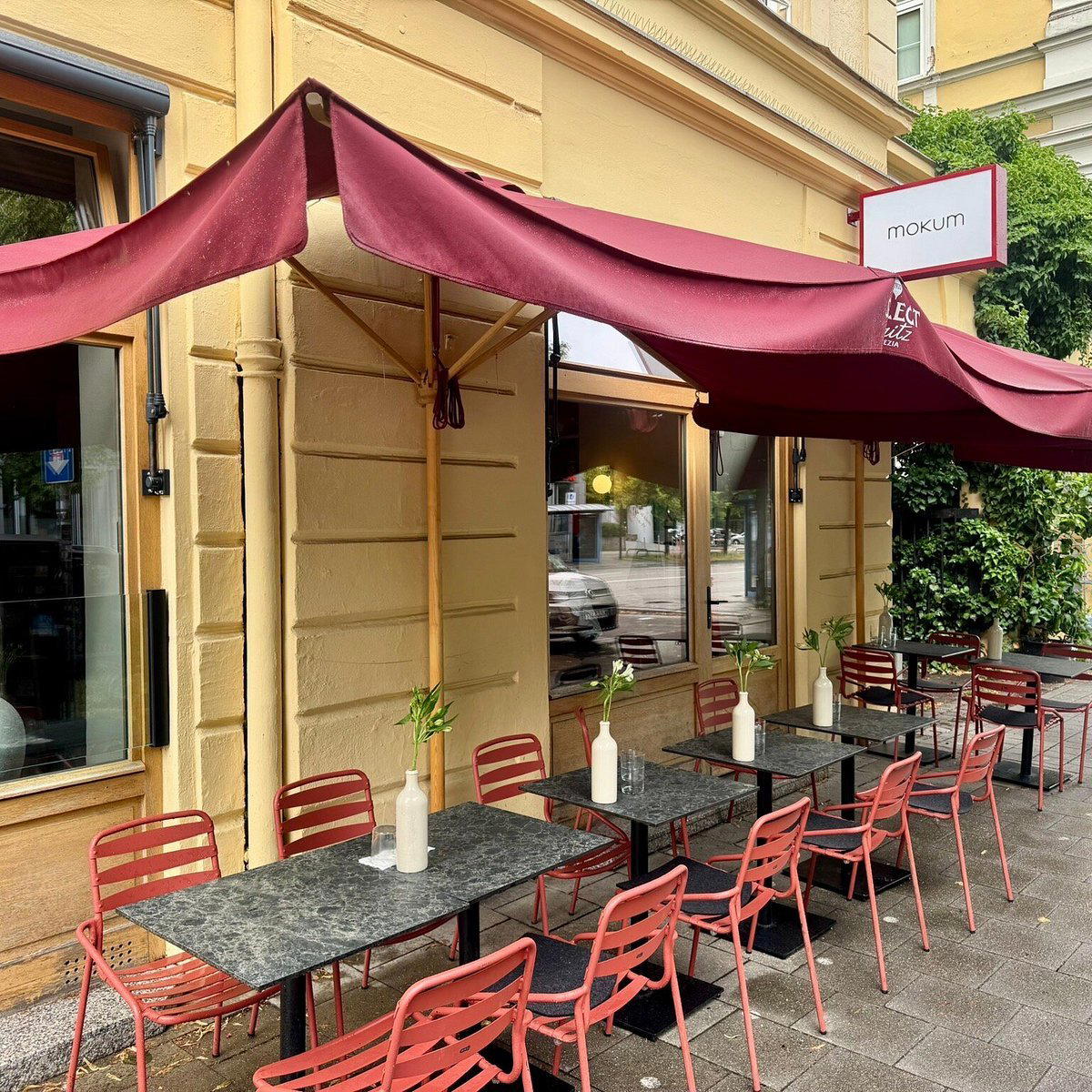
Westend and the Shifting Geography of Munich Dining
Mokum is a restaurant in Munich's Westend at Alter Messepl. 6, known for its Modern Creative International Bistro cuisine and a price point of about $40 per person. For much of the last two decades, Munich's serious restaurant energy concentrated in a familiar arc: the historic centre, Schwabing, and the hotel dining rooms around Maximilianstrasse. That geography is loosening. The Westend, anchored partly by the old trade fair grounds at Alter Messeplatz, has absorbed a wave of independent operators who found the neighbourhood's lower rents and mixed residential character more hospitable than the centre's established blocks. Mokum, at Alter Messepl. 6, sits within that shift.
The Alter Messeplatz address carries its own architectural context. The former exhibition halls have been repurposed across several cycles since the trade fair moved to the Riem grounds in the 1990s, and the surrounding streets now carry the layered texture of a post-industrial quarter finding new uses. Dining rooms that open in such locations tend to reflect their surroundings: they operate with less institutional pressure than hotel restaurants or long-established destination addresses, and they often evolve faster in response to the people who actually live and work nearby.
The Evolution Question in Munich Fine Dining
Munich's fine dining tier is not static. Tantris, the city's most historically significant address in modern French and French Contemporary cooking, has itself undergone reinvention, shifting from its 1970s founding identity through several decades of change before its recent renovation repositioned it again. Atelier at the Bayerischer Hof operates in Creative French at the €€€€ tier, as does Alois - Dallmayr Fine Dining, where the Creative format sits inside one of the city's oldest luxury retail addresses. Tohru in der Schreiberei represents a different strand: the Modern German-Japanese synthesis that reflects Germany's broader engagement with Japanese technique over the past decade. Each of these represents a particular moment in how Munich's dining scene has evolved, and each now competes within a city where the €€€€ tier is more crowded than it was ten years ago.
Against that backdrop, restaurants opening or operating in the Westend are making a different kind of argument. They are not anchored by legacy reputations or hotel infrastructure. Their evolution is more visible and more contingent: they build an audience, refine their format, and respond to the neighbourhood in ways that established addresses rarely need to do. JAN, operating in a Creative format, represents the kind of independent fine dining that has gained ground in Munich outside the traditional hotel and city-centre corridor. Mokum belongs to that same broader movement.
What the Address Signals
Alter Messepl. 6 is specific enough to anchor expectations. The former trade fair precinct is not a tourist destination in the conventional sense, and reaching it requires either familiarity with the Westend or deliberate navigation. That self-selection is part of what defines the atmosphere at addresses in this part of the city: the clientele tends toward residents and those who have sought the place out rather than those passing through on a standard tourist or business itinerary.
This dynamic shapes how restaurants in such locations approach their format. Without a natural walk-in trade from hotel guests or a central location, they depend on repeat custom and word-of-mouth to a greater degree than centrally located addresses. The result, when it works, is a room that feels inhabited rather than performed. Germany has produced a number of examples of this model at high quality: CODA Dessert Dining in Berlin operates a specialist format that would be less coherent in a high-traffic central location. ES:SENZ in Grassau and ES:SENZ demonstrate that serious cooking in Germany is not confined to major urban centres. In Munich specifically, the question of where ambitious restaurants choose to locate is increasingly part of what they communicate about their identity.
Munich in the Wider German Fine Dining Context
Germany's upper-end restaurant tier is geographically dispersed in a way that distinguishes it from France or the UK. Aqua in Wolfsburg, Schwarzwaldstube in Baiersbronn, Vendôme in Bergisch Gladbach, Victor's Fine Dining by Christian Bau in Perl, Waldhotel Sonnora in Dreis, Schanz in Piesport, and Bagatelle in Trier all sit outside the major cities, reflecting a tradition of resort and destination dining that is structurally different from the urban concentration you find in New York, where Le Bernardin and Atomix represent the density of a single borough. Restaurant Haerlin in Hamburg anchors the north. Munich holds its own position as Bavaria's dining capital, but it competes for attention and talent within a national scene that does not default to metropolitan primacy.
Within that context, what happens in Munich's Westend carries some significance. If the city's next generation of serious restaurants establishes itself outside the centre and the hotel tier, it changes the logic of how visitors and locals plan their evenings. It also changes what kind of cooking gets greater space to develop: less beholden to established expectations, more responsive to the actual neighbourhood and the current moment.
For readers tracking that evolution, Mokum's address on Alter Messeplatz is worth noting as a location marker for a particular kind of Munich restaurant: independent, west of centre, and operating in a part of the city where the story is still being written.
Know Before You Go
- Address: Alter Messepl. 6, 80339 München, Germany
- Neighbourhood: Westend, near the former trade fair grounds
- Hours: Tue to Sun, 12 to 8 PM; closed Monday.
- Price range: About $40 per person
- Booking: Reservations recommended
- Dress code: Smart casual
Cost Snapshot
Comparable venues nearby, for context on price, style, and recognition.
| Venue | Cuisine | Price | Notes |
|---|---|---|---|
| MokumThis venue — the venue you are viewing | Not listed | $$ | Not listed |
| MAUI | Lehel, Hawasian & Vietnamese Fusion | $$ | Not listed |
| Zen Panasia Cuisine | Au, Pan-Asian Sushi | $$ | Not listed |
| Yummy Bowl | Schwabing, Healthy Customizable Bowls | $$ | Not listed |
| Rüen Thai | Neuhausen, Authentic Thai | $$ | Not listed |
| Mimmo e Co | Not listed | $$ | Theresienwiese, Authentic Neapolitan Pizza |
Recognition history
Dated appearances from independent guides and award organizations, with the underlying list record or original source where available.
Michelin Bib Gourmand
Michelin
At a Glance
- Intimate
- Modern
- Cozy
- Minimalist
- Date Night
- Open Kitchen
- Extensive Wine List
Current opening hours
- Monday
- Closed
- Tuesday
- 12–8 PM
- Wednesday
- 12–8 PM
- Thursday
- 12–8 PM
- Friday
- 12–8 PM
- Saturday
- 12–8 PM
- Sunday
- Closed
Hours can change for holidays and private events. Last verified .
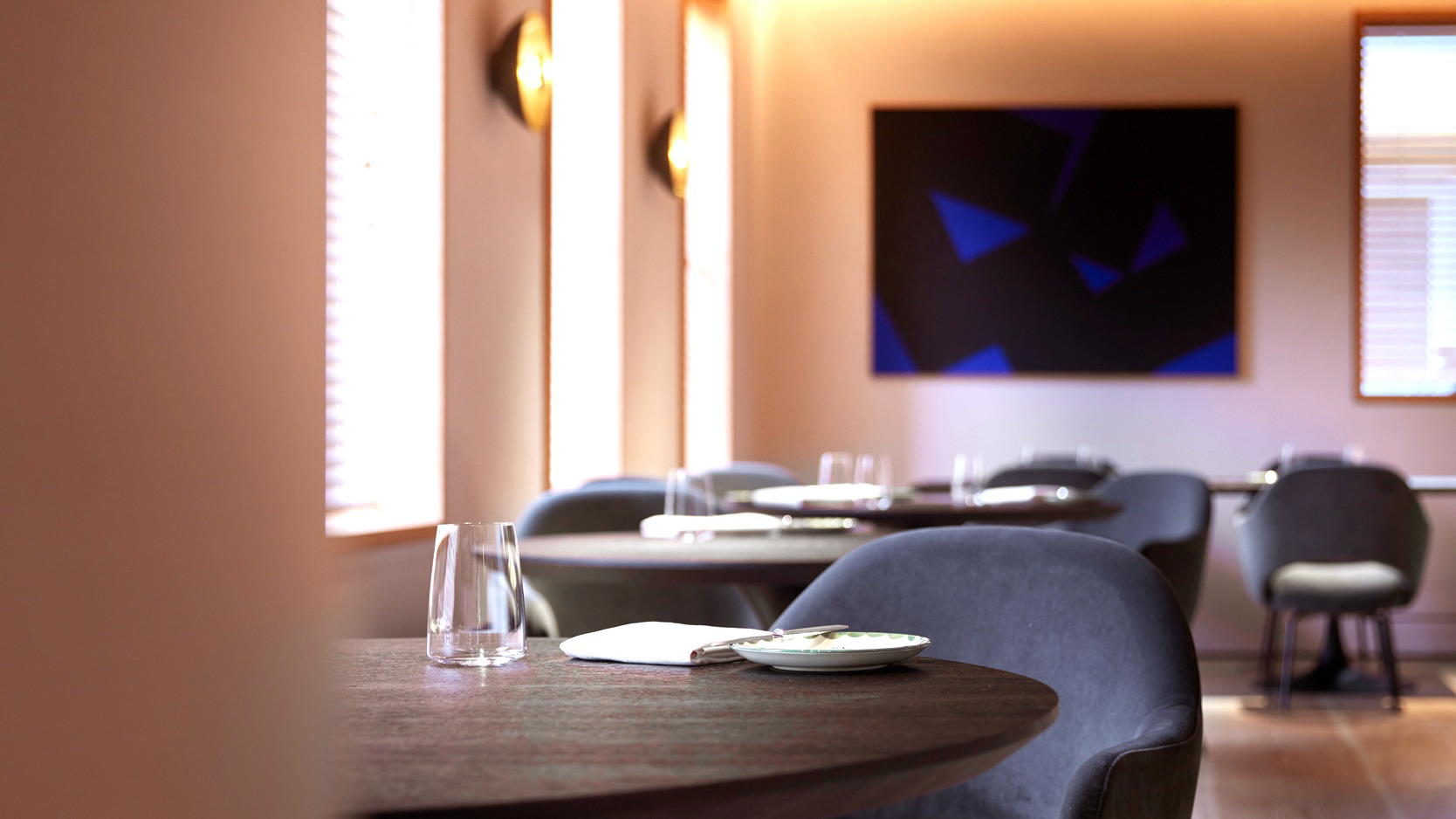
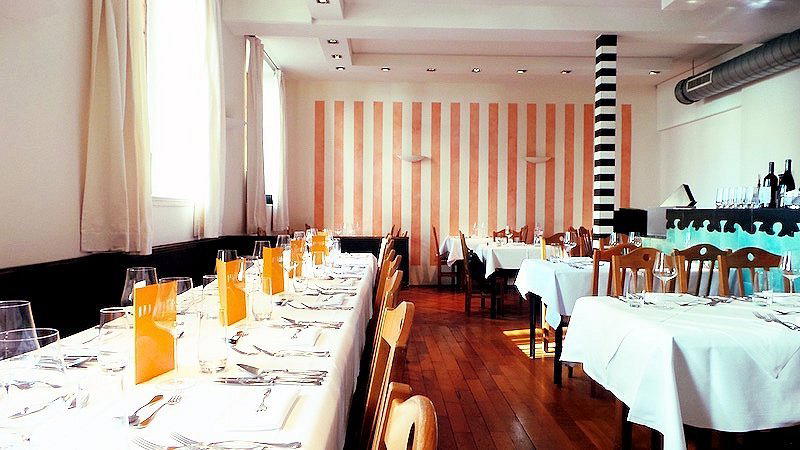
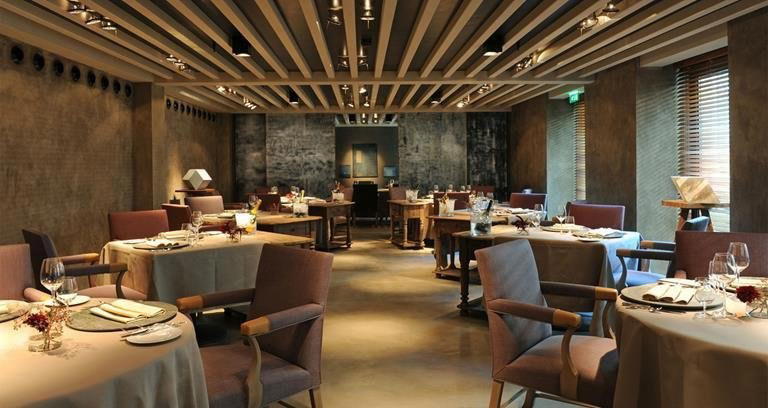
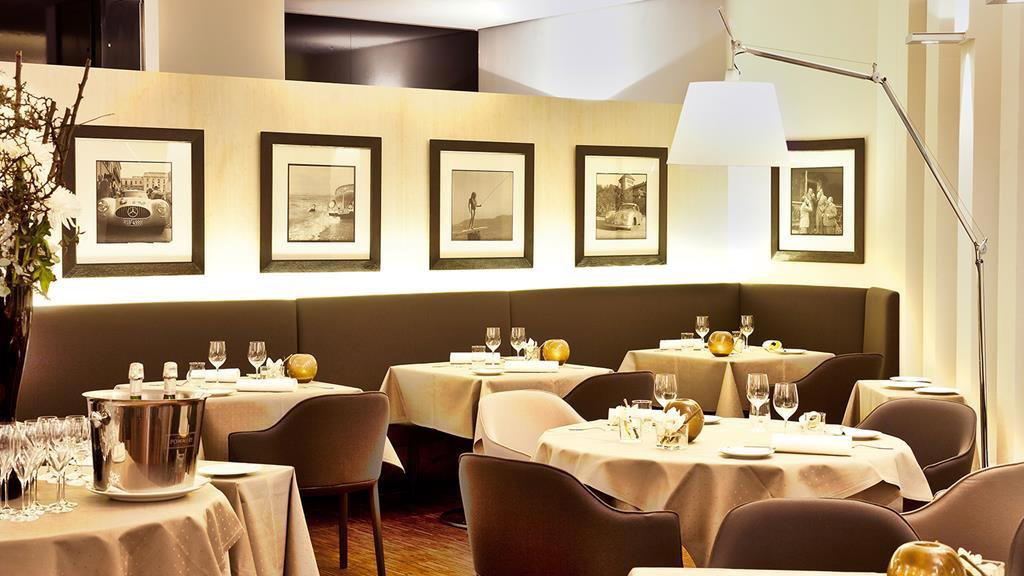
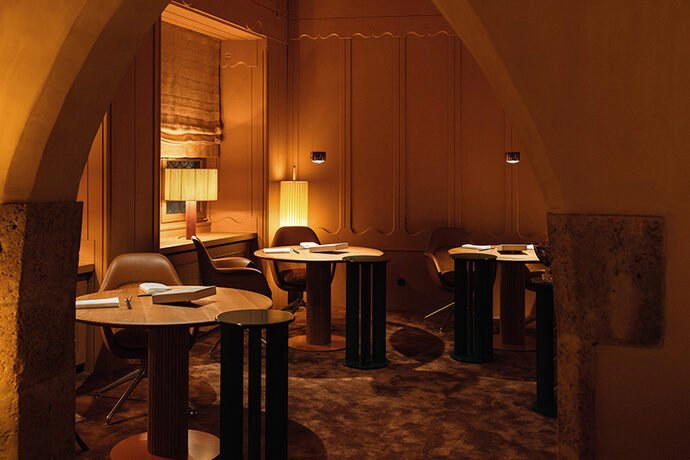
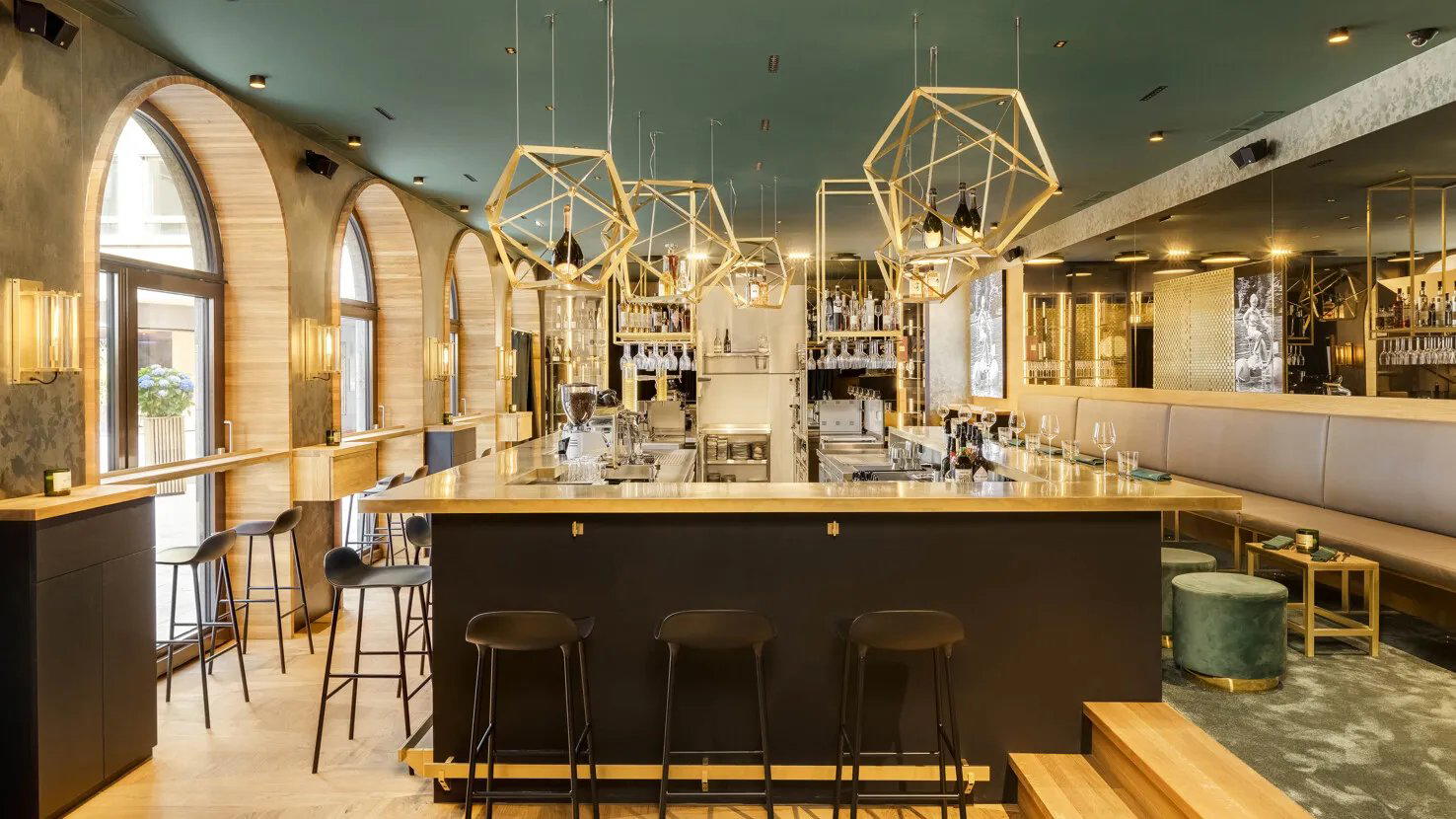
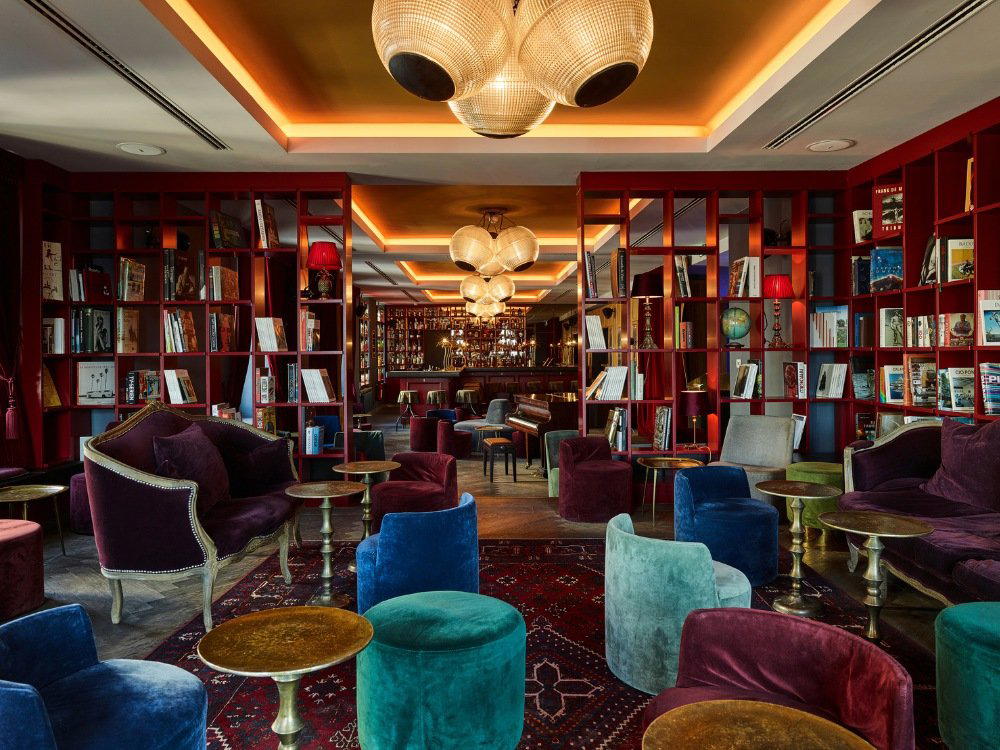
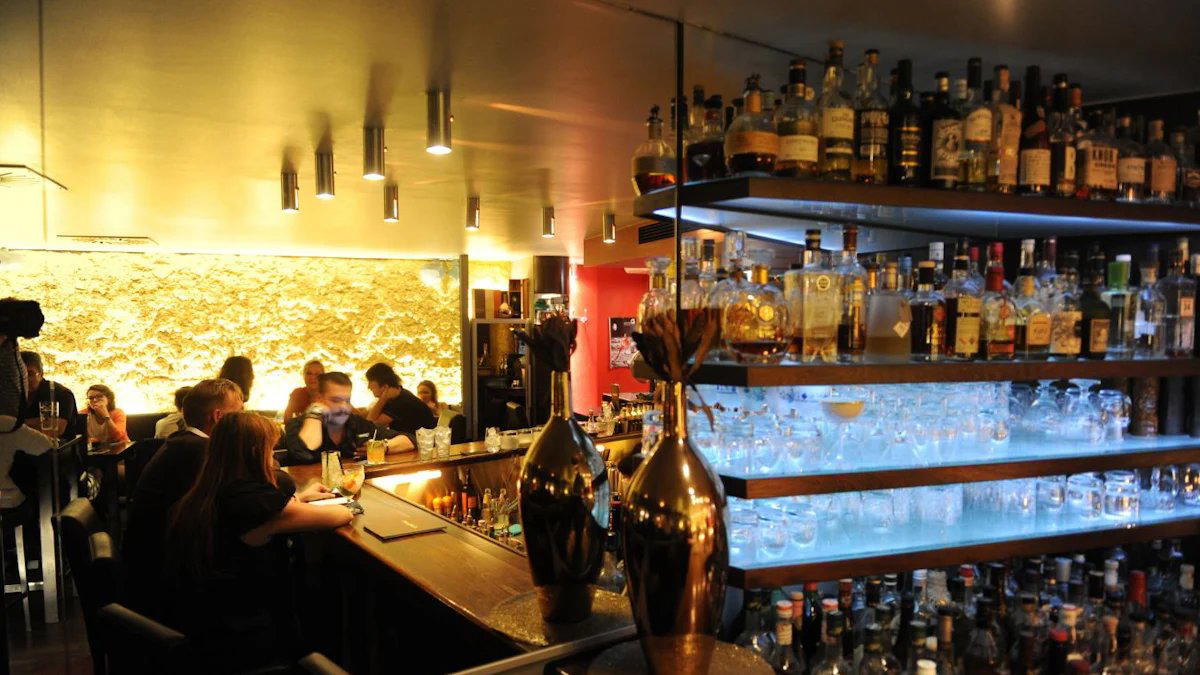
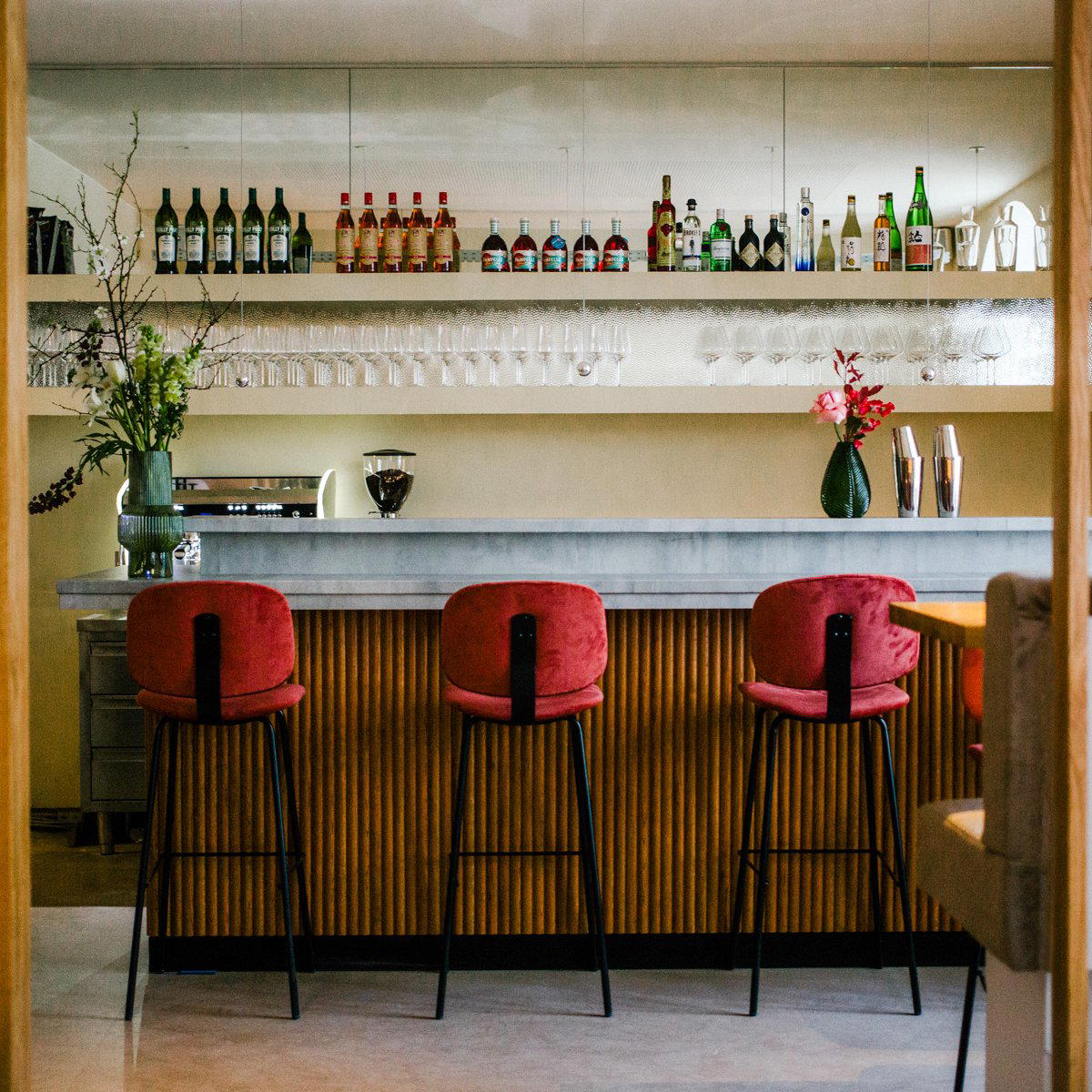
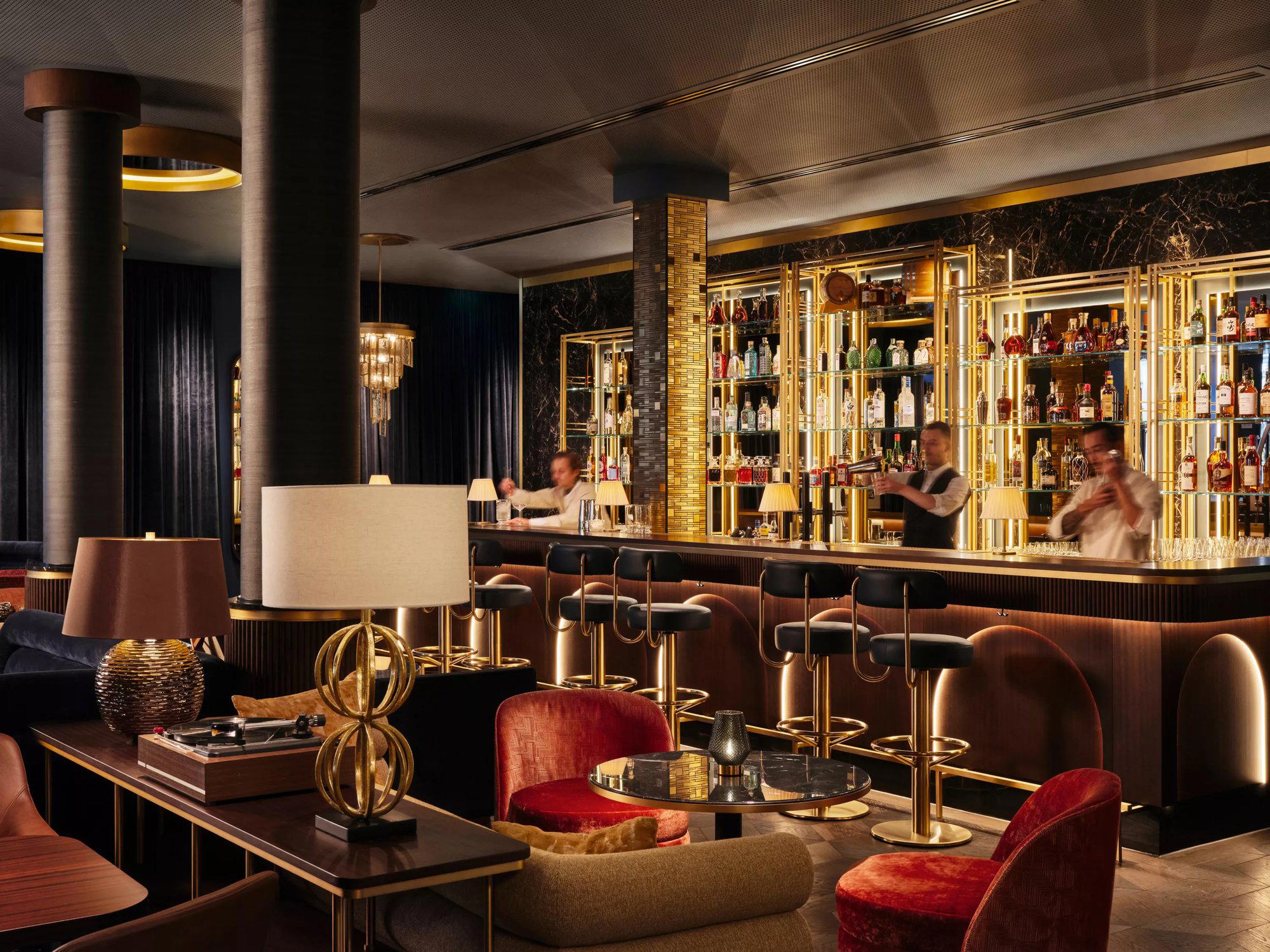
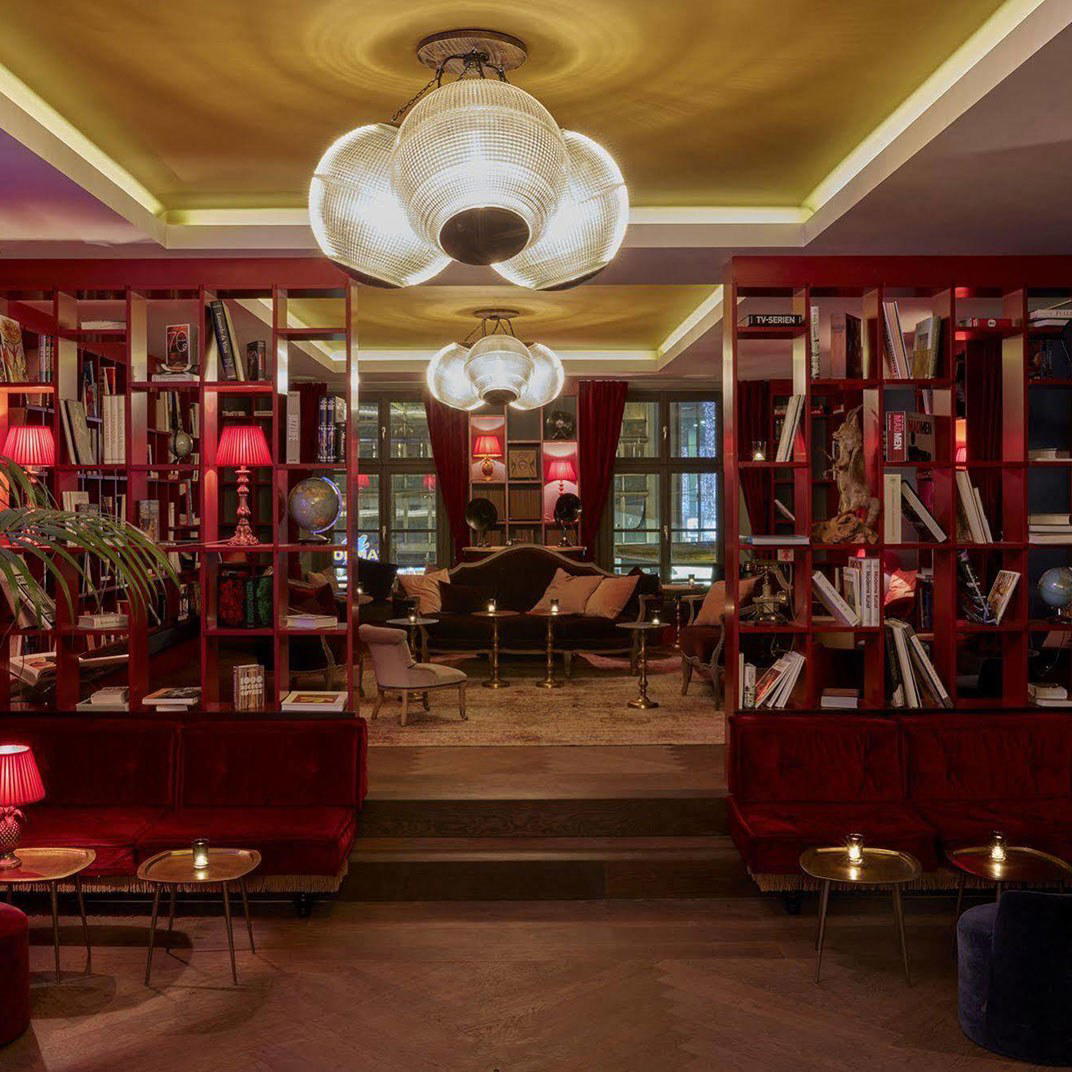
Schlicht-schönes minimalist interior with clay walls and smoked oak, creating a wonderfully relaxed, personal, and intimate atmosphere.