
Madame Rouge gives Fujisawa a serious bread address rather than a full restaurant proposition: take-out focused, low-priced, and recognized in Tabelog’s Bread EAST 100 selections in 2020 and 2022. Its value lies in how it fits Kanagawa’s everyday bakery culture, where a small counter can matter as much as a formal dining room.
Pearl is the En Primeur Club membership app — saves, bookings, and concierge access live there. Same editors, same standards.
- Address
- 12-1 Asahicho, Fujisawa, Kanagawa 251-0054, Japan
- Phone
- +81 466-86-7713
- Website
- instagram.com
 Saves & bookings on Pearl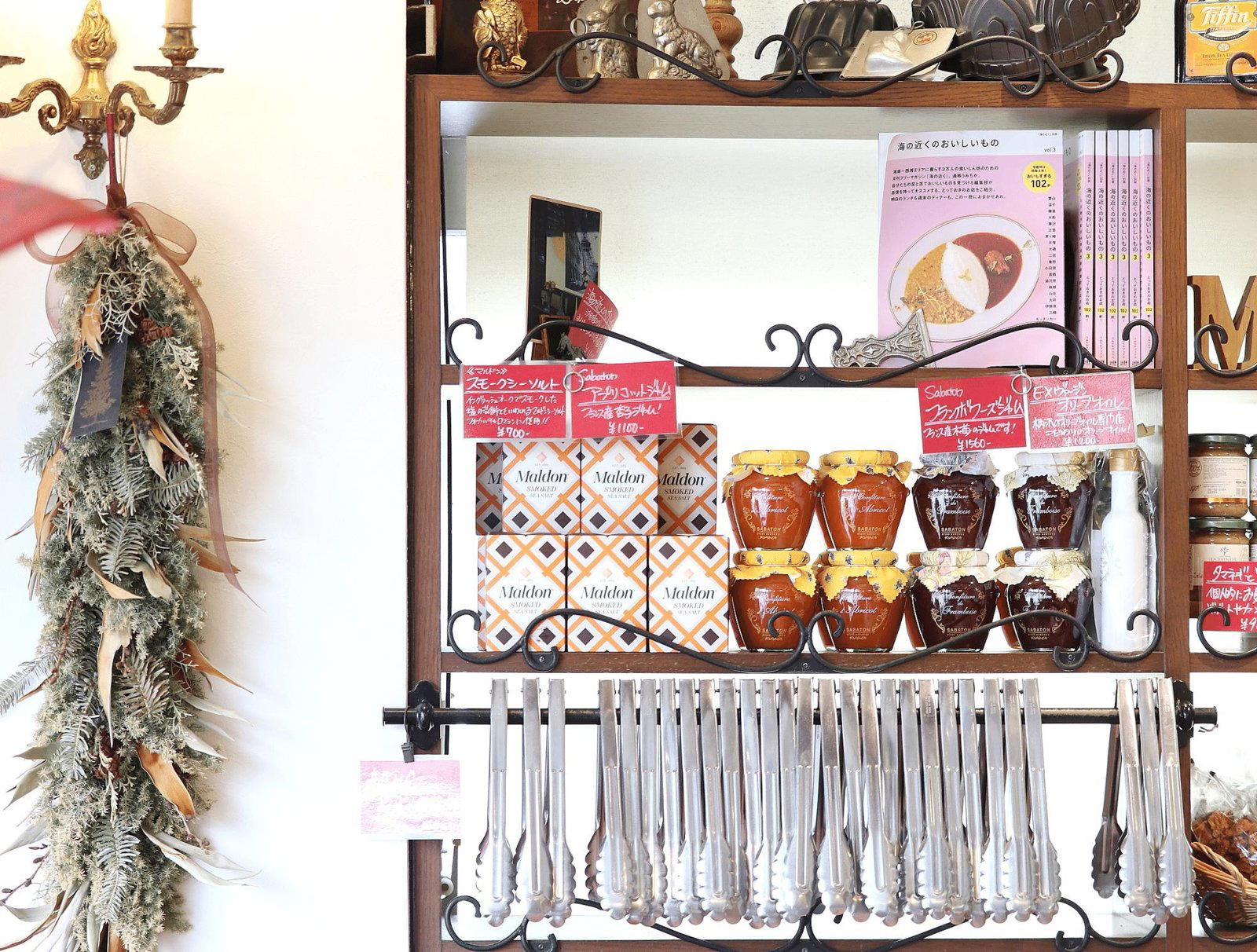
Approaching a Japanese bakery in a commuter city is rarely theatrical. The cues are smaller: trays moving across a counter, the quiet rhythm of customers choosing breakfast or an office snack, and a room built for decisions rather than lingering. Madame Rouge belongs to that practical, highly local genre of bakery, where bread is not treated as a luxury course but as part of the daily food economy of Fujisawa.
That context matters. Fujisawa sits between Tokyo’s metropolitan appetite and the Shonan coast’s more relaxed pace, and its dining scene is broad rather than singular. The city can support destination sushi, Chinese cooking, Italian-leaning rooms, grills, ramen counters, and bakeries without forcing them into the same price conversation. For a compact view of that spread, compare Madame Rouge with elarte, where meal pricing moves into a higher bracket, or Chinese Shunsai Chaamaen, which operates in a dinner category far removed from everyday bread buying. The bakery’s significance is not that it competes with those rooms, but that it anchors another layer of the city’s eating habits.
Fujisawa's bakery culture, measured by daily use rather than ceremony
Japan’s modern bread culture has always been hybrid: shokupan for breakfast, French technique filtered through local texture preferences, sweet and savory bakery cases, and take-out formats that fit railway towns. In cities outside central Tokyo, the good bakery often plays a civic role. It feeds commuters, families, students, and office workers; it also gives a neighborhood a low-cost food ritual that does not require a reservation or a full meal.
Madame Rouge has external recognition that gives that everyday format sharper weight. Selection for Tabelog’s Bread EAST 100 in 2020 and 2022 places it within a regional bakery conversation rather than just a local one. Tabelog’s category lists can be particularly useful for bread because formal restaurant awards often underrepresent bakeries, patisseries, and take-out counters. A 3.71 score reinforces the same point: this is a small-format bakery being judged in a crowded field where repeat local use and specialist attention both matter.
The price band also changes the reader’s decision. Fujisawa has restaurants where dinner can run into five figures in yen; the restaurant sits in a much lower everyday bracket. That makes it useful not as a substitute for a serious dinner, but as a different kind of stop: breakfast before a coastal day, provisions before moving through town, or a low-commitment way to understand how the city eats when it is not staging an occasion.
Recognition without the rituals of destination dining
The useful distinction here is format. A bakery with take-out service asks less of the visitor than a counter restaurant, yet the standards can be just as unforgiving. Bread has no sauce service or dining-room theatre to hide behind. Texture, timing, turnover, and consistency carry the experience. In Japan, where bakeries often work across French, Japanese, and café-influenced traditions, the range can be broad, but the margin for error is narrow.
The restaurant’s no-reservations structure keeps it in the category of daily commerce, not appointment dining. That is a strength if the day is built around Fujisawa rather than a single meal slot. It also means the bakery should be read differently from the city’s reservation-led or higher-spend restaurants. Asahi Honten, clarita da marittima, COOKER'S GRILL, and other Fujisawa addresses help map a city of varied meal types; the bakery lane is faster, more repetitive, and more dependent on the habits of nearby customers.
That is why the award signal carries editorial weight. Bread specialists rarely get the same international shorthand as Michelin-starred dining rooms, but a regional Bread 100 selection tells the reader that this is not a random station-side purchase. It has been noticed within a category where the benchmark is not table service but craft repeated throughout the day.
How to place it inside a Fujisawa day
For visitors, the case for the restaurant is strongest when the itinerary is already passing through central Fujisawa. The station-area location makes it more practical than scenic, which is often how better daily bakeries work in Japan: close to movement, priced for repeat use, and designed around takeaway rather than ceremony. It is also family-friendly, an underrated detail in a city where not every serious food stop suits children or quick pacing.
Payment expectations are part of the planning logic. This is a cash-first style of bakery rather than a frictionless card-and-app experience, and the absence of private rooms or private use reinforces the public, everyday nature of the place. The no-smoking setting and children-welcome note point to a broad local audience rather than a narrow special-occasion crowd.
Use it as a counterweight to Fujisawa’s heavier restaurant choices. A day might move from a bakery stop to a later meal at a grill, Chinese restaurant, sushi counter, or Italian-leaning dining room; each tells a different story about the city. For wider planning, EP Club’s local rails are useful: Our full Fujisawa restaurants guide, Our full Fujisawa hotels guide, Our full Fujisawa bars guide, Our full Fujisawa wineries guide, and Our full Fujisawa experiences guide show how bread, rooms, drinking, and cultural time fit together around the city.
Readers building a broader Japan food map can also contrast the category with nearby and national reference points: -Grilled beef Sukiyaki- KAMAKURA TANUKIAN 鎌倉 たぬき庵 in Kamakura, (Shoku) Vietnam in Kawasaki.cafe in Osaka.know in Kumamoto, [Curry Senmon Ten] Maruyama Kyoju. in Sapporo, and. 鮪と炭火焼き うお炭 秋葉原店 in Tokyo. For readers outside Japan, Jōdo Saké Bar in Los Angeles and Onigiri Time in Pasadena show how Japanese formats shift when translated abroad.
The editorial read is simple: the restaurant is not a grand meal, and it does not need to be. It is a low-cost, take-out bread address with credible regional recognition, useful for understanding Fujisawa at street level. In a city where dining can stretch from quick counters to high-spend rooms, that modest scale is part of its value.
Price and Positioning
Comparable venues by cuisine and price in the same metro.
| Venue | Cuisine | Price | Notes |
|---|---|---|---|
| Madame RougeThis venue — the venue you are viewing | Asahi-cho, Fujisawa, Bakery | $ | Not listed |
| Sushi Tomi | Fujisawa, Traditional Sushi Counter | $$$ | Not listed |
| Hilo Homemade Ice Cream | Not listed | $ | Kugenumakaigan, Hawaiian-style Ice Cream Shop |
| elarte | Not listed | $$ | Minami-Fujisawa, Spanish & Basque restaurant and wine bar |
| Sengyo Toridashi Men Sawamura | Fujisawa, Japanese Ramen | $ | Not listed |
| fu-fu shisen | Not listed | $$$ | Fujisawa, Organic Pescatarian Sichuan Course Dining |
Recognition history
Dated appearances from independent guides and award organizations, with the underlying list record or original source where available.
Tabelog 100 #9 · No. 9
Tabelog · Tabelog 100 - Bread - EAST - 2022








At a Glance
- Cozy
- Classic
- Family
- Casual Hangout
- Solo
- Standalone
Current opening hours
- Monday
- 10 AM–6 PM
- Tuesday
- 10 AM–6 PM
- Wednesday
- 10 AM–6 PM
- Thursday
- 10 AM–6 PM
- Friday
- 10 AM–6 PM
- Saturday
- 10 AM–6 PM
- Sunday
- Closed
Hours can change for holidays and private events. Last verified .
A small, casual bakery atmosphere with a French-inspired feel and neighborhood appeal.