Our verdict
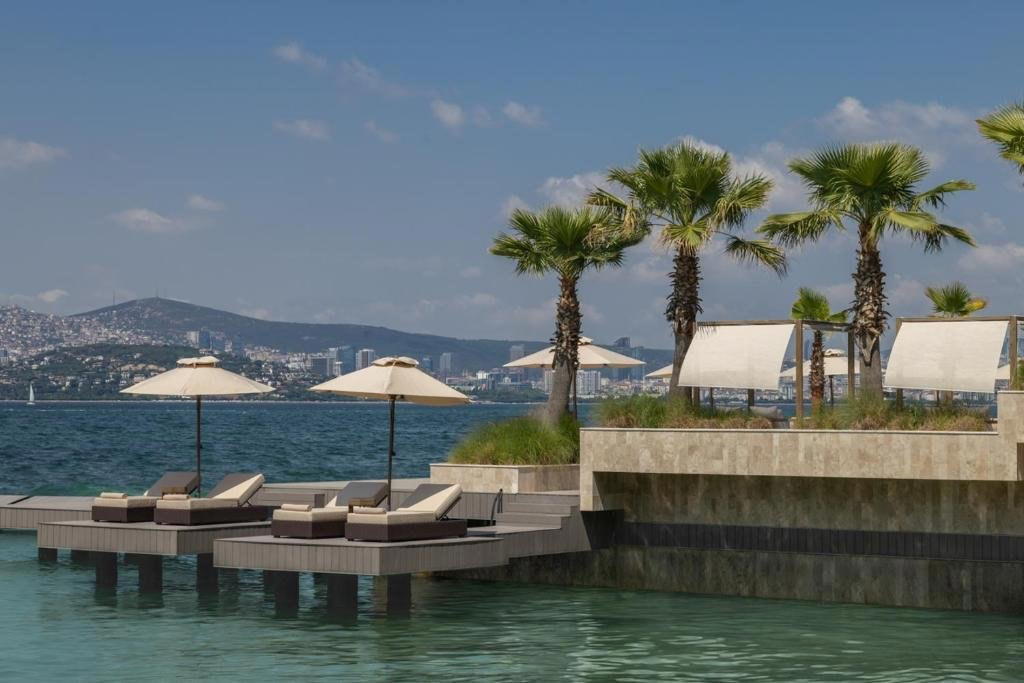
The address places it in a coastal district that draws Istanbul residents escaping the density of the European side, and the waterfront position anchors whatever is served to the geography of the water. For visitors tracing the Anatolian shore of Greater Istanbul, Pendik is worth the transit.

Pearl is the En Primeur Club membership app — saves, bookings, and concierge access live there. Same editors, same standards.
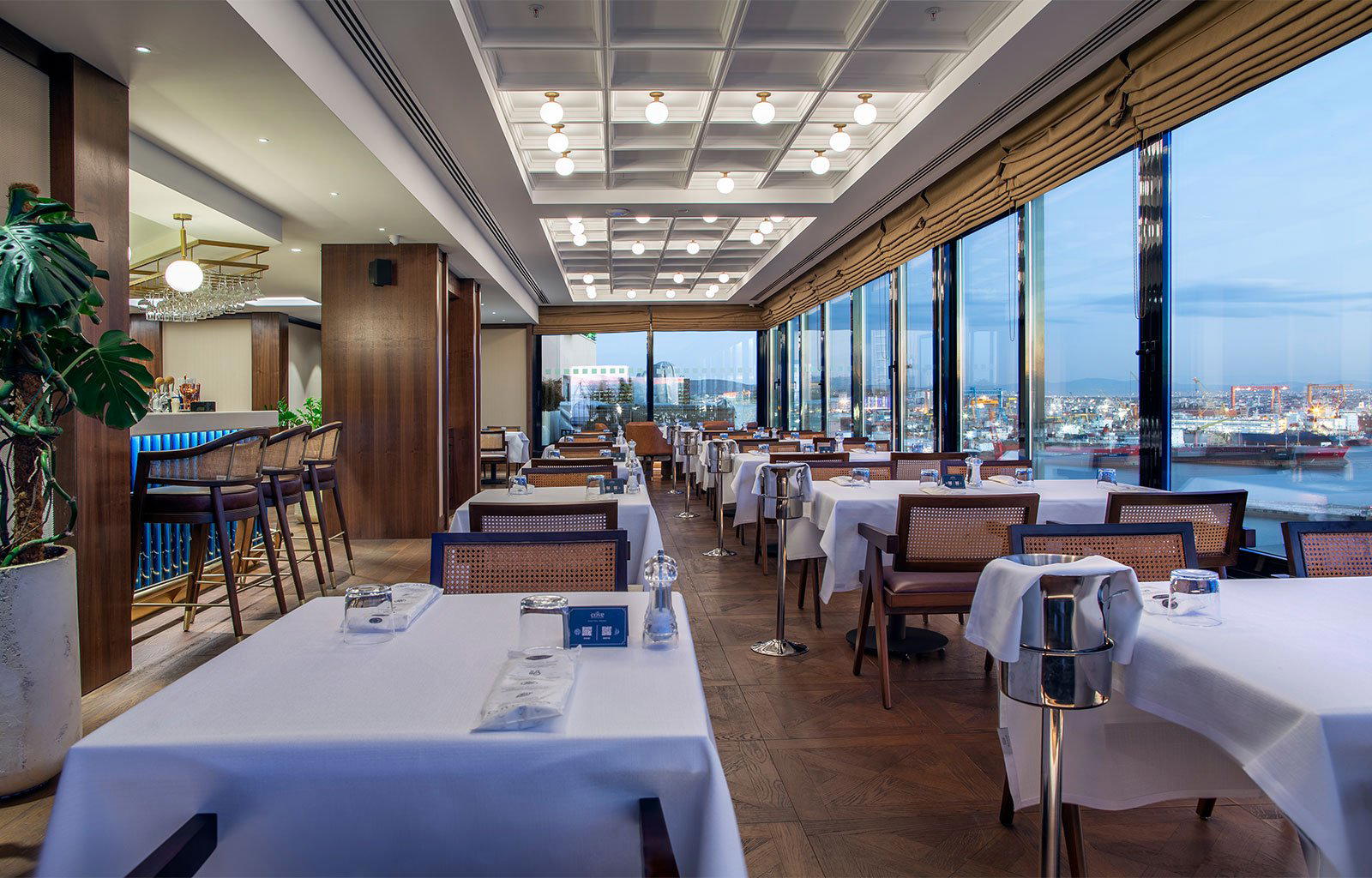
This coastal-positioning pattern matters because it places Maada in a different competitive tier from Istanbul's high-concept tasting-menu circuit. Where venues like Turk Fatih Tutak in Istanbul or Maçakızı in Bodrum anchor their identity in multi-course modern Turkish frameworks at the ₺₺₺₺ tier, waterfront addresses in Pendik more often draw from the simpler, ingredient-driven logic of Marmara seafood culture. The question is not which model is more accomplished, but which serves the moment the reader is trying to create.
The Sourcing Geography of the Marmara Shore
The Sea of Marmara has historically supplied Istanbul's fish markets with horse mackerel, sea bass, gilt-head bream, and in season, a variety of smaller catches that migrate through the straits. The waterfront restaurants of Pendik sit close enough to working harbours that the supply chain is shorter than it would be for a restaurant in Beyoğlu or Nişantaşı sourcing the same fish. That proximity does not guarantee quality by itself, but it does mean that seasonal availability tends to show up on menus in more direct form: when something is running in the strait, it appears; when it is not, something else does.
This pattern is broadly consistent with how coastal Turkish dining at the neighbourhood level operates. Compare it with Hiç Lokanta in Urla, where proximity to Aegean producers informs a similarly ingredient-led approach, or Narımor in Izmir, which draws on the Aegean agricultural belt. The underlying principle is the same: geography as pantry. In Pendik, the relevant geography is marine rather than agricultural, and the Marmara's position as a transitional sea between the Aegean and the Black Sea gives it a distinct catch profile compared to either coast.
For a longer view on how sourcing shapes Ottoman and Turkish culinary identity, Asitane in Fatih offers a useful counterpoint: its focus on historical Ottoman court recipes draws from archival sourcing rather than geographic proximity, which is a fundamentally different editorial position on the same question of where food comes from and why that should matter to the diner.
The Pendik Address in Context
Istanbul's dining energy concentrates heavily on the European side, and the Asian shore sees less international editorial coverage despite having established its own restaurant culture along the Bosphorus and Marmara coastline. Pendik, further east than the better-known Kadıköy or Üsküdar, draws primarily a local and domestic-tourist audience. That is neither a criticism nor a qualification; it describes a different kind of restaurant ecosystem, one in which the venue competes on familiarity, consistency, and setting rather than on press recognition or award cycles.
The pattern holds across Turkey's coastal cities. Kritikos Meyhane in Mudanya operates on a similar waterfront logic on the Sea of Marmara's southern shore, where the meyhane format of shared plates and raki creates a different but equally location-anchored experience. Bayramoğlu Döner in Beykoz and Casa Lavanda in Şile point to how the Asian shore and the Black Sea coast produce a string of neighbourhood-specific dining cultures that reward lateral exploration rather than a single destination visit.
Pendik also sits close to Sabiha Gökçen International Airport, which changes the logistics of a visit: travellers with an early departure or a late arrival on the Asian side are closer to the Pendik shoreline than to any European-side restaurant. That is practical intelligence worth holding.
Where Maada Fits in the Broader Istanbul Conversation
Istanbul's ₺₺₺₺ restaurant tier is concentrated in Beyoğlu, Nişantaşı, and the Bosphorus-facing neighbourhoods. The city's broader scene extends well past that tier, and much of the most direct cooking in Turkey happens at mid-market addresses in outer districts: the flat-bread and lahmacun specialists covered at venues like Kısmet Etliekmek ve Lahmacun Salonu in Karaman, the kebab tradition carried at Konya Kebap Evi in Selçuklu, or the offal-forward culture of Ciğerci Mahmut in Adana. These are not lesser expressions of Turkish food culture; they are different registers of it, and coastal waterfront dining in Pendik sits in its own register within that range.
For comparison from further afield, the sourcing discipline that defines the leading coastal dining in Turkey has analogues at the international level. Le Bernardin in New York City demonstrates what happens when marine sourcing is treated as the primary editorial statement of a restaurant's identity at the highest tier; Atomix in New York City shows how a different cultural tradition — Korean, in that case — constructs ingredient sourcing as a form of cultural argument. Neither comparison is meant to position Maada on the same tier; both are useful for understanding how far the sourcing-as-identity framework can extend, and what it looks like at various points on the spectrum.
For those tracing Istanbul's eastern geography more systematically, Lokanta Göktürk in Eyüpsultan and Dürümzade in Beyoğlu offer further coordinates. Readers building a broader Marmara-region picture should also consult Kartepe Organic Foods in Kartepe and Kocak Baklava in Gaziantep for how different nodes in Turkey's food geography handle the sourcing question in their own terms. Given the location's proximity to Sabiha Gökçen, travellers transiting through the Asian side have a logical opportunity to visit without a cross-city journey. Our full Pendik restaurants guide covers the broader district in more detail for those planning time in the area.
Frequently asked questions
Would Maada İstanbul Restaurant be comfortable with kids?
Pendik's Sahil Bulvarı waterfront draws a predominantly local Istanbul crowd that includes family groups, and the coastal setting here runs at a more relaxed register than venues in Beyoğlu or Nişantaşı. The Güzelyalı shorefront address suggests open, informal surroundings rather than a tightly configured dining room where children would feel out of place. Families making the trip from central Istanbul via the Marmaray line to Pendik station will find the neighbourhood calibrated accordingly.
What is the atmosphere like at Maada İstanbul Restaurant?
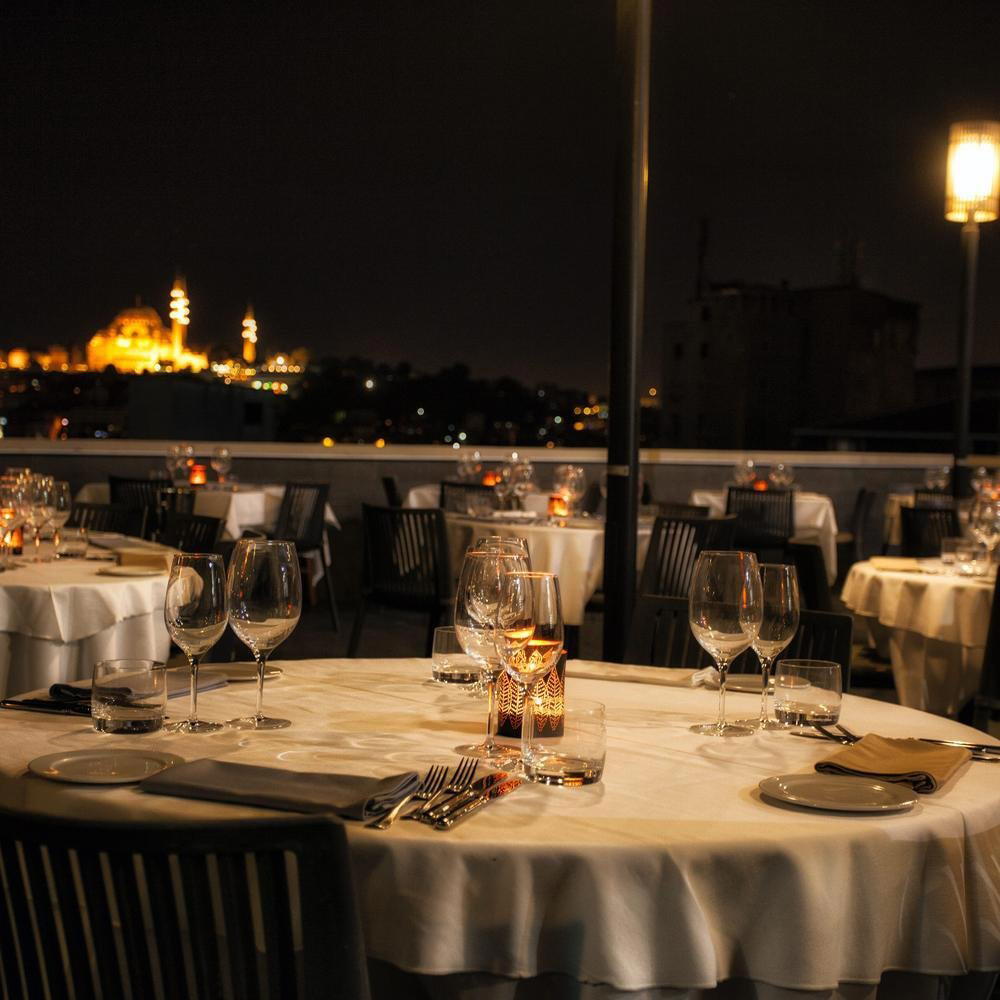
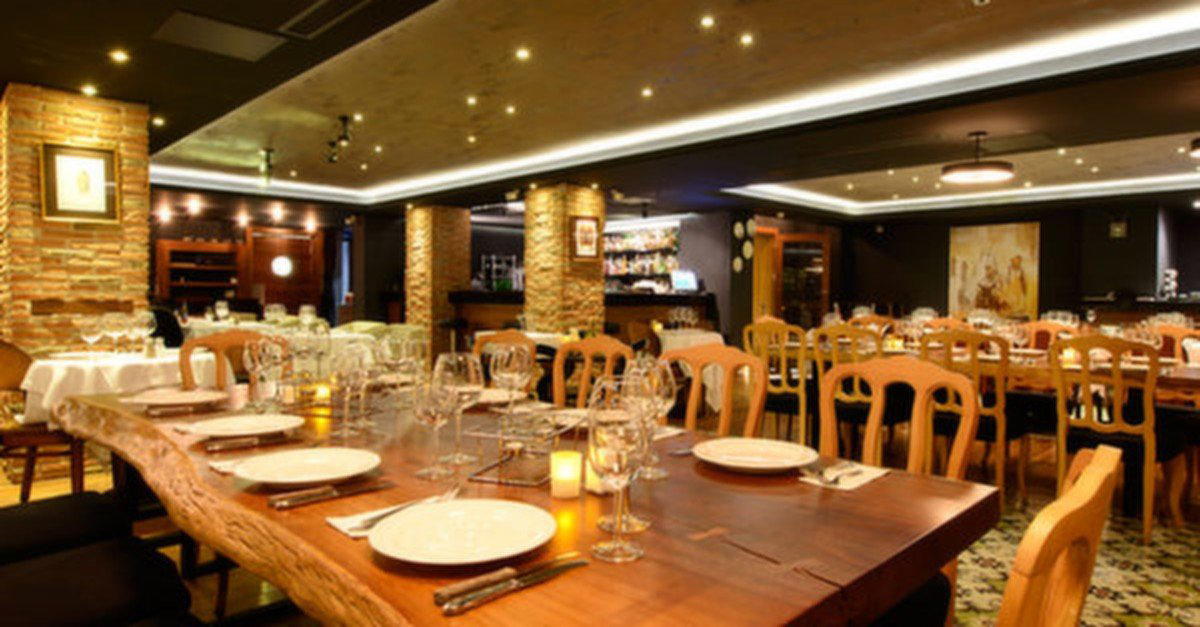
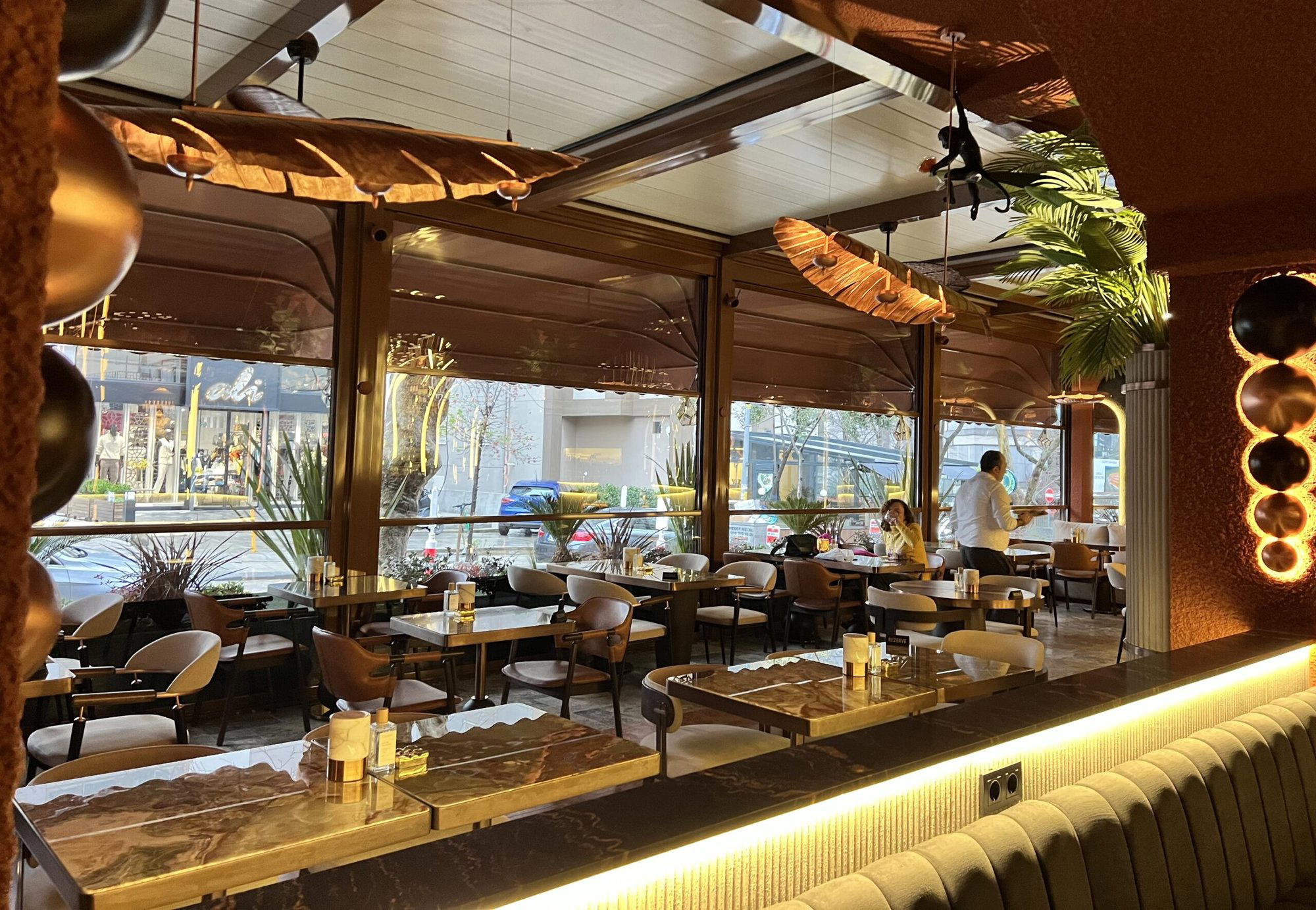
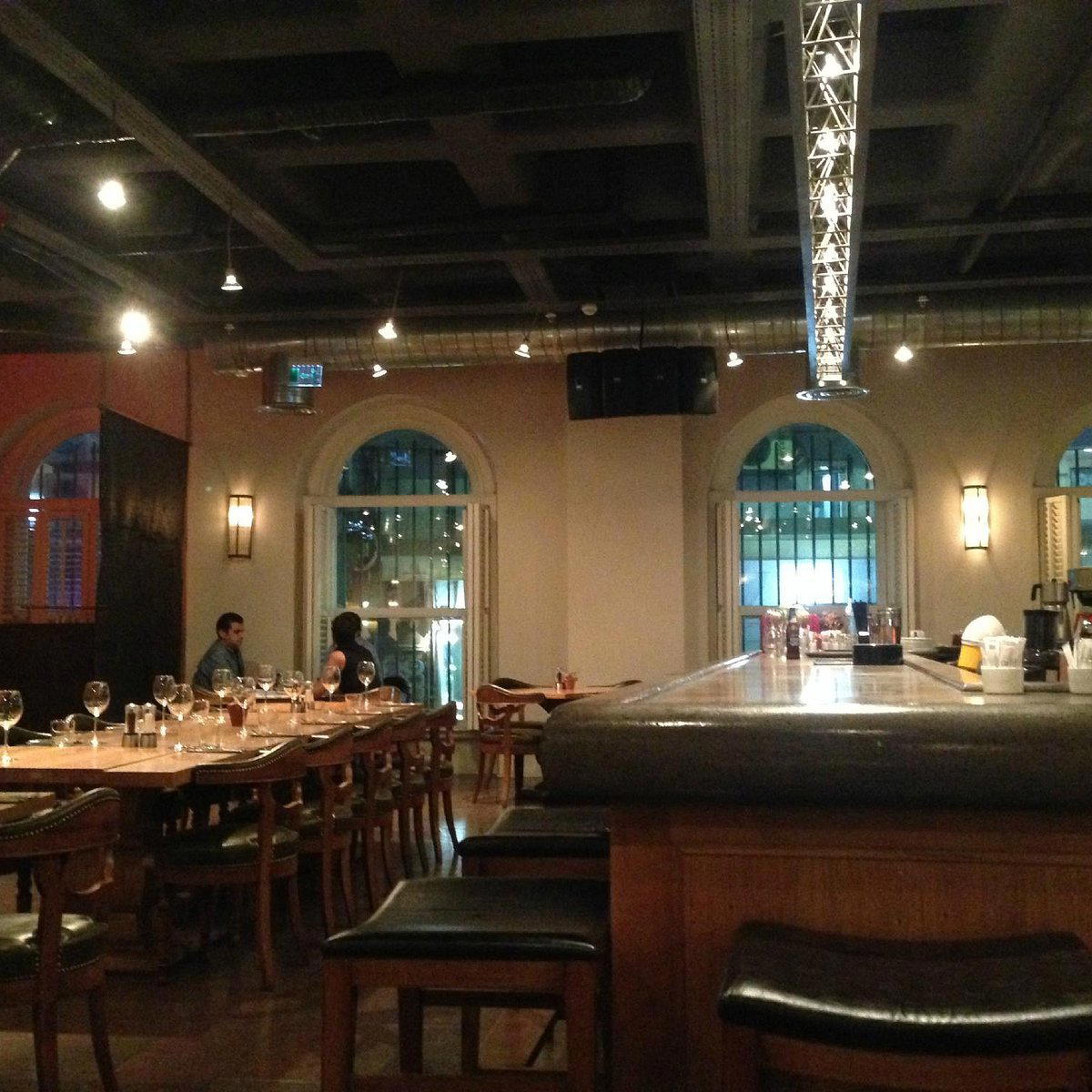
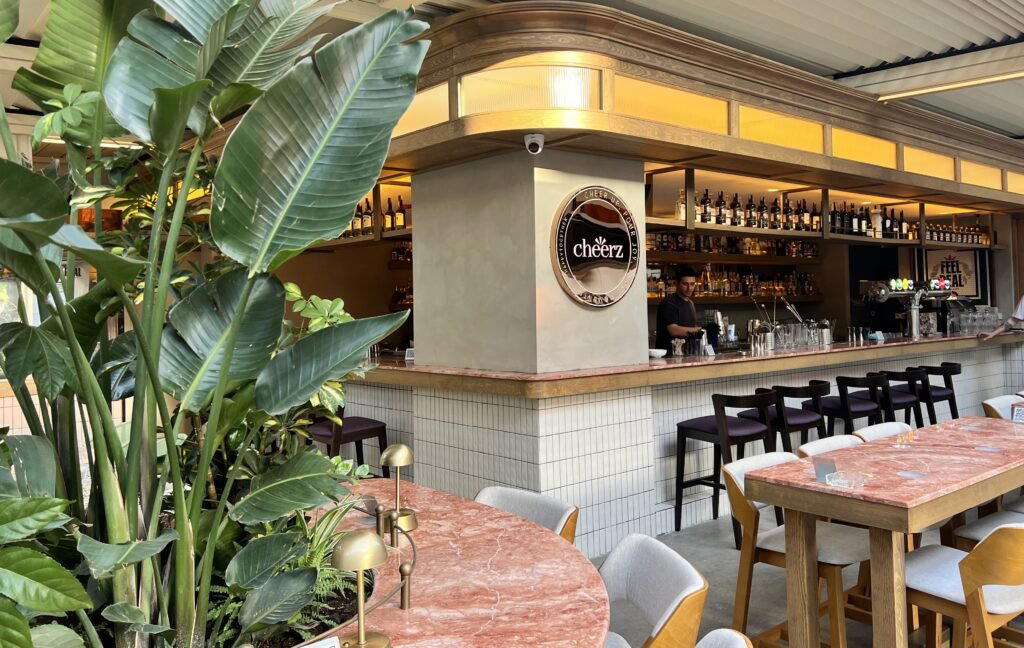
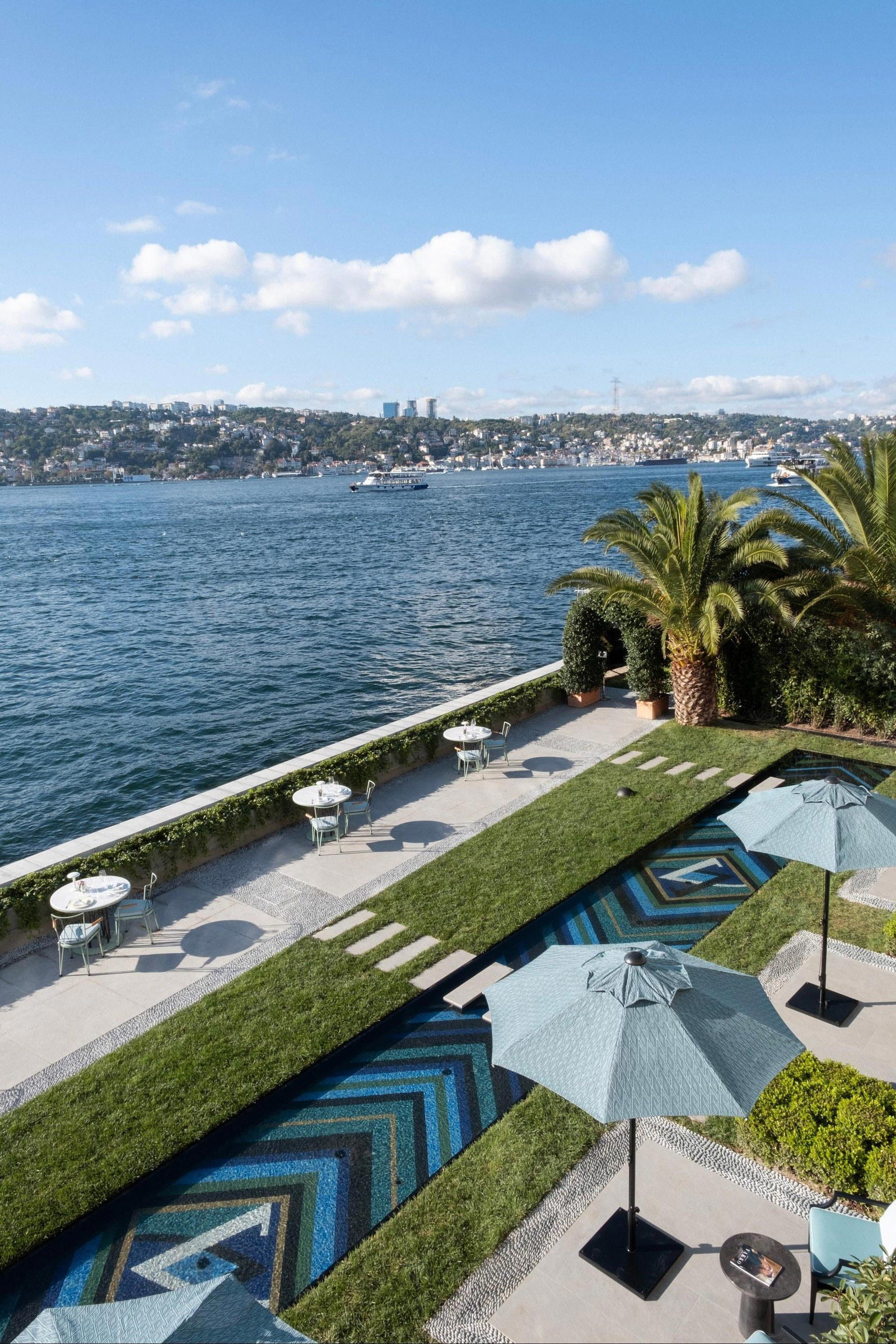
The Güzelyalı address on Sahil Bulvarı places the restaurant directly on the Marmara shoreline, which sets the tone more than any interior design decision could. Pendik operates outside the high-concept dining belt of central Istanbul, so expect a waterfront setting shaped by sea views and coastal informality rather than the curated, design-led atmosphere of the Bosphorus-facing neighbourhoods. It is a different proposition from the city's central tier, and that contrast is the point.
How do you get to Maada İstanbul Restaurant in Pendik from central Istanbul?
The Marmaray commuter rail connects central Istanbul to Pendik station on the Asian shore, placing the restaurant within reach without a car. The Güzelyalı address on Sahil Bulvarı is roughly 35 kilometres east of Taksim, making public rail the most direct option from the European side. From Pendik station, the waterfront boulevard is a short transfer away.
What's the must-try dish at Maada İstanbul Restaurant?
Any coastal restaurant on the Marmara shore at this address should be interrogated for whatever is coming off the day's catch: the Sea of Marmara has historically supplied Istanbul's markets with horse mackerel, sea bass, and gilt-head bream, and proximity to the water is the clearest guide to what to order. Ask what arrived that morning.
Where exactly is Maada İstanbul Restaurant?
Maada İstanbul Restaurant is located at Güzelyalı, Sahil Blv No, Pendik.
A Quick Peer Check
Comparable venues nearby, for context on price, style, and recognition.
| Venue | Cuisine | Price | Notes |
|---|---|---|---|
| Maada İstanbul RestaurantThis venue — the venue you are viewing | Mediterranean Meze with Sea Views | Not listed | Not listed |
| 34 Restaurant | Turkish & Mediterranean Fine Dining | $30–50 | Şişli |
| Lades 2 Menemen | Traditional Turkish Breakfast & Menemen | Not listed | Beyoğlu |
| Metanet Katmer | Traditional Gaziantep Katmer | $1–10 | Suyabatmaz |
| Karakoy Gulluoglu | Traditional Turkish Baklava and Sweets | Not listed | Karakoy |
| Kuyum Pide Salonu | Traditional Turkish Pide | $10–20 | Konak |
Continue exploring
More in Pendik
Restaurants in Pendik
All restaurants in Pendik →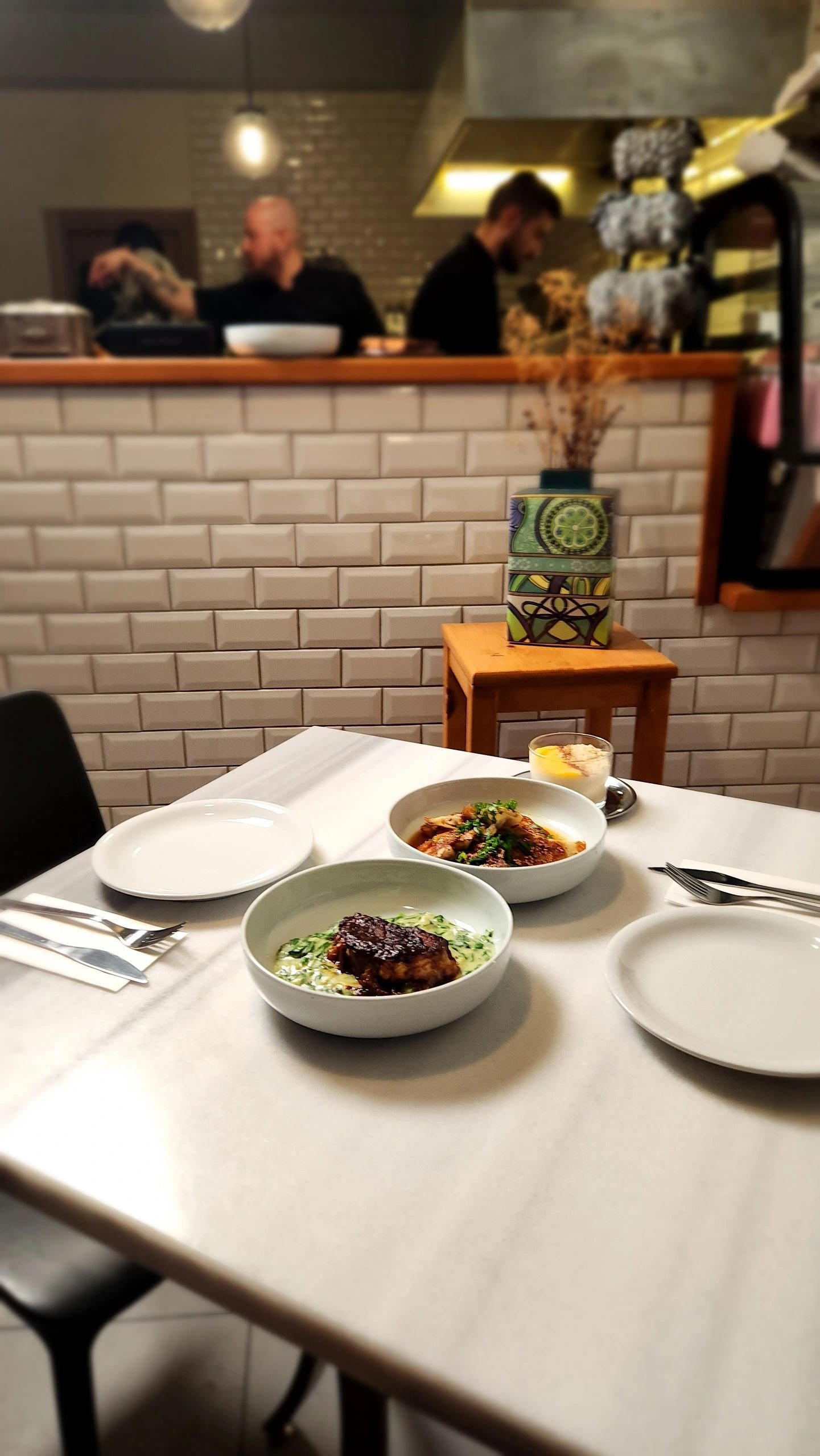
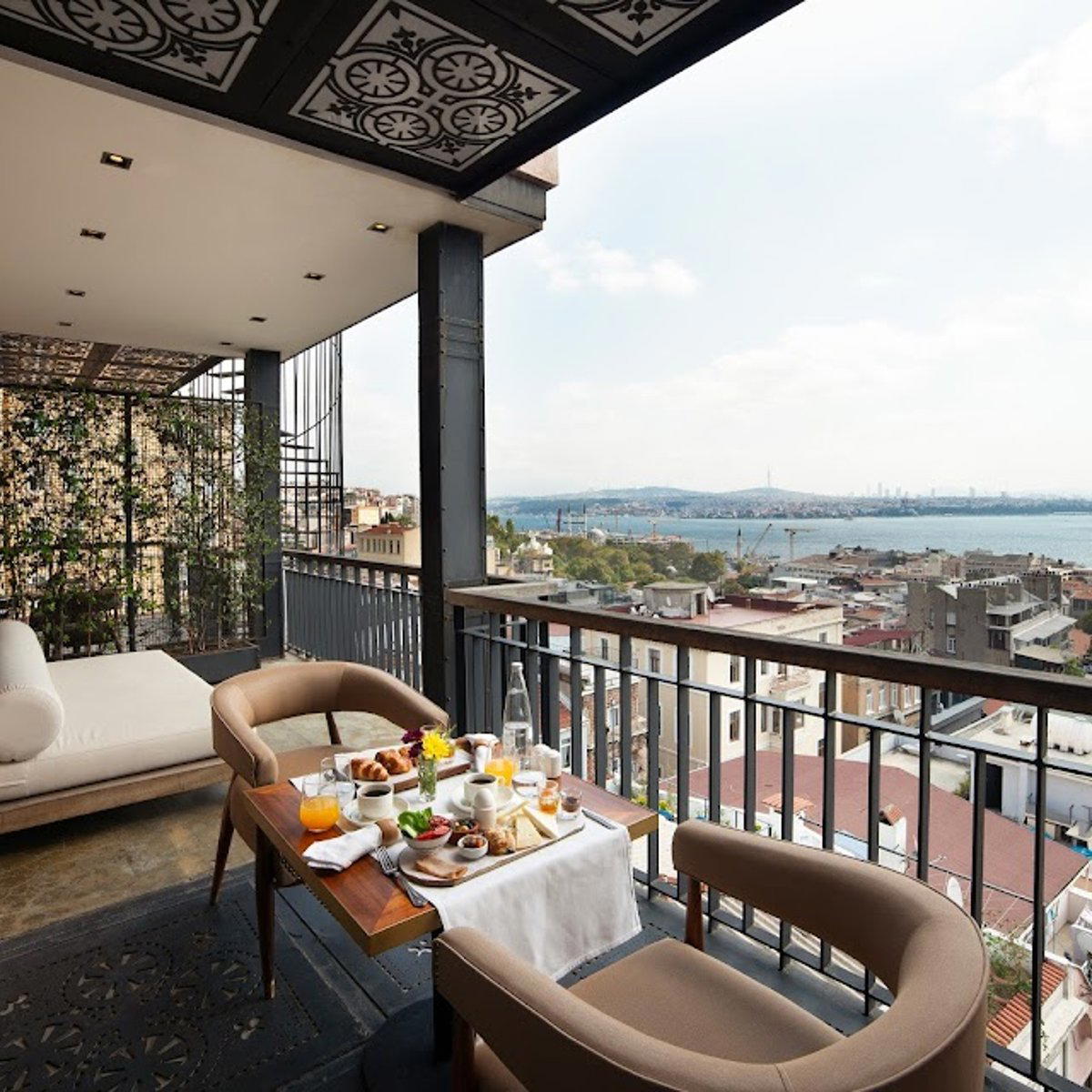
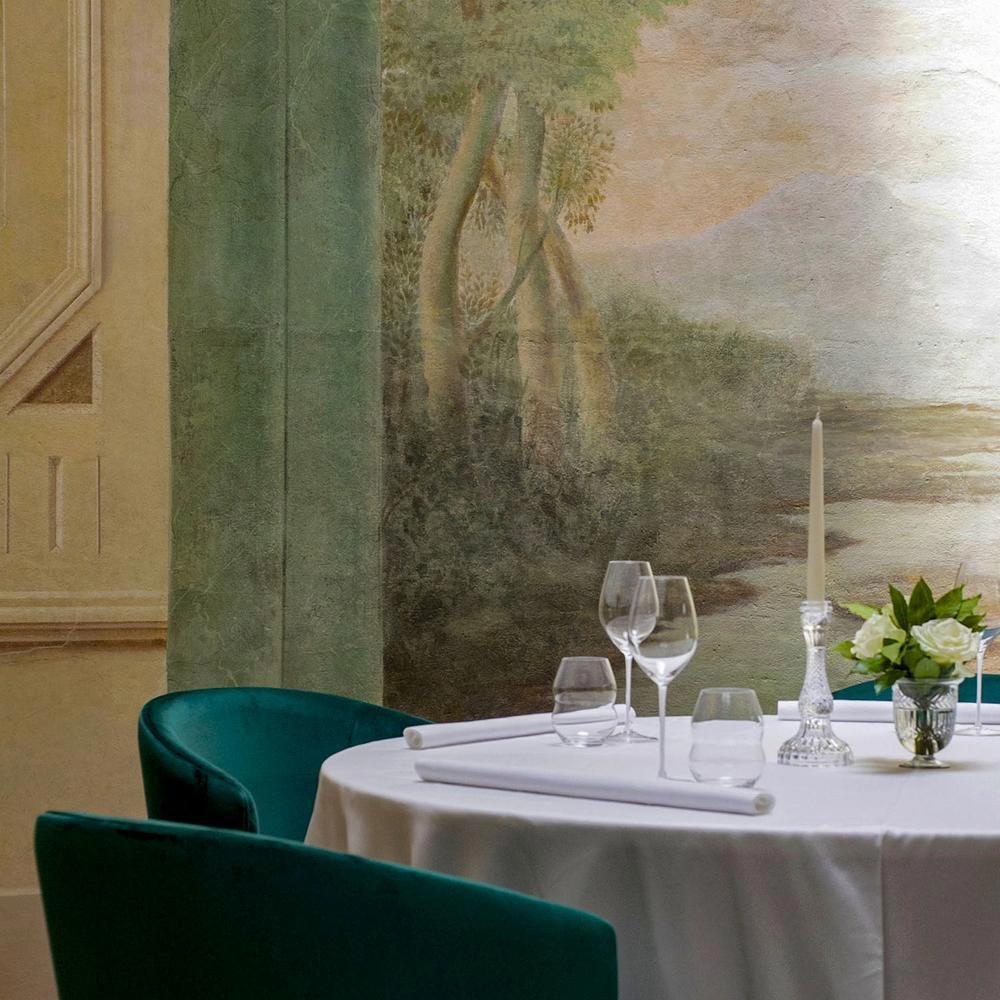
Bars in Pendik
Browse all →
Maada İstanbul Restaurant
The wine
- Wine program
- Curated wine list
- Extensive wine list
Details
- Scenic
- Elegant
- Date Night
- Special Occasion
- Rooftop
- Waterfront
- Hotel Restaurant
- Extensive Wine List
- Waterfront
- A La Carte
Current opening hours
- Monday
- 3 PM–12 AM
- Tuesday
- 3 PM–12 AM
- Wednesday
- 3 PM–12 AM
- Thursday
- 3 PM–12 AM
- Friday
- 3 PM–12 AM
- Saturday
- 3 PM–12 AM
- Sunday
- Closed
Hours can change for holidays and private events. Last verified .
Pleasant elite atmosphere with dramatic sea views.