In Istanbul's crowded breakfast and brunch scene, Lades 2 Menemen holds a specific place: a dedicated address for menemen, the city's canonical egg-and-tomato dish, served without the detours that define more generalist lokanta menus. The format is focused, the clientele local, and the draw is the dish itself rather than the setting around it.

Pearl is the En Primeur Club membership app — saves, bookings, and concierge access live there. Same editors, same standards.
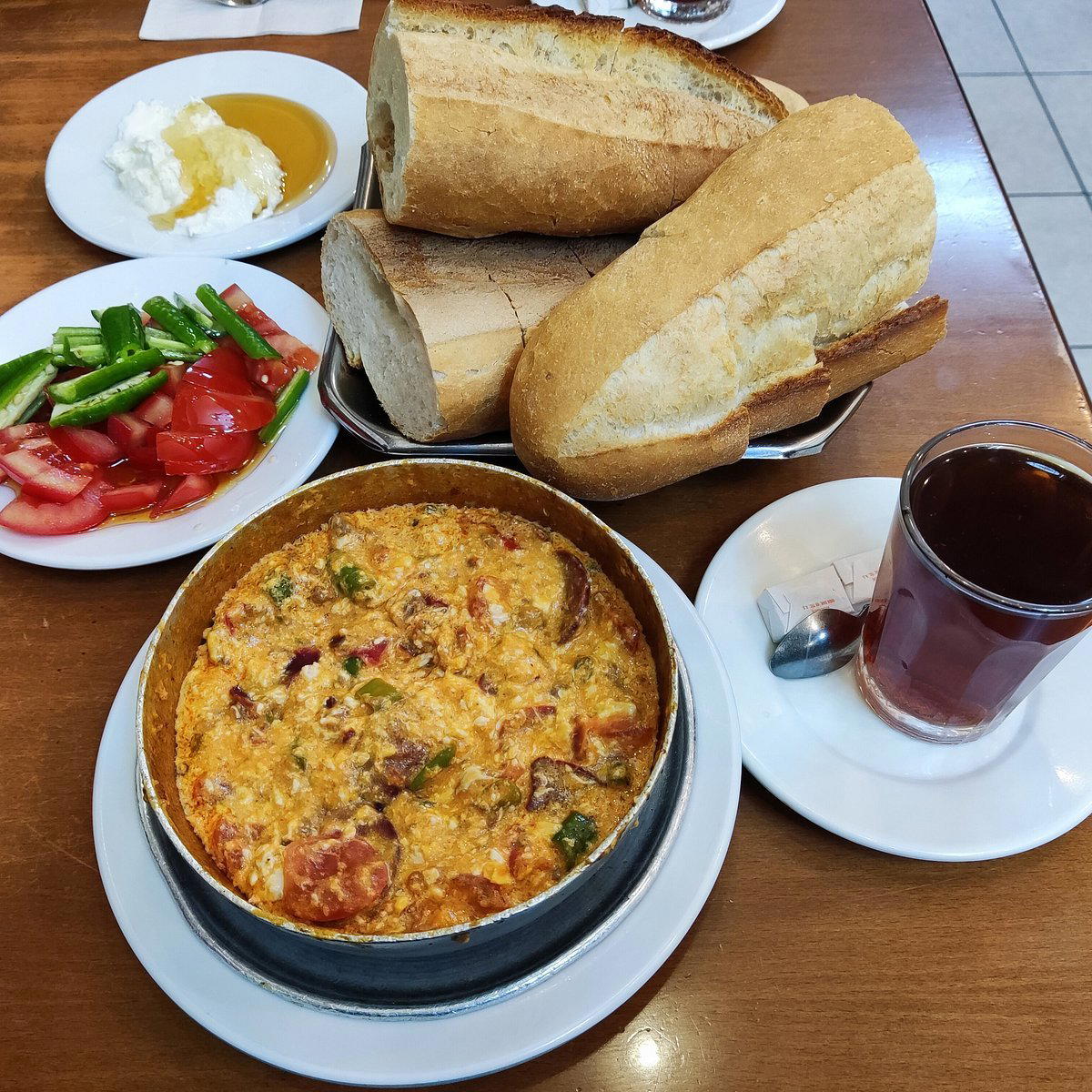
Where Istanbul Eats Its Eggs
Istanbul's breakfast culture operates on a different register from the hotel buffet version that most visitors encounter. The city's lokanta tradition is built around specialisation: a place that does one or two things well, draws a neighbourhood crowd that returns weekly, and prices accordingly. Menemen, the loose scramble of eggs, tomatoes, green peppers, and sometimes onion cooked in a shallow pan, sits at the centre of that tradition. Lades 2 Menemen addresses that dish specifically, in a city where the argument over how menemen should be made, with or without onion being the perennial fault line, is taken with some seriousness.
That specificity places it in a different competitive tier from Istanbul's breakfast tables. Lades 2 operates closer to the lokanta model that predates those dining formats: no tasting progression, no sommelier, no architectural plating. The comparison set is closer to Dürümzade in Beyoglu, another address defined by one central dish rather than a broad menu.
The Menemen Tradition and What It Demands
Menemen is, at its core, a wet egg dish, cooked in olive oil or butter depending on the region, with tomatoes providing both acidity and texture. The Istanbul version tends to be looser than its Aegean counterparts, closer to a sauced scramble than a set omelette. The quality of the dish depends almost entirely on ingredient ratio and timing: too much heat and the eggs tighten, losing the silky consistency that separates good menemen from functional breakfast. Specialist addresses for this dish, and there are relatively few in Istanbul's restaurant landscape that centre it explicitly, tend to develop a loyal return clientele built around consistency rather than novelty.
That loyalty structure is part of what distinguishes the specialist lokanta from the neighbourhood restaurant that adds menemen to a longer menu. Regulars at these addresses are not experimenting. They have a version in their head, developed over years of eating the dish, and they return because an address delivers reliably to that standard. Asitane in Fatih operates on a different model entirely, reconstructing Ottoman recipes with documented historical sources, but both represent a kind of culinary specificity that Istanbul rewards in its neighbourhood dining culture.
Situating the Address in Istanbul's Eating Patterns
Turkey's regional food culture makes it worth contextualising any Istanbul address against the broader national picture. The country's eating traditions are strongly regional: a menemen made in Izmir reads differently from one made in Istanbul, and addresses in cities like Narımor in Izmir reflect those distinctions. Istanbul functions as the city that absorbs and aggregates those regional traditions, which is part of what gives its lokanta culture its depth. A specialist menemen address in Istanbul is drawing, implicitly, on Aegean egg and vegetable traditions while serving an urban crowd with its own expectations about the dish.
That positioning also explains why these addresses tend to function at a price point accessible to daily or near-daily visits. A specialist lokanta in Istanbul is not a destination for a once-a-year dinner; it is part of a weekly routine for its regulars. Compare that to the occasion-dining model at Arkestra or the resort-context dining at Maçakızı in Bodrum, and the functional role of the specialist lokanta becomes clear. It is infrastructure, not spectacle.
A Note on Wine in the Breakfast and Lokanta Format
The editorial angle of wine list depth applies differently to a menemen specialist than it does to an address like Casa Lavanda or a tasting-menu room. In Istanbul's lokanta tradition, wine is rarely the point. The beverage logic is built around tea, freshly brewed in the çaydanlık double-boiler system that keeps tea at a consistent temperature through a meal, or around ayran, the salted yogurt drink that pairs effectively with egg and tomato dishes by cutting through richness. Raki enters the picture later in the day, at meyhane addresses like Kritikos Meyhane in Mudanya, where the anise-spirit format is built into the dining structure. A menemen specialist before midday is operating in a different beverage context entirely, and evaluating it through a wine lens would miss the point of what the format is doing. Turkey does produce serious wine, with Anatolian grape varieties including Öküzgözü and Boğazkere gaining international recognition, but that story belongs to a different category of Istanbul dining.
Planning a Visit
For those building an Istanbul itinerary with serious attention to the city's eating culture, a specialist menemen address belongs in the morning hours, which is when these dishes are made and when the clientele arrives. Istanbul's breakfast culture peaks between roughly 9am and noon, particularly on weekends, when tables fill quickly at addresses with established neighbourhood reputations. Arriving early on a weekday reduces wait time at most lokanta-format addresses in the city.
Addresses in the same spirit of focused Turkish regional cooking can be found beyond Istanbul. Hiç Lokanta in Urla applies a similarly disciplined approach to Aegean ingredients in a different setting, while Kocak Baklava in Gaziantep and Bayramoğlu Döner in Beykoz each represent the specialist single-focus format in different Turkish cities and food categories. The pattern of deep expertise in one dish, repeated consistently, is one of the more durable features of Turkish eating culture.
How It Stacks Up
Comparable venues nearby, for context on price, style, and recognition.
| Venue | Cuisine | Price | Notes |
|---|---|---|---|
| Lades 2 MenemenThis venue — the venue you are viewing | Traditional Turkish Menemen | $$ | Not listed |
| Akar Lokantası | Traditional Turkish Offal | $$ | Karagumruk |
| Seher Restaurant | Authentic Turkish Kebabs and Testi | $$ | Hocapasa |
| Ticarethane Sk. No:8 | Turkish with International Flair | $$ | Alemdar |
| Constantine's Ark Restaurant & Cafe | Traditional Turkish Mezze & Ottoman | $$ | Hocapasa |
| Helvetia | Turkish Home-style Mezes | $$ | Asmali Mescit |
Continue exploring
More in Istanbul
Restaurants in Istanbul
Browse all →
Bars in Istanbul
Browse all →
Hotels in Istanbul
Browse all →
Wineries in Istanbul
Browse all →

At a Glance
- Classic
- Cozy
- Casual Hangout
- Family
- Standalone
Casual, bustling breakfast spot with a welcoming, no-frills atmosphere near Istiklal Caddesi.