

Lokanta Göktürk holds consecutive Michelin Plate recognition (2024 and 2025), placing it among a small group of Istanbul venues where traditional Turkish cooking earns formal critical notice outside the city centre. Located in the Göktürk district of Eyüpsultan, it operates at a price point that undercuts the city's ₺₺₺₺ fine-dining tier while matching it for critical standing.
Pearl is the En Primeur Club membership app — saves, bookings, and concierge access live there. Same editors, same standards.
- Address
- Göktürk Merkez, İstanbul Cd. No:16 D:E, 34077 Eyüpsultan/İstanbul, Türkiye
- Phone
- +90 530 387 36 90
- Website
- lokantagokturk.com
- Directions
- Get directions
 Saves & bookings on Pearl
A Different Istanbul Table
Lokanta Göktürk is a restaurant in Göktürk Merkez, Istanbul, serving Modern Turkish Anatolian cuisine at a ₺₺₺ price tier. Most of Istanbul's Michelin-recognised Turkish restaurants cluster along the Bosphorus corridor or in Beyoğlu, where venues like Aheste, Alaf, and the ₺₺₺₺ modern Turkish tier, 29, Aheste, occupy a well-mapped fine-dining geography. Göktürk Merkez, a residential district in Eyüpsultan on Istanbul's European fringe, does not appear on that map. Which is precisely what makes Lokanta Göktürk's consecutive Michelin Plate awards, 2024 and 2025, worth reading carefully. The recognition points to a kitchen working seriously at a ₺₺₺ price point, in a neighbourhood where the audience is local rather than international, and where the pressure to perform is internal rather than touristic.
Approaching the Meal
The address, İstanbul Cd. No:16, Göktürk Merkez, places the restaurant in a commercial strip within a largely residential district. Arriving here, the city's older, louder dining circuits feel distant. The neighbourhood sets a different register: quieter, less performative, the kind of context where a lokanta (the Turkish word for a simple, honest restaurant) can operate on the terms implied by its name rather than against the expectations generated by a central Istanbul postcode.
That framing matters when thinking about what the meal is designed to do. Turkish dining at this price tier, when done well, moves through a logic of accumulation: cold meze to warm meze, then a protein-centred main, with bread and accompaniments punctuating the sequence. The structure is centuries old. What distinguishes the kitchens that earn Michelin attention within it is not invention of that structure but depth of execution at each stage.
The Arc of the Table
Turkish multi-course eating does not follow the European progression from light to rich in a linear way. Cold meze, which might include dairy-based spreads, herb salads, cured fish, or vegetable preparations cooked in olive oil, arrive first and function as a kind of extended overture. They are meant to be lingered over, shared, returned to. The cold plate is not an appetiser in the Western sense; it is a sustained opening act that establishes the kitchen's command of seasoning, acidity, and restraint before anything hot arrives.
What follows at a well-run lokanta is the warm meze phase, where the cooking becomes more technically demanding: börek, fried items, and egg-based preparations that require timing. By this point, a table has already spent thirty to forty minutes eating, which is the intended pace. The meal is structured around duration, not efficiency.
The main course in this tradition is typically a single grilled or braised protein, lamb, fish, or offal depending on the day and the house, and arrives as a focal point rather than a crescendo. Turkish kitchens that earn critical recognition tend to be judged on the quality and sourcing of that centrepiece, and on whether the surrounding dishes support it without crowding it..
Where It Sits in Istanbul's Dining Tier
Istanbul's Michelin-recognised restaurants span a considerable price range. The ₺₺₺₺ tier includes modern Turkish destinations like Turk Fatih Tutak, Mikla, Neolokal, and Nicole, each operating with tasting menus, wine programs, and international clientele as core assumptions. Lokanta Göktürk operates a tier below that, ₺₺₺, which in Istanbul means a serious à la carte or short-menu format without the architecture of a full tasting sequence. It is closer in spirit to the ocakbaşı tradition, the grill-focused, neighbourhood-rooted Istanbul restaurant, than to the modern fine-dining model, even as it earns the same Michelin Plate credential.
That distinction matters when setting expectations. Venues like Adana Ocakbaşı and Ali Ocakbaşı represent the Istanbul tradition of unpretentious, technically focused Turkish cooking where the product and the fire do the work. The restaurant occupies an adjacent space: a lokanta format with the kind of kitchen discipline that earns external recognition. For readers interested in where Turkish cooking shows its depth without the formality of the ₺₺₺₺ tier, this is the relevant bracket.
For context on how similar seriousness shows up elsewhere in Turkey, 7 Mehmet in Antalya and Kitchen By Osman Sezener in Bodrum represent comparable approaches in regional cities, kitchens anchored in local tradition rather than international idiom, and recognised for it. Narımor in Izmir and Agora Pansiyon in Milas extend the same pattern into the Aegean. The pattern across all of them is the same: Turkish cooking at its most credible tends to be rooted rather than itinerant, neighbourhood-specific rather than internationally positioned.
For those interested in how this tradition travels internationally, dede in Baltimore and Adil Müftüoğlu in Izmir offer useful comparative readings on how Turkish culinary identity translates outside its home geography.
Planning the Visit
Göktürk Merkez sits in the Eyüpsultan district on Istanbul's European side, north of the city centre and away from the main tourist and fine-dining corridors. Reaching it requires a deliberate journey, this is not a restaurant you arrive at by accident while walking through Beyoğlu or Karaköy. That distance is part of the point: the customer base here is local, returning, and self-selecting. For visitors, the trip functions as an exercise in seeing a part of Istanbul that most itineraries skip entirely.
The restaurant is open daily from 1 PM to 12 AM, and reservations are recommended. The ₺₺₺ price tier makes it accessible relative to the city's upper-end restaurants, and the consistency of its 4.7 rating across close to 300 reviews over multiple years suggests a kitchen that performs reliably rather than occasionally.
For Anatolian cooking rooted in a specific regional tradition, Aravan Evi in Ürgüp and Ahãma in Göcek represent the same commitment to place-specificity in different parts of the country.
The Quick Read
Comparable venues nearby, for context on price, style, and recognition.
| Venue | Cuisine | Price | Notes |
|---|---|---|---|
| Lokanta Göktürk | Gokturk Merkez, Modern Turkish Anatolian | $$$ | Not listed |
| Borsa Restaurant | Not listed | $$$ | Kandilli, Traditional Turkish & Ottoman Cuisine |
| Seraf Vadi | Ayazaga, Modern Anatolian Fine Dining | $$$$ | Not listed |
| The Red Balloon Yalıkavak | Not listed | $$$ | Asmali Mescit, Modern Northern Aegean Cuisine |
| Khorasani | Not listed | $$ | Alemdar, Traditional Turkish Grill & Kebabs |
| Tavacı Recep Usta Bostancı | Not listed | $$$ | Altintepe, Traditional Turkish Grilled Kebabs & Lamb |
Recognition history
Dated appearances from independent guides and award organizations, with the underlying list record or original source where available.
Gault & Millau Türkiye 1 Toque
Gault & Millau · Gault & Millau Türkiye 2026 - 1 Toque
Michelin Plate
Michelin
Michelin Plate
Michelin
At a Glance
- Elegant
- Sophisticated
- Modern
- Date Night
- Special Occasion
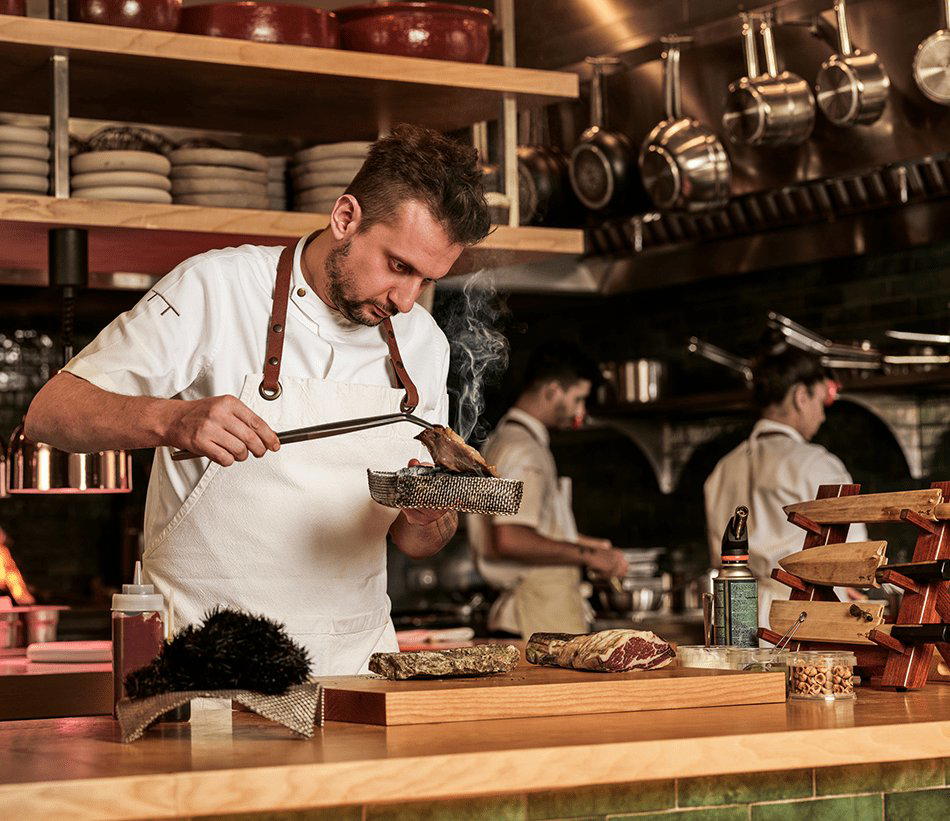
- Open Kitchen
- Extensive Wine List
Current opening hours
- Monday
- 1 PM–12 AM
- Tuesday
- 1 PM–12 AM
- Wednesday
- 1 PM–12 AM
- Thursday
- 1 PM–12 AM
- Friday
- 1 PM–12 AM
- Saturday
- 1 PM–12 AM
- Sunday
- 1 PM–12 AM
Hours can change for holidays and private events. Last verified .
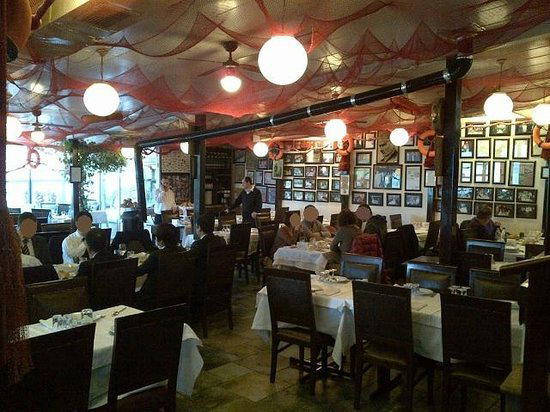
chic and quiet with attentive service and handmade plates.