

1 Michelin Star · Gault & Millau Türkiye 3 Toques
Our verdict
Yoshizumi Nagaya's Istanbul outpost brings his Düsseldorf-honed precision to a Bosphorus-facing room in Bebek, earning a Michelin star in 2024. The kitchen positions Japanese technique against locally sourced Bosphorus fish and European preparation methods, with sushi cut and formed by Hiroko Shibata. A free luxury shuttle connects guests to this dinner-only address on Cevdet Paşa Caddesi.

Pearl is the En Primeur Club membership app, where members save venues, book tables and use the concierge.
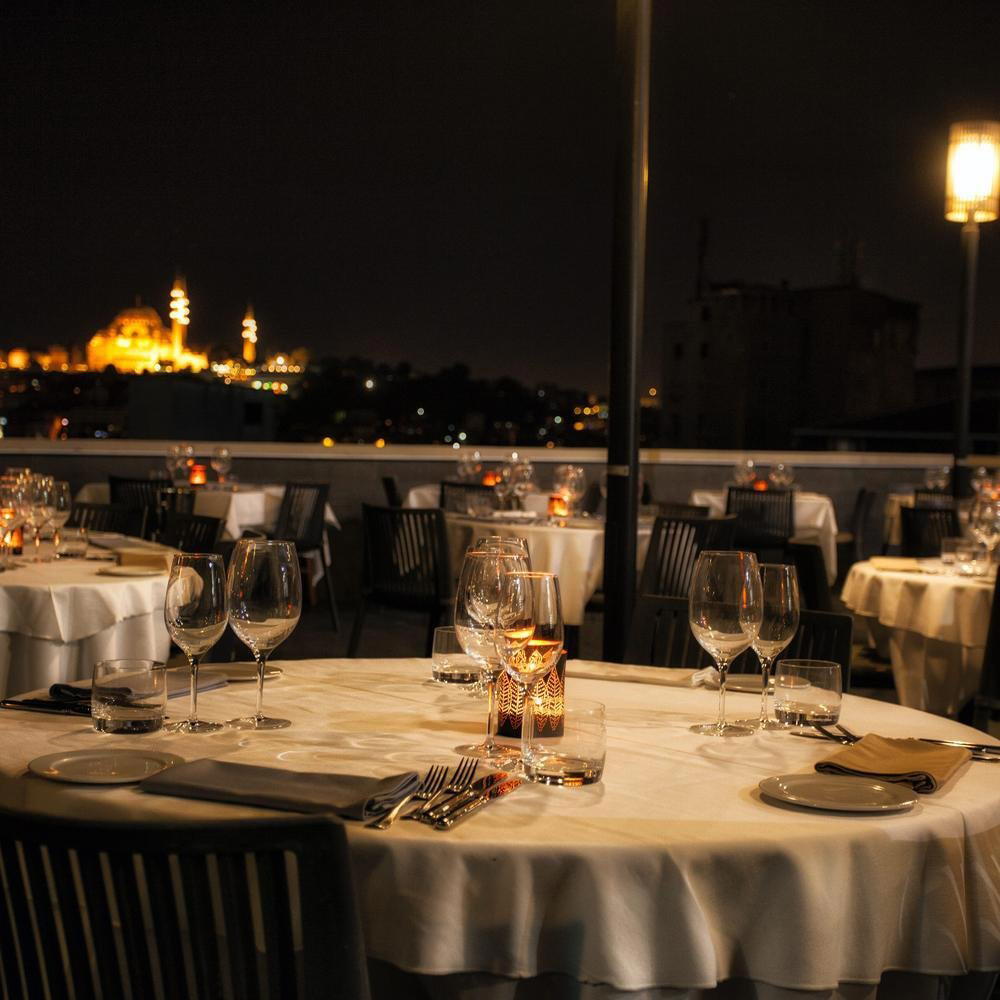
Where the Bosphorus Meets the Counter
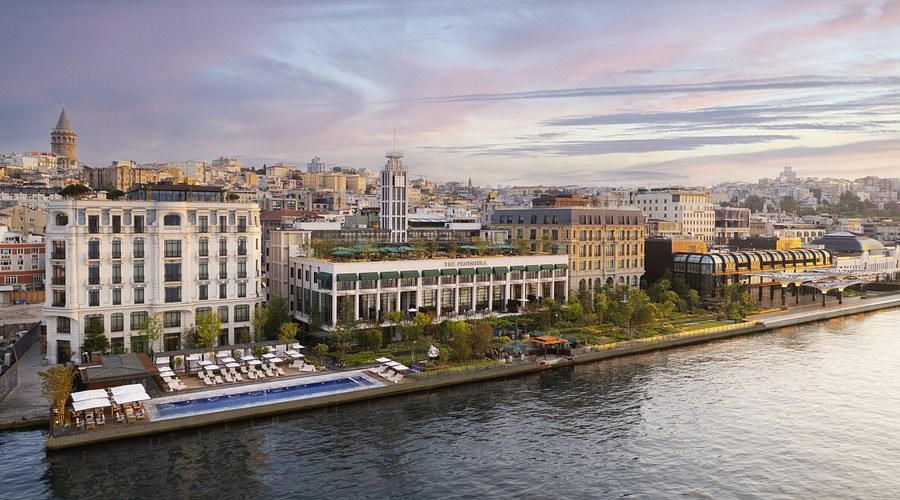
Bebek is not Istanbul's obvious address for Japanese fine dining. The neighbourhood, draped along the European shore of the Bosphorus between Arnavutköy and Etiler, has long been the preserve of old-money waterfront cafés, weekend brunch crowds, and the kind of fish restaurants that price by the gram. Serious Japanese technique, the sort trained to Michelin standard in Germany and then transplanted to a boutique hotel in Turkey, arrives here as a considered provocation rather than an easy fit. The water view from the room at Sankai by Nagaya frames that tension well: a kitchen operating at the precision end of Japanese contemporary, with the Bosphorus traffic visible through the glass and Istanbul's hybrid identity all around it.
That tension is, arguably, the most interesting thing about what Japanese fine dining does when it leaves its home geography. In Tokyo, refinement and speed coexist: an omakase counter in Ginza might move through twenty courses in under two hours, the chef's rhythm dictating the evening's tempo. In Kyoto, the pace relaxes, the produce becomes the subject, and restraint is the primary grammar. When a Japanese kitchen opens in a city like Istanbul, it draws from both registers but answers to neither, instead calibrating to a local audience with different expectations around time, flavour intensity, and the role of European technique. Sankai by Nagaya operates squarely in that third space.
A Michelin star awarded in 2024 places Sankai by Nagaya in a very small tier within Istanbul's fine dining scene. The city's starred restaurants have historically leaned into Modern Turkish formats: Turk Fatih Tutak, Mikla, and Neolokal each occupy the ₺₺₺₺ tier and draw their authority from Anatolian larder, regional technique, and chef-led narratives rooted in Turkish culinary inheritance. Sankai arrives at a lower price point (₺₺₺) and with a completely different culinary grammar, which means it competes in a separate category. The nearest obvious comparator for the Japanese contemporary format in Istanbul is Inari Omakase Kuruçeşme, while Zuma İstanbul occupies the Japanese-inflected but more casual and social end of the spectrum.
For context on how this format travels, it is worth looking at analogues elsewhere: The Japanese Restaurant in Andermatt and Eika in Taipei both demonstrate how Japanese contemporary technique adapts when the kitchen is physically removed from Japan's supply chains and ingredient culture. In each case, the defining question is whether the kitchen leans into local sourcing as a feature or treats it as a constraint to be managed. At Sankai, the answer is clear: Bosphorus fish becomes a deliberate ingredient rather than a compromise.
Two Kitchens, One Menu
The most structurally interesting thing about Sankai by Nagaya is that it operates, in effect, as two distinct technical programs under one roof. The sushi program, handled by Hiroko Shibata, draws directly from the washoku tradition: fish sourced from local Bosphorus waters, prepared with meticulous attention to rice temperature and texture. The Michelin inspector's notes describe the sushi as served perfectly lukewarm, with rice that holds just enough stickiness and a restrained application of soy sauce. That description places Shibata's work firmly in the Kyoto register: precision, restraint, produce-forward presentation where every variable is controlled.
The broader kitchen program runs on a different logic. The veal cheeks preparation, braised for 48 hours at low temperature until the collagen converts and the meat reaches an almost candied intensity, then plated with beans, ponzu mayonnaise, powdered vinegar, and sesame seeds, reflects the kind of Japanese-European synthesis that characterises the contemporary Düsseldorf food scene Nagaya built his reputation within. It is not fusion in the loose sense; the dish has a clear technical backbone and a considered flavour architecture. The ponzu mayonnaise brings citrus acidity to cut through the unctuous braise, while the powdered vinegar introduces a textural variable that keeps the palate working. These are Tokyo-speed techniques (precise, technical, unafraid of European product) applied with something closer to Kyoto patience (48 hours, low heat, nothing rushed).
Guests choose between a sushi set menu and a broader signature set menu, which means the two programs are packaged separately rather than merged. That structural decision itself communicates something about the kitchen's confidence: each format is strong enough to stand alone.
The Bebek Context
Positioning a Michelin-starred Japanese restaurant in Bebek rather than in the Beyoğlu restaurant corridor or the European side's more saturated fine dining zones is a deliberate choice. The boutique hotel setting on Cevdet Paşa Caddesi gives the restaurant a contained, residential character that larger Istanbul dining addresses rarely achieve. Bebek's clientele skews toward established Istanbul wealth rather than international hotel guests, which shapes both the room's energy and the menu's pricing, ₺₺₺ here reads as premium but not performatively so.
The neighbourhood's geography matters too. A Bosphorus-facing room in Bebek means the light changes dramatically by season, and the strait's visual presence is never incidental. For a Japanese kitchen that values the relationship between environment and plate, the setting does real work that a windowless basement counter in Nişantaşı could not.
Istanbul's broader dining scene offers strong context for understanding where Sankai sits. For the full picture of the city's restaurants, bars, hotels, and cultural programming, see our full Istanbul restaurants guide, our full Istanbul bars guide, our full Istanbul hotels guide, our full Istanbul wineries guide, and our full Istanbul experiences guide. If you are travelling more widely across Turkey, the culinary range extends from Kitchen By Osman Sezener in Bodrum and Narımor in Izmir to 7 Mehmet in Antalya, Agora Pansiyon in Milas, Ahãma in Göcek, and Aravan Evi in Ürgüp.
Planning Your Visit
Sankai by Nagaya operates dinner service only, opening at 6:30 PM and running until 12:30 AM Tuesday through Saturday, with Sunday closed and Monday also dinner-only. The late closing time is unusual for a Michelin-starred kitchen and reflects Bebek's social rhythm, where evenings extend well past European fine dining norms. The restaurant offers a complimentary luxury shuttle service to and from the venue, which is a practical consideration given Bebek's geography, the neighbourhood is accessible but parking is difficult and taxi availability can be inconsistent late at night. The ₺₺₺ price positioning sits below Istanbul's dominant starred tier, making it the more accessible entry point into the city's Japanese fine dining category.
What to Order
The sushi set menu, with Hiroko Shibata's Bosphorus-fish preparations at its centre, represents the most direct expression of the kitchen's washoku discipline. The veal cheeks preparation that appears in Michelin documentation, the 48-hour braise finished with ponzu mayonnaise, powdered vinegar, beans, and sesame seeds, is the clearest articulation of what makes the signature set menu distinct: European product handled with Japanese technical patience and plated with the flavour layering of a kitchen that understands both traditions. Guests who want to understand the full range of what the kitchen is doing should consider the signature set menu, which puts both the European-Japanese synthesis and the sushi program in context of each other.
Frequently Asked Questions
What's the must-try dish at Sankai by Nagaya?
The sushi prepared by Hiroko Shibata using fish from local Bosphorus waters is the clearest demonstration of the kitchen's washoku credentials: served at the precise temperature where rice texture and fish temperature converge, with a restrained hand on the soy. For those ordering the signature set menu rather than the sushi set, the 48-hour braised veal cheeks, finished with ponzu mayonnaise, powdered vinegar, beans, and sesame seeds, is the dish that most directly communicates what a Düsseldorf-trained Michelin-starred kitchen does when it settles in Istanbul. The 2024 Michelin star applies to the full restaurant, and both programs contributed to that recognition.
Comparison Snapshot
A quick peer list to put this venue’s basics in context.
| Venue | Cuisine | Price | Awards | Notes |
|---|---|---|---|---|
| Sankai by NagayaThis venue (the venue you are viewing) | Modern Japanese Omakase & Kaiseki | $200–300 | 1 Michelin Star · Gault & Millau Türkiye 3 Toques | Not listed |
| Turk Fatih Tutak | Modern Turkish Fine Dining | $200–300 | 2 Michelin Stars · World's 50 Best #66 | Modern Turkish, ₺₺₺₺ |
| Mikla | New Anatolian Kitchen | $100–150 | 1 Michelin Star · World's 50 Best #44 | Modern Turkish, Mediterranean Cuisine, ₺₺₺₺ |
| Neolokal | Modern Turkish Fine Dining | $200–300 | 1 Michelin Star · World's 50 Best #100 | Modern Turkish, Turkish, ₺₺₺₺ |
| Arkestra | Modern European with Global Influences | $100–150 | 1 Michelin Star · Gault & Millau Türkiye 3 Toques | Fusion, ₺₺₺₺ |
| Nicole | Contemporary Turkish Fine Dining | $150–200 | 1 Michelin Star · Gault & Millau Türkiye 3 Toques | Modern Turkish, Modern Cuisine, ₺₺₺₺ |
Recognition history
Dated appearances from independent guides and award organizations, with the underlying list record or original source where available.
Michelin 1 Star
Michelin
Gault & Millau Türkiye 3 Toques
Gault & Millau · Gault & Millau Türkiye 2026 - 3 Toques
Full recognition history (3 entries)
Michelin 1 Star
Michelin
Continue exploring
More in Istanbul
Restaurants in Istanbul
All restaurants in Istanbul →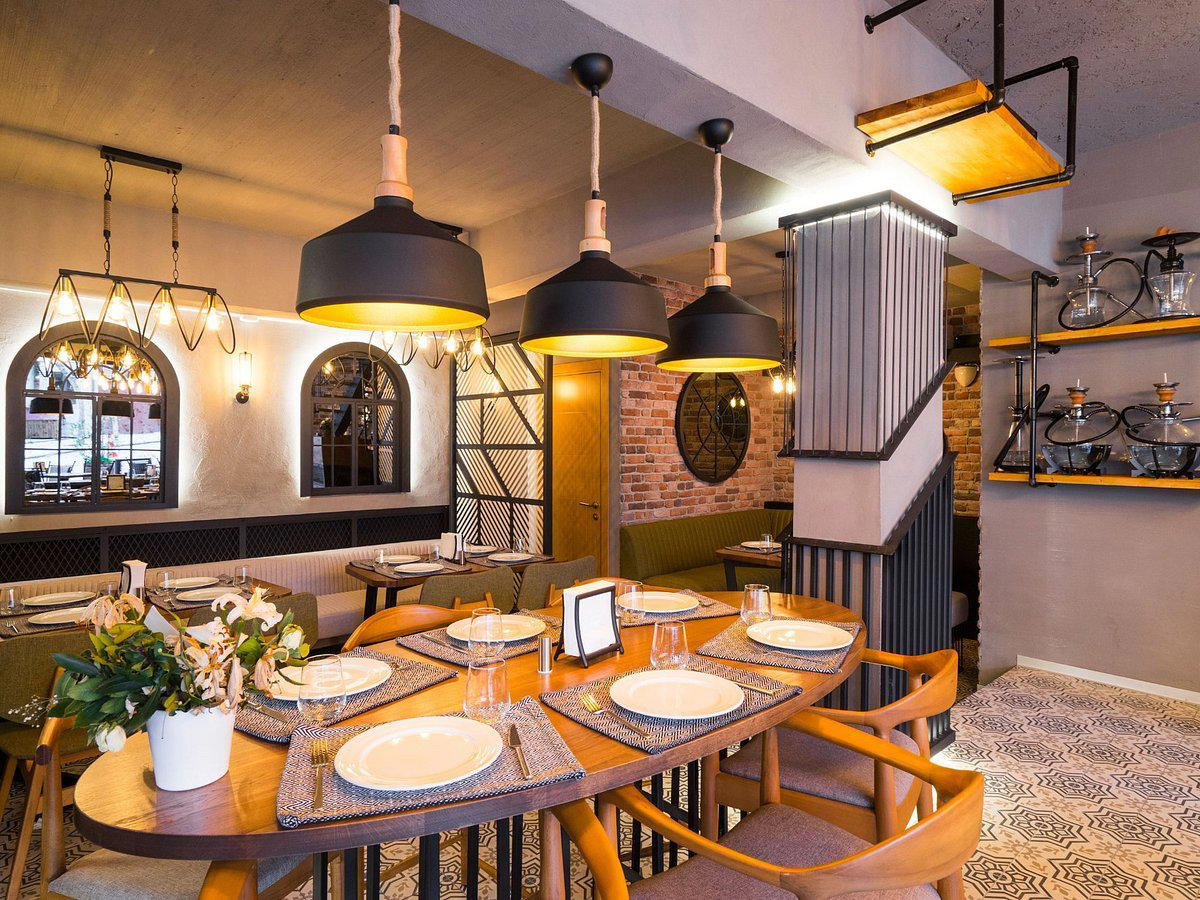
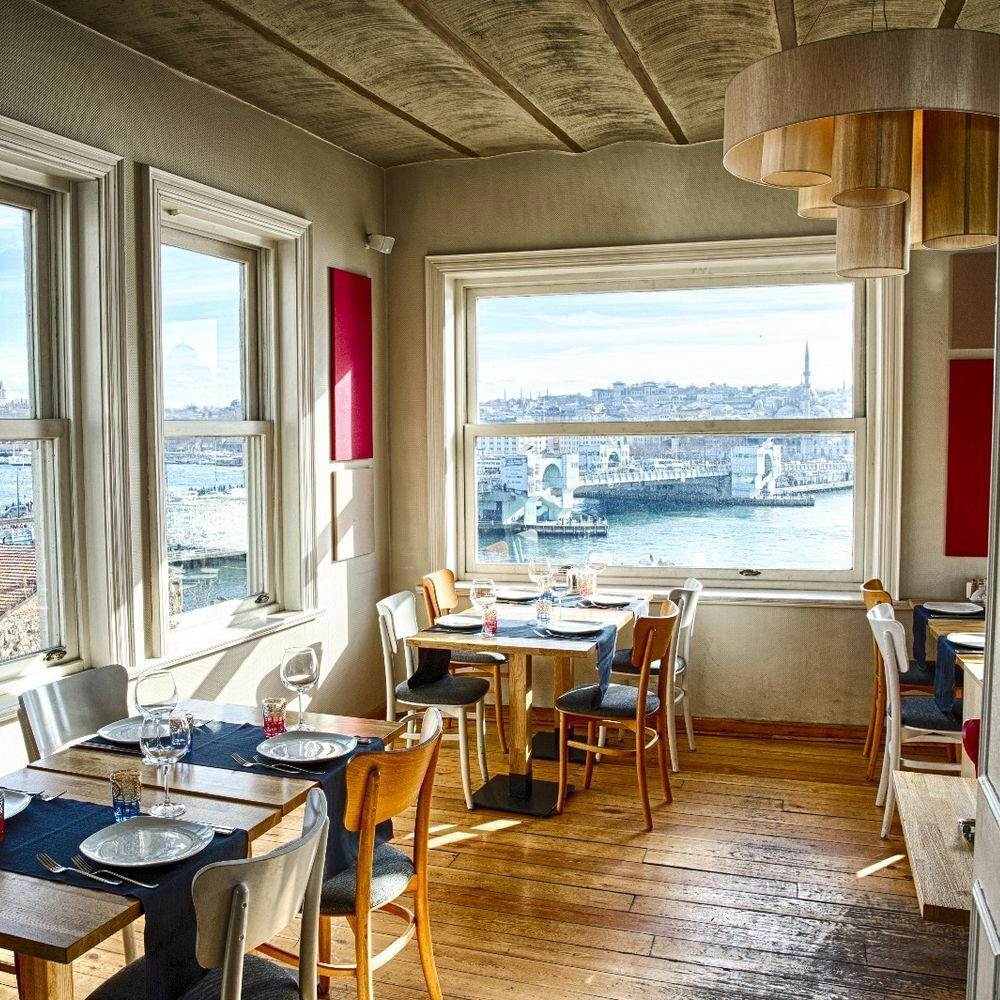
Bars in Istanbul
All bars in Istanbul →
Details
- Elegant
- Intimate
- Sophisticated
- Scenic
- Date Night
- Special Occasion
- Celebration
- Chefs Counter
- Waterfront
- Open Kitchen
- Hotel Restaurant
- Panoramic View
- Design Destination
- Sake Program
- Sommelier Led
- Craft Cocktails
- Local Sourcing
- Sustainable Seafood
- Waterfront
- Omakase
- Tasting Menu
- Sake Pairings
- Cocktails
- Vegetarian Friendly
- Allergy Accommodating
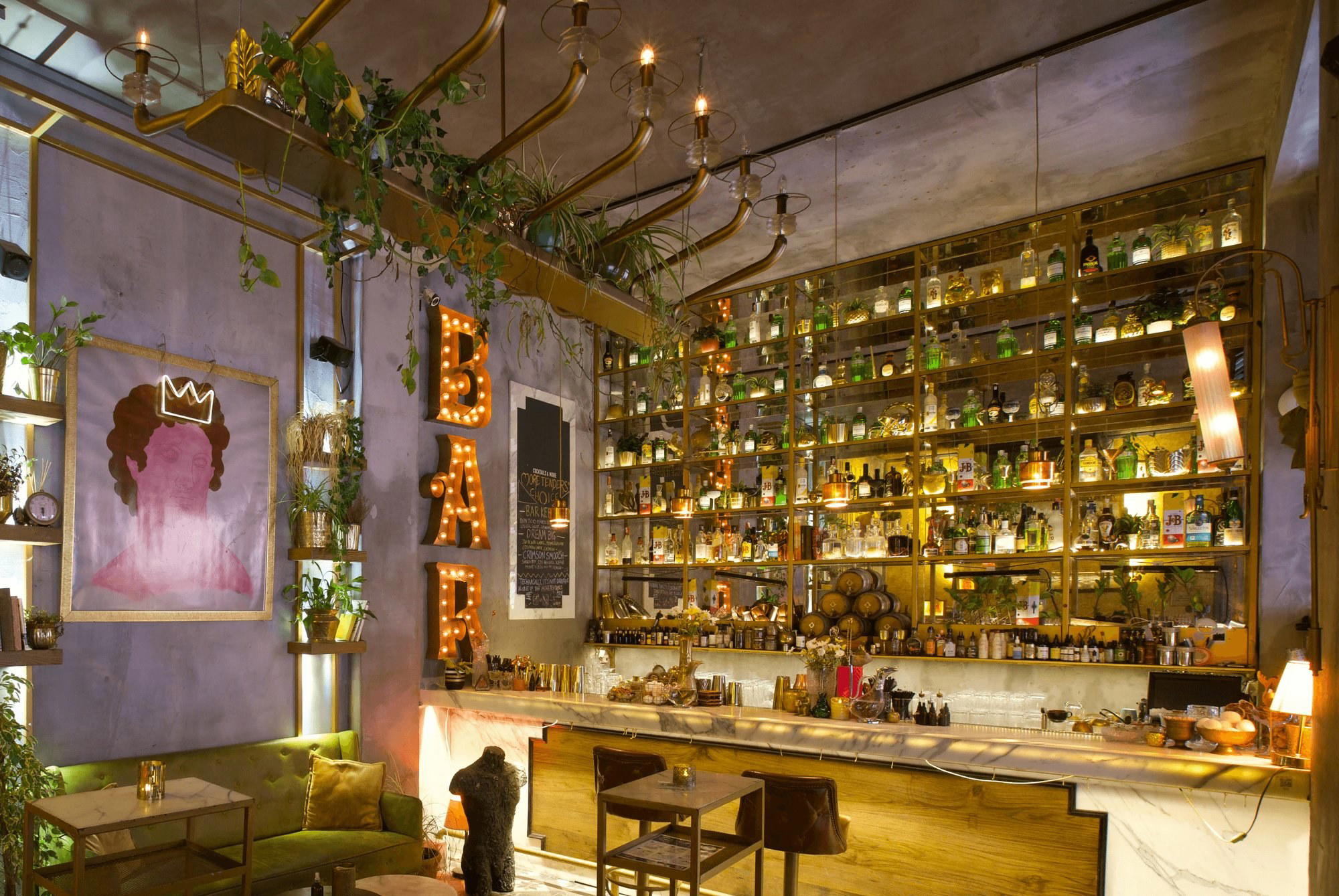
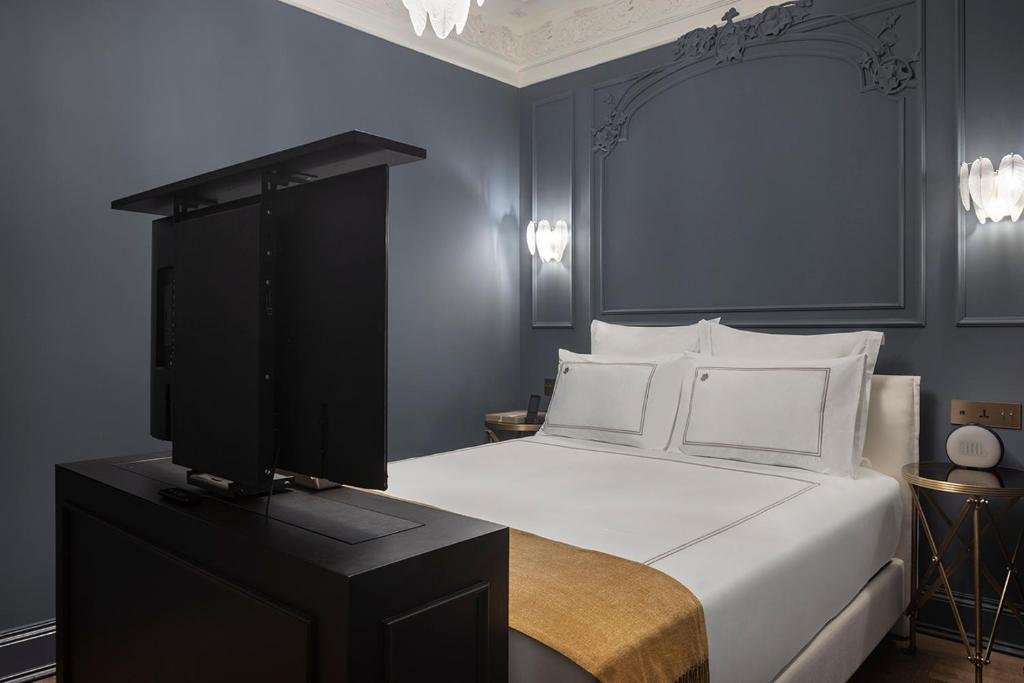
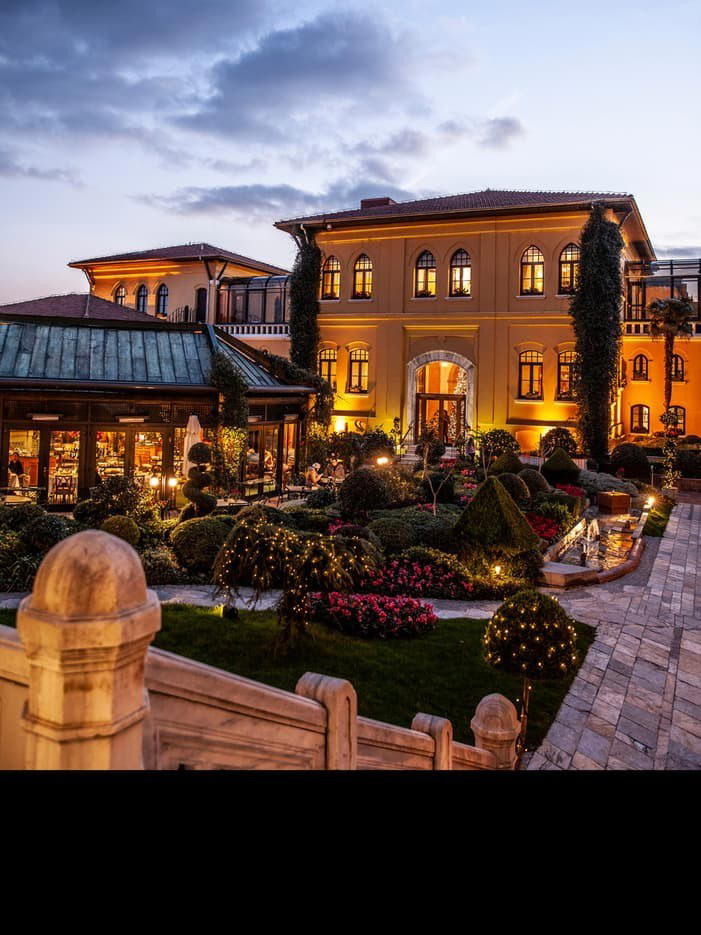
Sophisticated Japanese home-like atmosphere with meticulously designed, mystical decor inspired by Japanese aesthetics; refined comfort enhanced by far-reaching Bosphorus views from seafront windows; intimate 24-seat setting creates a serene, exclusive backdrop.