
On Paseo de la Castellana in Chamberí, Luzi Bombón occupies a position in Madrid's mid-to-upper dining tier where Castilian tradition and contemporary technique intersect. The room draws a loyal local crowd alongside visitors who arrive via the broader Castellana corridor. It sits in a city where Spanish gastronomy's most ambitious expressions — from three-Michelin-star tasting menus to progressive asador formats — set the competitive frame for serious dining.
Pearl is the En Primeur Club membership app — saves, bookings, and concierge access live there. Same editors, same standards.
- Address
- P.º de la Castellana, 35, Chamberí, 28046 Madrid, Spain
- Phone
- +34917022736
- Website
- grupotragaluz.com
- Directions
- Get directions
 Saves & bookings on Pearl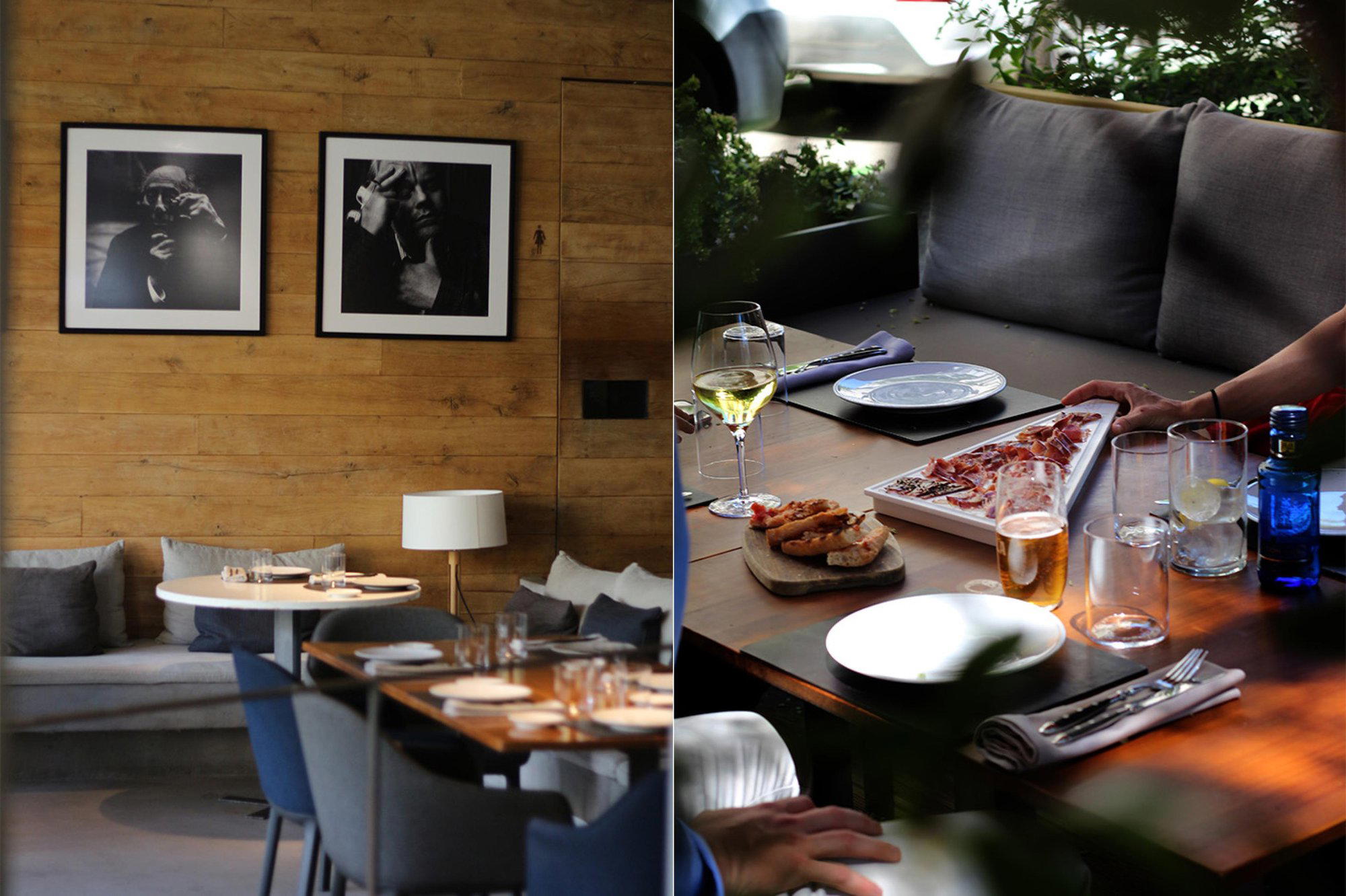
The Castellana Setting and What It Signals
Paseo de la Castellana is Madrid's most legible address for dining with intent. The boulevard runs through Chamberí and into Salamanca, hosting everything from expense-account restaurants anchored to business hotels to neighbourhood rooms that have earned loyal followings on the strength of their cooking. Luzi Bombón, at number 35, sits in the Chamberí stretch of this corridor, a district that has increasingly positioned itself as an alternative to the Salamanca fine-dining cluster without abandoning the expectation of a considered meal. Walking the Castellana at dinner hour, the city's relationship with time becomes clear: tables fill later here than almost anywhere else in Europe, and the room at 10pm is often livelier than at 9pm, a rhythm that shapes how kitchens pace their service and how menus are designed to sustain a longer arc across courses.
Where Luzi Bombón Sits in Madrid's Dining Tier
Madrid's restaurant scene has sharpened considerably over the past decade. At the summit, DiverXO (Progressive - Asian, Creative) operates at a global reference point, while Coque (Spanish, Creative) and Deessa (Modern Spanish, Creative) represent the tasting-menu tier where Michelin recognition drives both format and expectation. Below that summit, a broader cohort of rooms compete on food quality, room intelligence, and the kind of hospitality that doesn't require a fourteen-course commitment. Luzi Bombón occupies territory in this middle-to-upper band, where the proposition is less about ceremony and more about the quality of what arrives at the table across a meal that might move from snacks through a main and a dessert without the full architecture of a structured progression. In a city where Paco Roncero (Creative) and DSTAgE (Modern Spanish, Creative) define the creative end of Spanish technique, Luzi Bombón's Castellana address places it squarely in the conversation for diners who want quality without the weight of a full tasting-menu evening.
The Progression of a Meal: How Madrid Rooms Build a Narrative
The logic of how a Spanish meal moves through its stages is distinct from French or Japanese precedent. There is rarely a single dramatic moment; instead, the meal builds through accumulation — shareable dishes, individual plates, and a tempo that the kitchen reads from the room rather than from a fixed timetable. In the better Castellana-area rooms, this structure is deliberate: lighter preparations open the table, heavier protein-led dishes arrive once the conversation has settled, and dessert functions less as a formal conclusion than as an extension of the evening. This sequencing matters because it asks more of the kitchen's judgment than a fixed-order tasting menu does. The chef must calibrate portion weight, flavour intensity, and arrival timing against a table that is simultaneously eating, talking, and ordering. When this works, it produces the most naturally pleasurable version of restaurant dining Spain has to offer. When it doesn't, the meal feels assembled rather than considered.
At Luzi Bombón, the Chamberí address and the Castellana-facing room suggest a clientele that knows what it wants and expects the kitchen to meet it. This is not the demographic for long tasting-menu ceremonies; it is a crowd that wants a meal to feel well-paced and satisfying without requiring two and a half hours of structured service. The practical implication for a visitor is that the decision of what to order — and how much, shapes the experience more than at a venue with a fixed format. Ordering lightly produces a different evening than ordering across several rounds, and the room accommodates both without making either feel incorrect.
Spain's Broader Fine-Dining Frame
Understanding where any Madrid restaurant sits requires some reference to Spain's wider fine-dining geography. The country's most decorated kitchens are largely outside the capital: El Celler de Can Roca in Girona, Arzak in San Sebastián, Azurmendi in Larrabetzu, Martin Berasategui in Lasarte-Oria, Mugaritz in Errenteria, Quique Dacosta in Dénia, Aponiente in El Puerto de Santa María, Ricard Camarena in València, Atrio in Cáceres, and Cocina Hermanos Torres in Barcelona. Madrid holds its own, but the capital's dining identity has historically been more about breadth and conviviality than about the destination-restaurant model that sends food tourists to the Basque Country or Catalonia. Luzi Bombón's Chamberí position reflects this: the room is serving a Madrid dining public, not a pilgrim audience, which produces a different kind of hospitality pressure and a different standard of what a successful evening looks like.
For international visitors constructing a Spain trip around dining, this context is worth holding. A meal at Luzi Bombón fits naturally into a Madrid stay without requiring the logistical planning of a Basque or Catalan destination restaurant. It is the kind of address you build an evening around rather than a trip. The comparison set internationally would include rooms at a similar tier in Paris or New York, where the expectation is high but not ceremonial, closer in spirit to the mid-weight serious dining that cities like Le Bernardin in New York City or Atomix in New York City represent at their respective ends of the formality range.
Planning a Visit
Luzi Bombón is located at Paseo de la Castellana 35, in the Chamberí district of Madrid. The Castellana is well-served by metro, Rubén Darío and Gregorio Marañón are both within walking distance, and the area is direct to reach from central Madrid hotels. Madrid's dinner culture runs late; arriving before 9pm will often mean a quieter room, while the 9:30 to 11pm window reflects the city's natural rhythm. For visitors unfamiliar with Spanish dining tempo, it is worth noting that a full evening here is unlikely to feel rushed regardless of when you arrive. See our full Madrid restaurants guide for broader context on the city's dining districts and how they compare.
How Luzi Bombón Madrid compares with similar nearby venues.
| Venue | Cuisine | Price |
|---|---|---|
| BiBo Madrid | Modern Cuisine | €€ |
Recognition history
Dated appearances from independent guides and award organizations, with the underlying list record or original source where available.
Macarfi 7.1 Food Rating
Macarfi
Continue exploring
More in Madrid
Restaurants in Madrid
Browse all →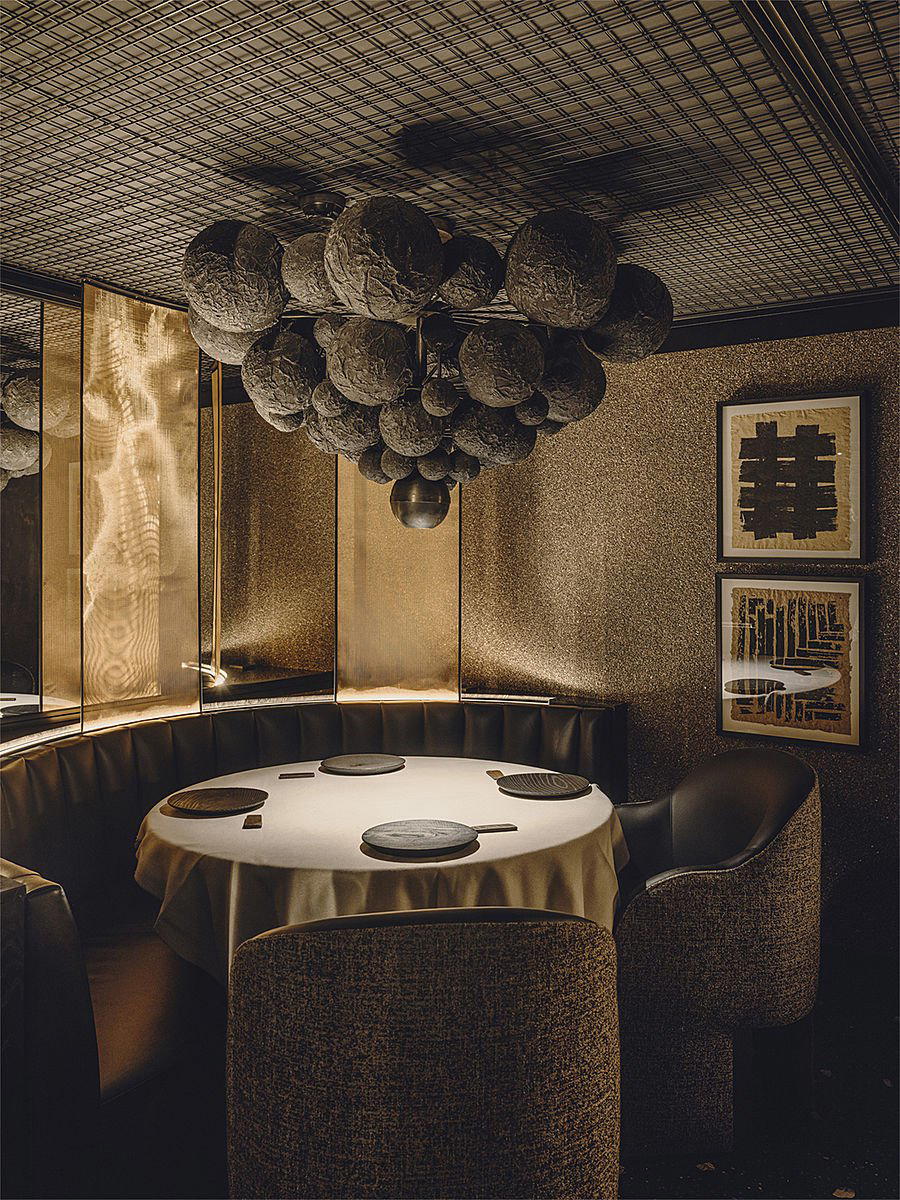
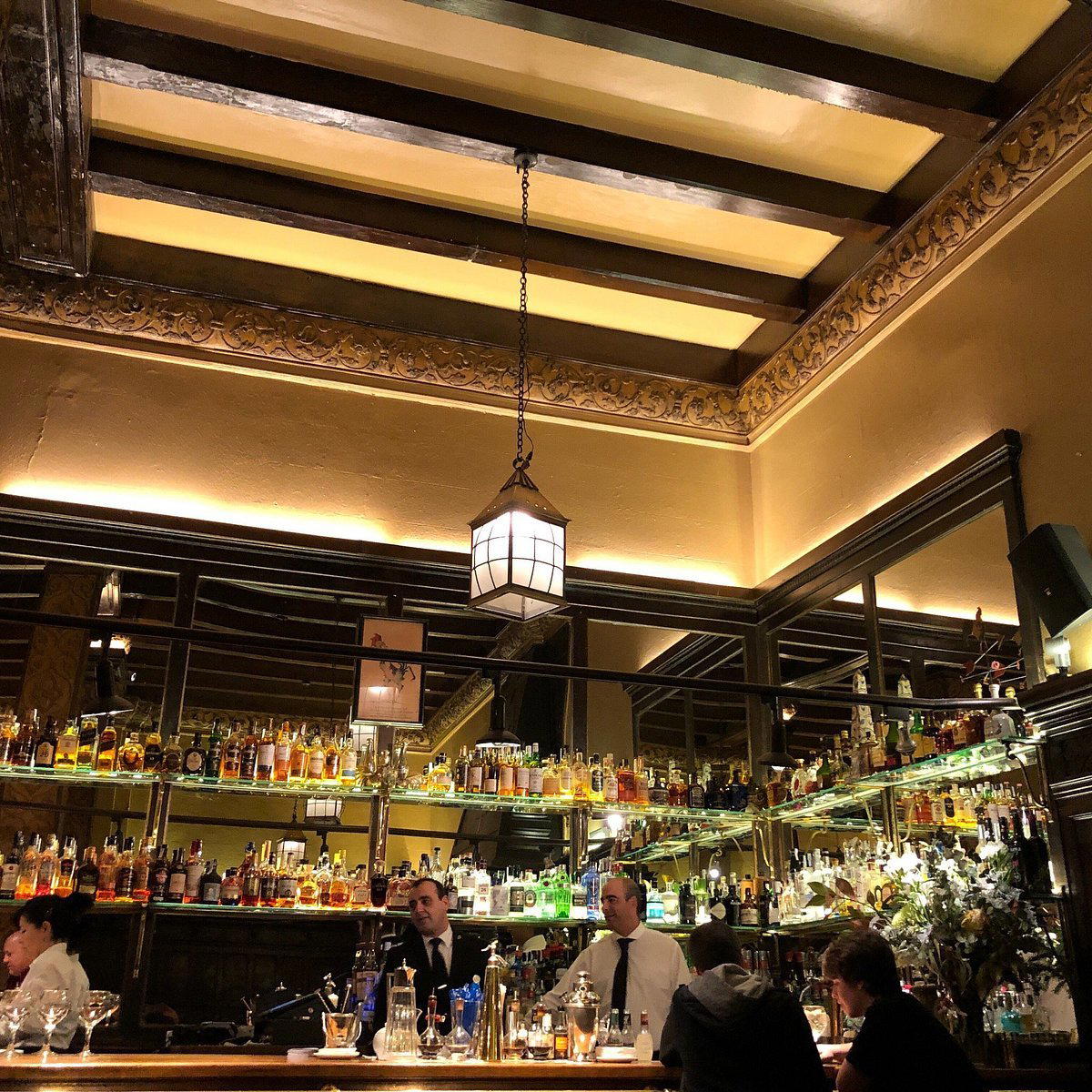
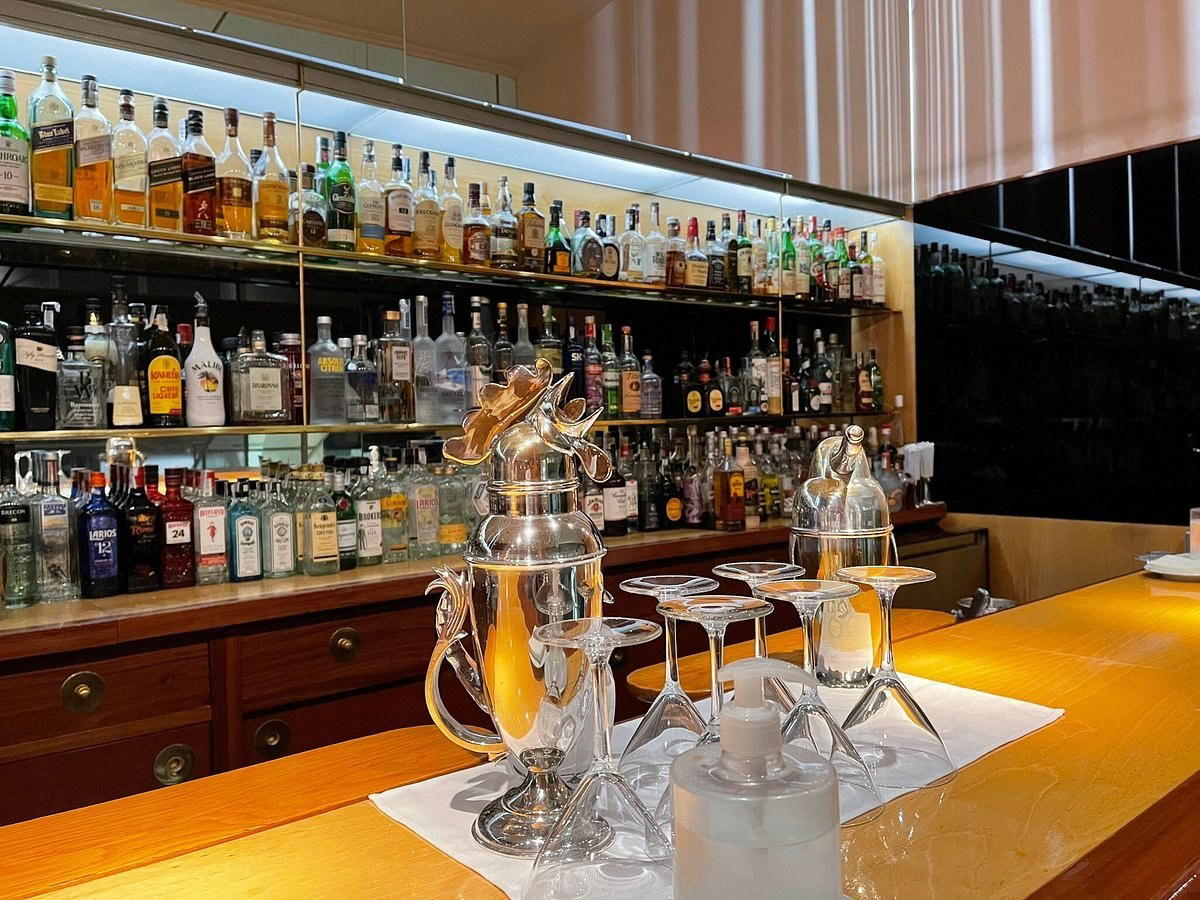
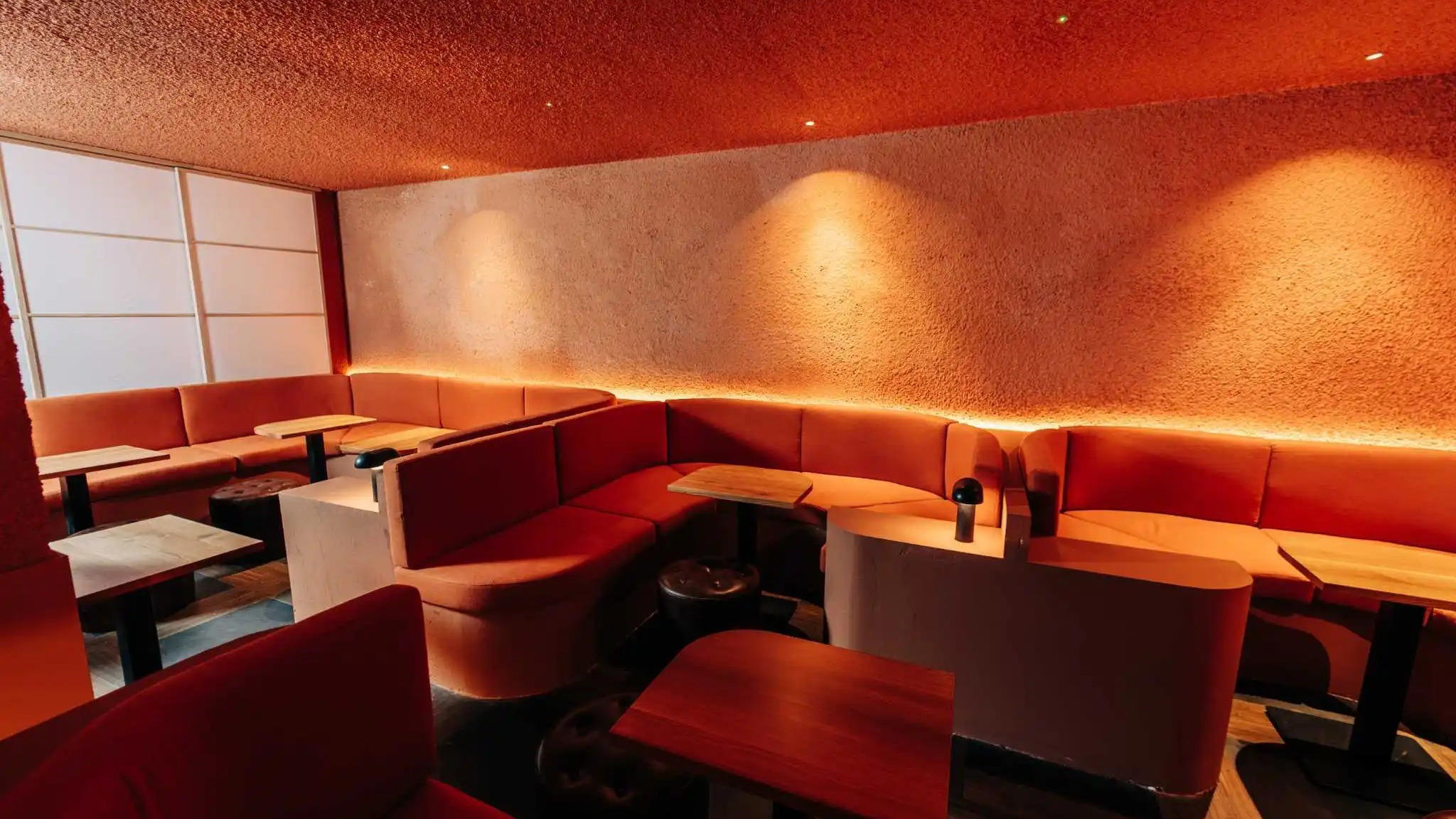
Bars in Madrid
Browse all →
Hotels in Madrid
Browse all →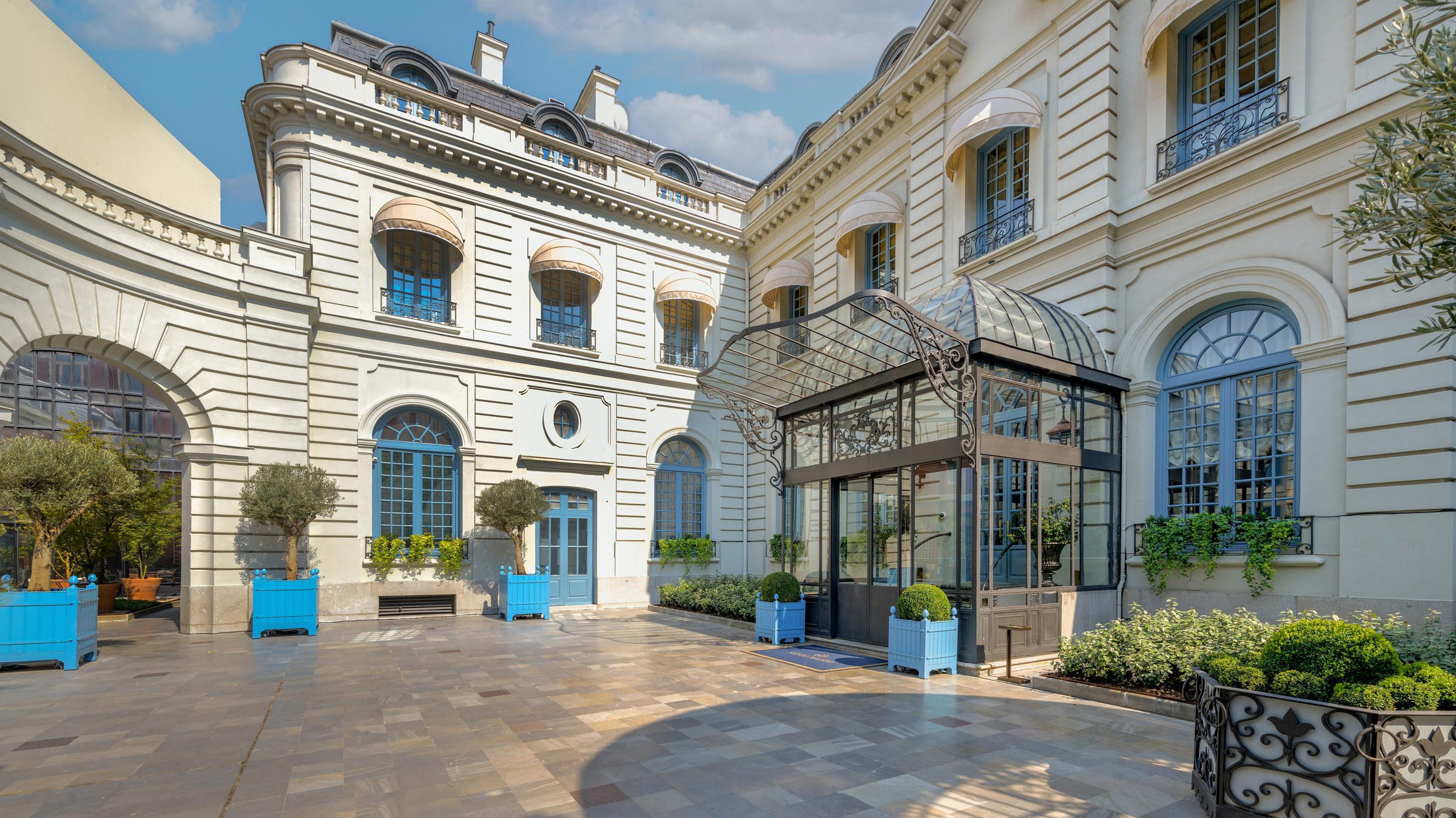


At a Glance
- Modern
- Elegant
- Lively
- Trendy
- Date Night
- Business Dinner
- Late Night
- Live Music
- Open Kitchen
- Terrace
- Craft Cocktails
Current opening hours
- Monday
- 1 PM–1 AM
- Tuesday
- 1 PM–1 AM
- Wednesday
- 1 PM–1 AM
- Thursday
- 1 PM–1 AM
- Friday
- 1 PM–2 AM
- Saturday
- 1 PM–2 AM
- Sunday
- 1 PM–1 AM
Hours can change for holidays and private events. Last verified .
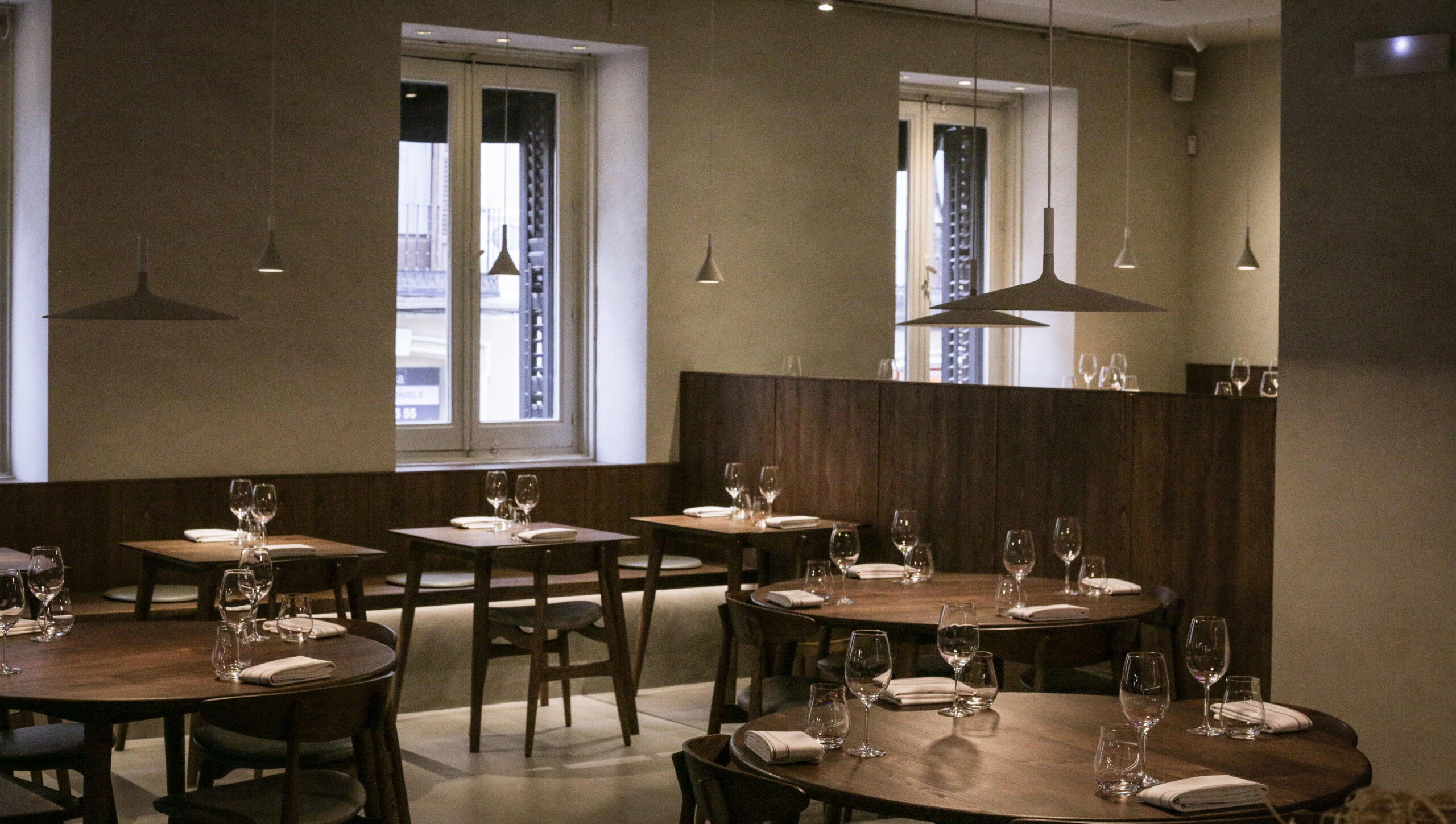
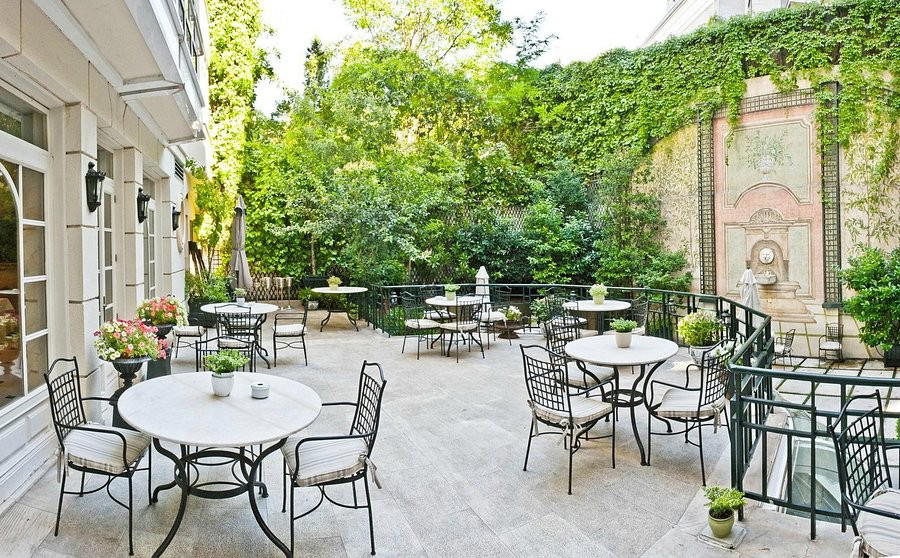
Bright modern interior with 50s furniture, wood, textiles, concrete floors, and design elements creating a young, upscale vibe.
Know Before You Go
- Getting there
- P.º de la Castellana, 35, Chamberí, 28046 Madrid, Spain