Our verdict
In the Belgian municipality of Peer, L'Uno Coll'Altro occupies a quiet address on Bomerstraat that belies the seriousness of what happens inside. The name — Italian for 'one with the other' — signals a kitchen philosophy built on complementary relationships: between producer and plate, between region and technique. For diners willing to travel into the Limburg interior, it represents a different register of Belgian fine dining.

Pearl is the En Primeur Club membership app — saves, bookings, and concierge access live there. Same editors, same standards.
- Address
- Bomerstraat 22, 3990 Peer, Belgium
- Phone
- +3211637178
- Hours
- Mon–Thu ClosedFri–Sun 12–9 PM
- Website
- lunocollaltro.be
- Directions
- Get directions
Peer, Limburg, and the Logic of Destination Dining
Belgium's serious restaurant culture does not concentrate exclusively in Antwerp, Brussels, or the Flemish coast. A quieter current runs through provincial towns where rents are lower, supply chains shorter, and the pressure to perform for a tourist-dense crowd largely absent. Peer, a small municipality in the Limburgse Kempen, sits inside that current. Its dining scene is thin by urban standards, which means any kitchen operating at a serious level here is doing so by deliberate choice rather than demographic inevitability. L'Uno Coll'Altro, at Bomerstraat 22, is precisely that kind of choice — a restaurant whose location in rural Limburg is part of its argument, not a footnote to it.
The Italian phrase in the name — meaning 'one with the other', frames a kitchen logic centred on relationships: between produce and preparation, between place and plate. In a country where the gap between farm and fork is already shorter than in most of Western Europe, that framing carries weight. Belgium's agricultural output, from Ardennes game and North Sea fish to Limburg asparagus and Flemish endive, gives kitchens working in a sourcing-first register genuine material to work with. A restaurant in Peer sits geographically close to many of those sources in a way that a Brussels address simply does not.
What the Name Signals About the Kitchen's Approach
The pairing logic embedded in the restaurant's name aligns with a broader movement in Belgian fine dining toward ingredient relationships rather than technique spectacle. The country's most discussed kitchens of the past decade, from L'air du temps in Liernu with its French-Asian creative register to Hof van Cleve in Kruishoutem, have each, in their own way, built identity around a distinct relationship between origin and output. The sourcing question has become as consequential as the cooking question, and in smaller provincial settings, that sourcing conversation often happens with greater directness: fewer intermediaries, more legible provenance.
Limburg's position in northeast Belgium places it within reach of Dutch border markets, Ardennes suppliers moving north, and local producers who rarely reach the distribution networks that feed major urban kitchens. A kitchen that takes that geography seriously has access to produce that does not routinely appear on menus in Antwerp or Brussels. That specificity, when it translates to the plate, is the kind of detail that justifies a drive into the interior. It is also what separates genuinely regional cooking from cooking that happens to be located in a region.
Belgian Fine Dining in a Provincial Register
The country's Michelin-starred tier is dense relative to its size, with decorated kitchens in Roeselare (Boury), Sint-Kruis (De Jonkman), Oudenburg (Willem Hiele), and Beveren (Castor) demonstrating that serious cooking in Belgium is not a metropolitan monopoly. A small-town address in Limburg does not preclude a kitchen from operating at the level of Zilte in Antwerp or Le Chalet de la Forêt in Uccle, it simply means the audience is self-selecting, arriving with intention rather than passing through.
That self-selection changes the dining room dynamic in ways that are hard to quantify but easy to feel. Provincial destination restaurants tend to attract guests who have made a considered choice, which concentrates a certain kind of attention in the room. The same pattern holds at Bartholomeus in Heist, at La Durée in Izegem, and at d'Eugénie à Emilie in Baudour, kitchens that operate in towns where the restaurant is itself the reason to visit, not an amenity for visitors already there.
The Broader Belgian Context
Belgium punches significantly above its size in the European fine dining conversation. It holds more Michelin stars per capita than most of its neighbours, and its regional cooking traditions, Flemish, Walloon, coastal, Ardennes, give chefs a coherent set of ingredient languages to work within or against. The country's haute cuisine history runs from the classicism represented by Bozar Restaurant in Brussels to the creative-regional hybrids now being explored by kitchens like Maison Colette in Tongerlo and La Table de Maxime in Our.
Within that broader map, Peer sits in an underrepresented zone, not because Limburg lacks culinary culture, but because its restaurants operate below the radar of most food media concentrated in Belgium's western cities. That relative obscurity is exactly what makes a serious kitchen here editorially interesting. The conditions that produce good cooking in smaller markets, proximity to producers, lower overhead, a committed local clientele, are present. What L'Uno Coll'Altro does with those conditions is the question the kitchen answers through its menu.
For reference on the range of Belgian dining at this level, the EP Club's full Peer restaurants guide maps the local options, while the nearby Fleurie in Peer offers a point of direct local comparison. Further afield, the work being done at internationally recognised addresses like Le Bernardin in New York City or Atomix in New York City illustrates how the sourcing-first ethos has become a consistent signal of ambition across very different markets.
Planning a Visit
L'Uno Coll'Altro is located at Bomerstraat 22, 3990 Peer, Belgium. Peer is a small municipality in the Belgian province of Limburg, most practically reached by car from Hasselt (roughly 25 kilometres west) or from Eindhoven across the Dutch border. Given the limited public transport connections to the Kempen interior, driving is the practical choice for most visitors. As with most Belgian fine dining at this level, advance reservation is the expected norm.
Frequently asked questions
Is L'Uno Coll'Altro good for families?
Peer is a small, quiet municipality in Belgian Limburg, and Bomerstraat 22 sits within that residential, unhurried setting. Provincial destination restaurants in this register tend toward a focused dining format that rewards adult attention spans more than family flexibility.
How would you describe the vibe at L'Uno Coll'Altro?
The address on Bomerstraat in Peer places this squarely in provincial Belgium's quieter dining register — far from the urban buzz of Antwerp or Brussels. Restaurants operating at this remove from city circuits typically build atmosphere around intimacy and deliberate pacing rather than scene or foot traffic. The name itself, Italian for 'one with the other,' signals a kitchen oriented around relationships between components, which usually translates to a considered, course-by-course rhythm at the table.
Why travel to Peer specifically to eat at L'Uno Coll'Altro rather than dining in Hasselt or Antwerp?
Belgium's decorated restaurant scene extends well beyond its major cities — Limburg alone sits within a broader Flemish fine dining network that includes Michelin-recognised kitchens outside any urban centre. A restaurant in Peer, operating at Bomerstraat 22 in a municipality of this scale, earns its place on that map by drawing guests who make the drive deliberately, which is its own signal about the kitchen's standing. The provincial setting is not a compromise; for a certain type of destination diner, the remove from city circuits is the point.
Where do I go for L'Uno Coll'Altro?
L'Uno Coll'Altro is located at Bomerstraat 22, 3990 Peer, Belgium, Peer.
Comparison Snapshot
Comparable venues nearby, for context on price, style, and recognition.
| Venue | Cuisine | Price | Notes |
|---|---|---|---|
| L'Uno Coll'AltroThis venue — the venue you are viewing | Authentic Italian Trattoria | $50–100 | Not listed |
| Fleurie | French-Belgian Fine Dining | Not listed | Peer |
| Bocca Nera | Modern Italian Pizza & Sharing | $20–30 | city center |
| Cannolo | Sicilian Canteen | $20–30 | Historisch Centrum |
| A Tavola | Authentic Italian Trattoria | $30–50 | Lange Lozanastraat |
| Baracca | Modern Italian Pizza and Sharing Plates | $20–30 | Tiensestraat |
Continue exploring
More in Peer
Restaurants in Peer
Browse all →
Bars in Peer
Browse all →
Hotels in Peer
Browse all →

Details
- Romantic
- Cozy
- Rustic
- Date Night
- Group Dining
- Special Occasion
- Terrace
- Standalone
- A La Carte
- Set Menu
- Vegetarian Friendly
- Vegan Options
Current opening hours
- Monday
- Closed
- Tuesday
- Closed
- Wednesday
- Closed
- Thursday
- Closed
- Friday
- 12–9 PM
- Saturday
- 12–9 PM
- Sunday
- 12–9 PM
Hours can change for holidays and private events. Last verified .
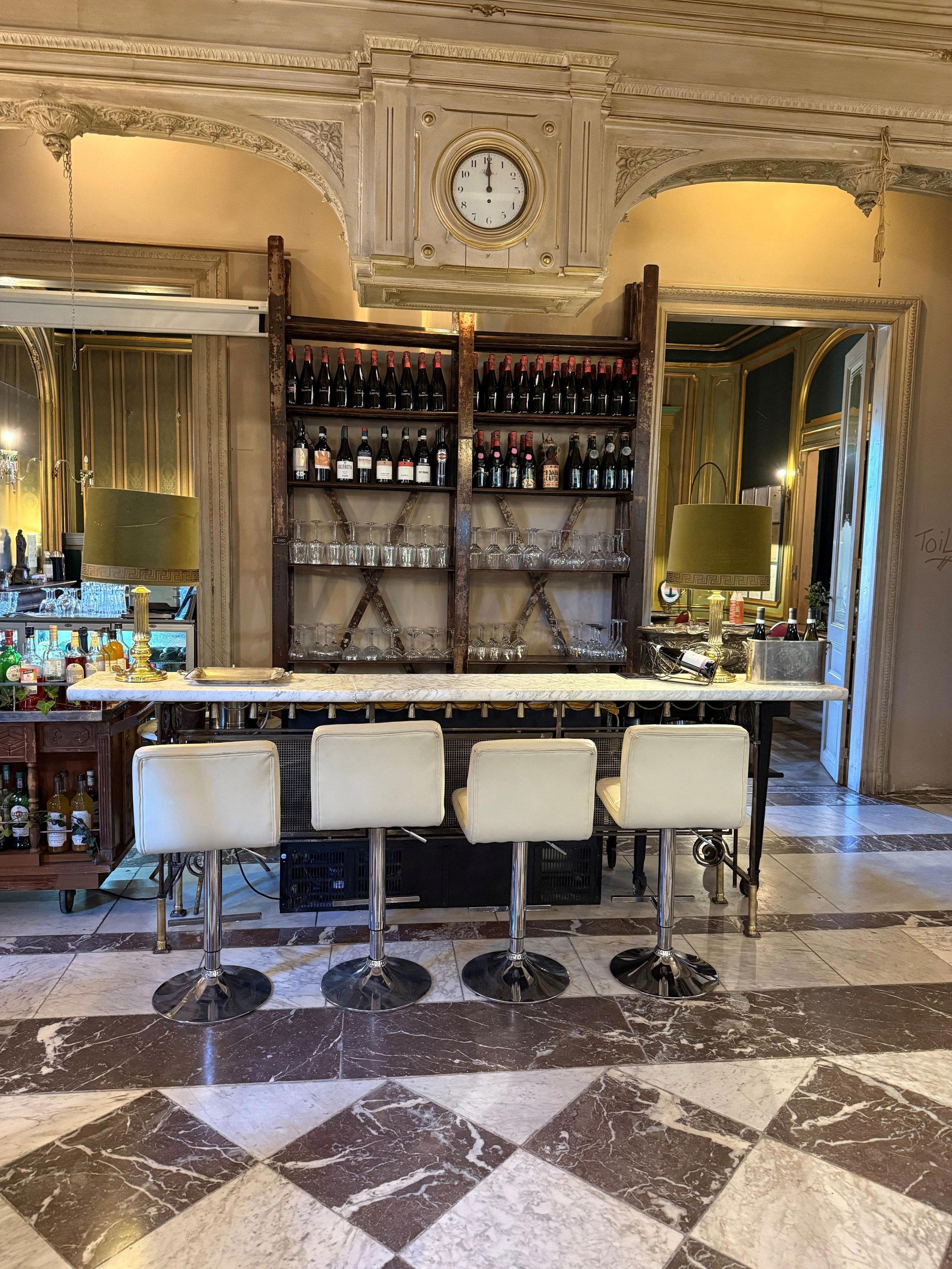
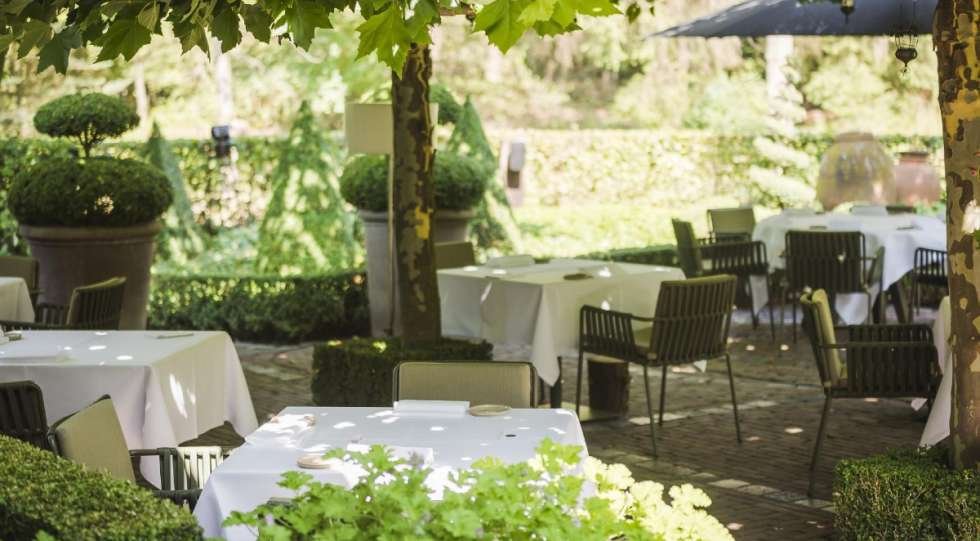
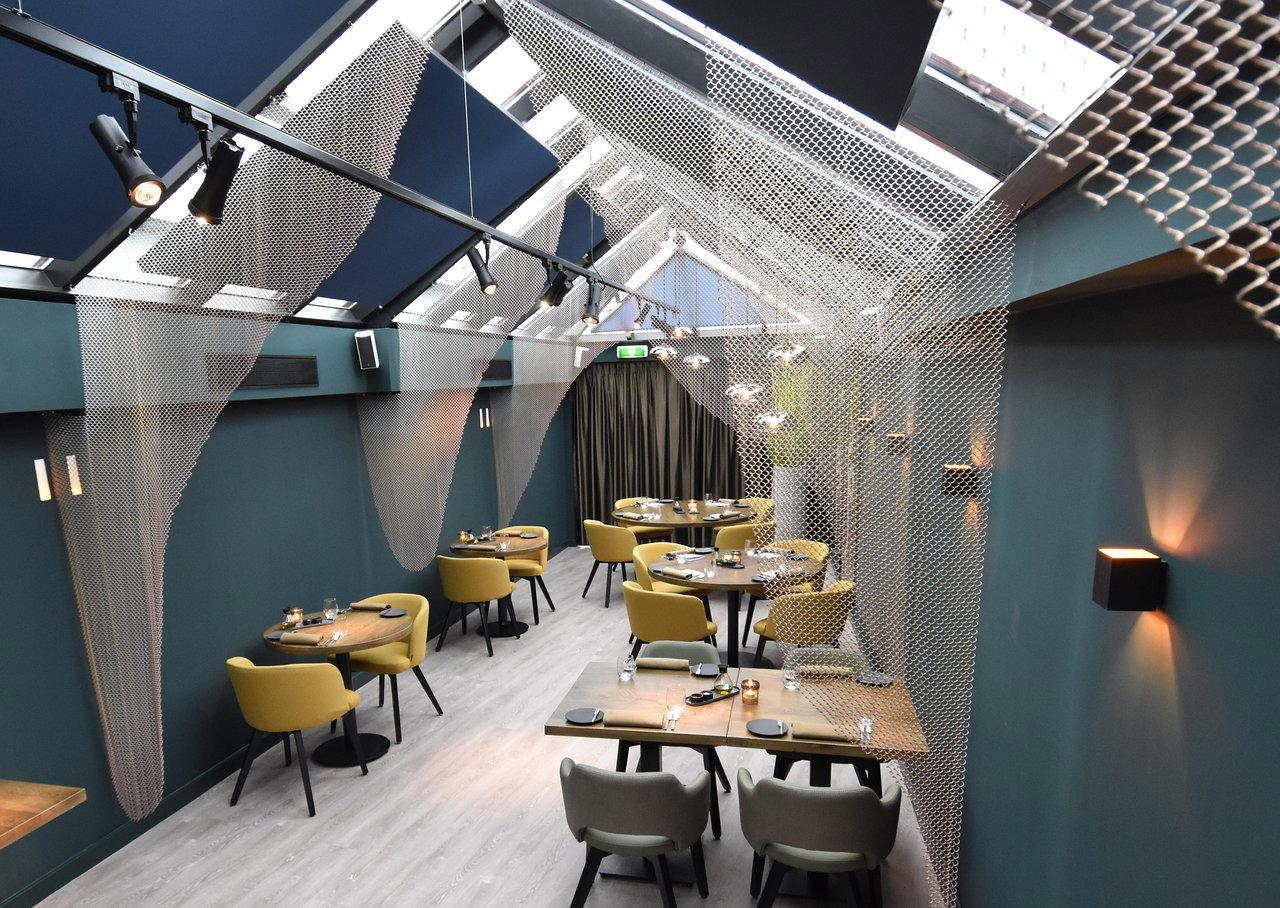
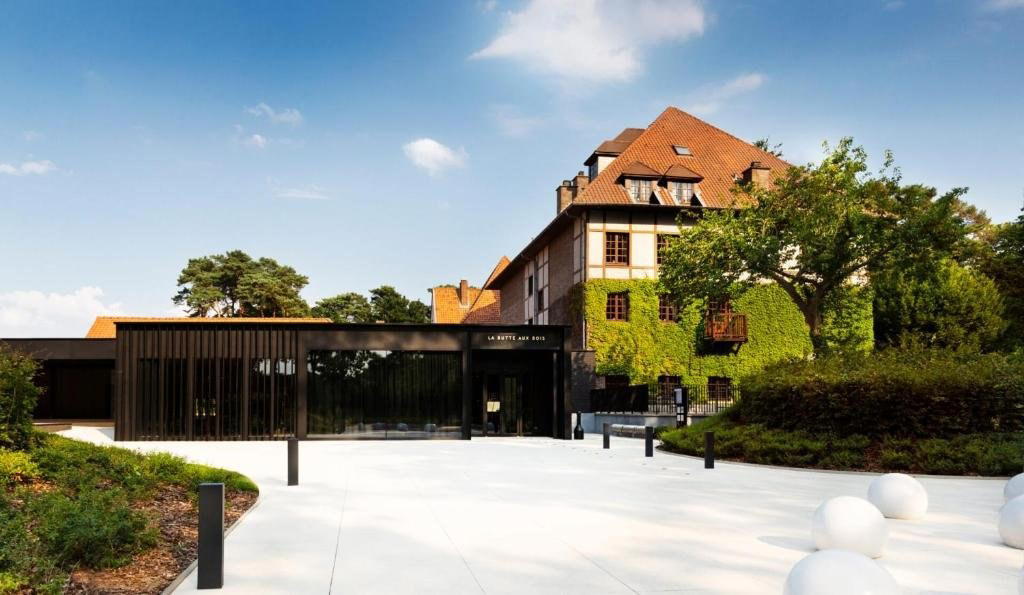
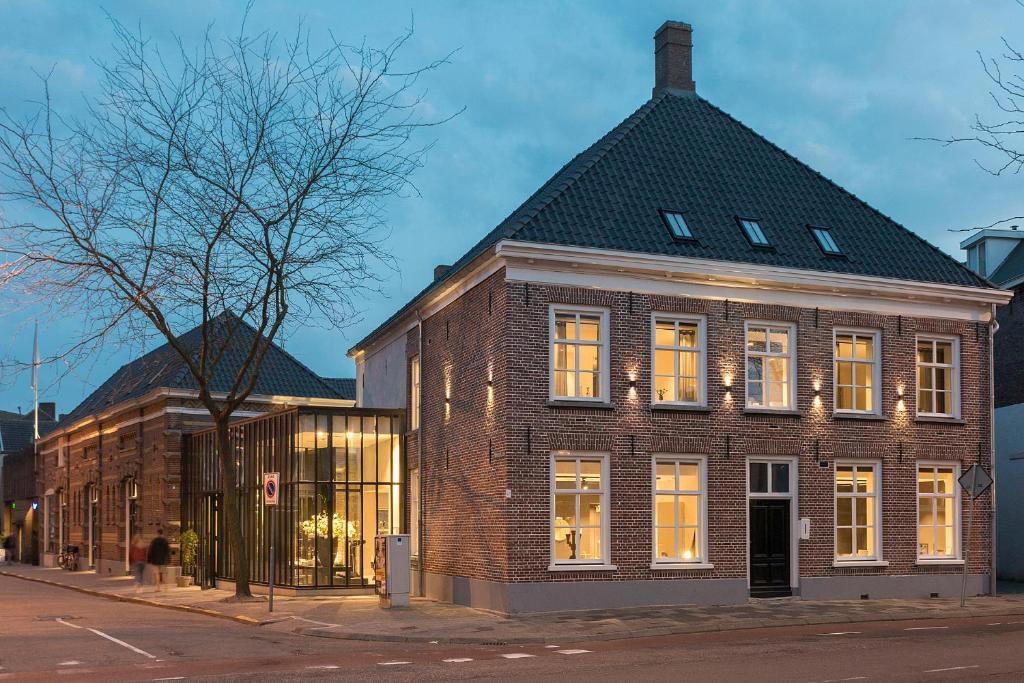
Warm and intimate setting with vintage antique décor throughout the space, creating a nostalgic European charm with a quiet, pleasant terrace area.