Baracca occupies a direct address on Tiensestraat in central Leuven, placing it within easy reach of the city's university quarter and its concentrated dining scene. The restaurant sits in a city where Flemish culinary ambition runs alongside everyday café culture, and where a growing number of addresses are drawing serious attention from beyond the region. For visitors mapping Leuven's dining options, Baracca is a reference point worth understanding in context.
Pearl is the En Primeur Club membership app — saves, bookings, and concierge access live there. Same editors, same standards.
- Address
- Tiensestraat 34, 3000 Leuven, Belgium
- Phone
- +3212464646
- Website
- baracca.be
- Directions
- Get directions
 Saves & bookings on Pearl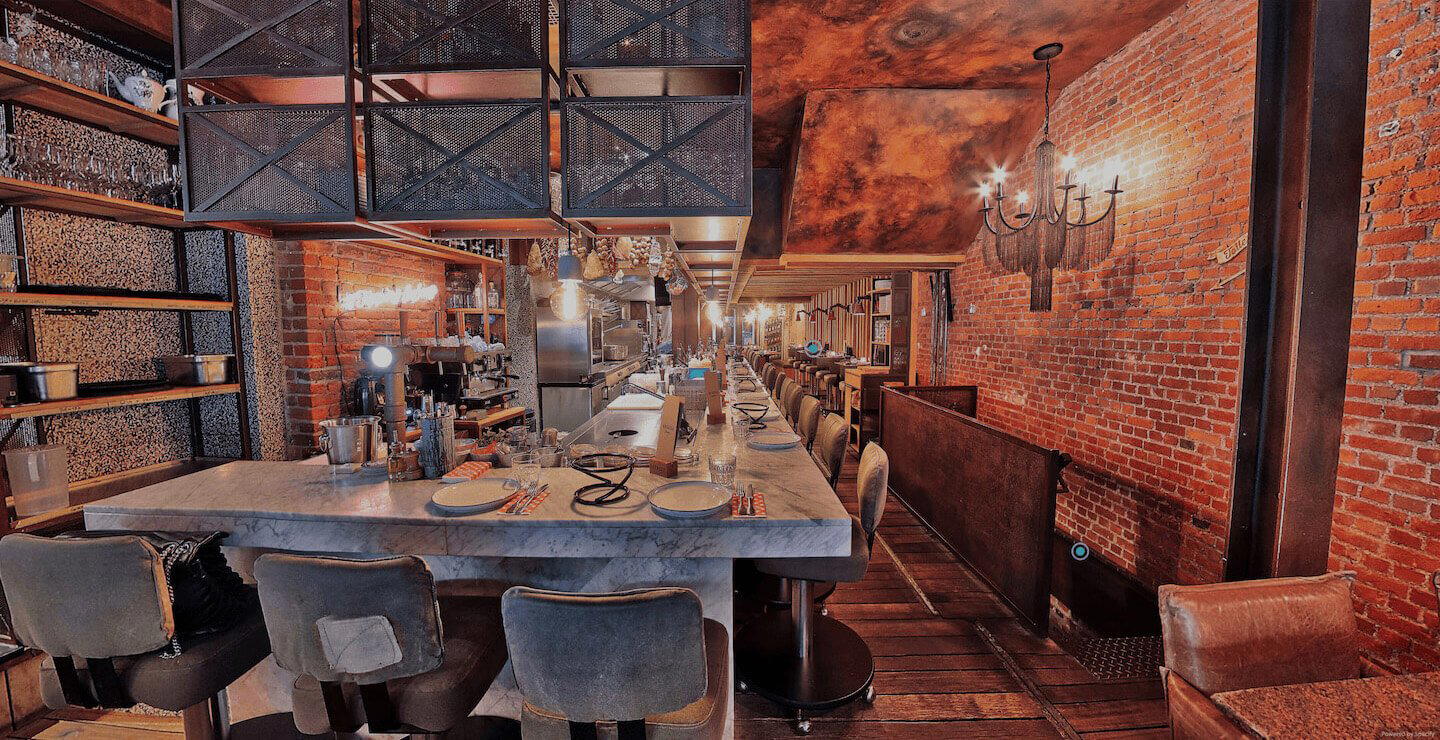
Tiensestraat and the Grain of Leuven's Dining Scene
Tiensestraat is one of Leuven's more quietly purposeful streets, running east from the city centre through a neighbourhood shaped by student life, independent retail, and the kind of everyday hospitality that sustains a university town. The address at number 34 places Baracca within this fabric: not the formal dining corridor near the Grote Markt, not the outer residential belt, but a middle register of the city where the line between neighbourhood local and destination address tends to blur. Baracca is a restaurant at Tiensestraat 34 in Leuven, Belgium, with a casual dress code, recommended reservations, and an average price of about $25 per person. In Leuven, that blur is often where the more interesting eating happens.
Leuven's dining identity has shifted over the past decade. The presence of KU Leuven, one of Europe's older and more research-intensive universities, has historically kept the city's food culture informal and price-conscious. But a generation of restaurateurs has pushed against that gravitational pull, producing a scene that now includes addresses capable of competing with what Brussels and Ghent offer at equivalent price points. The city sits roughly 25 kilometres east of Brussels, close enough that comparison is inevitable, yet distinct enough in character that the leading local addresses draw on their own logic rather than mirroring the capital. For broader reference on how Belgian fine dining maps nationally, addresses like Zilte in Antwerp and Boury in Roeselare illustrate the ambition operating at the upper end of Flemish cooking, while Hof van Cleve in Kruishoutem represents what sustained three-star commitment looks like in a rural Flemish setting.
Where the Cultural Register Sits
The name Baracca carries Italian inflection, a word that translates loosely as a shack or shelter, with connotations in Italian vernacular of a rough-edged gathering place. Whether the name signals a deliberate casual positioning or operates as a more ironic counterpoint to the actual experience is a distinction that does not resolve cleanly. What it does signal, at minimum, is an identity not built around institutional formality. In a city where EED operates at the €€€€ bracket with a Flemish modern cuisine framework, and EssenCiel holds a comparable position in French contemporary cooking, there is clear space in Leuven's dining spectrum for addresses that operate at different registers of formality and price.
Italian culinary culture, broadly understood, tends to resist the kind of architectural tasting-menu logic that dominates premium French or Flemish cooking in Belgium. The tradition prioritises ingredient clarity, regional specificity, and repetition of a smaller repertoire done consistently rather than seasonal novelty for its own sake. Whether Baracca draws from this tradition directly or deploys it selectively, its positioning on Tiensestraat suggests an address oriented toward frequency of visit and neighbourhood use rather than occasion dining. That is a different business model than what Bozar Restaurant in Brussels or Vrijmoed in Gent are running, and it serves a different reader need.
The Leuven comparable set
Mapping Baracca against its Leuven peers requires acknowledging that the city's dining scene, while maturing, still operates within a relatively contained geography. Alfalfa, Allison, and Barba each occupy distinct positions within that scene, and together they illustrate how a mid-sized Belgian university city can sustain genuine variety without the volume of a major metropolitan market. The key variable across all of them is the degree to which they serve the student and academic community versus drawing from a wider regional catchment. Addresses that work well across both audiences tend to anchor particularly durable positions in the city's dining memory.
At the broader Belgian level, addresses like Ralf Berendsen in Neerharen, Cuchara in Lommel, La Durée in Izegem, and d'Eugénie à Emilie in Baudour demonstrate how seriously Belgium takes cooking outside its major cities. Leuven's dining scene participates in that national pattern, with Baracca representing one node in a network that rewards systematic exploration rather than single-destination thinking. Internationally, the gap between what Le Bernardin in New York City or Lazy Bear in San Francisco represent and what a neighbourhood address on Tiensestraat offers is obvious, but the comparison is useful precisely because it clarifies what Baracca is not trying to be.
Approaching a Visit
For visitors building a Leuven itinerary, the practical calculus around Baracca begins with its location. Tiensestraat 34 is walkable from the train station in under fifteen minutes and sits close to several of the city's more interesting independent food and retail streets. Leuven's compact scale means that a single evening can plausibly take in an aperitivo before dinner and a post-meal drink without requiring a taxi. The city is also well-connected by rail from Brussels, making it a viable half-day or full-day excursion for visitors based in the capital who want a change of register from Brussels' denser, more competitive dining scene.
Because the venue's recommended booking approach, hours, price point, and format details are best checked before visiting, readers should contact the address directly before larger groups or dietary accommodation questions.
Belgium's restaurant culture places a high baseline expectation on hospitality that does not depend on formal service codes. Across the Belgian dining spectrum, from village bistros to Michelin-starred rooms, there is a consistent assumption that the guest's experience will be managed with attention and without pretension. That cultural norm applies at Tiensestraat 34 as much as anywhere in the city, and it shapes what a first visit to Baracca is likely to feel like regardless of the specific format the kitchen is running on any given night. The address at Willem Hiele in Oudenburg represents how far that Belgian hospitality instinct can extend even in format-forward cooking environments, which is useful context for calibrating expectations at different price registers across the country.
Cost and Credentials
Comparable venues nearby, for context on price, style, and recognition.
| Venue | Cuisine | Price | Notes |
|---|---|---|---|
| BaraccaThis venue — the venue you are viewing | Not listed | $$ | Not listed |
| ZOff | City Center, Catchy Italian Bar | $$ | Not listed |
| Sinatra | Vismarkt, Cocktail Bar | $$ | Not listed |
| SLŌ | Not listed | $$ | City Center, Modern European Small Plates |
| Lukemieke | Not listed | $$ | near Leuven city park, Seasonal Vegetarian |
| Barba | City Center, Modern Belgian Bistro | $$ | Not listed |
Continue exploring
More in Leuven
Restaurants in Leuven
Browse all →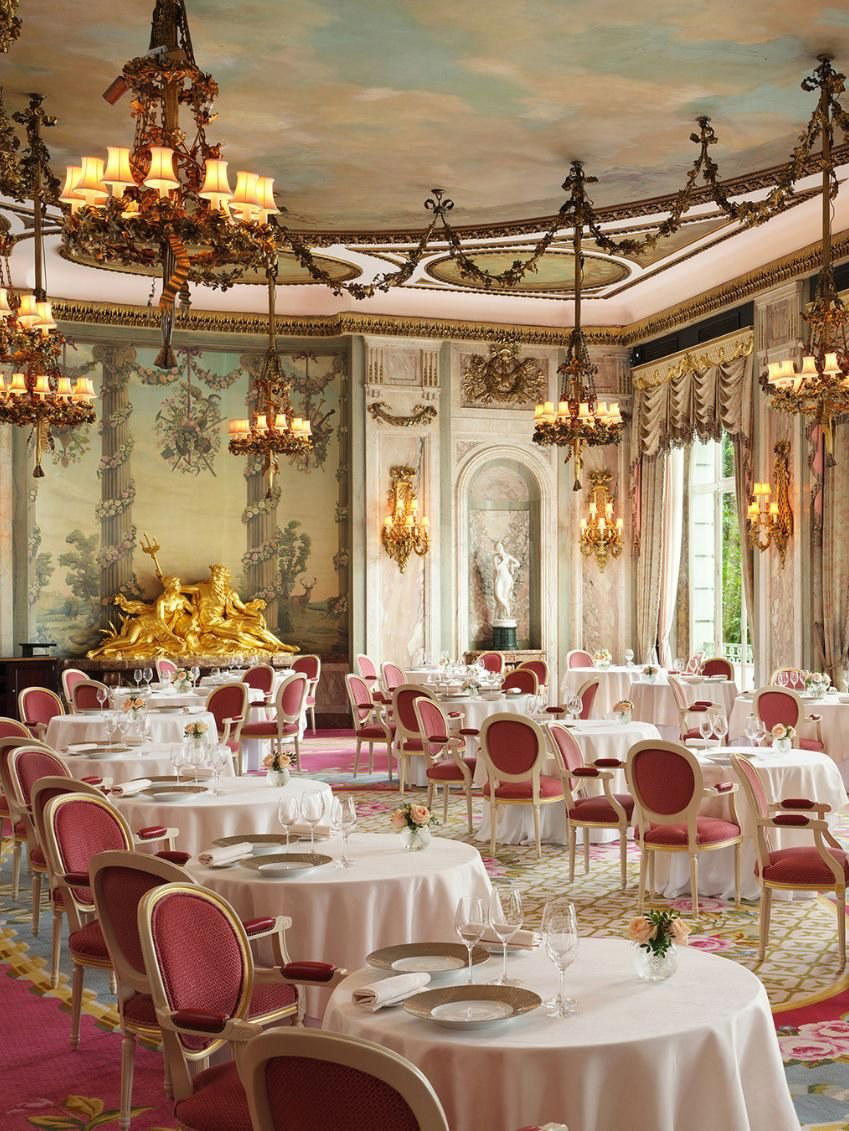
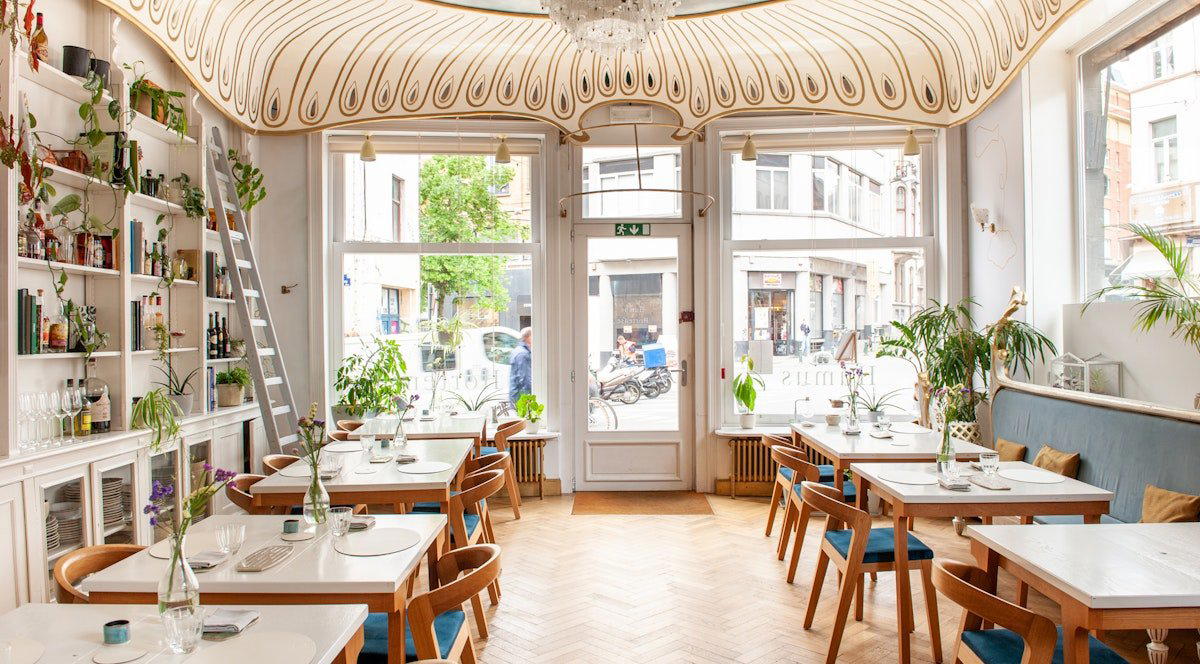
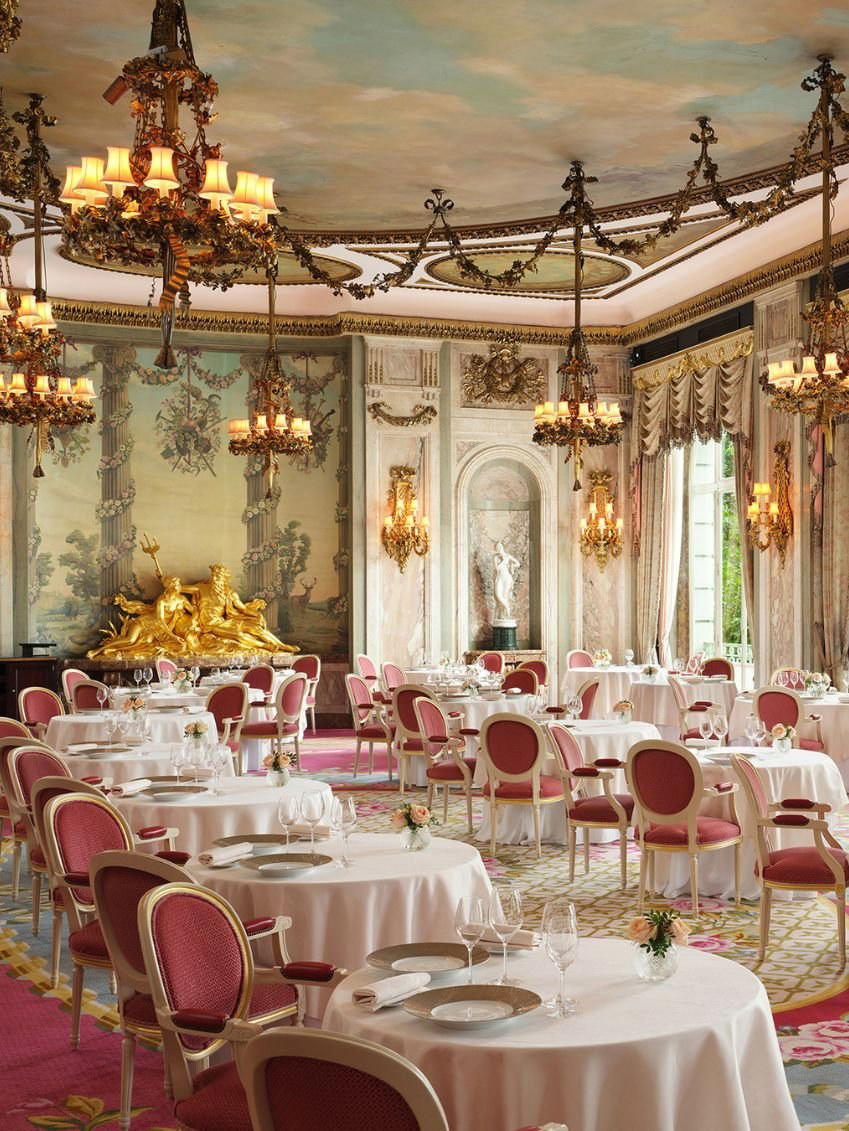
Bars in Leuven
Browse all →
Hotels in Leuven
Browse all →
Wineries in Leuven
Browse all →
At a Glance
- Lively
- Trendy
- Cozy
- Group Dining
- Casual Hangout
- Date Night
- Open Kitchen
- Craft Cocktails
Current opening hours
- Monday
- 12–2:30 PM, 5:30–10 PM
- Tuesday
- 5:30–10 PM
- Wednesday
- 5:30–10 PM
- Thursday
- 5:30–10 PM
- Friday
- 12–2:30 PM, 5:30–10 PM
- Saturday
- 12–2:30 PM, 5:30–10 PM
- Sunday
- 12–2:30 PM, 5:30–10 PM
Hours can change for holidays and private events. Last verified .
Warm, engaging, hip and trendy with cheerful Italian conviviality.