Fleurie operates along the semi-rural edge of Peer in Belgian Limburg, positioned within a provincial fine dining category that values seasonal sourcing and direct producer relationships over urban critical recognition. Its country-road address places it outside the main Belgian dining circuit, drawing diners who seek the specific character of Kempen-region cooking rather than a city-center equivalent.
 Discover on Pearl
Pearl is the En Primeur Club membership app — saves, bookings, and concierge access live there. Same editors, same standards.
- Address
- Baan naar Bree 27, 3990 Peer, Belgium
- Phone
- +3211632633
- Website
- fleurie.be
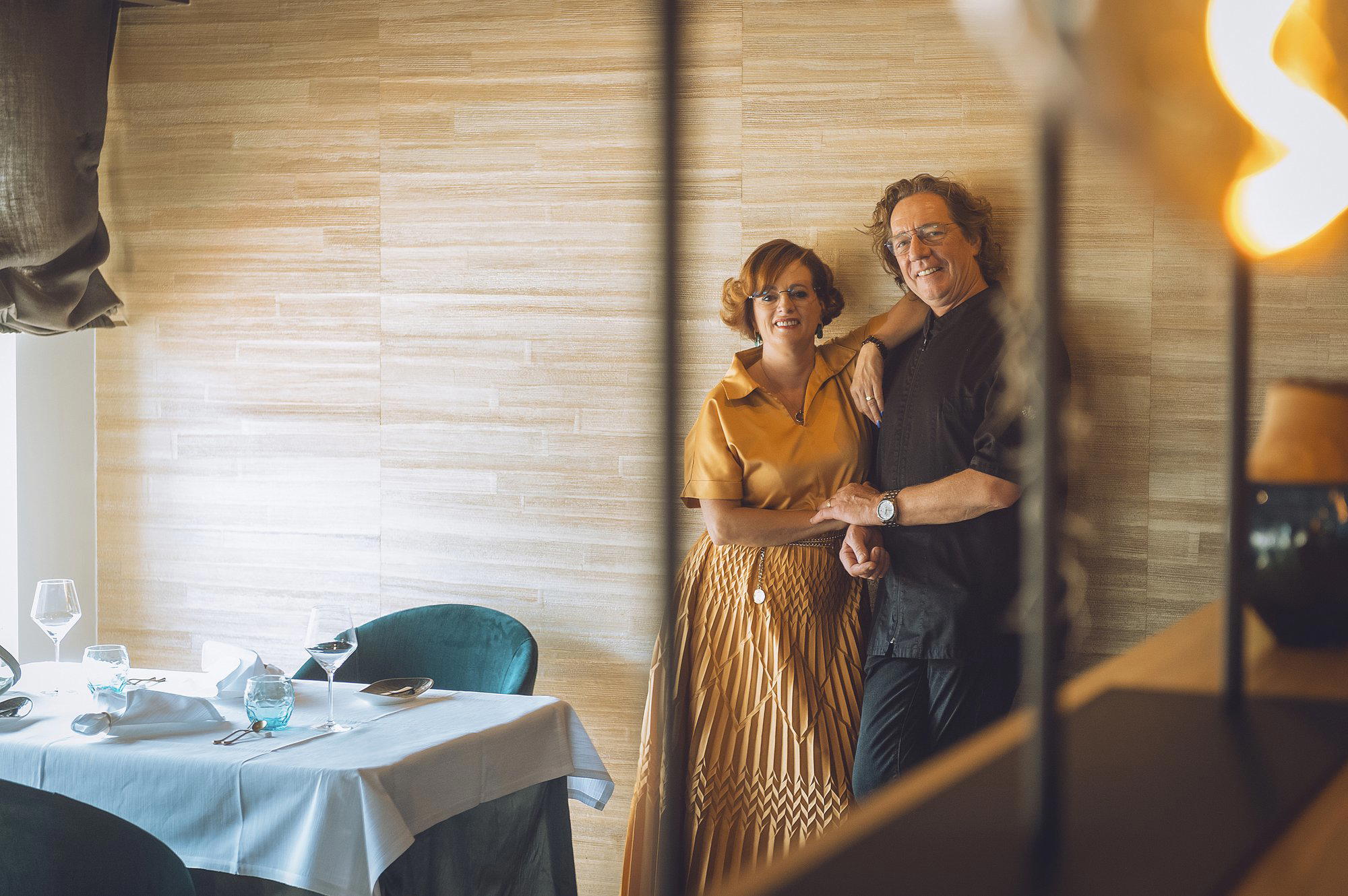
Dining in the Belgian Province: What Peer Represents
The province of Limburg occupies a quieter register in Belgium's dining conversation than Antwerp or Ghent, but that gap is narrowing. Across the Belgian countryside, a generation of kitchens has moved away from the classic brigade model toward something more rooted: shorter supply chains, direct relationships with growers, and menus that shift with what the surrounding land produces rather than what a central purchasing department delivers. Fleurie, a French-Belgian fine dining restaurant in Peer, Belgium, belongs to that broader provincial shift. The address alone places it outside the urban restaurant circuit, in a town where the surrounding Kempen range of heath, forest, and farmland defines both the rhythm of daily life and, increasingly, what lands on the plate.
The Setting: Arriving in Peer
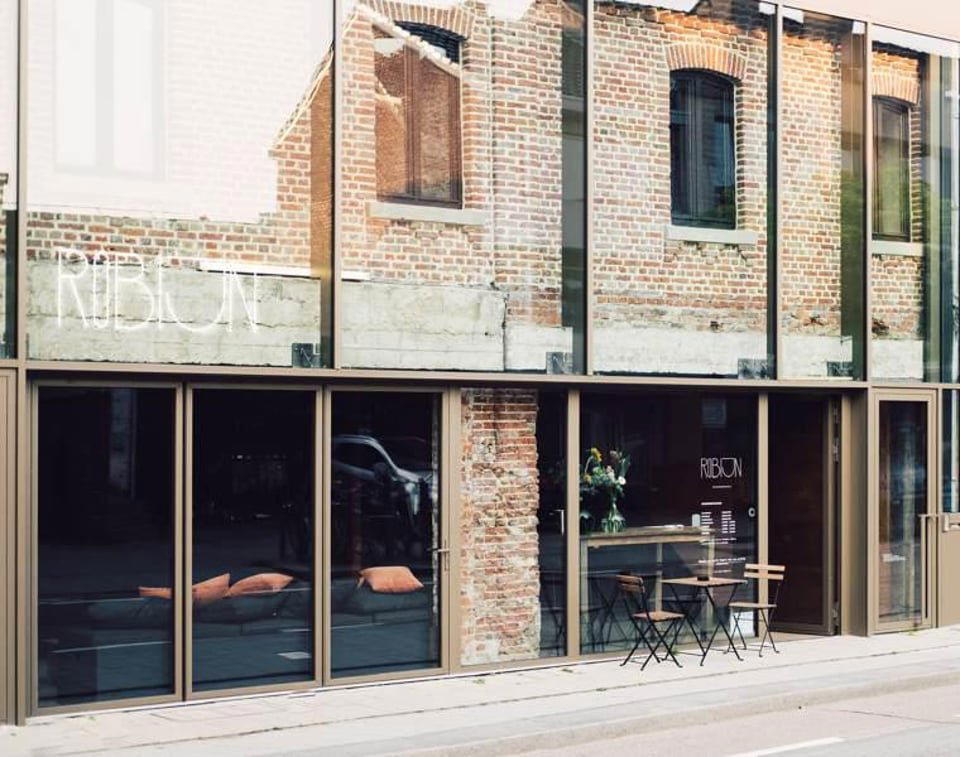
Peer sits in the northeastern corner of Limburg, roughly equidistant from Hasselt to the south and Lommel to the west, in a part of Belgium that rarely appears in international dining guides but holds a growing number of kitchens committed to serious cooking. Arriving at Fleurie along Baan naar Bree means approaching through open countryside rather than through an urban dining quarter. That physical remove is not incidental. In many European regions, the distance from city infrastructure creates the conditions for a different kind of hospitality: less performative, more grounded in the specific character of the place. The exterior gives no indication of spectacle. What draws diners out to addresses like this one is a combination of reputation built through word of mouth, the specific pull of regional cooking, and a growing Belgian appetite for the kind of table that couldn't exist in the city center without compromising what makes it work.
Ingredient Sourcing and the Kempen Kitchen
Across Belgium's leading kitchens, the sourcing question has become central rather than incidental. At restaurants like Willem Hiele in Oudenburg and Vrijmoed in Gent, proximity to specific producers has shaped not just the menu but the entire identity of the restaurant. The Kempen region, where Peer sits, offers its own agricultural logic: sandy soil, heathland, and a landscape that produces game, foraged herbs, and small-scale vegetable cultivation distinct from the polders of the coast or the richer farmland of Hainaut. A restaurant named Fleurie, drawing on the French word for flowering or bloom, carries an implicit declaration about its relationship to seasonal produce. The name signals an orientation toward what grows, what flowers, and what comes into abundance at a given moment rather than toward a fixed canon of dishes. This is the editorial posture that defines a certain tier of Belgian provincial cooking: not modernist technique for its own sake, but technique placed in service of ingredients that couldn't be sourced from a national distributor and served unchanged across twelve months. For context on how this approach plays out at a higher-profile level, Hof van Cleve in Kruishoutem represents the ceiling of that Belgian terroir-driven ambition; Fleurie operates at a more intimate provincial scale, closer in spirit to addresses like Cuchara in Lommel, which also draws on Limburg's specific agricultural and forested context.
Peer in the Provincial Fine Dining Picture
Belgium's provincial dining has developed its own internal hierarchy. The urban centers hold the Michelin-concentrated addresses: Zilte in Antwerp, Bozar Restaurant in Brussels, and Boury in Roeselare all operate within established critical frameworks with documented ratings and formal recognition. The provincial tier, by contrast, tends to build its reputation more slowly and through a different set of signals: longevity, local loyalty, and the kind of specific knowledge that comes from cooking in and for a particular place over time. Fleurie's positioning in Peer places it in this second category. Diners traveling from Hasselt or Maastricht (the Dutch city sits close enough to make Limburg a cross-border dining region) are making a deliberate choice to seek out a table that broader international press has not centered. That positioning is consistent with a pattern visible across Belgian provincial cooking, where kitchens like Ralf Berendsen in Neerharen and La Table de Maxime in Our operate at a high technical level without the critical apparatus that surrounds their urban counterparts. The comparison also holds internationally: venues like Lazy Bear in San Francisco have demonstrated that serious, destination-worthy cooking does not require a city-center address, and that a degree of remove can itself become an asset in the dining experience.
What the French Name Suggests About the Menu Orientation
Belgian restaurants that adopt French names or French-inflected branding typically signal a formal cooking lineage: classical French technique, a brigade-trained kitchen, and menu formats that follow the established arc of amuse, entrée, plat, and dessert. A name like Fleurie places the restaurant in a tradition that values presentation and sequence as much as raw ingredient quality. This is distinct from the more overtly Flemish-identity kitchens that have emerged in the last decade, and it situates Fleurie closer to the French-Belgian axis occupied by addresses like La Durée in Izegem and d'Eugénie à Emilie in Baudour. The Fleurie Beaujolais cru, which shares the name, is also worth noting as an association. Whether the restaurant consciously references that register or not, the name carries those connotations for anyone attuned to French culinary and wine culture.
Planning a Visit
Peer is accessible by car from Hasselt in approximately thirty minutes and from Eindhoven across the Dutch border in under an hour, making it a viable destination for day-trip dining from either direction. The address at Baan naar Bree 27 is a road address outside the town center, so navigation via maps application is advisable rather than relying on street signage. As with most provincial Belgian kitchens of this type, advance reservation is advisable; weekend tables at well-regarded country restaurants in Limburg typically book out several weeks ahead, particularly during the autumn game season when regional menus reach their most ambitious point. For a broader overview of what Peer's dining scene offers, our full Peer restaurants guide covers the local context in more detail. Nearby, L'Uno Coll'Altro represents a different Italian-inflected point on Peer's small but considered dining map. Those planning a longer Belgian dining itinerary might also consider Castor in Beveren, De Jonkman in Sint-Kruis, or Le Chalet de la Forêt in Uccle to build a broader picture of Belgian regional cooking across its different expressions. For those interested in how high-end European seafood cooking compares internationally, Le Bernardin in New York City remains the reference point against which many European fish-forward kitchens measure their ambition.
Fast Comparison
Comparable venues nearby, for context on price, style, and recognition.
| Venue | Cuisine | Price | Awards | Notes |
|---|---|---|---|---|
| FleurieThis venue — the venue you are viewing | French-Belgian Fine Dining | $$$ | , | |
| L'Uno Coll'Altro | Authentic Italian Trattoria | $$ | , | Peer |
| Hēdonē | Modern French Seasonal Tasting Menu | $$$ | , | Tongeren-Borgloon |
| Petite Source | French Fine Dining | $$$ | , | Pelt |
| Auberge de Moresnet | French-Belgian Bistro | $$$ | , | Moresnet |
| La Carte du Roi | French-Belgian Brasserie | $$$ | , | Circus Casino Resort |
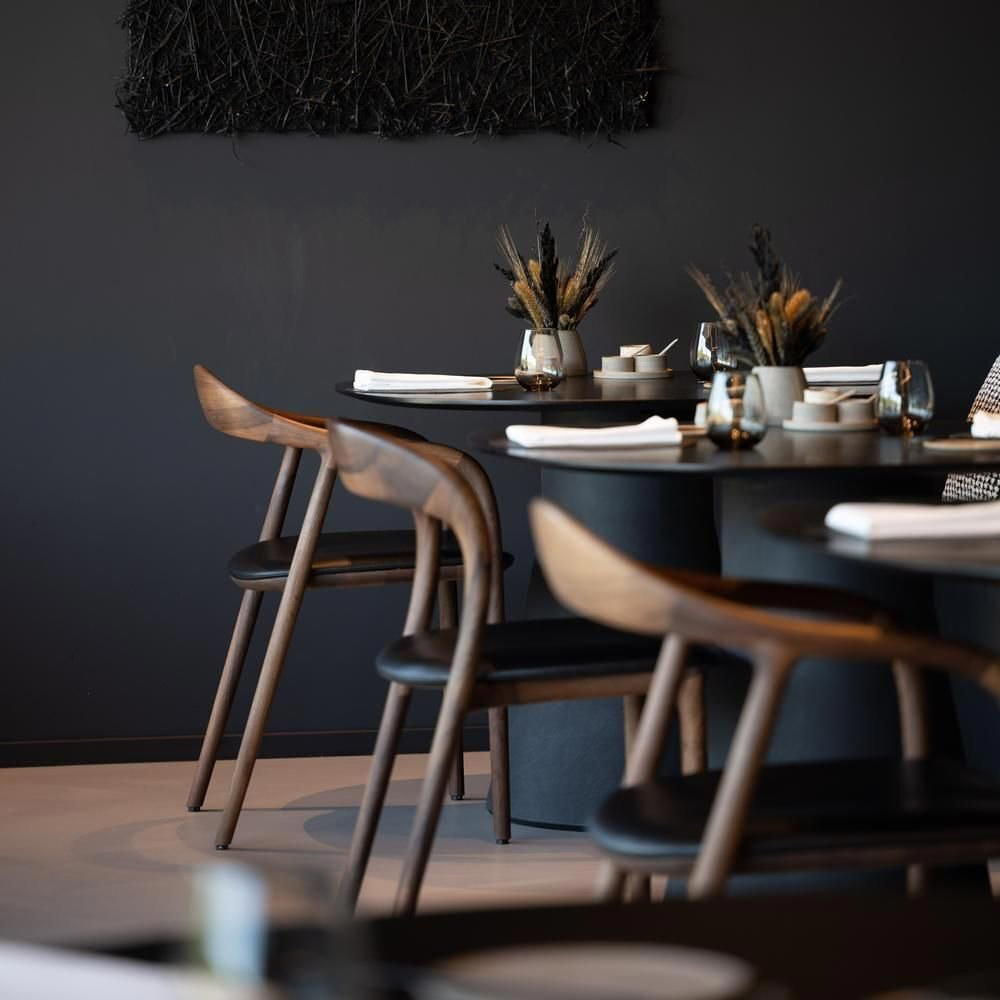
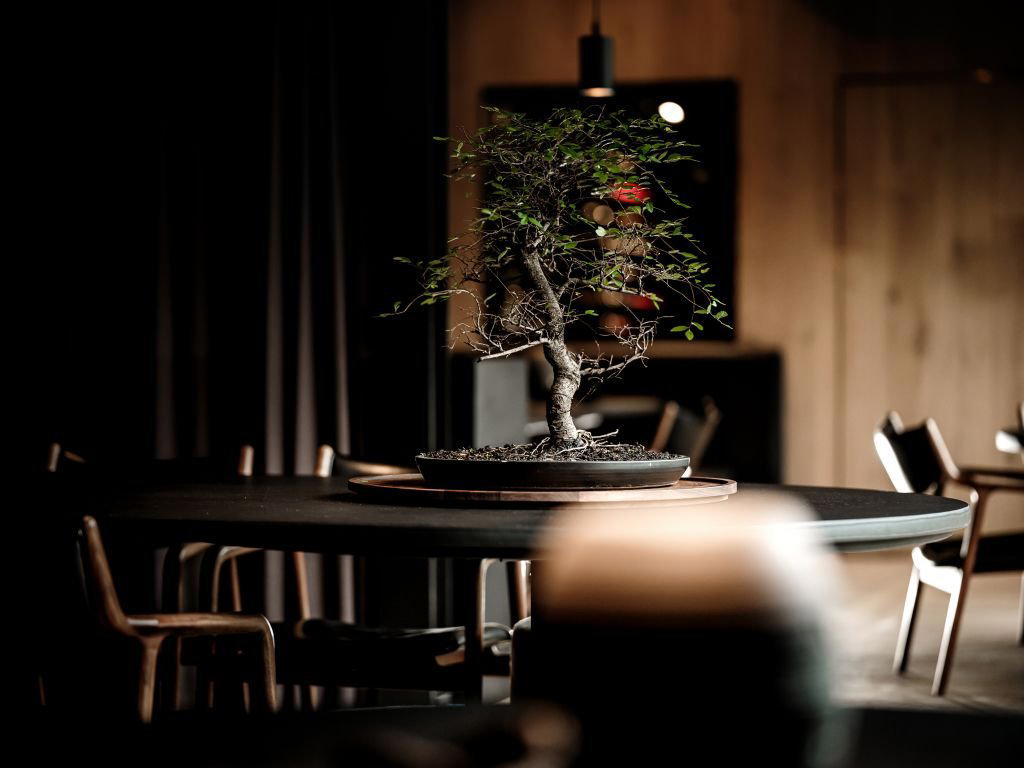
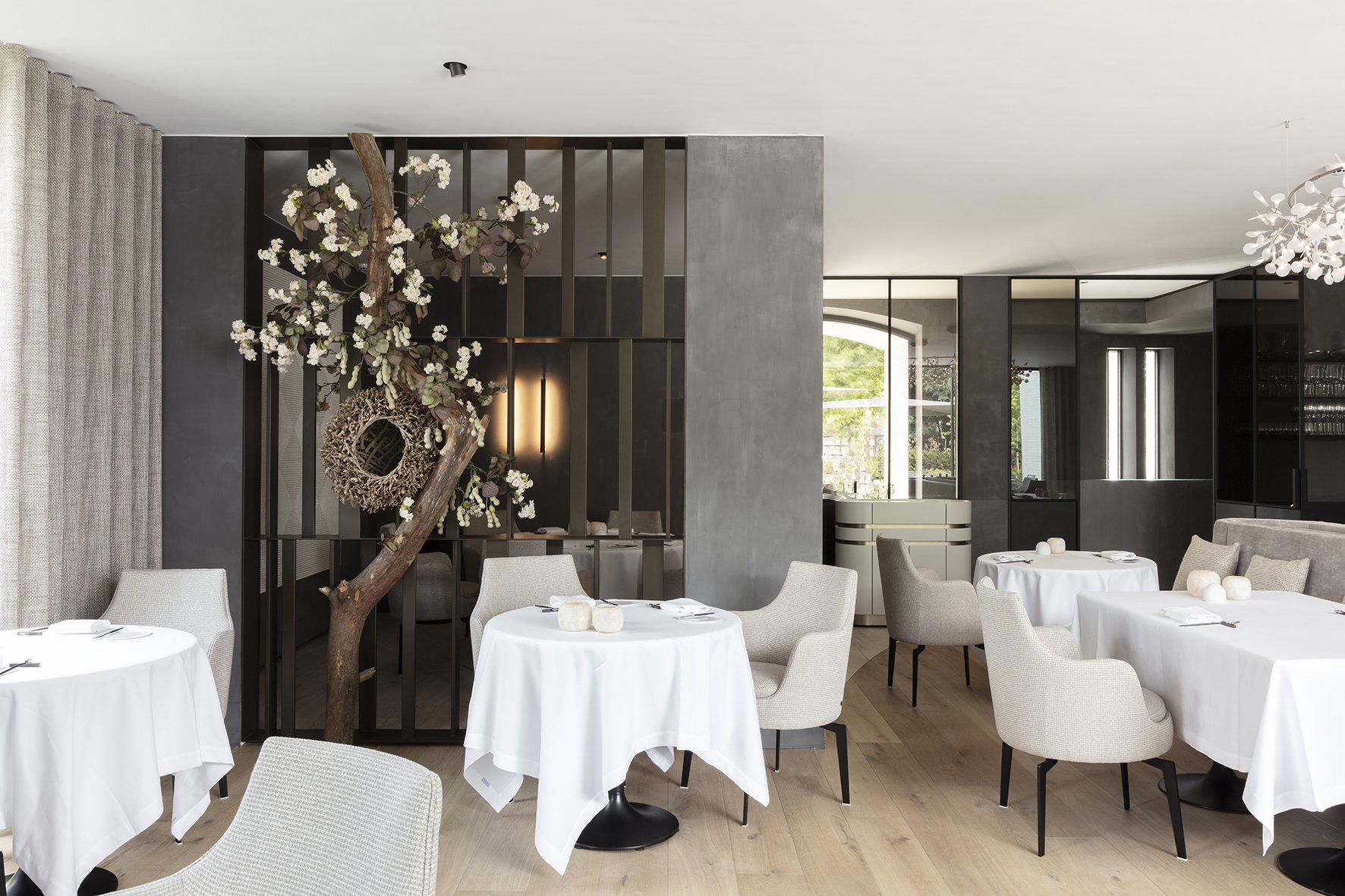
At a Glance
- Elegant
- Sophisticated
- Date Night
- Special Occasion
- Terrace
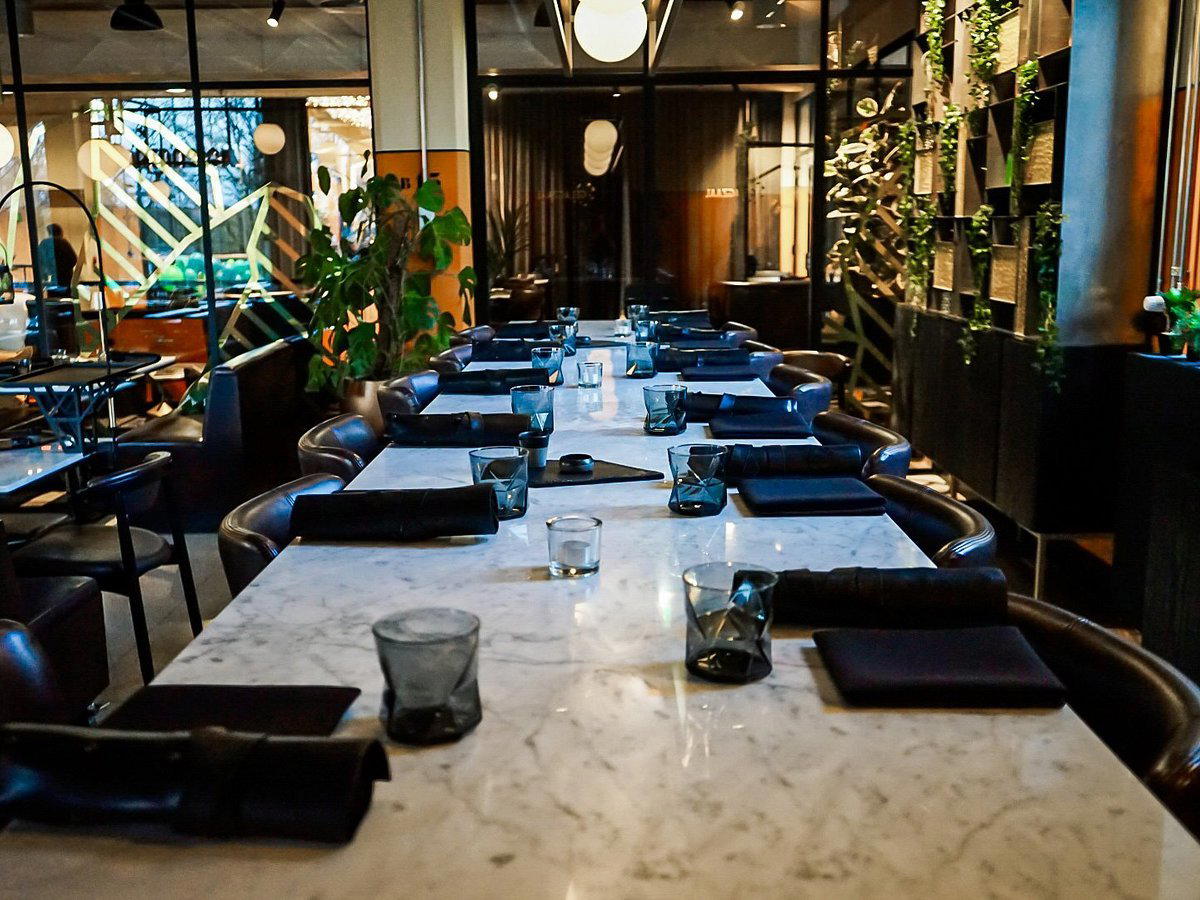
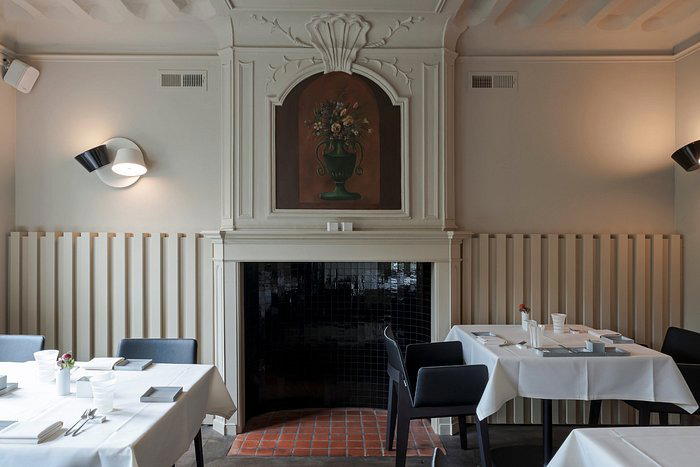
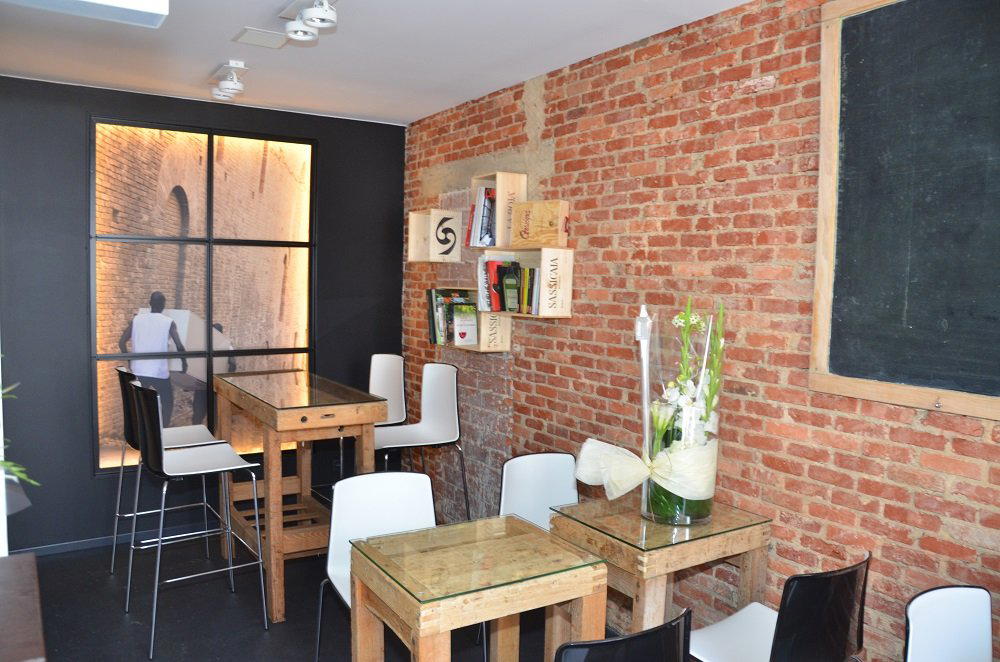
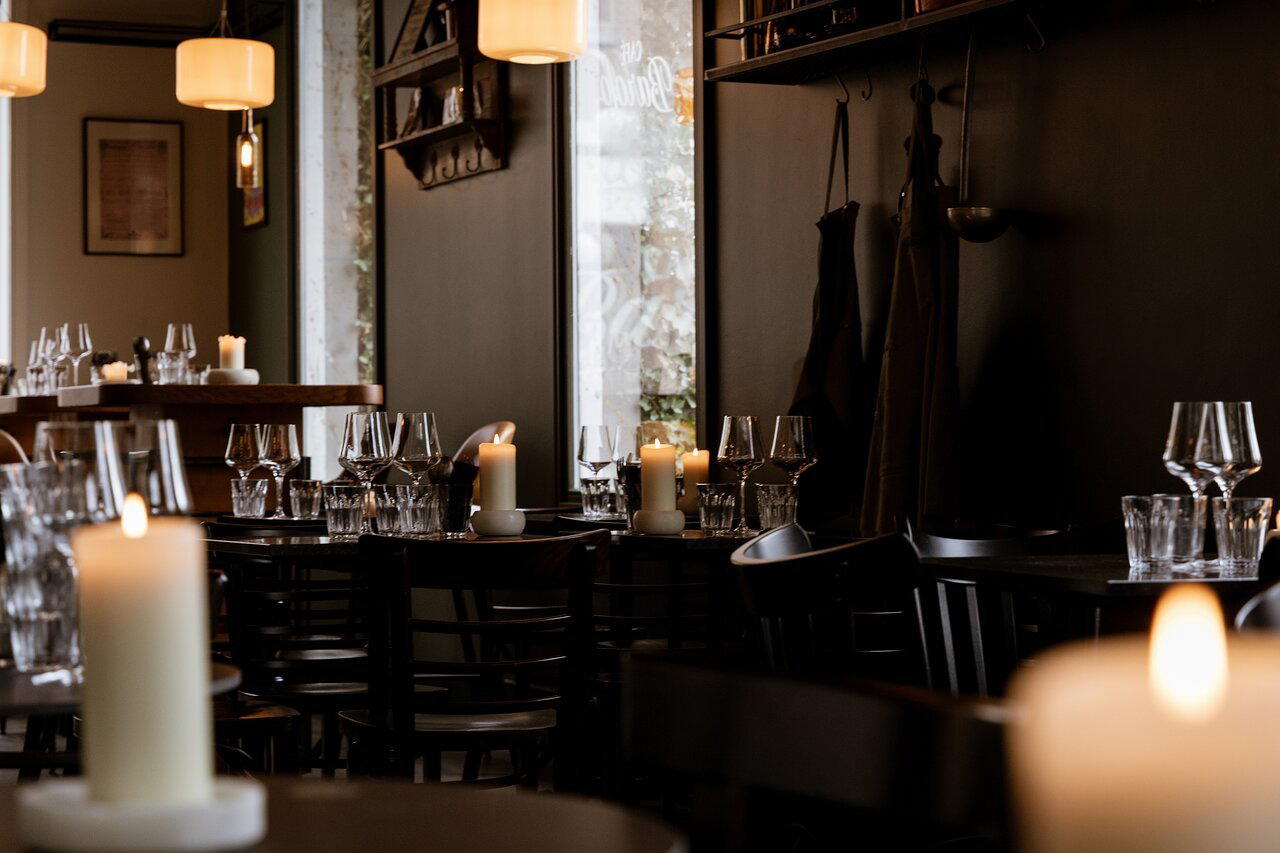
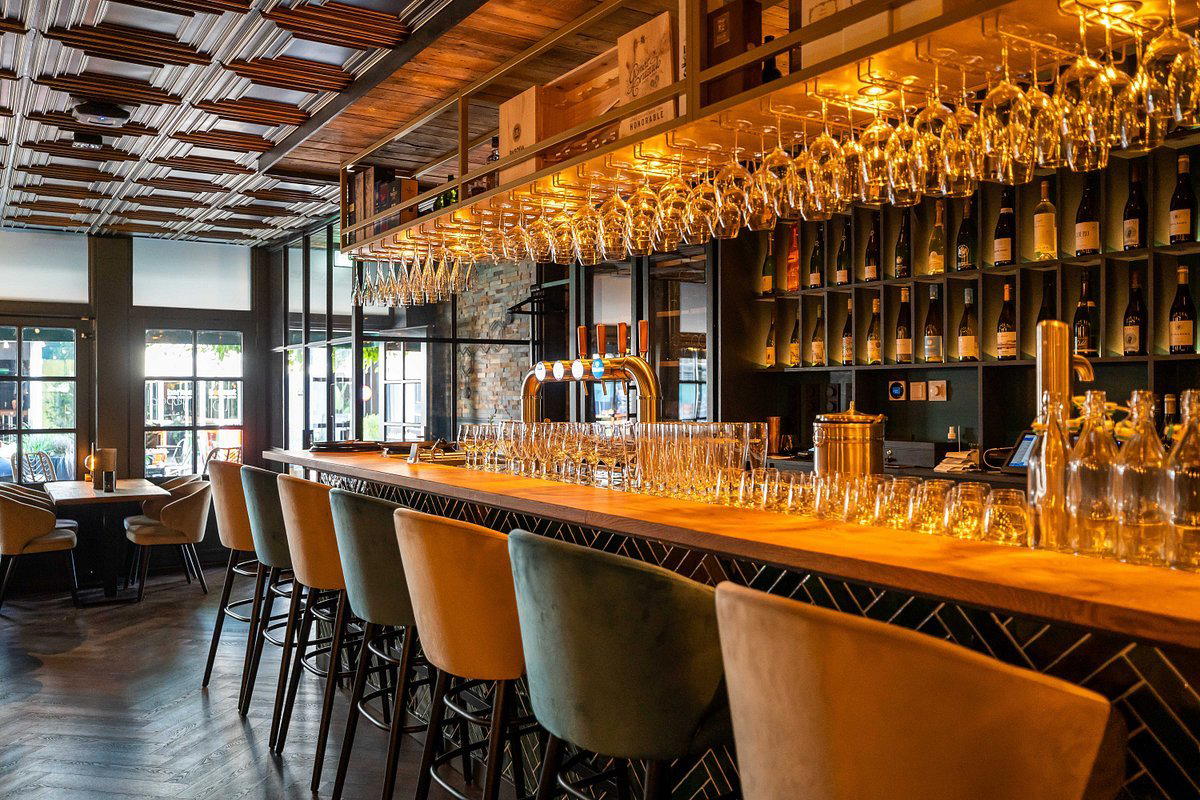
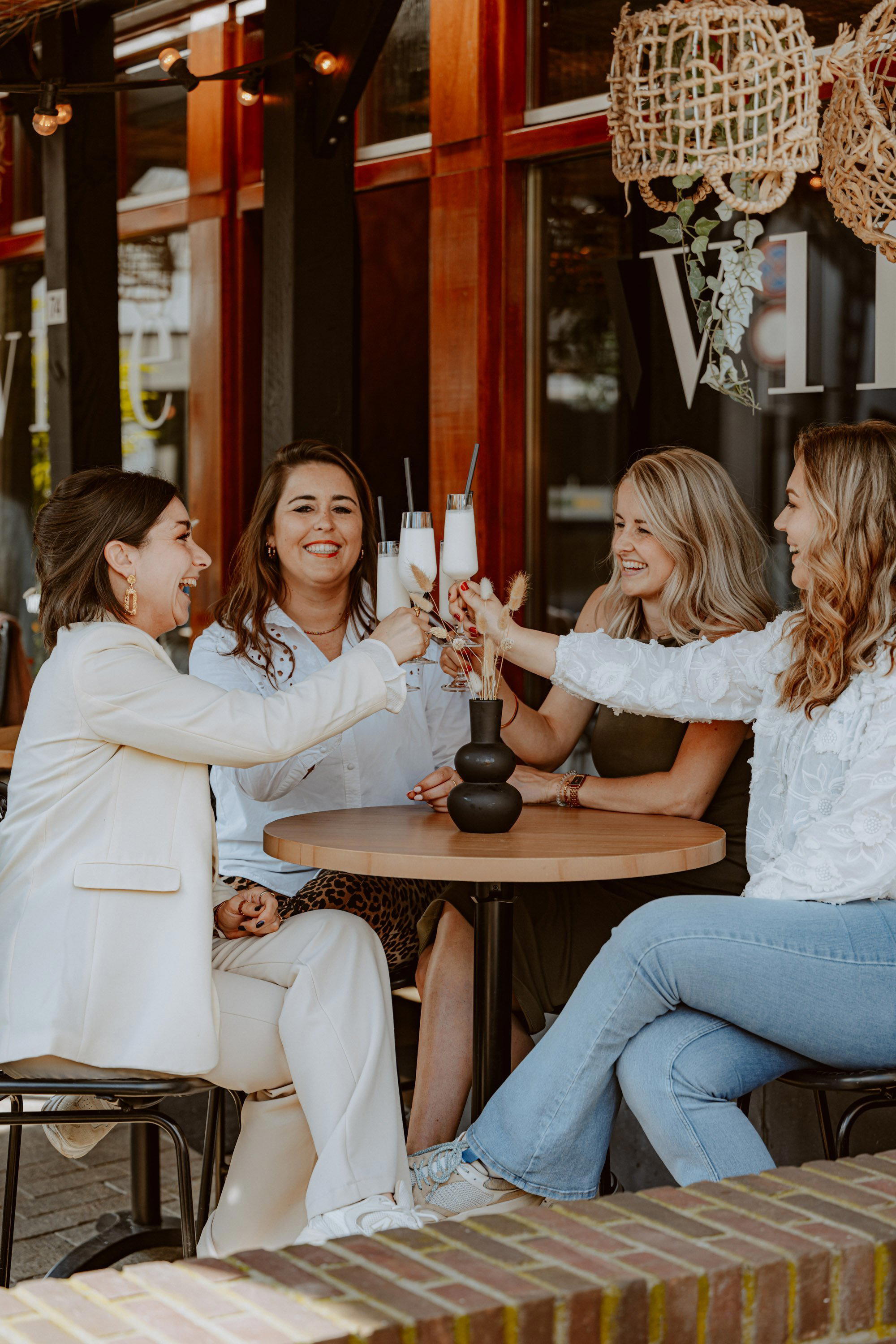
Casual yet refined atmosphere with terrace seating.