

A Michelin-starred hostellerie in a converted 18th-century presbytery on the banks of the Oude Maas, Hostellerie Vivendum is where Limburg's fruit-and-vegetable heritage meets a kitchen fluent in Thai technique. Chef Alex Clevers holds a 2025 Michelin star for preparations that draw from his own garden and regional suppliers, with overnight guestrooms available for those who want to extend the experience.
Pearl is the En Primeur Club membership app — saves, bookings, and concierge access live there. Same editors, same standards.
- Address
- Vissersstraat 2, 3650 Dilsen-Stokkem, Belgium
- Phone
- +32 89 57 28 60
- Website
- restaurant-vivendum.com
 Saves & bookings on Pearl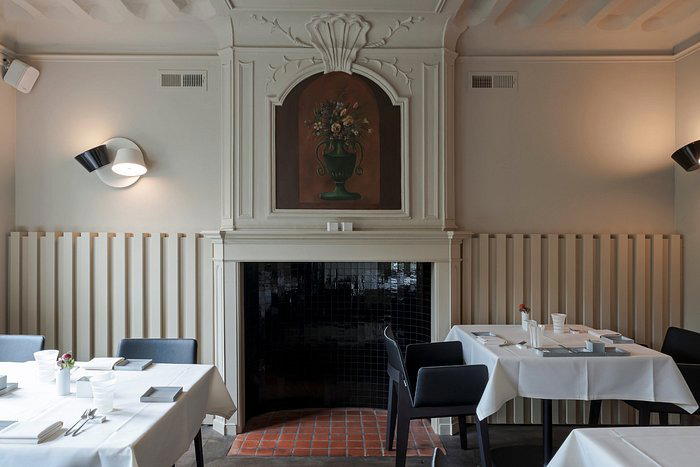
Where the Maas Bends and the Presbytery Holds Court
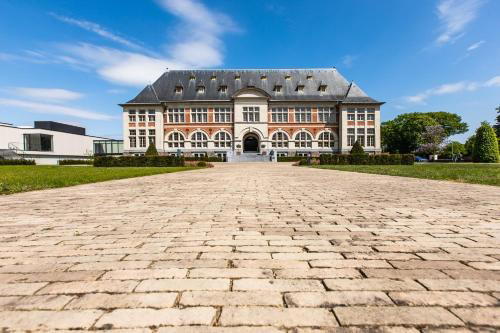
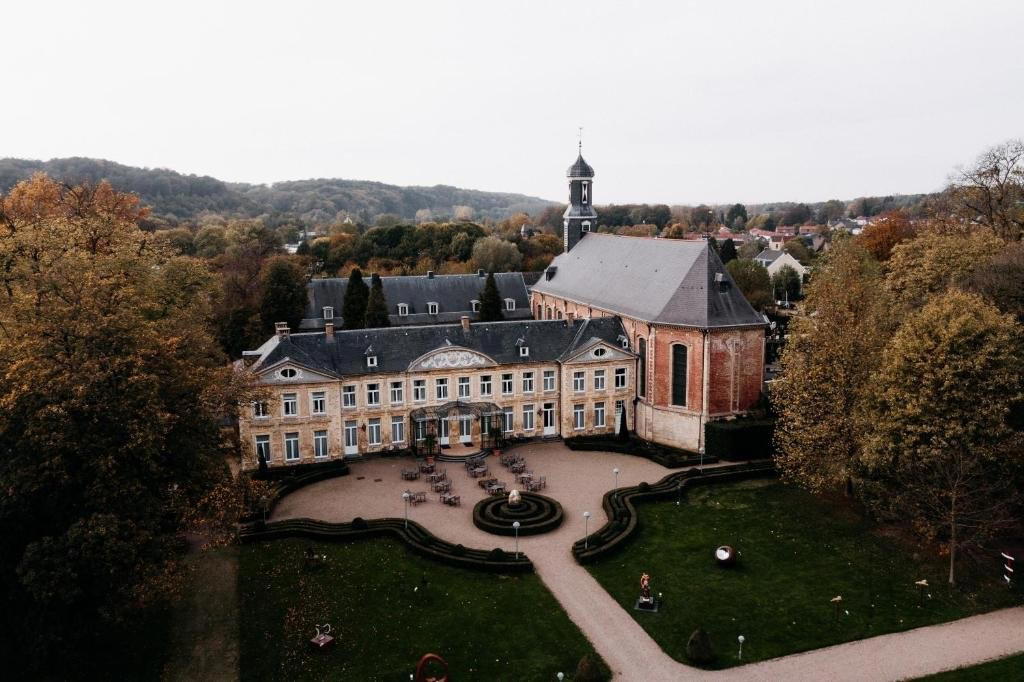
Approach Dilsen-Stokkem from the river road and the 18th-century presbytery on Vissersstraat 2 reads as exactly what it is: a building that has outlasted several generations of use, its proportions confident enough to absorb renovation without losing their original authority. The terrace at the rear faces the Oude Maas, and on a clear afternoon it offers one of the more considered outdoor dining positions in Limburg province, a region not short of pastoral beauty but somewhat sparing with riverside tables. That combination of historic envelope and waterside aspect is what the 2025 Michelin guide recognised with one star
Dilsen sits in the eastern corner of Belgian Limburg, close to the Dutch border and at the geographic centre of a fruit and vegetable production zone that supplies chefs across the country. What Vivendum does with that proximity is the more interesting editorial point: rather than treating local sourcing as a marketing posture, the kitchen uses produce from the surrounding region and from its own growing operation as the literal grammar of the menu. For readers plotting a route through Belgian provincial dining, this is a worthwhile detour from the Antwerp-Brussels corridor. For those already in Limburg, it is the reference address.
The Kitchen's Double Fluency
Belgian fine dining has spent the past decade sorting itself into two broad camps. One camp, represented by addresses like Boury in Roeselare and Hof van Cleve in Kruishoutem, operates in the register of creative Modern Flemish cuisine at the €€€€ price tier, where classical rigour is present but largely concealed beneath confident contemporary plating. The other camp leans toward French-Belgian classicism with creative inflection, as seen at La Durée in Izegem and d'Eugénie à Emilie in Baudour. Alex Clevers at Vivendum occupies neither camp cleanly, which is the more interesting position.
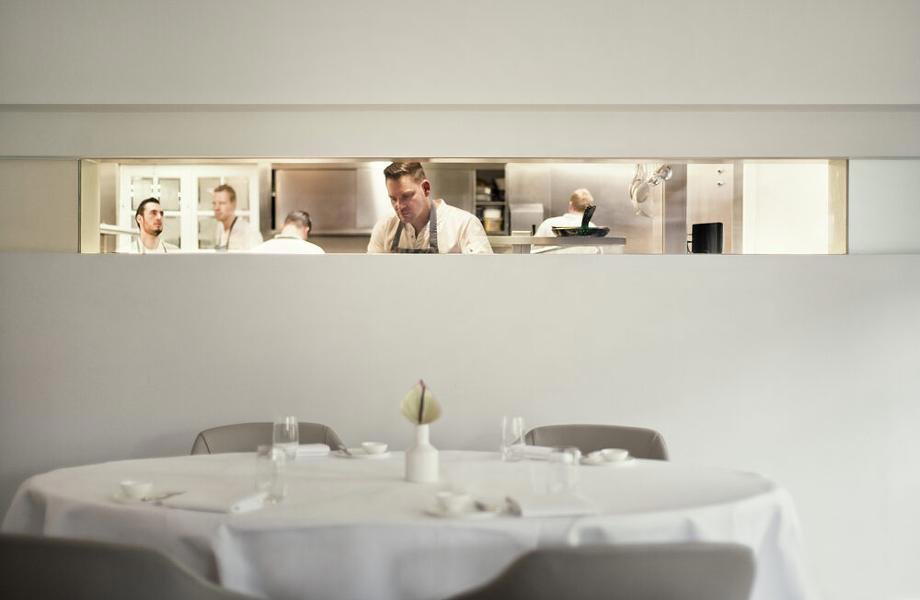
Clevers trained through classical technique and carries that grounding into every plate, but the creative pressure in his kitchen comes from a sustained engagement with Thai cuisine that operates well below the level of novelty garnish. Coconut and lime sauce built to the structural depth of a tom kha kai is not a reference to Thai cooking; it is Thai cooking translated into a regional Belgian context. Nobashi shrimps served with papaya salad and that sauce sit alongside preparations of scallop with cauliflower, eel, and cucumber, or wild sea bass with an algae crust, boiled shiitake, yellow curry, and Thai basil. The pattern is consistent: a northern European product from his own region, handled with classical precision, finished with Southeast Asian flavour architecture that is technically honest rather than decorative. That double fluency is relatively uncommon in Belgian provincial dining, where exotic influence more often appears as a single spice borrowed for effect.
The comparison points are instructive. Zilte in Antwerp and Willem Hiele in Oudenburg both work with seafood at comparable levels of ambition, but their Asian references, where present, operate differently. At the international end of the Modern Cuisine register, kitchens like Frantzén in Stockholm or FZN by Björn Frantzén in Dubai have built entire identities around the intersection of Nordic and Japanese sensibility. Clevers' approach is quieter and more provincial in the leading sense: the Thai influence is not the headline, it is the method. The result is a Michelin one-star house that prices at €€€ rather than the €€€€ tier occupied by many of its Belgian peers, placing it among the better-value starred addresses in the country's current dining map.
The Limburg Terroir Beneath the Plate
The Limburg fruit and vegetable belt is not a wine region with marketing infrastructure behind it, which means visitors arrive without the preconceptions that follow a well-publicised appellation. What the region does produce, in quantity and quality, is the raw material for cooking that takes produce seriously: soft fruits, field vegetables, herbs, and flowers that find their way into Clevers' preparations both through supplier relationships and through the kitchen's own growing operation. That combination, direct cultivation alongside regional supply, is a structural commitment rather than a seasonal gesture, and it places Vivendum closer to the farm-to-table category in European fine dining than most Belgian one-star addresses.
Seasonal variation matters here in the way it matters at addresses that are genuinely dependent on what their land and their region produces. The hare-and-endive pairing that appears in Michelin's own documentation of the kitchen is a winter register dish, built from two ingredients that Belgian cuisine has handled for generations. That Clevers can move between that preparation and a coconut-lime shellfish course without tonal rupture is the clearest evidence of what classical training actually does: it provides the underlying grammar that lets a cook shift registers without losing coherence. For readers who have encountered similar claims at restaurants that turn out to be simply inconsistent, the 2025 Michelin star is the verifiable signal that the balance holds.
The Hostellerie Format and What It Offers
Vivendum operates as a hostellerie, meaning guestrooms are available alongside the dining operation. In the Belgian regional context, this is a meaningful format distinction. The leading hostelleries function as self-contained experiences where dinner, overnight accommodation, and breakfast the following morning form a single arc rather than three separate transactions. Staying overnight at a property where the kitchen holds a Michelin star removes the logistical pressure of a return drive through Limburg's back roads and allows a more considered engagement with the evening: more time at the table, more attention to the wine, no early departure. The 18th-century presbytery setting, carefully modernised according to Michelin's own description, provides the kind of architectural coherence that makes a two-day stop feel considered rather than arbitrary.
For readers planning the broader region, Ralf Berendsen in nearby Neerharen offers a natural pairing point in the same corner of Limburg, and Bartholomeus in Heist and L'Eau Vive in Arbre provide reference addresses if extending a circuit into broader Belgian provincial dining.
Hostellerie Vivendum is located at Vissersstraat 2, 3650 Dilsen-Stokkem. The €€€ price positioning sits below the upper tier of Belgian starred dining, and the combination of guestrooms and a riverside terrace makes advance reservation, for both table and room, the practical approach, particularly during the warmer months when the outdoor terrace operates at capacity. Given the rural location, arriving by car is the standard approach; Dilsen-Stokkem sits roughly equidistant from Hasselt and Maastricht, making it accessible from either direction.
How to Approach Hostellerie Vivendum
For readers already familiar with the Belgian starred circuit, Bozar in Brussels, Sir Kwinten in Sint-Kwintens-Lennik, and their peers, Vivendum occupies a distinct niche: a provincial one-star with a genuinely idiosyncratic flavour identity, housed in a building with architectural weight, operating at a price point that compares favourably with the tier above it. The Thai-inflected Limburg kitchen is not a common formula, and the 2025 Michelin recognition confirms that the balance between its competing influences has arrived at something coherent and sustained, not simply novel.
A Quick Peer Check
Comparable venues nearby, for context on price, style, and recognition.
| Venue | Cuisine | Price | Awards | Notes |
|---|---|---|---|---|
| Hostellerie VivendumThis venue — the venue you are viewing | Modern French Fine Dining | $$$$ | Michelin 1 Star | Not listed |
| Aux petits oignons | Modern French Fine Dining | $$$$ | Michelin 1 Star | Jodoigne |
| Le Grand Verre | Modern French Fine Dining | $$$$ | Michelin 1 Star | Durbuy |
| Le Cor de Chasse | Modern French Creative | $$$$ | Michelin 1 Star | Wéris |
| Hoeve De Bies | Modern French-Belgian Farm-to-Table | $$$ | Michelin 1 Star | Sint-Martens-Voeren |
| Barge | Modern French Fine Dining | $$$$ | Michelin 1 Star | near fish market |
Recognition history
Dated appearances from independent guides and award organizations, with the underlying list record or original source where available.
Michelin 1 Star
Michelin
Michelin 1 Star
Michelin
We're Smart World 4 Radishes
We're Smart World
Michelin 1 Star
Michelin
At a Glance
- Elegant
- Cozy
- Intimate
- Sophisticated
- Date Night
- Special Occasion
- Terrace
- Historic Building
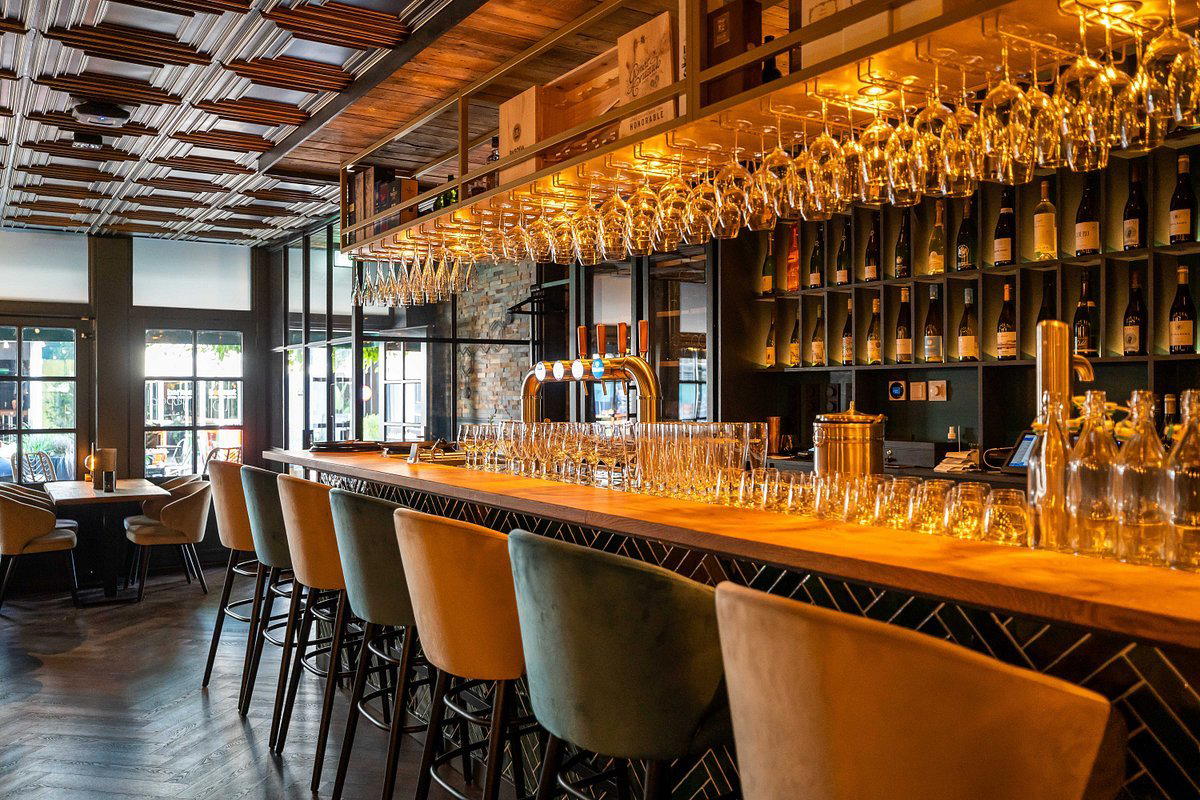
- Extensive Wine List
- Waterfront
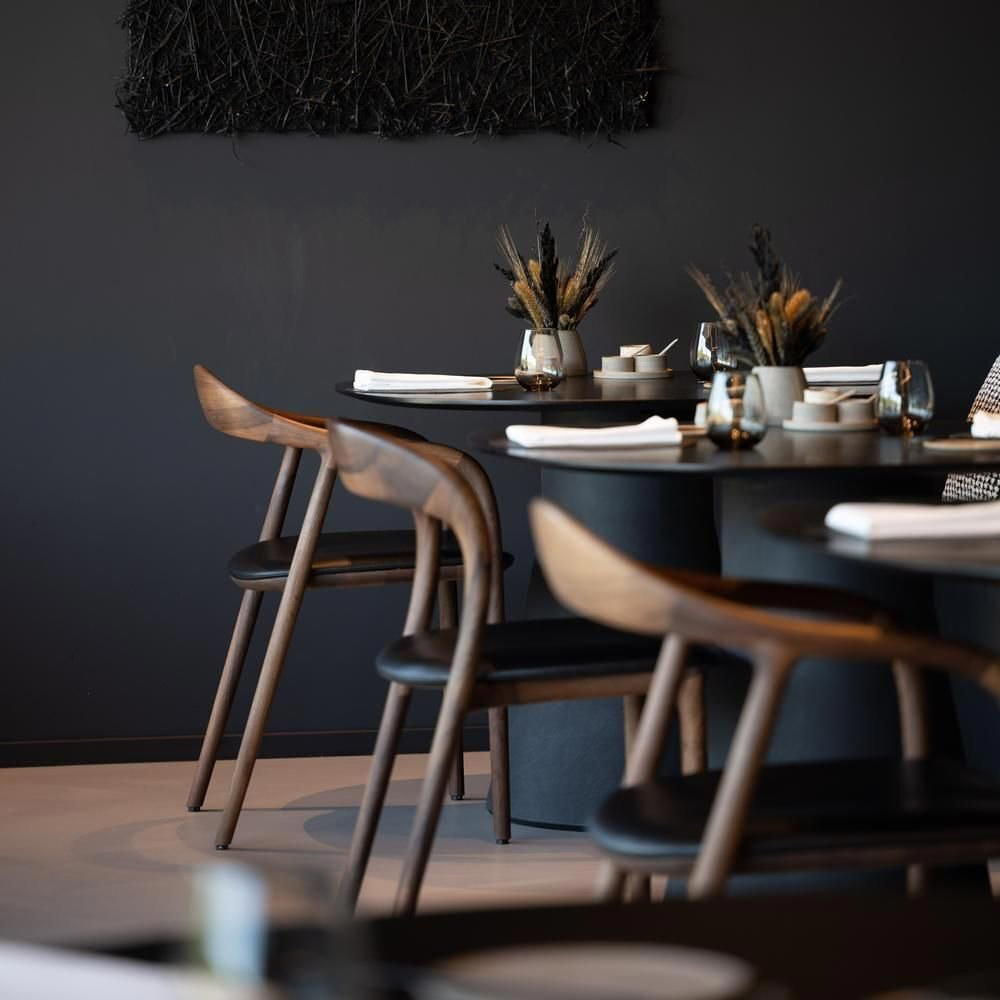
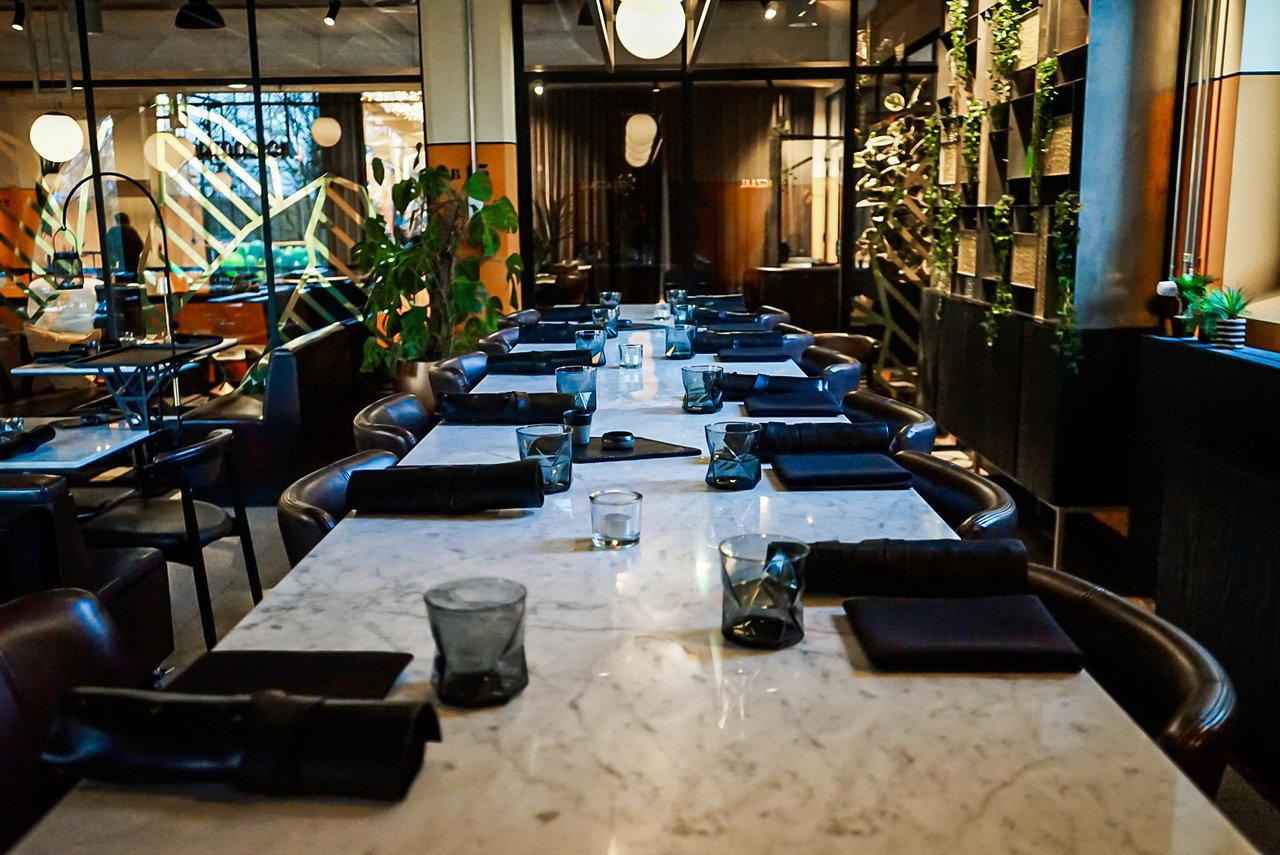
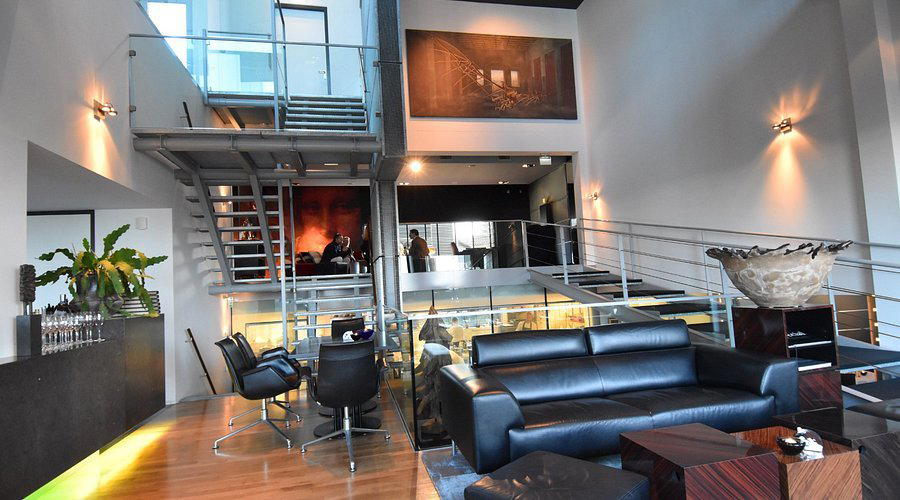
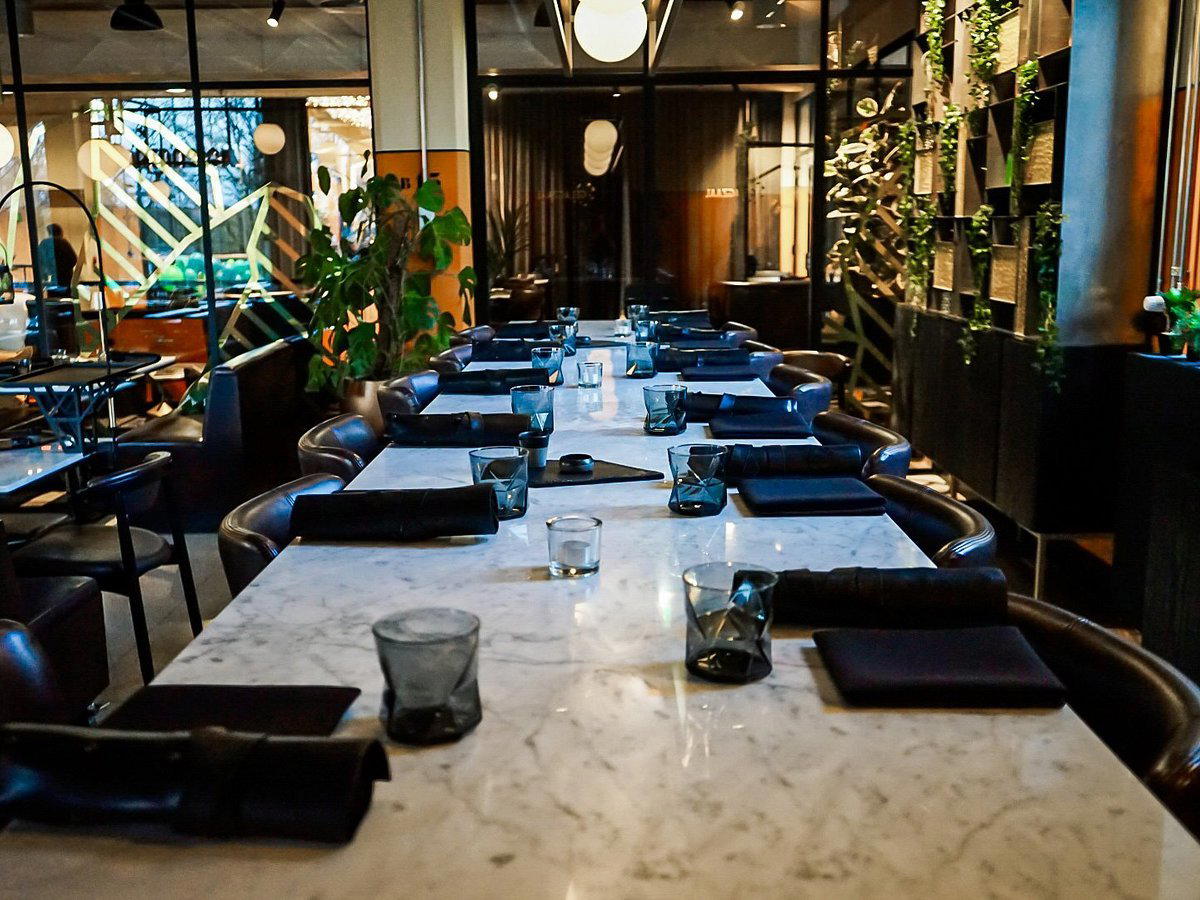
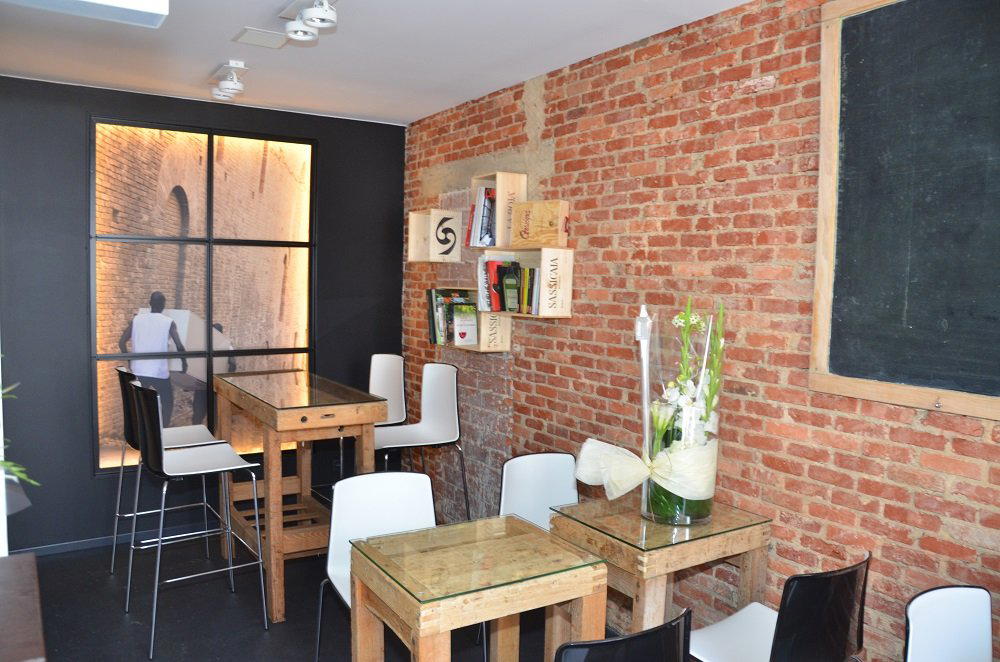
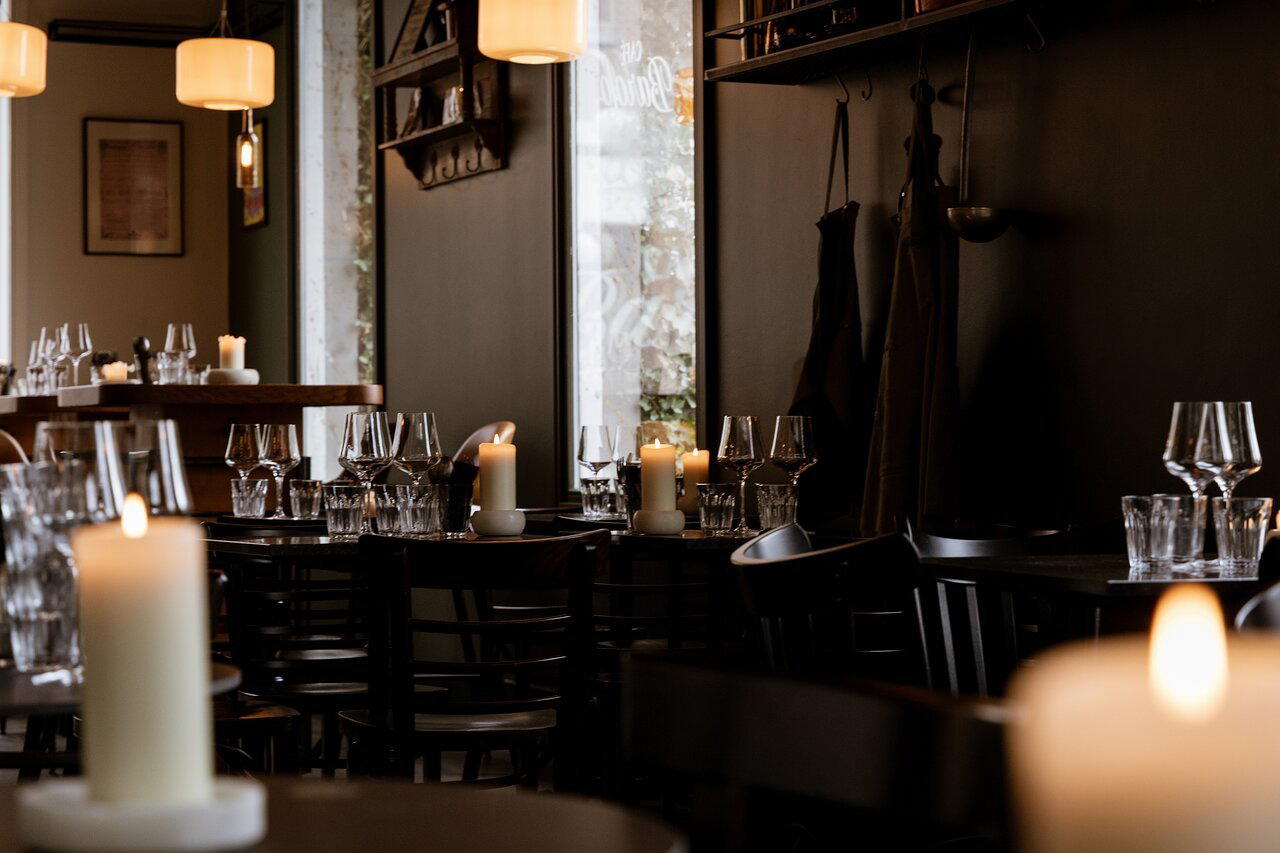
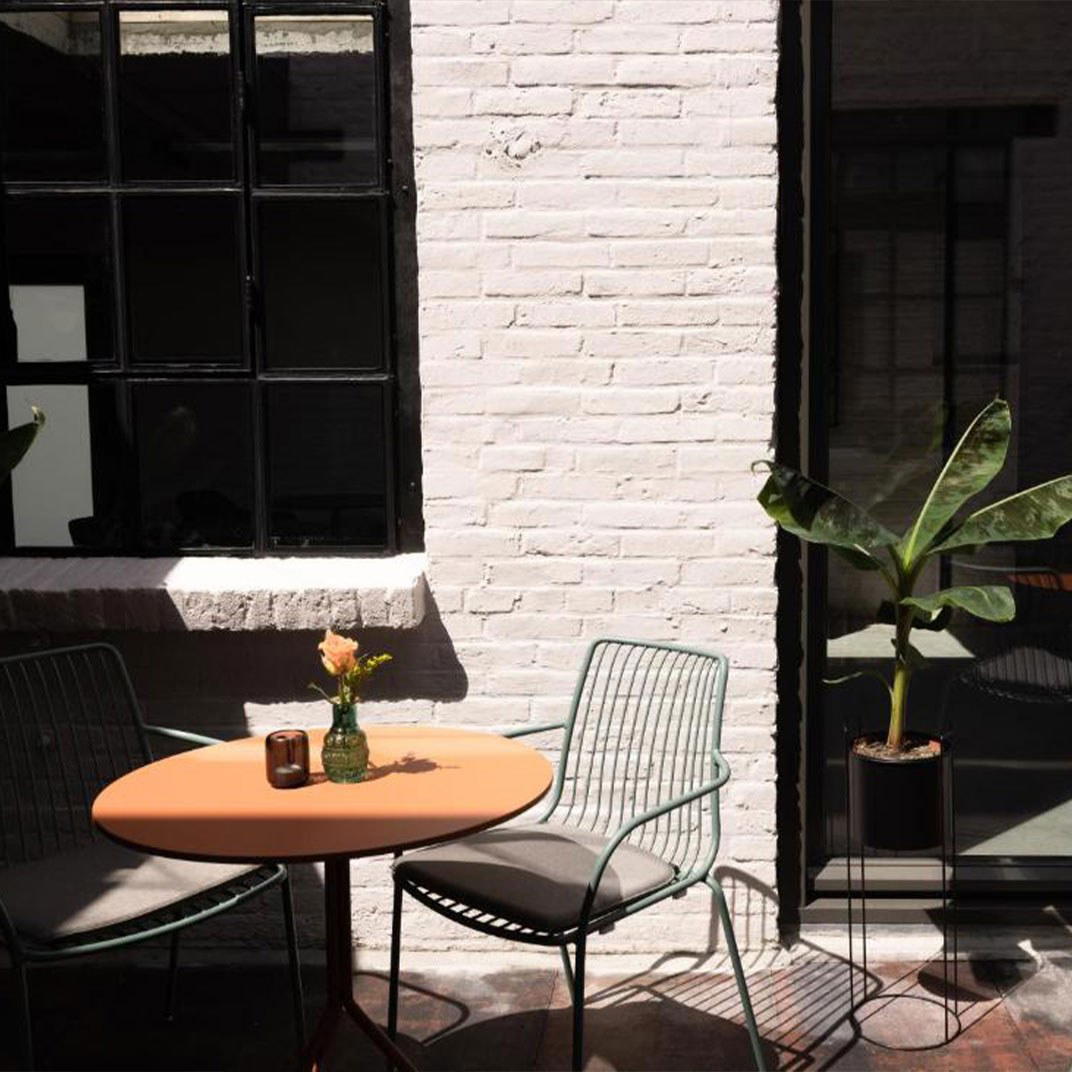
Pleasant, cozy interior with a casual yet professional atmosphere, terrace in a peaceful village setting.