On the Place du Forum in Arles, L'Oriel occupies one of the old town's most storied corners, where Roman columns and nineteenth-century ironwork set the stage before a plate is served. The address places it in direct conversation with the broader Arles dining scene, a city where Provençal tradition and contemporary ambition coexist in close quarters. Reserve ahead during the summer festival season when the square fills and tables become scarce.
Pearl is the En Primeur Club membership app — saves, bookings, and concierge access live there. Same editors, same standards.
- Address
- 6 Rue du Forum, 13200 Arles, France
- Phone
- +33490494921
- Website
- restaurantoriel.com
- Directions
- Get directions
 Saves & bookings on Pearl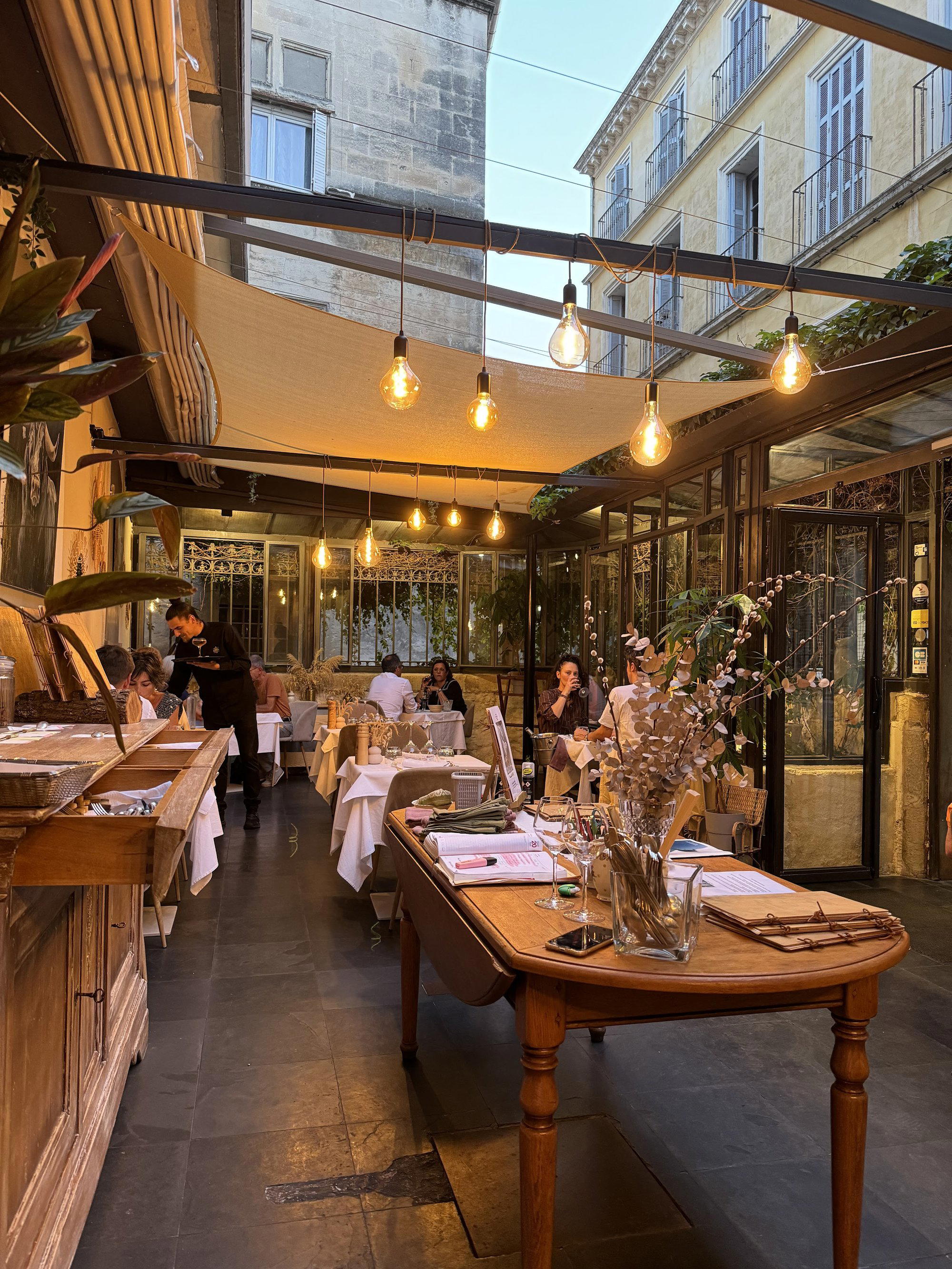
The Square Before the Meal
Place du Forum has been the social centre of Arles since Roman engineers laid its foundations, and arriving at L'Oriel at 6 Rue du Forum means arriving into that long civic habit. The terrasse faces a square where locals still converge in the early evening, aperitif in hand, well before tourists reclaim the space after dark. That rhythm, unhurried, sequenced, anchored in local custom, is the default tempo of dining in this part of Provence, and a restaurant on this address either works with it or against it.
Southern French dining at this level of the market tends to follow a particular ritual logic. Lunch runs long, dinner longer. A meal is not a transaction but a structure: something to eat before the thing you eat, something to drink between courses, a pause between the cheese and the dessert that no one rushes. The towns between the Rhône delta and the Alpilles have maintained this pacing even as faster, more casual formats have taken over elsewhere in France. Arles, with its festival calendar and its concentration of heritage tourists, has preserved that tradition partly by necessity and partly by temperament.
Where L'Oriel Sits in the Arles Scene
The Arles restaurant market is more stratified than its modest scale suggests. At the leading sits Alléno Paris au Pavillon Ledoyen-calibre ambition in miniature form: Les Maisons Rabanel, the city's most decorated address, operates at the €€€€ tier with a creative tasting format. Below that, a cluster of serious mid-market options, including Chardon (Modern Cuisine) at the €€ mark and Gaudina, handle contemporary Provençal cooking with varying degrees of formality. Allora and Chez Bob occupy the more relaxed end, where the emphasis shifts toward convivial informality over technical precision.
L'Oriel's address on the Forum places it in the high-visibility tier of that market. Restaurants on the square trade on location as much as cuisine, which cuts both ways: the footfall is reliable, but so is the scrutiny. Visitors who have eaten at Mirazur in Menton or Bras in Laguiole arrive with calibrated expectations about what southern French cooking at this kind of address should deliver. The comparison set is not the brasserie around the corner; it is every well-placed Provençal table they have sat at before.
The Ritual of a Provençal Sitting
In the broader culinary tradition of the Bouches-du-Rhône, the structure of a meal carries as much meaning as its content. This is not the tasting-menu rigour of a house like Flocons de Sel in Megève, where every course is a deliberate editorial statement. Nor is it the deep classical architecture of Auberge de l'Ill in Illhaeusern. The Provençal register is more horizontal than hierarchical: produce dictates the menu, the season sets the palette, and the kitchen's role is largely to stay out of the way of good raw material.
That tradition shapes what a Place du Forum address should theoretically deliver. Summer means tomatoes from the Crau plain, courgettes from the market gardens south of the city, lamb from the Camargue. Autumn shifts toward game and mushroom. The Rhône valley wine list, assuming the kitchen honours the geography, runs from Grenache-heavy Châteauneuf to the leaner expressions of Costières de Nîmes a few kilometres west. A sitting at this kind of restaurant, done correctly, is an argument about where you are and what time of year it is.
For diners accustomed to the more abbreviated formats popular in cities like Paris or at internationally recognised addresses such as Le Bernardin in New York City or Atomix in New York City, the pacing requires a conscious adjustment. The two-hour lunch is not inefficiency. It is the format. Arriving with an agenda beyond the meal is the error.
Arles in the Wider French Dining Conversation
France's decorated restaurant circuit has long been concentrated in Paris, Lyon, and a handful of destination outposts: Troisgros - Le Bois sans Feuilles in Ouches, Paul Bocuse - L'Auberge du Pont de Collonges, Assiette Champenoise in Reims, Au Crocodile in Strasbourg. Arles is not part of that circuit in any formal sense, but its dining scene has developed a genuine identity that operates independently of the award economy. The city's arts calendar, centred on the photography festival Les Rencontres d'Arles each summer, draws a culturally engaged, internationally mobile visitor who eats and drinks seriously. That audience has shaped the mid-to-upper tier of the local market, making addresses on the Forum more competitive than the city's population of roughly 50,000 would suggest.
AM par Alexandre Mazzia in Marseille, the closest three-star reference point in the region, represents what the southern French kitchen can achieve at maximum ambition. The restaurants of Arles, including those in the Drum Café (Farm to table) tier and the more technical end of the market, operate in a different register, one where regional identity rather than global technique is the primary currency. That distinction matters when assessing what an address like L'Oriel is for and what it should be measured against.
Planning Your Visit
The Forum sits in the heart of the old city, walkable from the main rail station and a short distance from the Arles Amphitheatre. Summer evenings on the square fill quickly, particularly during Les Rencontres d'Arles in July, when accommodation and table availability across the city tighten simultaneously. Arriving without a reservation during that window is a risk that the local competition makes inadvisable. For the widest choice of sitting times, the shoulder months of May, June, and September offer a more measured pace without the festival-season compression.
Cuisine Context
Comparable venues nearby, for context on price, style, and recognition.
| Venue | Cuisine | Price | Notes |
|---|---|---|---|
| L'OrielThis venue — the venue you are viewing | Modern French Fine Dining | $$$$ | Not listed |
| Le Nord-Pinus | Italian-influenced Provençal Bistro | $$$ | Place du Forum |
| Le Greeniotage | Provençal Bistro | $$$ | Historic Center |
| Lou Marques | Refined French Camargue Cuisine | $$$$ | boulevard des Lices |
| La Gueule du Loup | Modern Provençal Bistro | $$$ | Historic Center |
| Mesa | Seasonal French Bistro | $$$ | historic centre |
Continue exploring
More in Arles
Restaurants in Arles
Browse all →
Bars in Arles
Browse all →
Hotels in Arles
Browse all →
At a Glance
- Intimate
- Elegant
- Romantic
- Sophisticated
- Date Night
- Special Occasion
- Celebration
- Group Dining
- Open Kitchen
- Historic Building
- Standalone
- Courtyard
- Sommelier Led
- Farm To Table
- Local Sourcing
Current opening hours
- Monday
- Closed
- Tuesday
- Closed
- Wednesday
- Closed
- Thursday
- 7–9:30 PM
- Friday
- 12–2 PM, 7–9:30 PM
- Saturday
- 12–2 PM, 7–9:30 PM
- Sunday
- Closed
Hours can change for holidays and private events. Last verified .
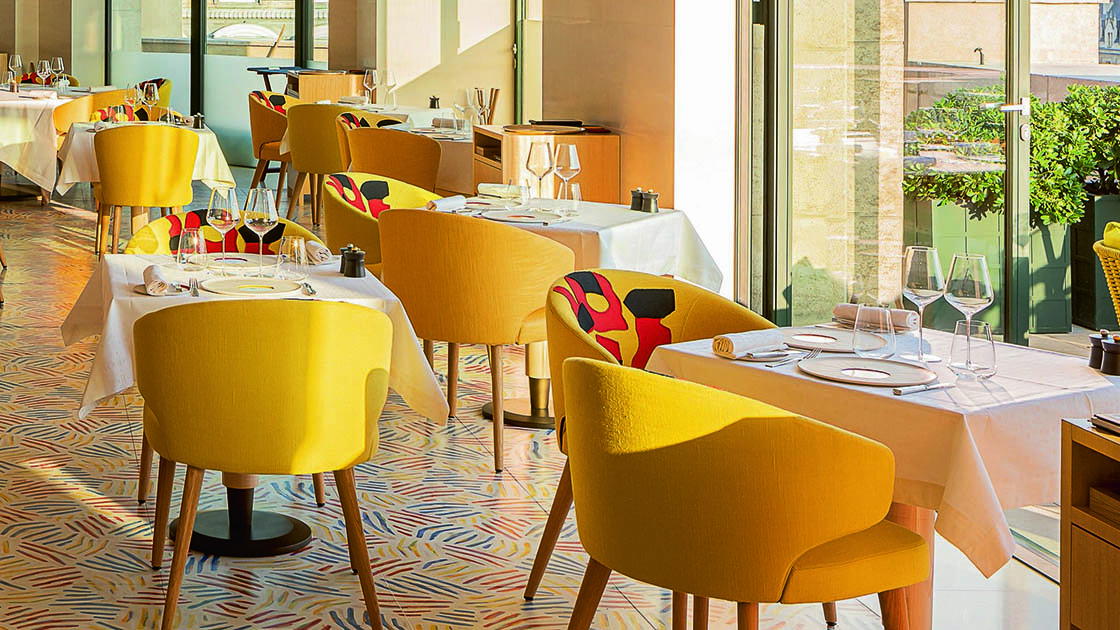
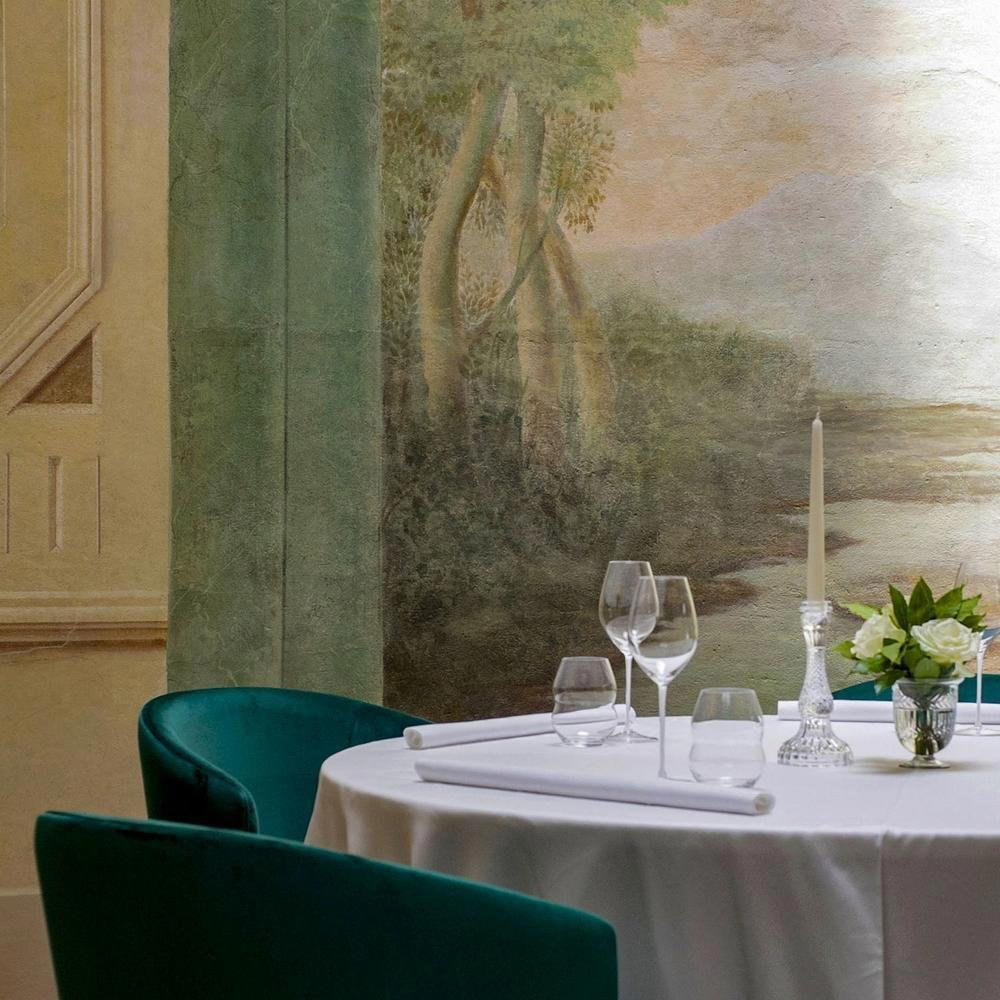
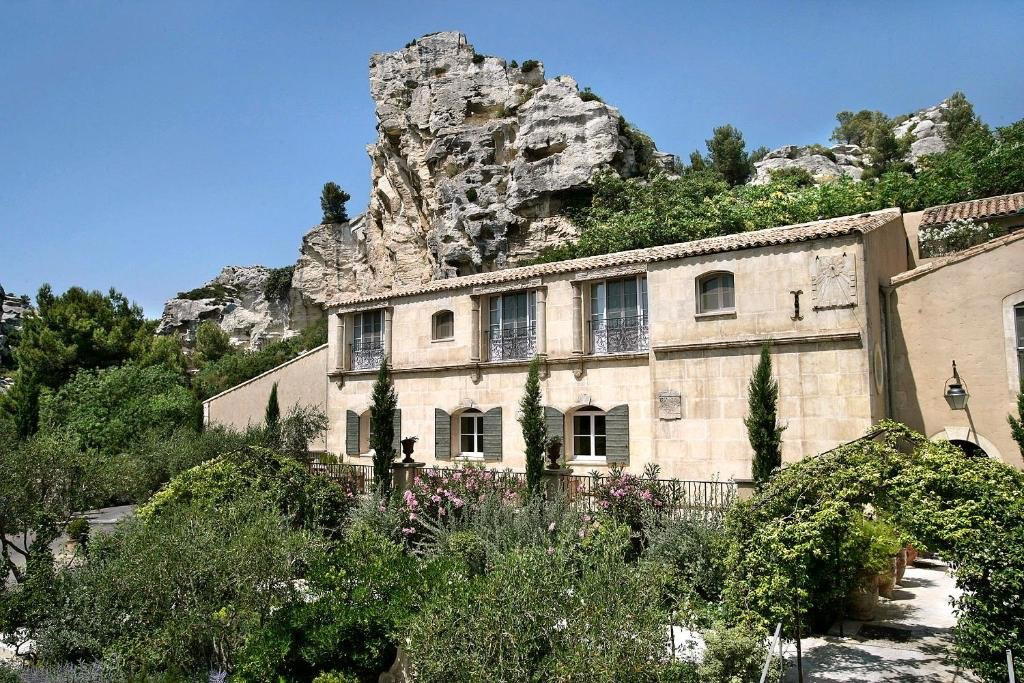
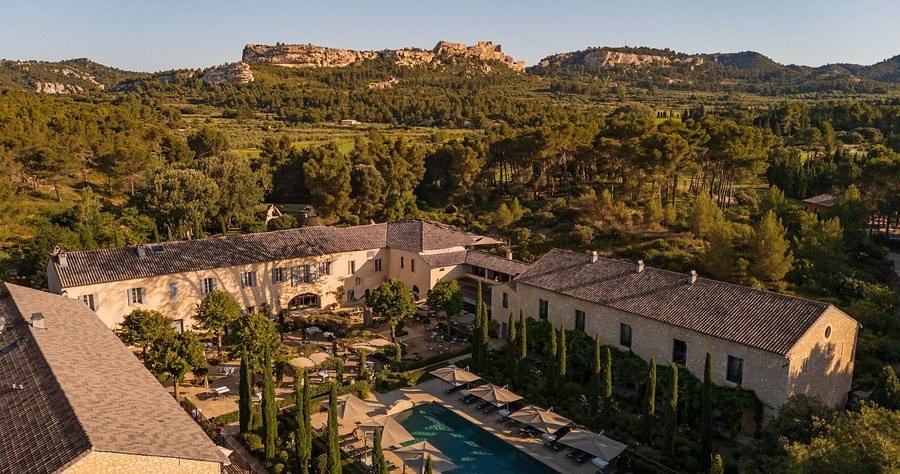
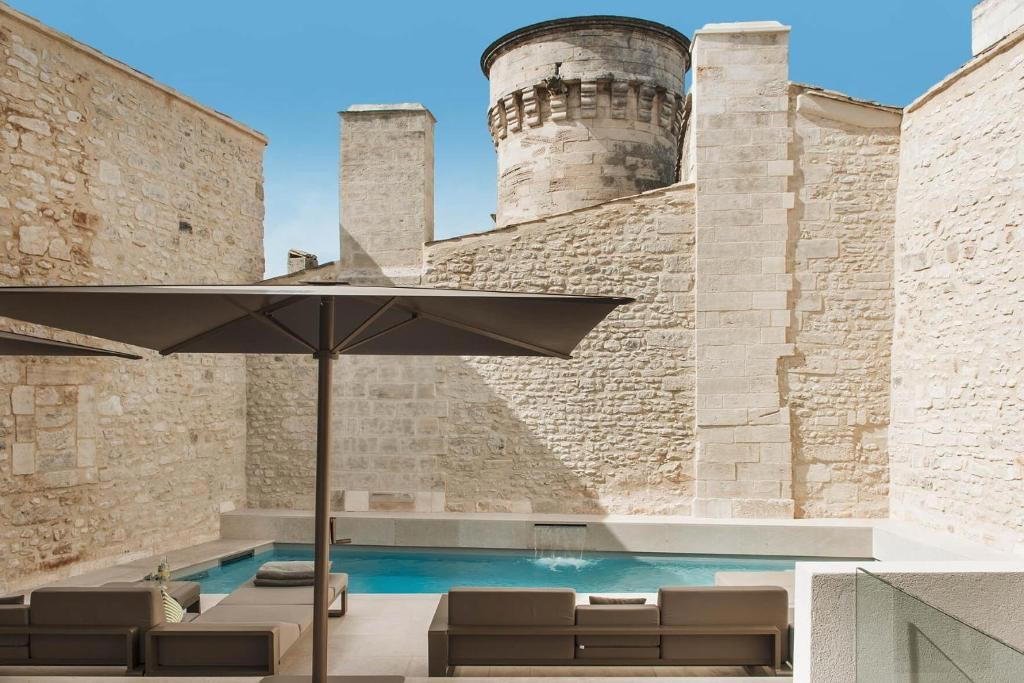
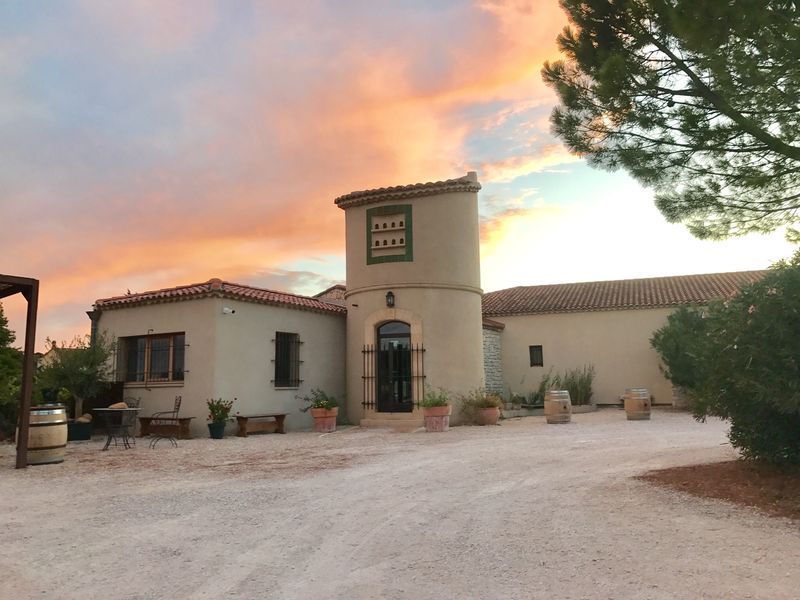
Warm, refined, and intimate with carefully designed decor; a quiet refuge featuring an elegant interior dining room and pleasant patio under canopy, with views of the chef working through a discrete window.