


In the Camargue wetlands south of Arles, La Chassagnette operates from a 3-hectare permaculture estate where eight full-time gardeners supply the kitchen with vegetables, fruit, herbs, and honey. Chef Armand Arnal holds a Michelin star and an Opinionated About Dining recommendation, shaping two fixed menus, one vegetarian, from what the land produces each season. The organic wine list draws from producers as close as 100 metres away.
Pearl is the En Primeur Club membership app — saves, bookings, and concierge access live there. Same editors, same standards.
- Address
- Route du Sambuc, Le Sambuc, 13200, France
- Phone
- +33 4 90 97 26 96
- Website
- chassagnette.fr
- Directions
- Get directions
 Saves & bookings on Pearl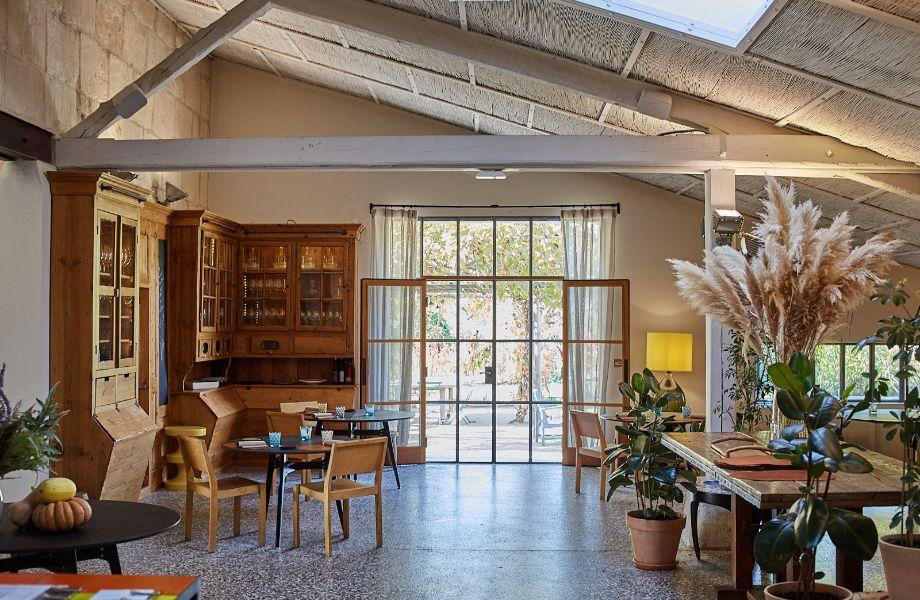
Where the Camargue Feeds the Kitchen
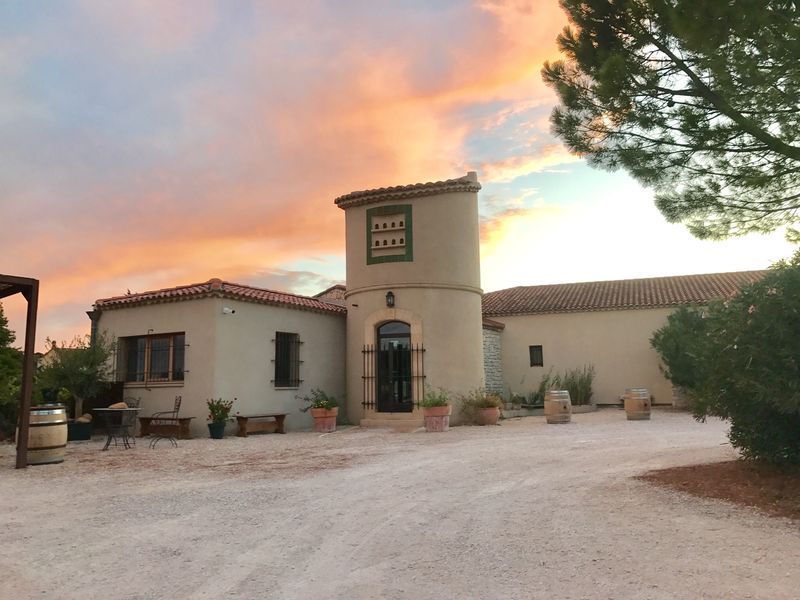
Arriving at La Chassagnette along the Route du Sambuc, the first thing that registers is not a building but a garden. Three hectares of permaculture plots, orchards, and beehives spread around the farmhouse before you reach the door, and the produce growing in those beds is the same produce that will appear on your plate an hour later. This is not a decorative kitchen garden in the manner that has become fashionable at country-house hotels across France. It is the operational core of the restaurant, staffed by eight full-time gardeners whose work makes the menu possible.
That degree of self-sufficiency is relatively rare in French fine dining, where most starred kitchens source from trusted suppliers and wholesale markets, however carefully curated those relationships may be. La Chassagnette sits in a different category: the land is not a marketing asset but a production system.
The Estate: Permaculture at Restaurant Scale
The 3-hectare growing area is organised around permaculture principles, which means the soil, plant relationships, and seasonal rhythms drive what gets harvested rather than a fixed menu working backwards through a purchase order. Orchards supply stone fruit and citrus through the warmer months. Beehives produce honey used across the kitchen. A tropical greenhouse, the only one of its kind attached to a restaurant in France according to the property's own documentation, allows coffee, bananas, and papaya to grow on-site, extending the ingredient palette well beyond what the Camargue climate would otherwise permit.
Guests are invited to walk through these areas before or after eating, which turns the pre-dinner or post-lunch hour into something closer to an agricultural orientation than a garden stroll. Understanding where the alliums came from, or which orchard supplied the afternoon's fruit, adds a layer of transparency that the menu itself rarely needs to explain. The cooking can let the ingredients speak without the preamble because the preamble is available outside, in the ground.
This kind of farm-to-table integration has precedent in French regional cooking, particularly in the tradition of restaurants built around a single domaine or estate. Bras in Laguiole has long made the volcanic plateau's wild plants central to its identity; Mirazur in Menton operates terraced gardens above the Mediterranean. La Chassagnette shares the same structural argument, that one direct form of provenance is ownership and cultivation, but it does so in the flat, salt-edged Camargue rather than in mountains or cliff gardens, which produces a distinctly different ingredient register: marsh herbs, wild greens, produce shaped by proximity to the sea and the Rhône.
Chef Armand Arnal and the Logic of the Menu
Armand Arnal has led the kitchen at La Chassagnette for a substantial period, long enough that his approach to the garden's output has had time to develop into a consistent vocabulary. The cooking is rooted in French technique but has a documented affinity with Japanese reference points, an alignment that appears in the menu's treatment of restraint, temperature, and texture. The OAD awards record describes the allium chawanmushi as a representative dish: Japanese savoury egg custard with wild moss, green caviar, roasted and lightly smoked peas. That combination signals a kitchen operating at the intersection of Camargue produce and precision-led technique rather than classical French presentation alone.
Arnal's Michelin star places La Chassagnette within France's starred dining category, above the entry-level brasserie format and well below the multi-starred ambition of Alléno Paris au Pavillon Ledoyen or Assiette Champenoise in Reims. Within that single-star bracket, the distinguishing factor is not the star itself but the degree to which the kitchen's output is determined by what the estate produces. Most one-star restaurants in rural France work with regional suppliers; few have eight gardeners on staff.
Two Menus, No Options
The format is fixed: two set menus, neither of which offers choices within courses. One is vegetarian. This structure is common at the more committed end of the garden-to-table spectrum because substitutions undermine the logic of a menu built around what is ready to harvest on any given day. It also means the kitchen can focus on executing a single sequence rather than maintaining parallel mise en place for multiple combinations.
The vegetarian menu is not a trimmed-down version of the main sequence but a fully developed parallel programme, which reflects the fact that the estate grows vegetables as its primary output rather than as garnish. Guests choosing the vegetarian option are, in a structural sense, getting the purest expression of what the kitchen was built to do.
At a price of about $85 per person, the restaurant sits in the same bracket as Flocons de Sel in Megève and Pierre Gagnaire in Paris, though the comparison is useful mainly for understanding tier rather than format. What you are paying for here is specific to the Camargue context: the cost of maintaining a permaculture estate at scale is embedded in the menu price in a way that it cannot be at an urban restaurant sourcing from markets.
The Wine List and Its Geography
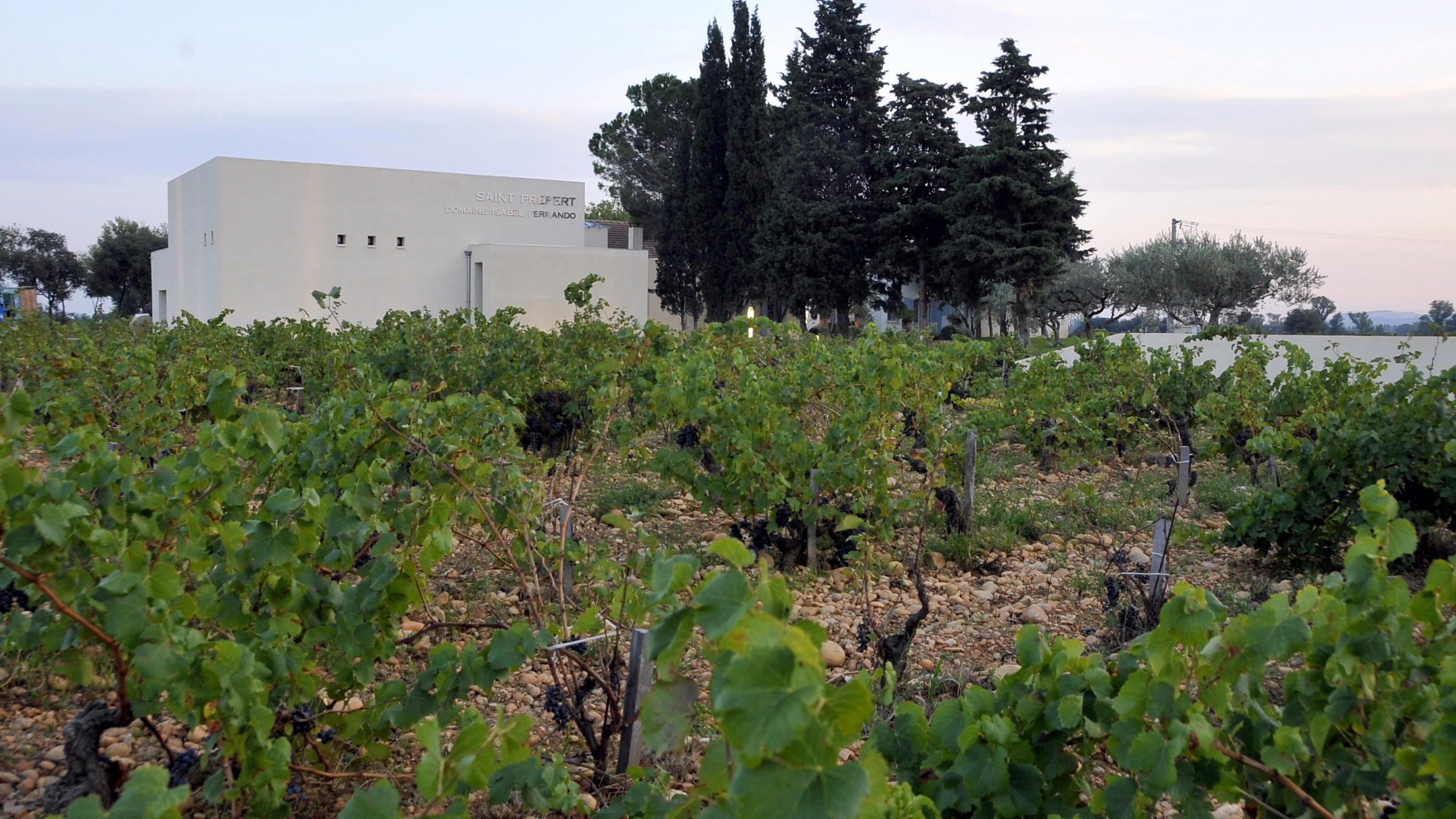
The organic wine list is a natural extension of the kitchen's sourcing logic. One striking detail is the inclusion of labels from a winery located approximately 100 metres from the restaurant, which compresses the supply chain to its absolute minimum. The list extends outward from there, but the anchor is local: wines from producers who are, in some cases, visible from the dining room.
Organic certification on a wine list is increasingly common at this level of French dining, but a list where the closest producer is 100 metres away is a different proposition from one that simply excludes conventionally farmed wine. The geographic specificity reinforces what the kitchen argues on the plate: that provenance is most legible when it is local.
The Camargue Context
Le Sambuc sits deep in the Camargue, the wetland delta formed by the Rhône before it meets the Mediterranean. This is a range of rice fields, flamingos, grazing horses, and salt flats, not the Provence of lavender and rosé tourism but a flatter, more austere geography that shapes what grows and what tastes of place here. The regional cooking tradition draws on this specificity: wild game, bull meat, freshwater and coastal fish, and the particular bitterness of marsh greens that do not appear in the more domesticated vegetable categories of northern Provence.
The restaurant operates within this context and extends it. The farmhouse setting is consistent with the Camargue's agricultural character; the cooking uses the region's ingredient range rather than importing a different culinary identity onto the land. A short drive away, Le Mas de Peint represents a different but complementary approach to Camargue country cooking, worth considering as part of a longer stay in the area.
For those building a broader tour of serious French regional cooking, the restaurant sits in a different register from the cellar-and-stone formality of Auberge de l'Ill in Illhaeusern or the institutional weight of Paul Bocuse in Collonges-au-Mont-d'Or. It is a younger, more agrarian proposition, where the argument is made through the garden before a word is spoken in the dining room. Those drawn to how French creativity operates within tight geographic constraints might also consider AM par Alexandre Mazzia in Marseille, whose Mediterranean intensity offers a related but different expression of southern France. Fans of chef-driven creative ambition with a strong sense of place could also look at Troisgros in Ouches or Le Pré Catelan in Paris for how the French fine-dining tradition handles terroir at different latitudes. And Au Crocodile in Strasbourg offers a useful contrast in how Alsatian formality approaches the same question of regional identity through an entirely different set of ingredients and methods.
Planning a Visit
The restaurant is located on the Route du Sambuc in Le Sambuc, 13200, in the southern Camargue. The address places it well outside Arles and requires a car; public transport does not serve this part of the delta in any practical way. Booking in advance is advisable given the fixed-format menus and the limitations of a farmhouse setting, which constrains capacity in a way that a purpose-built restaurant does not. The restaurant's fixed two-menu structure, with one vegetarian option, means arriving with a clear preference saves any ambiguity at the table.
What People Recommend at La Chassagnette
Based on the OAD documentation and available guest record, frequently cited dish is the allium chawanmushi: a Japanese-style savoury egg custard with wild moss, green caviar, roasted peas, and a lightly smoked finish. It is the dish that most clearly represents how Arnal positions the cooking, at the intersection of Camargue-grown alliums and Japanese technical precision. Beyond any single plate, what guests consistently note is the pre or post-meal walk through the gardens and greenhouse, which gives the meal a physical context that few restaurants of any kind provide. The vegetarian menu is specifically noted in OAD's awards record as a fully developed programme rather than an accommodation, which makes it a credible choice in its own right rather than a default for non-meat eaters. The organic wine list, and in particular the wines from the producer 100 metres away, is cited as an extension of the estate's sourcing logic rather than a separate programme.
- beet carpaccio with shiso and raspberries
- potato lasagna with squash
- pigeon with butternut squash
- mackerel ceviche
- aubergine preparations
- tomato sorbet
At-a-Glance Comparison
Comparable venues nearby, for context on price, style, and recognition.
| Venue | Cuisine | Price | Awards | Notes |
|---|---|---|---|---|
| La ChassagnetteThis venue — the venue you are viewing | Organic Farm-to-Table French Fine Dining | $$$$ | Michelin 1 Star | Not listed |
| Le Mas de Peint | Camargue Locavore Fine Dining | $$$$ | Michelin Plate | Le Sambuc |
| Jérôme Nutile | Modern French Haute Couture Gastronomy | $$$$ | Michelin 1 Star | Parc Georges Besse |
| Rouge | Modern French Fine Dining | $$$$ | Michelin 1 Star | near Maison Carrée |
| Le Art | Modern Provençal-Japanese Fine Dining | $$$$ | Michelin 1 Star | Les Hauts D'Aix |
| Les Cèdres | Classic French Gastronomique | $$$$ | Michelin 1 Star | Granges-les-Beaumont |
Recognition history
Dated appearances from independent guides and award organizations, with the underlying list record or original source where available.
Michelin 1 Star
Michelin
Opinionated About Dining Classical in Europe Ranked #400
Opinionated About Dining
World Culinary Awards Europe's Best Farm-to-Table Restaurant 2025 #1
World Culinary Awards
Michelin 1 Star
Michelin
Opinionated About Dining Classical in Europe Recommended
Opinionated About Dining
Continue exploring
More in Le Sambuc
Restaurants in Le Sambuc
Browse all →
Bars in Le Sambuc
Browse all →
Hotels in Le Sambuc
Browse all →

At a Glance
- Scenic
- Romantic
- Elegant
- Rustic
- Date Night
- Special Occasion
- Celebration
- Garden
- Private Dining
- Terrace
- Design Destination
- Standalone
- Sommelier Led
- Farm To Table
- Organic
- Local Sourcing
- Garden
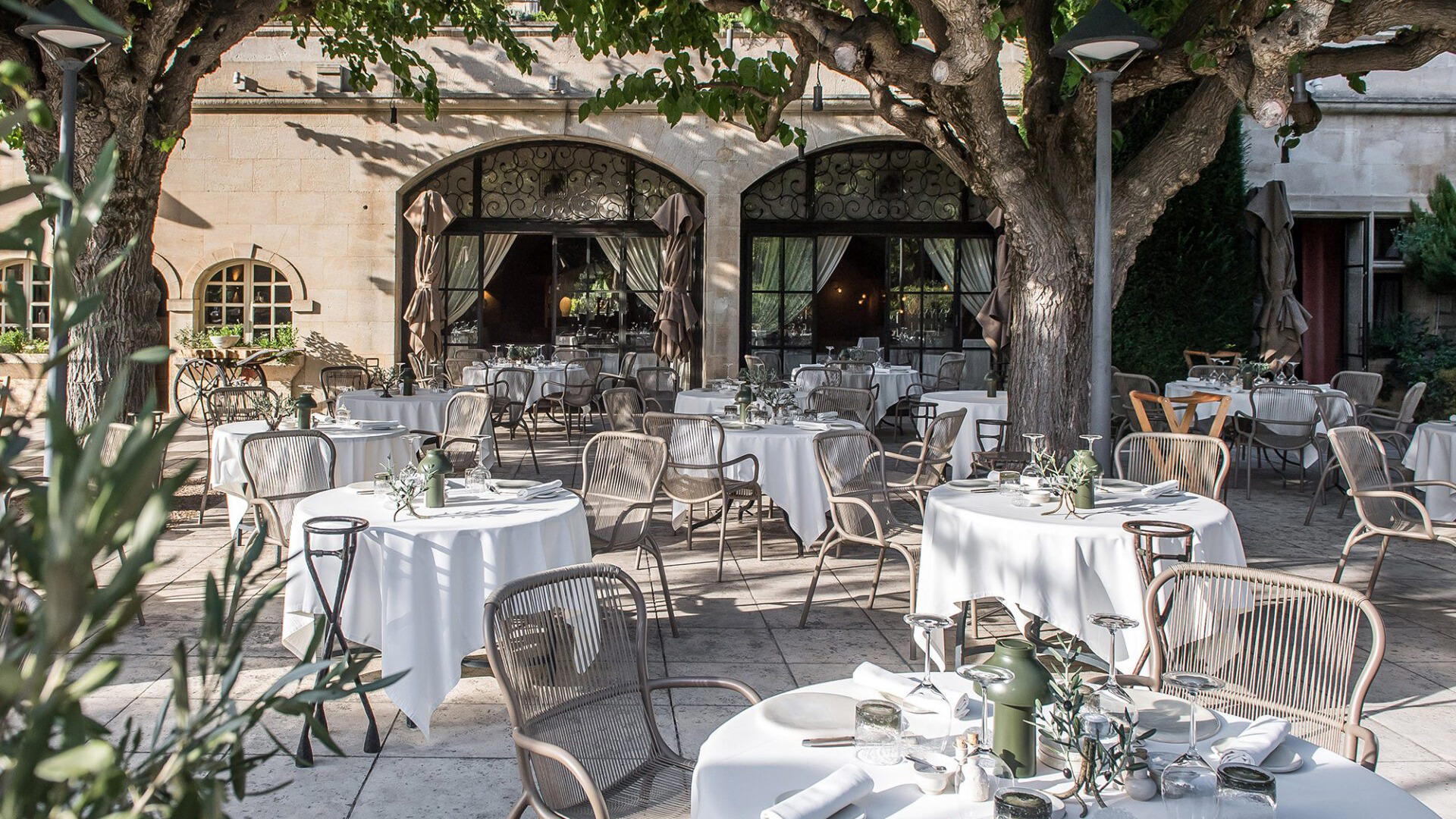
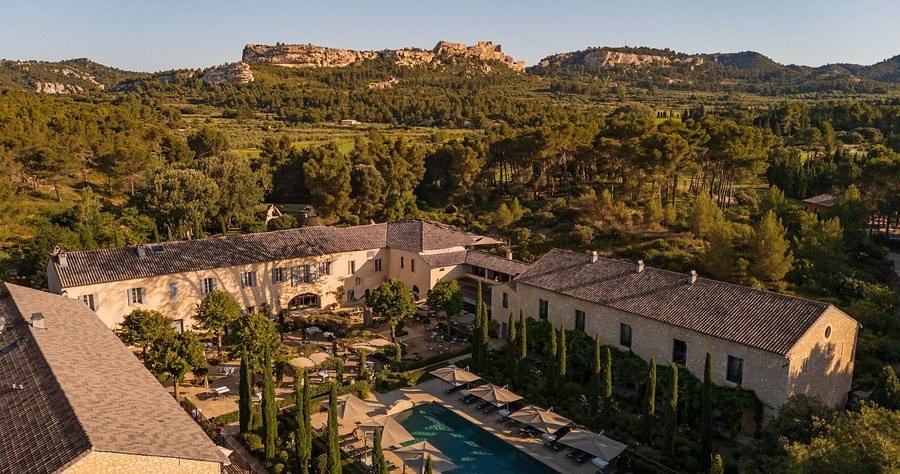
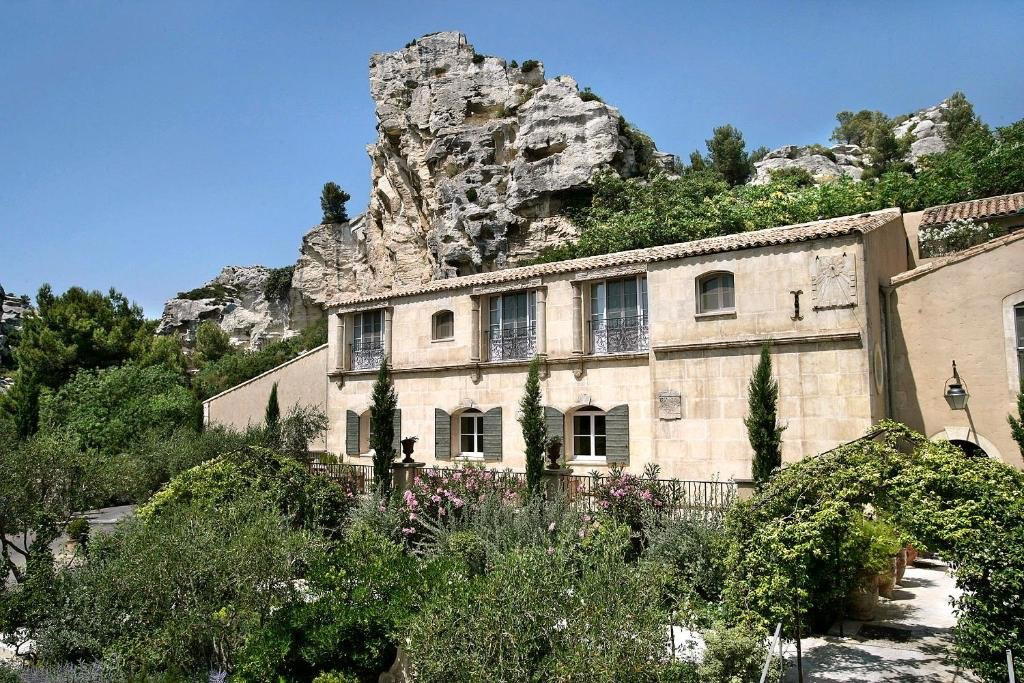
Bright, modern and modest interior with an enchanting outdoor dining area shaded by flowering creepers and protected by a mosquito-net cube in the evening; intimate and peaceful garden setting.