Place du Forum has anchored Arles social life since Roman times, and Le Nord-Pinus sits at the square's edge as one of its most historically loaded addresses. The hotel and its dining spaces operate where 19th-century grand hotel tradition meets the Camargue's spare, ingredient-driven pantry. For visitors calibrating between the city's Roman monuments and its growing reputation as a contemporary art centre, Le Nord-Pinus offers a coherent base with a genuinely Southern French character.
Pearl is the En Primeur Club membership app — saves, bookings, and concierge access live there. Same editors, same standards.
- Address
- 14 Pl. du Forum, 13200 Arles, France
- Phone
- +33465884040
- Website
- nord-pinus.com
- Directions
- Get directions
 Saves & bookings on Pearl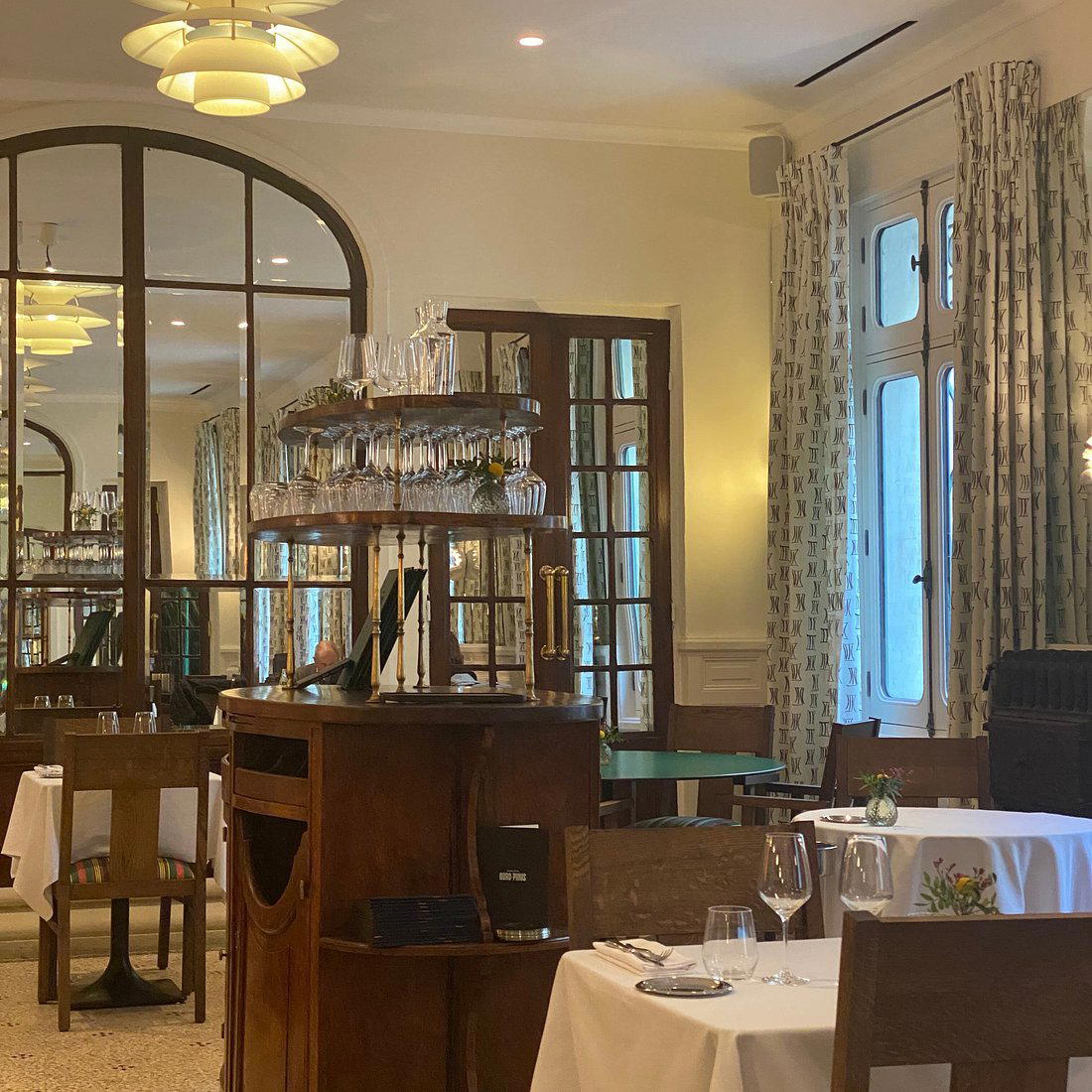
Place du Forum and the Hotel That Shaped It
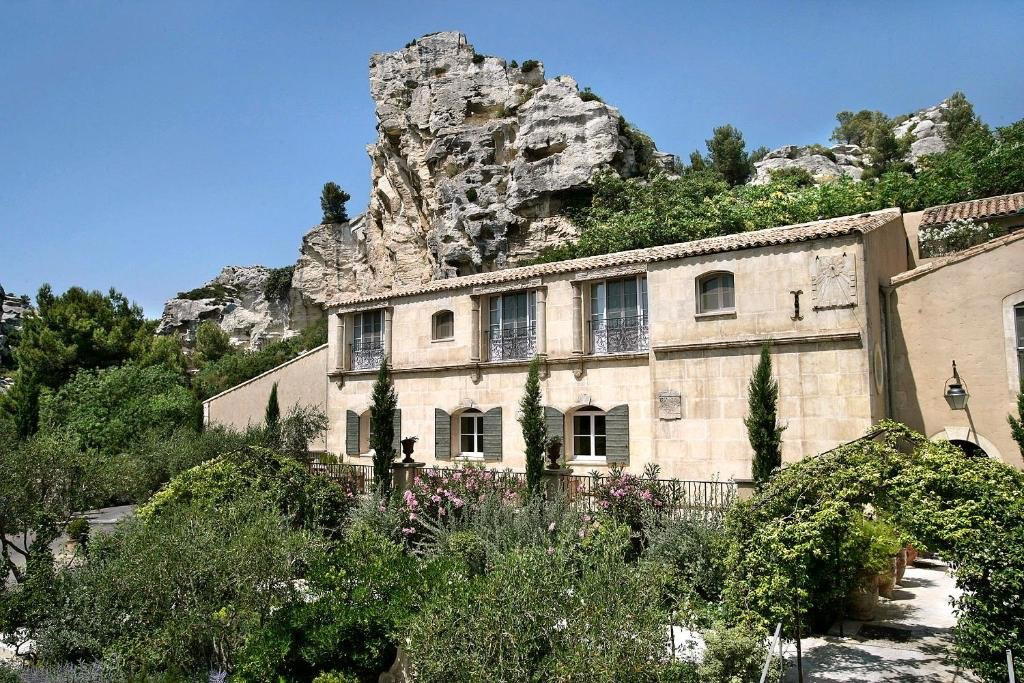
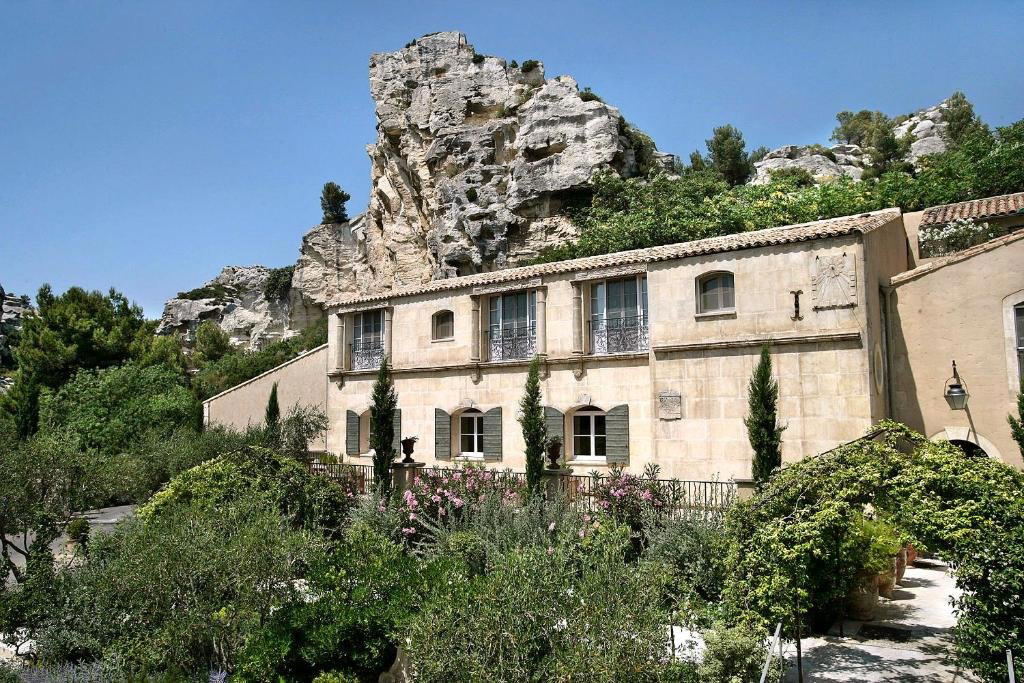
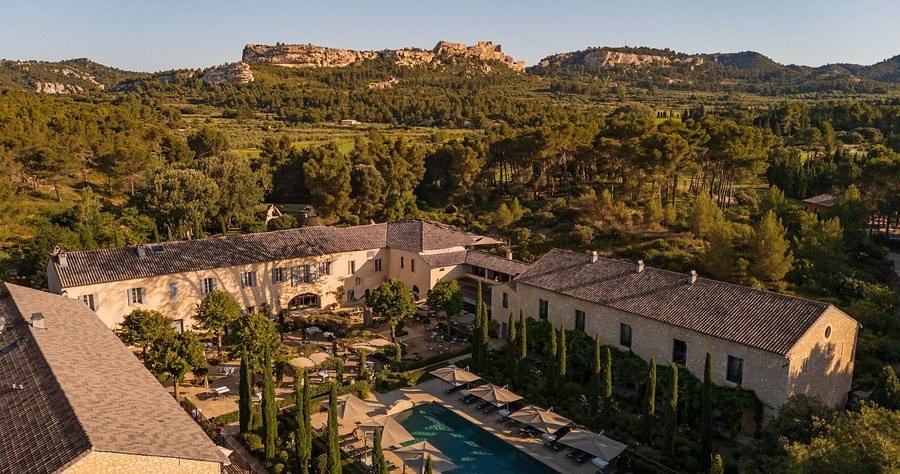
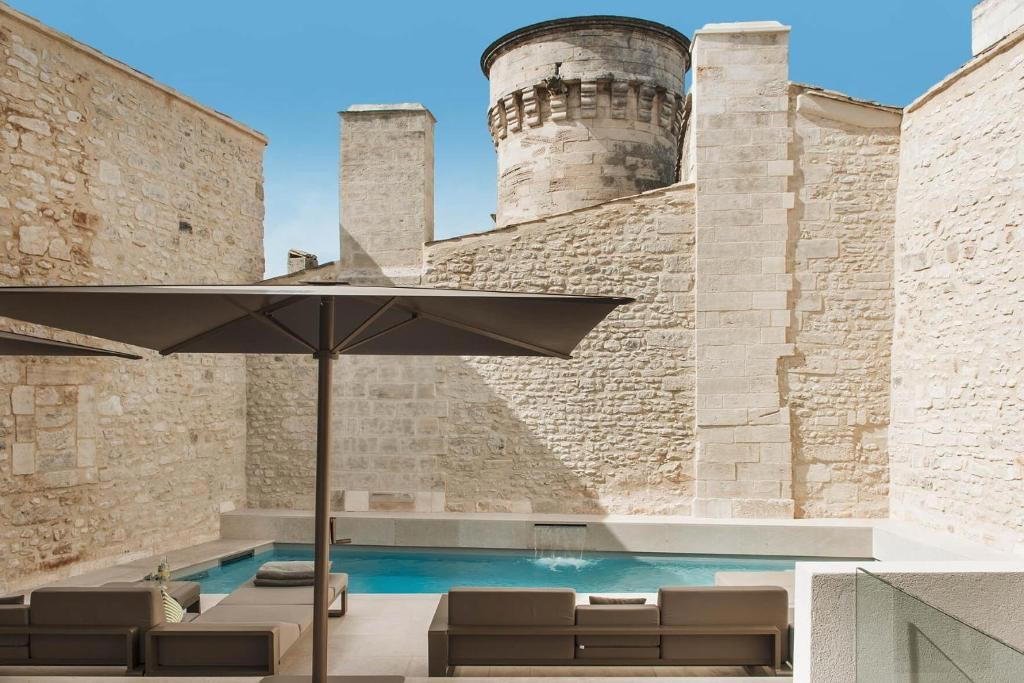
There are squares in southern France where the architecture, the light, and the particular weight of accumulated history make sitting still feel like a productive act. Place du Forum in Arles is one of them. The Roman forum once occupied this ground; now cafe terraces and ochre facades do the work of signalling that this is a place to linger. Le Nord-Pinus, at 14 Pl. du Forum, 13200 Arles, France, is an Italian-influenced Provençal bistro with a price tier around $50 per person, and it has been part of that signal for well over a century, occupying the corner address that everyone who has spent serious time in Arles eventually orients themselves around. Matadors, photographers, painters, and writers used this hotel as their Arles base long before the city developed its current reputation as one of provincial France's more considered cultural destinations. That accumulated residency is not a marketing detail, it is the condition under which the building operates, and it shapes everything from the scale of the rooms to the expectations guests bring through the door.
Arles as a Dining City: Where Le Nord-Pinus Fits
Arles punches above its population size in culinary terms, partly because of the Camargue immediately to its west and the Alpilles to the northeast, both of which generate ingredients with strong regional identity: Camargue rice, fleur de sel from the Salin-de-Giraud, bulls raised on the marshes, and the wild herbs that push through limestone scrubland throughout spring and summer. The city's restaurants have organised themselves around this pantry with varying degrees of ambition. At the leading sits Les Maisons Rabanel, a creative, four-euro-sign address that applies the technically exacting treatment to local produce. Below that, addresses like Chardon (Modern Cuisine) and Inari operate in a mid-to-upper tier where regional ingredients meet contemporary European and fusion technique. Farm-to-table formats, represented well by Drum Café and Chez Bob, anchor the more casual end. Le Nord-Pinus, as a grand hotel property on the main square, occupies a position defined as much by setting and history as by price point, the kind of address where the room you eat in is itself part of the reason you are eating there. For the broader picture of where each of these addresses sits relative to one another, the full Arles restaurants guide maps the scene clearly.
Local Ingredients, European Technique: The Southern French Hotel Kitchen
The editorial angle worth dwelling on in any serious hotel dining room in Provence is the relationship between imported culinary method and indigenous product. This is not distinctive to Arles, it describes the condition of ambitious cooking across southern France, but it is particularly visible here because the Camargue's larder is so specific and so unlike the produce available further north. French haute cuisine as codified in the 20th century was largely a northern and Lyonnais project. The great foundational houses, Paul Bocuse's Auberge du Pont de Collonges, Troisgros in Ouches, and Auberge de l'Ill in Illhaeusern, built their reputations on produce and traditions that have little to do with the Mediterranean south. The southern adaptation of classical technique, applied to Camargue bull, local crayfish, and the olive oils of the Alpilles, produces a different register: less cream, more dried herbs and anchovy, a structural reliance on acid rather than fat. When a hotel kitchen in Arles is working at full stretch, this is what it looks like. The address and its history place it squarely in the conversation. That conversation extends nationally to ambitious southern addresses like AM par Alexandre Mazzia in Marseille and internationally to the broader movement of terroir-anchored technique visible at Mirazur in Menton.
The Hotel as Cultural Object
Le Nord-Pinus's longevity on Place du Forum places it in a comparable set that has little to do with contemporary boutique hotel design and everything to do with the European grand hotel tradition, buildings that accumulated meaning through the people who passed through them rather than through any single architectural gesture. In southern France, this category of property functions as a kind of civic institution as much as a commercial one. The bullfighting connection is well documented: Arles maintains among the more active bullfighting cultures in France, and the hotel's association with that world shaped its social character through much of the 20th century. That legacy gives the restaurant a cultural texture that newer design-led properties in the city, however carefully conceived, cannot replicate by construction. Visitors arriving for the Rencontres d'Arles photography festival in July find a city that has layered contemporary art programming over a Roman and medieval substrate; the restaurant sits at the junction of all those layers.
How Le Nord-Pinus Compares to Its Arles Peers
Within Arles's accommodation and dining options, the relevant comparisons are with Gaudina, Allora, and L'Arlatan, each of which approaches the city's Mediterranean and Provençal identity from a different angle. L'Arlatan has positioned itself explicitly in the contemporary design-hotel space, with interiors that read as a deliberate dialogue with the city's art scene. The restaurant's positioning is less programmatic and more historical, the property's character comes from what has already happened there rather than from a brief given to a designer. For visitors whose primary interest is the Roman monuments, the Fondation Vincent van Gogh, or the Rencontres d'Arles, the central location on Place du Forum makes logistics direct: the amphitheatre is within walking distance, the major gallery spaces are reachable on foot, and the square's cafe culture means that the space between appointments is easily managed.
Planning Your Visit
Arles rewards visits outside the August peak, when the Rencontres photography festival draws significant numbers and accommodation prices across the city move accordingly. The spring months, particularly April through early June, offer the Alpilles and Camargue in their most active state: migratory birds in the marshes, wildflowers on the limestone hills, and the local markets at their most varied. September and October extend the season with harvest-adjacent produce and lighter visitor numbers. The restaurant is at 14 Place du Forum, which is central enough that arriving by train, Arles has direct TGV connections from Paris and regional links from Marseille and Avignon, is a practical option that avoids the narrow streets around the old city.
Similar Picks
Comparable venues nearby, for context on price, style, and recognition.
| Venue | Cuisine | Price | Notes |
|---|---|---|---|
| Le Nord-PinusThis venue — the venue you are viewing | Italian-influenced Provençal Bistro | $$$ | Not listed |
| Gaudina | Provençal Bistro | $$$ | Arles City Center |
| Chardon | Modern French Chef-in-Residence Bistro | $$$ | Centre Historique |
| L'Essentiel Arles | Modern French Bistronomique | $$$ | centre ancien |
| Mesa | Seasonal French Bistro | $$$ | historic centre |
| La Gueule du Loup | Modern Provençal Bistro | $$$ | Historic Center |
Continue exploring
More in Arles
Restaurants in Arles
Browse all →
Bars in Arles
Browse all →
Hotels in Arles
Browse all →
At a Glance
- Elegant
- Classic
- Rustic
- Sophisticated
- Date Night
- Special Occasion
- Terrace
- Historic Building
- Hotel Restaurant
- Extensive Wine List
- Local Sourcing
- Street Scene
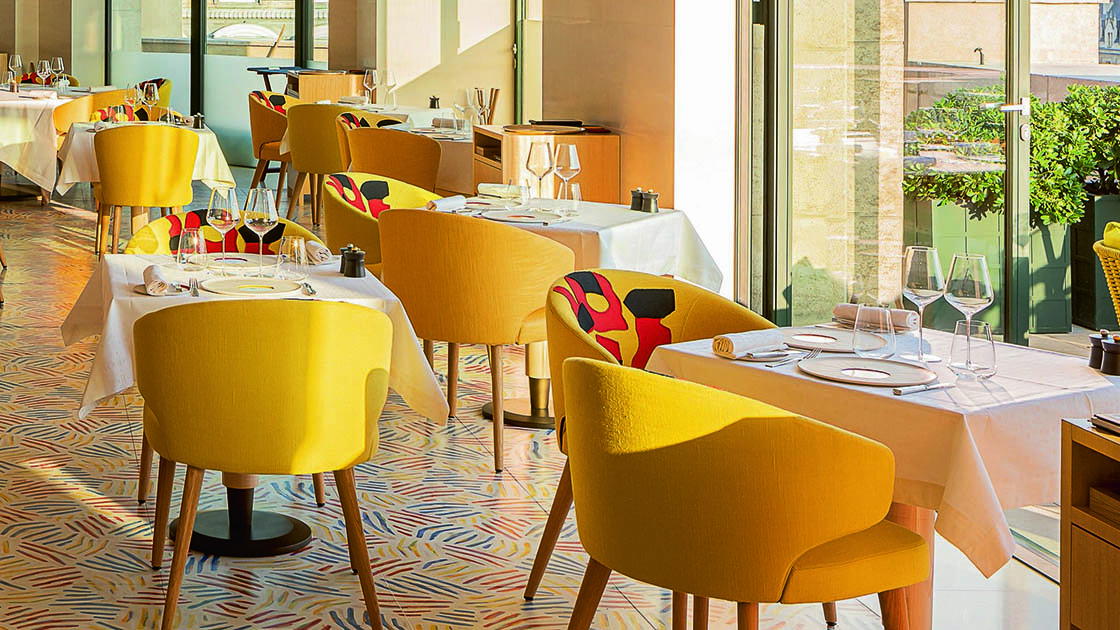
Understated elegance with huge mirrors, Murano glass sconces, crisp white tablecloths, ceramic tiles inspired by Van Gogh’s Starry Night, and cast-iron radiators.