Allora occupies a quiet address on Rue Dulau in Arles, sitting within a city where Provençal produce traditions run deep and the restaurant scene has grown increasingly serious. The Italian inflection of the name signals a Mediterranean dialogue that feels natural in a city equidistant from the Camargue wetlands and the Alpilles limestone range. For visitors building an Arles itinerary around food, it belongs on the shortlist alongside the neighbourhood's more established tables.
Pearl is the En Primeur Club membership app — saves, bookings, and concierge access live there. Same editors, same standards.
- Address
- 3 Rue Dulau, 13200 Arles, France
- Phone
- +33988396897
- Website
- module.thefork.com
- Directions
- Get directions
 Saves & bookings on Pearl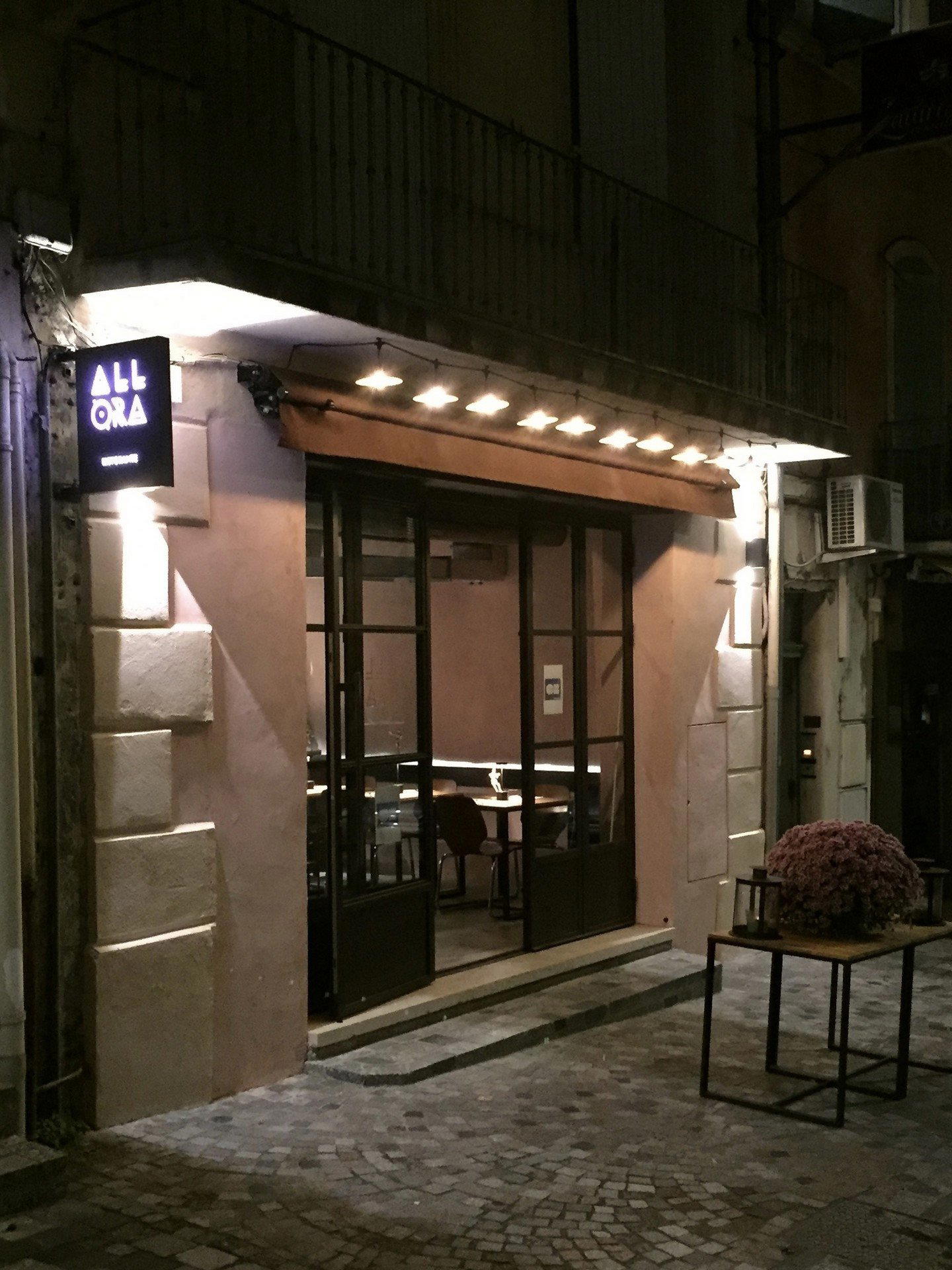
Arles and the Produce Question
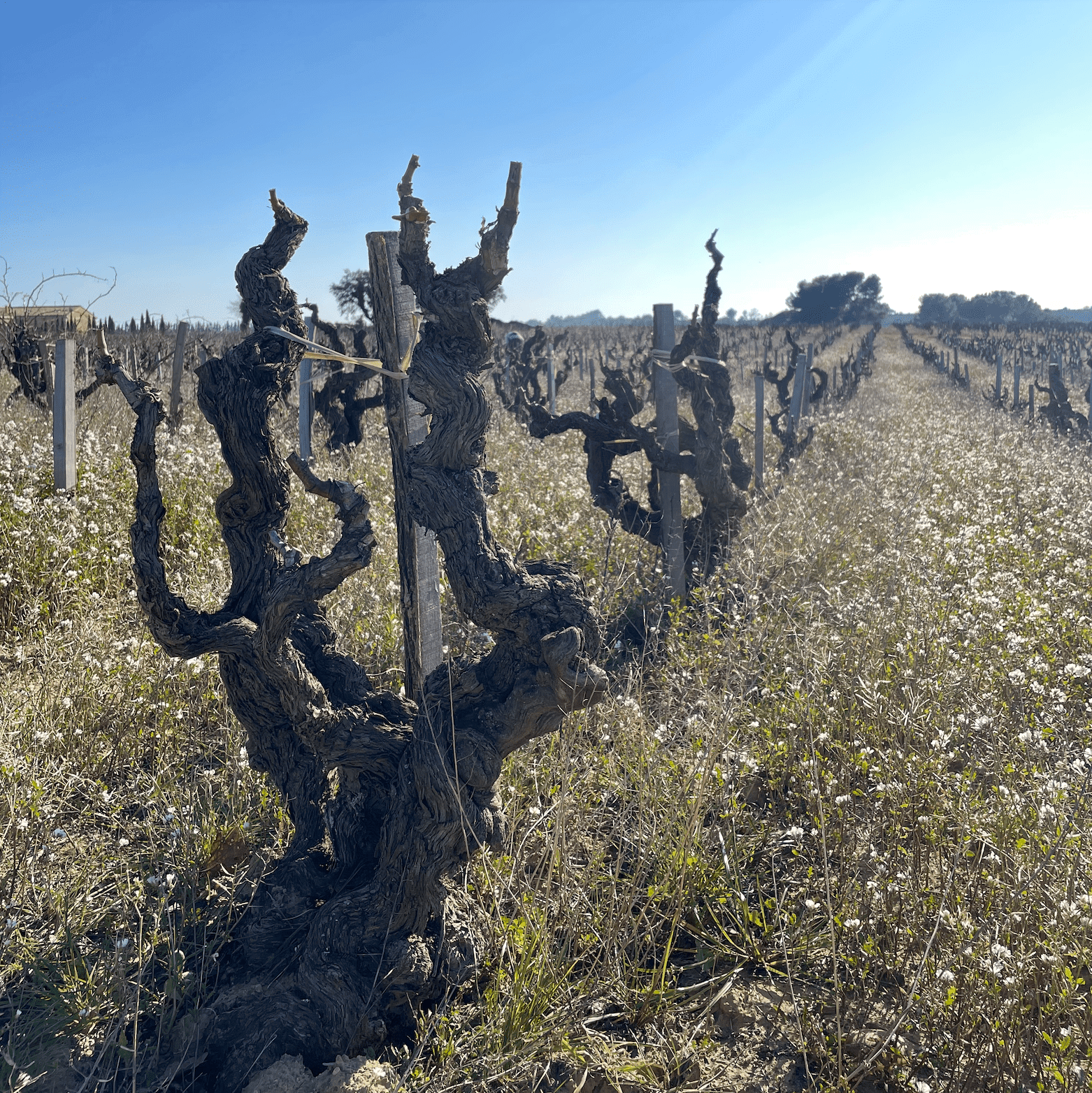
Arles sits at an unusual agricultural crossroads. To the west, the Camargue produces its own designated rice and raises the black bulls that appear on local menus as gardiane. To the north, the Alpilles push up wild herbs, olives, and the kind of small-farm vegetables that Provençal cuisine has traded on for centuries. To the east, the Rhône corridor connects the city to markets in Lyon and Avignon. Few mid-sized French cities have this density of distinct terroirs within an hour's drive, and the better restaurants in Arles have started to make that geography the point rather than the backdrop.
This is the context in which Allora, an authentic Italian trattoria at 3 Rue Dulau in Arles, makes sense. The name carries an Italian cadence, allora, meaning "so" or "well then" in Italian, a conversational pivot, and that register fits a city that has always looked across the Mediterranean as readily as it looks north toward Paris. Arles was a Roman port. The arena still holds corridas. The cultural orientation here is southern and outward-facing, and a restaurant that draws on Italian framing while cooking from French southern produce is playing a coherent regional game.
Where Sourcing Becomes the Argument
The Provence-Alpes-Côte d'Azur region has developed one of France's more active farm-to-table circuits over the past decade, partly driven by the AOC and AOP classifications that protect Camargue rice, Les Baux olive oil, and Provence rosé, and partly by chefs who have found that ingredient provenance is a more durable competitive position than technique alone. The argument goes: when your fish comes from the étangs south of Saintes-Maries-de-la-Mer and your lamb grazed on Crau plateau grass, the sourcing itself is a credential.
Allora's address places it within walking distance of the Boulevard des Lices market, where producers from the Bouches-du-Rhône and Gard departments converge. That proximity is logistically meaningful. Restaurants that can source the same morning they cook carry a structural advantage over those relying on wholesale channels, and in a city the size of Arles, where the dining room scale tends toward the intimate rather than the banquet, a kitchen can adapt a menu to what arrived that day in ways that a larger operation cannot.
This ingredient-led approach is visible across Arles's more considered tables. Drum Café, which operates explicitly on a farm-to-table framework, and Greenstronomie by Jean-Luc Rabanel, whose vegetable-centric tasting format has drawn international attention, both anchor their identity in what the land around Arles produces. Allora operates in that same current, even if its Italian framing gives it a distinct surface register.
The Competitive Tier Allora Sits In
Arles's restaurant scene in the mid-2020s has sorted itself into roughly three tiers. At the leading end, Les Maisons Rabanel holds a creative, high-price position with a tasting format that prices it against destination restaurants across the south. Below that, a set of mid-range tables, including Chardon, Gaudina, and Chez Bob, offer focused cooking at accessible price points. Then there are newer or less-documented arrivals that are building their reputations without the scaffolding of awards or press profiles.
Allora sits in that third tier. In Arles, that is not a negative position. The city attracts a culturally literate visitor base, photographers, architects, and art-world travellers drawn by the Luma Foundation's Gehry tower on the old SNCF site, and that audience tends to seek out the less-publicised table as a matter of habit.
For a frame of reference on what the upper register of French destination dining looks like, the contrast is instructive: Mirazur in Menton built its global profile on the garden-to-plate sourcing argument before any award arrived. Bras in Laguiole turned the Aubrac plateau's specific ecology into a multi-decade culinary project. Flocons de Sel in Megève and La Table du Castellet both demonstrate that southern French restaurants with a strong terroir argument can compete beyond their immediate geography. The sourcing-first approach is not a niche within French gastronomy, it is one of its load-bearing traditions, from Auberge de l'Ill in Alsace to Georges Blanc in Vonnas.
Planning a Visit
Allora is at 3 Rue Dulau in central Arles, within the old town's walkable core. The Arles tourist infrastructure is concentrated around the arena and the Luma campus, and Rue Dulau sits within that zone. Arles's peak cultural season runs from late spring through the summer corrida and photography festival periods; visiting in April, May, or early October gives access to the leading market produce without the July-August crowd density.
How It Stacks Up
Comparable venues nearby, for context on price, style, and recognition.
| Venue | Cuisine | Price | Awards | Notes |
|---|---|---|---|---|
| AlloraThis venue — the venue you are viewing | Authentic Italian Trattoria | $$$ | Not listed | Not listed |
| L'Essentiel Arles | Modern French Bistronomique | $$$ | Not listed | centre ancien |
| L'Oriel | Modern French Fine Dining | $$$$ | Not listed | Place du Forum |
| Le Nord-Pinus | Italian-influenced Provençal Bistro | $$$ | Not listed | Place du Forum |
| Chez Bob | Traditional Provençal French | $$$ | Not listed | Camargue |
| Chardon | Modern French Chef-in-Residence Bistro | $$$ | Michelin Plate | Centre Historique |
Continue exploring
More in Arles
Restaurants in Arles
Browse all →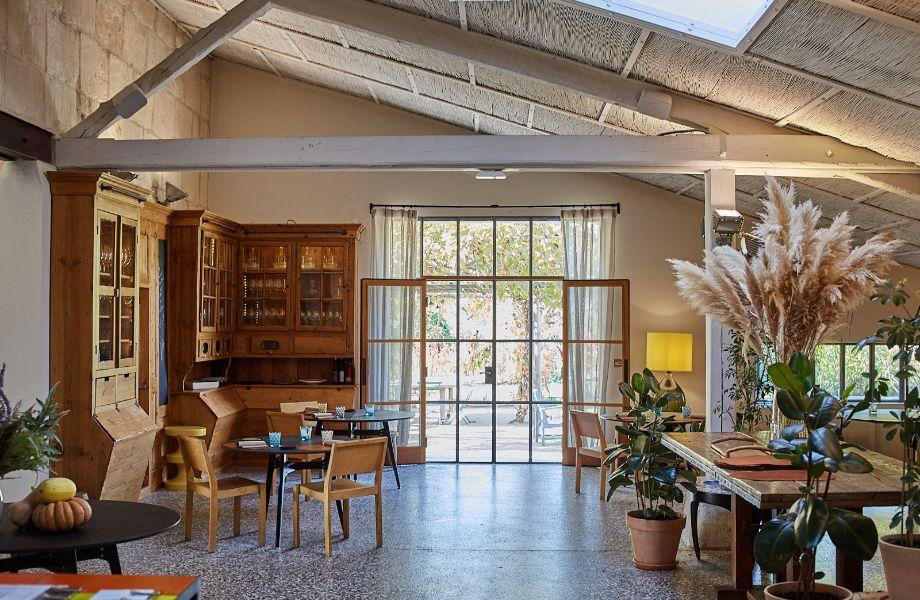
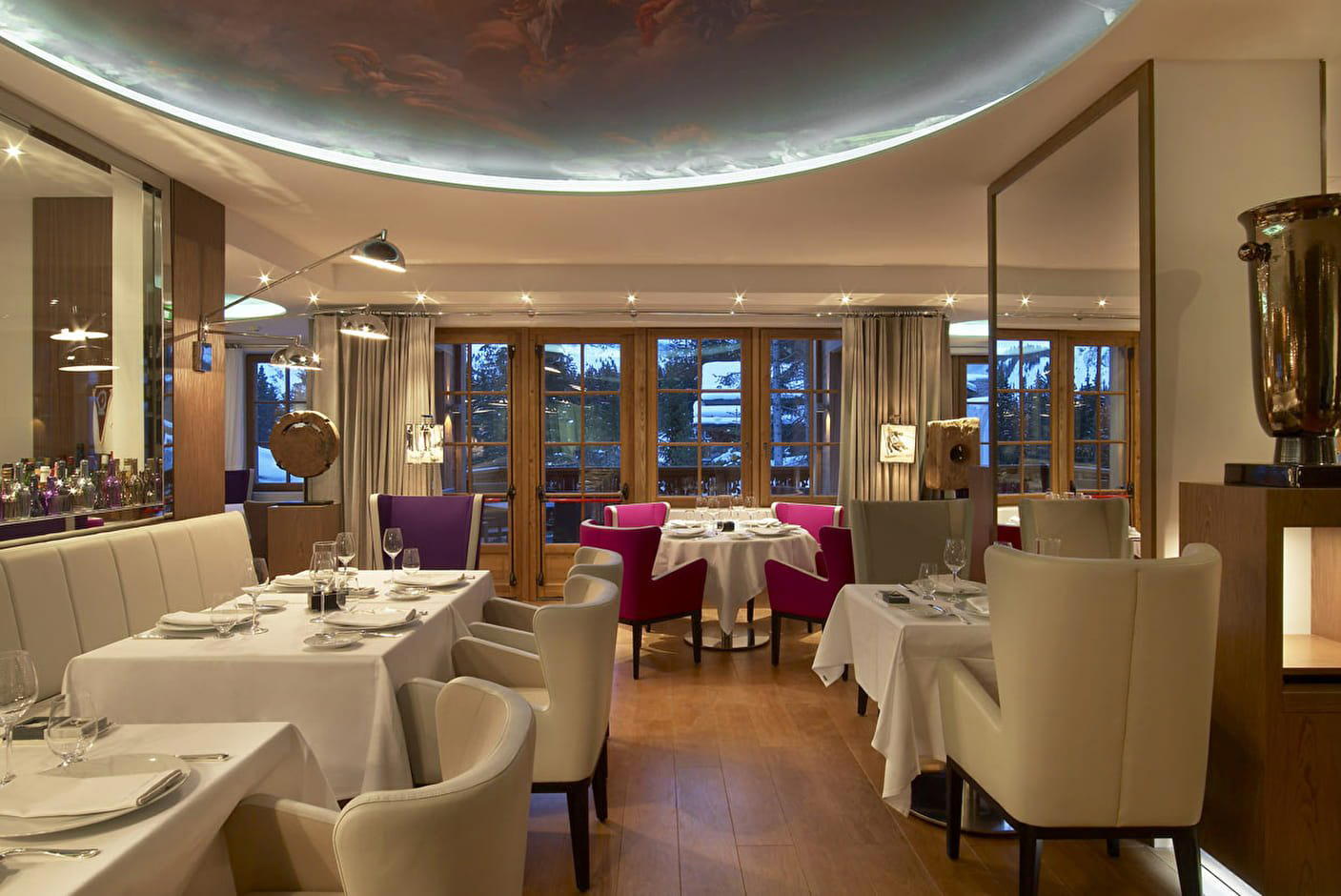
Bars in Arles
Browse all →
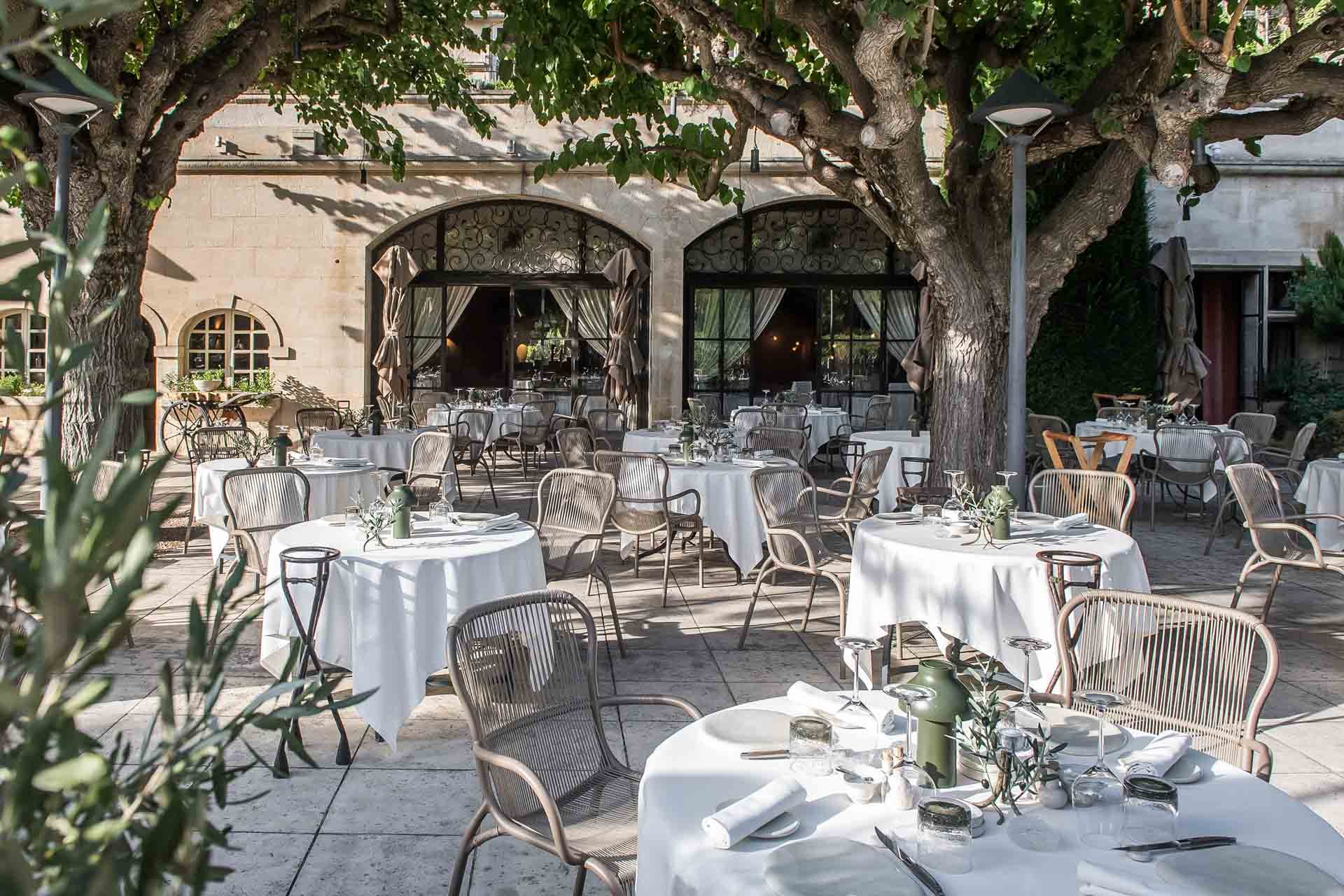
Hotels in Arles
Browse all →
At a Glance
- Cozy
- Intimate
- Rustic
- Sophisticated
- Date Night
- Special Occasion
- Standalone
- Extensive Wine List
- Local Sourcing
Current opening hours
- Monday
- 12–2 PM, 7–10 PM
- Tuesday
- 12–2 PM, 7:30–10 PM
- Wednesday
- 12–2 PM, 7:30–10 PM
- Thursday
- 12–2 PM, 7:30–10 PM
- Friday
- 12–2 PM, 7:30–10 PM
- Saturday
- 12–2 PM, 7:30–10 PM
- Sunday
- 12–2 PM, 7:30–10 PM
Hours can change for holidays and private events. Last verified .
Tiny, cozy restaurant in a narrow street of the old town with calm, sophisticated atmosphere.