The terraced paddies of Longji sit at the intersection of agriculture and landscape in ways few farming destinations in China manage. Rice cultivation here traces back seven centuries among the Zhuang and Yao minority communities, and the food that comes from this land carries that history in every grain. For travellers drawn to provenance-first eating, Longji offers a direct line from field to table that most restaurant kitchens can only approximate.
Pearl is the En Primeur Club membership app — saves, bookings, and concierge access live there. Same editors, same standards.
- Address
- Guilin, China
- Directions
- Get directions
 Saves & bookings on Pearl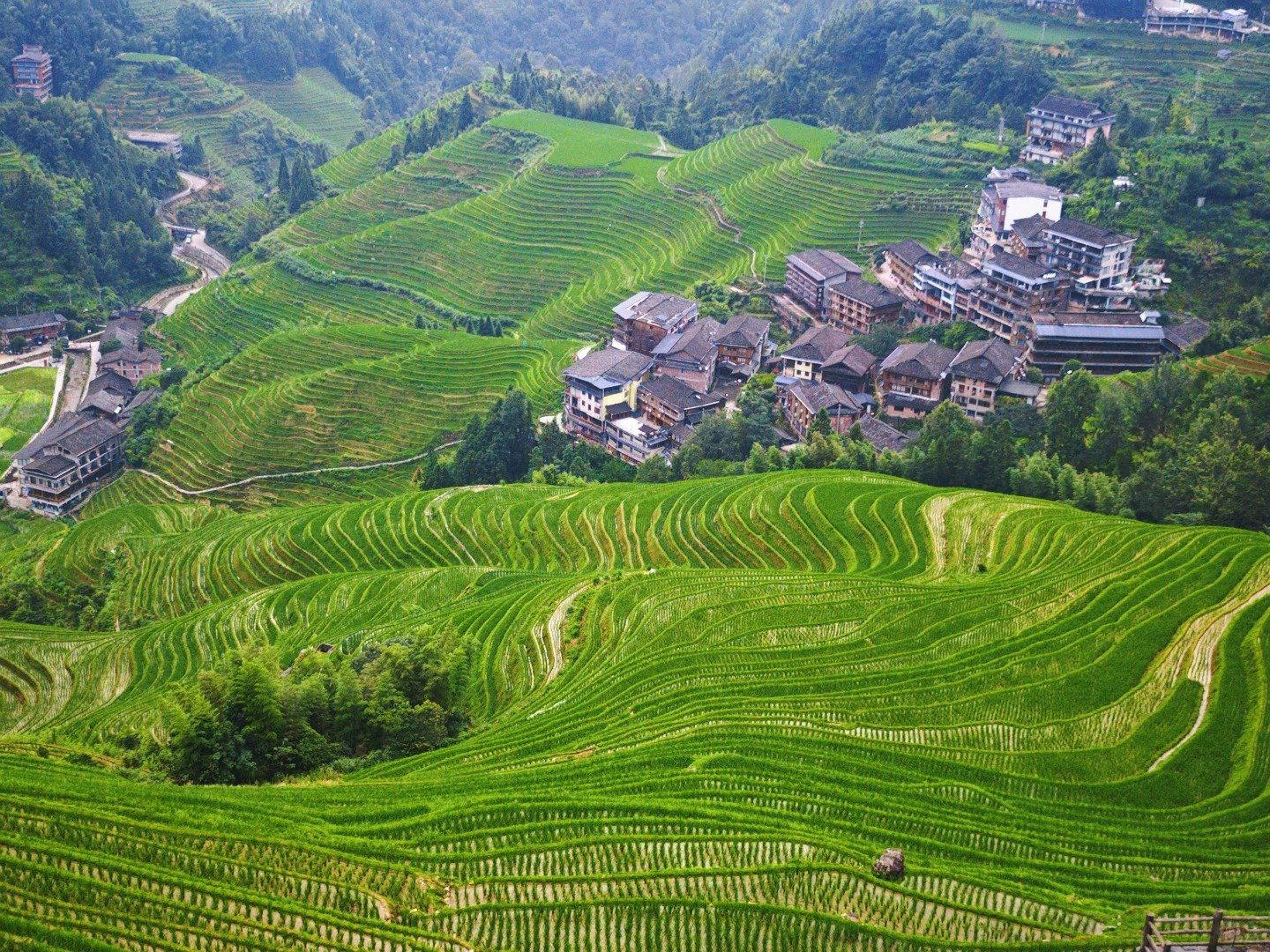
Where the Rice Comes From Matters
In southern China's broader rice culture, not all paddies are equal. The terraced fields of Longji, carved into the mountains northeast of Guilin at elevations between 300 and 1,100 metres, produce glutinous rice varieties shaped by centuries of Zhuang and Yao agricultural tradition. The altitude, the mineral-rich mountain water channelled through ancient irrigation systems, and the cool night temperatures create growing conditions that differ fundamentally from the flatland paddies that supply most of the region's commercial rice. What arrives on a plate at Longji Rice Farm is not an abstraction of provenance, it is rice grown within sight of where you are sitting.
That directness is the defining feature of eating in this part of Guangxi. Across China, premium dining at venues like Xin Rong Ji (Xinyuan South Road) in Beijing or 102 House in Shanghai has increasingly leaned on sourcing narratives, flying in heritage ingredients from minority-farming communities as a premium signal. At Longji, there is no supply chain to trace. The sourcing story is visible from the dining area itself.
The Agricultural Context Behind the Food
The Longji terraces, the name translates as Dragon's Backbone, were first constructed during the Yuan Dynasty, roughly 700 years ago. That timeline matters for understanding what is on the table. The agricultural knowledge embedded in these communities has had seven centuries to adapt specific crops and techniques to this microclimate. The glutinous rice varieties cultivated here, along with the bamboo shoots, mountain vegetables, and preserved condiments that accompany them, are products of that long local experiment.
Minority food traditions in this part of Guangxi sit outside the Cantonese and Sichuanese frameworks that dominate most international discussions of Chinese cuisine. The cooking is less overt in its spicing than Sichuan-influenced kitchens, places like Xin Rong Ji in Chengdu or Jiangnan Wok·Rong in Fuzhou, and less refined in its presentation than Cantonese institutions such as Imperial Treasure Fine Chinese Cuisine in Guangzhou. What it offers instead is something more functional: food designed around the caloric and preservation demands of mountain farming life, which gives it a density and specificity that urban restaurant cooking rarely replicates.
What to Eat Here
The foundation of eating at Longji is glutinous rice, prepared in multiple forms. Bamboo rice, packed into sections of green bamboo and cooked over open flame, is the preparation most closely associated with the area and the one that leading illustrates how local ingredients and local technique converge. The bamboo imparts its own character to the grain during cooking, and the result is structurally different from any steamed or boiled preparation. Beyond the rice itself, preserved meats, foraged mountain greens, and fermented condiments form the supporting architecture of a meal here. These are not garnishes. They are the products of a preservation culture that predates refrigeration and still reflects its logic.
Travellers arriving from Guilin's urban dining scene, which includes options from Chicken Farm to Li Hong Guilin Rice Noodle, will find the register here noticeably different. This is not restaurant food in the conventional sense. It is agricultural food in an agricultural setting, and the distinction is worth holding onto before arrival.
The Setting as Context, Not Backdrop
Premium experiences across China have divided in recent years between urban destination dining, the kind of technically ambitious work represented by Chef Tam's Seasons in Macau or Ru Yuan in Hangzhou, and site-specific food encounters where geography does the heavy lifting. Longji belongs firmly to the second category, where the landscape is not decorative but explanatory. The terraces that surround any eating area here are the reason the food exists in this form. Understanding that relationship changes how a meal reads.
The visual scale of the terraces is significant. At peak growing season, the stacked paddies extending across the hillsides represent among the more concentrated examples of traditional agricultural engineering in southern China. Visiting during late spring planting or the autumn harvest period, when water levels and crop stages make the terracing most visually dramatic, aligns the food experience with its agricultural reality in a way that off-season visits cannot match. This is a seasonal destination in a literal sense.
Planning a Visit
Longji sits approximately two hours from Guilin city by road. The route involves mountain driving, and the villages within the terrace area, principally Ping'an and Dazhai, are accessed by pathways rather than vehicle roads once you arrive at the base. Factor this into timing: reaching a specific eating spot early in the day is preferable to arriving in late afternoon when light is fading and kitchen hours may be contracting.
Accommodation options within the terrace villages allow for overnight stays, which meaningfully changes the food experience. Evening and morning meals eaten in situ, when day-tripper traffic has cleared, operate at a different tempo than the midday rush that peaks when buses arrive from Guilin. For travellers prioritising the food encounter over scenic photography, an overnight stay on a weekday is the more considered approach.
Dietary requirements that exclude pork or glutinous rice will narrow options significantly, given how central both ingredients are to the local food culture. Vegetarian travellers will find more flexibility, as mountain vegetables and tofu preparations are common, though the kitchen logic here is not structured around dietary customisation in the way urban restaurants increasingly are. Arriving with that expectation reset avoids disappointment.
Longji operates far from formal dining, with the ingredient source itself as the destination. International points of comparison for farm-to-table seriousness, places like Le Bernardin in New York City or Atomix in New York City, show what happens when sourcing rigour meets technical ambition. Longji is not that. It is the source end of the equation, and it is more useful to approach it on those terms.
Fast Comparison
Comparable venues nearby, for context on price, style, and recognition.
| Venue | Cuisine | Price | Notes |
|---|---|---|---|
| Longji Rice FarmThis venue — the venue you are viewing | Traditional Zhuang Rice Terrace Cuisine | $$ | Not listed |
| Li Hong Guilin Rice Noodle | Guilin Rice Noodles | $ | Guilin city center |
| 味全米粉Wei Quan Noodle | Guilin Rice Noodles | $ | 桂林市 |
| Chicken Farm | Guilin Rice Noodles | $ | Downtown |
| Sugarhouse Restaurant | Modern Local Chinese | $$$$ | Yangshuo |
| 西塔草家酱蟹烤肉店 | Korean-Style Sauced Crab and BBQ | $$ | 西塔街 |
Continue exploring
More in Guilin
Hotels in Guilin
Browse all →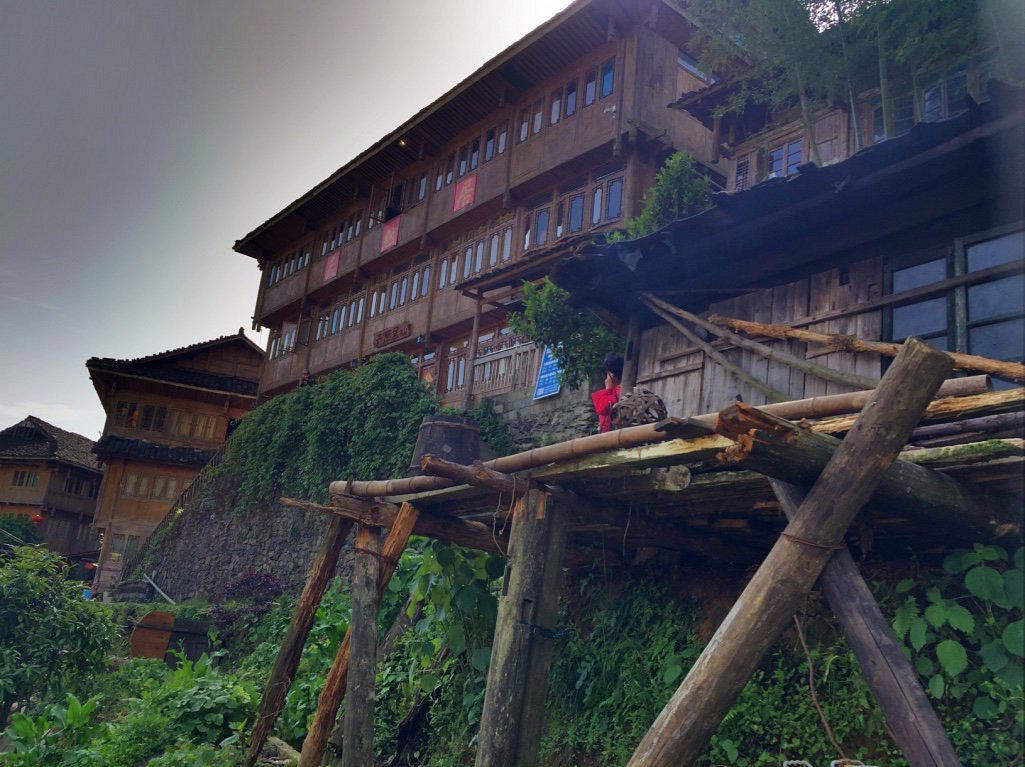
At a Glance
- Scenic
- Rustic
- Casual Hangout
- Panoramic View
- Local Sourcing
- Mountain
Rustic and scenic with a focus on traditional Zhuang and Yao village atmosphere, featuring home-cooked meals in guesthouses and local eateries surrounded by rice terraces.