In Guilin, rice noodles are not a side dish or a street snack, they are the meal, and Li Hong Guilin Rice Noodle occupies a place inside that tradition. This is where locals and visitors alike encounter the city's defining bowl: broth-based, topped with precision, eaten fast and without ceremony. A useful first stop for understanding what Guilin actually eats.
Pearl is the En Primeur Club membership app — saves, bookings, and concierge access live there. Same editors, same standards.
- Address
- Guilin, China
- Directions
- Get directions
 Saves & bookings on Pearl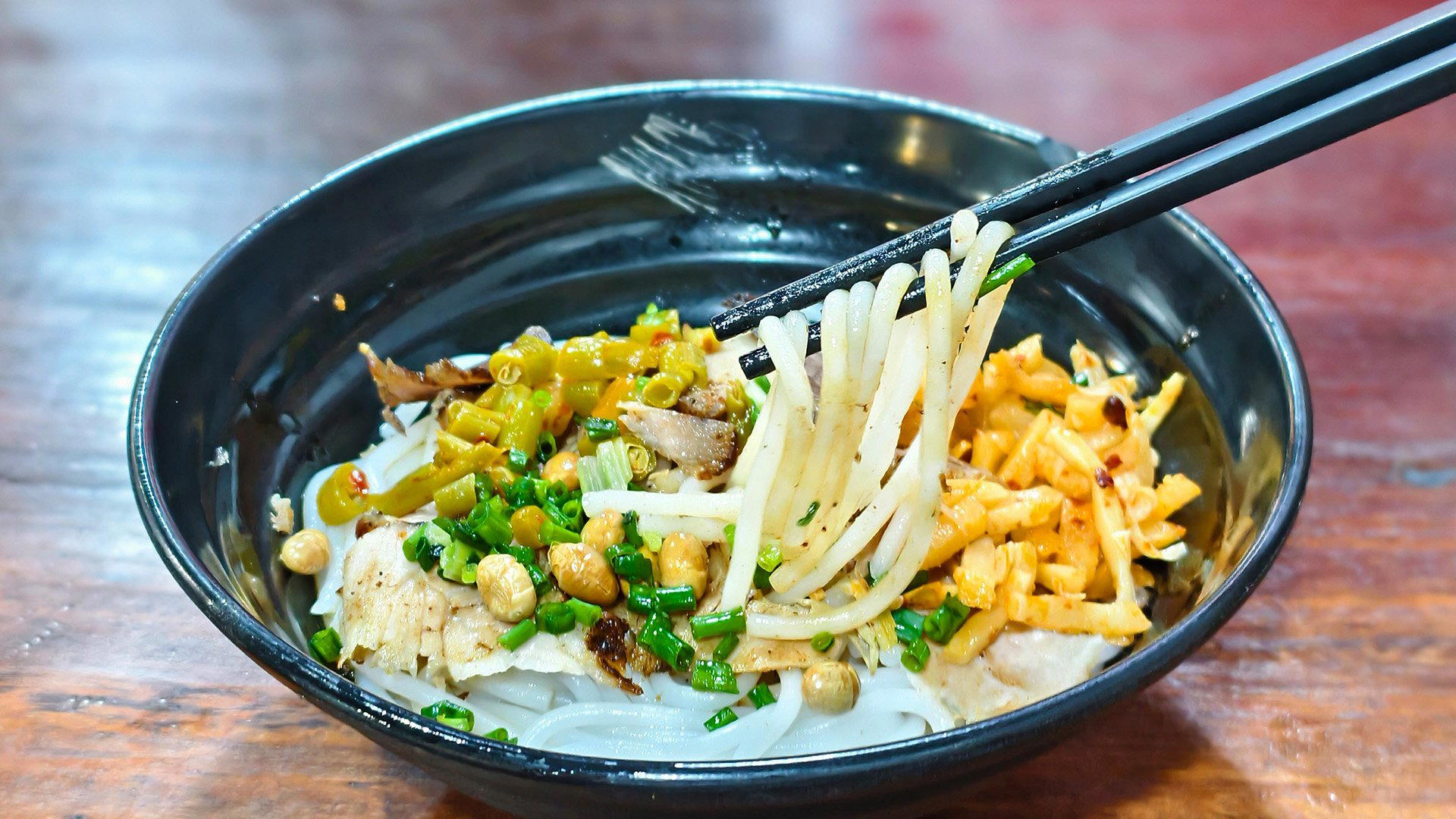
The Bowl Before Everything Else
Walk into almost any Guilin morning and the city is already eating. The ritual is older than the tourism infrastructure, older than the karst scenery photography, and far less complicated: a bowl of rice noodles, a ladleful of broth built overnight, a small selection of toppings assembled at speed. This is Guilin mifan, and it operates on a different register from the elaborate tasting menus you'd find at Chef Tam's Seasons in Macau or the refined Cantonese service at Imperial Treasure Fine Chinese Cuisine in Guangzhou. Li Hong Guilin Rice Noodle sits inside this tradition: a local establishment built around the format that defines the city's everyday food culture.
Guilin rice noodles, mifen, are not a simplified version of something more complex. They are the thing itself. The noodles are made from rice flour, white and slippery, with a texture that sits between Vietnamese bún and Yunnan crossing-bridge noodles. The broth is the measure of quality: pork and beef bones simmered for hours, sometimes with herbal additions, producing a pale, deeply savoured base that serious local operators treat with the same attention that a French kitchen gives its fond. Toppings vary by shop, but marinated beef, fried peanuts, pickled vegetables, and chilli oil are standard components across Guilin's noodle culture.
How the Meal Moves
The dining ritual at a Guilin rice noodle shop is not casual in the way that tourists sometimes assume. It follows a distinct sequence, and understanding it changes how the meal reads. You order at or near the counter, specify your broth volume, and select toppings, there is often little written in English, and pointing is entirely acceptable. The bowl arrives fast, sometimes within two minutes. Eating is immediate and continuous: the noodles absorb broth as they sit, and a bowl left to cool loses coherence. The correct pace is quick, attentive, and without distraction.
This is not the reflective tasting-menu tempo you'd find at Atomix in New York City, where each course is a studied pause. At a Guilin noodle counter, the rhythm is brisk, the seating is shared, and the transaction is part of the pleasure. Tables turn fast. The atmosphere, if you arrive at peak morning hours, sits somewhere between organised and chaotic, which is exactly how it should be. Locals who have been eating this format for decades don't slow down for it, and that unselfconsciousness is the quality that distinguishes a working noodle house from a tourist-facing imitation.
Guilin's Noodle Culture in Context
Guilin's rice noodle tradition is regional in a way that gets flattened when the dish travels. Versions exist across Guangxi province and in cities as far as Guangzhou and Shenzhen, but the Guilin preparation, particularly the broth clarity and the specific topping grammar, is distinct enough that locals can identify an authentic version from a copy. The metrics are repetition, consistency, and community trust rather than formal recognition.
Xin Rong Ji in Beijing or Ru Yuan in Hangzhou. The relevant comparison is to the wider category of regional Chinese noodle institutions: Lanzhou beef noodle shops, Chengdu dan dan noodle stalls, Wuhan hot dry noodle counters. These places don't compete on decor or price positioning. They compete on the depth of a single preparation, repeated daily across years.
Within Guilin's own restaurant scene, Li Hong operates in a category that sits alongside casual, locally-oriented spots. For visitors who want a different register entirely, a meal structured around a view or a longer sit-down format, options like Chicken Farm or Longji Rice Farm offer contrasting experiences, and our full Guilin restaurants guide maps the range.
What the Format Demands from You
Eating at a Guilin rice noodle shop requires a small set of adjustments if you're arriving from a fine-dining or hotel-restaurant default. Menus are short and often verbal. Broth quantity is sometimes customisable, a small, medium, or large pour over the same base noodle. Condiments on the table are there to be used: additional chilli, vinegar, and sometimes fermented bean paste are available for self-adjustment. The expectation is that you know what you want, or that you'll point and trust the result.
This self-directed format is closer to the logic of a Sichuan hotpot counter or a Japanese ramen shop than to the service choreography at establishments like Le Bernardin in New York City. The difference is not quality, it's format philosophy. Guilin's noodle culture has never been oriented toward hospitality theater. The quality lives in the broth and the noodle, and the format strips away everything that would distract from that.
Planning Your Visit
Guilin rice noodle shops, including Li Hong, operate on morning-heavy hours in the local tradition, breakfast and lunch are the primary service windows, with some shops closing before mid-afternoon. Arriving between 7am and 9am puts you inside the peak local rhythm, which is both one authentic version of the experience and the busiest. Expect to share a table. Payment in China is almost universally handled through WeChat Pay or Alipay; cash is accepted but a mobile payment setup will move things faster. This is a walk-in format and advance reservation is not part of the category's convention. Fuzhou, Xiamen, or Suzhou.
Cuisine Lens
Comparable venues nearby, for context on price, style, and recognition.
| Venue | Cuisine | Price | Notes |
|---|---|---|---|
| Li Hong Guilin Rice NoodleThis venue — the venue you are viewing | Guilin Rice Noodles | $ | Not listed |
| Longji Rice Farm | Traditional Zhuang Rice Terrace Cuisine | $$ | Longji Town |
| 味全米粉Wei Quan Noodle | Guilin Rice Noodles | $ | 桂林市 |
| Chicken Farm | Guilin Rice Noodles | $ | Downtown |
| Sugarhouse Restaurant | Modern Local Chinese | $$$$ | Yangshuo |
| 1980烧肉粽 | 闽南传统烧肉粽 | $ | 思明区 |

At a Glance
- Rustic
- Casual Hangout
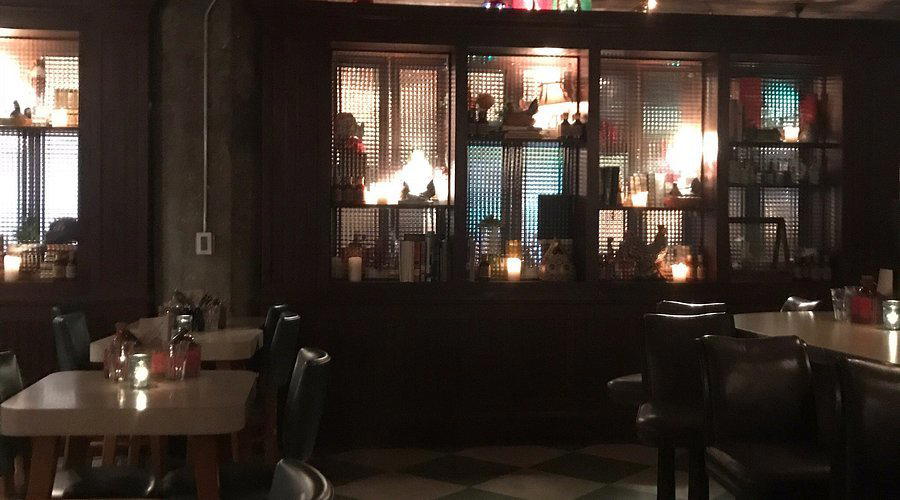
Casual street food atmosphere focused on comforting, umami-rich noodle bowls.